
Something shifted after my informal review with Brad Zellar (writer (House of Coates, Driftless), publisher (Nocturno), and longtime collaborator of Alec Soth).
I don’t mean I suddenly understood my work or knew where it was going. I mean the opposite, actually. I stopped pretending I knew. And in that surrender, in the space that opened up when I finally let go of the version of myself I’d rehearsed on a hotel bed in Vancouver, the week started giving me things I hadn’t thought to ask for.
If what I wrote in part 1 a few days ago was about what the week took from me, the ego, the illusion of cohesion, the fantasy that I was almost done, then this is about what it gave back. And what it gave back was stranger, harder to hold, and infinitely more valuable than any feedback on a sequence of prints.
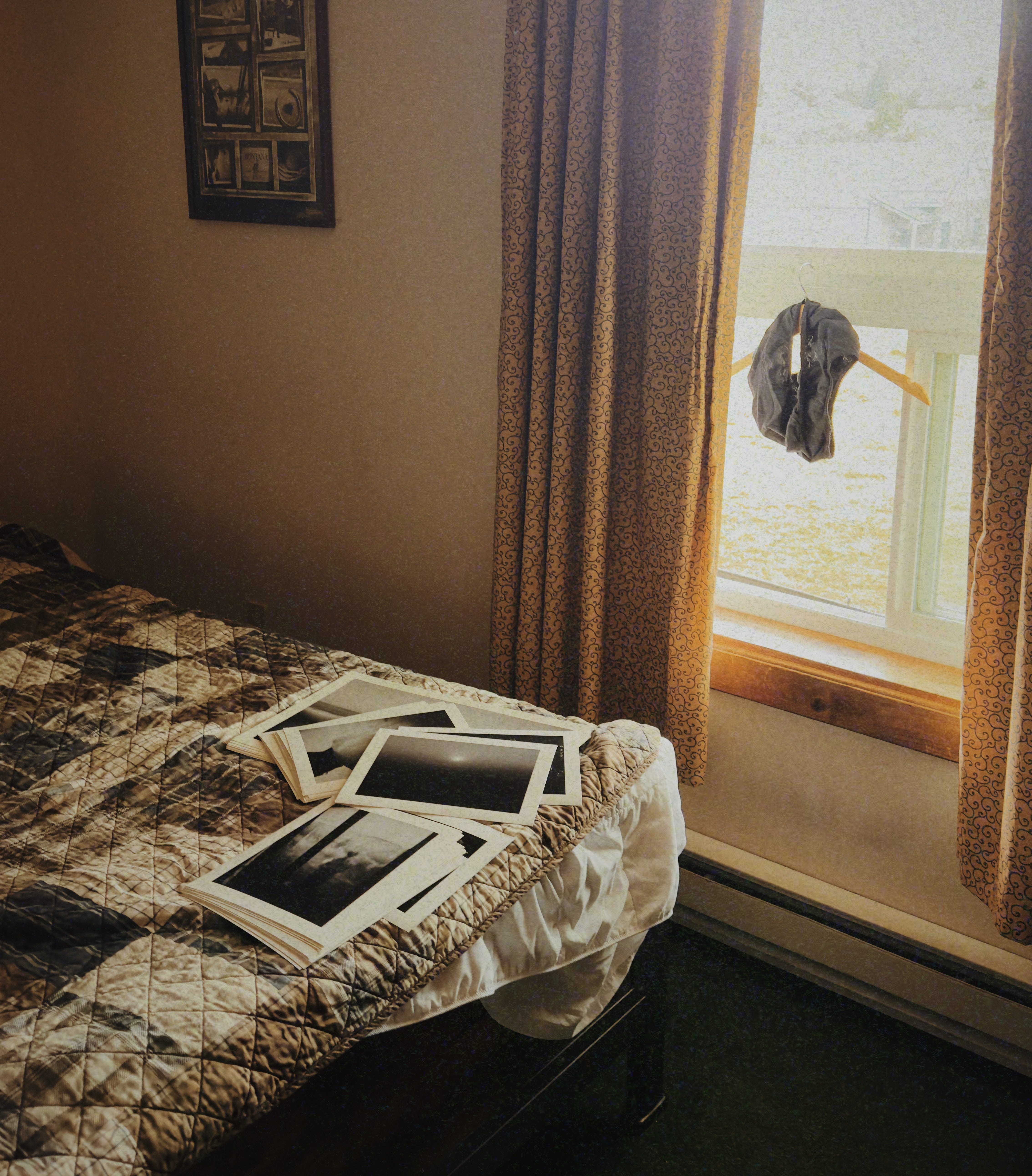
Here is something I did not expect to learn at a portfolio review: nobody is finished.
I don’t mean that in a motivational poster kind of way. I mean it literally. The people I had placed on pedestals, whose books I’d studied, whose careers I’d quietly used as measuring sticks for my own, they are all still searching. Still unsure. Still waking up wondering if today will be the day they prove to themselves they’re not a fraud.
Jesse Lenz (photographer (The Seraphim, The Locusts), publisher and founder of Charcoal Press, Charcoal Book Club, and Chico Review), who created this event 10 years ago, is one of the busiest, most prolific people I’ve ever encountered. 6 children, a publishing house, book club, workshops, art book fairs in Paris and New York etc. etc…And when I finally cornered him (I actually felt bad) long enough to ask what he looks for in the work that crosses his desk, he said something that reframed my entire understanding of why I was there:
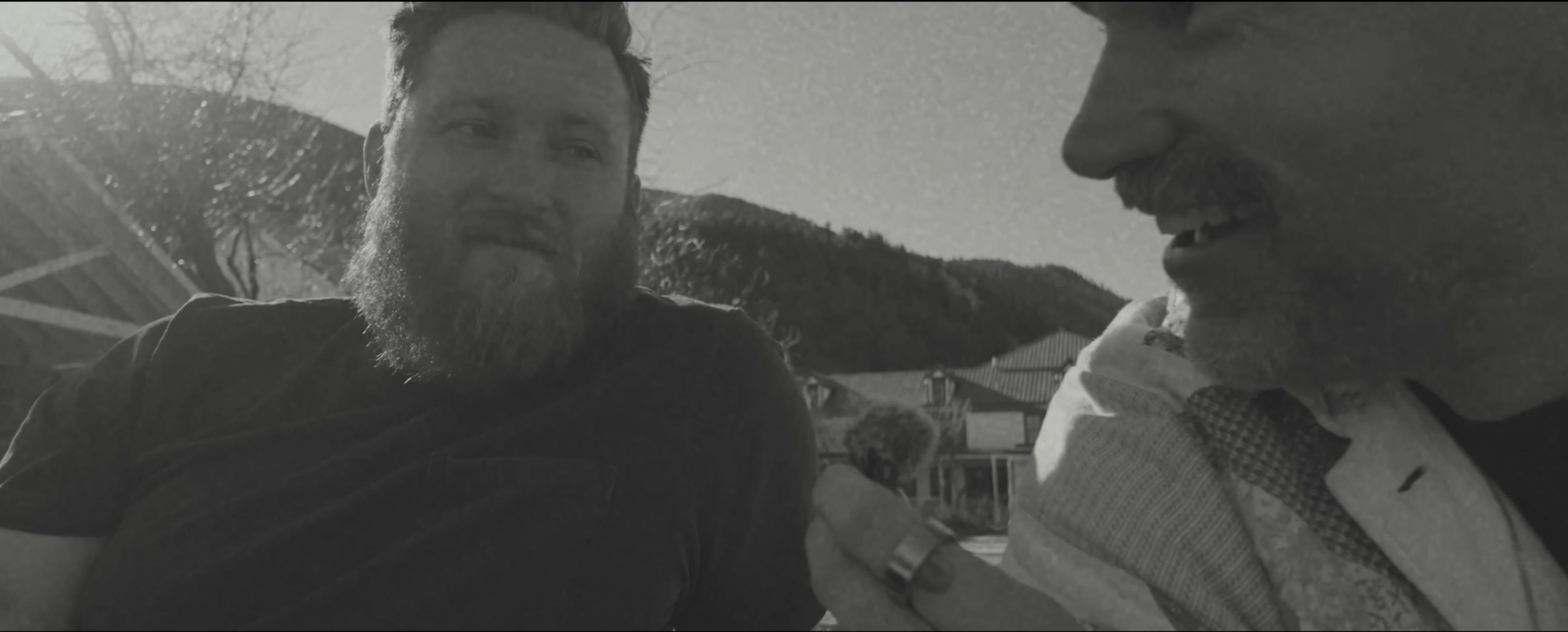
“I’m not looking for work that’s finished. That’s actually kind of a turnoff for me. I want to see something with potential, but find somebody that maybe hasn’t quite realised how good they’re doing just yet.”
Read that again. The man who runs the event considers finished work a turnoff. And I had arrived believing mine was nearly there. The irony is so sharp it almost draws blood. But it also released something in me, because if the gatekeeper himself isn’t looking for perfection, then maybe the point was never perfection. Maybe it was always about showing up with enough honesty and enough unfinished questions that someone could meet you inside them.
Harrison Miller (photographer (Yellow Pine, Valleys), designer and publisher through Underlife Editions) confirmed this from the other direction. He’d been an attendee here in 2021, arrived with early self-published work and some fragile confidence, and left feeling like he didn’t fit in. Shattered, was the word he used. But instead of retreating, he went deeper into bookmaking, experimented with printing and binding and materials, found himself through the craft rather than the concept. And now, 5 years later, he’s back as a reviewer. When I asked him what he looks for across the table, he didn’t hesitate:
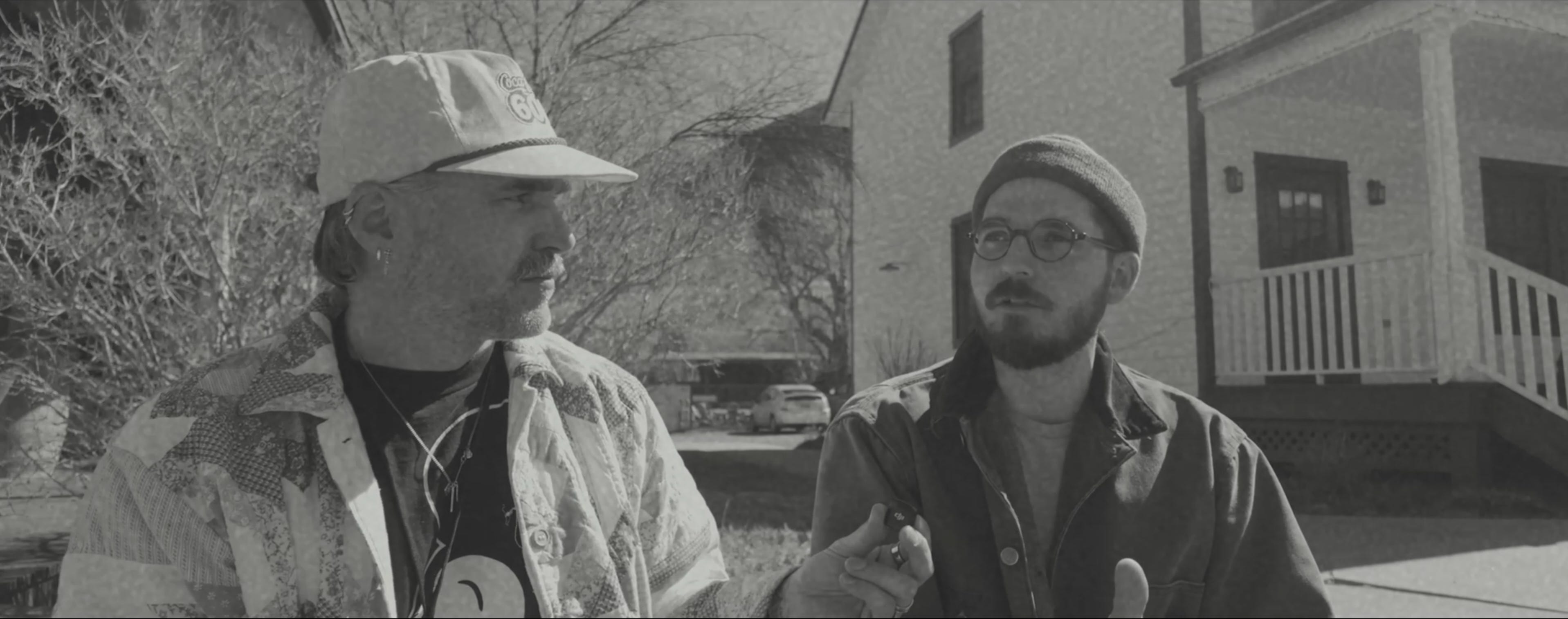
“Intimacy, emotion, movement, beauty, immediacy. I want to impulsively know as soon as I see what I’m looking at that I like it without even having to think about it. I don’t want to hear the story, I don’t want to read the words, I just want to know that by just touching the object I already like it.”
That progression, from shattered attendee to someone who can articulate what moves him with that kind of precision, is maybe the most hopeful thing I witnessed all week. Not because it’s a success story. Because it’s a permission slip. It says: you don’t have to arrive complete. You just have to keep arriving.
Tim Carpenter (photographer (Little, Christmas Day, Bucks Pond Road), educator at Penumbra Foundation, and co-founder of TIS Books)), who has been reviewing at Chico for 7 years and who reviewed me on day 1, told me he comes back every year because the attendees inspire him. Not in some abstract, noble way. In a gut-level, I-need-to-go-home-and-make-better-pictures way. (You can hear Tim’s review and many of these conversations in Part 2 of the podcast episode.)
“Everybody can make pictures that I’ve never seen before,” he said. “And I love it.”
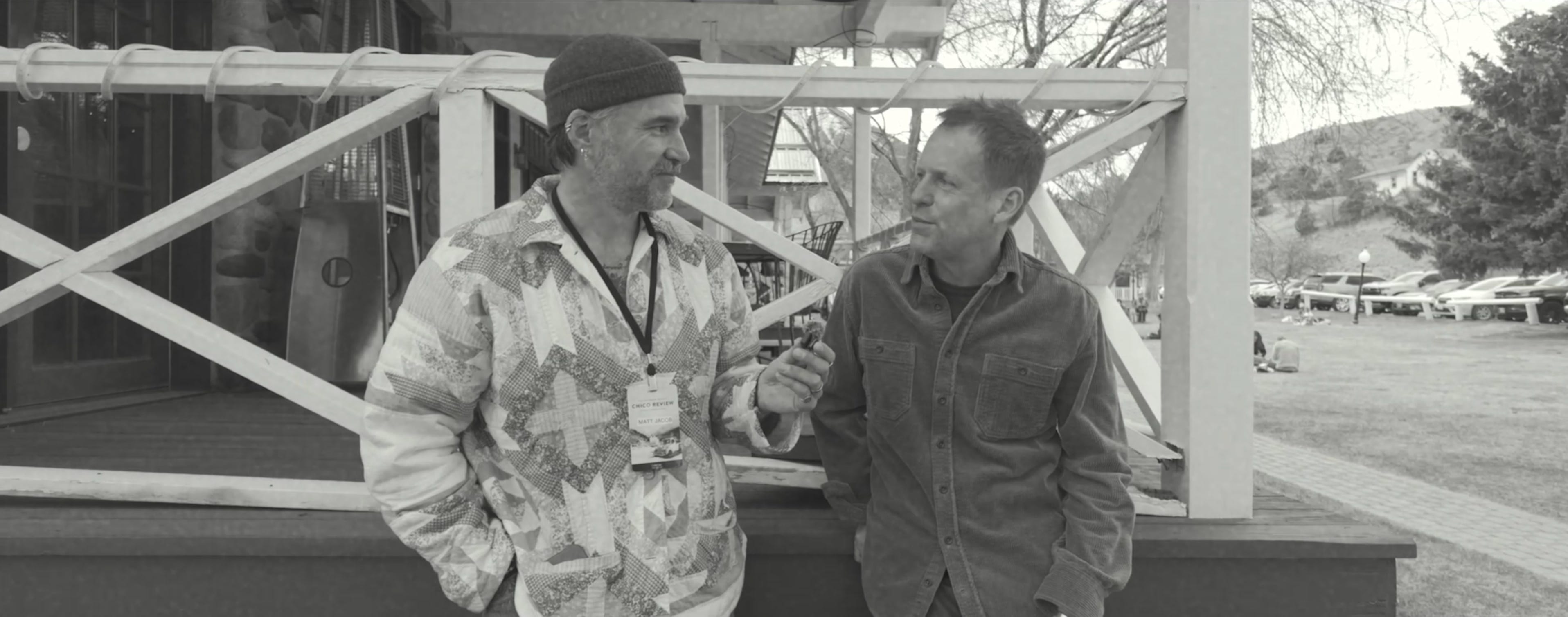
And Matthew Genitempo (photographer (Dogbreath, Jasper) and publisher (Trespasser)) - one of the most respected photobook makers working today, and someone whose work I have spent serious time with - told me that he still walks into Chico feeling like a student. He mentioned seeing Odette England here for the first time and going up to her like a fan. He used the phrase “excited nervousness” to describe how he still feels every year.
“If you’re the smartest person in the room, then you’re in the wrong room,” he said. “And every single time I feel like I’m in the right room here.”
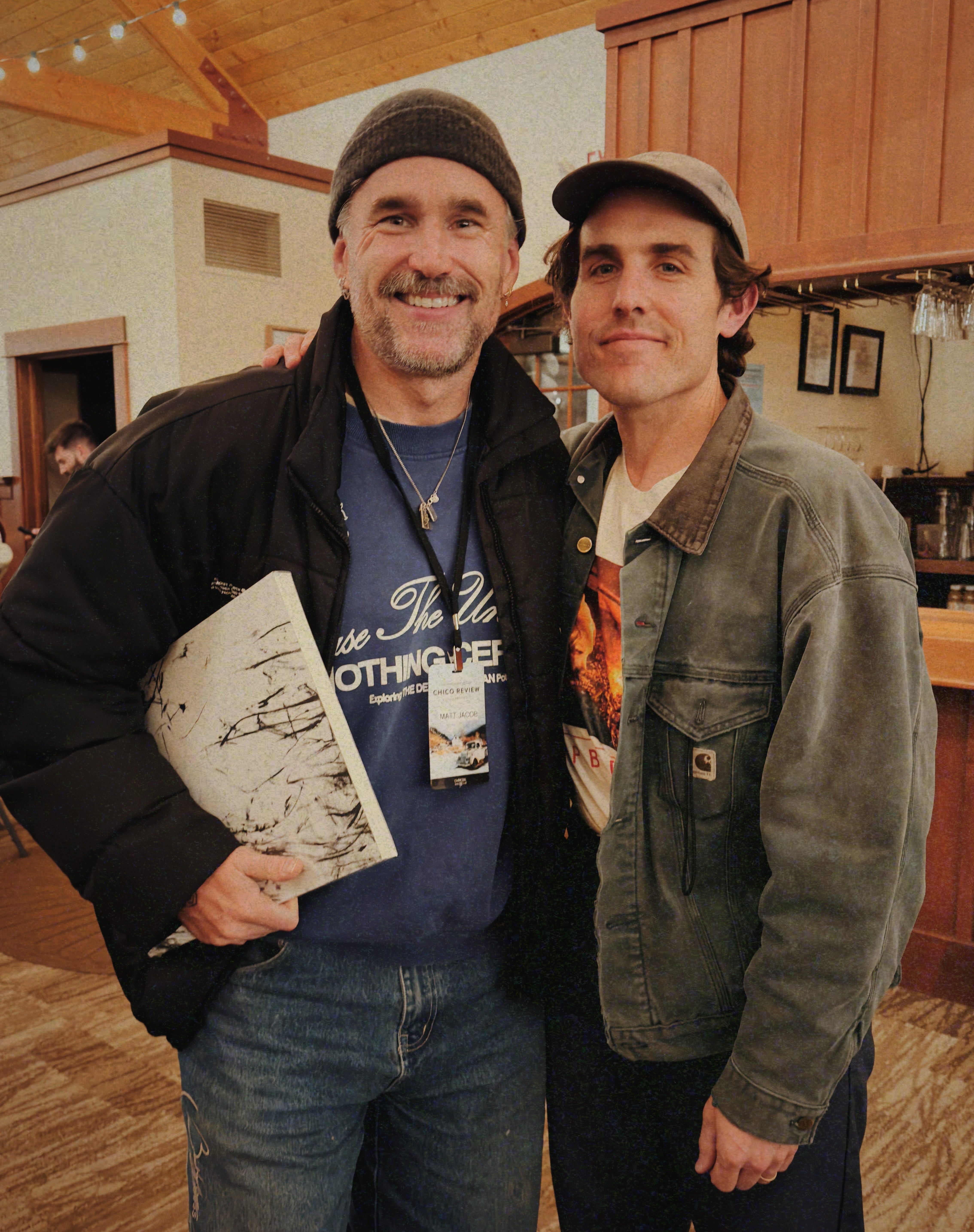
I keep coming back to that. Because if Genitempo still feels it, if Carpenter still needs it, if Harrison had to be broken before he could be rebuilt, then the myth of the finished artist is just that. A myth. And the sooner you let go of it, the sooner the work gets honest.
But here’s where I have to talk about something that most of us in this world avoid. Not because it’s uncomfortable, though it is, but because acknowledging it feels like it might undo the romance of the whole endeavour.
The model is broken.
Ann Hermes (photojournalist and attendee) said it more plainly than anyone I spoke to all week, and I think her honesty deserves to be heard. Ann is a former staff newspaper photographer. That job, she told me, has almost entirely disappeared. She now freelances for editorial outlets like the New York Times and Washington Post, places with great reputations that don’t pay enough to live in a major city. She came to Chico with a personal project and every reviewer told her the same thing: this is a book. Just not a photobook. An academic press book. Which means more time, more energy, and still no money at the end, because nobody makes money from photobooks.
She called her situation “working in 2 broken models.” Editorial journalism and the photobook world. And then she paused and said she might be staring at a 3rd, because commercial photography is ripping at the seams too.
It would have been easy for that conversation to spiral into despair. But it didn’t, because Ann isn’t despairing. She’s adapting. She talked about “commercial documentary,” a term another attendee had coined, the idea that the skills you develop as a photojournalist (flexibility, critical thinking, working fast and alone) are exactly what corporate clients will pay for, at 10 times the editorial rate. She talked about passing those jobs to other photojournalists when she can’t take them, because she wants them to be able to fund their personal work too.
And then she said something that landed differently than maybe she intended:
“We really have to help each other keep at it, because there are so many valuable voices and stories being told here. And I just want everybody to be able to continue the work that they’re doing.”
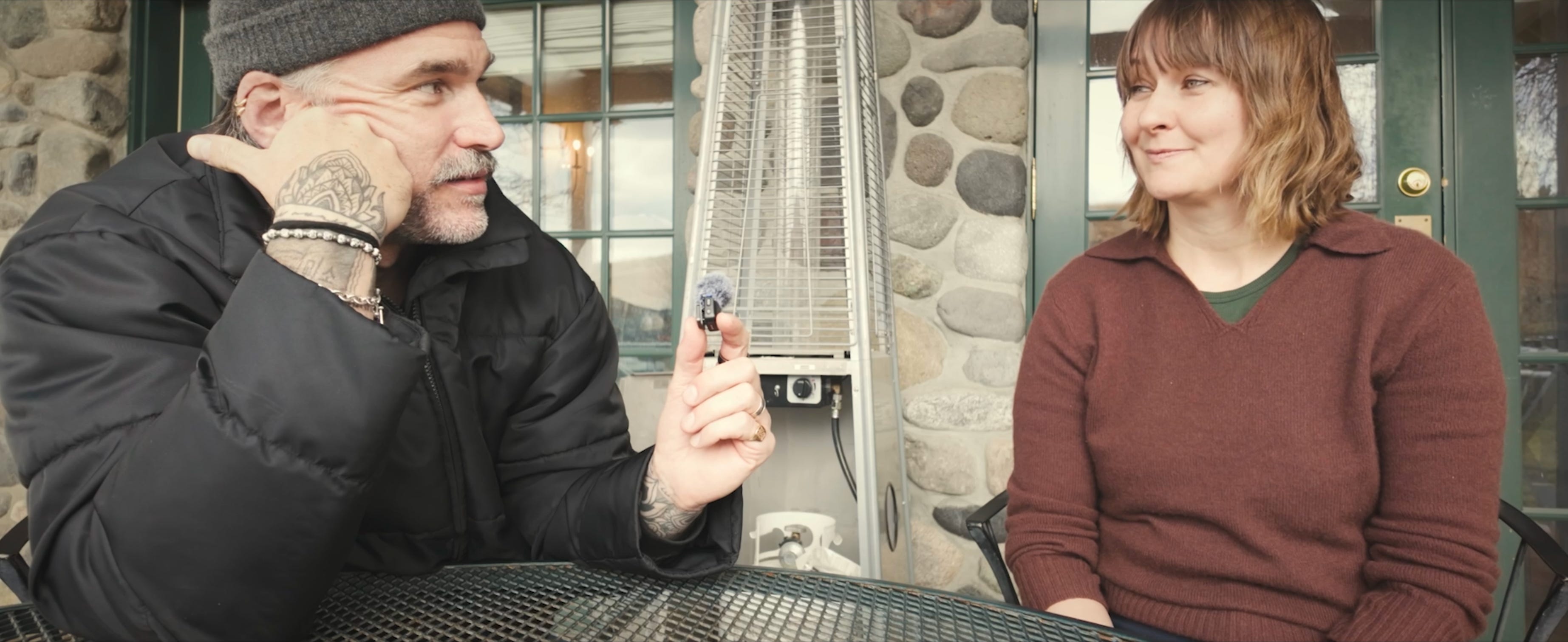
Chico exists in this strange, beautiful contradiction. It is a place where art and commerce intersect but rarely shake hands. Everyone here is making extraordinary work. Almost nobody is making a living from it. And yet nobody is stopping. The question that hangs in the air, unspoken but heavy, is: why? What sustains this? What keeps people flying across the world to show 43 prints to strangers who will tell them, lovingly, that they’re not done yet?
I think the answer lives in the next thing that happened to me.
On the penultimate day, I had a review with Odette England that opened a door I didn’t know existed, and then a review with Jonathan Levitt that walked me through it.
Odette is one of those rare people who makes you feel like the most important person in the room without ever diminishing anyone else. A photographer (Isn’t X Beautiful, The Long Shadow) and educator, her new book is a 26,000-word novella about the relationship between the letter X and photography, built on autobiography and growing up in deeply rural Southern Australia. When I asked her what the best part of reviewing was, she didn’t talk about finding talent or shaping projects. She talked about eyes.
“The best thing that you can experience with another human being is when you say something to them and there’s this expression that comes on their face, and you think, oh my goodness.”
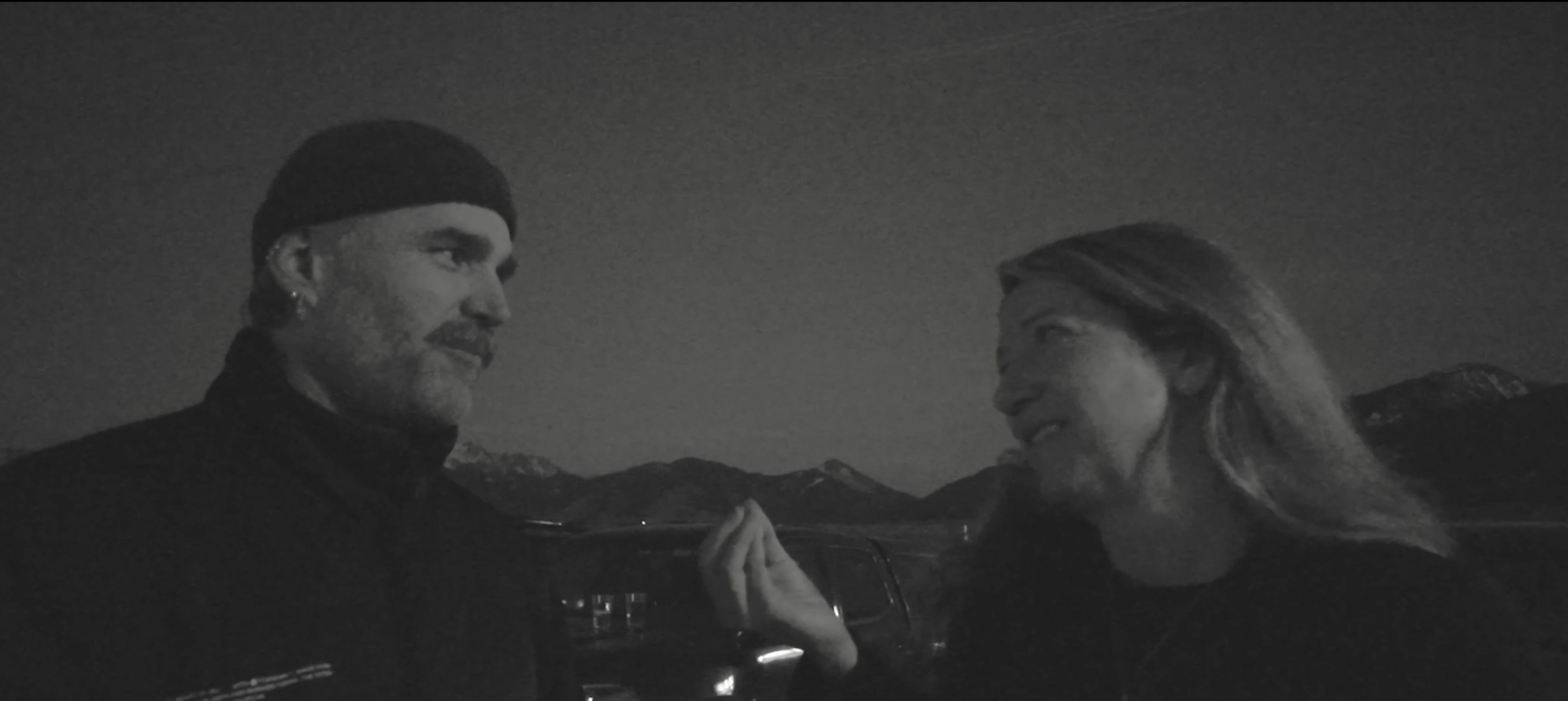
She gave me that expression. She pulled things out of my work that I hadn’t seen, connections between images I’d treated as separate, emotional threads I’d been weaving without knowing it. And she did it with such tenderness that I felt, for the first time all week, like the work wasn’t a problem to be solved. It was something alive that needed careful attention rather than aggressive editing.
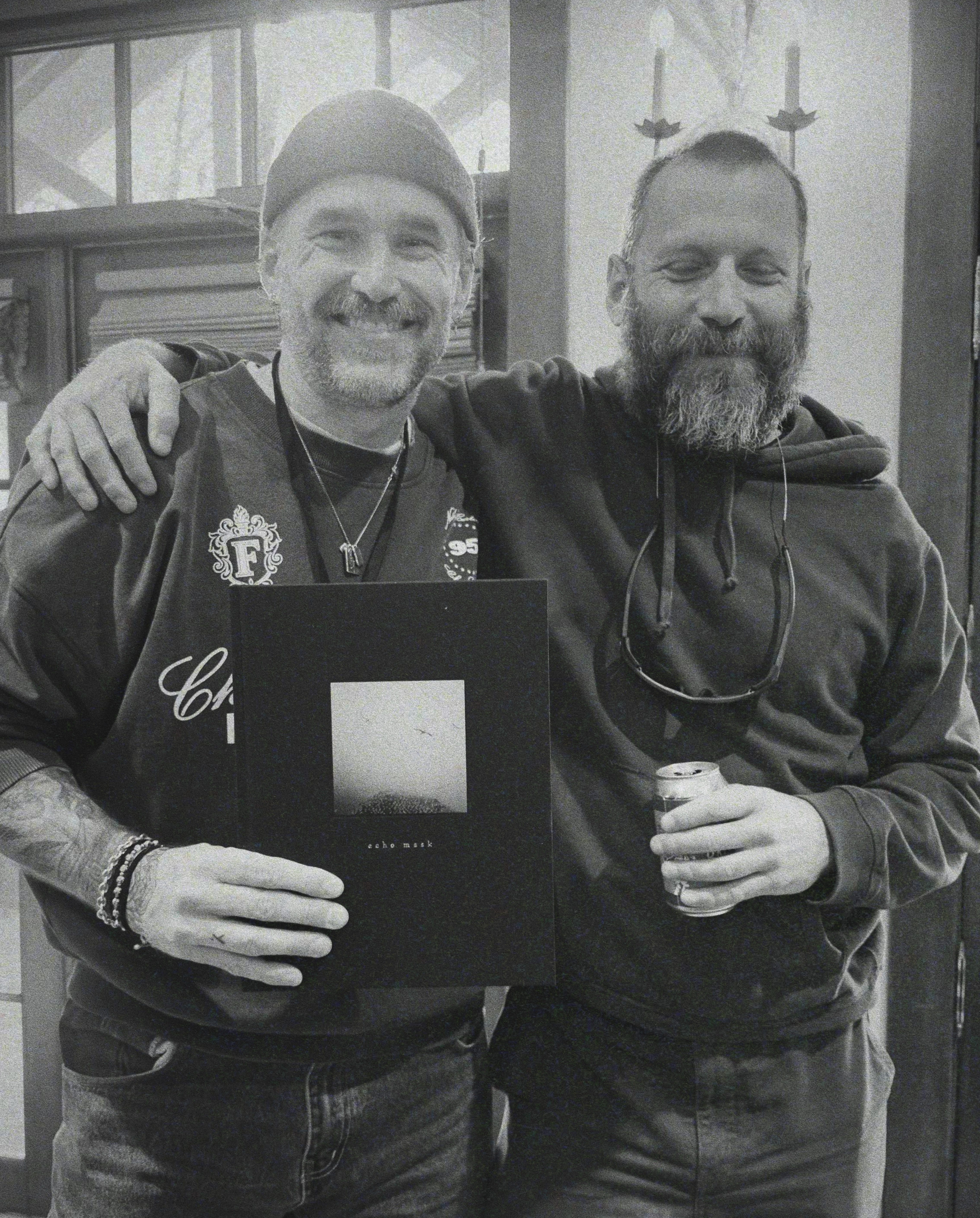
But it was Jonathan Levitt (photographer (Echo Mask)) who gave me the metaphor I’m still living inside.
He talked about my project as if it were a piece of music. Not a narrative. Not a document. Not a sequence of evidence, but a composition. He asked me what I’d want to listen to over and over again, and why. What I’d want it to make me feel. And something in the way he said it unlocked a way of thinking about photography that I’d never accessed before, one where the images aren’t illustrations of a story but notes in something felt rather than understood. Where the edit isn’t about logic but about rhythm, tension, release.
I’ve been turning that conversation quite a bit, because it doesn’t just apply to a photobook. It applies to everything I do. The podcast, the newsletter, the way I try to help others, the way I try to live. What would I want to listen to over and over again? And am I brave enough to actually make that the work?
Andrew Aiello, one of the attendees I connected with most deeply during the week, had a parallel experience with Claudine Doury (photographer (Amour, Sasha) and former photo editor) that crystallised something I’d been circling. He’d come to Chico with street photography, carefully composed images of people in cities, framed in beautiful light. Good work. Competent work. And then Claudine pulled out the images he’d almost left behind that she felt were the connective tissue and the poetry of the work. The distinction she’d drawn, between narrative and poetry in a body of work, had blown him open. And I felt it resonating with Levitt’s music metaphor, with Odette’s tenderness, with everything the second half of the week was teaching me. That the most powerful work isn’t the work you plan. It’s the work that slips through when you stop performing.
And now I have to tell you about the irony. Because it’s so precise it almost feels designed.
My project is (was?) called To the Quiet Ends. I’m not going to say much about the images or the narrative, because there’s still so much work to do and I want to protect the space around it while it grows. But I can tell you what it’s about emotionally, because that’s what this week forced me to articulate over and over, 10, 15, 20 times, to as many different people, until I finally heard myself say it clearly enough to believe it.
It’s about displacement. About the experience of existing between places, geographically, emotionally, metaphorically. About not quite being one thing anymore but not yet being the other. About the turbulence of identity when the ground keeps shifting under you, when the landscapes you came from no longer recognise you and the ones you’ve arrived in don’t yet feel like yours.
And here I was, at Chico, carrying that work about fragmentation and not-belonging into a room where, for the first time in longer than I can remember, I felt like I belonged. Among people I’d never met, in a state I’d never visited, at an event I’d almost talked myself out of attending. The project about displacement found its home in a room full of strangers who turned out not to be strangers at all.
I’m still sitting with the weight of that. I think it might take months to fully understand. But I know this much: the work isn’t separate from the life. It never was. I was making images about the thing I was living, and this week held up a mirror and said, yes, and look, here it is again, right now, in the way you’re afraid to show these prints, in the way you cry when someone sees you, in the way you flew halfway around the world looking for a room that would understand.
Rory King (photographer (Gumsucker) and Chico alumnus), who was attending for the 3rd time, described the evolution in a way that brought everything together for me. He said his first year was a dream, surreal, overwhelming, his contained creative world suddenly exposed to people he’d admired from a distance. His second year, he started building real friendships with those same people. And now, on his third, photography had taken a backseat entirely.
“Tell me about your life,” he said. “Tell me how many times you’ve been heartbroken. Tell me what your relationship with your parents is like. That feels like it feeds back into the photography. But that’s why I come back.”
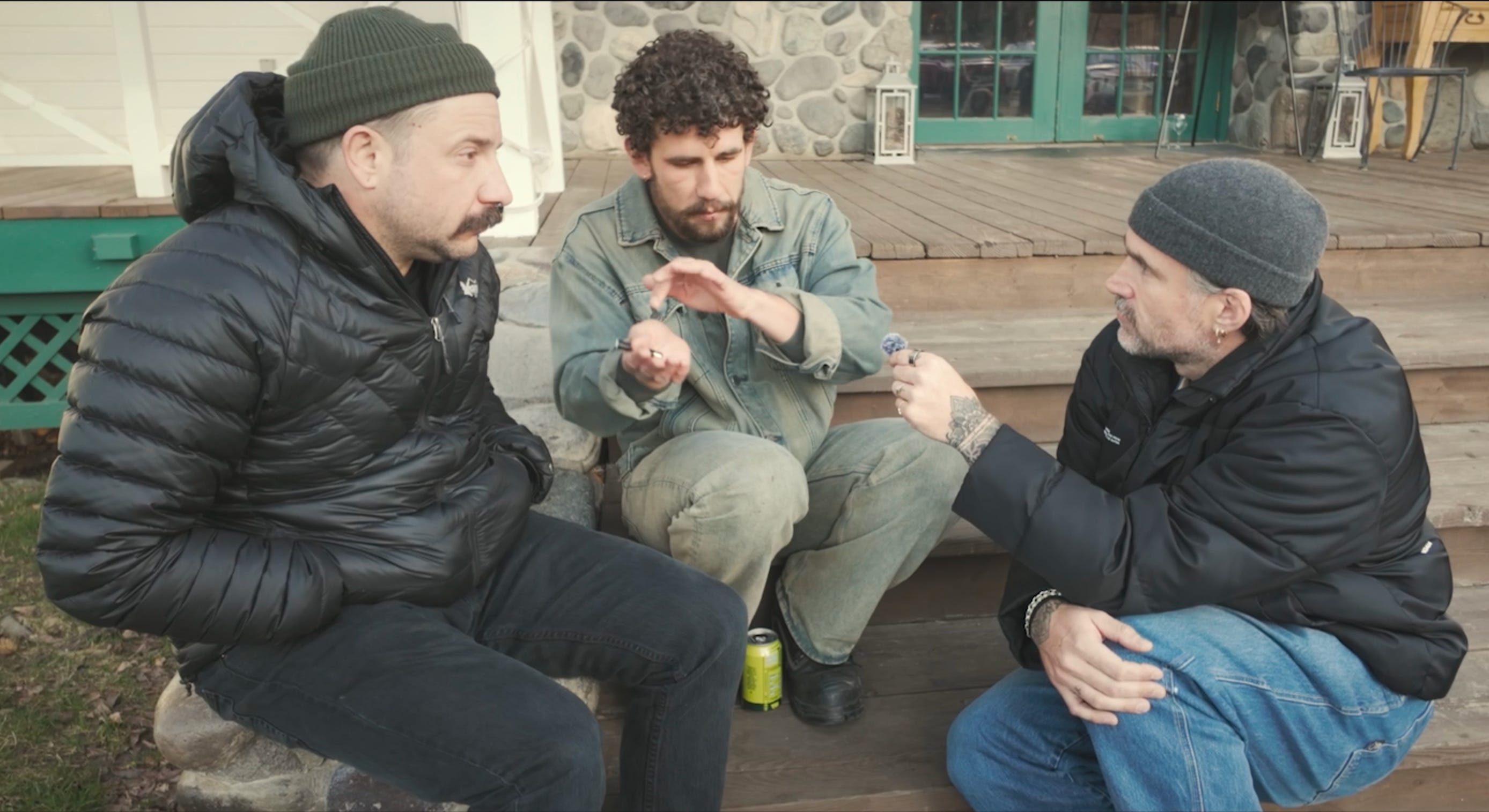
That’s the thing I’m taking home. Not a list of edits. Not a sequencing strategy. Not a publishing contact, though I have a few of those too. What I’m taking home is the understanding that the work and the life are not 2 separate things, and that the community you build around your searching is not a bonus. It’s the whole point.
Matt Genitempo reads poetry and painting books to feed his photography. Daniel Arnold (photographer (You Are What You Do, Pickpocket)) insists on doing curveball assignments that have nothing to do with his personal work, just to see what happens when he mixes it all together at the end of the month. Odette wrote a 26,000-word novella about the letter X. Marshall To (photographer (Blank Notes) and Chico alumnus) found that success meant having dinner with the right people, not a bestselling book. Bryan Schutmaat (photographer (Sons of the Living, Grays the Mountain Sends) and publisher (Trespasser)) told me to stop shooting and start excavating my archive. And Jesse built a 10-year institution on the premise that what photographers need most is not instruction, but proximity to each other.
I think they’re all saying the same thing in different languages: that the work comes through us, not from us. That it lives in relation, not in isolation. And that the most dangerous thing an artist can do is believe they’re finished.
I still don’t know exactly where To the Quiet Ends goes from here. I have a core of work that multiple reviewers confirmed is strong. I have a much clearer sense of what belongs inside this project and what doesn’t. I have Levitt’s music metaphor ringing in my ears, telling me to stop thinking in narratives and start thinking in rhythm. I have Brian’s advice to spend an hour every day in my archive, not shooting new work, but excavating what I’ve already made. And I have the knowledge, which I didn’t have before Chico, that what I’m making is not just a collection of photographs. It’s architecture. And architecture takes time, and craft, and a willingness to tear down walls you were proud of building.
But I also have something I didn’t expect. I have people now. People who saw the work and understood not just what it looks like, but what it costs. People I can send a PDF to in 6 months and say, I changed everything, does this hold? People whose work will keep teaching me long after the hot springs have gone cold and the Montana sky has faded from my phone screen.
If this week taught me anything, it’s that the creative life is not a solo expedition. It’s a pilgrimage you take alongside people who are just as lost, just as hungry, just as willing to lay their bleeding hearts on a table and ask to be seen.
And if you’re reading this and thinking, I want that, then I need you to know: you don’t have to go to Montana to find it. You just have to be willing to show up, unfinished, and trust that the room will meet you where you are.
That’s what Chico did for me. And that’s what I’m trying to build in the spaces I create too. I hope you can join me in those spaces.
Happy Shooting,
Matt x
(If you want to experience the full week, both parts of the podcast are live now - see links below. And if you want to be part of a community that holds space for this kind of work and this kind of conversation, I’d love to have you - link also below)
A beginning I didn’t know I needed, in a room I almost didn’t enter.
And the beautiful thing is, the room hasn’t closed. It just got bigger.
Comments
Nothing yet. Say the first thing.
Sign in to join the conversation.