
As an assist to the reader, before proceeding, it’s worth sketching the contours of our argument.
One form of Hollywood “typecasting” has some actors inhabiting recurring symbolic identities.
20th-century French semiotician Barthes explains one mechanism by which this can happen.
Late actress Daveigh Chase’s career turns out to exhibit an unusually dense recurrence of these symbolic identities — raising the unsettling possibility that she was never quite playing characters so much as carrying archetypes.
Watch the abbreviated version of this presentation on YouTube:

Three weeks ago, on June 16th, actress Daveigh Chase died at only thirty-five.
Most news coverage has naturally focused on the circumstances of her decline. Other investigators have revisited her evident legal troubles, magnified her disappearance from public life, and punctuated her melancholy arc from celebrated child actress to tragic footnote.

Meanwhile, the internet is doing what it always does: chasing rumors, excavating scandals, picking up crumbs, and seeking villains.
But SynchromystiqueTM is principally about pattern detection. Our interest therefore lies elsewhere — asking, in a word, whether something more SynchroMystical is afoot.
Taken individually, Chase’s best-known performances are simply memorable films: Donnie Darko, Lilo & Stitch, The Ring, Spirited Away.
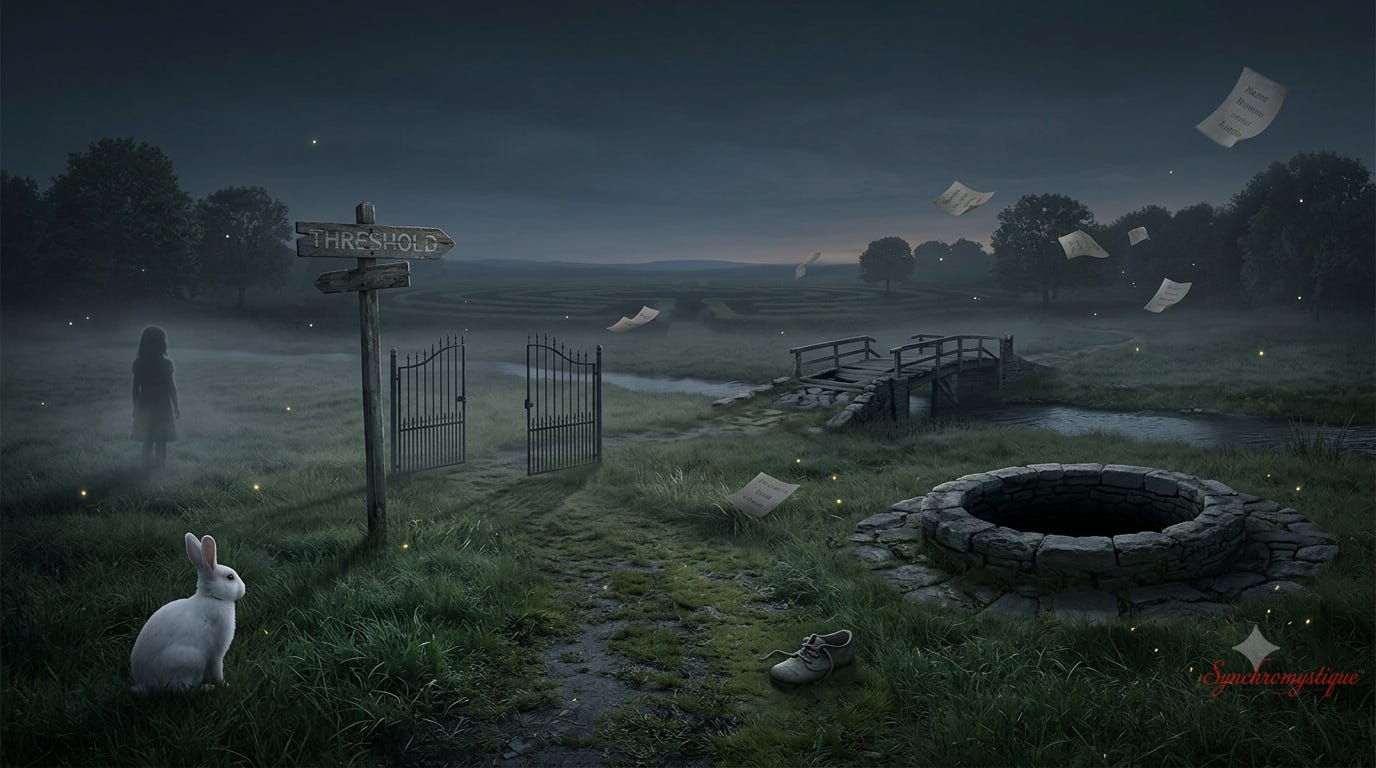
Viewed together, however, they begin to resemble less a résumé than a symbolic map. Rabbits. Wells. Ghosts. Lost children. Thresholds. Dragons. Abandonment. Parallel worlds. Names forgotten and names recovered. Again and again, the same constellation of archetypal images — in the sense of pioneering depth psychologist Carl Gustav Jung — seems to gather around the actress.
Coincidence? Perhaps. Or — in Jung’s register — synchronicity.
Overall, we’re skeptical of reductionistic explanations, which — applied to complex cases — can quickly lose their elegance and power. Nevertheless…
It’ll be our contention that if one follows these recurring symbols, they eventually converge upon a much larger question — one that has less to do with Daveigh Chase herself than with the curious way modern culture repeatedly casts certain people into the same mythic dramas.
But before we can say precisely what is afoot, we need a sharper instrument than coincidence — and the one we reach for belongs to a 20th-century French semiotician who spent his career explaining how certain images get mistaken for eternal truths.
There is a particular feature of Hollywood casting — perhaps a shadow-side of what’s known as “typecasting” — by which an actress is not so much asked to “take on” different rôles as she is repeatedly enlisted to embody variations of the same symbolic “presence.”
Within the upper echelons (so-called) of celebrity culture — and considering such “A-listers” (both then and now) as Humphrey Bogart, Tom Cruise, Clint Eastwood, Margot Robbie, or Meryl Streep — this phenomenon is possibly empowering. The persona becomes a kind of skeleton, sturdy enough to bear the weight of an entire career, or even to outlive its bearer. The myth, in these cases, is something an actor can stand inside of, indefinitely, and draw on as a resource.
On the lefthand side of the continuum, and by the very same casting mechanism, a perdurable façade is apparently rejected — perhaps involuntarily and subconsciously, the way a body might reject a transplanted organ. The effect is diametrically opposed, and evidently deleterious.
Here the persona is not a support structure; it’s a cage. Maybe it was assigned too early, often before the actor was old enough to consent to, revise, or even understand it. And such baggage is difficult to put down; it’s rarely outgrown.
The face that was “already saying something else” beneath the rôle becomes, for this class of actor, not a veneer of unreachable perfection but a kind of permanent type-cast telos — whether of innocence, or victimhood, or doom. And it’s something the public continues to read-onto them long after filming has “wrapped,” the contract is fulfilled, and even the career itself has ended.
In the middle? We imagine a sorting mechanism, as it were — one part directorial engineering, one part audience reaction, and a substantial remainder bottoming out in pure chance. Middle areas are, frequently, liminal zones, as we have touched on before.
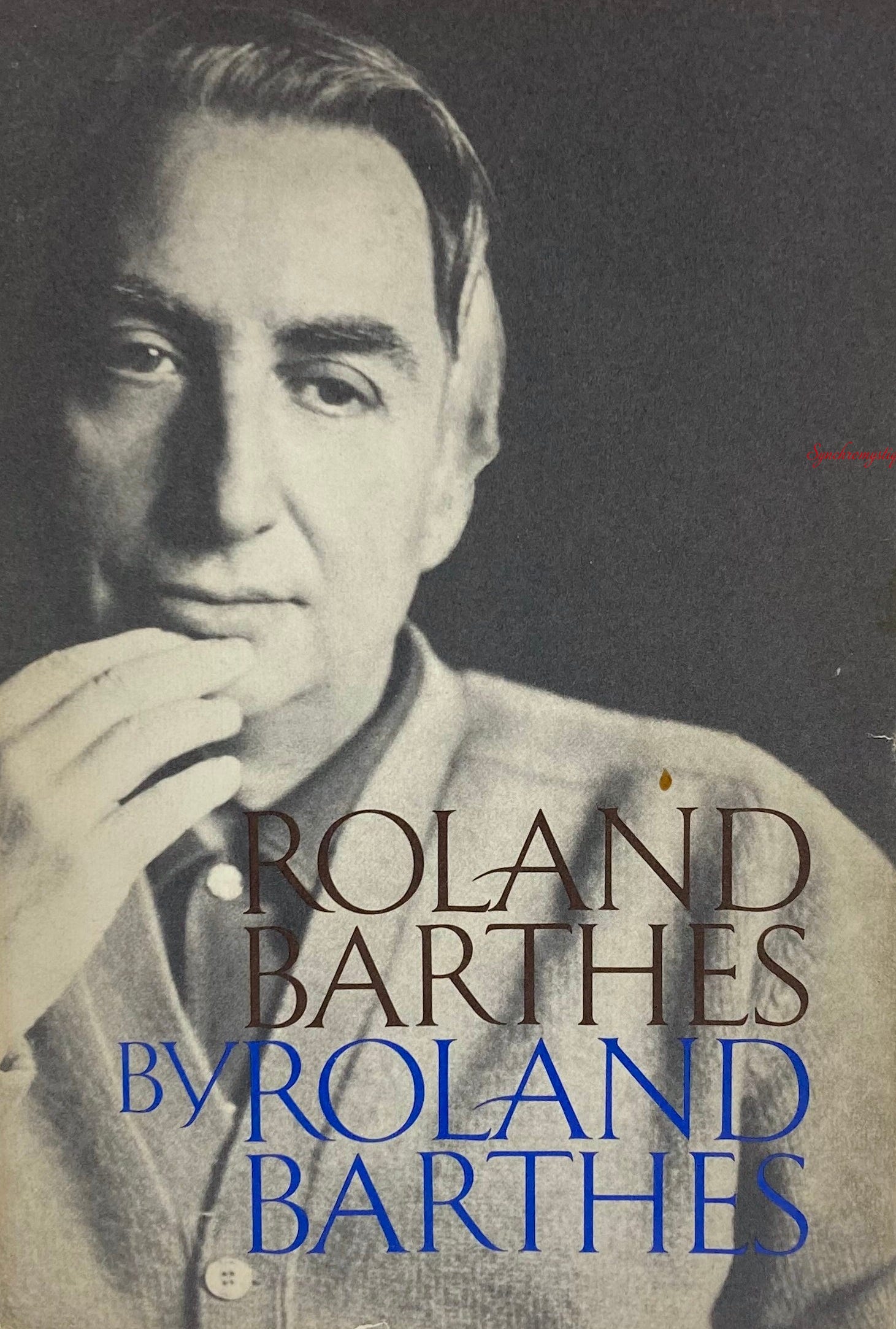
20th-century French semiotician Roland Gérard Barthes, writing — in his 1957 essay collection Mythologies — a small portion about Swedish-born American actress Greta Garbo (born Greta Lovisa Gustafsson), a product of his same century, provided the rudiments of this theory.
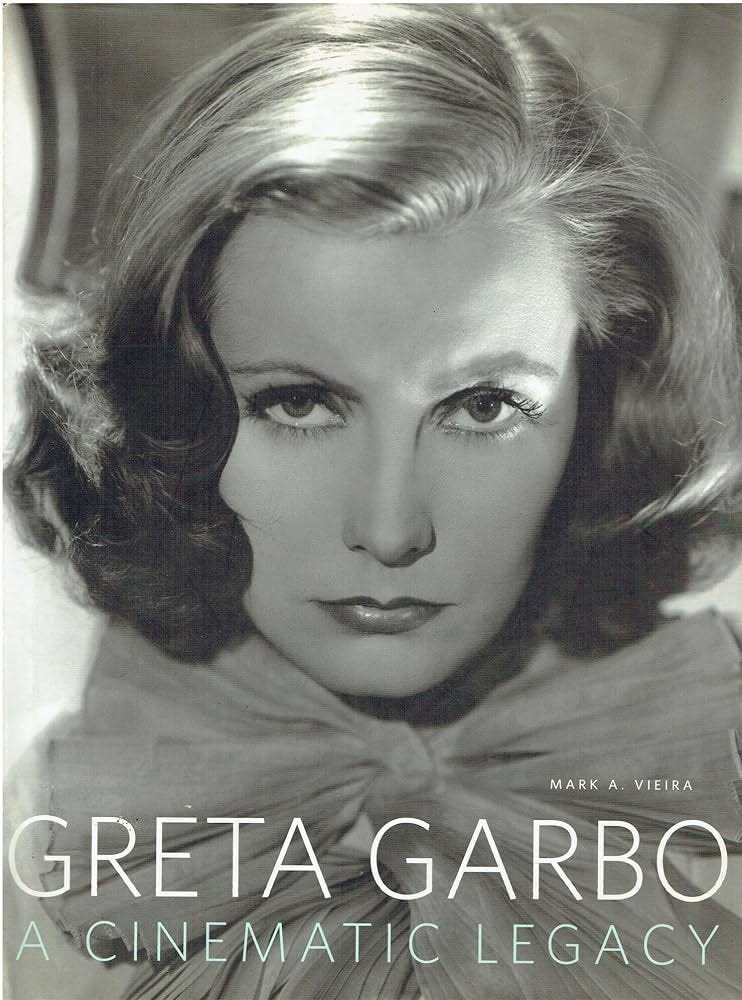
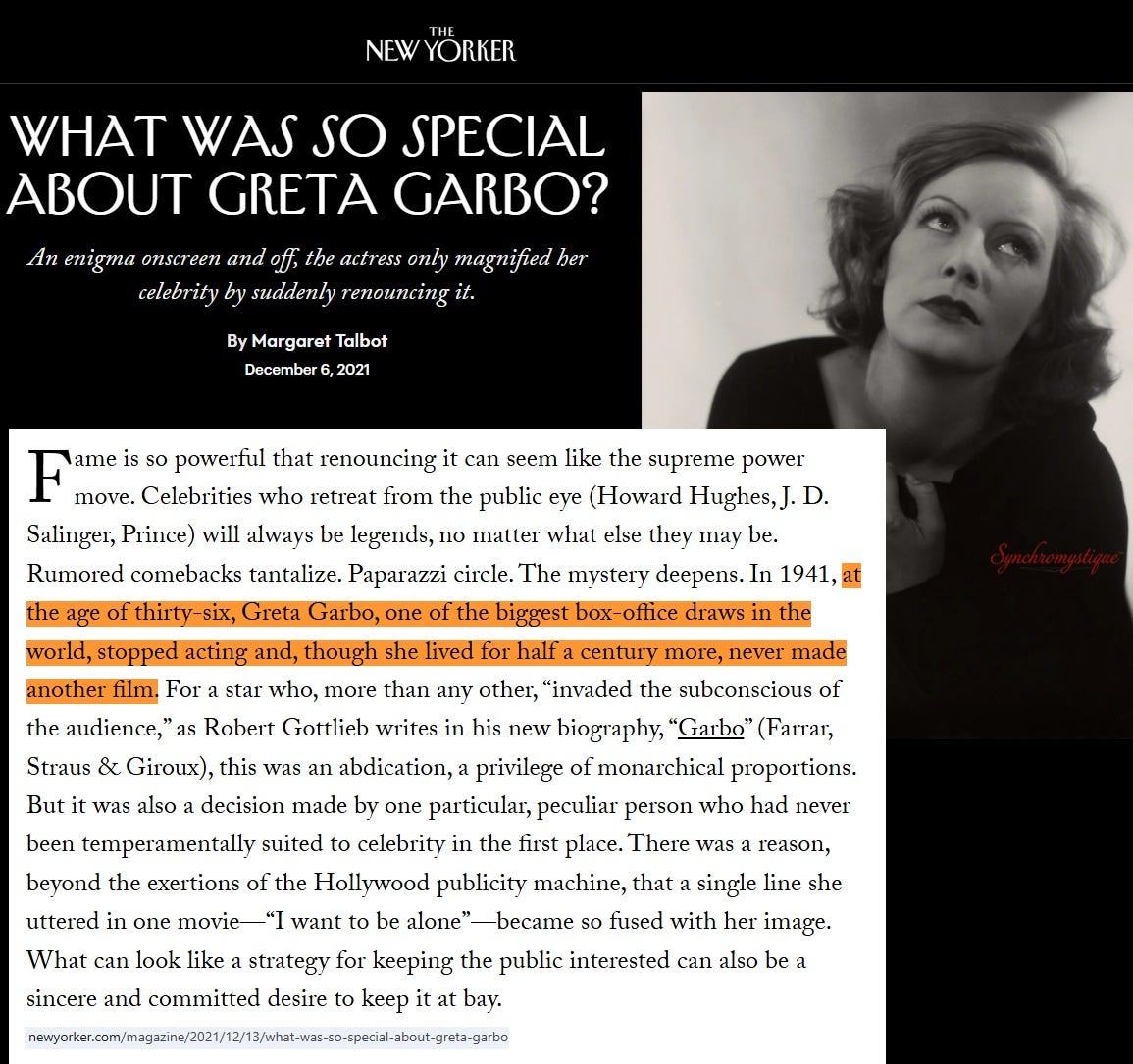
In his seminal formulation, Barthes argued that Garbo’s face belonged to an “age of cinema” in which the human countenance on celluloid approximated a Platonic Form. Garbo’s own face was her absolute mask, and it superseded any mutable affectation that she assumed in order to portray some fictional character.
In other words, it wasn’t so much that Garbo transformed herself from film to film — according to Barthes. Instead, it was always Garbo herself, enacting and reënacting, with each appearance, the same essential myth: something like an unreachable, crystalline perfection of Woman as concept rather than as person. Whatever rôle the casting department and script assigned to her, Garbo’s face underneath was already saying something else: something fixed, something that both preceded the film and outran it, and was — in a word — unchanging.
It’s worth pausing on Barthes’s choice of the word “myth.” In his mouth, “myth” (and its cousin archetype) which often carry a Jungian connotation — the implication of something welling up from a “collective unconscious,” ancient and psychologically primary — means something very different.
For Jung, an archetype is innate. It’s a structure that was built or hardwired into the psyche itself; it surfaces — involuntarily — in dreams, religious symbols, and in recurring faces (to borrow Joseph Campbell’s phraseology) across unrelated cultures: The Mother, the Hero, the Trickster, etc. For Jung, who self-consciously adapted Ernst Haeckel’s Biogenetic Law to psychology, the psyche is, in some sense, built to house, instantiate, and even produce them.
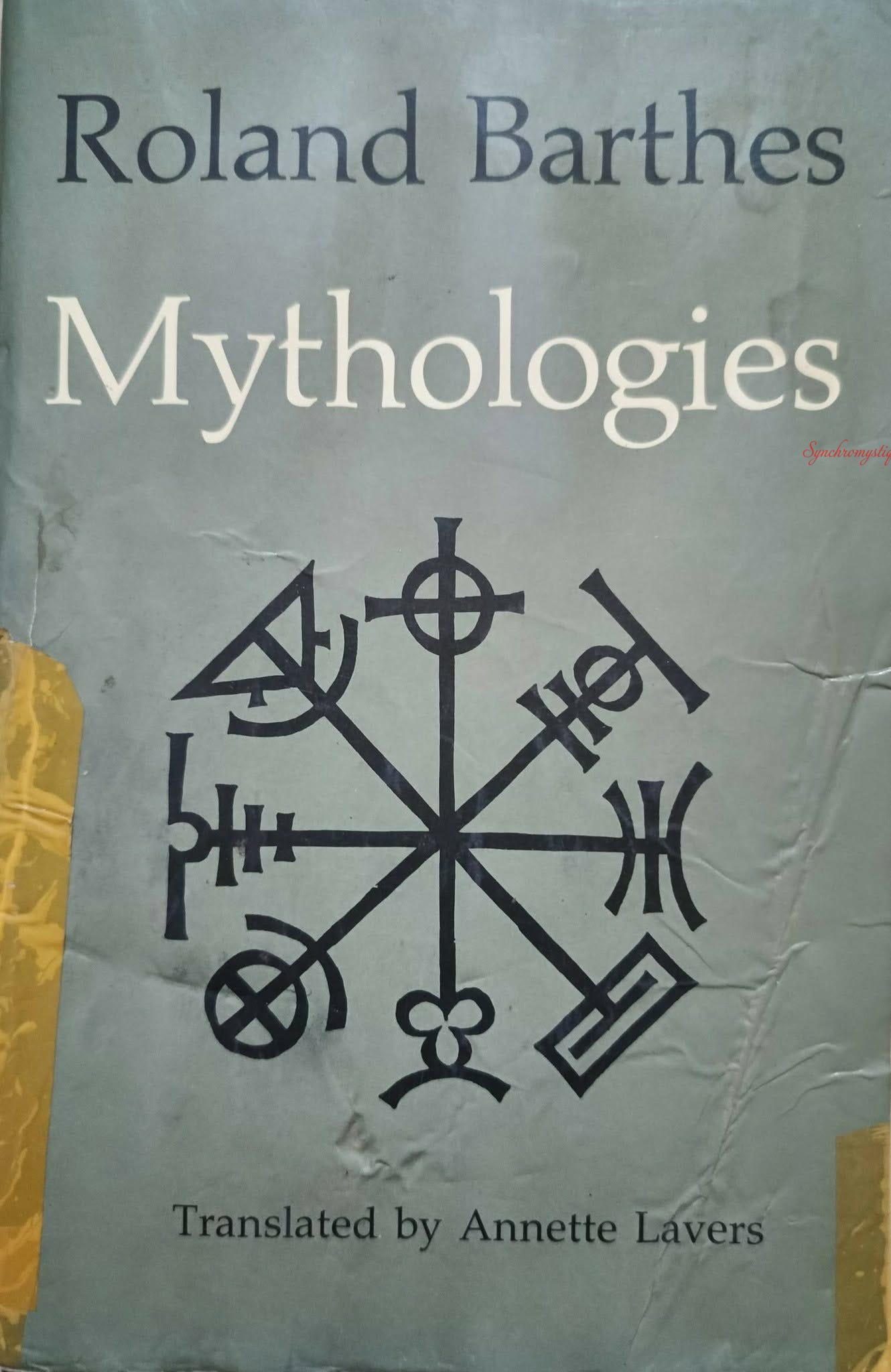
For Barthes, by contrast, archetypal “myth” is not discovered in the depths of the mind, but manufactured from the building blocks of the relevant culture. It is a “second-order” sign-system — connotation parades as denotation — by which a historically contingent, ideologically loaded meaning masquerades as common sense or dresses itself up in the garb of an eternal verity.
Whereas Jung asked why the same symbolic patterns recur everywhere, Barthes asked why certain meanings are made to feel natural, inevitable, beyond question, when in fact they are constructed, economically interested, and — therefore — contestable. So…
When Barthes says Garbo “reënacts a single myth,” he is not crediting her with channeling some perennial archetype of feminine divinity that predated or exceeded Hollywood. He is noting and diagnosing a manufactured effect: a studio system, a lighting department, an unblinking camera, and an audience’s appetite for transcendence, all collaborating to refer to the products of the silver screen as (in this case) a personification of the eternal feminine. And then this appearance is sold to the public as though it had always been there, written into the nature of things.
But, make no mistake, for Barthes, the myth is not “in” Garbo. The myth is what cinema does to Garbo — and what we, in turn, acquiesce to believe about her.
This can be expanded.
If Hollywood can manufacture durable myths around carefully curated faces, then perhaps some actors gradually become symbolic vessels. This need not require conscious intent. Directors discover it. Studios reinforce it. Audiences reward it. Culture remembers it. The result is that certain actors become associated, again and again, with the same mythic archetypes.
One important question is whether this process is best classified as purely corporate commercial, Jungian-archetypal, postmodern-hermeneutical, psychological-sociological, or genuinely SynchroMystical. Daveigh Chase offers an unusually revealing test case.
It is the second sense of myth — that which is constructed, ideological, and performative — that we want to bring to bear on her case: Chase, the hapless actress who seems to have spent her too-brief career meandering back and forth across some borderline or threshold between innocence and catastrophe.
Put more succinctly: There are more than a few strangely persistent symbols swirling around Daveigh Chase.
Spoiler Alerts: The following analysis contains major plot details and key revelations from the films that it discusses, including — in some cases — their endings. Readers who have not yet seen the relevant films — and wish to remain unspoiled — may want to do so before continuing.
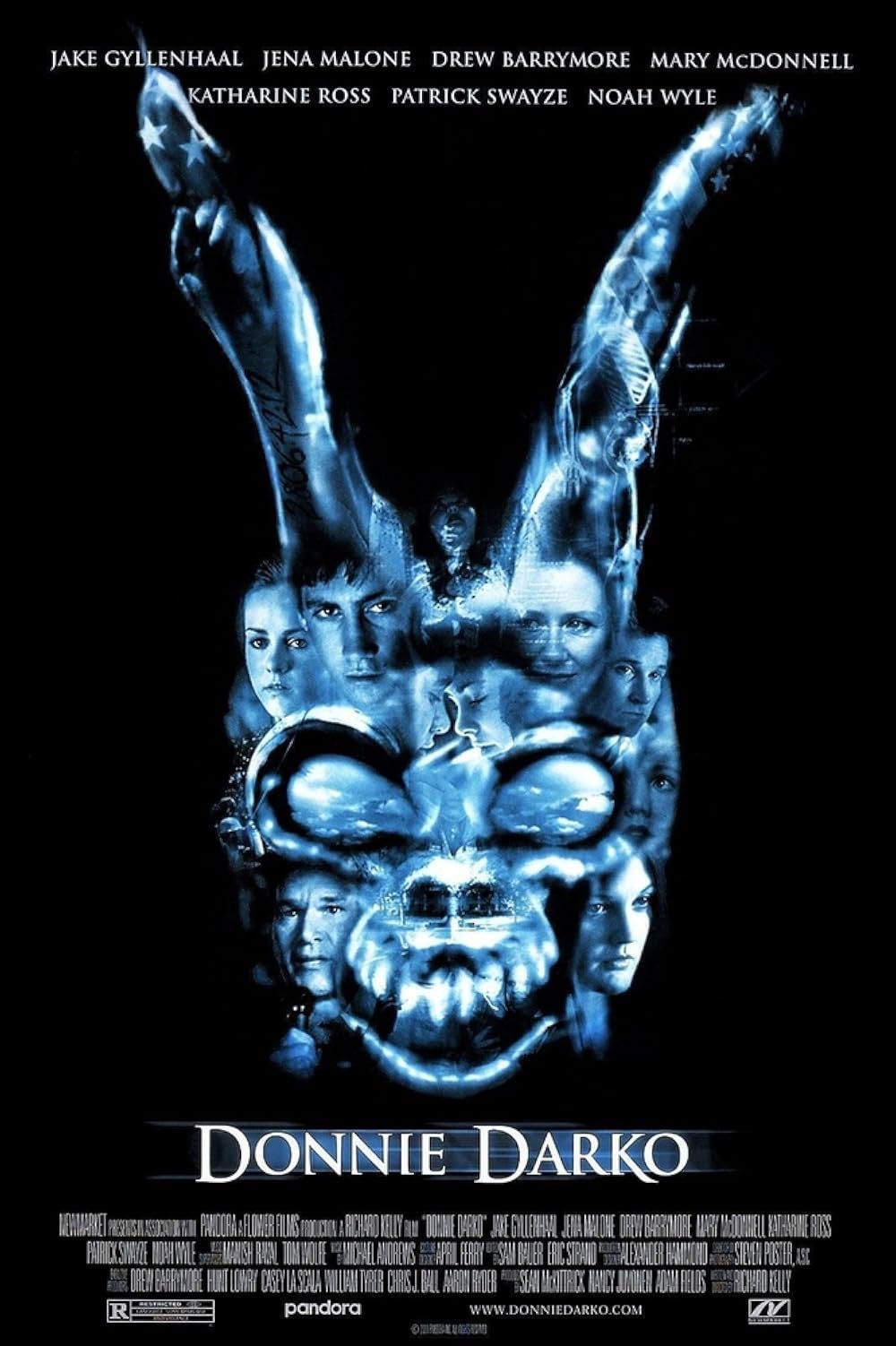
As a child actress, Daveigh Chase first entered the cultural unconscious as Samantha Darko, the younger sister in Donnie Darko — Richard Kelly’s cult classic about time loops, predestination, sacrifice, and apocalypse.
The film begins between October 1st and 2nd, 1988, during the run-up to the presidential election that pitted ex-CIA director and Ronald Reagan’s vice president, George “H. W.” Bush against Democrat Michael Dukakis, who was then governor of Massachusetts.
Almost immediately, viewers are confronted with a message from the void declaring that the “world will end” in precisely “28 days, 6 hours, 42 minutes, 12 seconds.”
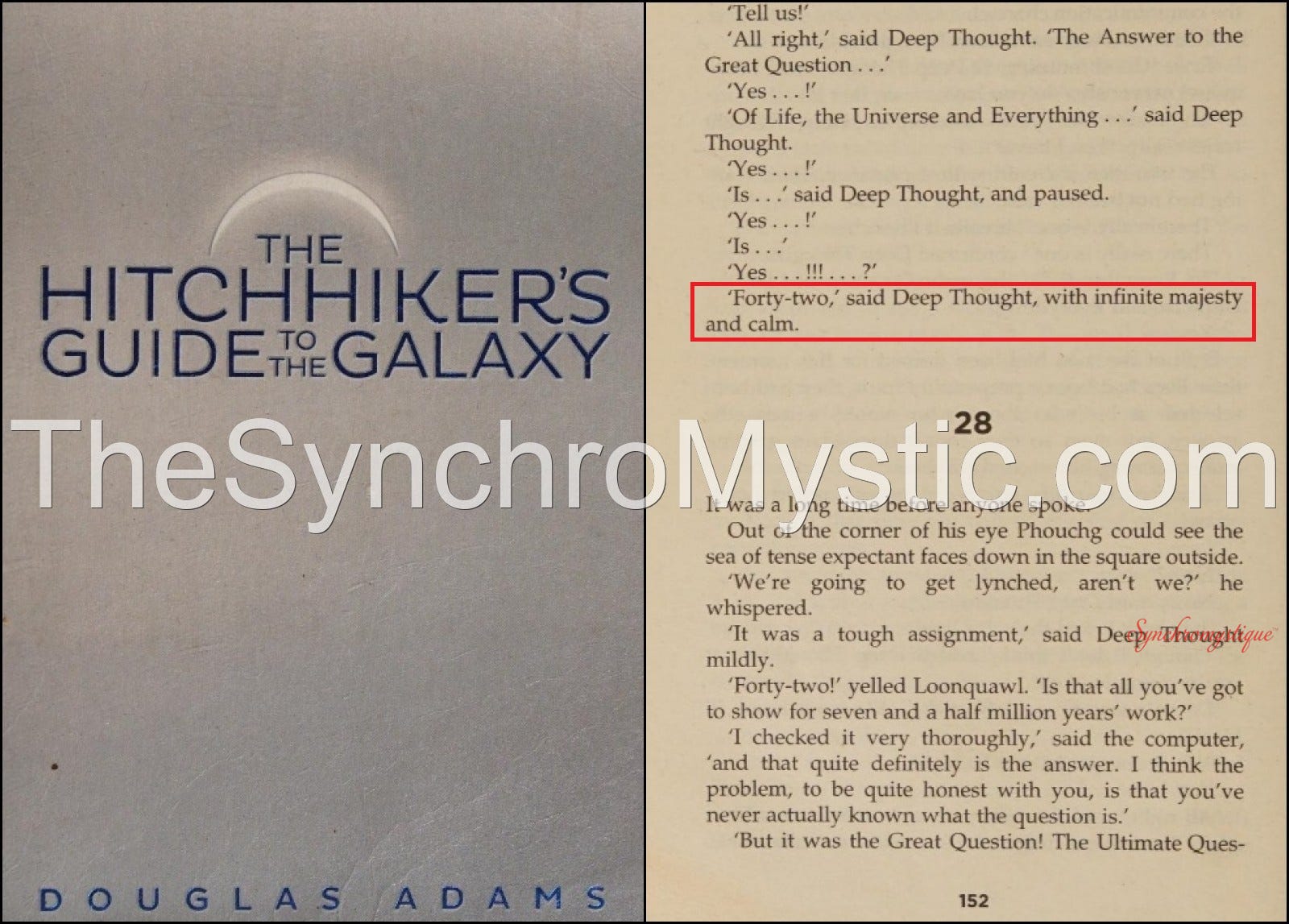
Loren Coleman has written quite a bit about the numbers 42 and its reverse, 24.
Although Donnie Darko premiered at a film festival early in the year, it was released in theaters October 26, 2001 — just a month and a half after 9/11, and thirteen years after the time period in which it was set.
But, although it’s framed as a countdown, “in-universe” ( as it were), perhaps, the world has already ended. A jet engine — decorated, as I recall, with a spiral — falls from nowhere. This aero anomaly triggers an alternative dimension — or “tangent universe” — which places this film within that still-growing category of movies premised on parallel realities.
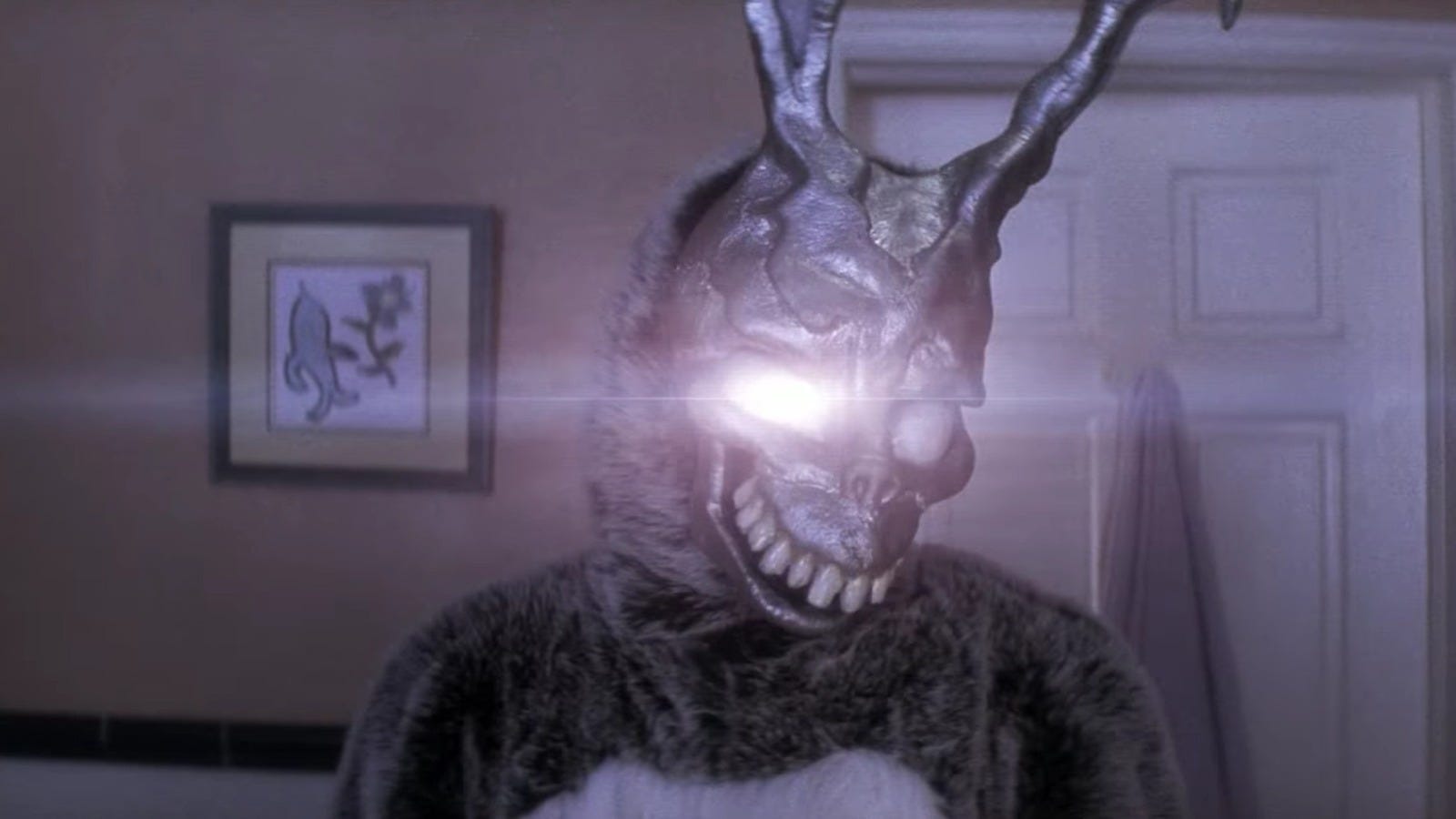
The titular Donnie spends some of his remaining time on earth following the proverbial rabbit: in this case, one named “Frank.”
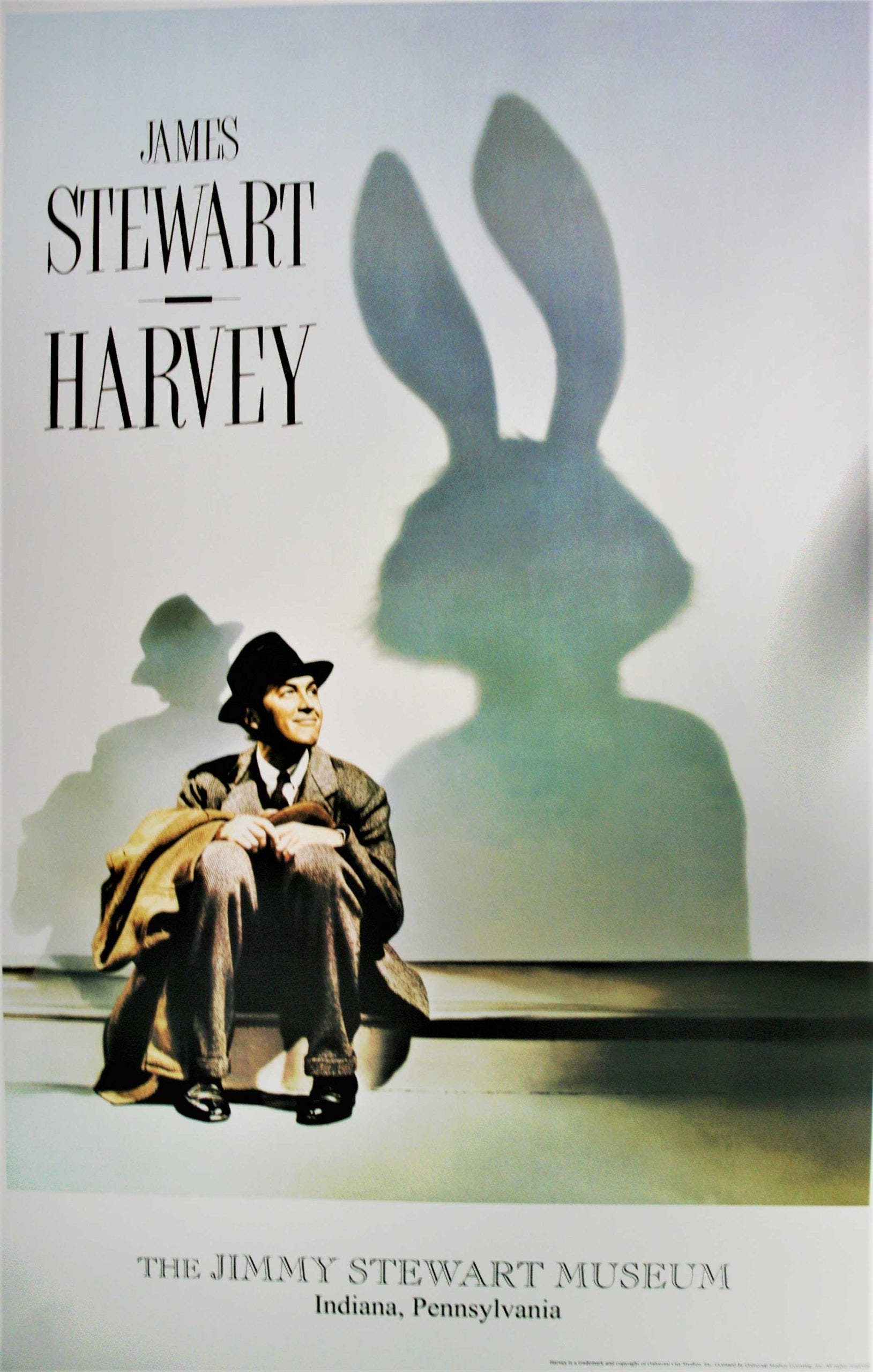
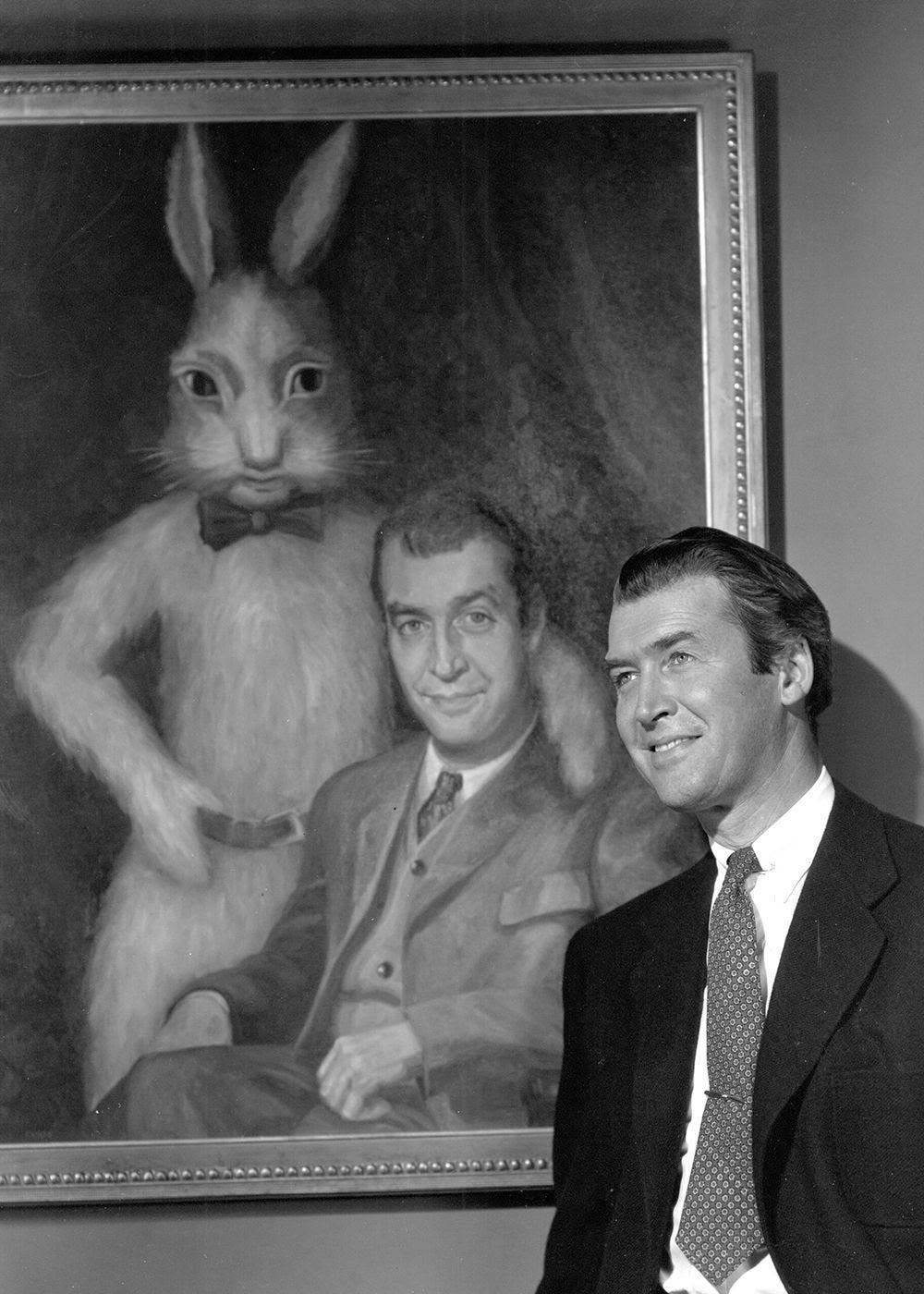
As Michael Hoffman has noted: In Jimmy Stewart’s odd, 1950 comedy-fantasy movie, Harvey, the titular character is a a Púca (or “Pooka”), a shape-shifting fairy spirit from Celtic mythology that appears — at least, to our leading man, portraying Elwood P. Dowd — in the form of an otherwise invisible, 6-foot-3-inch rabbit.
Whereas Harvey was — evidently — benign — not so the the “Killer Rabbit of Caerbannog” from 1975’s Monty Python and the Holy Grail. From the perspective of expectation subversion, Holy Grail has been called a “master class.”

Yet, is it possible that the comedy troupe was plugging into the shadow side of hare-related mythos? As Bugs Bunny was wont to say: “Could be, Doc.”
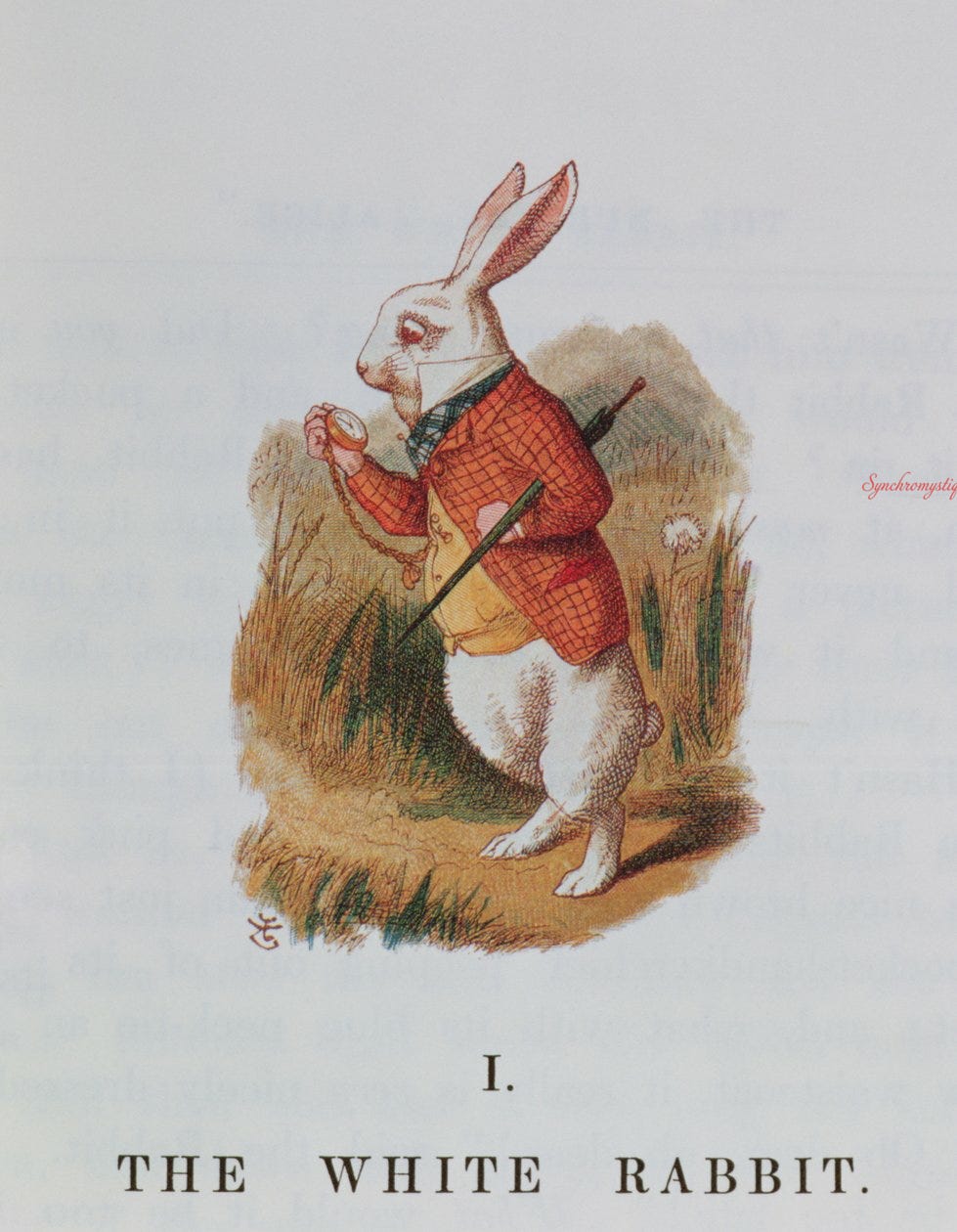
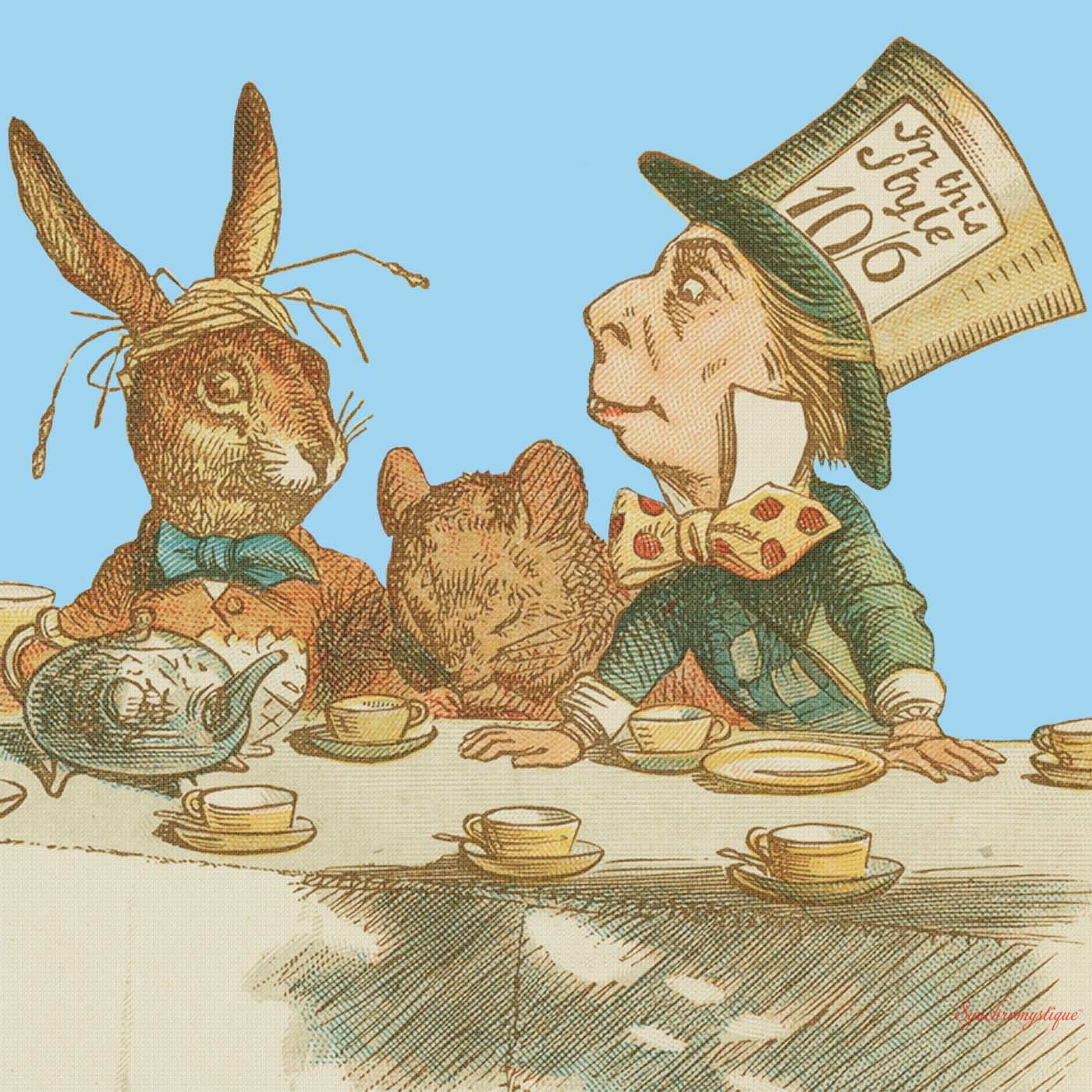
There’s also an evident nod to the “White Rabbit” — or, just maybe, the March Hare — from Lewis Carroll’s (Charles Lutwidge Dodgson’s) Alice in Wonderland mythos.
Of course, this was riffed on in the synchronicity-rife 1999 science-fiction film The Matrix, by way of Dujour (a.k.a. the “White Rabbit Girl”).
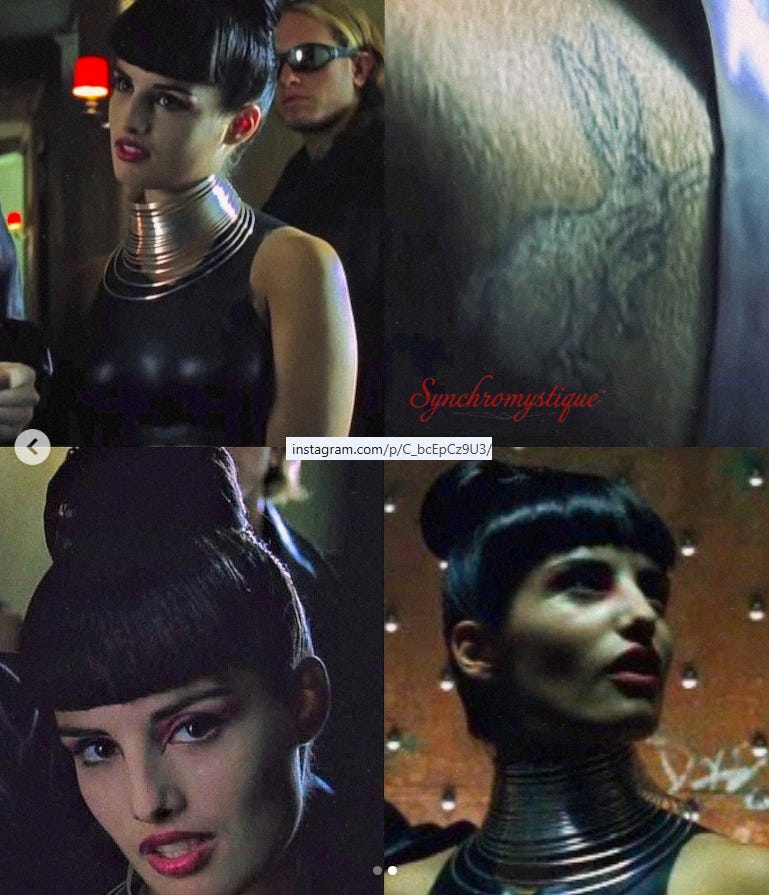
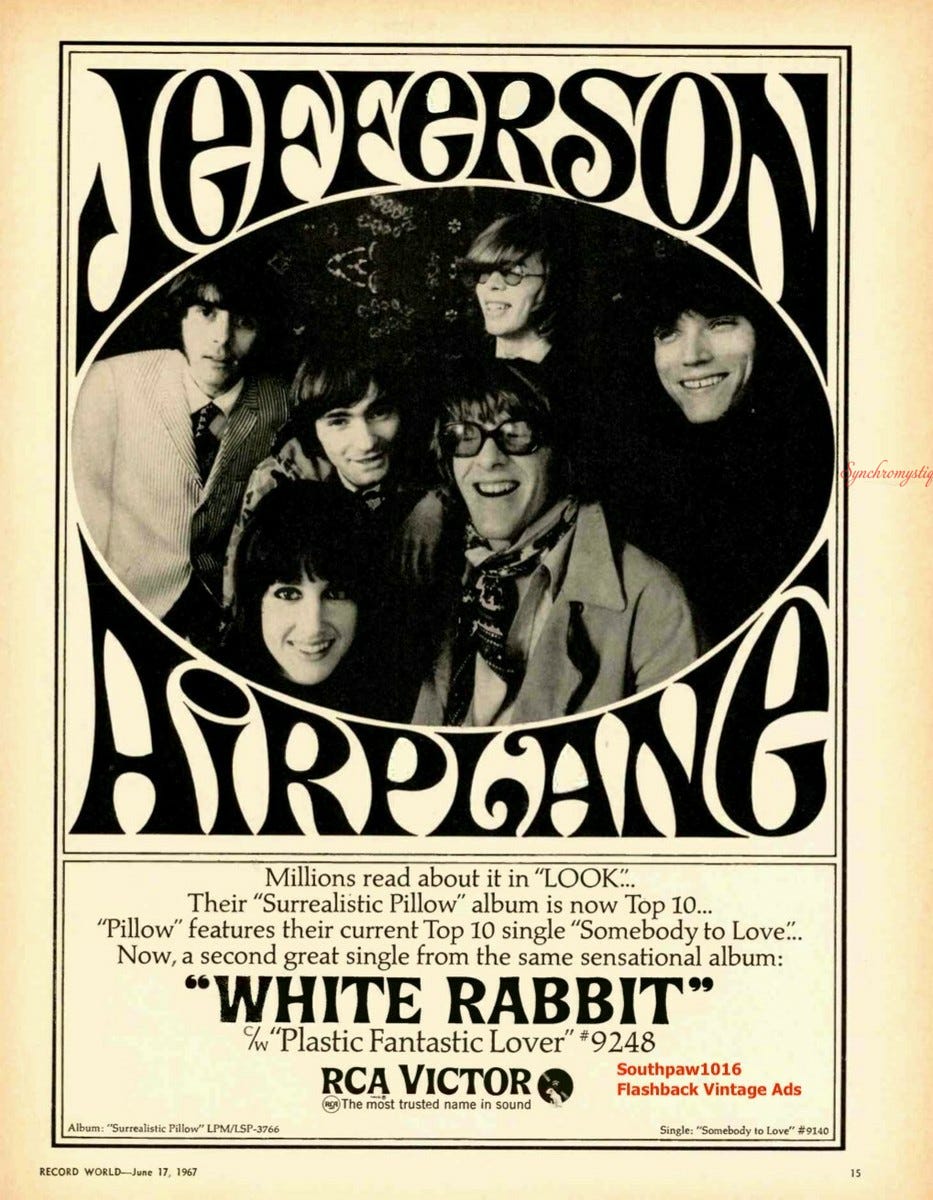
One should recall, in this same vein, that the song titled “White Rabbit” was released — on St. John’s Day, June 24, 1967 — by the rock band Jefferson Airplane.
It appeared just days after the commencement of the fabled Hippie “Summer of Love,” which “officially” opened on June 21, 1967 — the summer solstice — Golden Gate Park, in San Francisco, California.
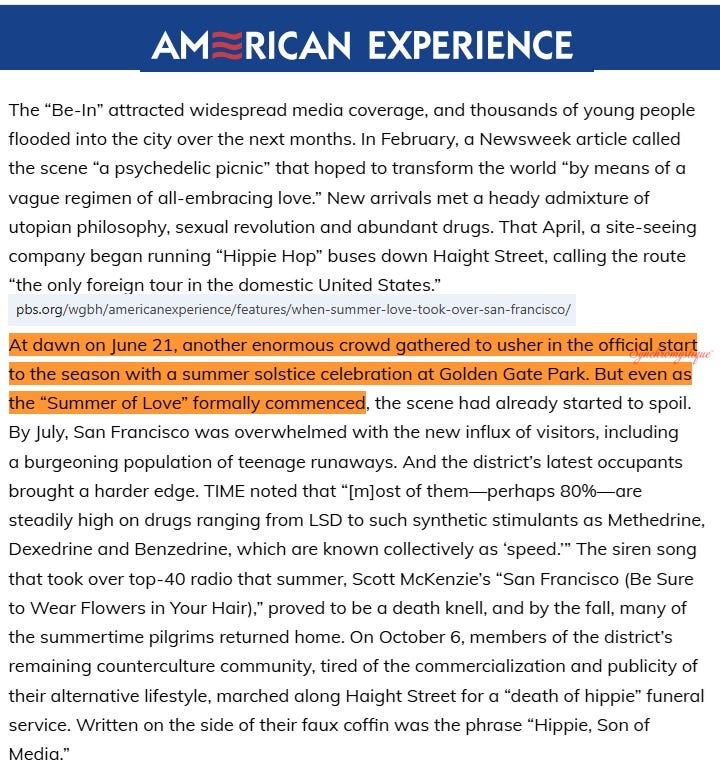
Alongside this celebration, tens of thousands of young people poured into “Frisco’s” Haight-Ashbury neighborhood.
Keep in mind that Daveigh Chase reportedly died in June 2026 (specifically, on the 16th).
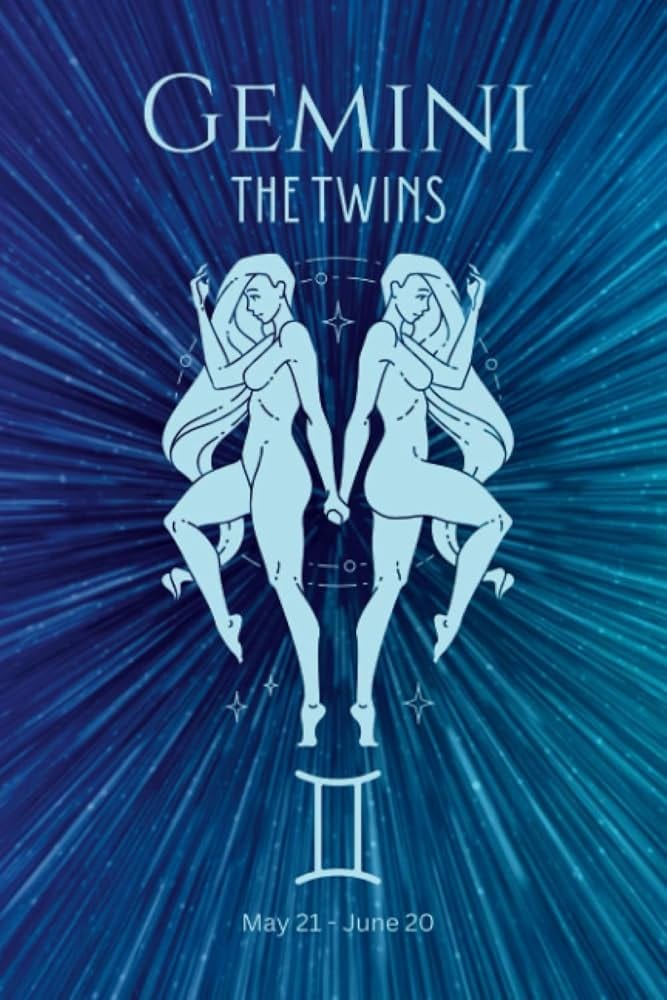

June is mostly dominated by the Zodiacal sign Gemini, but around the 21st of the month, the Twins yield their place to Cancer, the Crab.
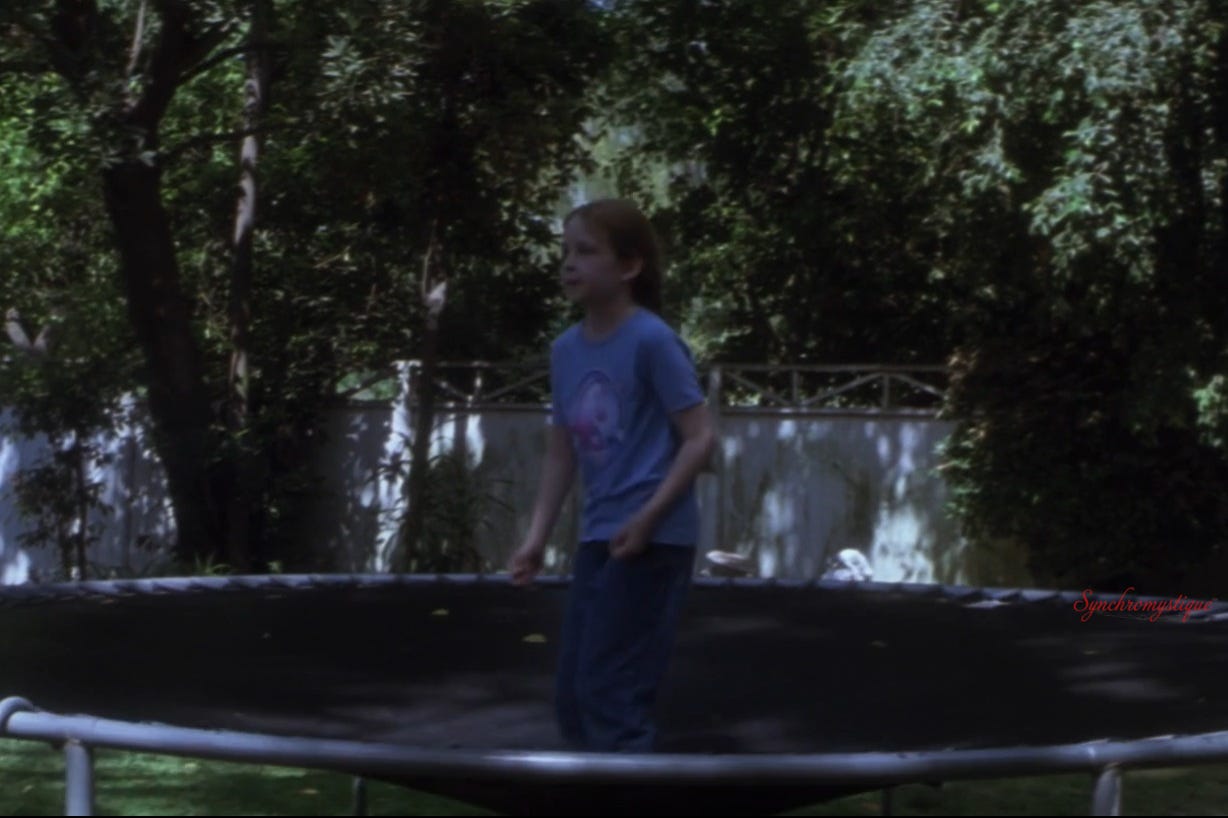
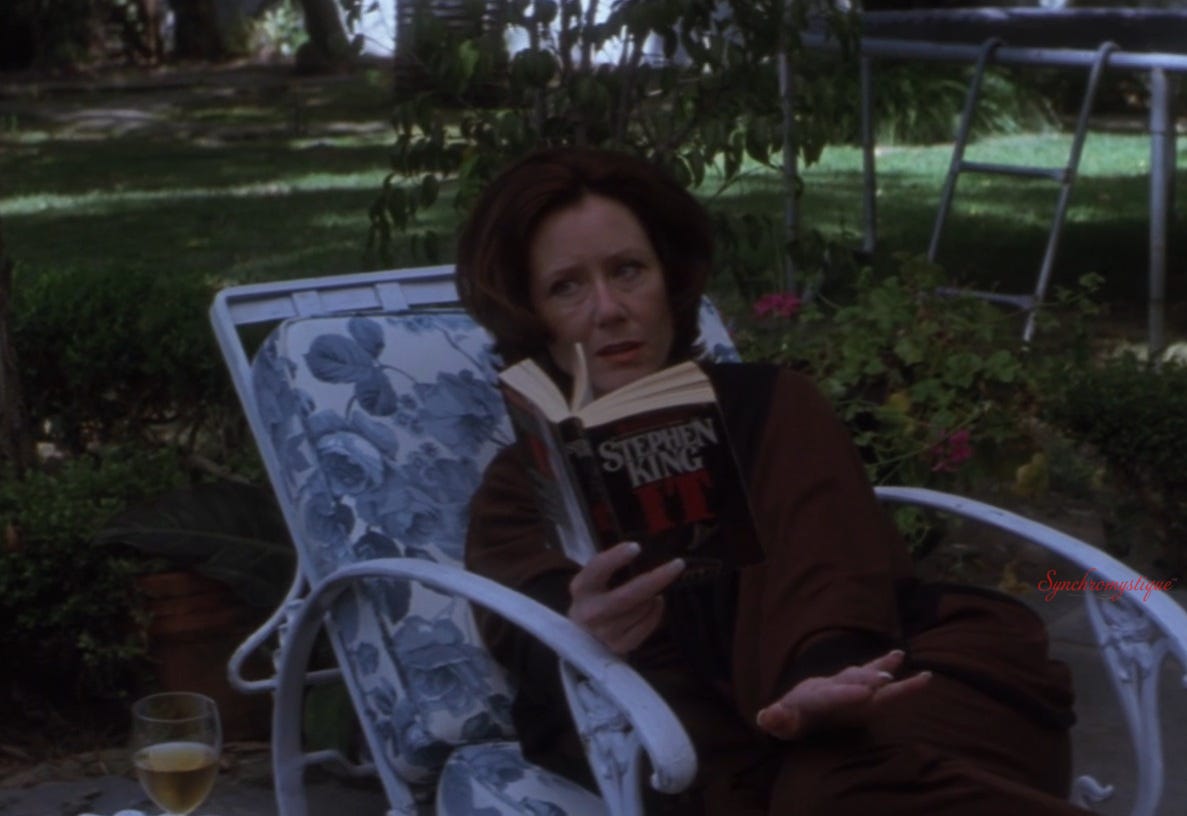
In any event, in Donnie Darko, little Samantha — the innocent observer jumping on the trampoline (in an opening sequence) while her mother reads Stephen King’s horror novel IT — stands at the precipice of events that are, in all likelihood, beyond her ken.
Recall, of course, that it’s particularly the children in It who face the recurring, terrifying, and unseen malevolent force which is personified as the demonic “clown,” Pennywise — an evil to which adults seem entirely oblivious.
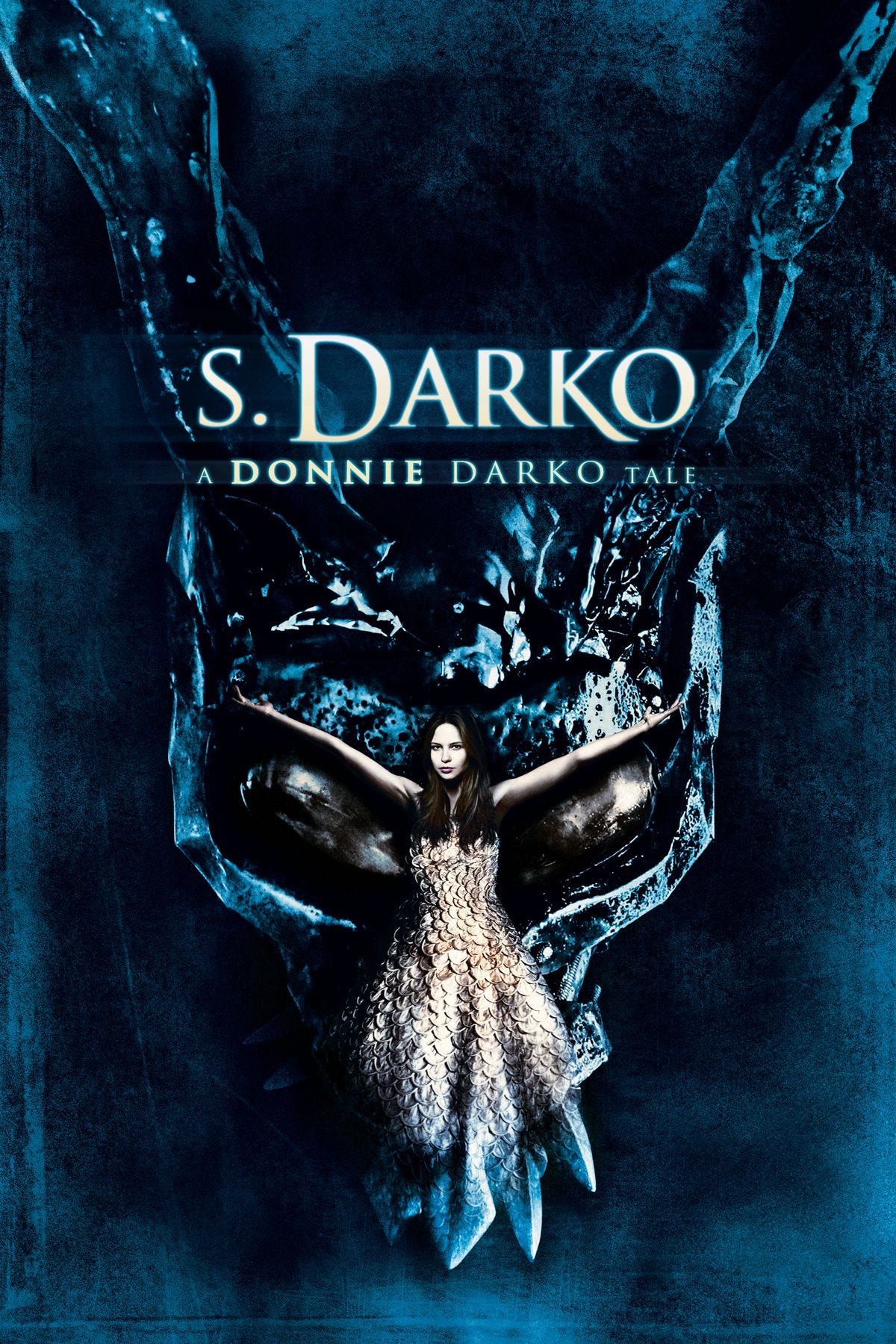
Years later, Daveigh Chase returned to the Kelley universe — though under different direction — in the lackluster sequel S. Darko, where Samantha herself became the haunted one.
Similarly to her ill-fated brother, Samantha sleepwalked, was pursued by visions, and was seemingly entangled in her own associated parallel realities (not to mention more objects falling from the sky — this time, a meteorite).
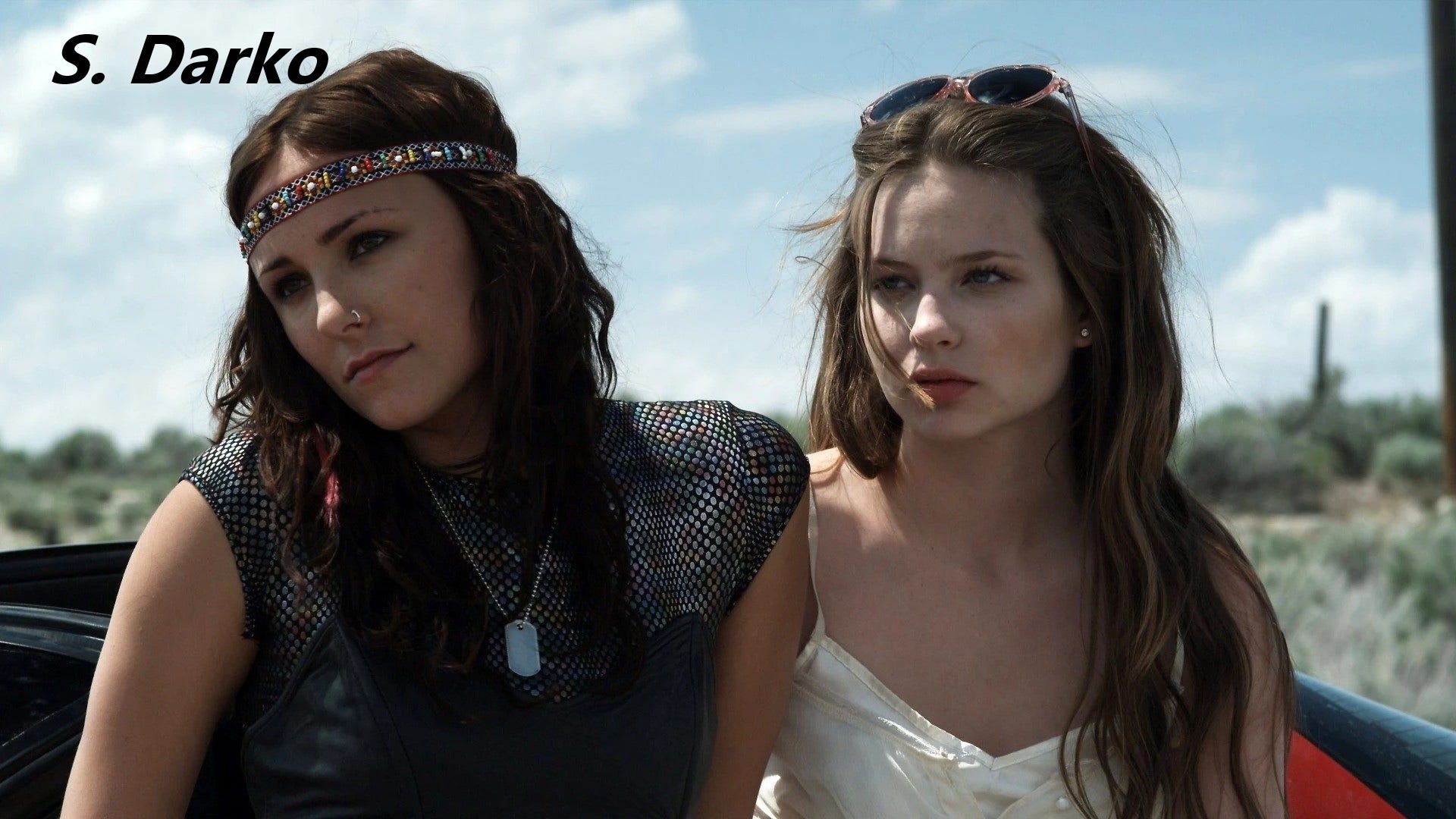
The supposed innocence of childhood had certainly been lost somewhere along the line. And Daveigh’s character was, metaphorically, chased through a labyrinth.
Life itself, Jung suggested, has an unsettling habit of arranging itself according to primordial myths — half-submerged, archetypal stories that we scarcely apprehend.
Between these flicks — Darko I. and Darko II. — came two other rôles.
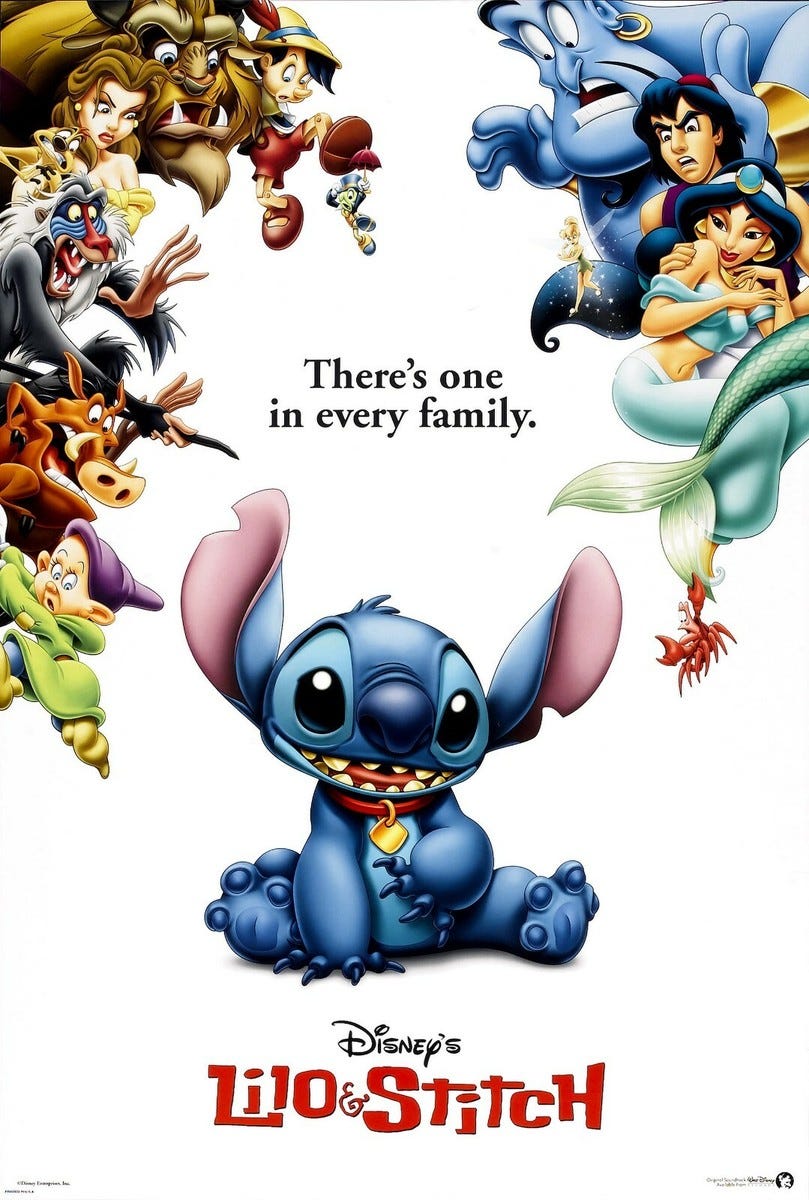

For example, Chase played the character “Lilo” (LEE-low) in the animated hit Lilo and Stitch — not /LYE-low/; though, to “lie low,” of course, would mean means to conceal yourself or stay out of public view to avoid being noticed, caught, or targeted — which is one way to describe Chase herself following her departure from the limelight.
Lilo and Stitch was theatrically released (in the U.S.) on June 21, 2002, which (for those keeping track) happened to be another summer solstice.
There, Chase portrayed an orphan — a struggling, abandoned child. The heartwarming plot traces this lonely girl’s interactions with an alien named Stitch.
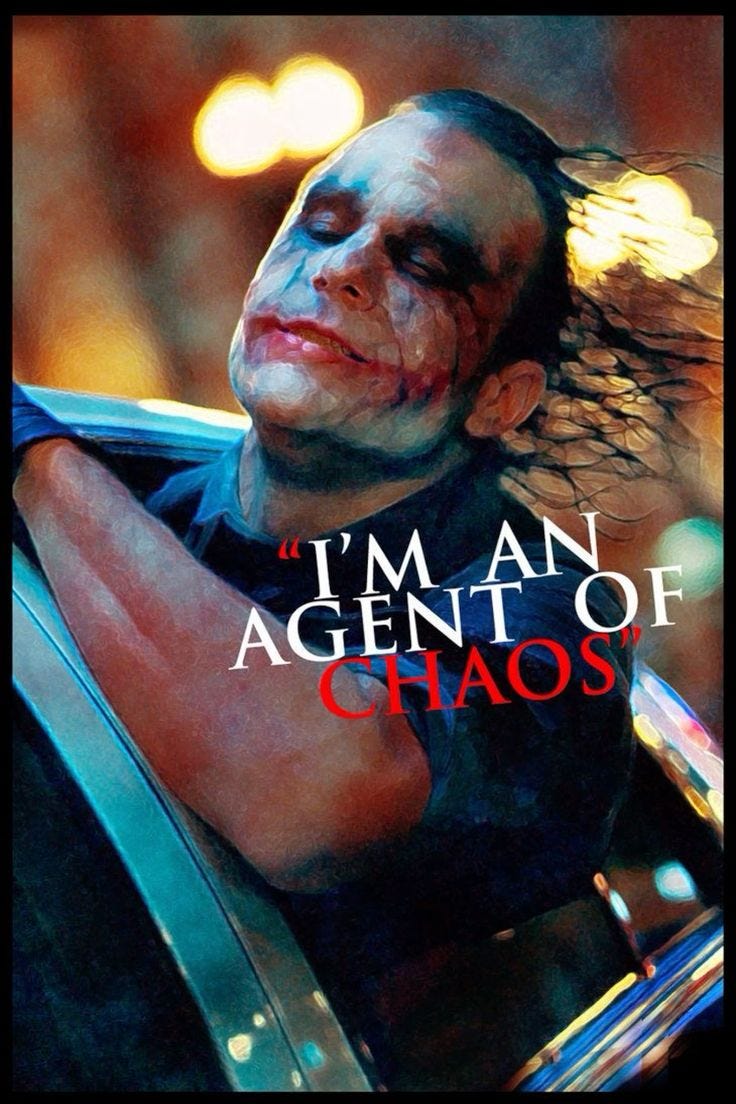
In the movie, Stitch had been genetically engineered as an agent of chaos and destruction — sort of Frankenstein’s monster meets Rocket Racoon, from Guardians of the Galaxy.
Through various comedic — if farfetched — machinations, Lilo teaches this experimental creature the true meaning of friendship, love, and so on.
The key Hawaiian word is Ohana, meaning “family.”
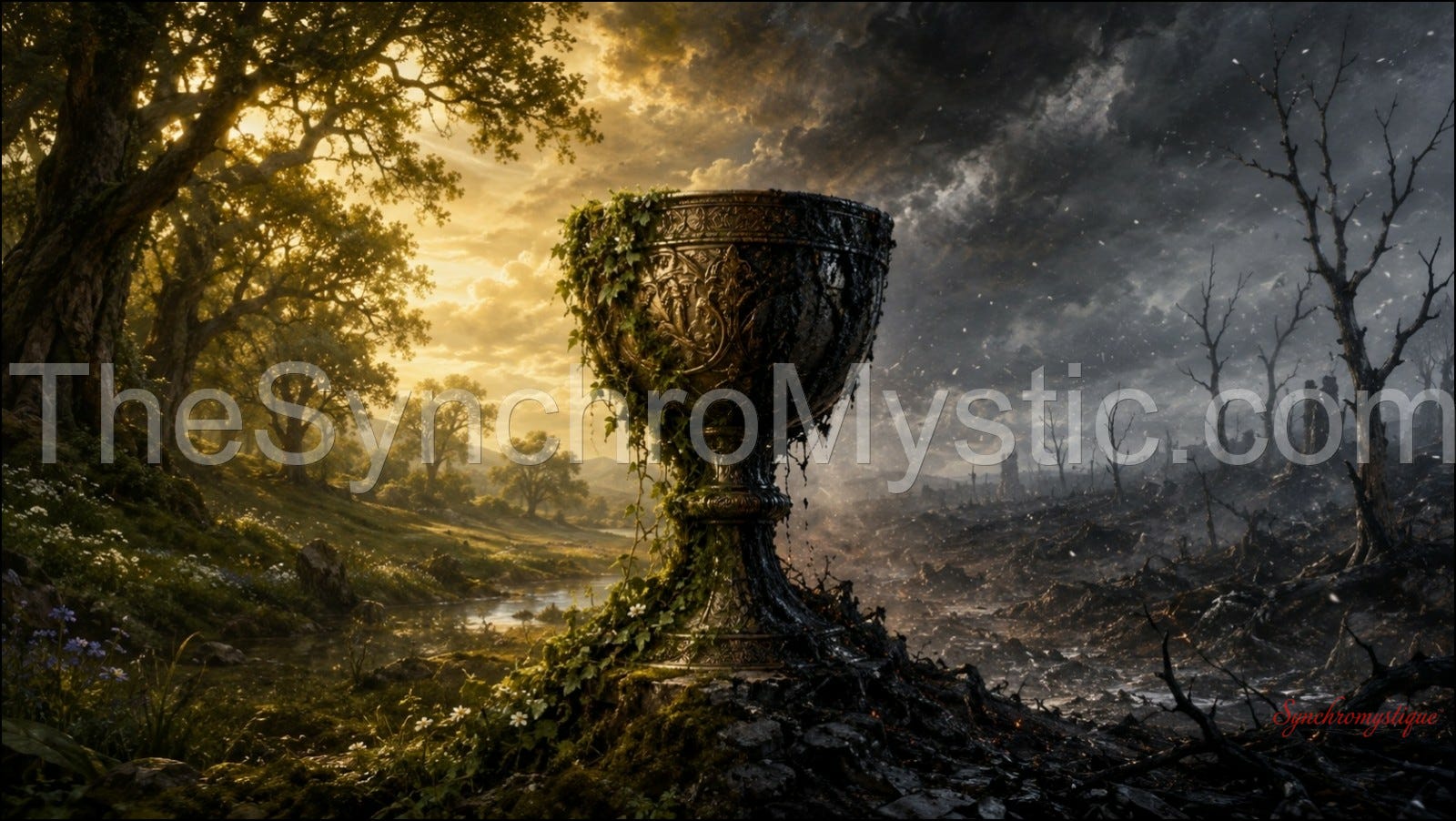
It’s worth pausing on one under-remarked dimension of symbolic analysis. In the vocabulary of ritual magic, outcomes are understood to hinge crucially on intention. Michael Hoffman drawing on James Shelby Downard’s reading of the Kennedy assassination — through the lens of 19th-century folklorist Sir James George Frazer — has argued that the so-called “Killing of the Divine King” rite was principally aimed at “greening” the land: restoring fertility, vitality, and collective renewal.
This is the logic encoded in certain versions of the Holy Grail legend, a recent example of which was British filmmaker John Boorman’s 1981 film, Excalibur, where the health of the king and the health of the land are literally one.
But if that is so, then why did JFK’s murder — analyzed by Downard and Hoffman in precisely those terms — appear to produce the opposite effect? Why did it “blacken” the U.S., rather than the “green” it? Why did the 1960s usher in an era of psychic fragmentation rather than renewal?
Hoffman’s answer is that popular awareness — however subterranean — of what had actually happened on November 22, 1963 (that the president had been murdered in broad daylight and the perpetrators had escaped) had literally shattered the collective mind.
The intention behind the rite had either misfired, or had been superseded by a counter-intention. As Richard B. Spence has put it elsewhere: the same ritual that heals may also destroy, depending on what the practitioner is energetically focused upon.

Believe it or not, the same “greening / blackening” polarity, it turns out, is relevant here — because, upon reports of Daveigh Chase’s death, it emerged that her half-sister (who had, with the actress’s agent, apparently attempted to locate Chase after she disappeared from public view) bears the name Gaia Brown.
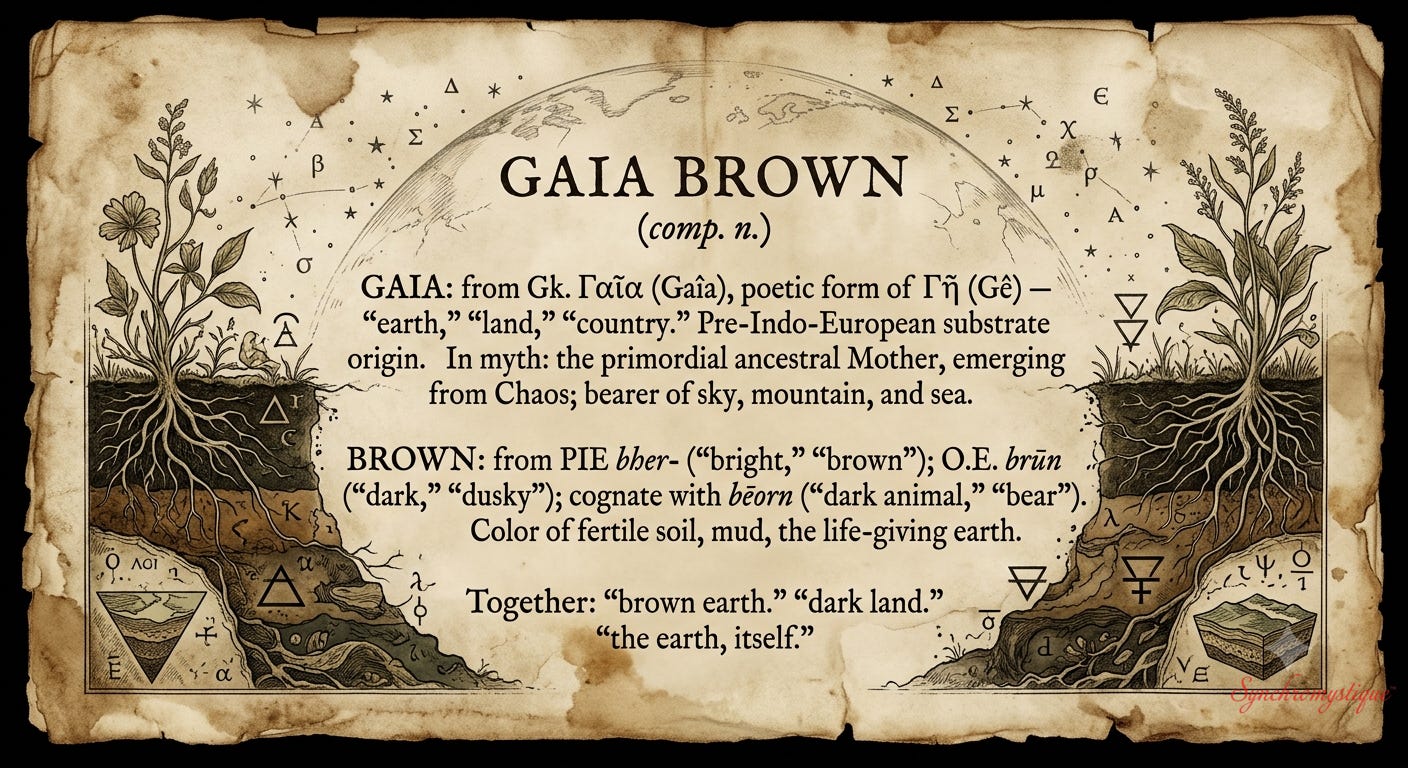
Gaia is ancient Greek for “earth” or “land.” Brown: the color of earth. So… as synchronicity would have it, amid scattered remarks about the alternate “greening” and “blackening” potency of some ritualism, we find a Lexi-Link reference that straightforwardly translates as “brown earth.”
For mentions of the possibility that the so-called “Holy Grail” was not actually a cup, but a stone — a thesis that ties together such disparate strands as Wolfram von Eschenbach’s medieval romance Parzival, the Biblical Jewish patriarch Jacob’s (later Israel’s) “Pillow Stone,” the fabled “Foundation Stone” of the Temple of Solomon, and 19th-20th-c. Russian painter and mystic Nicholas Roerich, see our 2023 video on the coronation of Britain’s King Charles III …
…as well as our Substack article on the powerhouse, 20th-c. financial firm “Bankers Trust,” which was ultimately acquired by and merged into Deutsche Bank in 1999.

For more on Roerich, see “10 Occultist Spies” where he is featured prominently, …
…and “10 ‘Nazi’ Occultists, Part 2,” where we compare him to the curious, Hungarian-Jewish intriguer, Ignaz Trebitsch-Lincoln.
Circling back to the killing of kings, it was not just JFK, recall, who met his untimely end during that period. It was also “Jack’s” brother, Robert Francis Kennedy (Sr.); as well as the man born Michael King, Jr., but better known as Martin Luther King, Jr. We sketched the entire sordid history (with further examples) in our video “1968.”
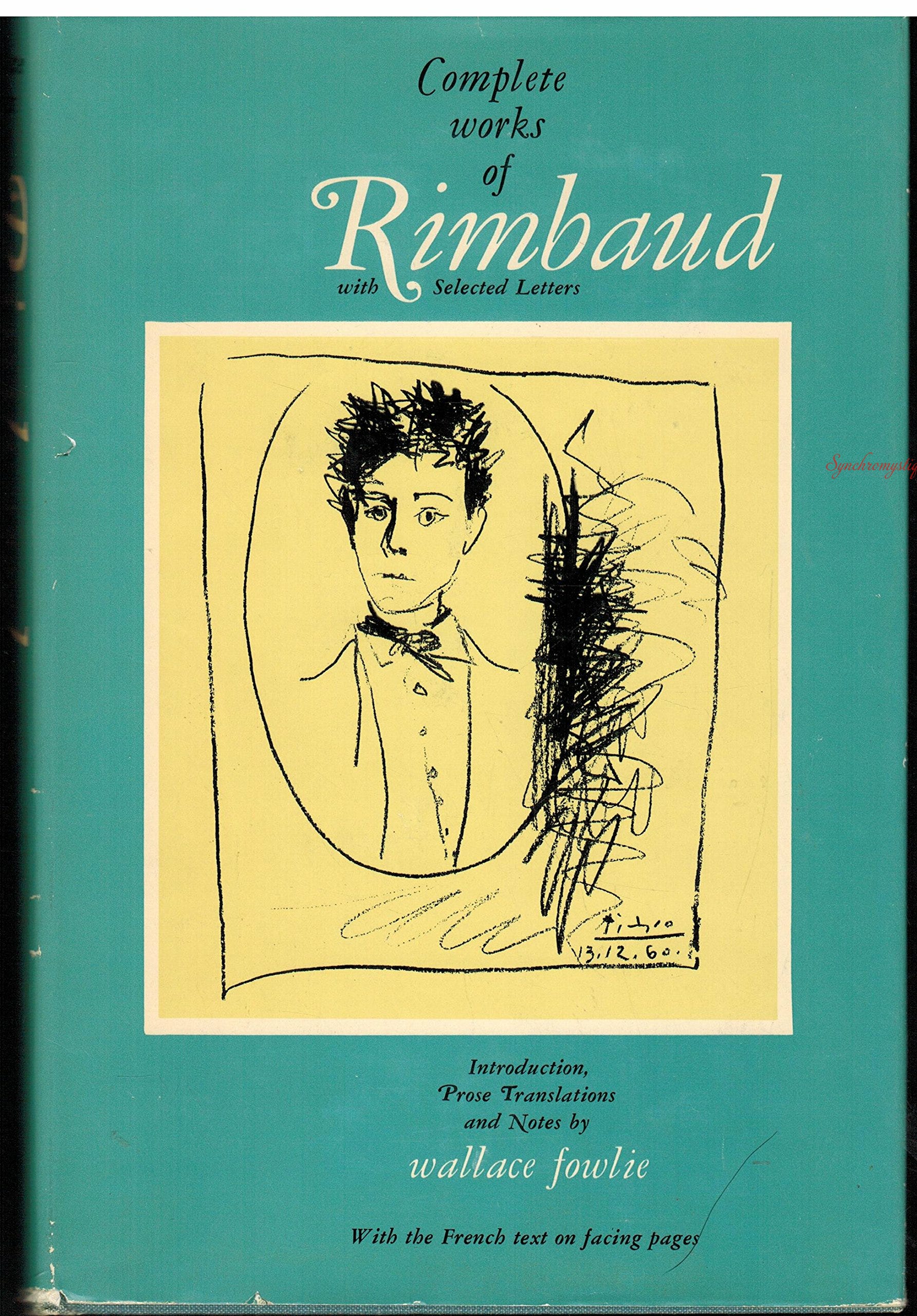
All this seemed to have been metaphorically cued or prefigured by French poet Arthur Rimbaud’s announcement: Voici le temps des Assassins, “Here is the Time of the Assassins.”
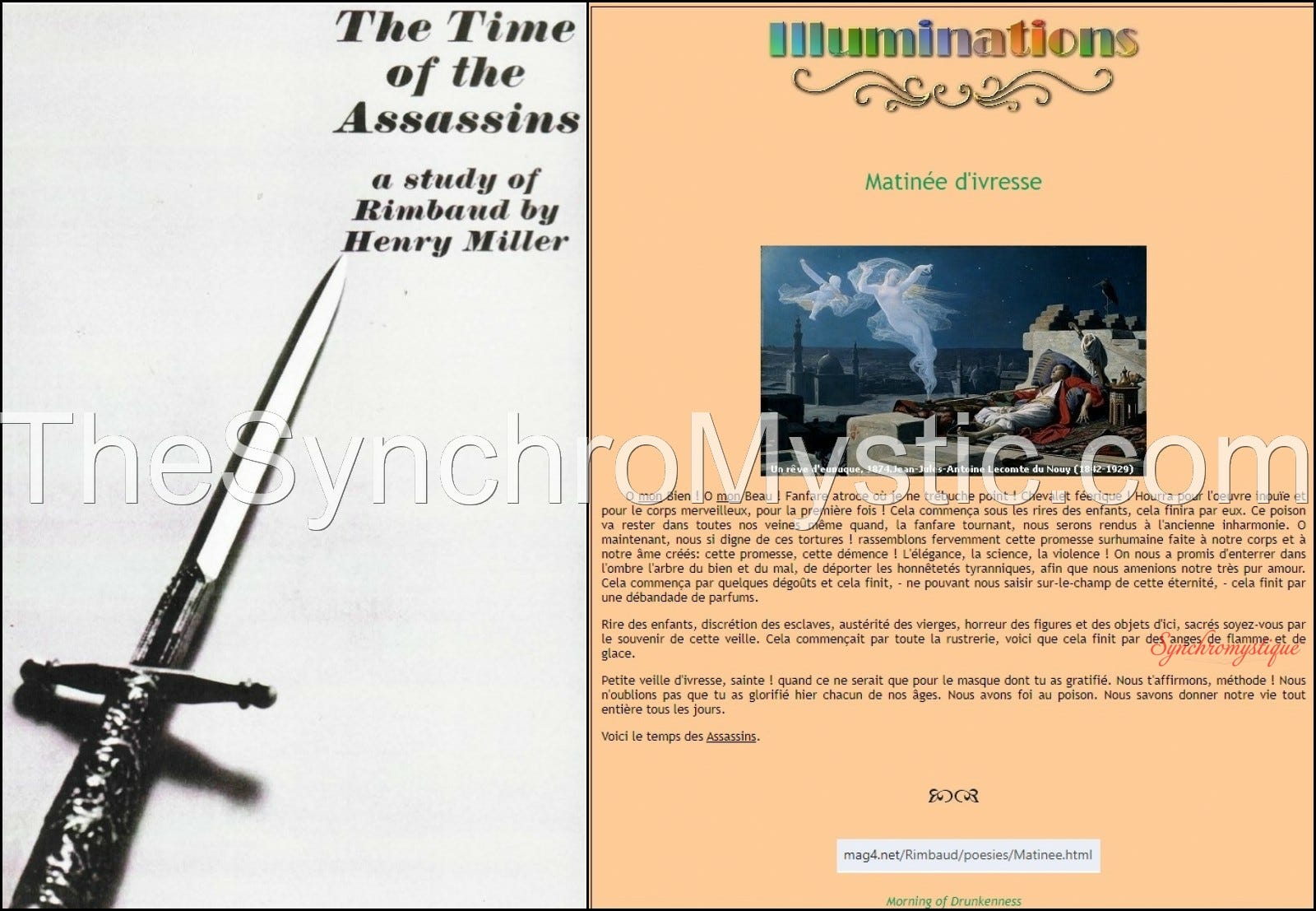
Indeed, a comparison between Rimbaud and Chase is perhaps not so far-fetched. Both seem to instantiate the same broad archetypal pattern: the brilliant child-prodigy who never successfully enters ordinary adulthood. Each became culturally frozen at the moment of youthful genius; each largely vanished from the public sphere while still comparatively young; and each, in consequence, became more powerful as a symbol than as a flesh-and-blood individual. Rimbaud’s poetry reads like the work of a child already haunted by adulthood. Chase, by contrast, repeatedly portrayed cinema’s haunted child. Whether by chance, cultural myth-making, or some deeper synchronistic logic, both came to embody what Jungians might recognize as variations on the archetype of the Abandoned Divine Child.
There is, however, one further wrinkle in the Rimbaud comparison — and it arrives via the ear rather than the eye.
In French, the poet’s surname is pronounced something like /ram-BOH/. Which is to say: approximately …Rambo.
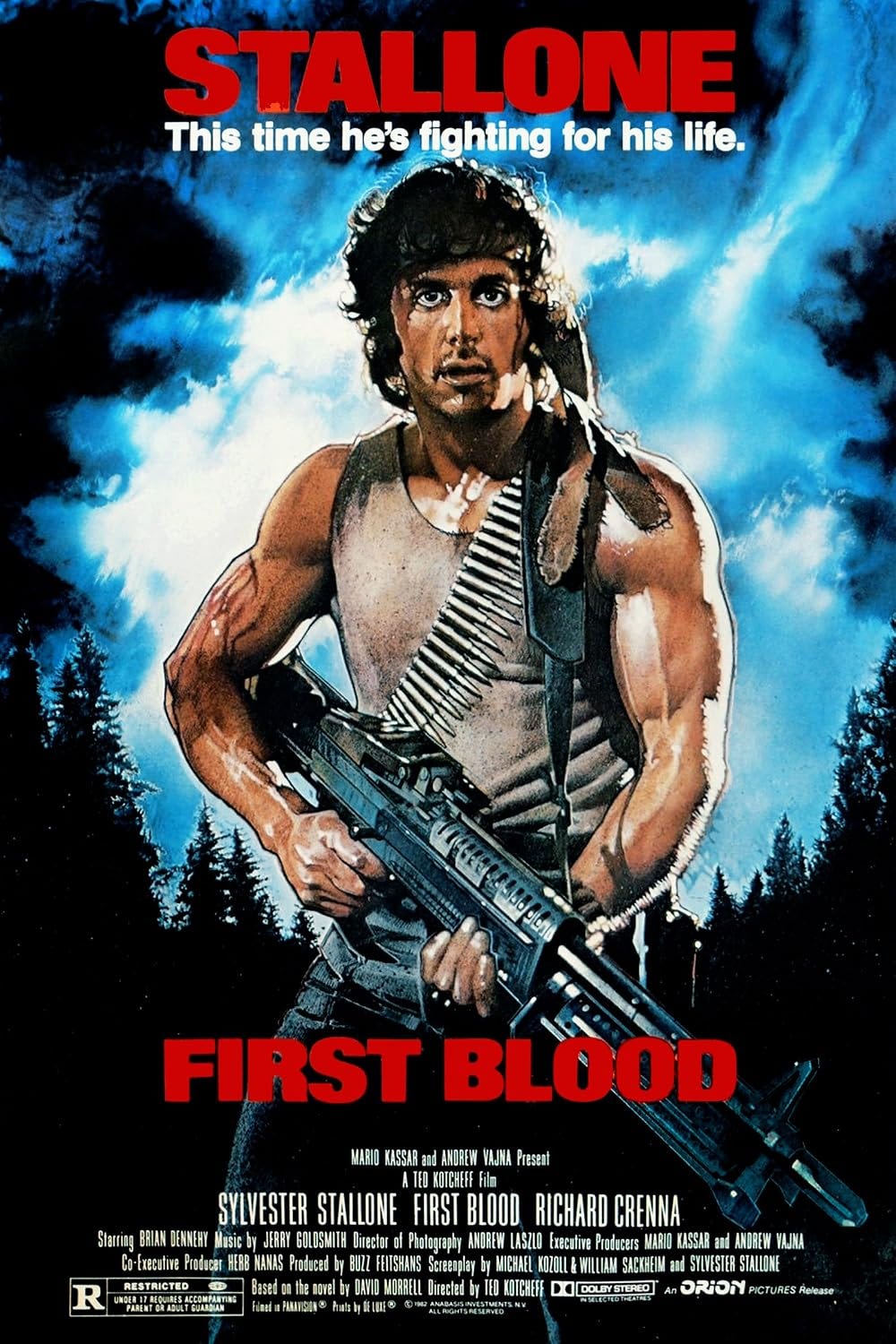
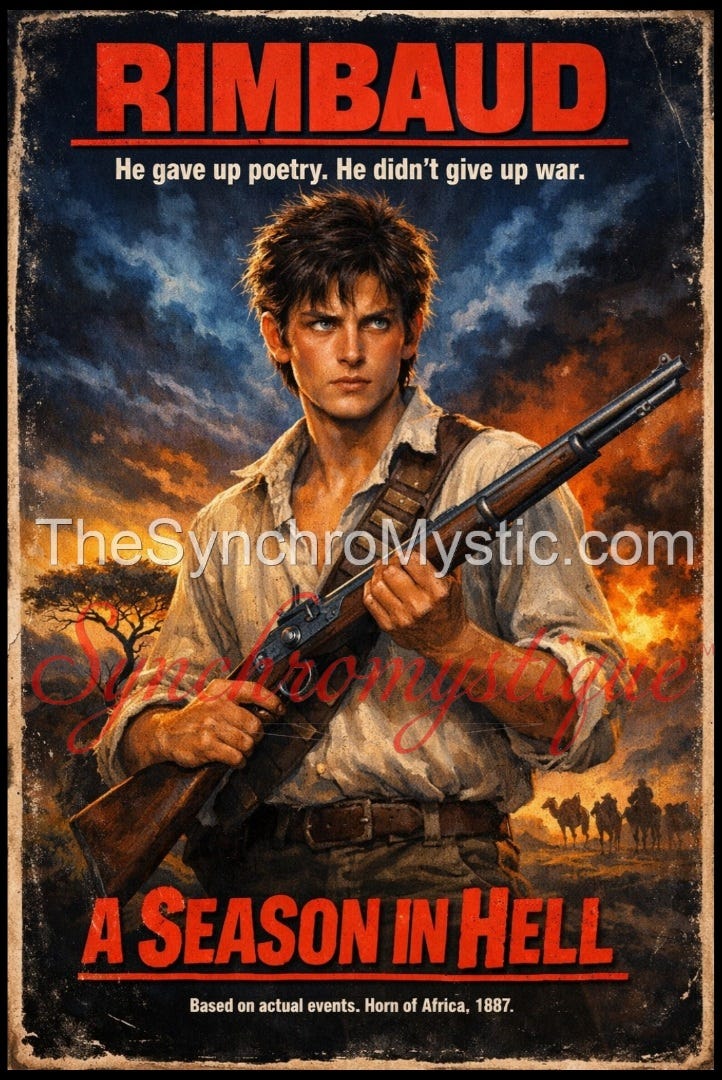
This is not merely a parlor trick. John Rambo — the fictional Vietnam veteran portrayed by Sylvester Stallone across a franchise beginning with First Blood (1982) — is, like Rimbaud, a male figure (though, in Rimbaud’s case, barely more than a boy) defined by a violent rupture. Their stories both emphasize the disappearance of the person the world thought it knew, and his replacement by a civilizational “outsider,” operating in a geopolitically marginal, extralegal world. Neither successfully reëntered ordinary life. Both encoded trauma in their bodies.
And the biographical irony sharpens the curious Lexi-Link considerably.
Rimbaud did not merely write about violence and then retreat into bourgeois comfort. He abandoned poetry entirely at around age 21 — one of the most dramatic creative self-immolations in literary history — and spent the remainder of his short life as a trader and arms dealer in the Horn of Africa. He ran guns to regional warlords in what is now Ethiopia and Eritrea. The visionary child-poet became, in the end, a hardened mercenary who reportedly wanted nothing further to do with literature, Paris, or the person he had been.
(A brief geographical note, for the uninitiated: the “Horn of Africa” refers to the large peninsula in northeastern Africa — shaped, on a map, unmistakably like a rhinoceros horn jutting into the Arabian Sea — comprising present-day Somalia, Djibouti, Eritrea, and Ethiopia. The horn itself, as it were, is Somalia. Whether the rhinoceros horn carries its own synchro-mojo — the rhino being, after all, one of nature’s more armored and anachronistic creatures, a thing that looks like it wandered in from a different geological era — we leave as an exercise for the reader.)
What we will note is that Rimbaud was not merely roaming picturesque territory. He was operating in one of the most persistently militarized corridors on the planet — a fact that has not appreciably changed since his time. The Horn’s strategic position astride the Bab-el-Mandeb strait, between the Red Sea and the Gulf of Aden, has made it a perennial theater for great-power competition, proxy conflict, and arms trafficking.
As of this writing, the broader region remains acutely relevant: Houthi activity in Yemen, ongoing U.S. and Israeli operations against Iranian-backed networks, and the general volatility of the Red-Sea shipping lanes all converge in the same neighborhood where the poet once ran his guns. Rimbaud, in other words, did not retire somewhere obscure. He retired to somewhere that the world keeps returning to.
But… the echo with Chase’s story of the disappearing figure is difficult to dismiss.
Rimbaud was the poet-prodigy who vanished into a violent underworld and never came back. Rambo was the soldier forged by a society that then abandoned him, and left him to survive in the margins. Chase was the child-actress who embodied abandonment onscreen and then, by all appearances, experienced something like it offscreen. Three figures. One threshold. None of them crossed it in the conventional direction.
In Lilo and Stitch, one of the primary moral lessons was: No one gets forgotten or left behind.
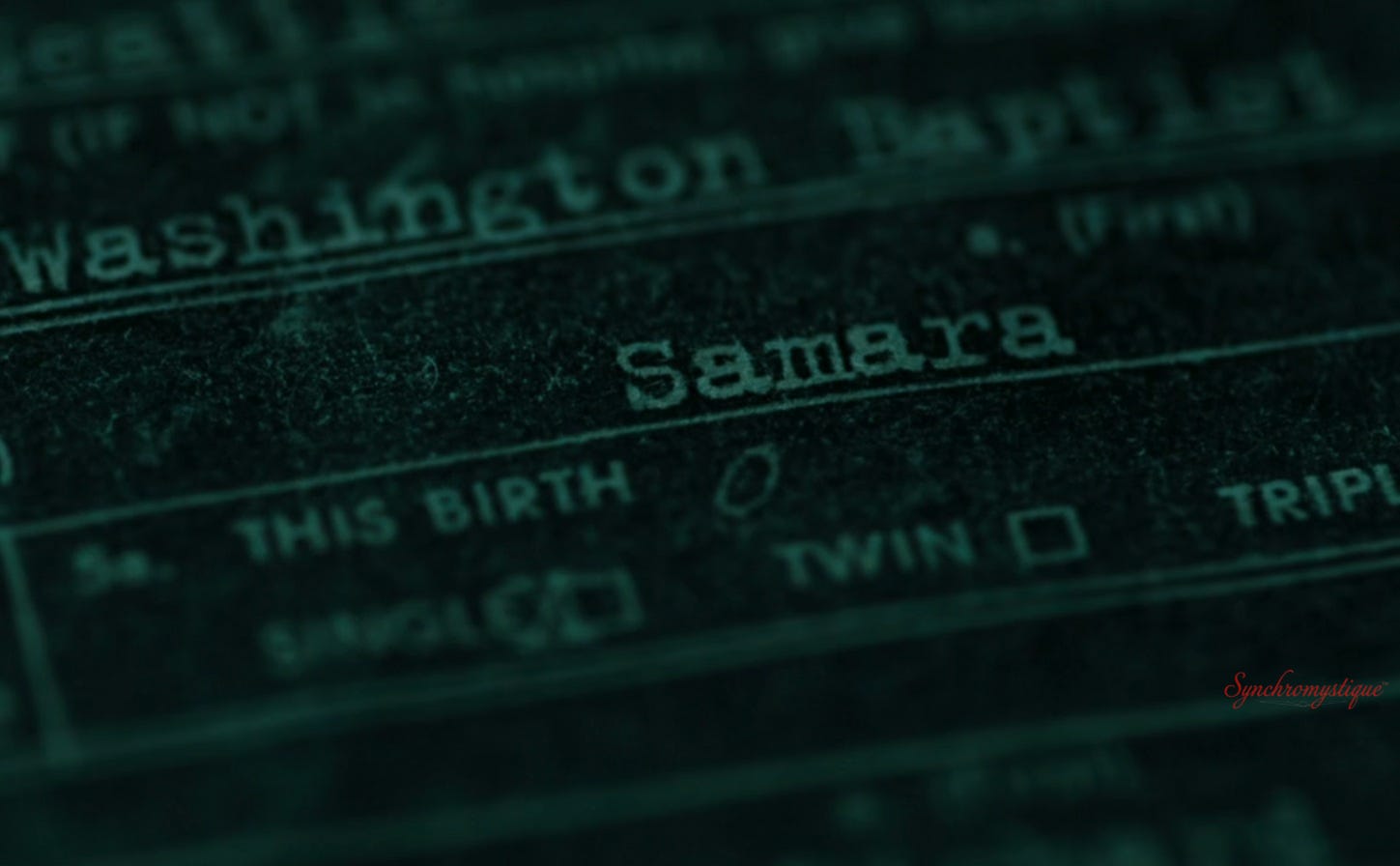
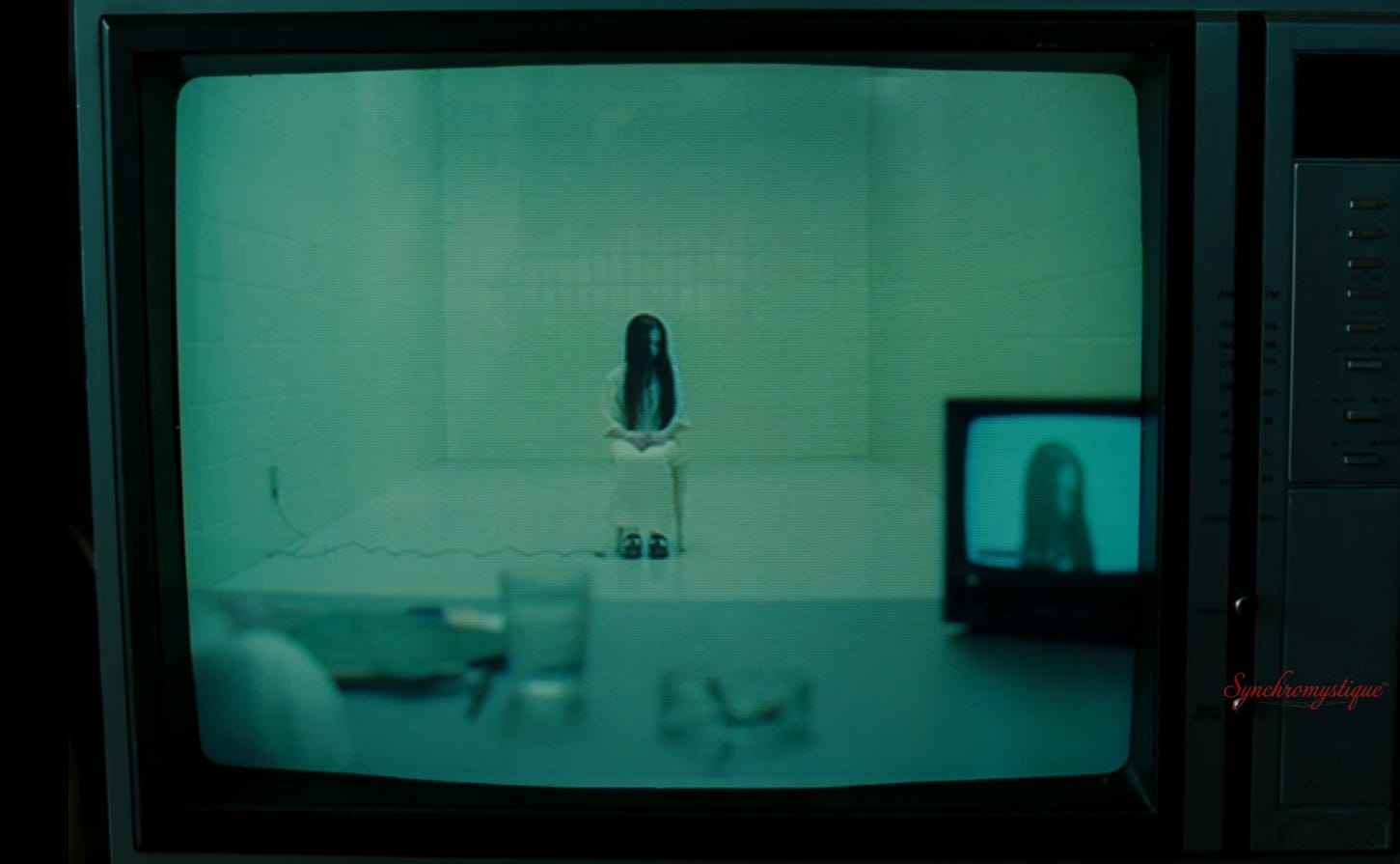
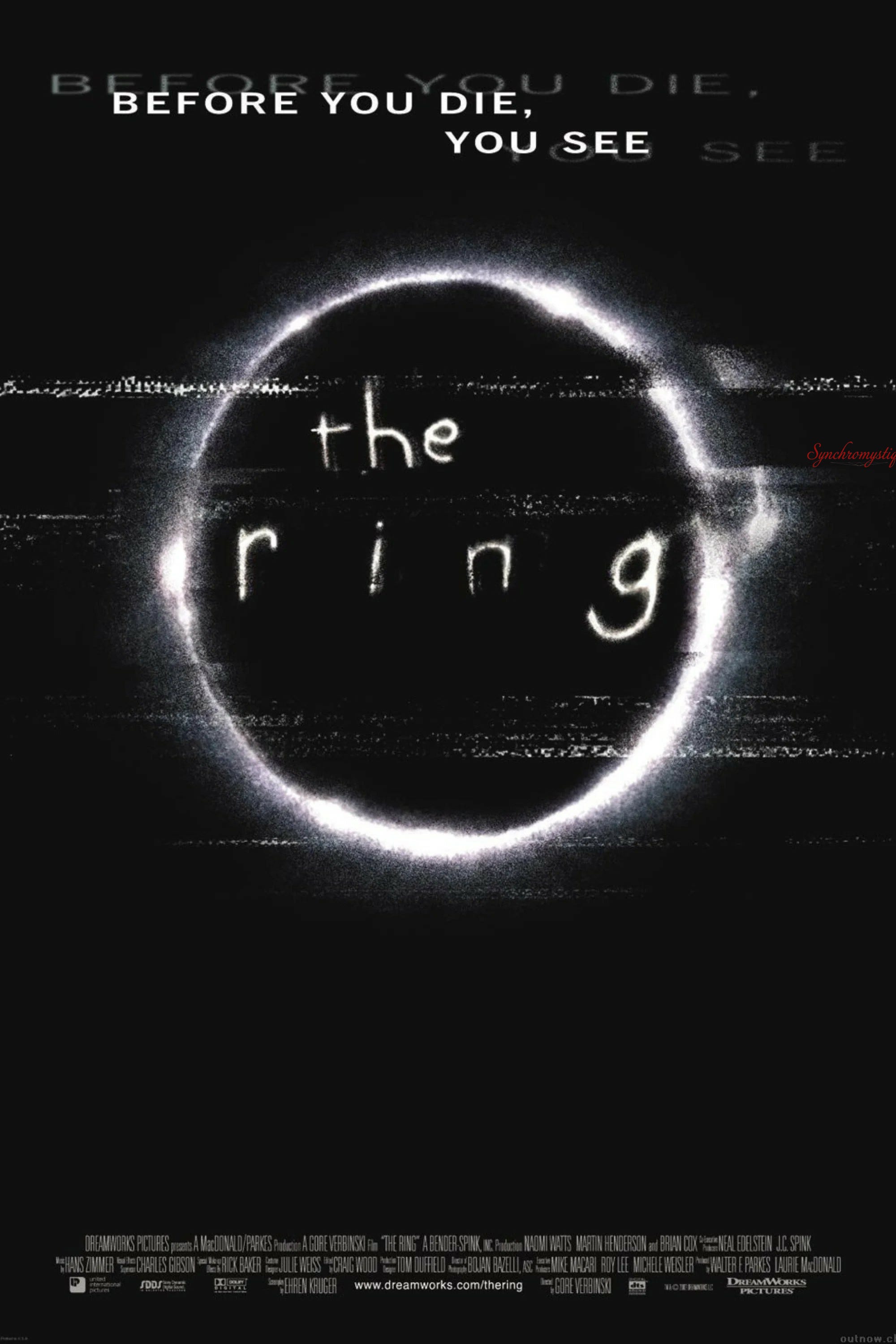
Then came… Samara, the black-haired ghost of The Ring. She was the discarded child in a well — a rejected daughter. Hers is like a wound that never heals because it’s repeatedly reopened.
As the fictional book collector Victor Fargas (Jack Taylor) says to Dean Corso (Johnny Depp) in film director Roman Polanski’s 1999 The Ninth Gate: “Some books are dangerous. Not to be opened with impunity.” Equally, some messages cannot be unheard.
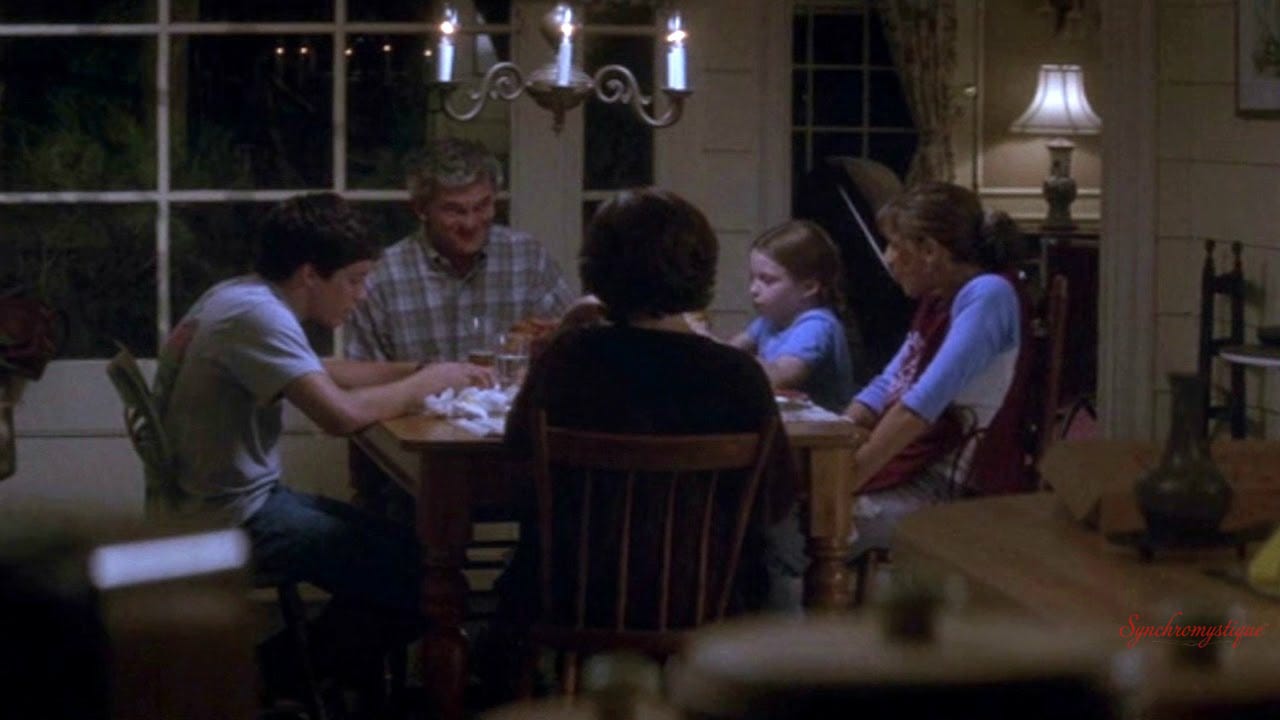
Recall that, in Donnie Darko, the young Samantha innocently asked “What’s a fuck-ass?” after hearing her older siblings, Donnie and Elizabeth, trading vulgarities while arguing at the dinner table. Innocence, once it’s lost, cannot be regained. At least, not easily.
In the “official” reading, the first Ring film presents the curse not as a random haunting but as the self‑propagating manifestation of a murdered girl’s psychic rage.
The titular “ring,” after all, seems to refer to the literal ring of light which would have been visible at the top of the dark, circular well — when looking up from the bottom — into which Samara was cast, apparently by her own mother. Her mother may have believed that her daughter was dead before she threw her body down the well (having attempted to suffocate her beforehand). This act of “filicide” would have been abominable enough. But, in fact, Samara survived for a week, struggling — in vain — to claw her way out of the tomb.
Samara bears a sort of “Mark of Abel,” a victim’s trauma imprinted — in this case — onto a cursed videotape that kills viewers after seven days unless they perpetuate it by copying and showing it to others.
The “mark of Cain,” of course, originates from the biblical story of Adam and Eve in Genesis, where God placed a protective mark on Cain after he murdered his brother, Abel. In the story, the mark is technically a symbol of divine mercy and protection. But, in contemporary speech, it is often thought of as an emblem of being criminally guilty and socially outcast.
In any event, in The Ring, the videotape functions like a deadly, technological virus. The film’s events — especially the apparent “solution” of recovering Samara’s remains followed by the revelation that survival depends on spreading the tape — underscore this idea that the curse cannot be resolved or morally contained, only transmitted. The media itself becomes a “carrier.”
Samara’s origin story, punctuated by repeated parental rejection and attempted erasure, seems to have doomed her to “negation” from the outset. The subsequent curse becomes less a matter of arbitrary malevolence than a compulsive demand for acknowledgment. The unloved do not really disappear. They come back: Again and again.
If Lilo embodies caring, communion, and togetherness, Samara is an emblem of displacement, estrangement, and exile. Lilo welcomed an alien; Samara was alienated.
As it happens, novelist Koji Suzuki, the creator of The Ring trilogy who has been nicknamed the Japanese Stephen King, himself died of an undisclosed illness a month before Chase, May 8, 2026, at a hospital in Tokyo, at the age of 68. (Source)
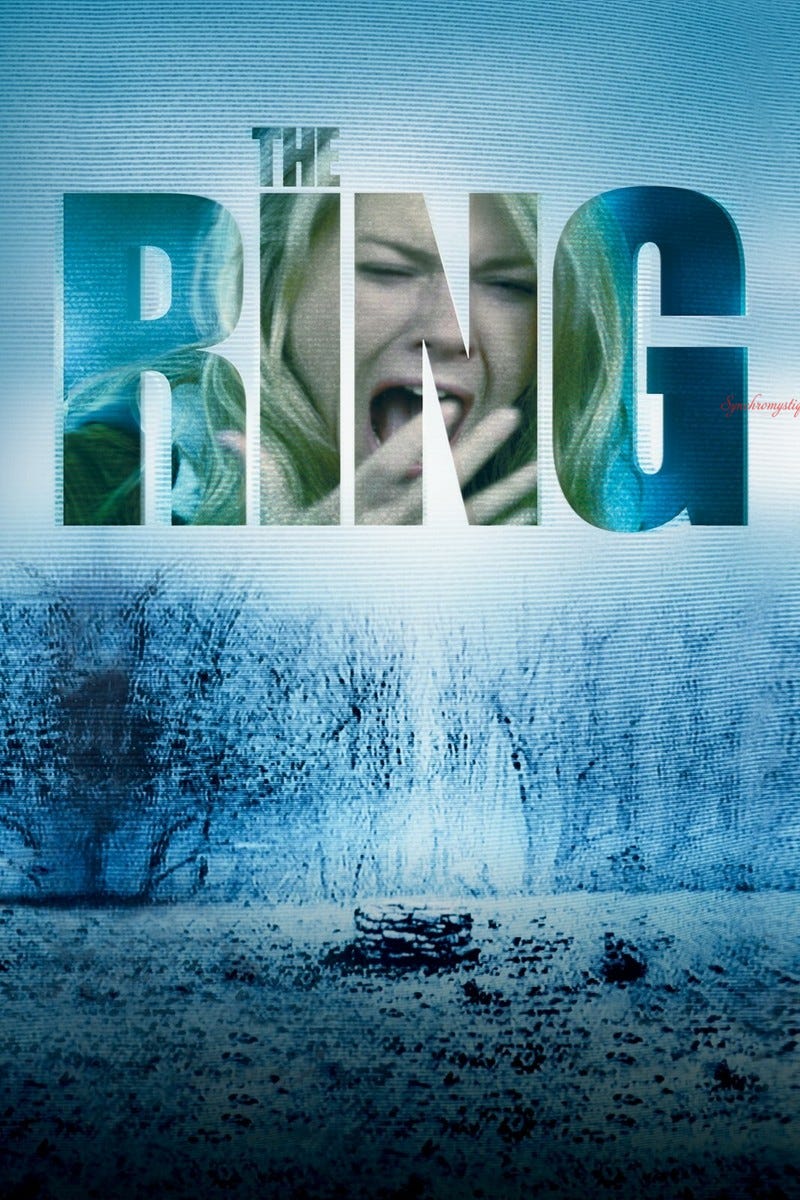
An intriguing coda lies just beyond The Ring itself. The movie’s principal focus is upon Chase’s co-star Naomi Watts.
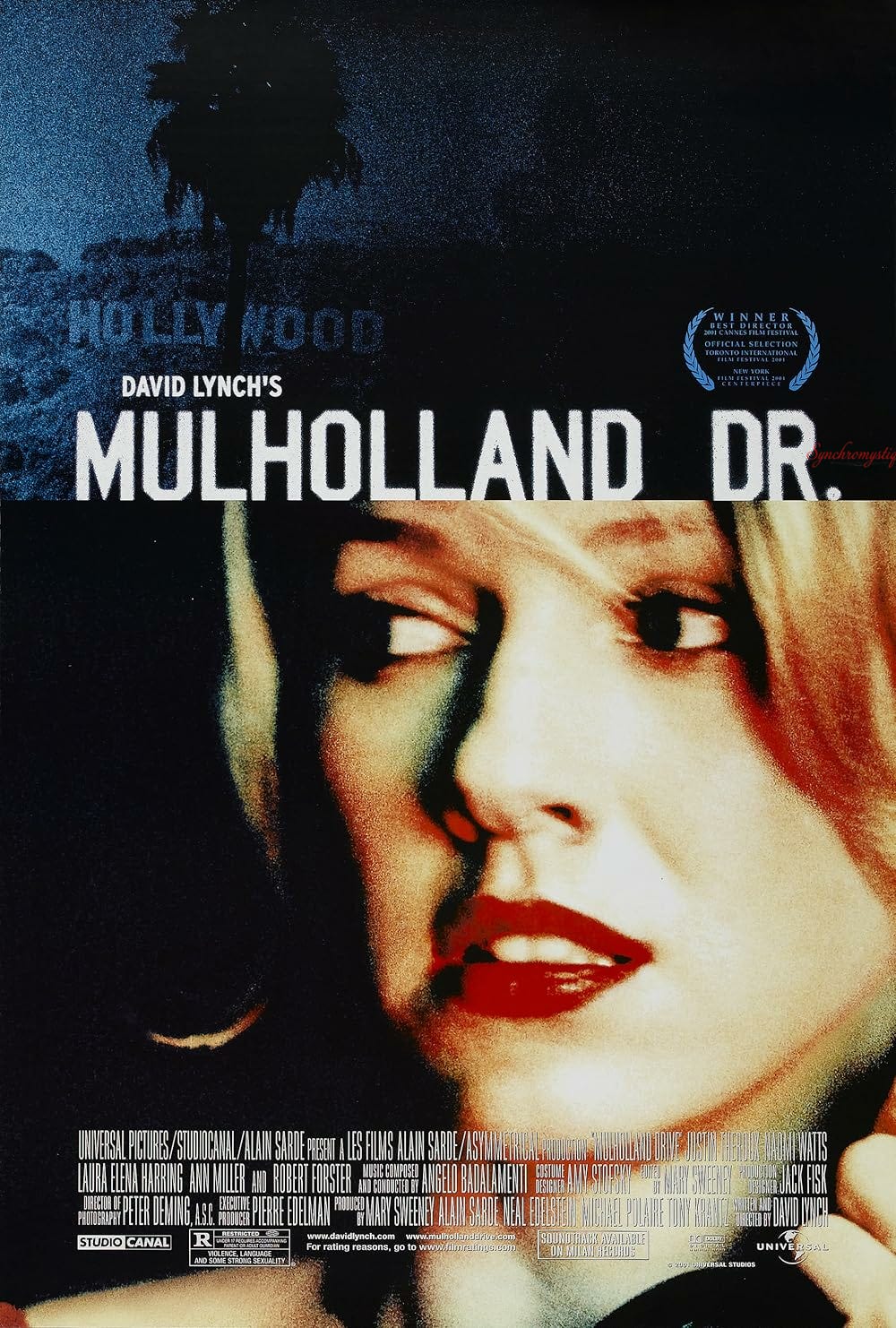
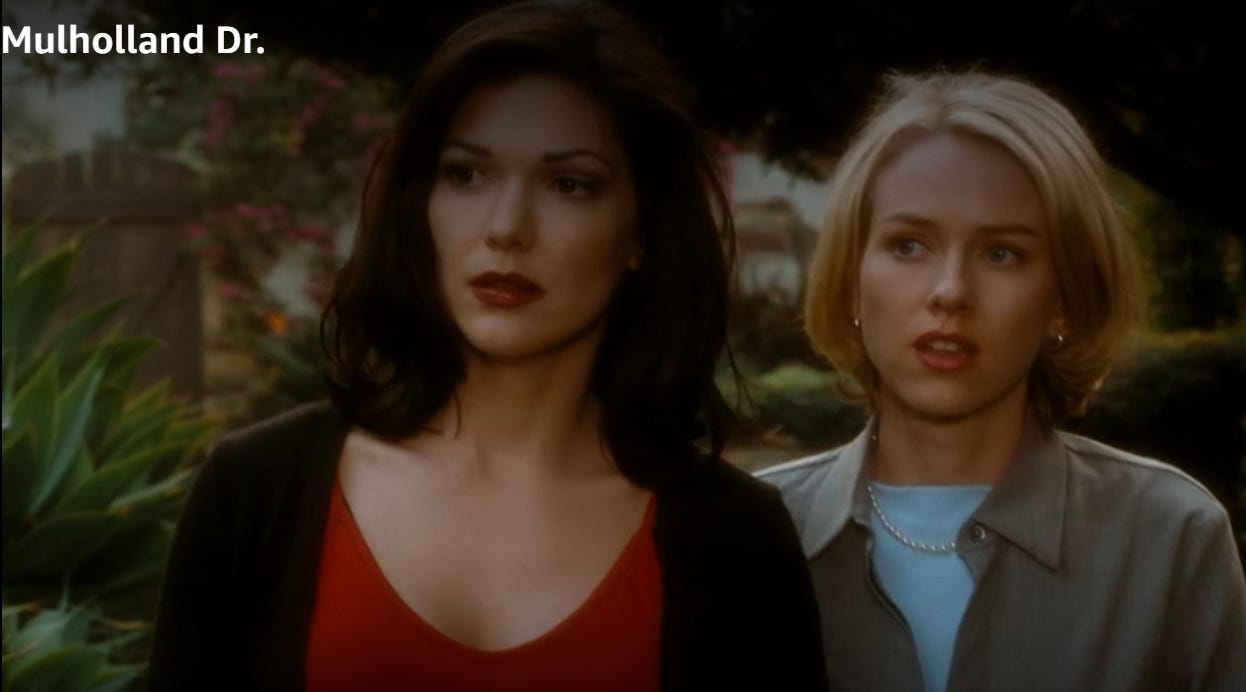
Watts had been a principal headliner in idiosyncratic director David Lynch’s Mulholland Drive, where — in what is probably the film’s most widely accepted reading — her character’s dream of Hollywood success collapses into a waking nightmare of failed ambition, addiction, jealousy, and murder.
What begins for Watts as the luminous innocence of an aspiring actress gradually dissolves into bitterness and psychic fragmentation.

The juxtaposition with Chase’s actual life is difficult to ignore.
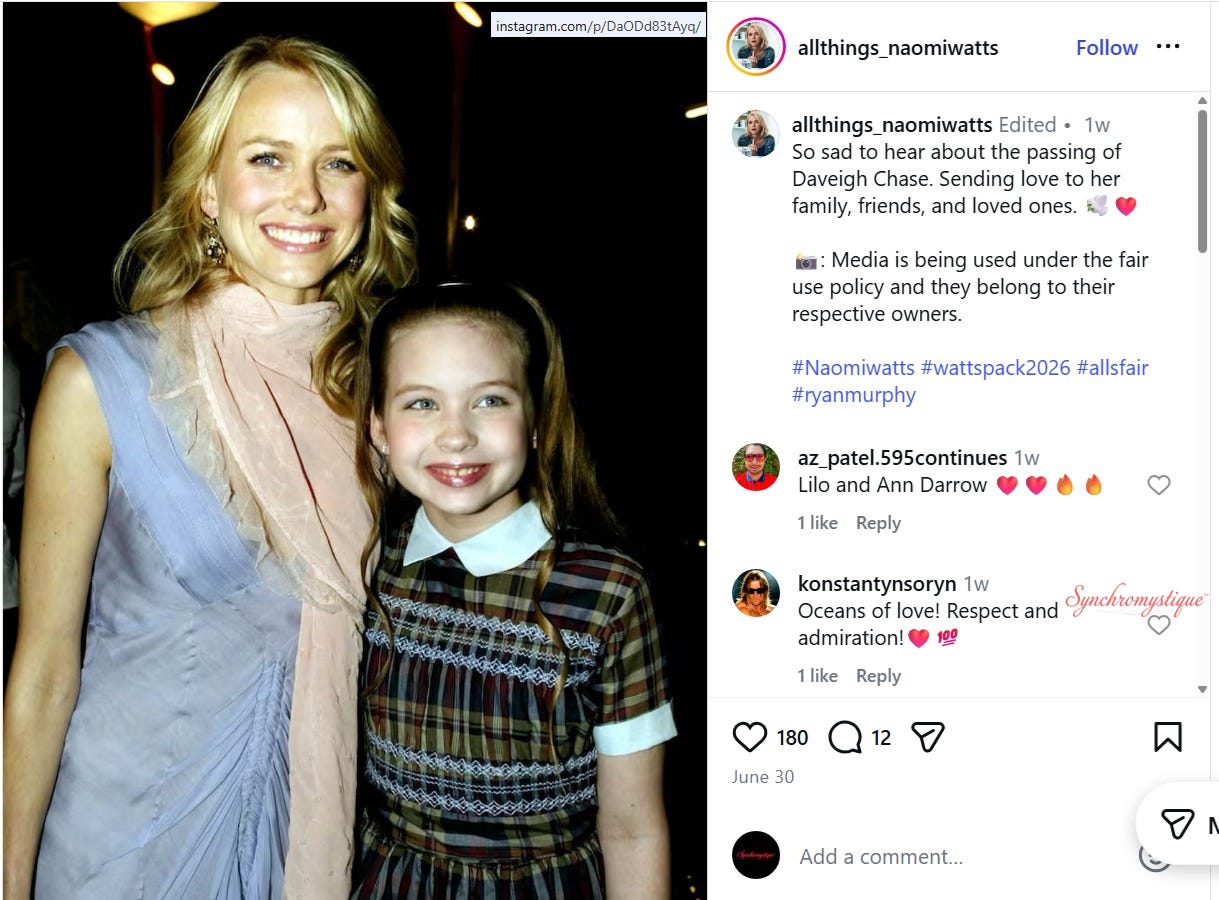
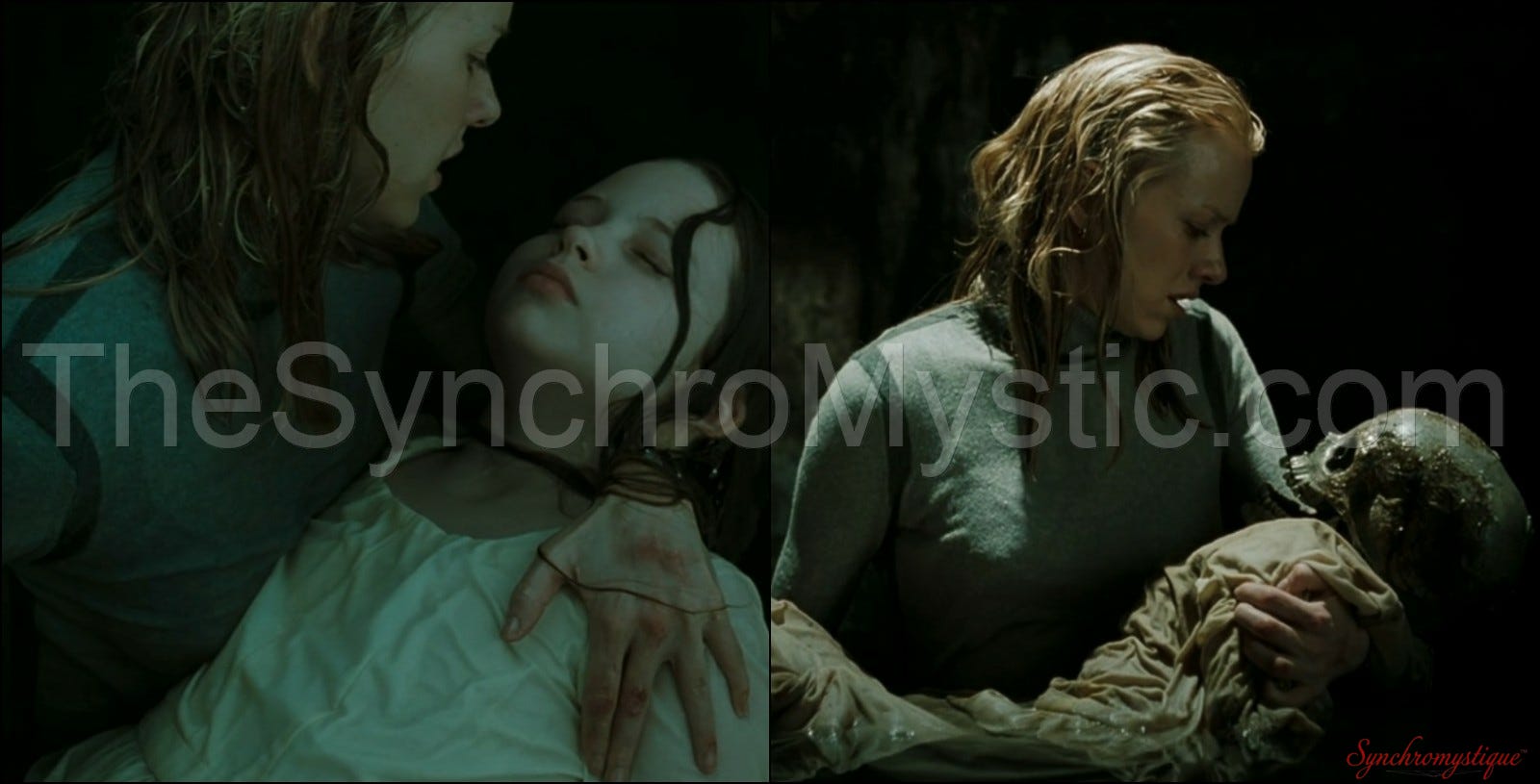
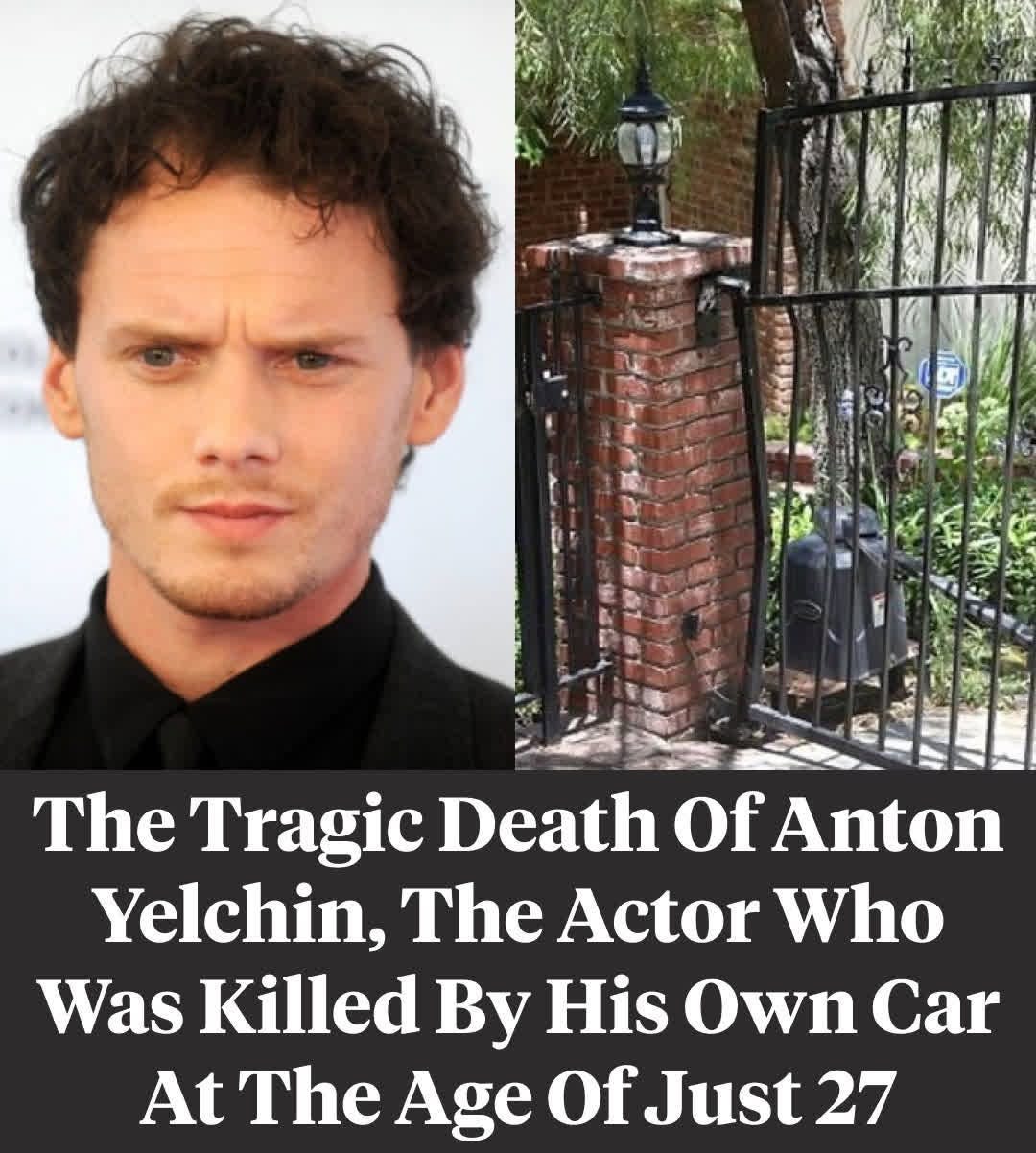
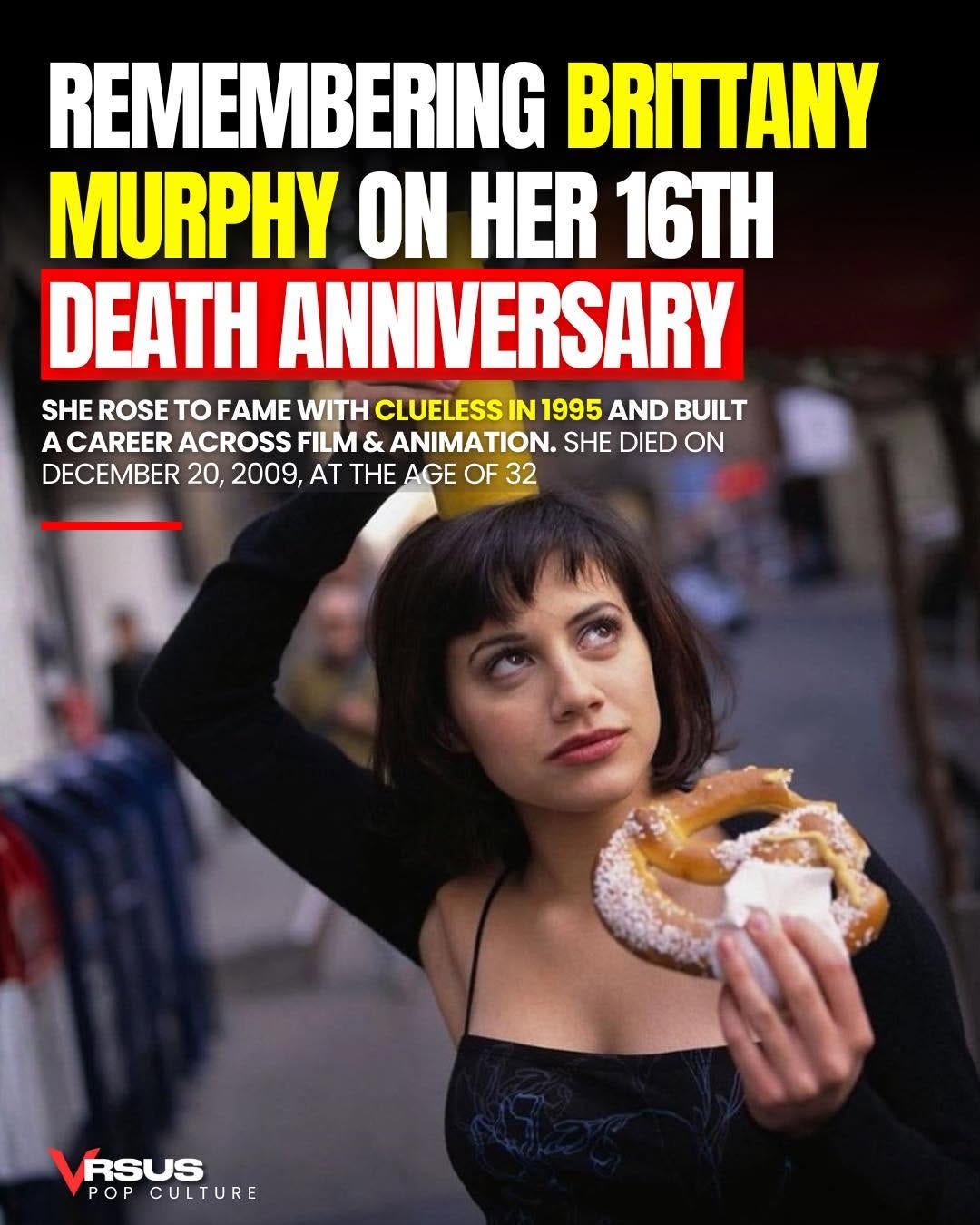
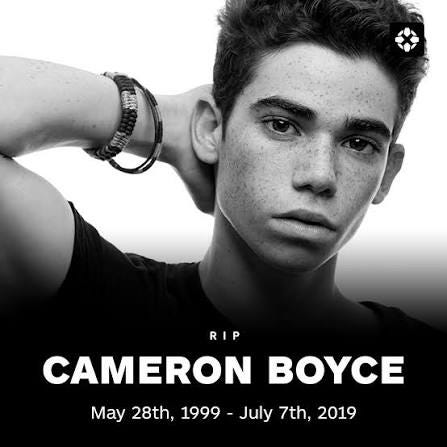
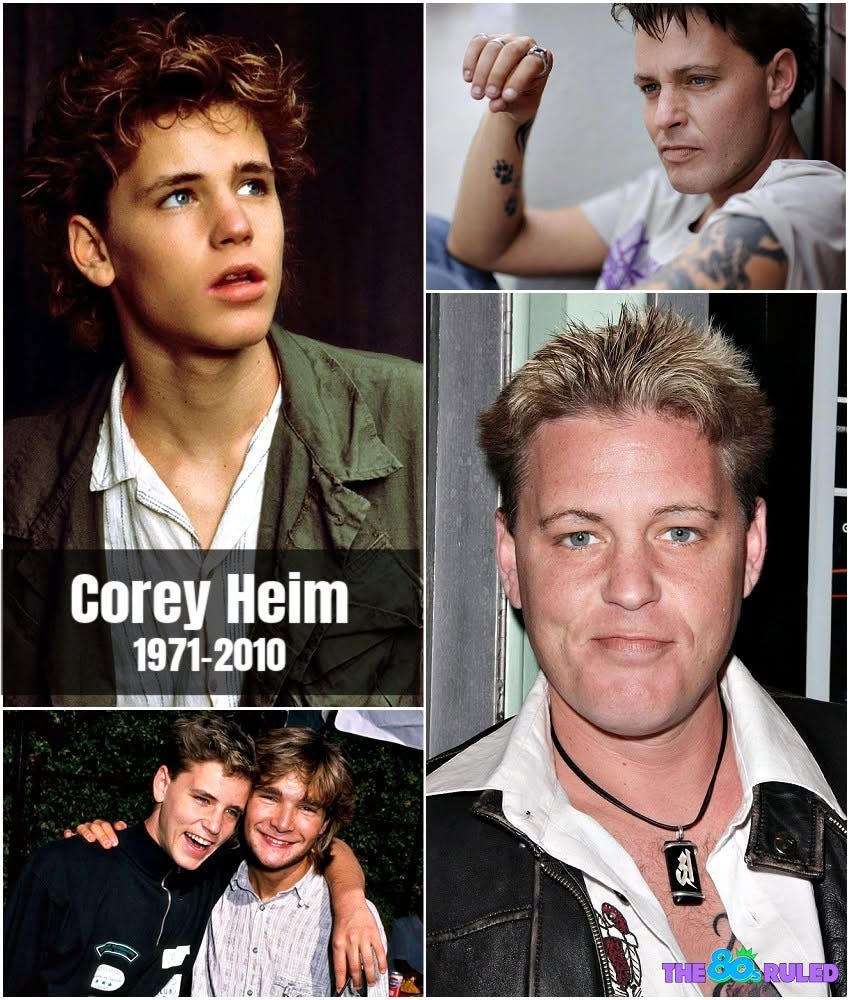
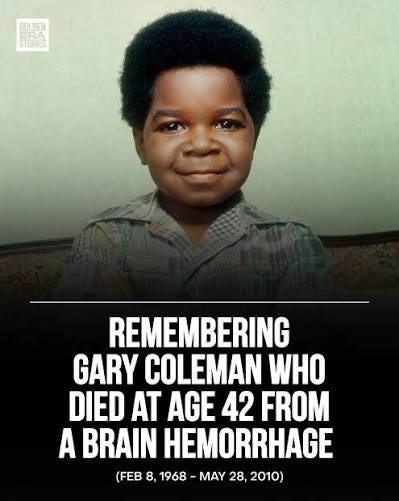
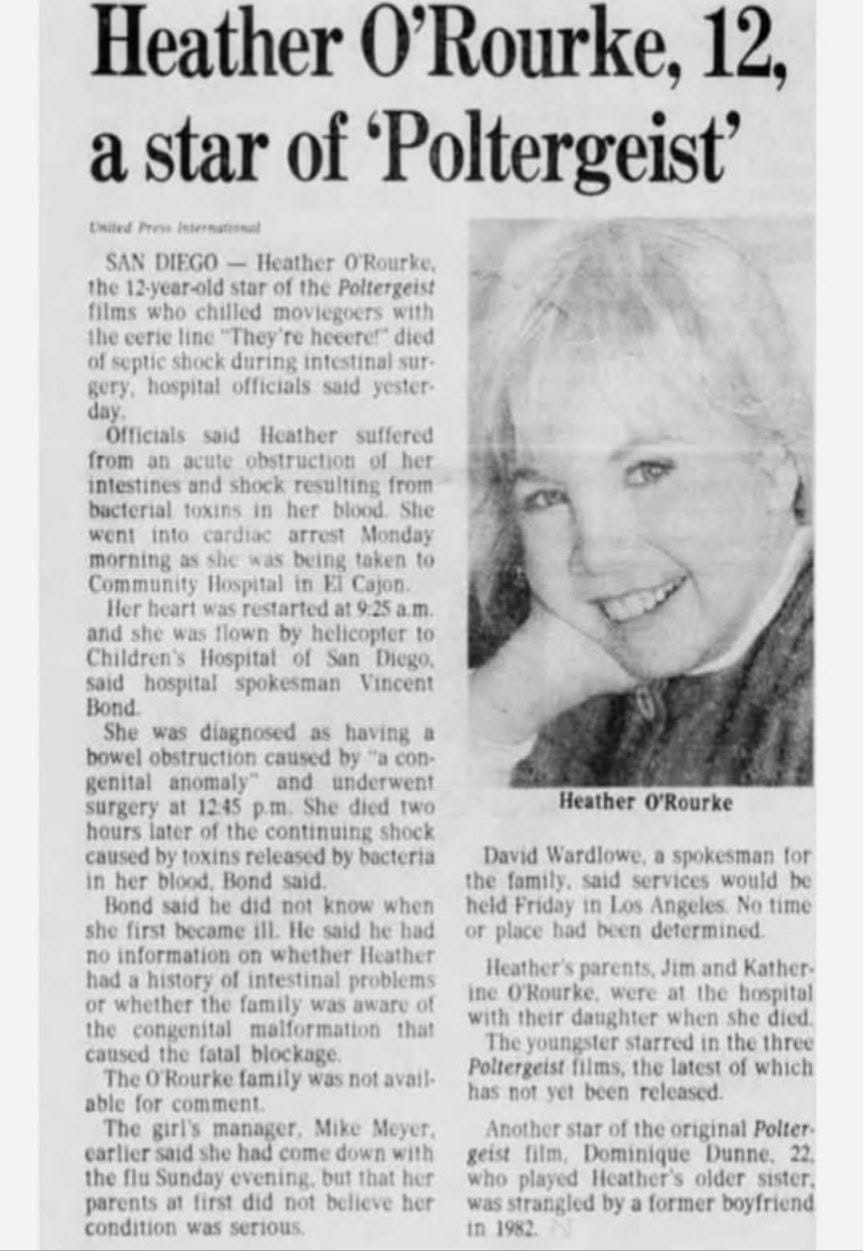
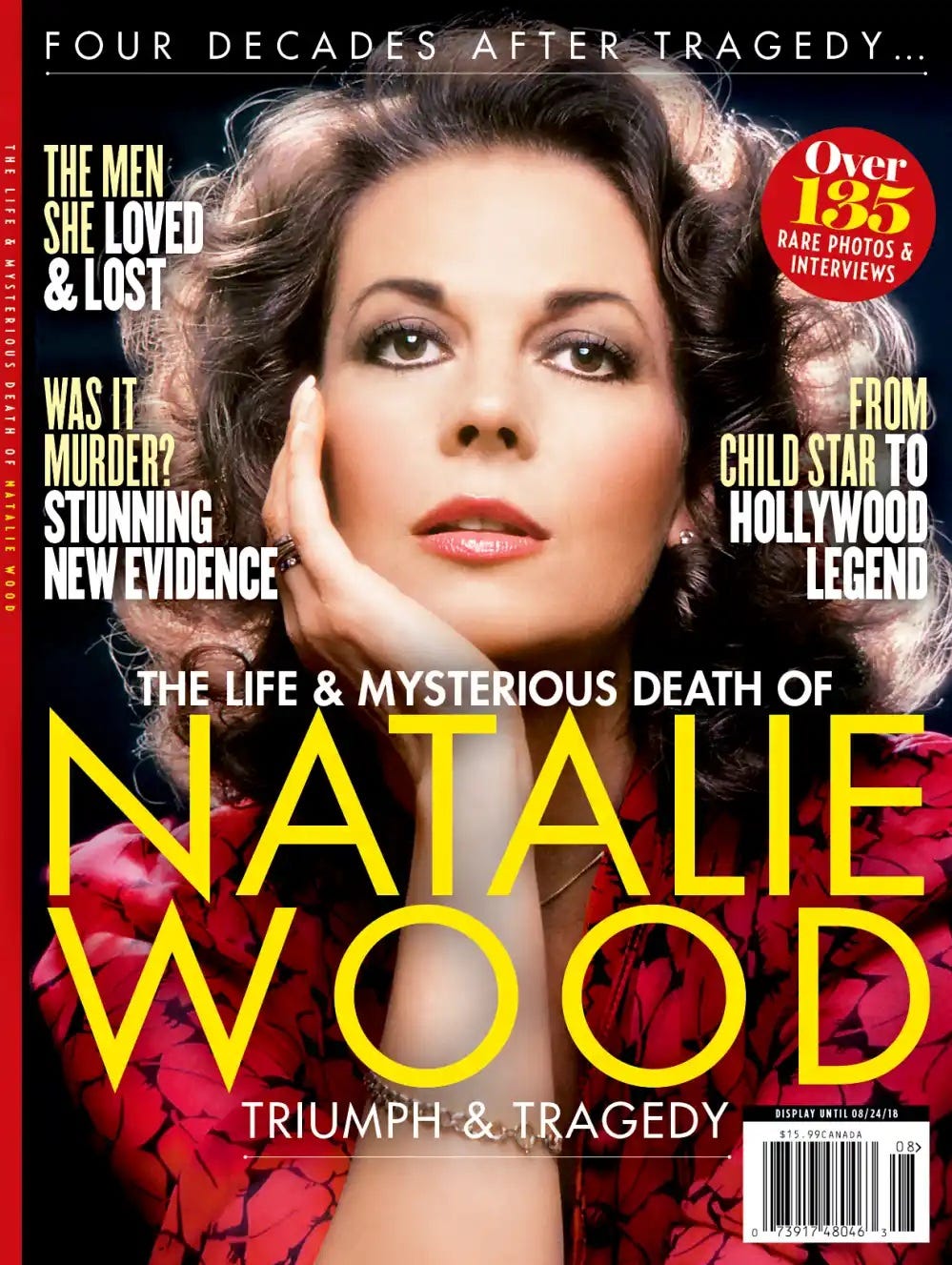
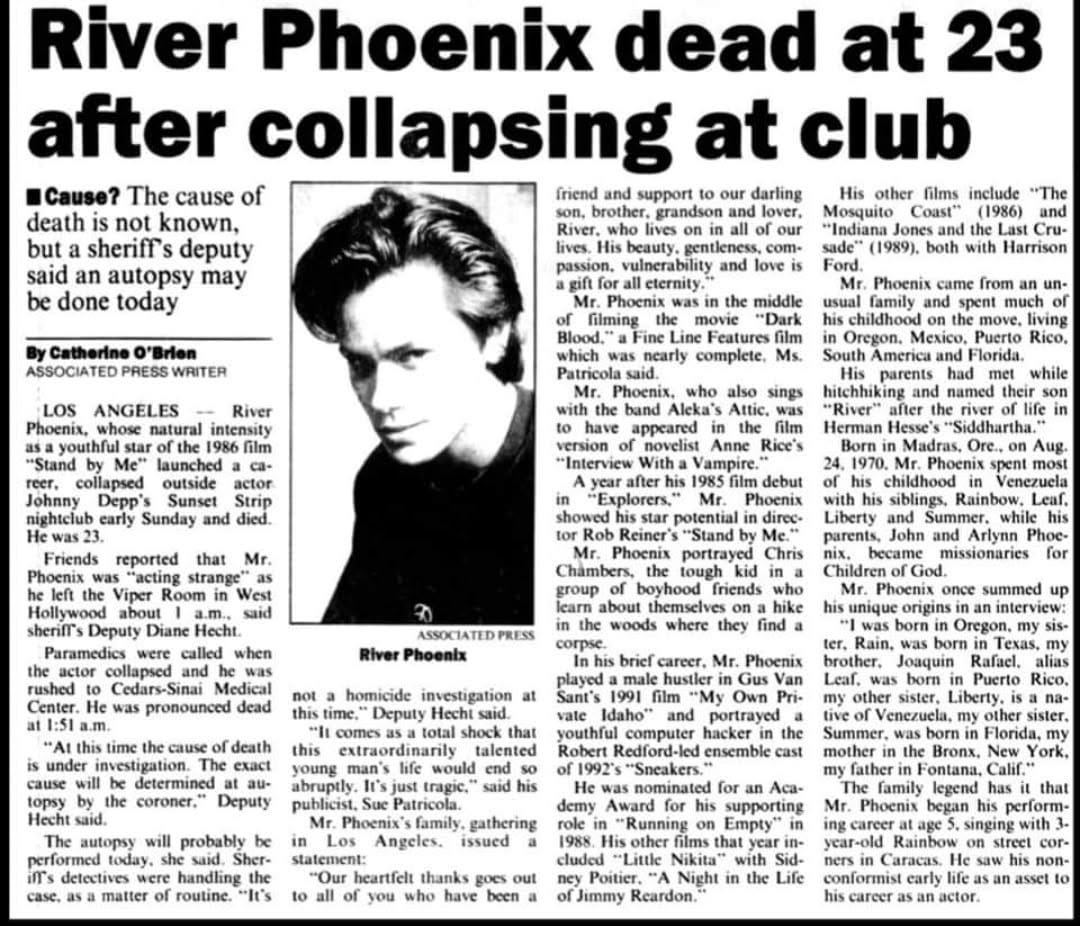
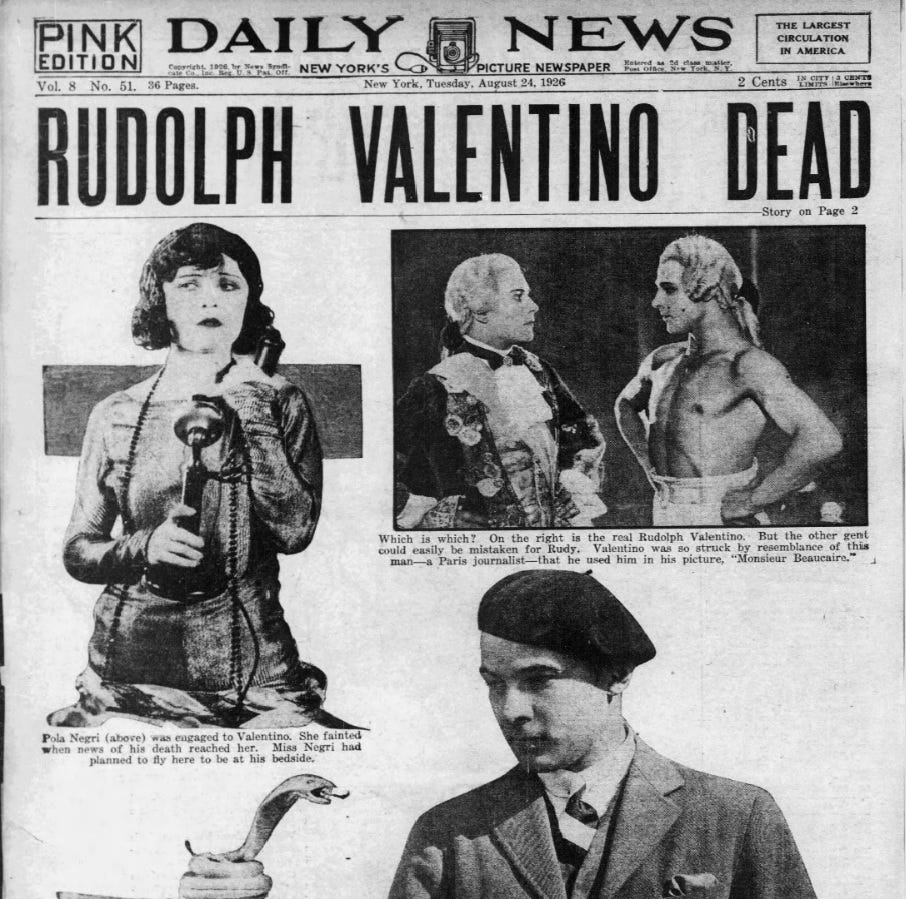
And — unfortunately — countless others could be mentioned in this vicinity. (See the Visual Postscript, at bottom.)
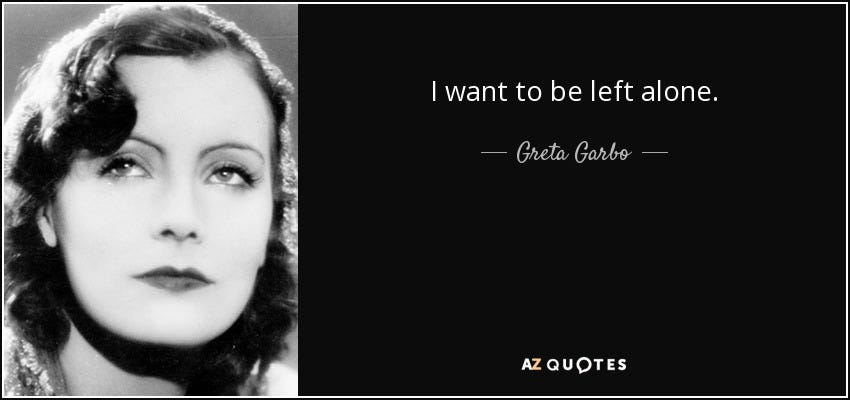
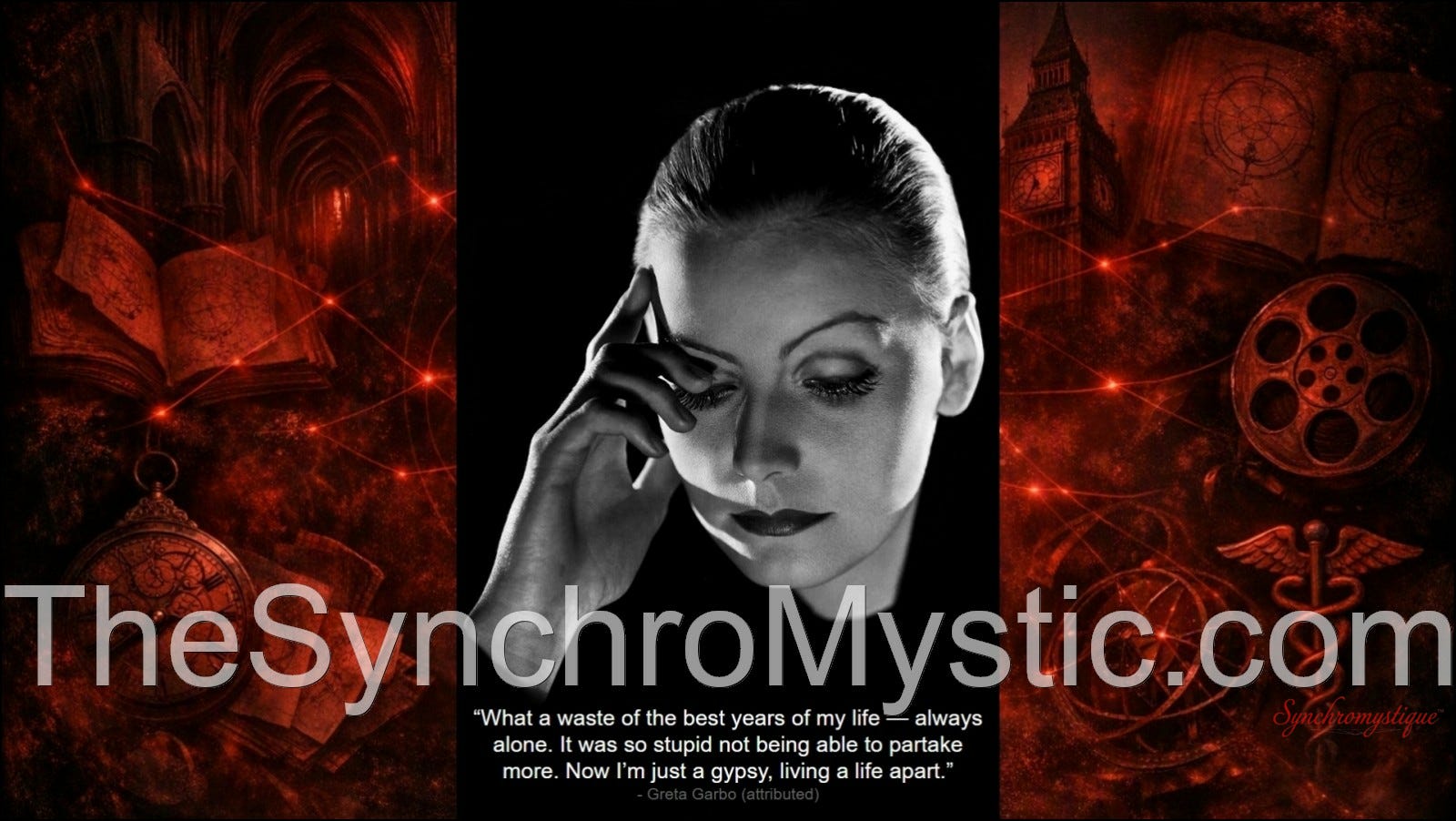
What effect do these sorts of disaffecting rôles have on the people who “play” them? Greta Garbo — more of an “introvert,” herself — reportedly became so exhausted by the relentless, invasive scrutiny of the Hollywood studio system that she wanted to be left alone. (For more context — and syncs — she HERE.)
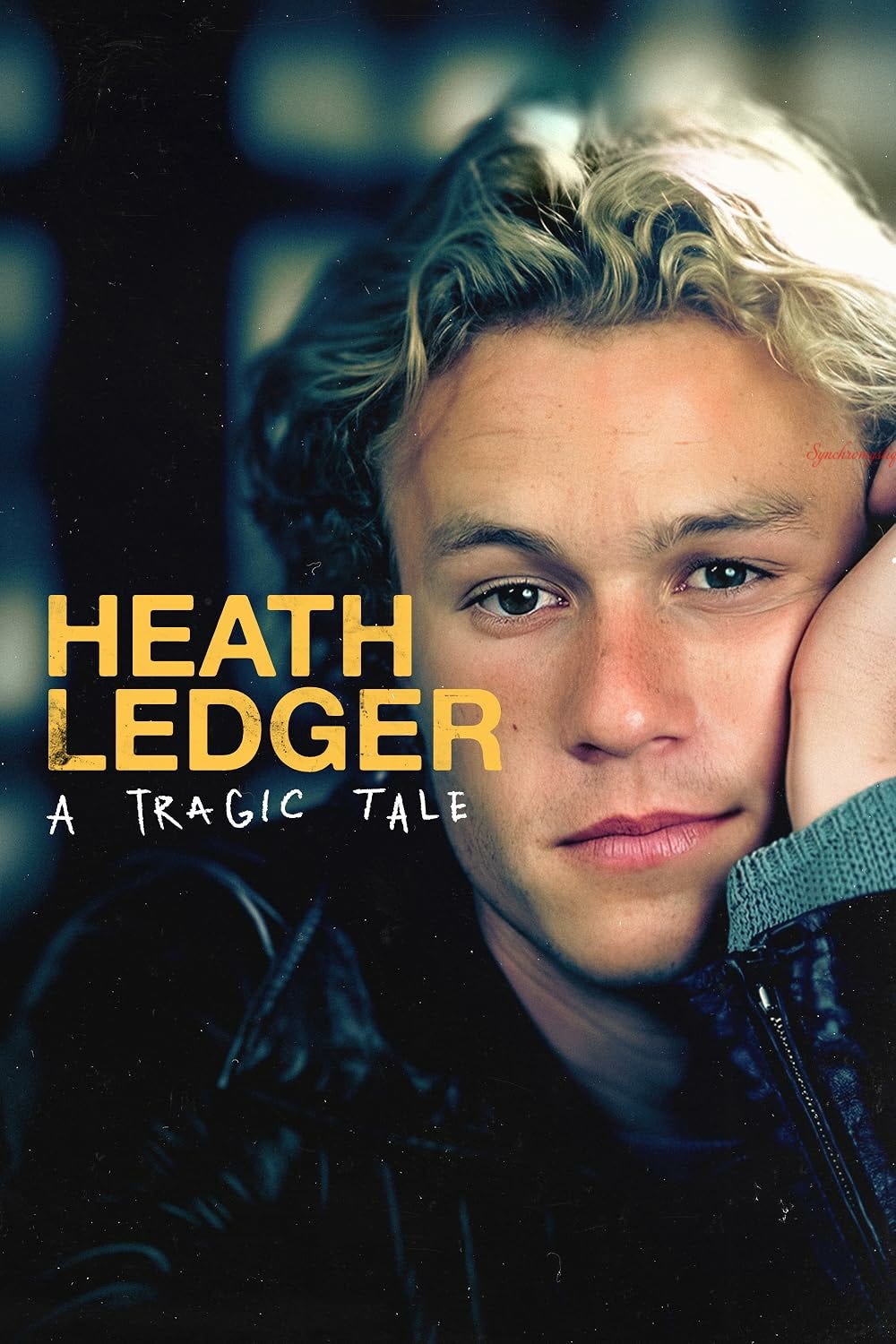
In November 2007, Australian actor Heath Andrew Ledger was “…in London filming [what was then] the latest episode of …[Christopher Nolan’s]‘Batman’ franchise, ‘The Dark Knight.’”
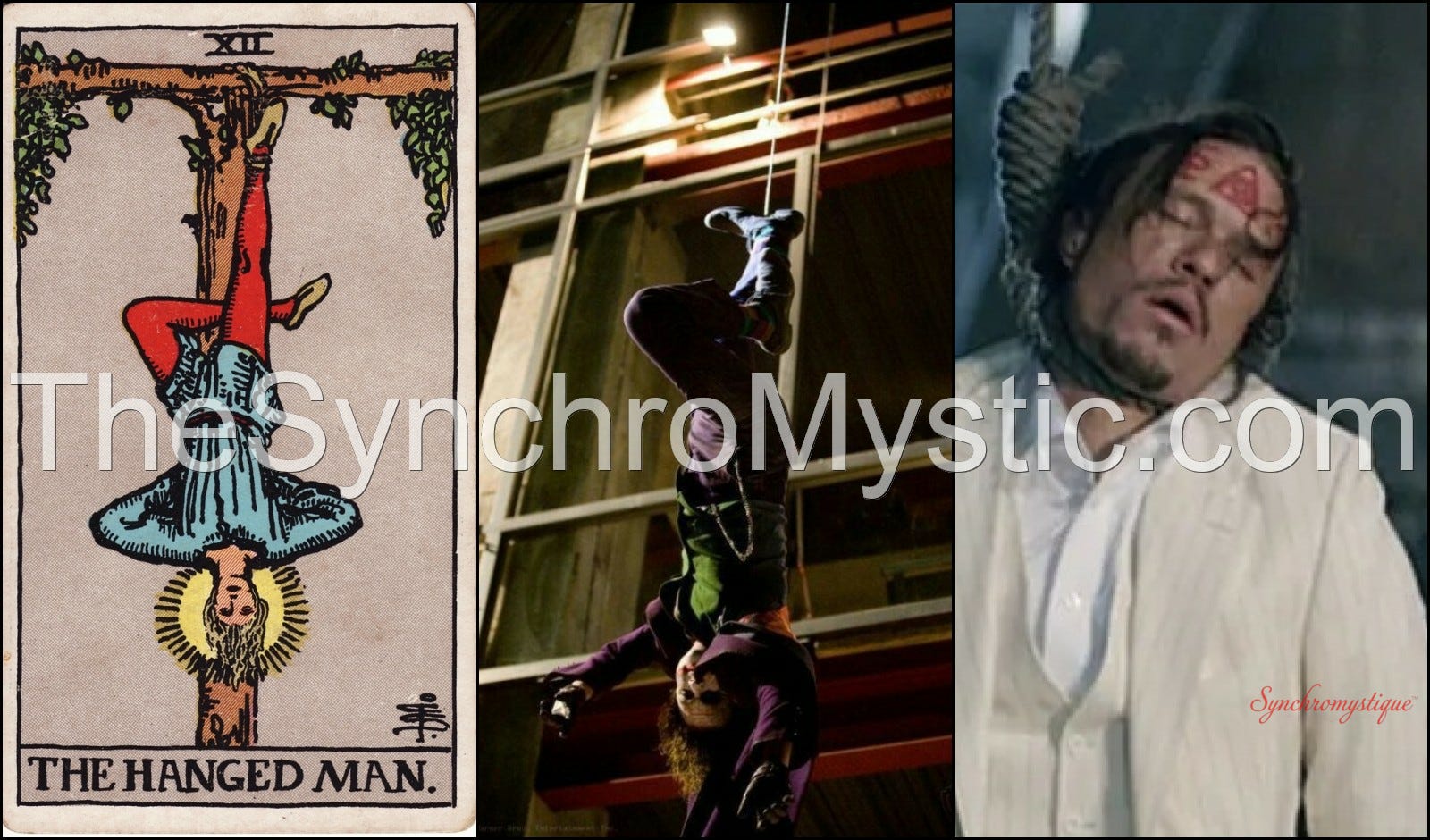
He was interviewed by a New York Times reporter, who remarked that the Joker character was “…a physically and mentally draining role — his Joker is a ‘psychopathic, mass-murdering, schizophrenic clown with zero empathy’ …[Ledger] said cheerfully — and, as often happens when he throws himself into a part, he is not sleeping much.
“‘Last week I probably slept an average of two hours a night,’ he said. ‘I couldn’t stop thinking. My body was exhausted, and my mind was still going.’ One night he took an Ambien, which failed to work. He took a second one and fell into a stupor, only to wake up an hour later, his mind still racing.” (Source)

Ledger was discovered dead by a housekeeper and masseuse in his Manhattan apartment at 421 Broome Street — note the recurrence of “42” — on the afternoon of January 22, 2008. The autopsy report findings, summarized in Ledger’s Wikipedia article, was that he died “as the result of acute intoxication by the combined effects of oxycodone, hydrocodone, diazepam, temazepam, alprazolam and doxylamine”. (Source) Ledger was 28.
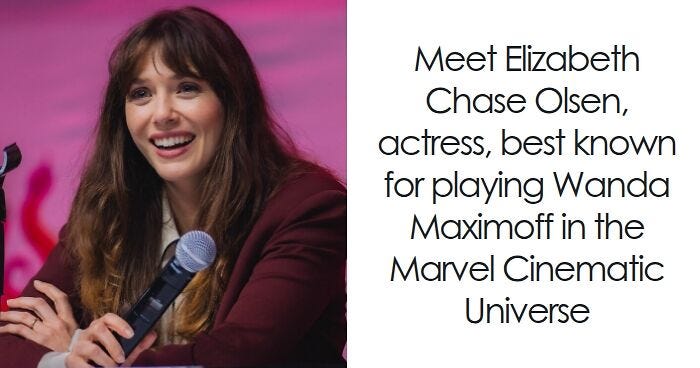
The story is made somewhat curiouser by the admission that the “massage therapist’s” first telephone call, after arriving on the scene, was to actress-model Mary-Kate Olsen, the twin sister of Ashley Fuller Olsen and an older sibling to Elizabeth Olsen — whose middle name is evidently “Chase.”
Possibly apropos of nothing, we nevertheless observe that Donnie Darko featured the real-life brother-sister acting duo Jacob Benjamin “Jake” and Margalit Ruth “Maggie” Gyllenhaal who portrayed Donnie and Elizabeth, with Daveigh Chase playing the youngest Darko child.
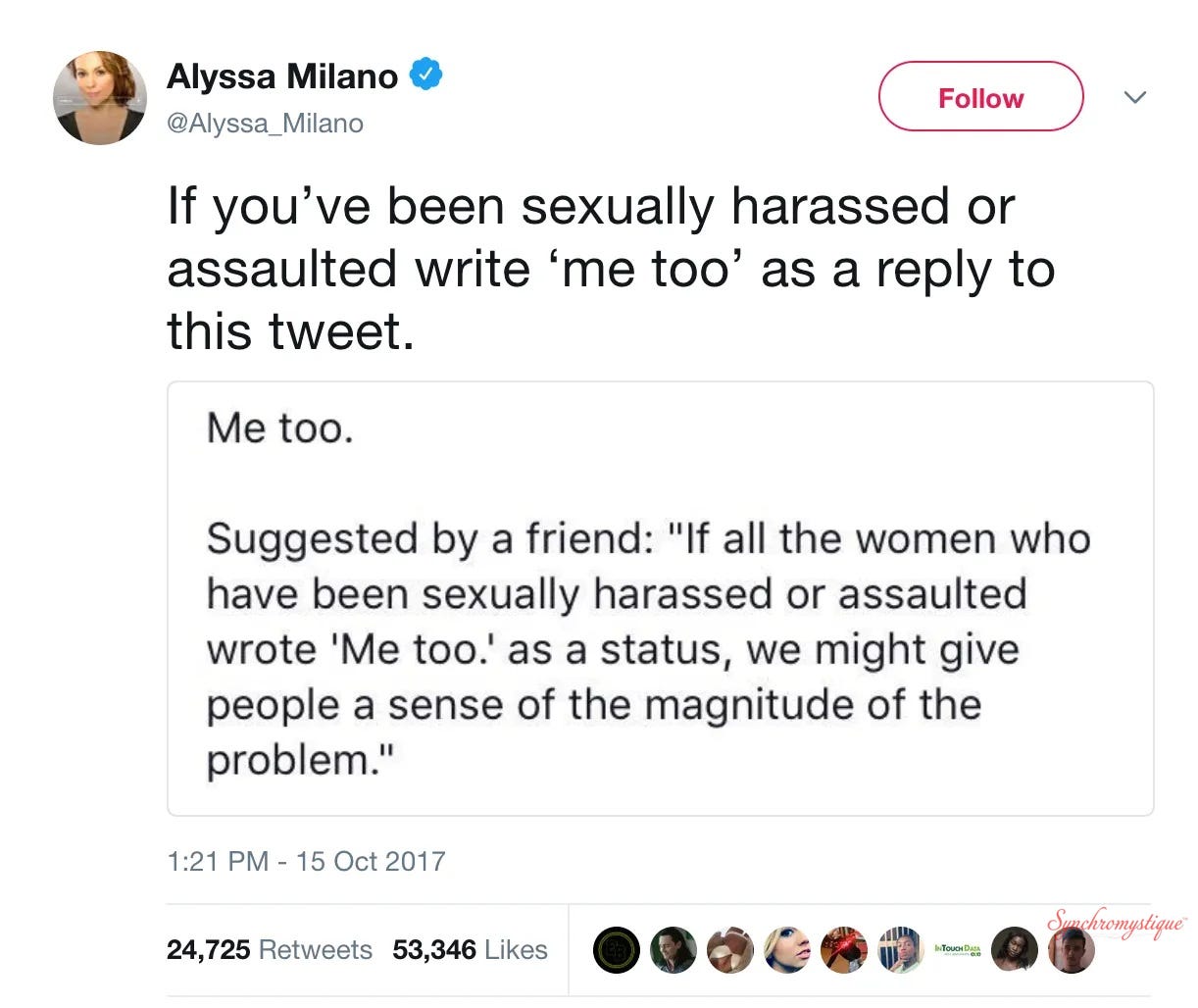
The modern #MeToo reckoning gave the old Hollywood Babylon, à la Kenneth Anger (born Kenneth Wilbur Anglemyer), pattern a fresh, well-documented chapter.
Harvey Weinstein’s fall in 2017, triggered by a wave of sexual-assault and harassment allegations from dozens of women, became the movement’s defining case; he was ultimately convicted of sex crimes in both New York and California, though the New York conviction was later overturned and retried in a mixed verdict, and his California conviction — upheld on appeal in June 2026 — still stands even as the court has ordered him to be resentenced.
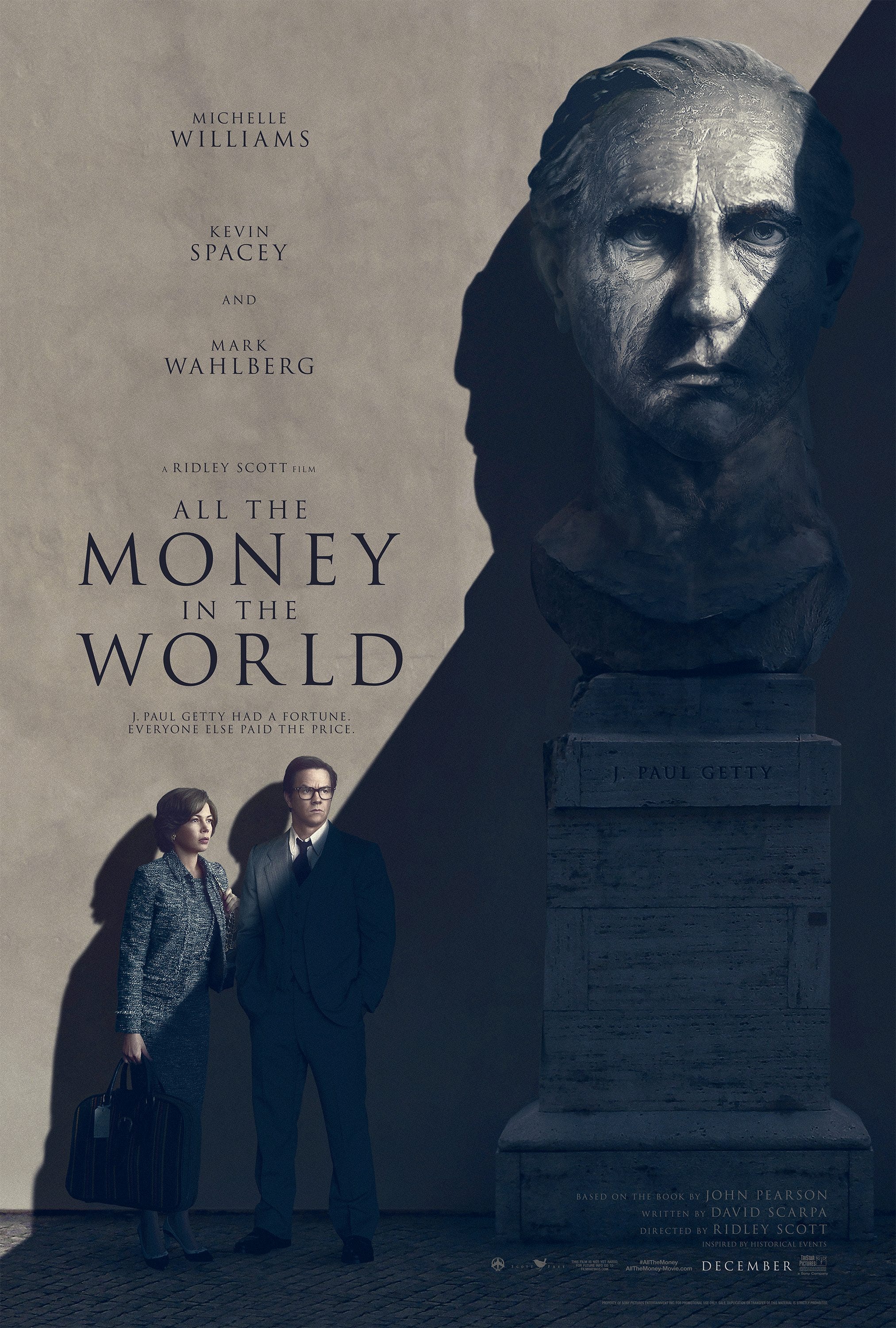
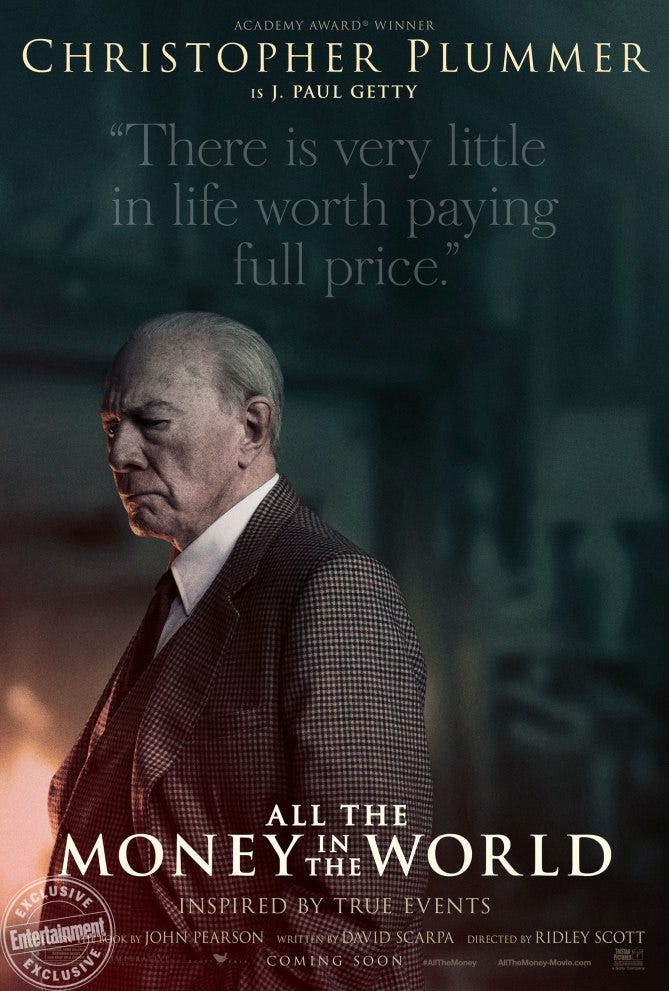
Kevin Spacey faced a parallel collapse after actor Anthony Rapp and others came forward with misconduct allegations, costing him his role on House of Cards and an already-filmed part in All the Money in the World, though he was later acquitted in both U.K. criminal proceedings and a US civil trial.
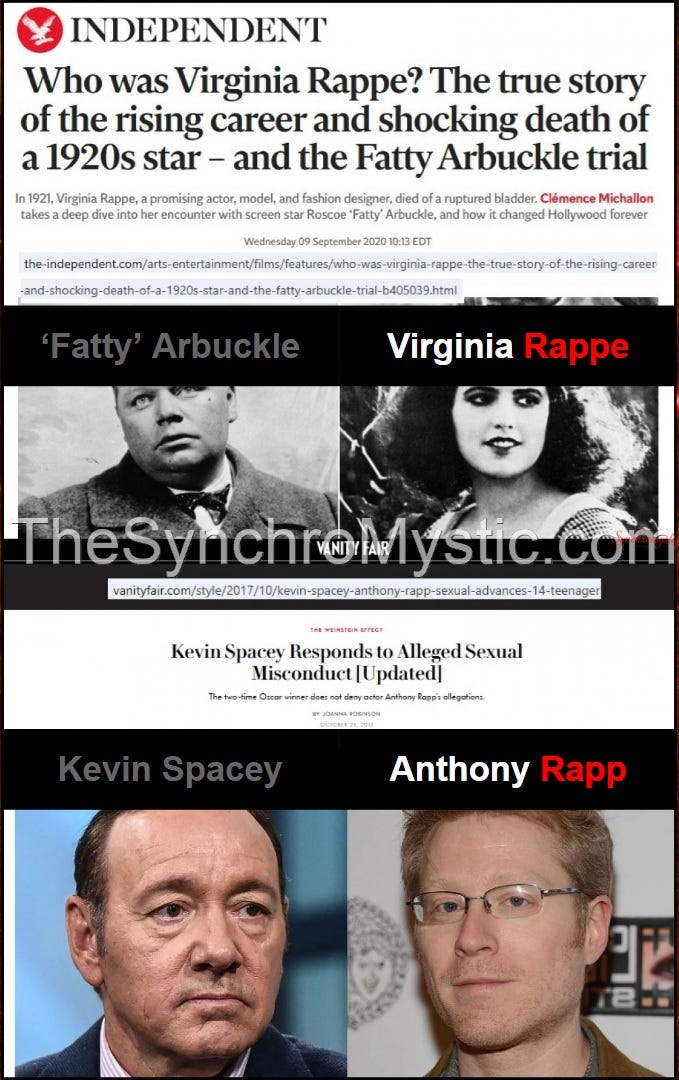
Here the Lexi-Link student cannot look away: “Rapp” — the #MeToo-era accuser whose name launched the modern Spacey scandal — sits one vowel-shift from Rappe, the silent-era victim whose name anchors the Arbuckle scandal (below). Downard and Hoffman’s observations on the name-game’s habit of encoding “rape” into the surnames clustered around Hollywood’s sex-crime mythology apply with equal force nearly a century apart; whether synchronicity, unconscious pattern, or pure coincidence, the recurrence of the Rapp/Rappe phoneme bridging two eras of the same allegation is difficult to file away as noise.
Director Brett Ratner was likewise sidelined from major projects after multiple women, including actresses, accused him of harassment and misconduct, allegations he denied.
For more context on Weinstein, Ratner, et al., see our previous Substack article.
Sex Crime & Spycraft, ‘Zio’-Style
·
September 12, 2025

Zionoid? Ziocon? Ziothug? What are we to call a country that, when it isn’t grinding Palestinians into the mud, is safe-housing sex fiends from around the world? Meshuggeneh? Stick around!
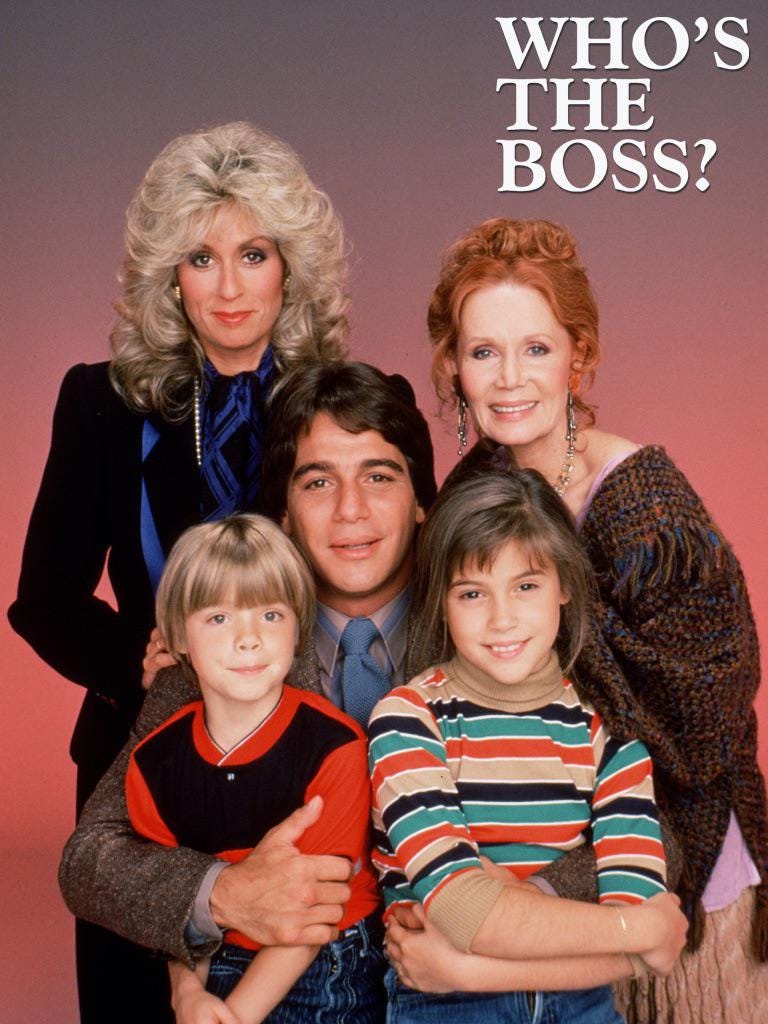
Actress Alyssa Milano helped detonate the broader cultural moment by reviving the phrase “Me Too” (originally coined by activist Tarana Burke) into a viral hashtag in October 2017, encouraging survivors across industries to share their experiences and turning what had been Hollywood-specific scandal into a nationwide reckoning with power and abuse. Together, the Weinstein, Spacey, and Ratner cases — and the movement Milano helped popularize — suggested that the industry’s old habits, however changed in style, had never fully disappeared.
Nor is exit-by-refusal a new phenomenon.

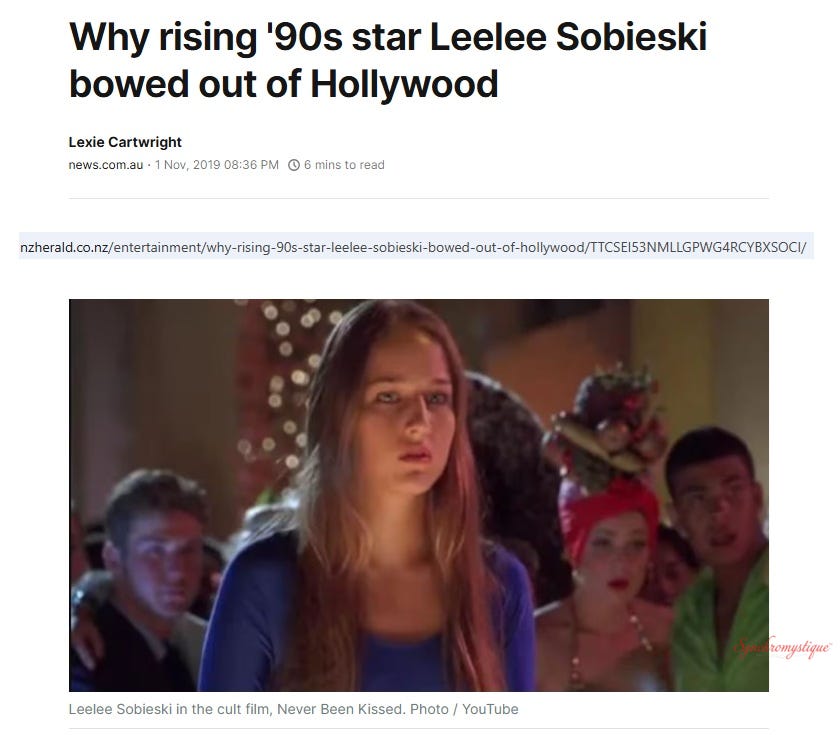
Actress Leelee Sobieski — who, as a teenager, played Milich’s daughter in Stanley Kubrick’s Eyes Wide Shut (1999), the very film at the center of my own prior analysis of that production’s resonance with the Epstein Files1 — walked away from acting entirely in 2012, later resurfacing under her married name, Leelee Kimmel, as a full-time painter.

In interviews since, she has been candid that the sexualized demands placed on young actresses were central to her decision, describing the bulk of available roles as saturated with “sexual stuff” she no longer wished to perform, and recalling the discomfort of being sexualized as a teenager on set. Her father was himself a painter, and she has said she used her past acting mainly to fund a life she’d always meant to spend at the easel — even having quietly painted in her trailer between takes on Eyes Wide Shut itself.
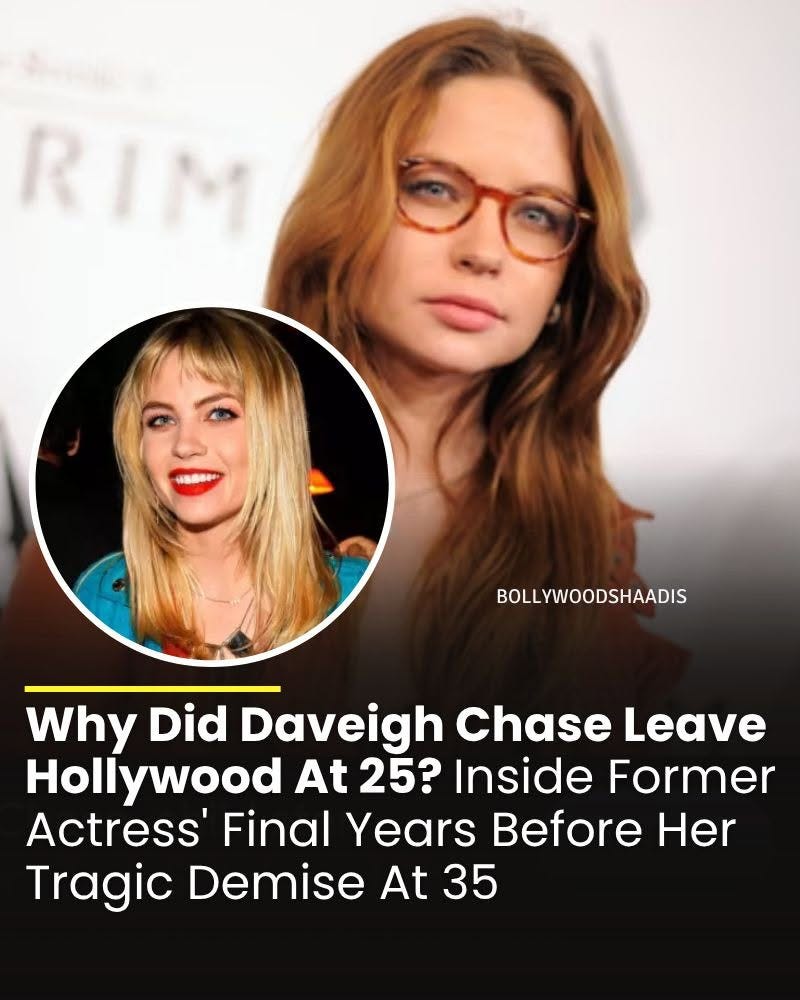
That a performer plucked as a minor into Kubrick’s most sexually charged, Epstein-adjacent film would spend the following decades in voluntary retreat from the industry’s “casting couch” logic gives her exit a quiet gravity — one that echoes forward, tragically, into Daveigh Chase’s far darker end, and backward into every “little drunk” Munchkin joke and Freed office-visit recounted below.
And then there are even long-standing allegations of the sinister side of Hollywood.
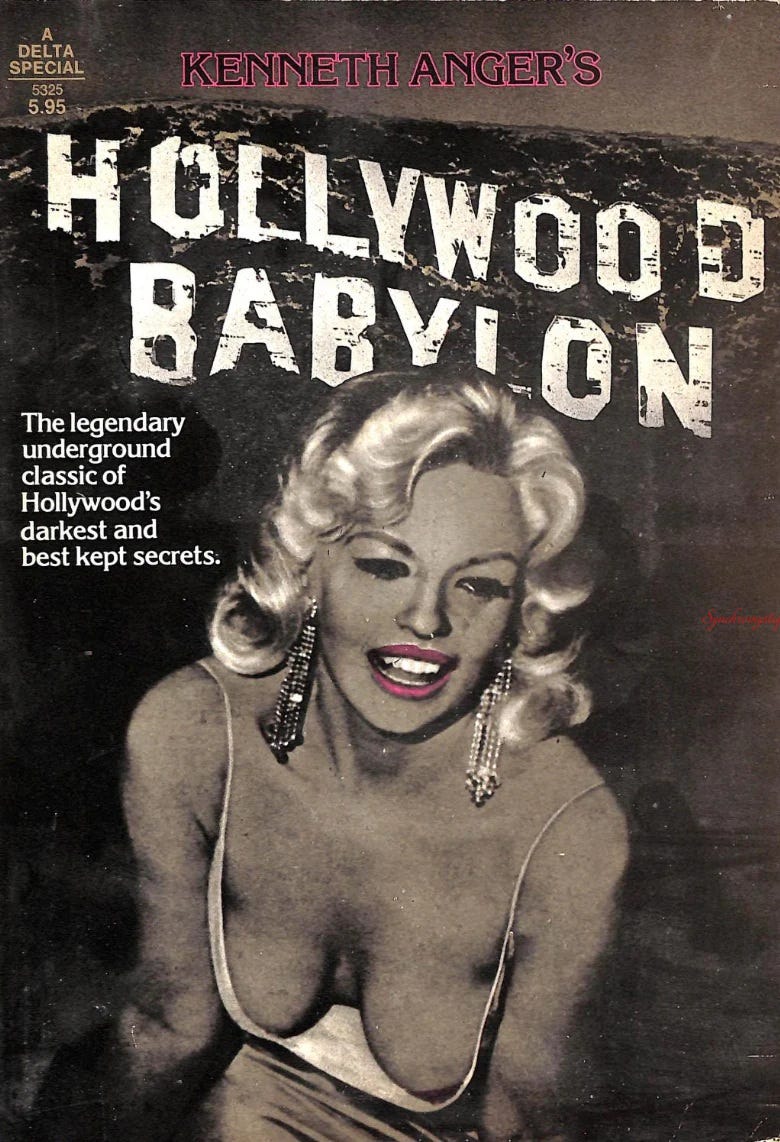
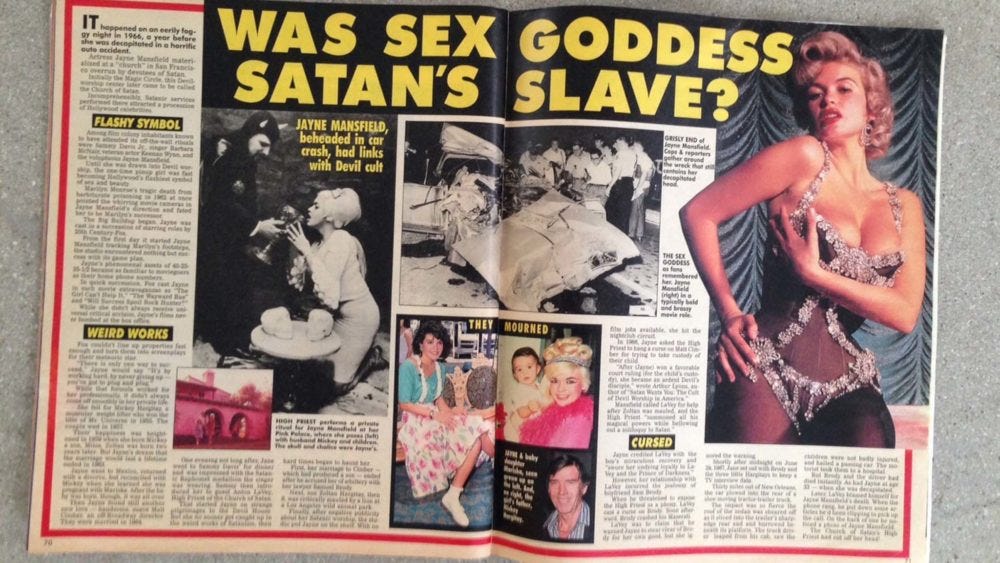
Kenneth Anger’s Hollywood Babylon (1959) and its 1984 sequel cracked open the moral underside of the studio era, cataloguing scandal after scandal — from the Fatty Arbuckle–Virginia Rappe (whose name, Downard and Hoffman noted, has a lexical “nod” to the idea of criminal rape) affair and the unsolved murder of William Desmond Taylor to the later horror of the Sharon Tate killings.
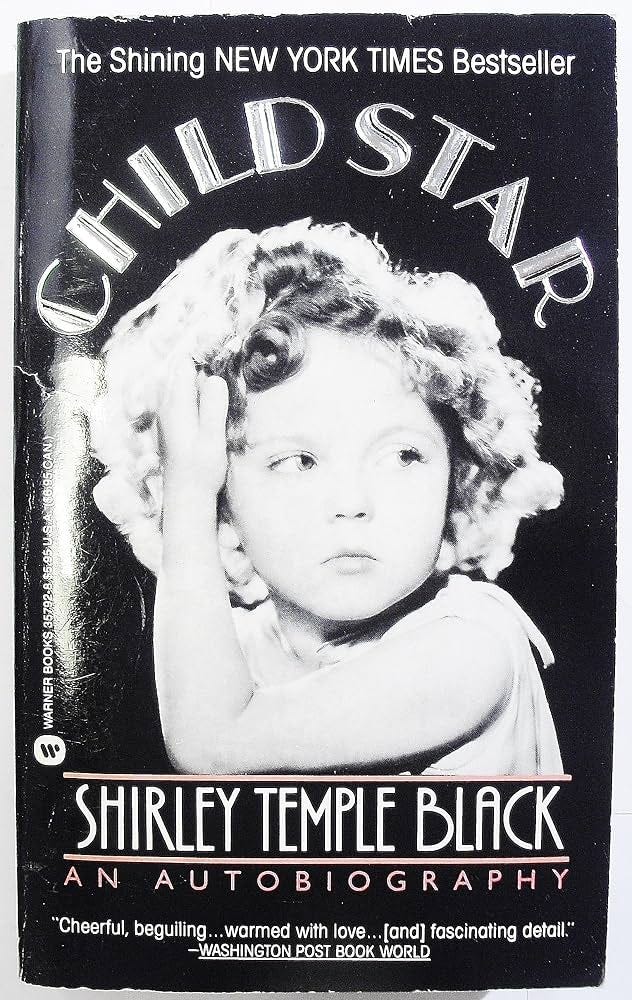
Anger’s own reliability is questionable, but the book still captures something real about the ethical climate of the town, a picture corroborated by more mainstream sources. Shirley Temple’s memoir Child Star offers a first-hand version of that climate: at not-quite-twelve, newly signed to MGM, she describes producer Arthur Freed exposing himself to her in his office, and, in the same visit, mogul Louis B. Mayer plying her mother with flattery and physical advances on his office couch — all while insisting the studio was “family.”
Temple’s account dovetails with other testimony about MGM’s culture under Mayer, including a widely circulated recollection of a debauched early-1930s Christmas party at the studio, remembered as an office-wide bacchanal of open bars, pornographic reels screened for the men, and a slide into outright orgy by mid-afternoon — behavior the witness likened to Caligula’s court.
That same undercurrent surfaces in the lore around The Wizard of Oz (1939): persistent rumors of drunken, unruly behavior among the actors playing the Munchkins, echoed by Judy Garland herself in a 1967 television appearance and later by producer Mervyn LeRoy’s own remarks about on-set antics and police visits to the cast’s hotel. Indeed, Garland’s manager and later husband, Sid Luft, went further, alleging the dwarf actors had groped her during filming — a claim some of the performers themselves denied.
Together, the Arbuckle-Rappe scandal, Temple’s testimony, the Mayer Christmas parties, and the Oz set rumors sketch a Hollywood far removed from the wholesome public image that it tries to cultivate.
For a fuller account, with citations, download AntiZion II (for free) at the following URL and scan for Shirley Temple’s entry.
Forbidden 3,000-Page Archive on Israel, Judaism, & Zionism
·
Mar 9
What if one of the most controversial historical archives ever assembled — spanning centuries of commentary (including on Zionism, Judaism, Israel, and geopolitics) —had quietly been digitized and released online… and almost nobody noticed? The 3,000-page compendium
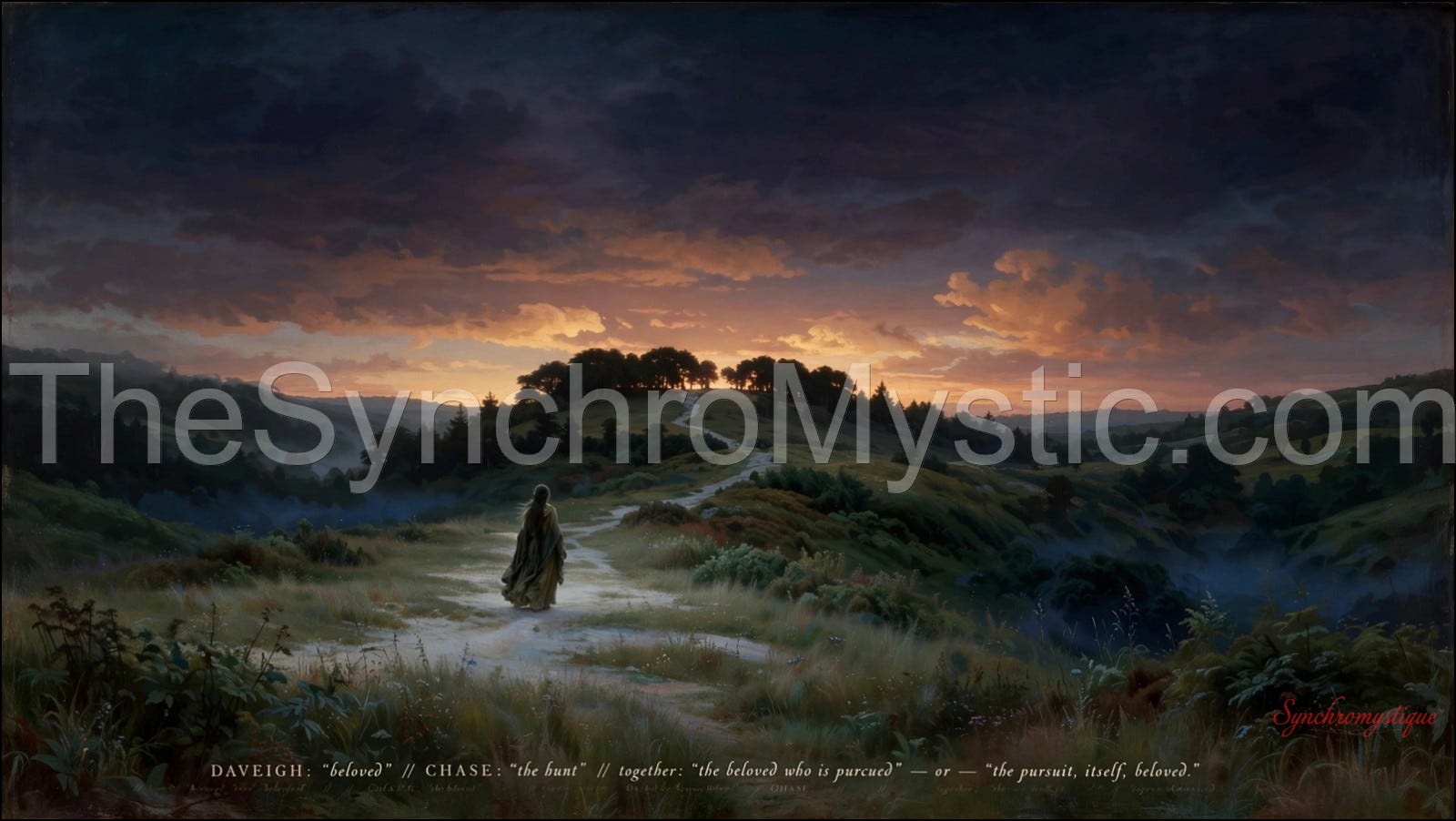
And what about those names? Daveigh. Reportedly, it’s an American name, which — according to news outlets like Page Six — is pronounced /DAY-vee/ (as in “Davey”); though, one can of course locate dissenters who insist it’s more like /dah-VAY/ or /duh-VAY/.
Online name-meaning databases variously give its deeper origins variously as Old English or Hebrew (as a diminutive of David). But, they all seem to agree on its translation as “beloved.”
“Chase” is more familiar and has to do with a hunt or pursuit — usually in the active sense of “hunter,” “huntsperson,” or one who hunts (rather than the way around).
However, in a names-as-spells register, presumably, that effect can “flip” based on intention.
So do we have a Beloved Chase? Or, perhaps: One who is beloved, even though she is chased? Was hers a soul chasing or being chased by …something?
Could it have been abuse? Destiny? Drugs? Fame? Fortune? Trauma?
…A rabbit?
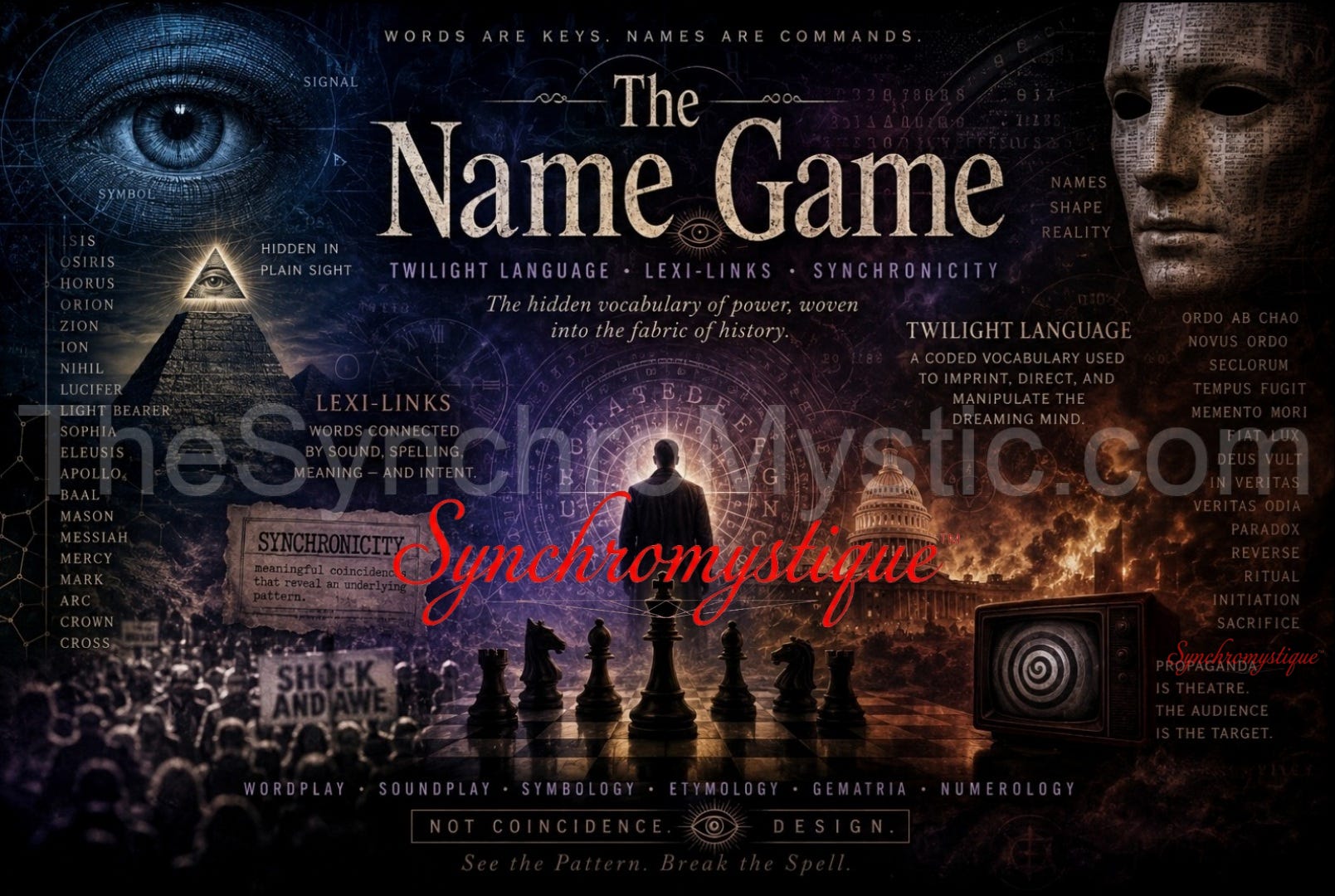
One should move cautiously when playing the Name-Game. It’s not like constructing a logical or mathematical proof. The pieces are not premises with strict entailment relationships.
They’re more like weather vanes. And sometimes the wind blows strangely.
But… before we sign off, there is one more of Chase’s rôles that is worth mentioning.

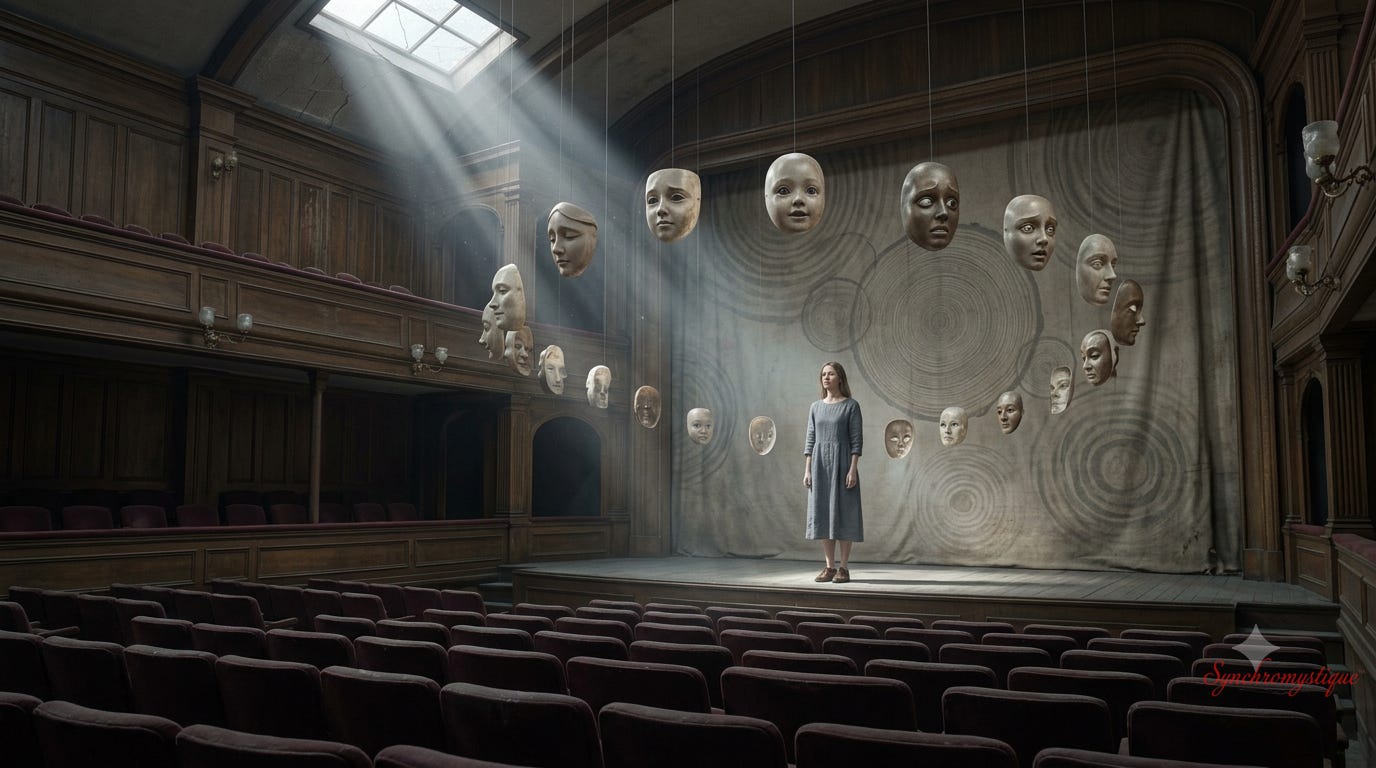
In the English dub of Hayao Miyazaki’s Spirited Away, Daveigh Chase voiced Chihiro Ogino, a frightened girl who — reluctantly following her heedless father — ended up crossing a threshold into an unseen world of spirits, witches, forgotten gods, and masks.
She initially loses her name — or, rather, is compelled to sign it over to the proprietor of a “spirit bathhouse” — temporarily becoming “Sen.” In that process, she nearly lost herself.

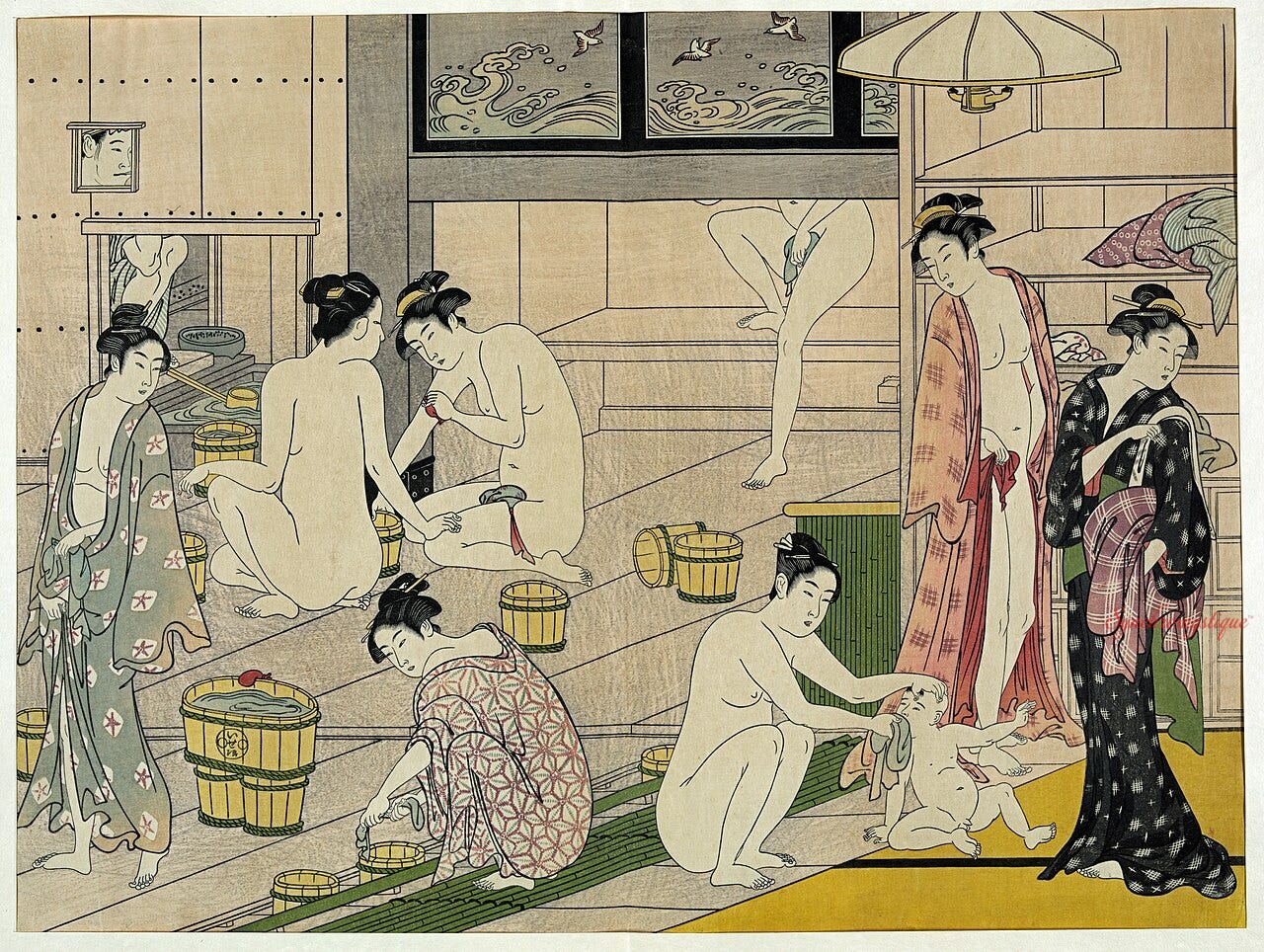
Unlike Samantha Darko (ultimately and evidently) or Samara Morgan (plainly), Chihiro survived. But her survival came at a cost. (How high a cost depends in part on whether her “bathhouse” work in the animated film is interpreted literally — helping spirits to “bathe” — or metaphorically — perhaps as a veiled reference to “sex work.”)
I realize that the movie is a Japanese original. And I am not versed in any permutation of Japanese written characters. That said…
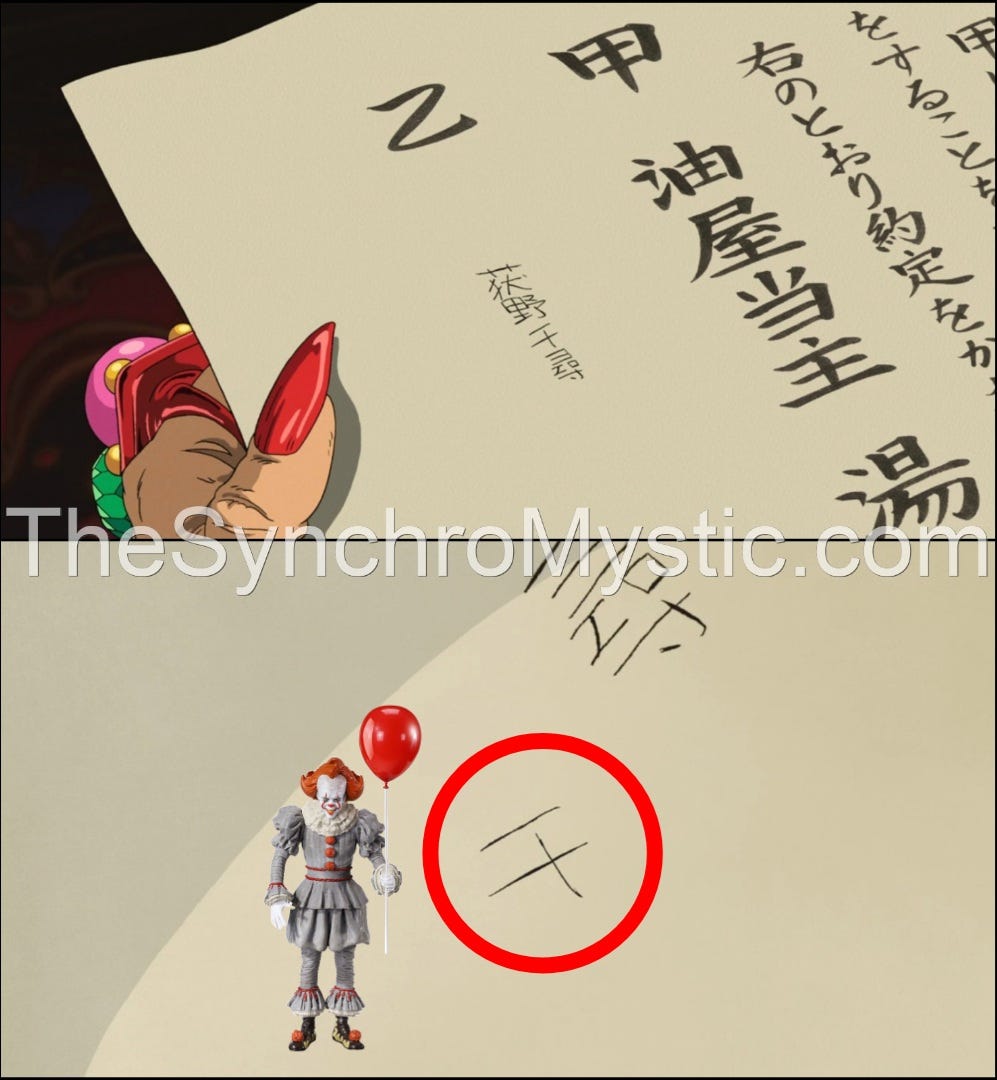
When, in the English dub, Chihiro signs her name to a contract, and the witch Yubaba proceeds to steal most of her name, what remains on the page looks to me like “IT.”
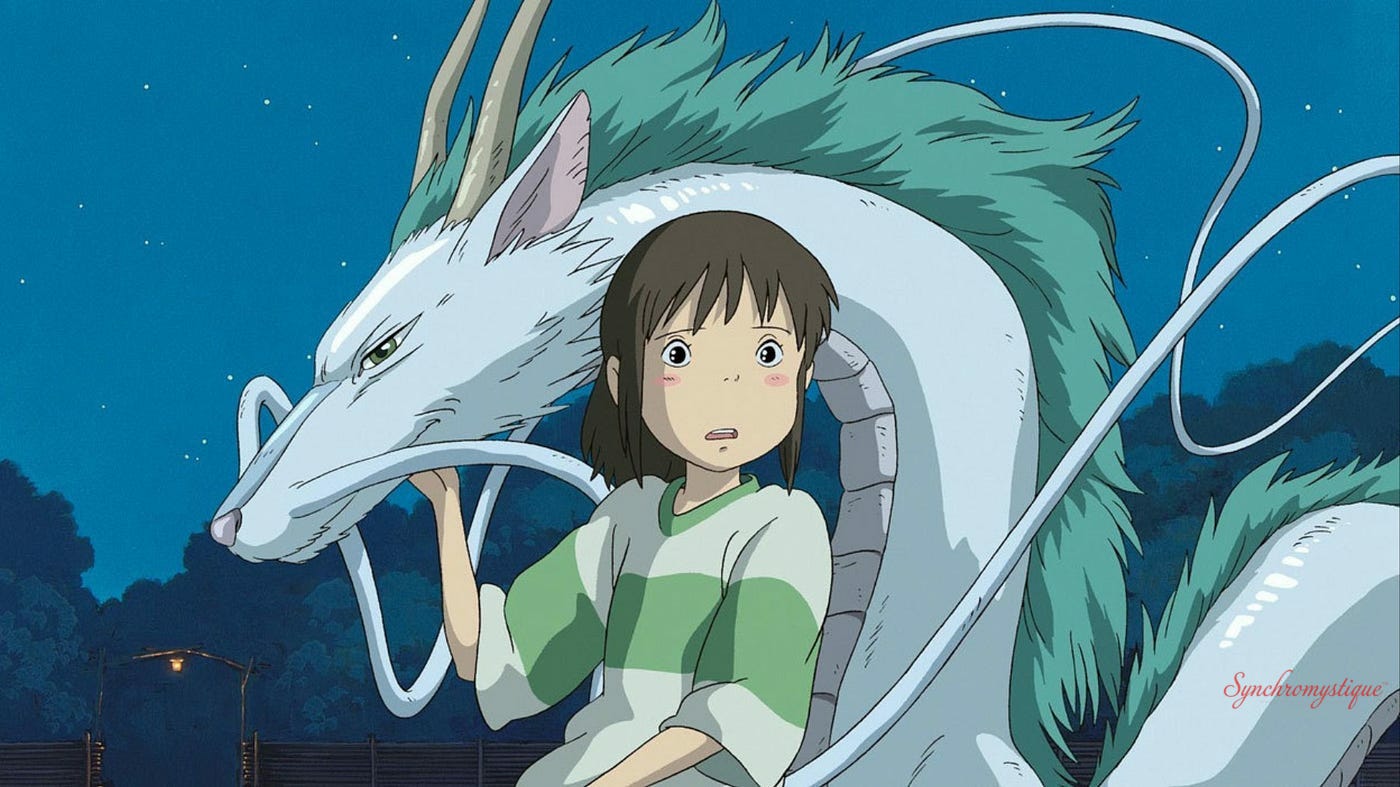
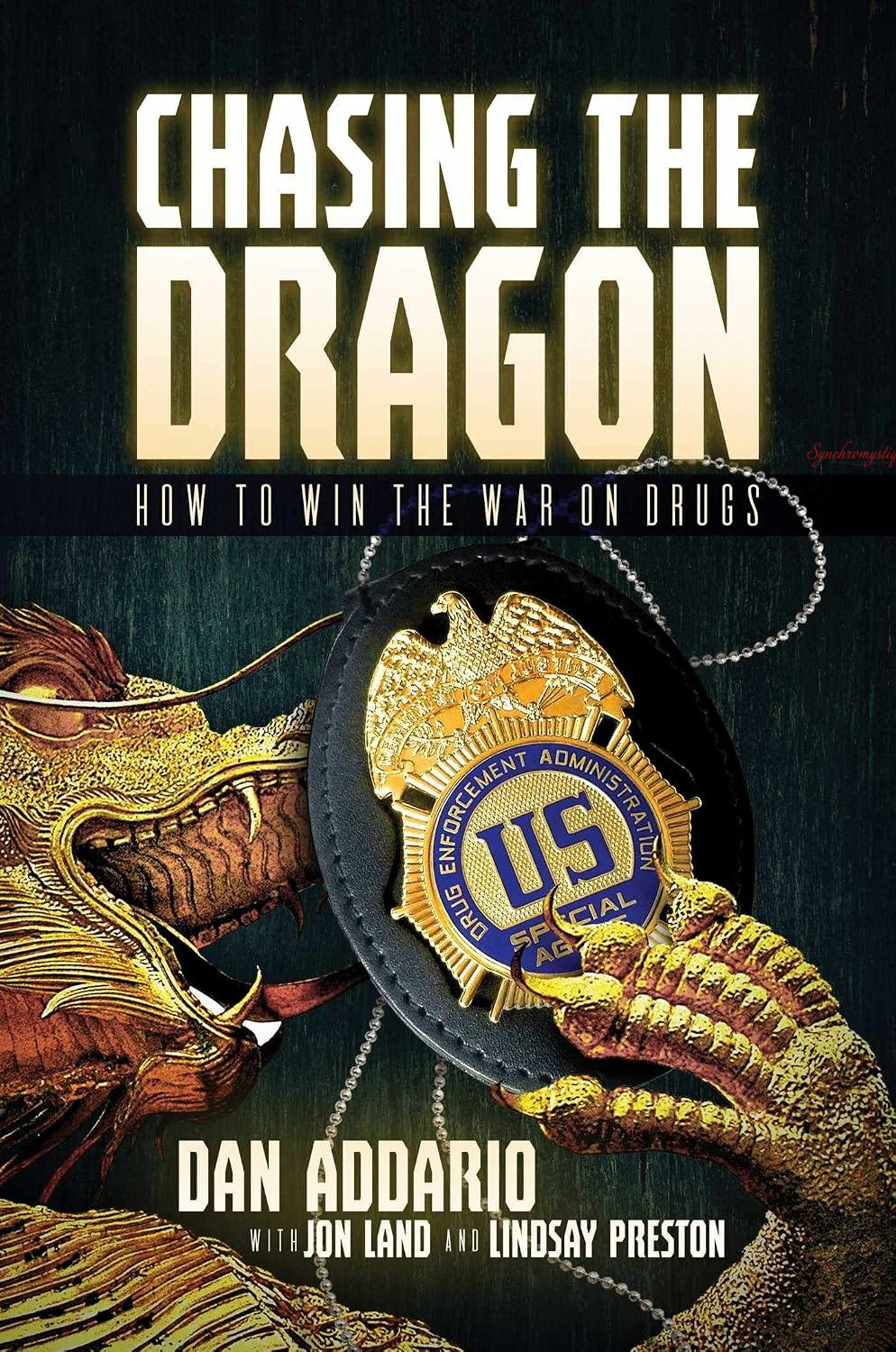
Chihiro-Sen was guided through this underworld by Haku — a mysterious boy whose true identity as a draconian water spirit is eventually revealed when Chase’s character helps him to remember his real name, the (fictional) Kohaku River.
Again, Chase inhabits a liminal space. She portrays a child standing between worlds, struggling to preserve her own identity while confronting powers older and stranger than herself.
Here, she’s not exactly “cursed.” Neither is “abandoned,” per se — although, arguably, her father’s early film actions are reckless and led to child endangerment.
In a sense, Chihiro becomes initiated. She’s the girl who enters the maze and — with the help of some psychopomps (i.e., spirit guides) — somehow finds her way out.
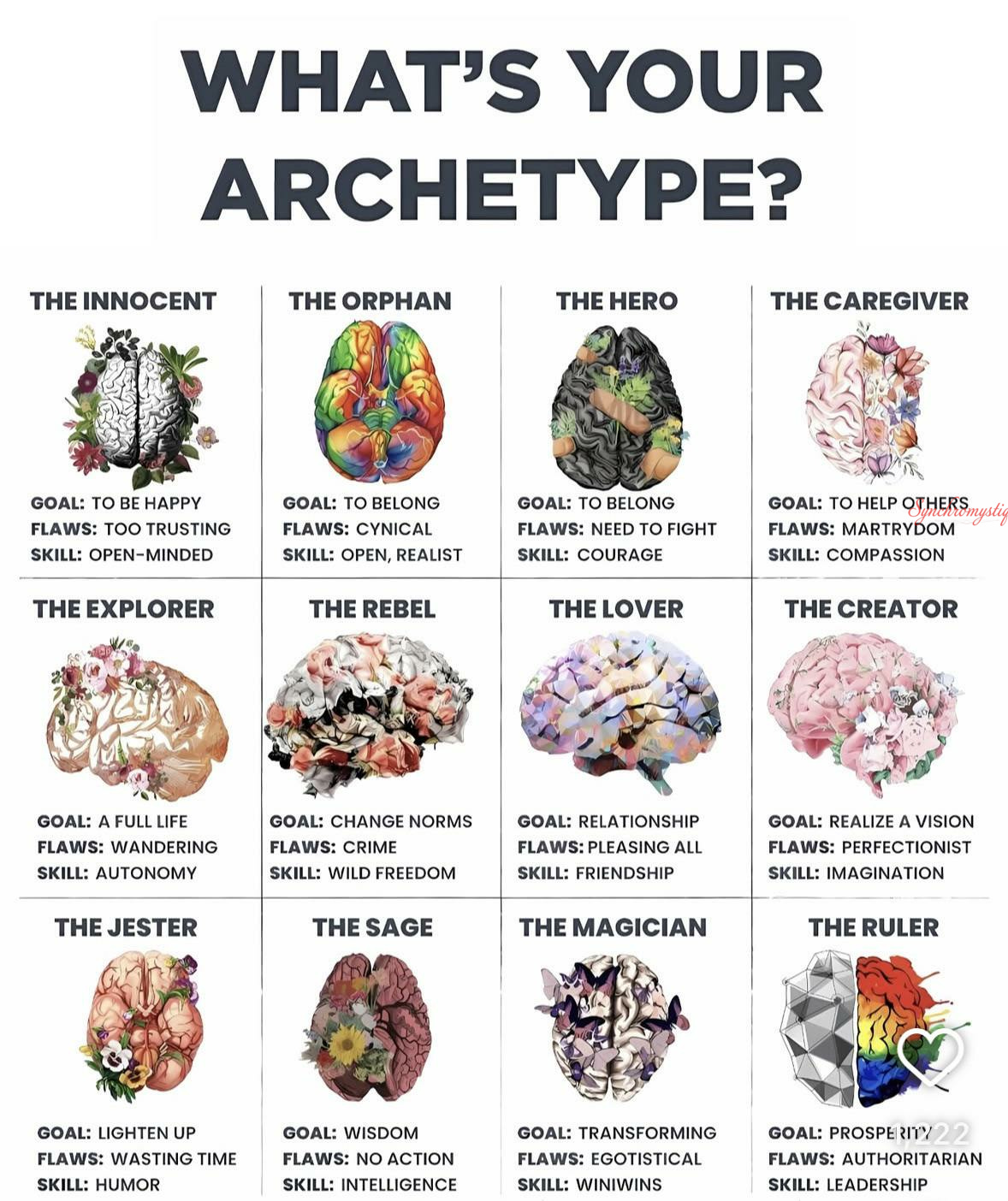
As far as I know, Carl Jung never provided a definitive, master list of archetypes, and he explicitly resisted doing so. Nevertheless, he did provide what you might think of as the foundational concepts.
For instance, you have the Persona, or the social mask that we wear to adapt to the outside world and shield our true selves; the Shadow, i.e., those parts of us which are hidden, repressed, or even that go unrecognized (including both dark impulses as well as unfulfilled potentials; the Anima/Animus, or the internal opposite-sex soul image (Anima, or Eros, in men, Animus, or Logos, in women) that bridges the conscious mind to the collective unconscious; and the Self, which you might think of as the telos or goal of psychological development (via what Jung called Individuation) — and, in that sense, the final archetype of wholeness.
Beyond the scaffolding, Jung also repeatedly discussed a handful of character patterns, including The Child (a future-directed symbol of potential and vulnerability), The Mother / Father (or a dyadic representation of creation and protection — though, its reverse would be destruction), The Wise Old Man / Woman (etymologically, this is the Wizard who is full of insight, guidance, and spiritual wisdom), The Trickster (a subversive catalyst of change, chaos, and disorder), and perhaps the best known The Hero (which — in Jungian terms — emerges from the ego’s journey to conquer the shadow and achieve consciousness).
Volumes have been written about each of these, sometimes merely attempting to summarize Jung himself, but (perhaps more often) speculating in ways that expand the concepts far beyond what their originator likely intended. Now is not the place for us to enter into the thicket.
We merely want to repeat that, taken together, Daveigh Chase’s performances less constitute a mere professional filmography than they comprise a sort of grimoire, in the register of Jungian archetype theory.
This is, to our way of thinking, the underlying — and even more unsettling — master synchronicity: That the actress who played Samantha Darko, Lilo Pelekai, Samara Morgan, and Chihiro Ogino embodied several archetypes like a ghost successively inhabiting hosts.
By turns, she was…
The Innocent Child;
The alienated Child;
The Abandoned and Cursed Child (paradoxically vulnerable and invincible);
and, even… The Everyday Child.
Each of these sub-varieties may be read as a discrete door into the unconscious. But, as to the last one: An ordinary child navigates life’s maze simply by “growing up.” This is — quite obviously: easier said than done; perhaps more a matter of convention than ontology; and not always feasible, psychologically or sociologically.
It seems that, for whatever reason, Daveigh Chase herself was never able to emerge from the penumbra of the archetypal Child.
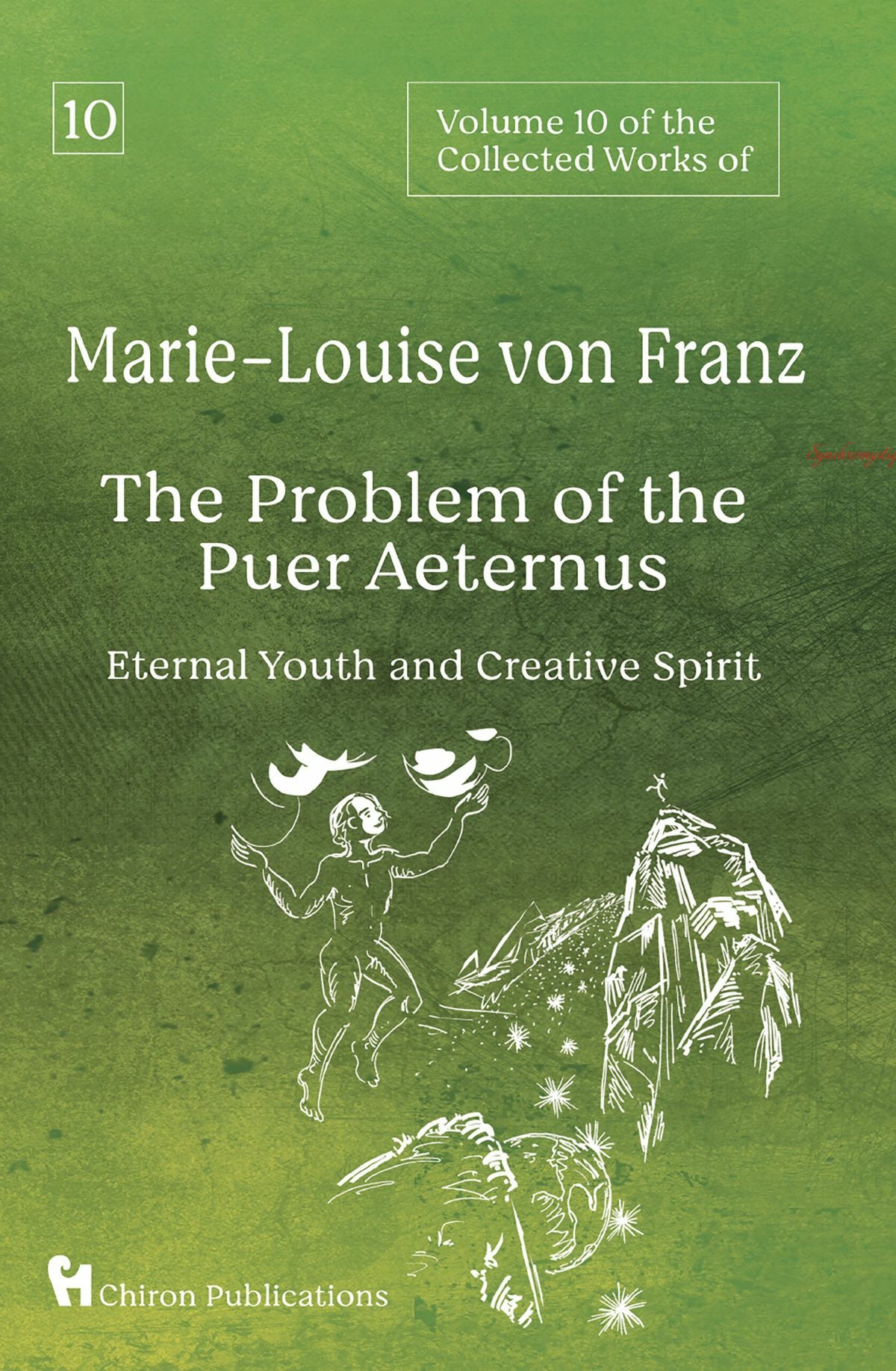
Now, in death, the characters for which she is best remembered enshrine her as The Eternal Child (Puer Æternus, or, more exactly, Puella Æterna).
Jung is sometimes interpreted as saying that the symbols which fascinate a culture are often the symbols it most desperately needs. In Jung’s mind, the creative artist becomes the vehicle for a culture’s self-regulation. If and when a society becomes dangerously “one-sided” in its conscious values, then the artist may tap into the collective unconscious to find the exact archetypal images and symbols needed to restore balance.
But… a similar phenomenon could arguably be attributed to the Zeitgeist (or Spirit of the Times) in a Hegelian idiom. And it would be far beyond our present scope to try to decide the question.
We would rather ask: What does it mean that modern America repeatedly selected Daveigh Chase to play lonely girls, haunted girls, forgotten girls? — and elevated her for doing so?
What does it mean that these stories continue to grip us? What wells are we afraid to look into? What is it that we may find discarded at the bottom? What messages do we continue to copy to try to avert our own disaster?
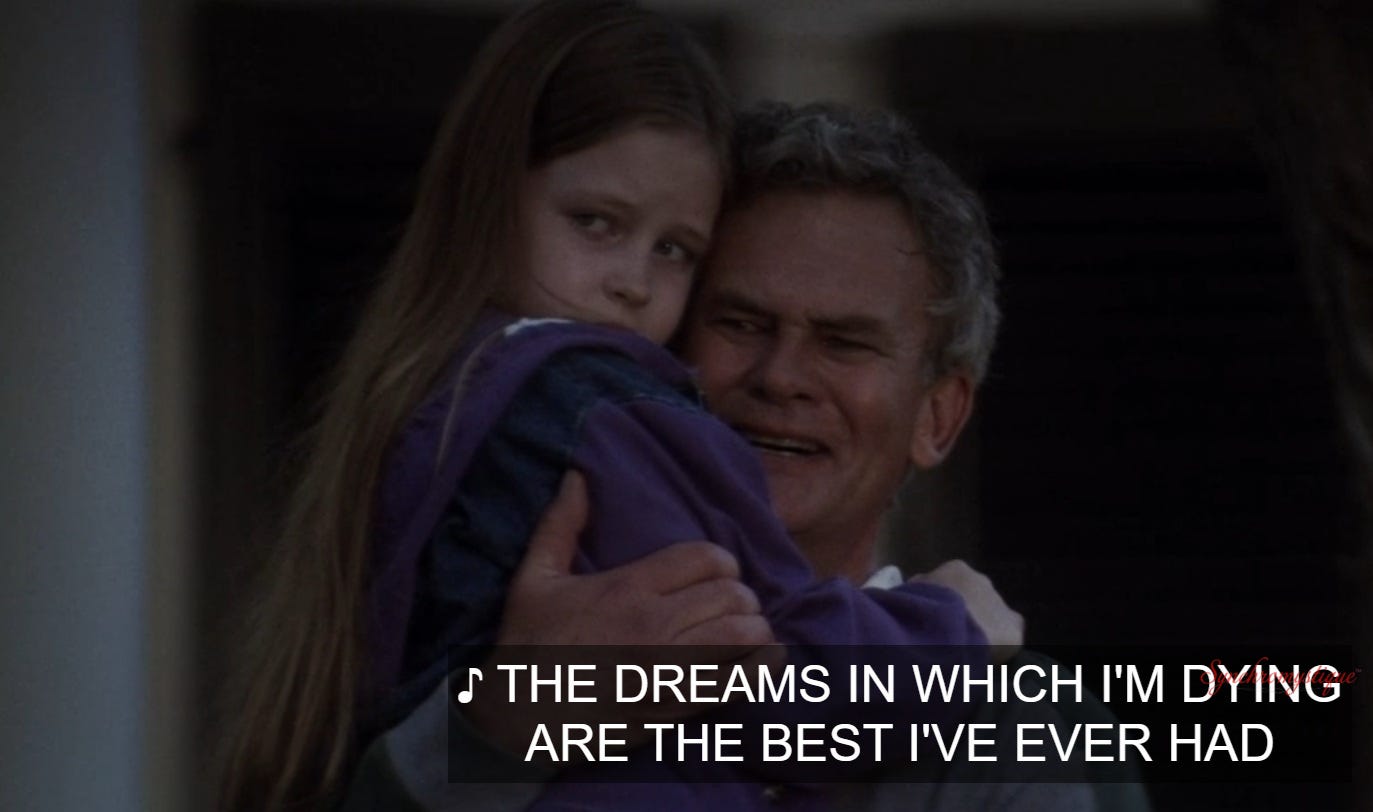
At the end of Donnie Darko, time resets. Everyone — except Donnie — wakes up, but most don’t seem to consciously “remember” anything (from the tangent timeline).
Yet the overall score and visuals underline a faint, lingering sadness — in addition to the obvious tragedy of Donnie’s death — as though the survivors vaguely apprehend that something else is missing, however imperceptibly.
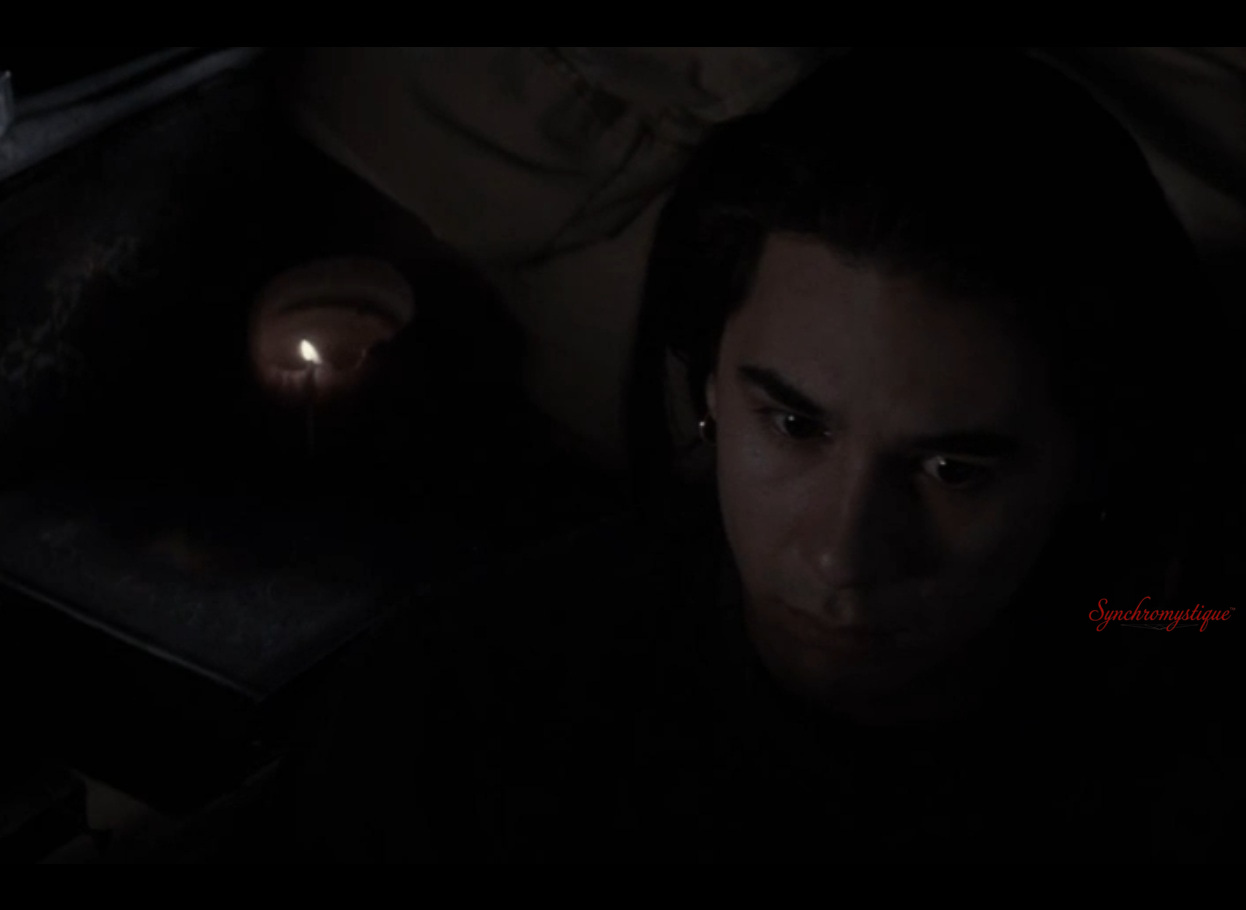
It’s tempting to explain this as if each soul has brushed against another reality.
Donnie’s parallel-timeline girlfriend, Gretchen, and his mom, Rose, exchange a silent wave of subconscious recognition — a moment of some analog of déjà vu. It’s an impossible memory, on the face of it.
Perhaps synchronicity is something like that. It’s arguably a hazy sense that there’s something there, even if it’s incomprehensible, strictly so-called. It’s the real shiver that arises for reasons you can’t quite identify.
Of course, one explanation — that appeals to those with a materialist, naturalist, or physicalist disposition — is to reduce it all to psychology. At a very basic level, we read Jung as protesting against this sort of move, even if he can only tack on “synchronicity” to the otherwise accepted forces of nature — the way Franz Anton Mesmer hoped to include an addendum for “animal magnetism.”
For us, we’ll simply say that we’re left with the unshakeable sense that a life, however tragic, fits into a pattern that is larger than itself.
As Dr. Peter Venkman (portrayed by actor Bill Murray) says to Dr. Raymond “Ray” Stantz (Dan Aykroyd) in the 1984 movie Ghostbusters: “For whatever reasons, Ray, call it fate. Call it luck. Call it karma. I believe that everything happens for a reason.”
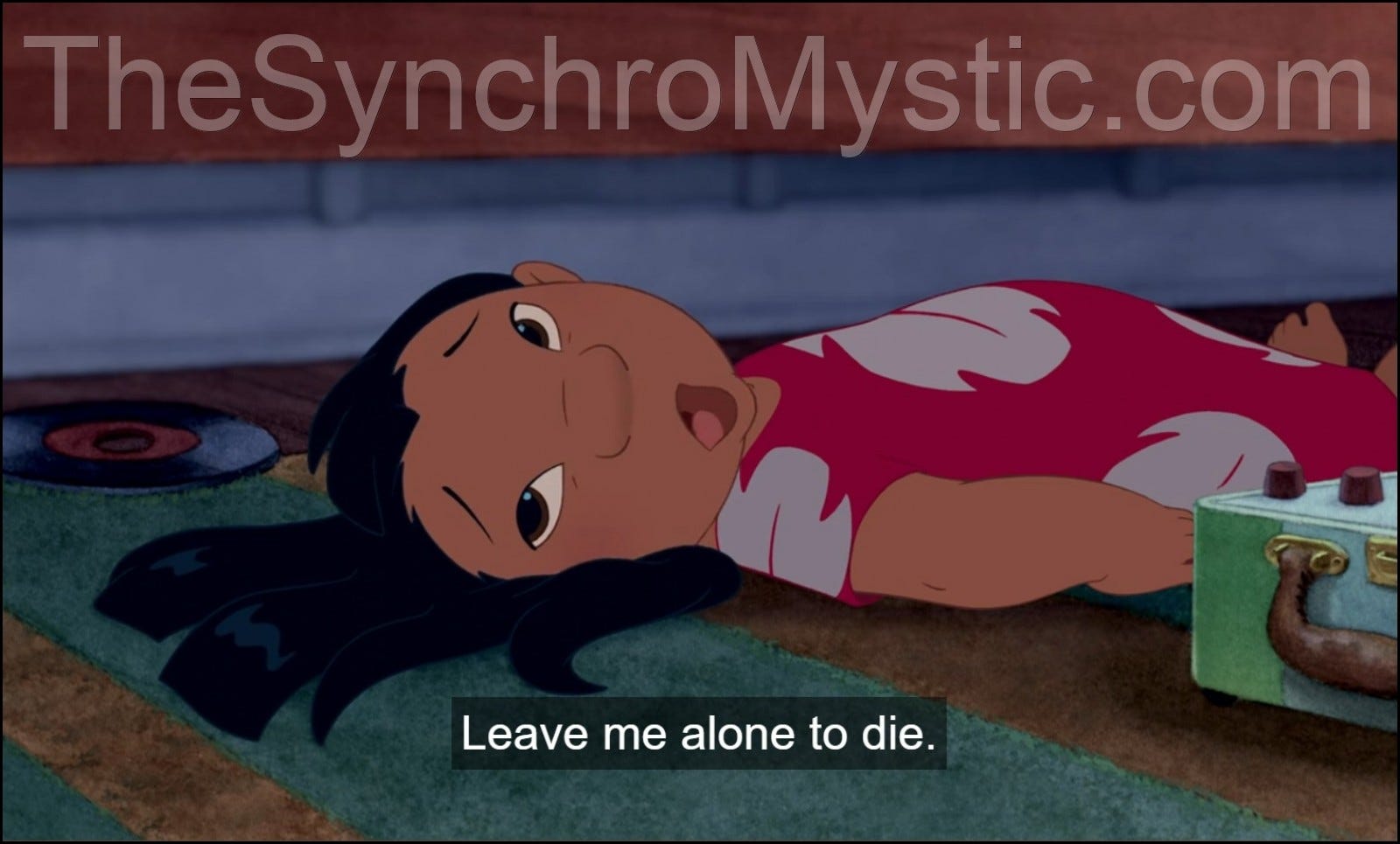
Perhaps Daveigh Chase — Child of rabbits, ghosts, and broken families — was never merely acting. Perhaps she was carrying symbols for all of us.
Now that she has stepped beyond the screen, as it were, she leaves her memory on more than one haunted videotape. Daveigh Chase, requiescat in pace.
Visual Postscript:


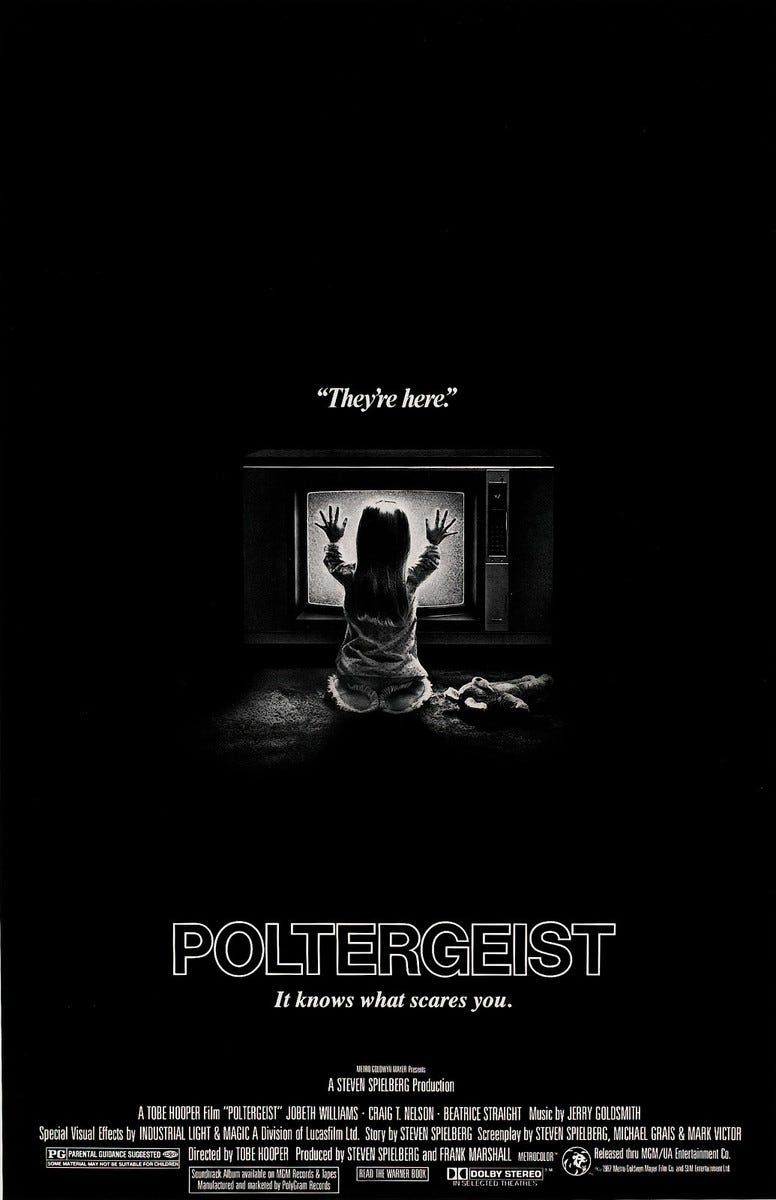
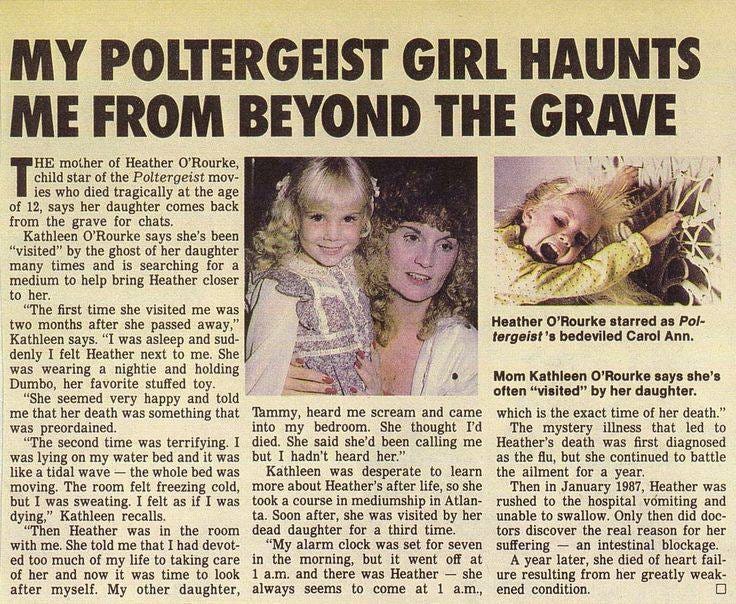
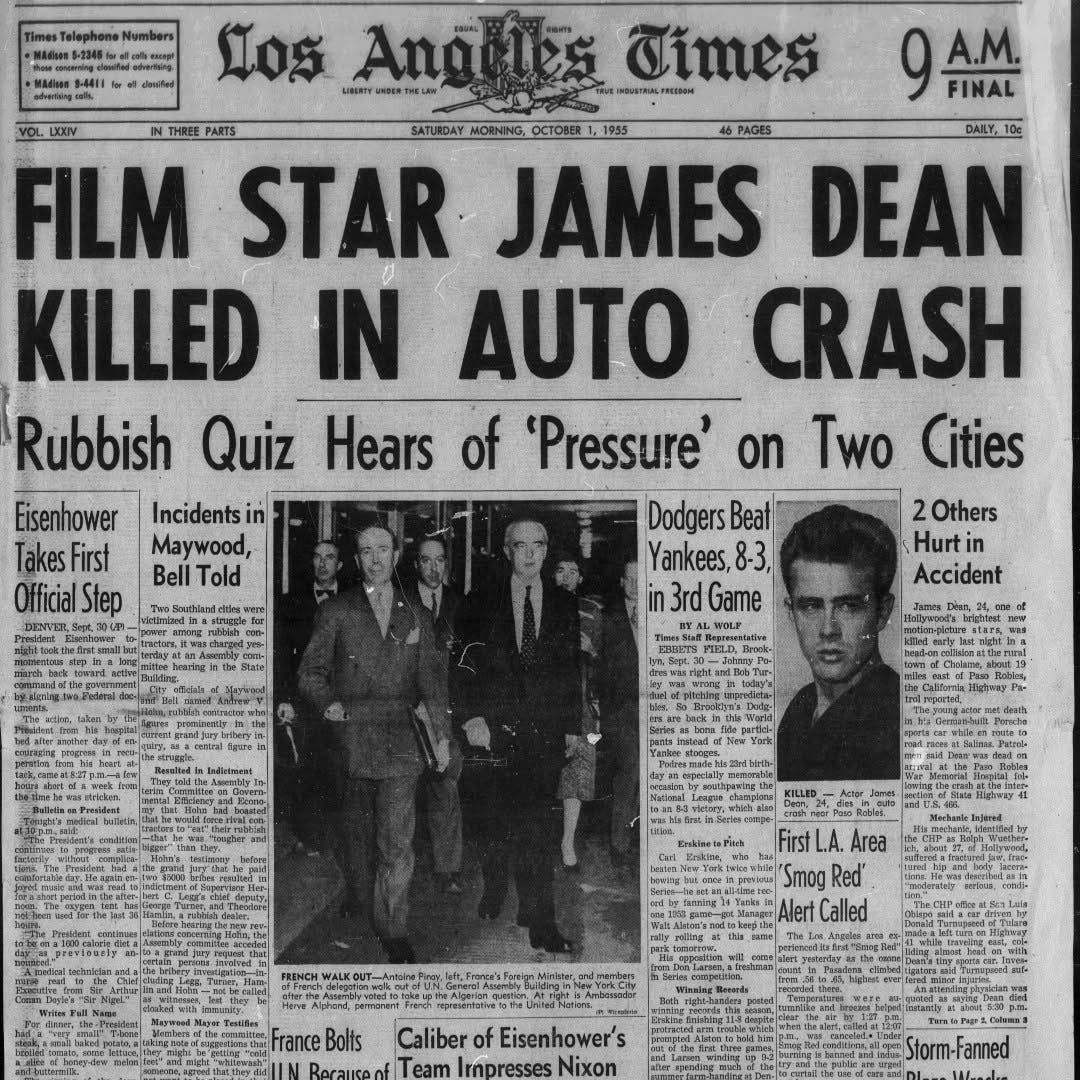
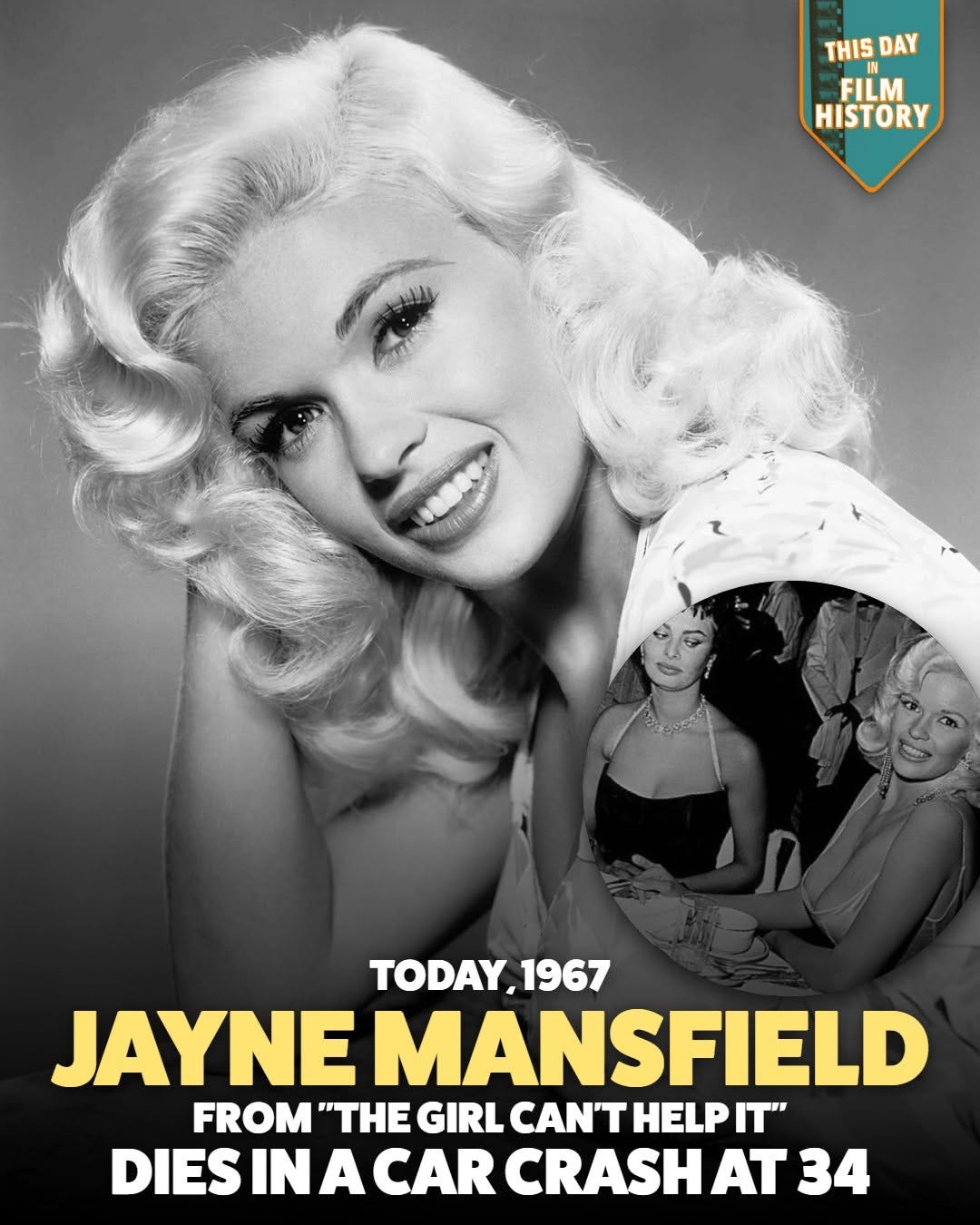
No posts
Comments
Nothing yet. Say the first thing.
Sign in to join the conversation.