
My recent round-up of what Rivals got wrong about the 1987 election got the biggest reaction that I’ve had to anything I’ve written on Substack. Which is lucky because I spent more time working on it than anything I have written for years. (It made me wonder if there is a series in unpicking fictional depictions of politics?)
However it turns out that even 2,500 words on the subject was not enough, and the comments, emails and messages I received afterwards revealed that there were new levels of pedantry to be unlocked.
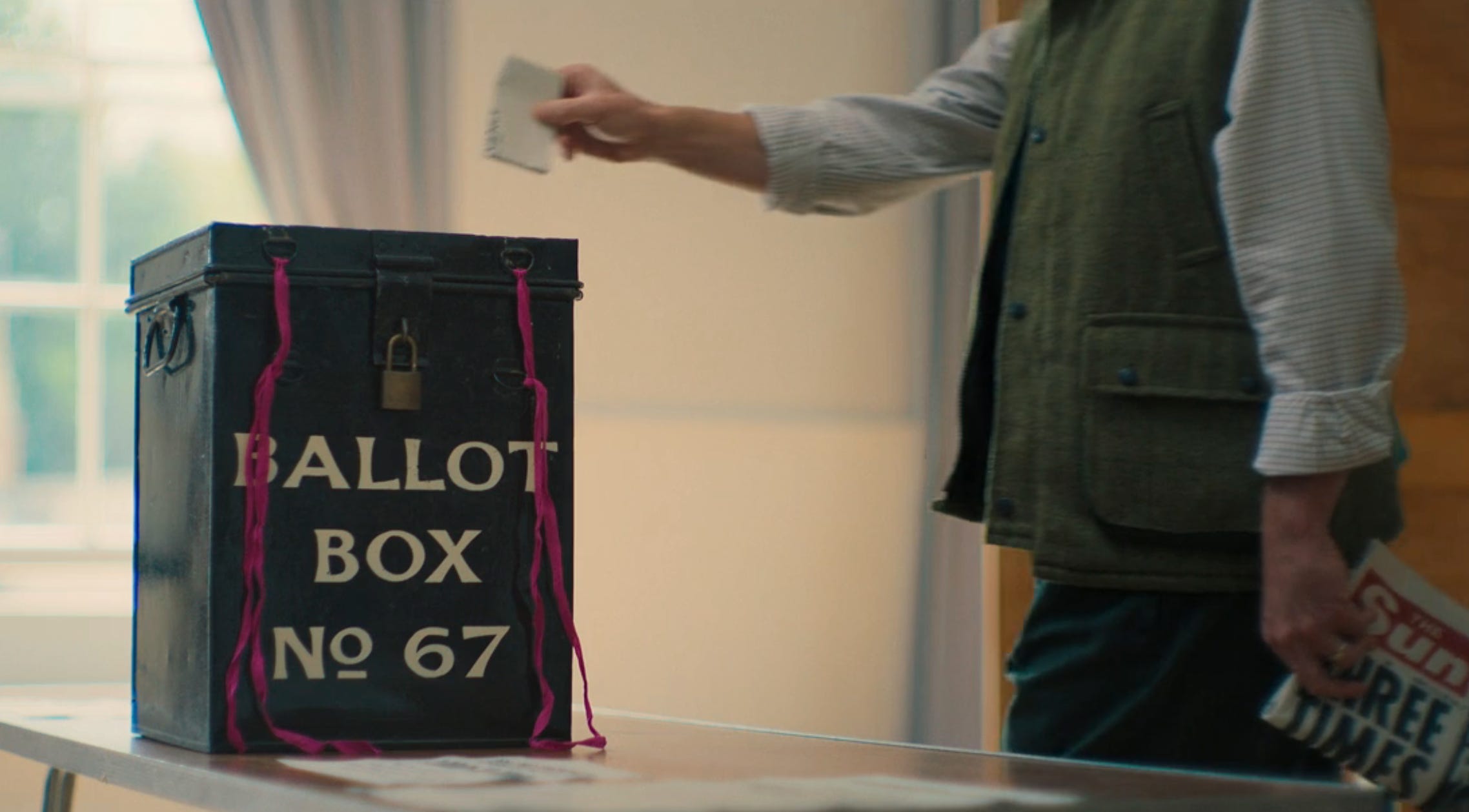
Before we begin, the same disclaimer as last time: I have loved the Disney+ adaptation of Jilly Cooper’s Rivals, and season two has not disappointed. From the one-shot pantry farce of episode two to the gut punch of episode six, it is top quality telly, made with love, skill and a filthy laugh.
Anyway, here goes…
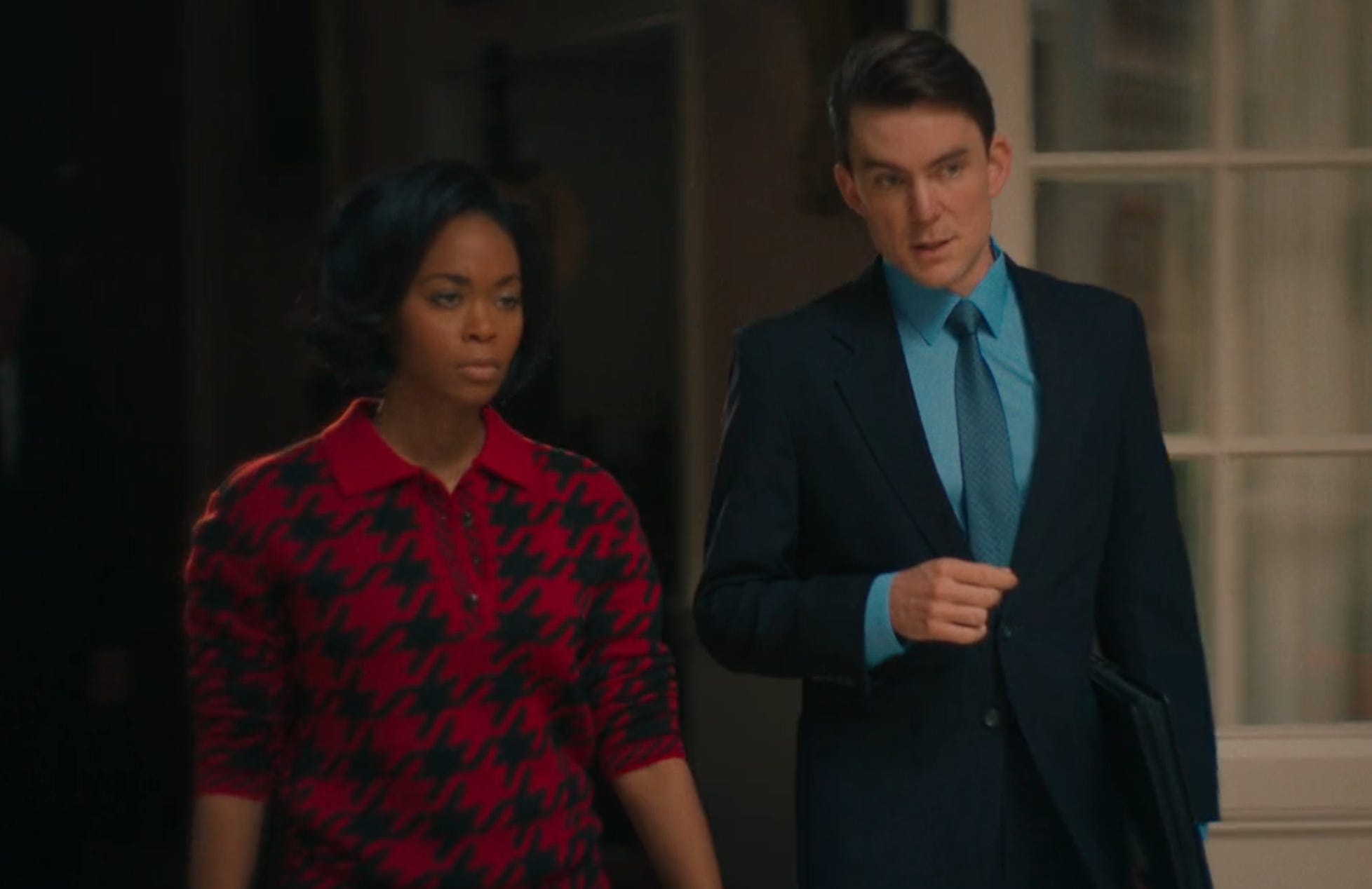
I can’t believe I missed this bit of obvious political pedantics, courtesy of Gerald Middleton, (above right) an aide to Conservative candidate, Rupert Campbell-Black.
As reader Amy Gray wrote:
At one point RCB’s aide Gerald says he’s got a “message from CCHQ”. Except in 1987 it was still Central Office – it wasn’t renamed CCHQ until David Cameron became leader.
And Amy would know – we first met when she was a Conservative party press officer, under David Cameron.
Similarly Ed Vaizey, the former Tory minister, messaged:
Can’t believe you didn’t spot reference to CCHQ in your nerdy deep dive. I almost had to switch off.
Nerdy? How dare he.
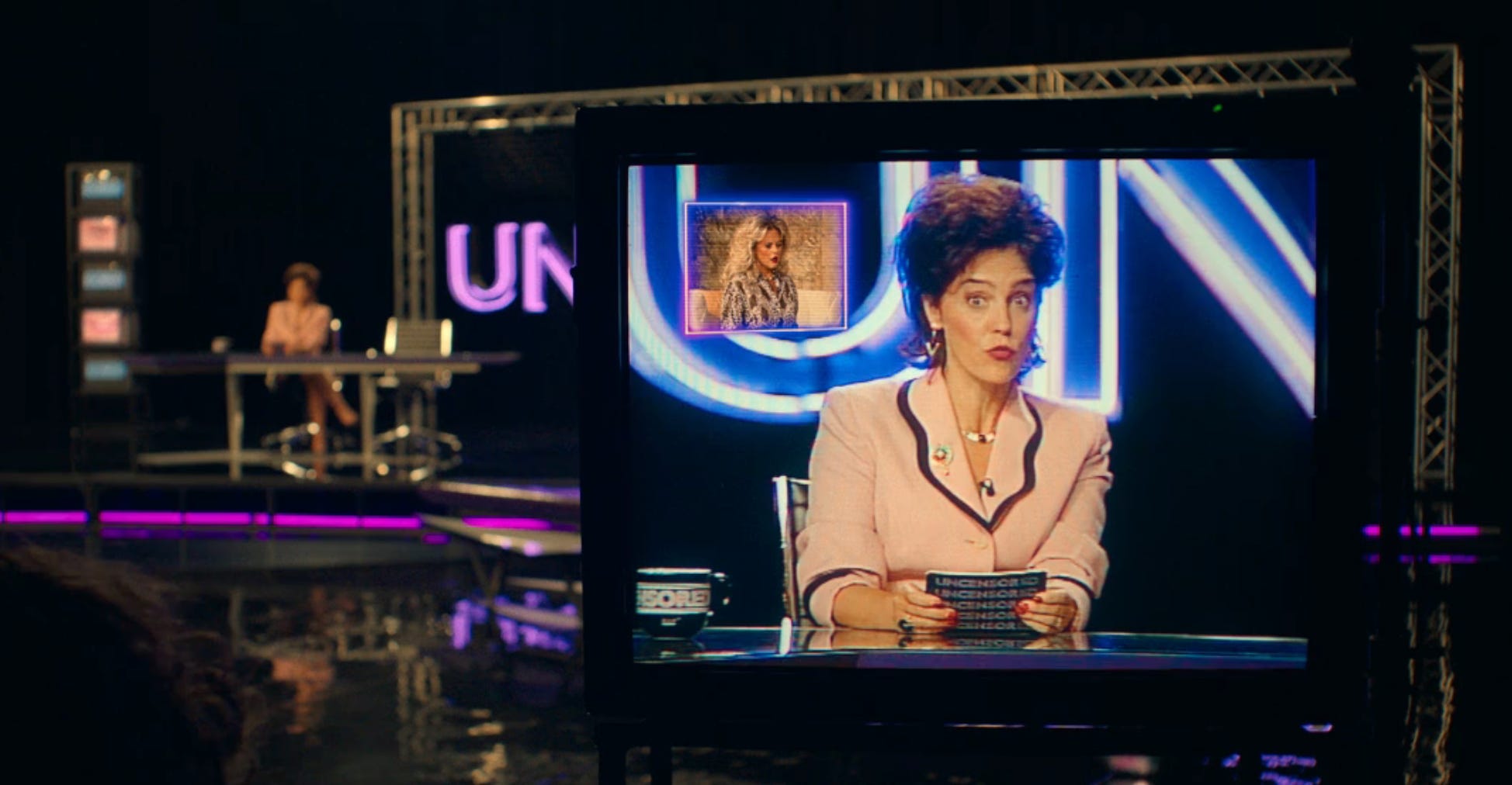
There was a lot wrong with Corinium’s Uncensored exposé about Campbell-Black on the night before election day. It promised to “uncover the scandal behind the polished facade” of the “showjumper and showman, charlatan and conman”. I noted that the duty lawyer wouldn’t like it, not least because RCB was not given a right to reply.
But in excellent pedantry Diogenes on X pointed out:
Of course every mention of Campbell-Black would have to be matched by mentions of the other candidates in his seat (no pointing to websites in 1987)
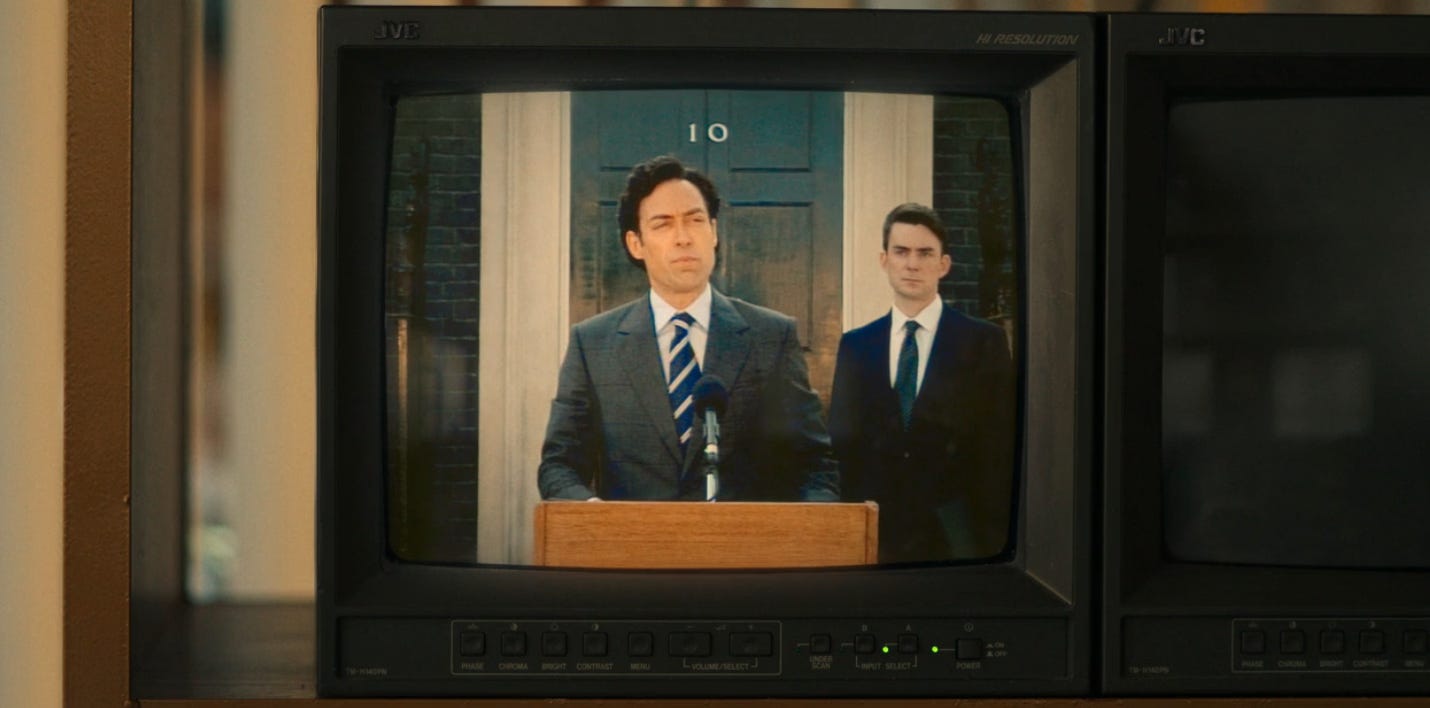
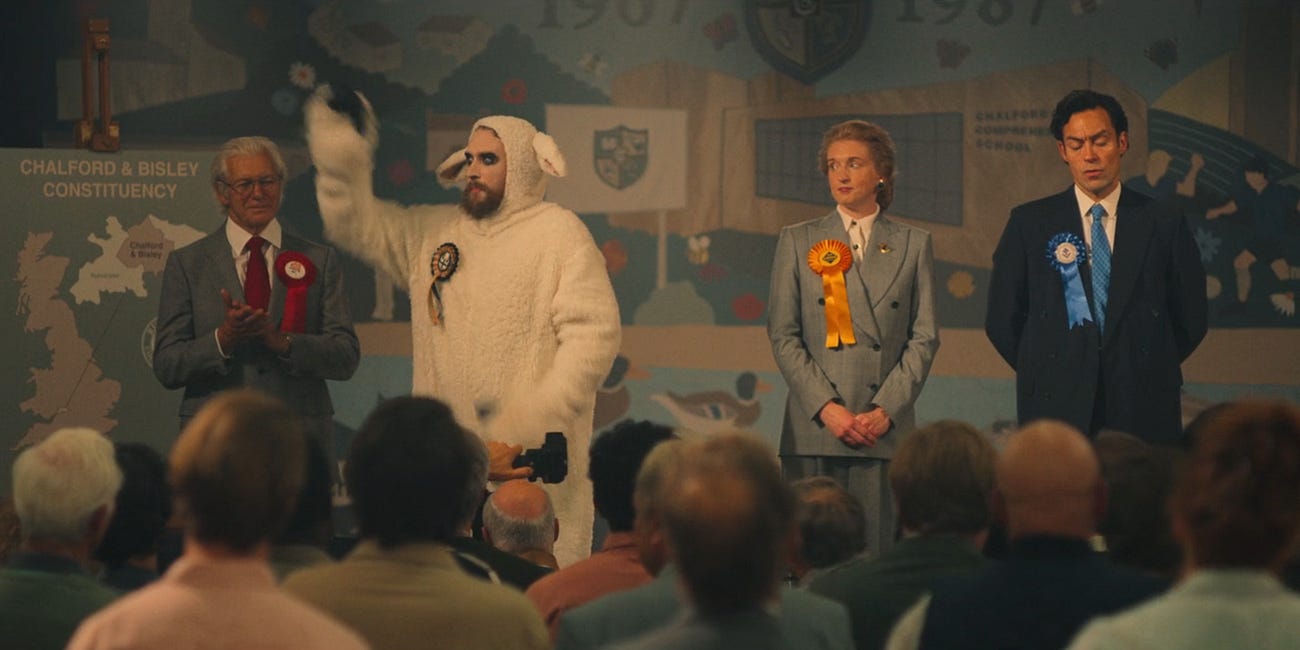
Tory Rupert Campbell-Black defied the odds (and that OTT sexposé) and still won his seat, but decided to resign anyway. Not just as a minister but as an MP too. I wrote:
Obviously we have recent experience of people randomly giving up their seats to trigger a by-election, so this is not unusual. What is unusual is the way he does it, appearing at a lectern outside Number 10.
Now, you don’t get a lectern unless you’re prime minister. Obviously there have been cases of ministers quitting outside No10 – Michael Heseltine striding out of cabinet to waiting cameras to resign over the Westland affair. That was January 1986, so could well have been in Cooper’s mind when she wrote Rivals.
Well reader Dr Paul Buckley writes:
Apart from the fact an MP does not get a lectern in Downing St to resign, an MP also cannot legally resign as an MP – and a Prime Minister cannot accept such a request even if made to them.
For an MP to no longer remain in office they must apply for appointment to one of two ancient, honorary Crown offices – “an office of profit”: the Crown Steward and Bailiff of the Chiltern Hundreds or the Crown Steward and Bailiff of the Manor of Northstead. And this request for appointment is made to, and by, the Chancellor of the Exchequer, not the Prime Minister.
I did obviously know this. Not least because I did a whole chapter on the Manor of Northstead in my book, 50 Places That Changed British Politics. (The “manor” is now at the bottom of a lake.)
Conflict of interest klaxon – great man and greater pedant Daniel Finkelstein notes:
“After the election Paul Stratton accepts a role on the Board of Corinium even though he is also something called Culture Minister.”
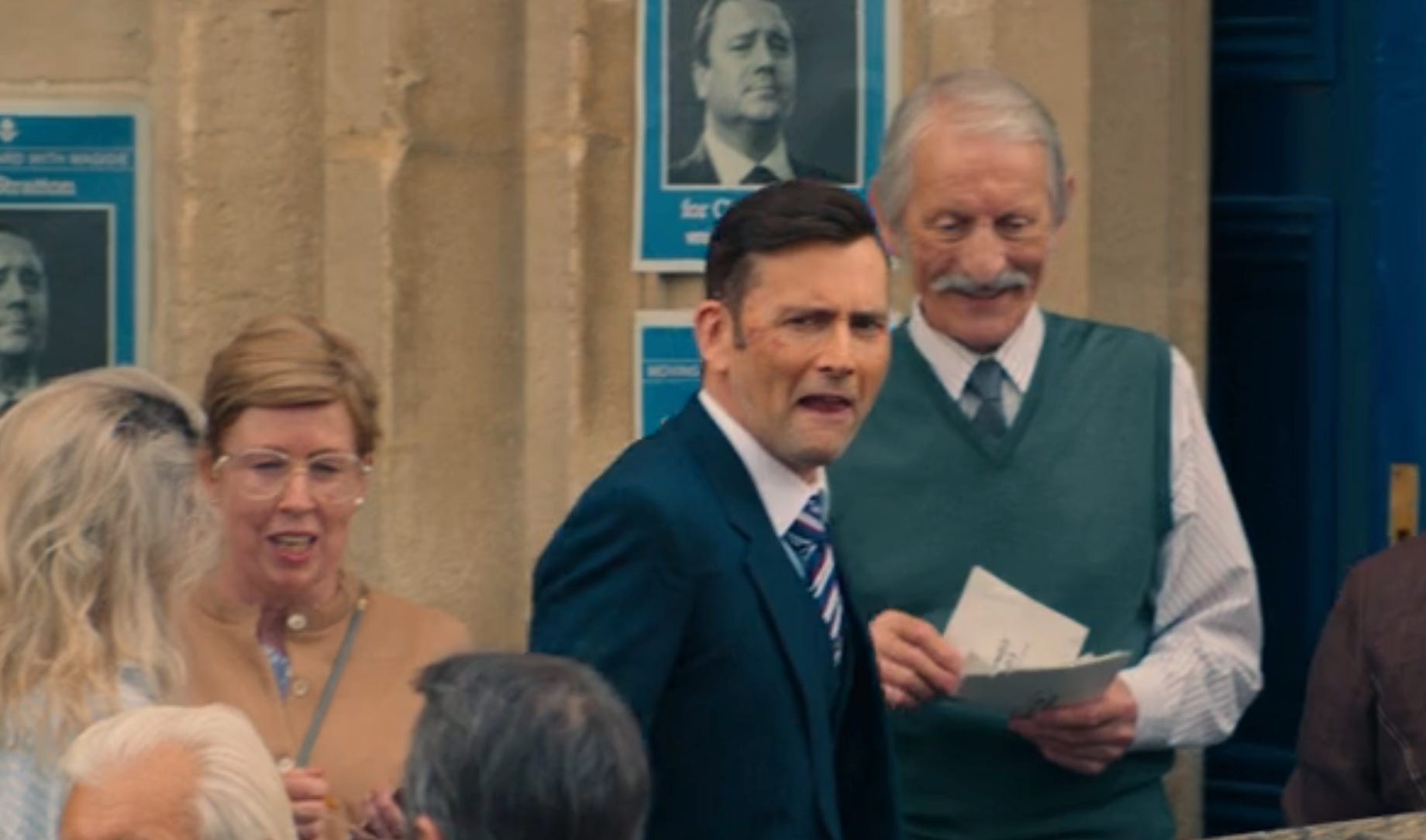
On the polling day shenanigans of Lord Baddingham, I wrote:
Lord Baddingham, David Tennant’s cigar-chomping TV exec and arch-Rival of Campbell-Black, arrives to vote in a blaze of photographer’s flashbulbs. Quite apart from the questionable level of press interest in the head of a regional TV franchise casting his ballot, as a member of the House of Lords he would be banned from voting at all.
It prompted my old mate Patrick Maguire to ask:
Is it possible that the Lord thing is because he’s the second son of a duke? ie Lord Tony Baddingham as opposed to Lord Baddingham
Once I’d got over the fact that this was Patrick’s way of illustrating that he knows the son of a Duke is known as “Lord” without being a peer, I went to the original source text, a copy of Rivals:
Even when Tony’s father had been given his peerage, Eddie Campbell-Black and his cronies had laughed, always referring to him dismissively as Lord Pop-Pop, as they blasted away slaughtering wild life with one of his products on their large estates.
These days it’s all life peerages, which die with the recipient. Hereditary peerages were dished out quite regularly up until the Labour government of Harold Wilson which arrived in 1964. Former Tory PM Harold Macmillan was the last non-royal recipient of a hereditary peerage, in 1984.
Having checked, Tony Baddingham, is described as “second Baron Baddingham” in the book, so yes he was a hereditary peer, with a seat in the Lords, and no he couldn’t have voted.

Watching the aftermath of polling day, including Campbell-Black’s surprise victory, I wrote:
Returning officer Kate Robbins (above) somewhat unexpectedly joins Tory activists in getting hammered in the town hall, downing Champagne and dancing to Spitting Image’s The Chicken Song (released a year earlier in 1986).
Well a lot of people – including Jonny Brick – pointed out that Kate Robbins, a brilliant actor and impressionist, was one of the star voices on the original Spitting Image, and performs lead vocals on The Chicken Song. A neat (chicken) nugget. Sorry.
After noting that there were far too many people carousing outside the polling station, I wrote:
As anyone who has ever voted knows, this is not real. But it would be much less exciting to show the reality: crowds up to one deep in places, maybe a dog tied up, one party activist with a clipboard hopefully asking if you might say how you voted.
Well Rob Blackie (who was the 2024 Liberal Democrat candidate for Mayor of London) has put me right about the party political clipboard wielders, or tellers:
Can I fact check your fact check – tellers are really only meant to ask for your electoral number – not how you have voted. Of course voters very often say how they have voted, but the teller isn’t meant to ask.
I think asking would fall under the Electoral Commission’s definition of a) campaigning in a polling station, and b) maintaining the secrecy of the ballot. e.g. “Anyone attending a polling station must also not try to ascertain how a voter has voted or who they are about to vote for.”
The response to my pedantry was joyous, but I especially enjoyed this brilliant 1987 story from reader Lee:
That election was my first ever political campaign. My dad had said that if Thatcher won the election we were moving to Australia. Then, being the one man on earth to follow through on that threat, he drove to Australia House the Monday after the election to apply for emigration.
I landed in Australia on a 42 degree day, January 12 1988.
What this did mean though was that 9-year-old me spent that election campaign asking my friends parents to vote Labour so that I didn’t have to move to Australia (in hindsight moving was the best thing that could have happened, but 9 year old me didn’t know that, he was just worried about losing his friends).
Also in hindsight, given what I know now about the polls and the general background to that election, I’m not sure why my dad felt the need to wait until after the election, Kinnock had no chance!!
Thanks for reading this far, if you have. If you haven’t, nevermind. Do hit the like button. Or share more pedantry in the comments.
What ‘Rivals’ gets wrong about the 1987 election
Jun 8
For the avoidance of doubt, I love Disney’s Rivals. I was definitely one of those people (men?) who thought it was naff sex books your aunty read, but the splashy TV series has shown to a whole new generation (and me) that Jilly Cooper drew incredible characters, and told heart-rending stories amidst the saucy postcard sex.
No posts
Comments
Nothing yet. Say the first thing.
Sign in to join the conversation.