
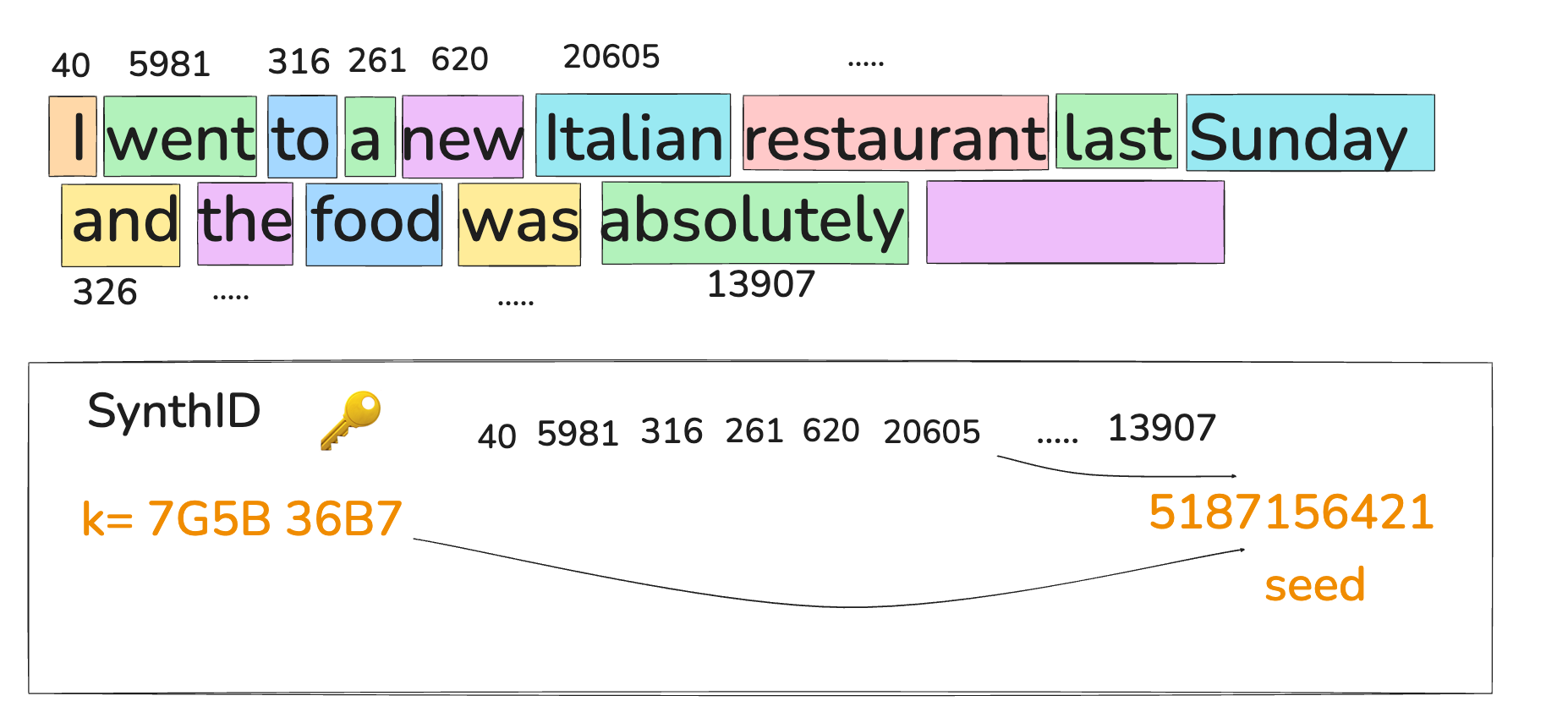
Starting from August 2026, Claude models generate a text that contains a watermark.
“But what does it even mean?” One of my friends asked me over a coffee.
“Where can I see that in the text? Are there any hidden signatures? And how can I get rid of it?”
My friend, let’s call him John uses Claude on his workplace, and he is a heavy user. So this was a major reason for him to buy me the coffee. Since I was unsuccessful to explain it to him on the napkin over a 30 minute coffee break, this issue is my gift to him (and to you as well).
Ok, so here how where the magic, I mean math happens:
Large language models like Claude work by generating one word at a time. Each time the model decides on the next word, it chooses among a list of potential candidates, ultimately selecting the most sensible or likely based on the preceding text.
Quote from the official Anthropic documentation page.
It splits sentences into tokens (tiny chunks- words, parts of words, or even punctuation).
Then it assigns a number to every word. For Claude a sentence is a sequence of numbers.
So Claude generates one token at the time.
Now comes the fun part: when you give it a sentence, Claude uses conditional probability to figure out what comes next.
You can find out more how LLMs work in this issue: 𝐇𝐨𝐰 𝐝𝐨𝐞𝐬 𝐚 𝐋𝐋𝐌 𝐰𝐨𝐫𝐤?
Let’s understand how it works on a simple example.
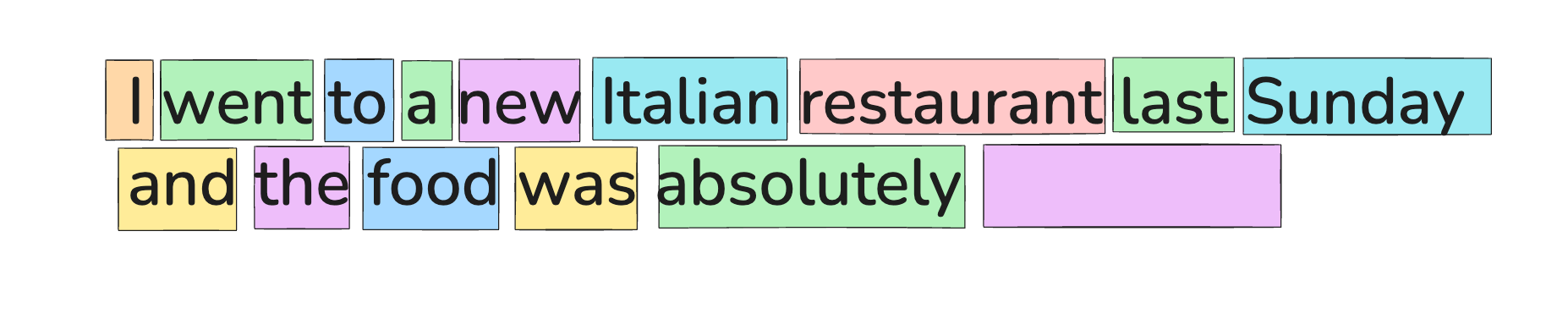
What word comes next? The model gives every possible next token a score.
For example, delicious might get a highest score, fantastic might get a lower score, incredible might get even lower score and the word that makes very little sense like funny will get extremely low score. That raw, unnormalised scores are called logits.
Comments
Nothing yet. Say the first thing.
Sign in to join the conversation.