
We are launching February with filled pastas, folded, sealed, and meant to hold warmth. This chapter focuses on agnolotti, cappelletti, ravioli, and tortellini. These are shapes built for structure and comfort: doughs enriched with egg, fillings that are lean, savory, and substantial, and sauces that rely on weight rather than brightness.
What follows looks at how these pastas actually behave when eaten: their texture, their balance, and the wines that pair well with them. If there is something missing, please let me know.
Let’s dig into it.
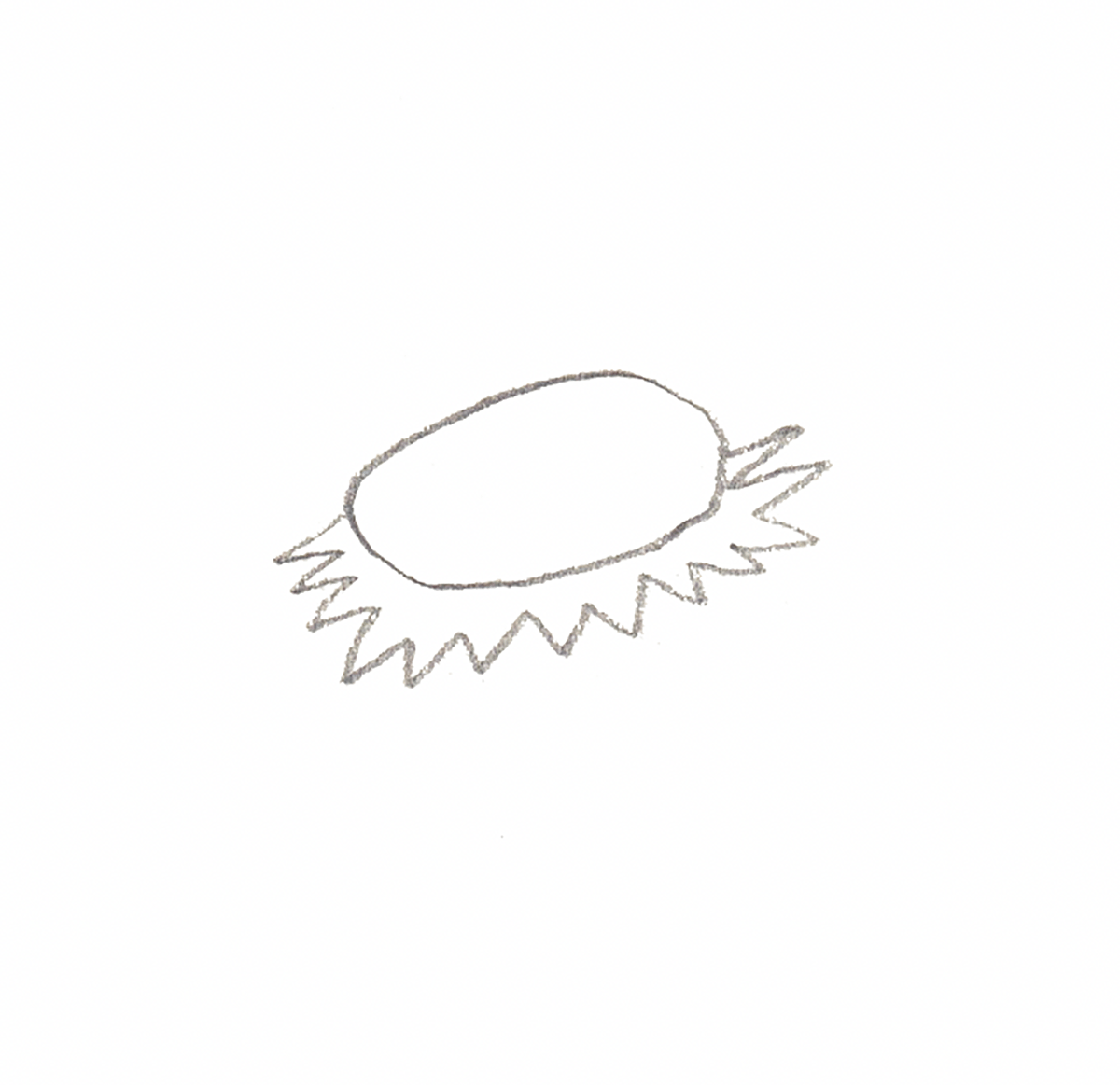
Agnolotti
Agnolotti, in essence, is cucina povera; it’s a pragmatic pasta that showed up at the table when there was meat left over from a holiday celebration. Its name is credited to a cook, therefore less mystical and more attribution. As a meat-filled pasta, its season lingers from the holidays into the new year.
Place: Piedmont, especially the Langhe and Monferrato.
Shape: Small, pillow-shaped filled pasta, neatly sealed and often pinched by hand. More linear than round. Pointed edges.
Texture: Soft pasta with defined closure. The seams matter; the structure is toothsome and holds the sauce.
Filling: The meat filling should taste cooked, not creamy. The joy of turning leftovers into something better than the original dish.
Sauce: Brown butter, pan juices, or light meat sauces. Tomato is never. Neither cream.
One Bite: One agnolotto, sauced but not buried. The filling should taste composed, not dominant.
White Wine: Fuller-bodied whites with texture and savory notes.
Red Wine: Piedmont makes this easy with their red wines’ lift, acidity, and restraint.
Final Thought: Agnolotti (in America) are less common and often confused with ravioli, and most Italian-Americans I know are from south of Piemonte, where ravioli are widely known and loved. Only serve Agnolotti if you are comfortable getting a little feedback, if you know what I mean.
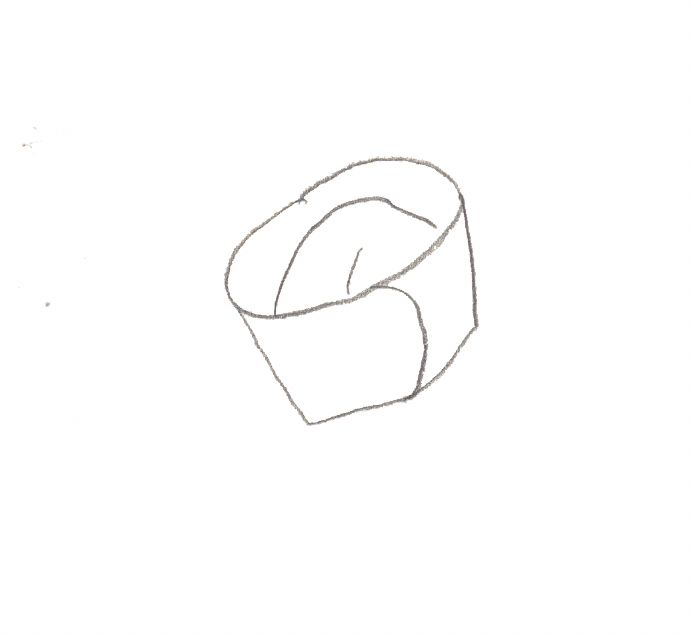
Cappelletti
Cappelletti are regional and domestic, Sunday food, holiday food, food made at home. Less mythologized than tortellini (see below), but deeply personal. Every family has a version, and in true Italian fashion, they all insist theirs is correct.
The name comes from cappello, meaning “little hat.” Practical and literal.
Like its sibling, tortellini, cappelletti is a winter pasta - Christmas through the deep cold.
In America, cappelletti are far less common than tortellini. When they do appear, they’re often mistaken for them or quietly preferred.
Place: Emilia-Romagna (and parts of Marche), especially inland and Adriatic-facing areas.
Shape: Small, filled pasta folded into a soft cap shape, less tightly wound than tortellini, more forgiving in form. Cappelletti feel handmade.
Texture: Softer and more yielding than tortellini. Thinner pasta, looser fold. Less snap, more melt.
Filling: Cappelletti vary widely by village, cheese-forward, meat-light, sometimes poultry-based. There is no “official” stuffing.
Sauce: Broth first and foremost. Butter works, as does a light red sauce.
One Bite: One cappelletto, fully submerged in broth or sauce. It collapses slightly as you bite, filling and pasta becoming one.
White Wine: Subtle, saline, quietly structured whites that echo broth rather than compete with it.
Red Wine: Very light reds with freshness over tannin, served cool, almost casually.
Final Thought: If tortellini are about precision and legend, cappelletti are about comfort and place.
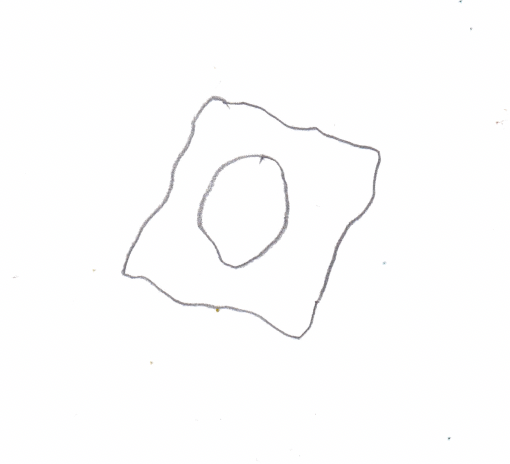
Ravioli
Ravioli appear in written Italian records earlier than most other filled pastas. The name can be tied to the Italian word riavvolgere (to wrap), depending on whom you ask. And while some claim ravioli is “all seasons,” their weight, their fillings, and their sauces are rarely light. What makes them so wonderful is the democracy of their fill - they absorb local ingredients, seasons, and moods. Less ceremonial and endlessly flexible.
Place: Everywhere. From Liguria to Sicily, ravioli belong to no single region.
Shape: Flat, square, or round filled pasta, defined by enclosure rather than fold. The most adaptable of the filled pastas.
Texture: Two sheets of pasta meeting in the middle. Balance matters. Too thick and it’s heavy; too thin and it’s a hot mess.
Filling: With ravioli, that means you can almost put anything inside, but that doesn’t mean you should.
Sauce: Nearly anything, but restraint improves them all. Ravioli are easily overwhelmed.
One Bite: Cut your ravioli, don’t stab it. Pasta and filling should arrive in the mouth together, not in stages.
White Wine: Depends on the filling, compare and contrast the acid and texture with the filling.
Red Wine: Light to medium-bodied; let the filling lead.
Final Thought: Ubiquitous. Often oversized, overfilled, and over-sauced, but also deeply nostalgic.
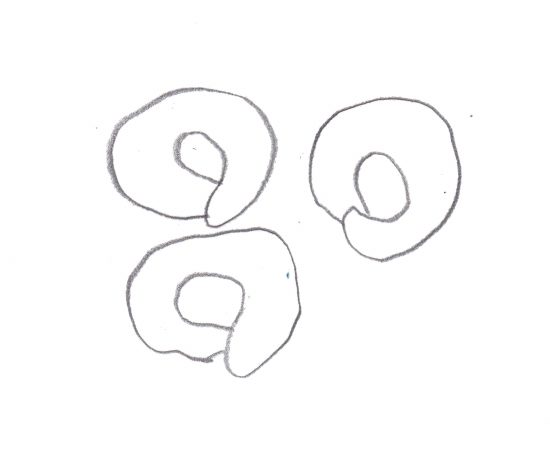
Tortellini
One of Italy’s most iconic pastas is deeply tied to home cooking, holidays, and ritual. Made in quantity and often communally, they are not everyday food; they are an important food. The name comes from tortello, meaning “little twisted thing.” Legend says the shape was inspired by Venus’s navel, equal parts mythology and Italian pride.
Tortellini are a typical Winter delicacy. Cold days, long tables, clear broth. Yes, tortellini is traditionally served in brodo, not with sauce; anything else would be considered a modern interpretation. In Italian-American life, tortellini are extremely common, but transformed: often larger, cheese-filled, and sauced rather than brothed. Familiar, but culturally displaced.
Place: Emilia-Romagna, with Bologna and Modena forever debating ownership.
Shape: Small, ring-shaped filled pasta, traditionally meat-stuffed and folded with precision. Delicate in size, exacting in form.
Texture: Tender pasta with a compact, savory center. The pleasure comes from a subtle bite followed by release. Overcooking ruins everything.
Filling: Traditionally, meat - pork and prosciutto bound with a little Parmigiano Reggiano. If it is filled with ricotta, it isn’t tortellini, it is something else.
Sauce: Broth is the classic, clear, meat-based, and deeply flavored. Butter or cream versions exist, but they shift the pasta away from its original purpose.
One Bite: A spoonful of broth with two tortellini. Slurp first, chew second. Warmth before richness.
White Wine: Clean, mineral-driven whites with lift, nothing too aromatic or oaky.
Red Wine: Light-bodied, high-acid reds served cool. Think refreshment, not structure.
Final Thought: Tortellini are petite and packaged this way for a reason: they reward precision and tradition more than appetite. Broth is the classic, clear, meat-based, and deeply flavored. Butter or cream versions exist, but they shift the pasta away from its original purpose.
~
Notes on these notes.
First and foremost. Love our pasta illustrations from our dear friend and artist, Amber Vittoria.
Words and recipes on paper. I have found so much inspiration for this project in the books and cookbooks that I read while compiling this compendium. I am thrilled to highlight some of those books here. If you love pasta, consider some of these books.
Pasta by Missy Robbins and Talia Baioicchi, just stop here if you are looking for the best book.
The Geometry of Pasta, the book that I have gifted more than any other.
American Sfogliono. He’s good, he’s really, really good. And brava to author Katie Parla for capturing his essence.
Marc Vetri. The Pasta Book. Can’t say how much energy this book brings to the conversation.
There are dozens more books I will reference here, including those by Ada Boni, Marcella Hazan, and many others. Stay tuned.
Links. If you want to find some of these books, the cookbook section at NYC’s the Strand (in the Village) is a treat, and Kitchen Arts and Letters (on the Upper East Side) is a retreat. Two must-visit places while in NYC.
If you are in Nor Cal, check out City Lights, or in Portland, Powell’s.
Put your favorite culinary book stores or cookbook sections or books on Pasta in the comments below. Grazie.
Comments
Nothing yet. Say the first thing.
Sign in to join the conversation.