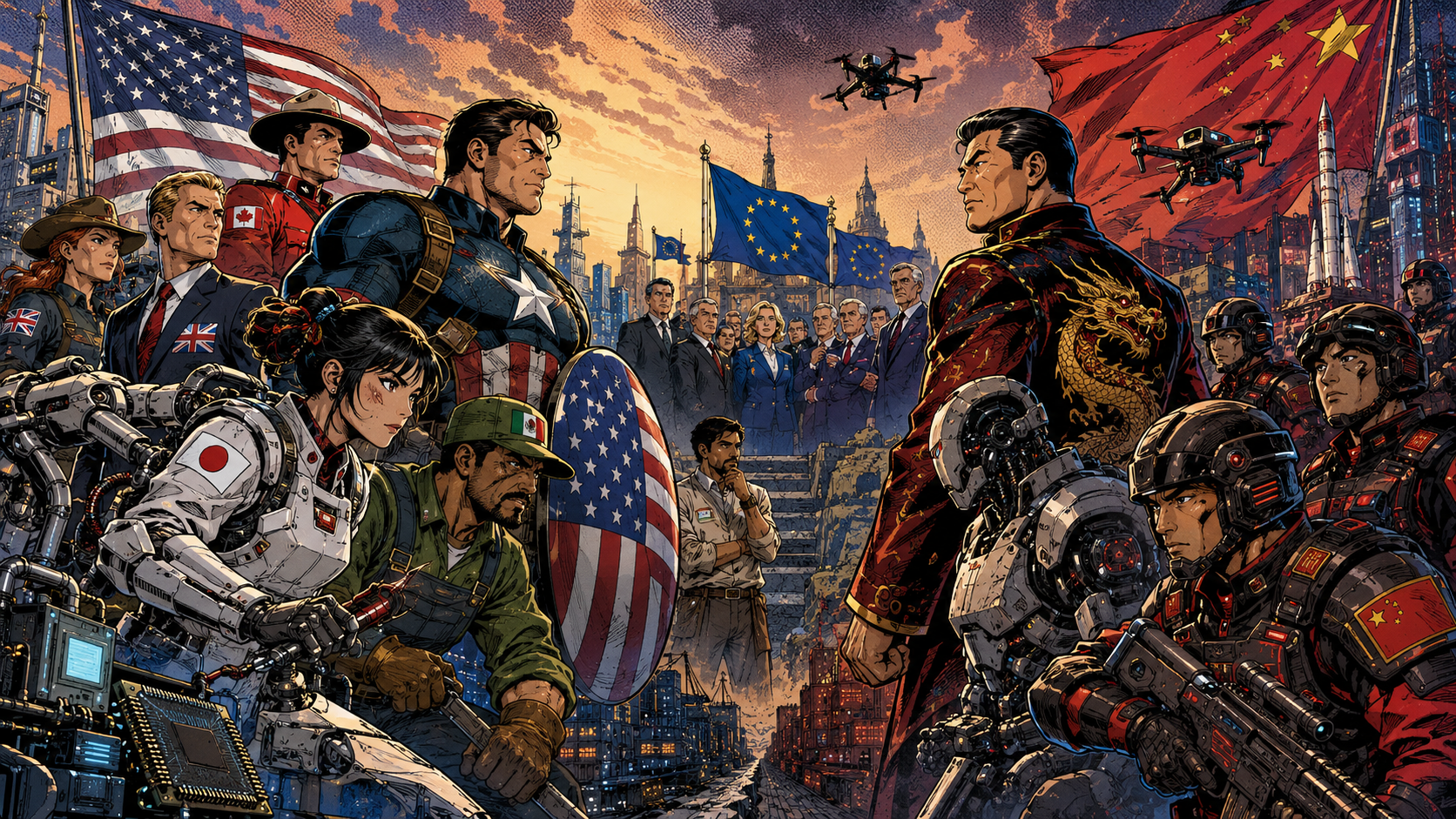
The China shock may not shrink the American empire. It may force America to integrate a much larger one. A few days ago, I thought the emerging American strategy was relatively simple. China had become the only country capable of challenging the United States across industry, technology and military power.
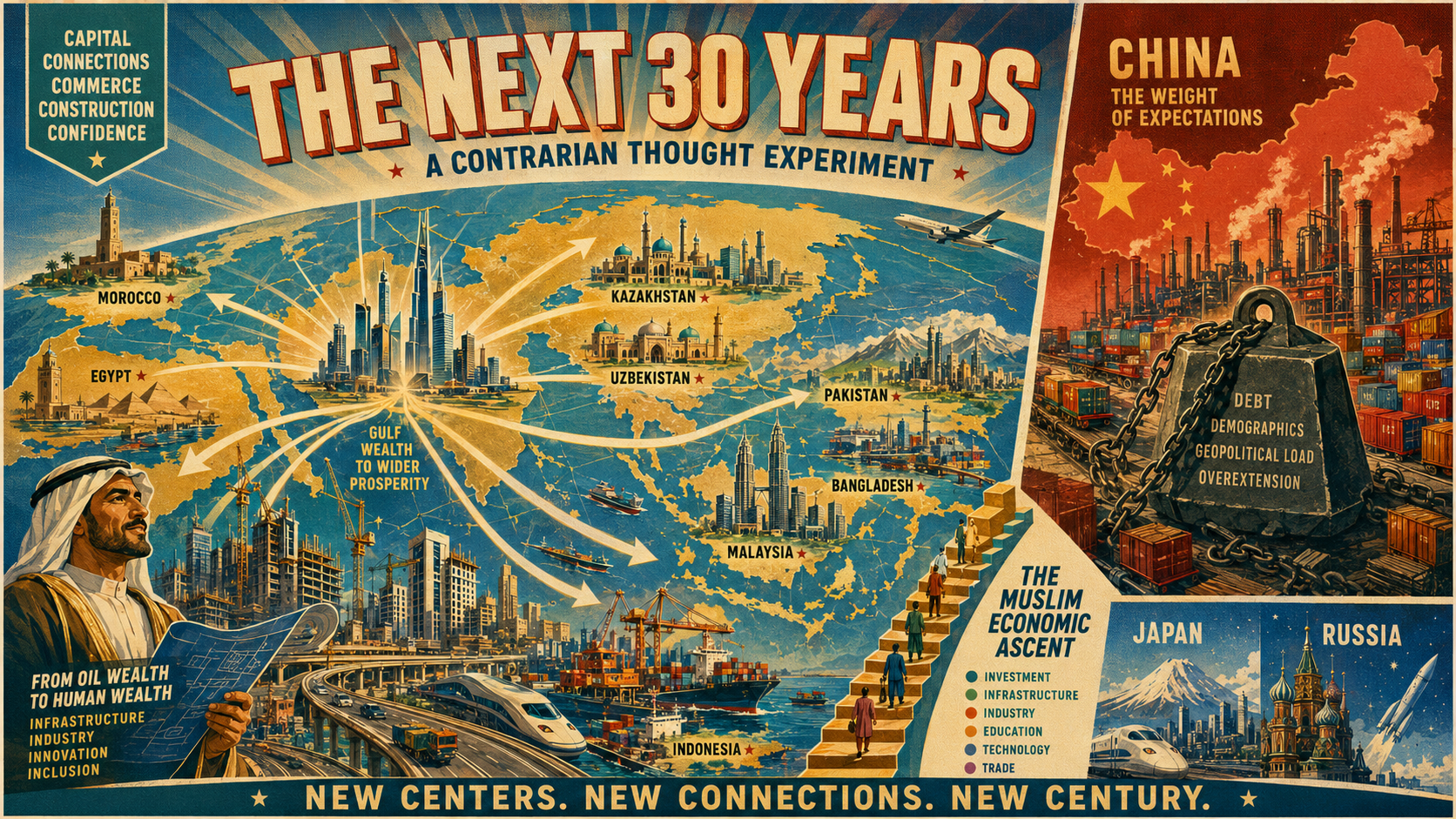
A thought experiment about China’s burden, a richer Muslim world, and why the 2060 map may look nothing like today’s consensus Here is a thought experiment. Not a prediction. Not “these countries are definitely going to win.” Just an attempt to imagine a world in 2060 that is
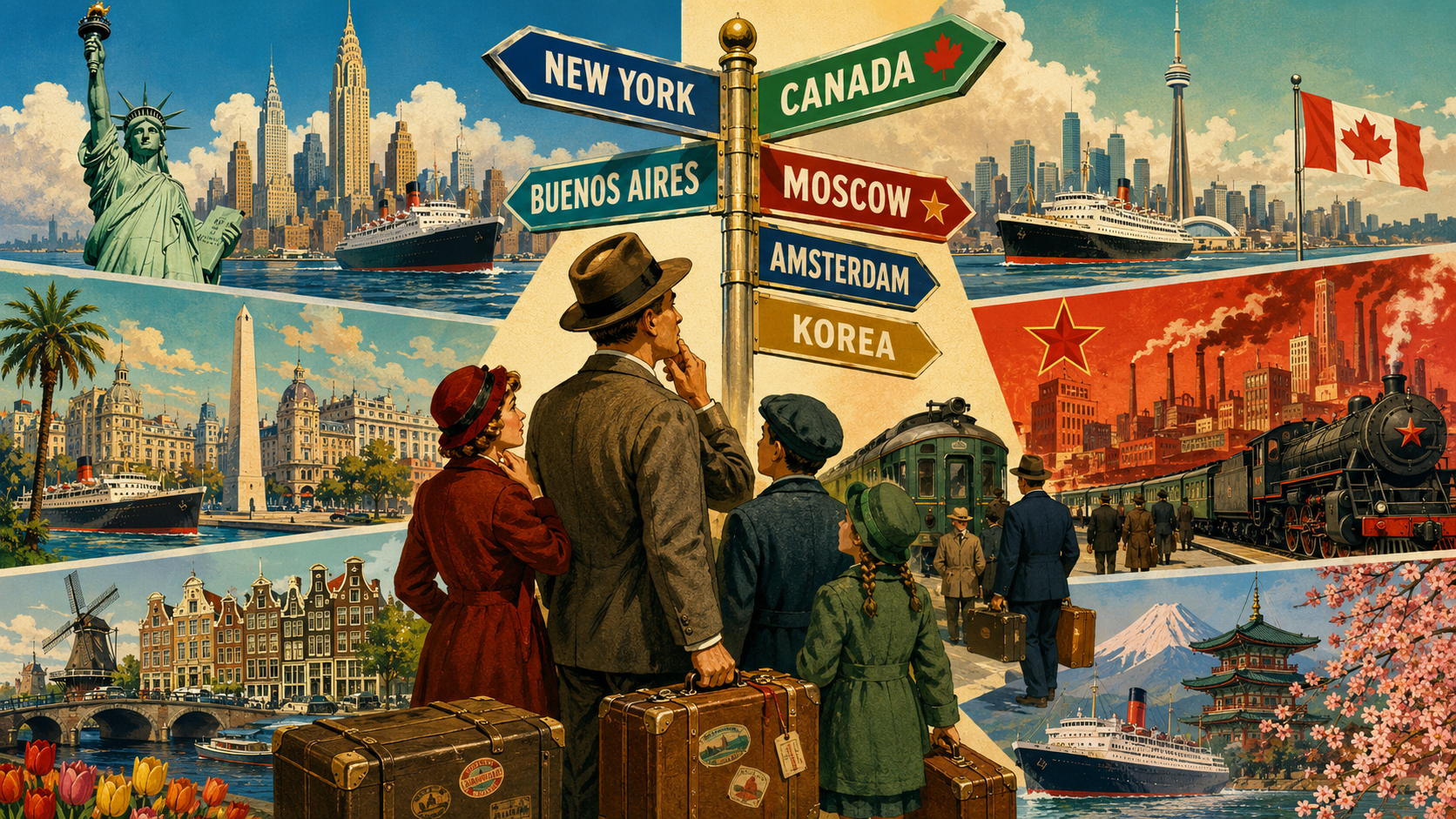
If you had to choose where your family would live for the next 30 years, what could you actually know in advance? One of the strangest things about looking back at the great migration era of the 20th century is where people ended up. Some Europeans moved to the United
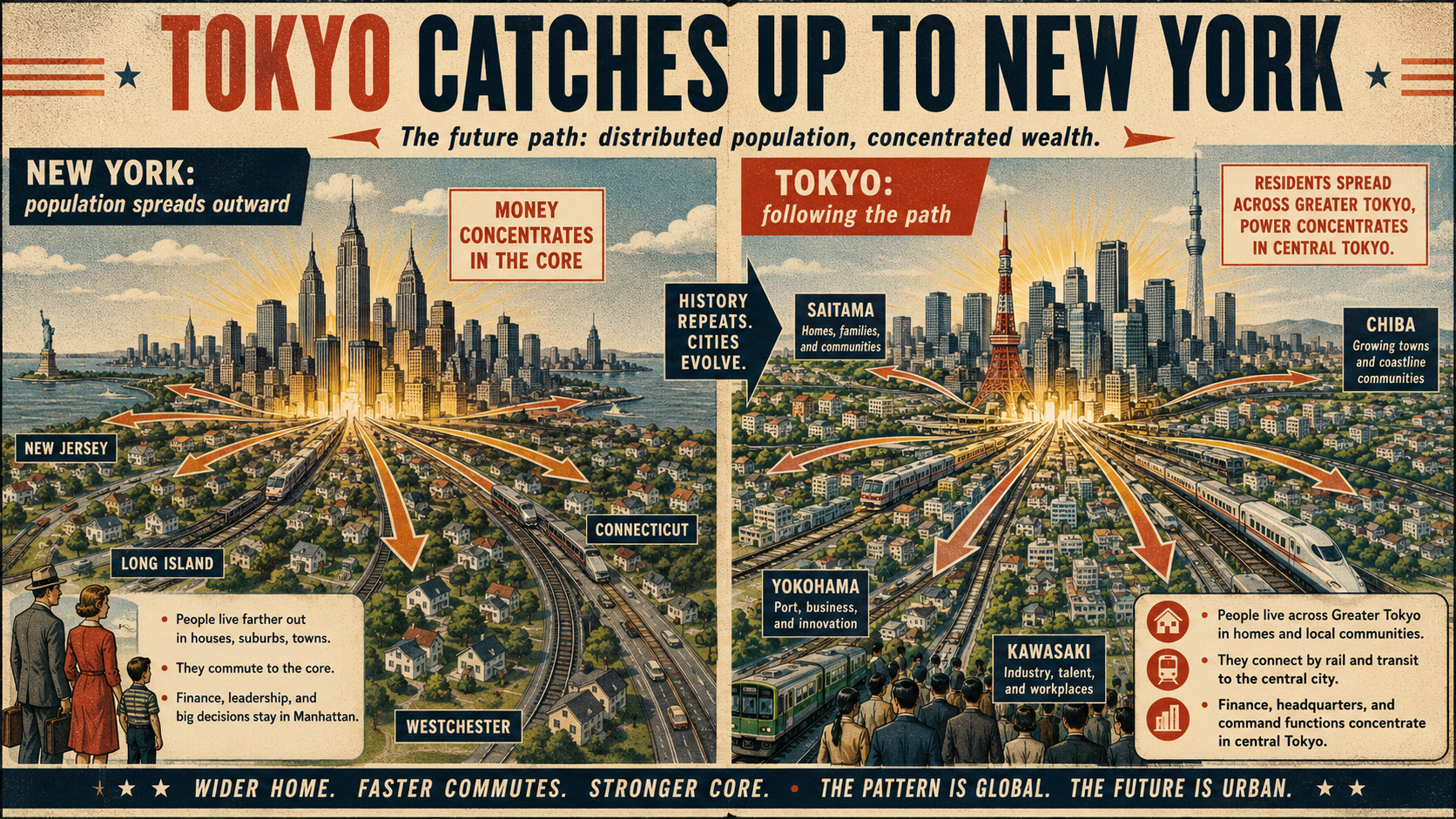
Why Tokyo could keep concentrating wealth after its population peaks—and why the housing windfall enjoyed by Western Boomers may not repeat for Millennials and Gen Z. There is a strange assumption embedded in most discussions of Japanese demographics. Japan is shrinking. Therefore Tokyo will eventually shrink. Therefore Tokyo property
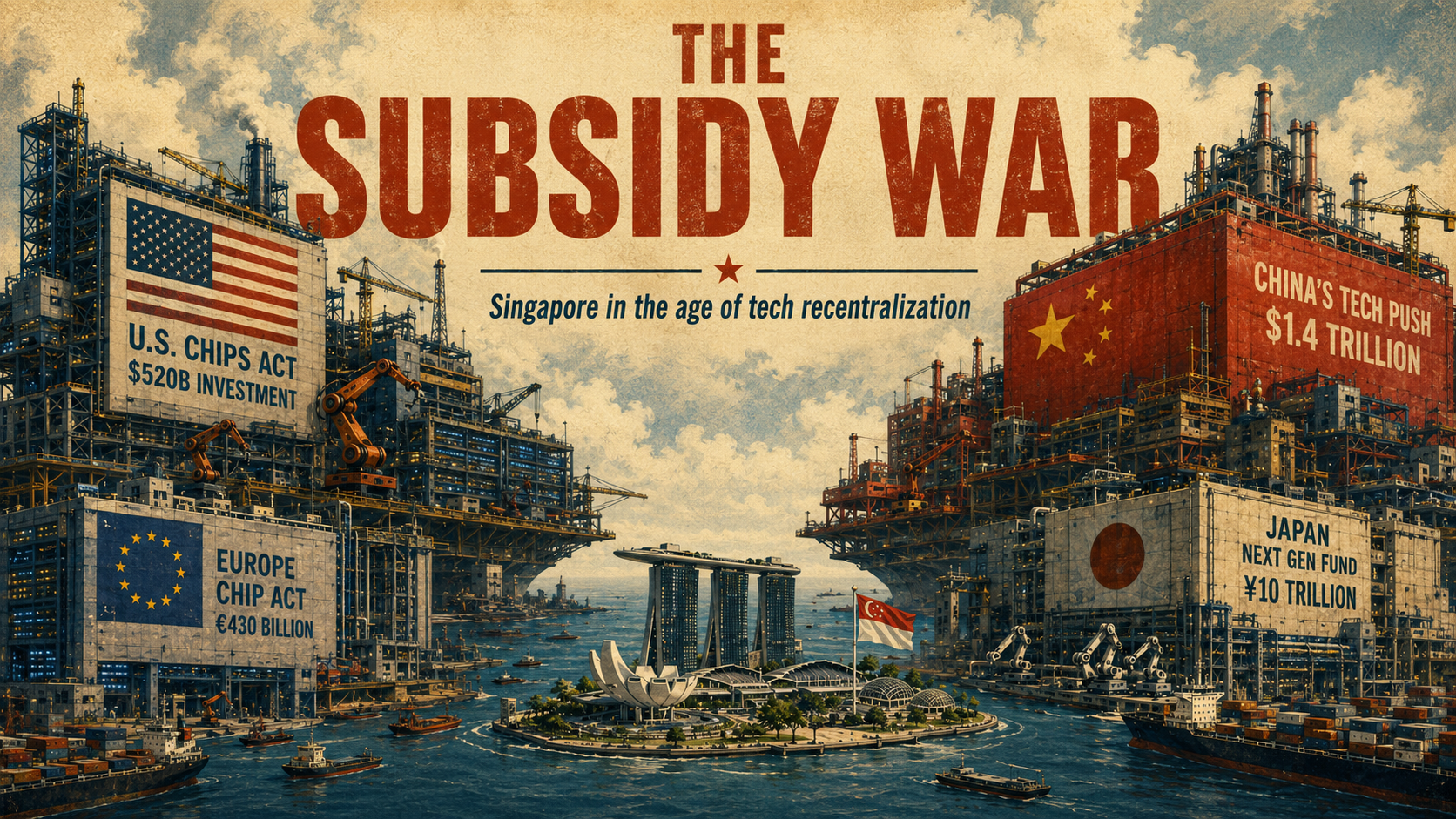
For most of the last fifty years, Singapore looked like the country that had solved economic development. It did not have America's domestic market. It did not have China's population. It did not have Japan's industrial depth. It had almost no natural resources and very little land. So Singapore competed
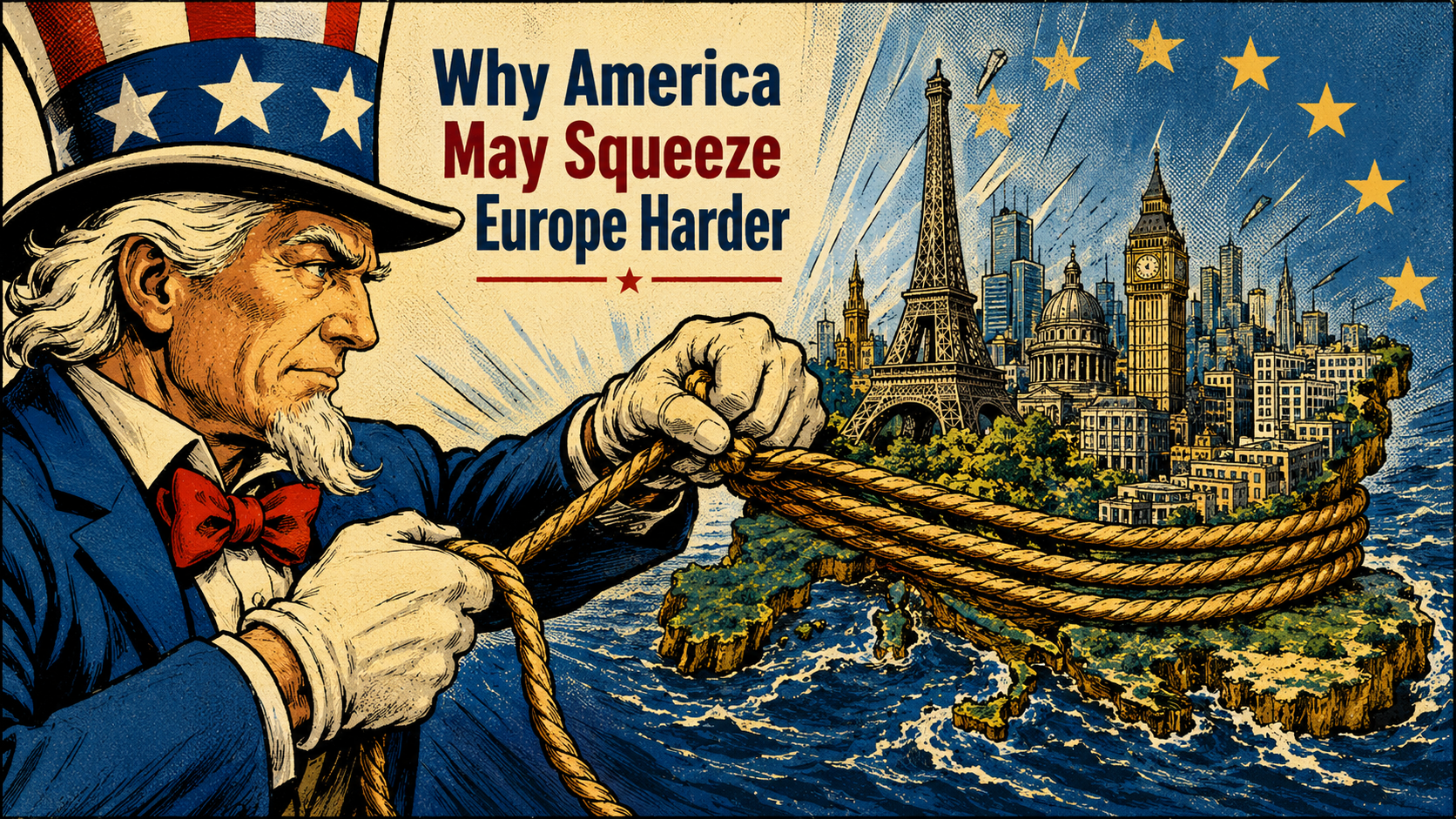
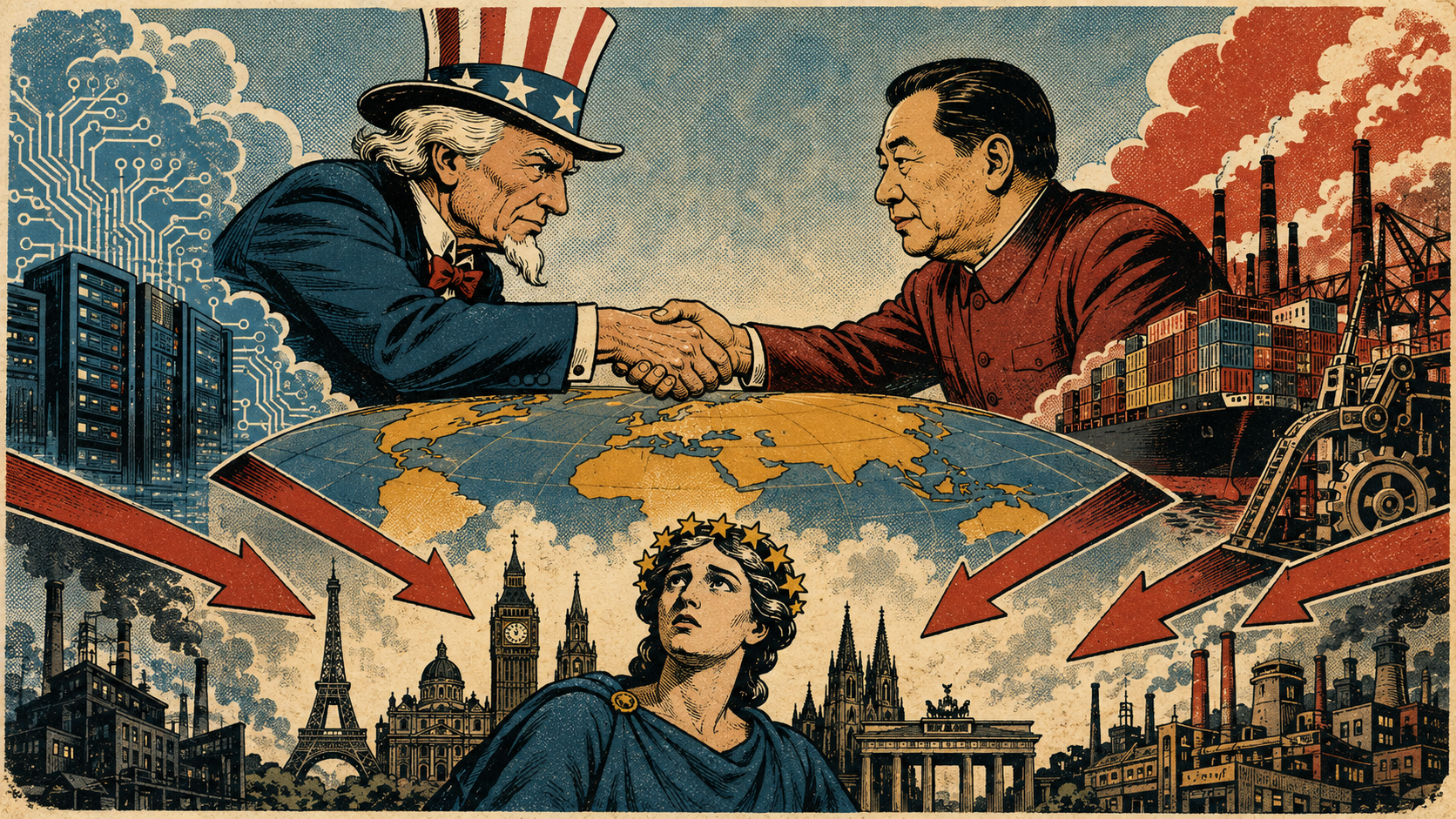
Why the biggest threat to European sovereignty may not be U.S.–China conflict, but a U.S.–China settlement I think there is a geopolitical possibility that is still maybe three years ahead of mainstream discussion . Most people assume the defining international conflict of the next several decades is
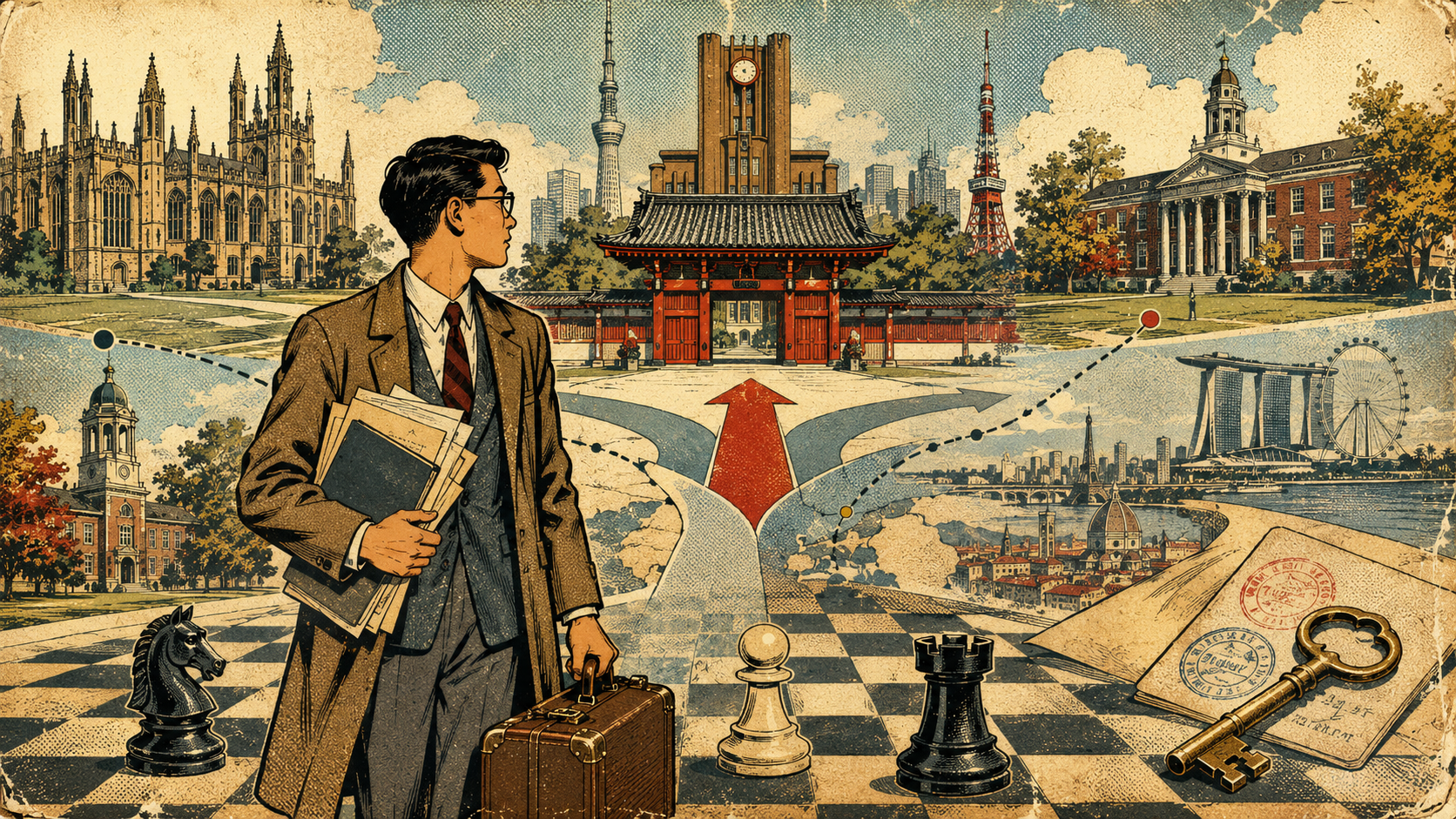
I started thinking about this after watching a Japanese YouTube video, 「日本人が知らない、東大院生の2割が中国人の理由」 . Its starting point is simple: Why are so many Chinese students now studying at the University of Tokyo? And especially: Why are they so heavily concentrated in graduate school? The video’s answer is interesting because it
For the last fifteen years, almost every major geopolitical narrative has pointed in the same direction: American decline. Obama said America could no longer behave like the world’s policeman. Iraq and Afghanistan discredited the idea that Washington could endlessly enforce order everywhere. Europe increasingly talked about “strategic autonomy.” China
What Anime Audiences Reveal About the Failure of Feminist Media Theory I studied media at university. We were taught to analyze stories through representation: Who has agency? Who speaks? Who is shown as desirable? Who controls the camera? Are women subjects, or merely objects for the male gaze? The framework
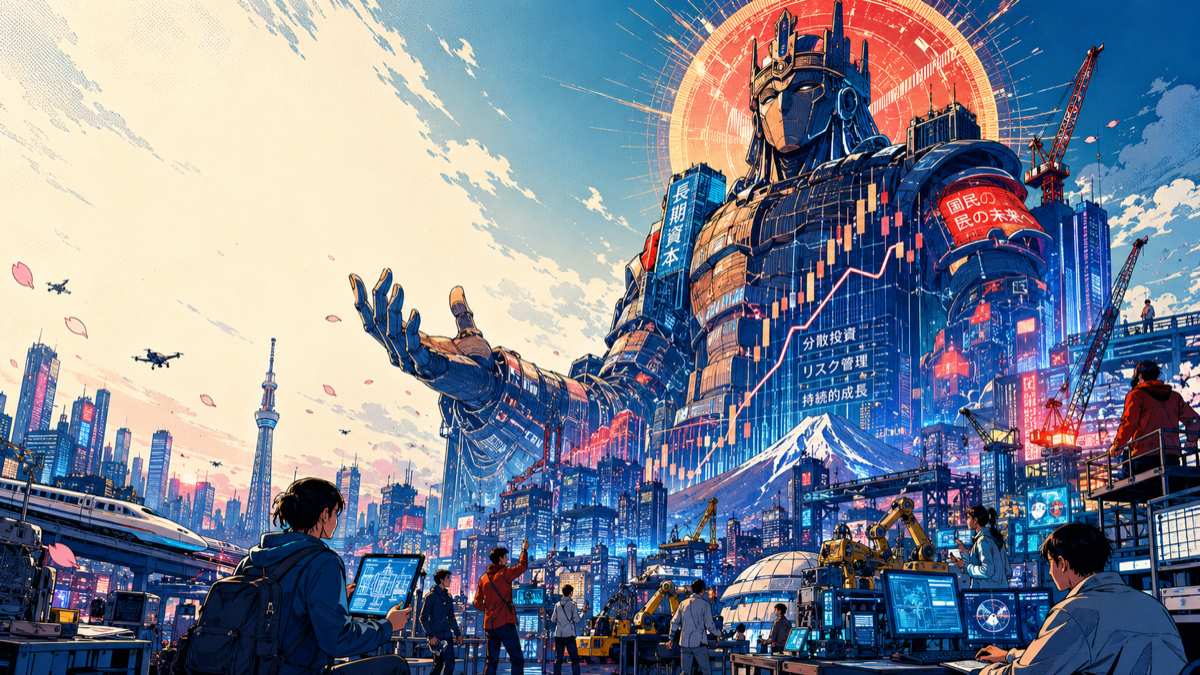
On July 11, the Japanese government announced that the Government Pension Investment Fund, or GPIF, would accelerate its expansion into alternative assets toward the existing ceiling of 5% of its total portfolio. Japan wants pension whale GPIF to dive deeper into alternative investments Government strategy to call on fund to
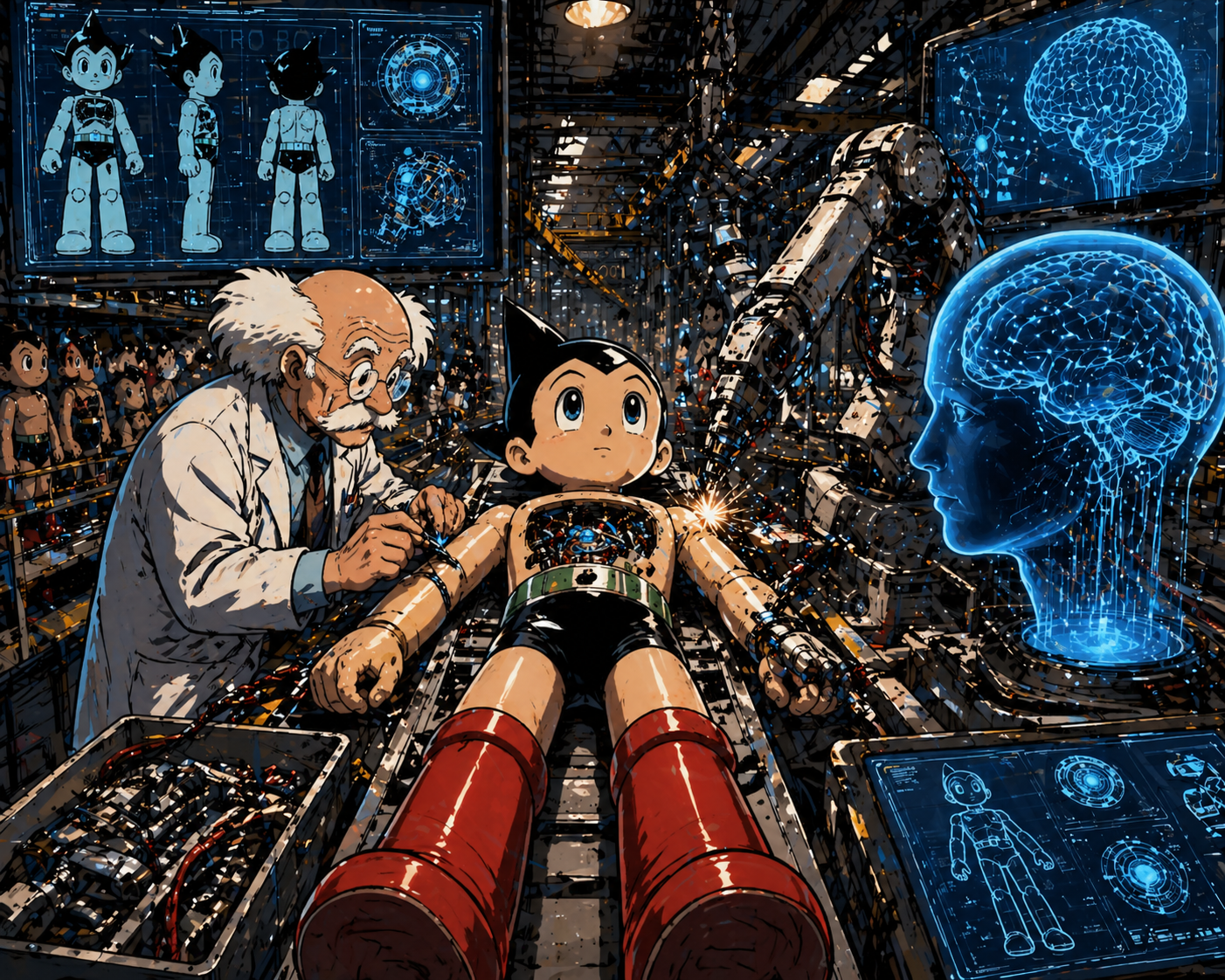
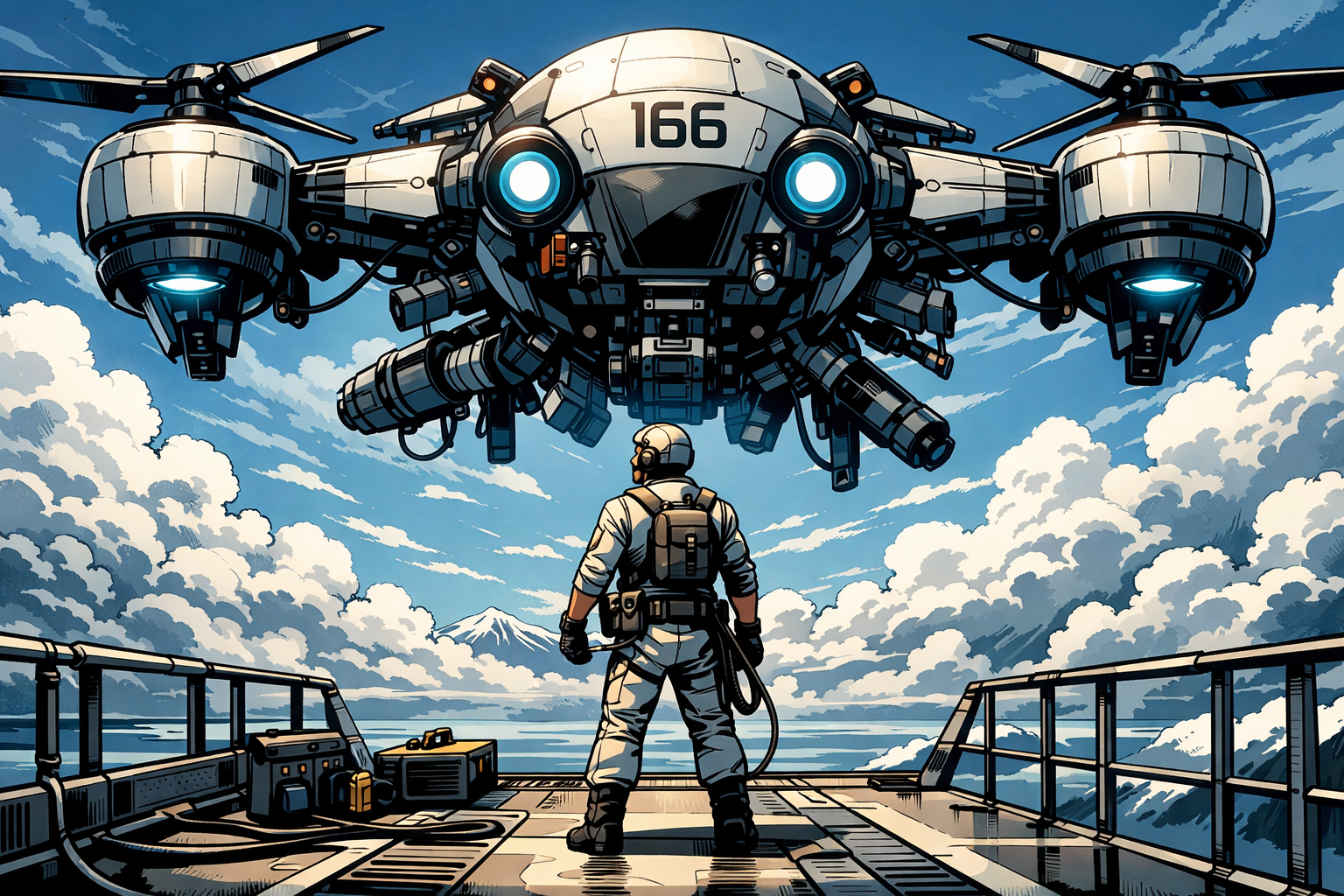
The current physical AI story is very cinematic. Humanoid robots walking around factories. Robot workers carrying boxes. Robot butlers eventually folding laundry, delivering tools, doing last-mile tasks, replacing the human body inside the economy. It looks cool. It photographs well. Investors like it. Journalists understand it. The demo has legs
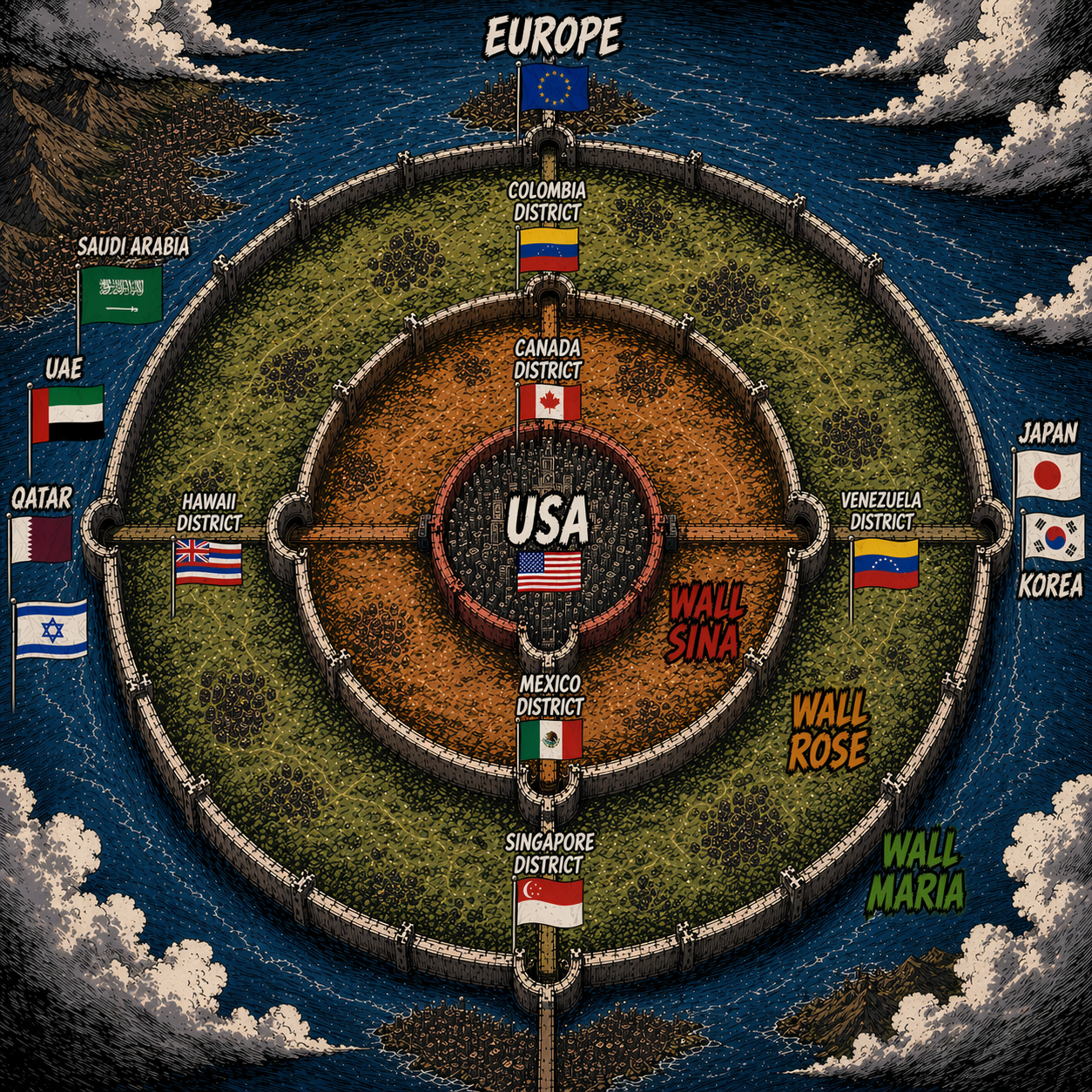
Most people watched Attack on Titan and saw monsters. The sharper read is military history. It is a story about a ruling order that decides the world is too expensive to manage, too dangerous to keep open, and too unstable to trust. So it does what declining powers always fantasize
Gold sold off sharply today, and the reason wasn’t inflation data, employment numbers, or “risk-on optimism.” It was personnel . Trump formally signaled his intention to replace Jerome Powell with Kevin Warsh as Federal Reserve Chair — a move reported across BBC, CNN, Politico, and CNBC within hours. Markets didn’t
Offshoring removed labor arbitrage. Software removed routine cognition. AI removes the last cognitive subsidies. There’s a quiet assumption baked into American politics, culture, and nostalgia: that the “good life” once offered to the average person was a baseline , and that something was later taken away . That assumption is wrong.
China’s V3.0 Operating System There is a persistent Western myth that China’s rise was either accidental, purely opportunistic, or a crude copy‑paste of capitalism with Chinese characteristics slapped on top. That framing is lazy. What actually happened is far more deliberate — and frankly, far more impressive.
They Use Them — Then Replace Them Most people misunderstand modern geopolitical conflict because they still think in left vs right or capital vs labor . That frame is obsolete. The real conflict today — domestically and internationally — is: New Elites + Working Class vs Old Elites + Upper-Middle Class Once you see this, Trump,
From inside elite circles in the 1990s, Japan was already considered “finished.” The asset bubble had burst. GDP stagnated. Demographics turned negative. In high-culture and academic environments—from Paris to Boston—the consensus was simple: Japan peaked in 1989. And yet, between 1990 and 2020, Japan won one of the
Today’s date: 2026. If you look at the data — weakening dollar confidence, political pressure on monetary policy, and rising tariffs — we aren’t on the brink of a cyclical slowdown anymore. We are entering a structural crisis that reshapes geopolitics and economics for decades. ( Reuters ) This is the timeline