
Ever since my middlegrade novel, Aarzu All Around, hit shelves, I’ve constantly been asked how I write across age groups and genres. I know this is no small feat, and I wanted to invite author friends to share their insights and experiences, too.
Today I have with me the author of the recently published HeartLand, Jilanne Hoffmann. As some of you might know, Jilanne has published books spanning formats and age groups, from board books through middle grade. Wow!
Her titles include:
Board books:
Happy Camper
The Honey Bear Hive
Picture books:
A River of Dust: The Life-Giving Link Between North Africa and the Amazon,
The Ocean’s Heart: The Tiny Creatures Essential to Life
Chapter Book:
The Gold Rush: Shifting Sand and Dreams of Gold
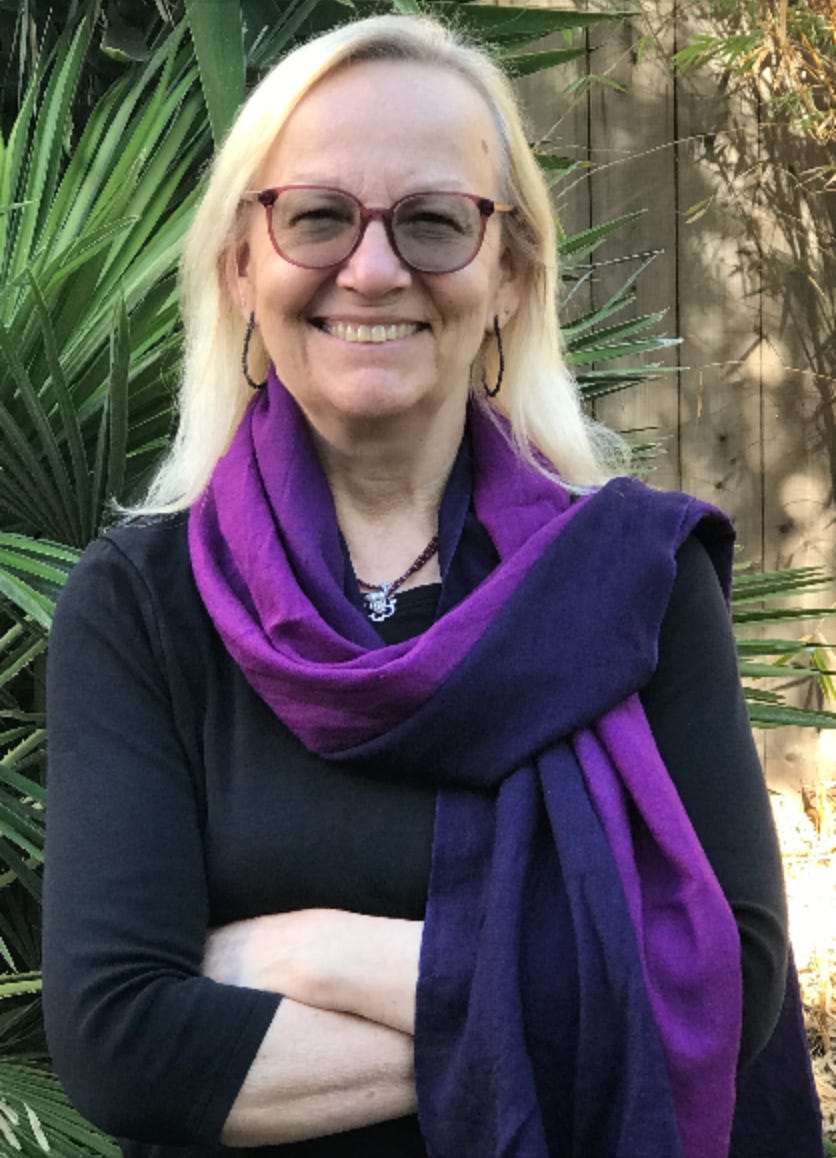
In this interview, we will mainly be speaking to Jilanne about her latest book, a middle grade novel in prose and verse, HeartLand, and how she manages to switch between projects and publish both non-fiction and fiction stories for a range of young readers.
A little more about HeartLand before I ask Jilanne more about her inspiration and writing process:
HeartLand is a coming-of-age novel about a young misfit searching for the truth of her family’s past, set against the backdrop of an environmental cover-up.
Twelve-year-old Xyla longs for her mother to tell her something, anything, about her absentee father. But Xyla’s mother refuses, while desperately wanting Xyla to love the 5th-generation family farm she holds dear.
When Alegría, a girl Xyla’s age who’s “the perfect daughter,” moves into a house on the farm, she becomes Xyla’s first real friend—well, maybe frenemy?
Growing desperate to escape her mother’s directives and disapproval, Xyla secretly schemes to search for her father. But where to start if she doesn’t even know his name?
HeartLand is an intricately layered novel in verse and prose that shows how broken hearts aren’t healed by building walls, but by sharing stories, creating community, and allowing the tendrils of hope and love to work their magic.
Book club Discussion Questions
My questions appear in bold and Jilanne’s replies are italicized.
Thank you for joining us today, Jilanne. Let’s jump right in! At what point along your writing career did you start drafting HeartLand?
Although I’ve been a freelance writer since the early 1990s, I started writing for kids in 2012, without really knowing the requirements for the shorter forms. I learned through 12x12 (and am still a member) and learned from many other kinds of sources, like what is now called Boyds Mills Foundation. In 2018, I read Out of the Dust by Karen Hesse, and that inspired me to write about the farm crisis of the mid 1970s to late1980s in the Midwest and to do it in the form of a verse novel. I started organizing my thoughts and wrote the first draft during NaNoWriMo in 2019.
So interesting! Which mentor texts did you use for this book?
Out of the Dust by Karen Hesse, The Lost Year by Katherine Marsh
Would you call yourself a panster or a plotter?
I’m a plantser. For anything longer than a picture book, I usually start with some kind of an outline that changes as I write.
Relatable! I understand that ‘Out of the Dust’ inspired HeartLand. Tell us more about how the story took shape.
While the editor wanted to buy the book as a completely historical novel in verse, Sales & Markeing wanted a book set in a contemporary time period. They’d only make an offer if it was contemporary. I said “no” because I’d set it in the late 1980s for a reason—that specific farm crisis! But then about nine months later, my agent asked me if I’d consider writing a dual timeline, one historical and one contemporary. I told her I’d think about it. I did some research, and the current state of water quality in Iowa as it relates to agriculture and “factory” farming horrified me. I decided I need to write the contemporary story as well.
Always good to pivot! I love how you adapted and incorporated your publisher’s wish while keeping true to your visionf or the book. Was this story born from a character, a plot idea, or a specific scene?
It was born from all that is wrong with U.S. farm policy and how vertical integration of farming results in farmers being squeezed out because they have little to no choice about the costs of their inputs and have to take a set price for their outputs (often below the cost of their inputs). Corporations have all of the power and control. A very small number of corporations control the vast majority of our food supply chains. And it’s scary. But the egregious pushing of fertilizer and factory farming of livestock and antibiotic abuse is polluting the state’s groundwater. Iowa has a huge nitrates problem, and one of the highest cancer rates in the country. And no one pays attention to the fact that about 80% of the antibiotics sold in this country are fed to livestock.
What structure did you choose to follow for this book? Did you decide on it beforehand or did it come about during revisions?
I knew I wanted the first version to be a novel in verse, after reading Out of the Dust. And when I decided I would write a dual timeline, I decided the other story would be written in prose. The interstitials in the voices of Time, the Weather, the Farm, and Earl Butz were also there from the beginning. When I added the 2nd timeline, I added interstitials from the present day main character’s father. And then I had to figure out how to weave the verse sections, which were now all considered diary entries, into the prose so that it would feel natural. It took several drafts to get that right.
What is your favorite thing about the book?
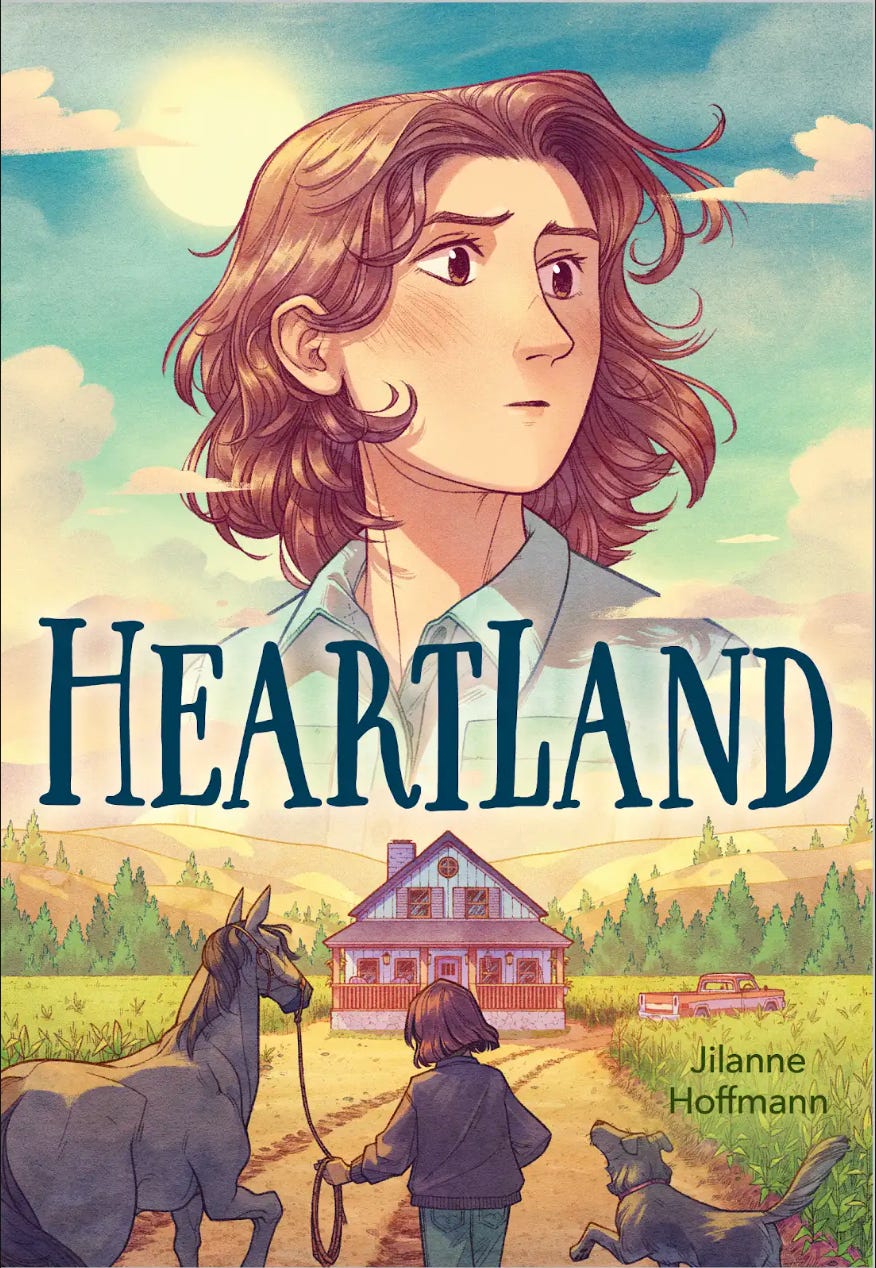
Such a warm and memrable cover!
What did this book teach you about the craft/process of writing?
That story maps via wall stickies, spreadsheets, and patience are essential to go through book pass after pass after pass to make sure all of the threads are woven correctly, that there are no continuity errors, and that every scene/poem has a purpose.
I was revising my book, Aarzu All Around, while you were working on revising HeartLand and I remember how we were comparing notes and discussing how writing longer form novels requires so much organizing to keep track of all the threads. It’s so different from writing board books or picture books! Which brings me to my next question…
Which type of books did you start off writing? What made you make the transition to other genres/audiences?
After leaving engineering, I was a freelance science writer for years. But then I earned an MFA in writing for adults, and originally thought that’s where I’d be spending my energy. But my son was born 6 months before I finished my MFA and we started buying board books. Flash forward about 8 years, and I had decided that I loved children’s literature so much that I wanted to write it. I started out writing picture books, then board books, then wrote a novel in verse and prose and then wrote a chapter book. I like how each form requires a different mindset. It keeps me focused in different ways. One focuses on simple language and using as few words as possible. One focuses on thinking what the images are going to show, but allowing for more complex words. Chapter books tend to be fairly plot driven with a focus on relatable characters and somewhat straightforward but with more complex sentence structure than early readers. Novels require stamina, faith, and a willingness to wrestle with quite a few more words, especially description. But I love writing in verse. My brain tends to think that way, so I love telling a story in through those compressed flash moments and all that’s left unsaid in between.
How do you switch between projects? Do you work simultaneously on many?
I try not to work on two different creative projects in a day. But I can work on different projects throughout the week. At any given point, I have stories or just ideas bouncing around in my head (and I may be doing reading around those ideas), while I’m physically working on others.
Which is your favorite kind of book to write?
That’s a tough one. I love writing picture books, but I think novels have a strong hold on my heart. I love their complexity and the richness of the language that’s allowed...at least the way I tend to write them, LOL.
If you could tell your younger, pre-published writing self one thing, what would it be?
Dear 20-yr-old self: Don’t waste so much time wondering how people become authors. ASK for help in figuring it out. Then just do it. Being an engineer is fun, but it’s not your life calling. This. Writing children’s books your life calling.
Do you have a favorite writing buddy?
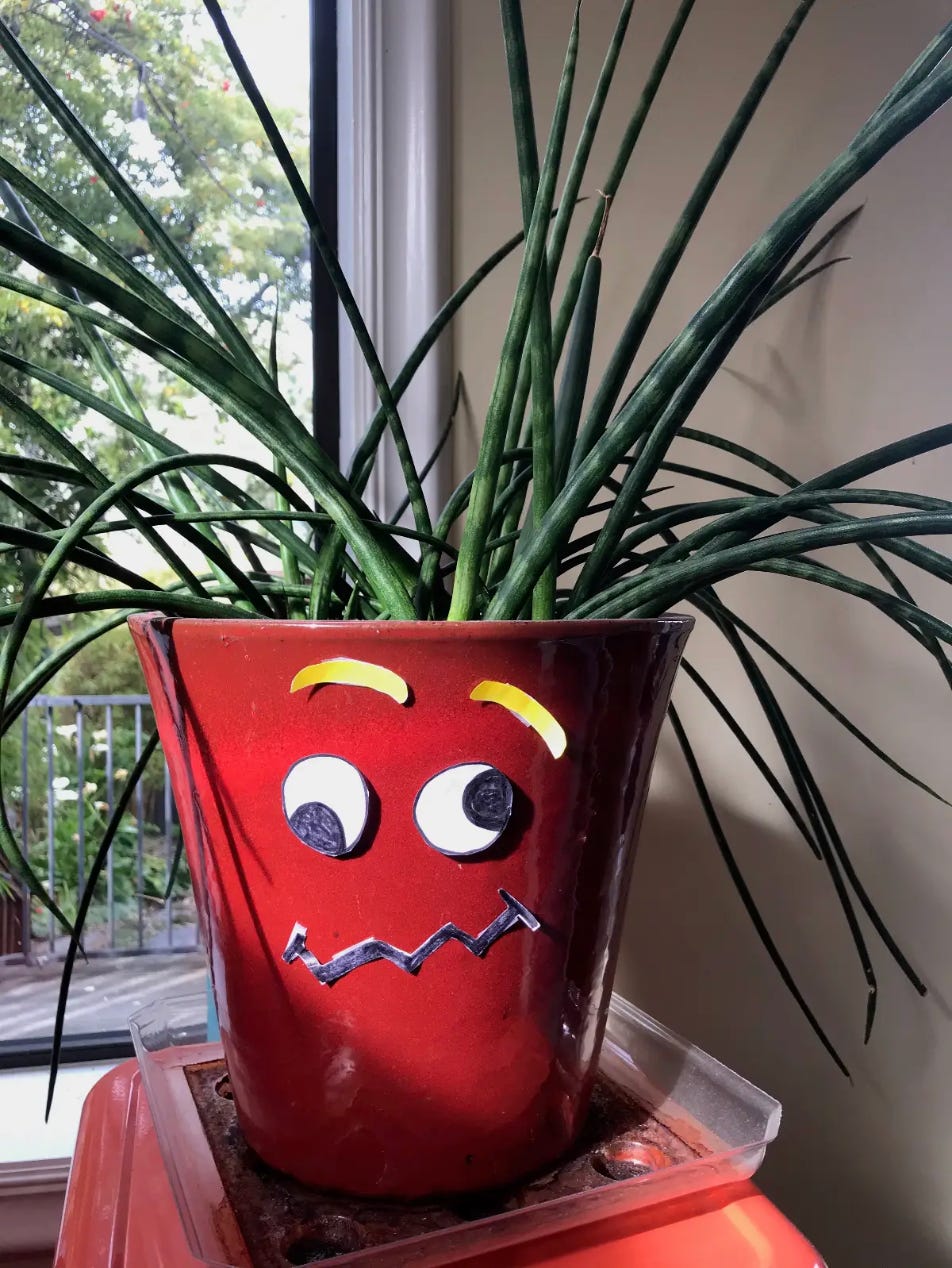
Aww! So cute!
If you’re a reader, please let me know if you’d like me to feature a favorite author of yours.
If you’re an author, I hope this left you inspired!
If you enjoyed reading this post, please consider showing your support by ordering my books, requesting them at your library, leaving a GoodReads review and/or suggesting my name for author visits/mentor talks!
Schedule me for your next author event
Thank you for stopping by!
No posts
Comments
Nothing yet. Say the first thing.
Sign in to join the conversation.