
It’s garden tour season, and I’m there for it. I’ll visit about 20 gardens on tours this year, significantly below past years but still enough to find new proof that some of the old garden advice is still the best and that gardeners are always coming up with creative ideas.
Also, if you have a favorite garden tour, please let me know! If it’s over for this year, I will try to catch it next year.
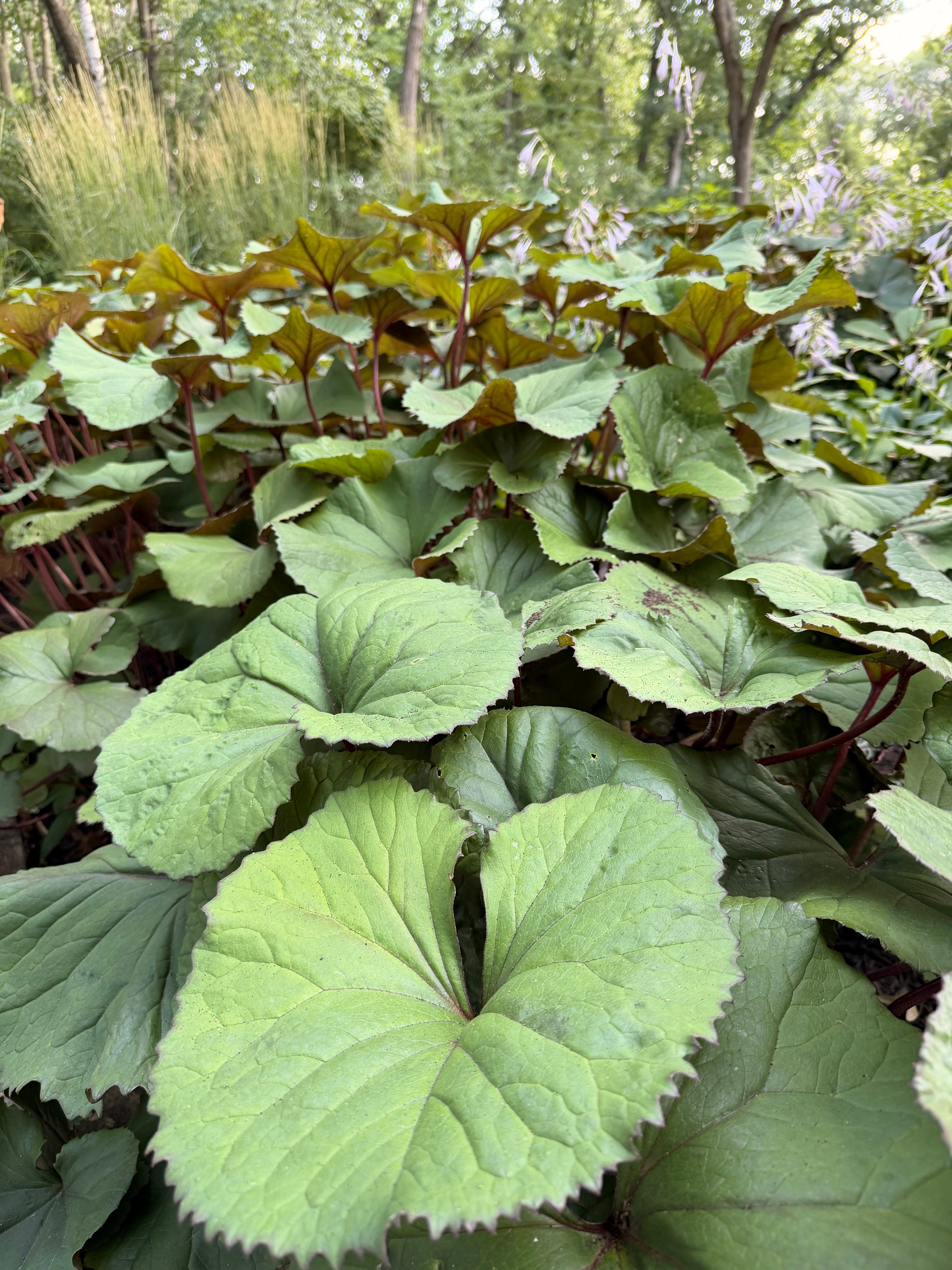
Leopard plant (Ligularia dentata) is a dramatic plant with big tropical-looking leaves and late summer flowers. It’s also hardy to USDA Zone 3, which makes it a favorite with northern gardeners. I’ve never grown it, though, because none of my gardens have had the right combination of shade and damp soil that Ligularia needs to thrive. I never had the right place for this plant. Not so the homeowner on a private garden tour I took this week. The property was in a wooded area with dappled sunlight. The house sat on an elevation, but the soil was damp and the homeowner had installed two pretty ponds in low-lying areas and a dry-stream bed, where water could flow. On the edges of the property, great swaths of Ligularia thrived. Right plant, right place. Here’s another benefit of Ligularia that this gardener in the woods enjoyed — deer don’t like the leaves, which are thick and serrated.
Takeaway: Find plants that absolutely love the soil, sun and care you can offer them. Plant lots of these no-worry plants and save any that require extra supervision for containers and spots near your house.
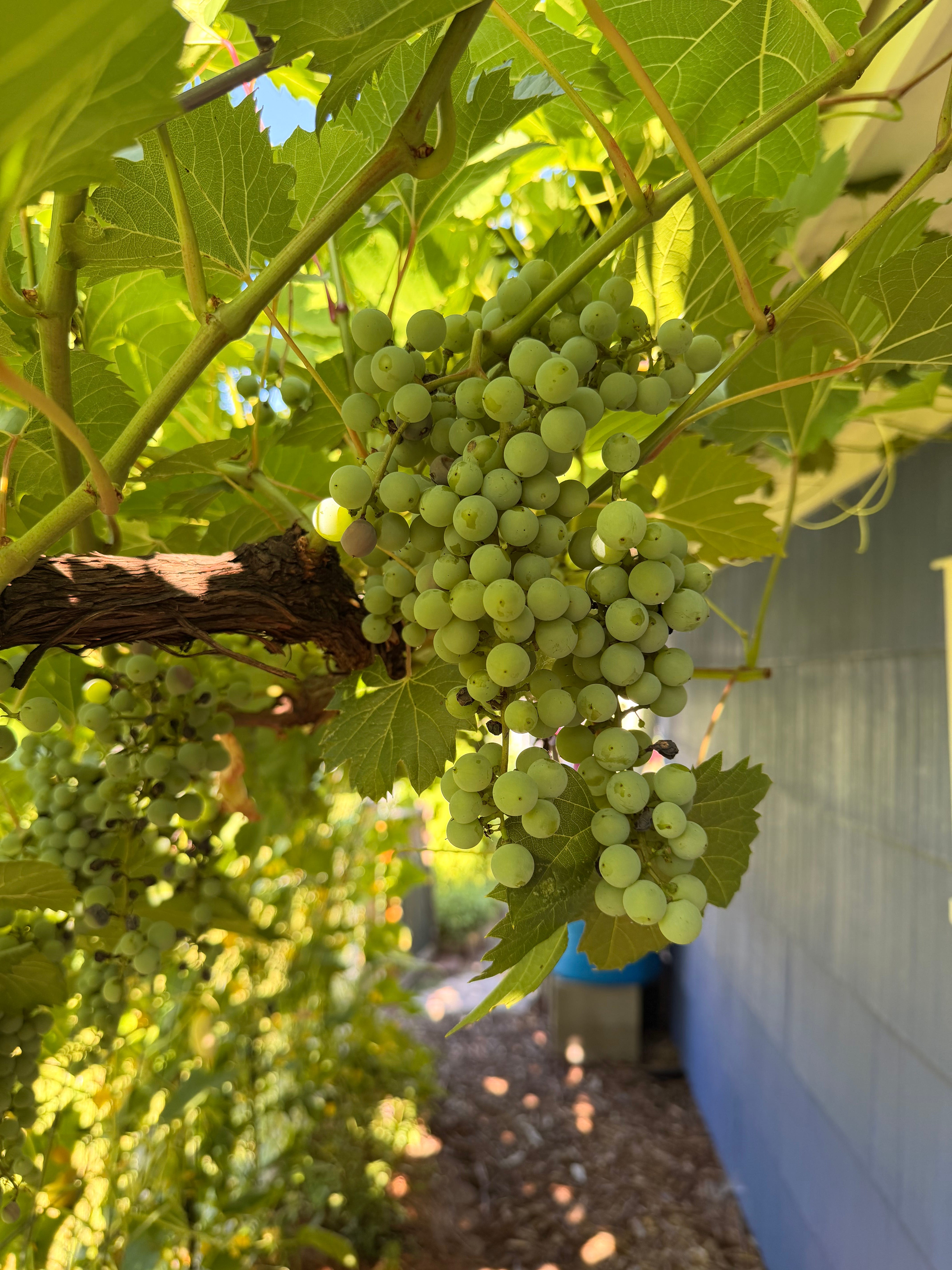
On the Hennepin County Master Gardeners tour, there were several smaller urban lots that showed how valuable the upright space in a garden can be. Tall roses, grapes, cucumbers, beans as well as classics like clematis can add height and usable space to gardens when given a place to climb. The trellises themselves can function as garden art, too. I’ve seen some incredible trellises and climbing structures made of branches recently. Purchased items can complement your house and garden, too.
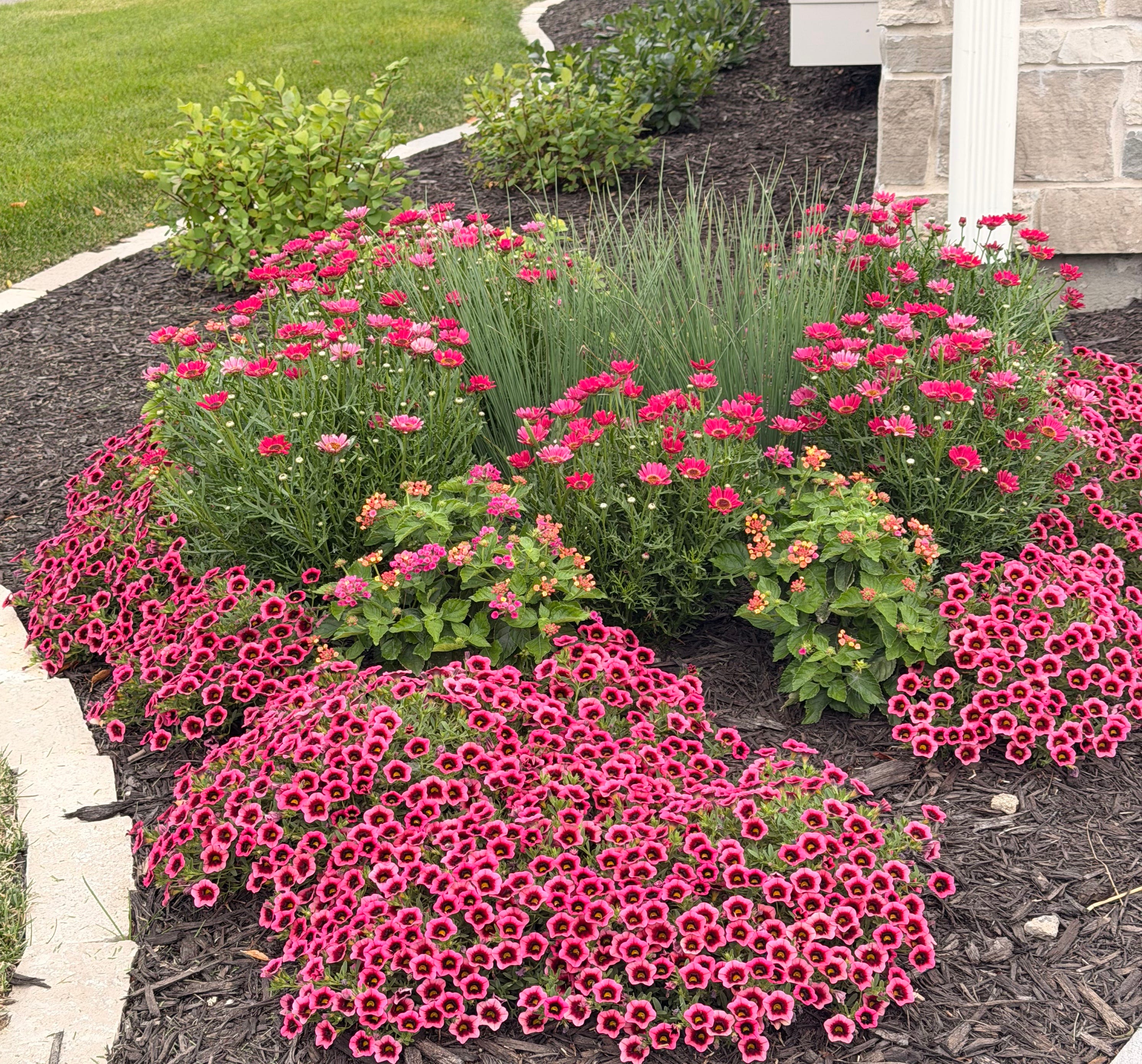
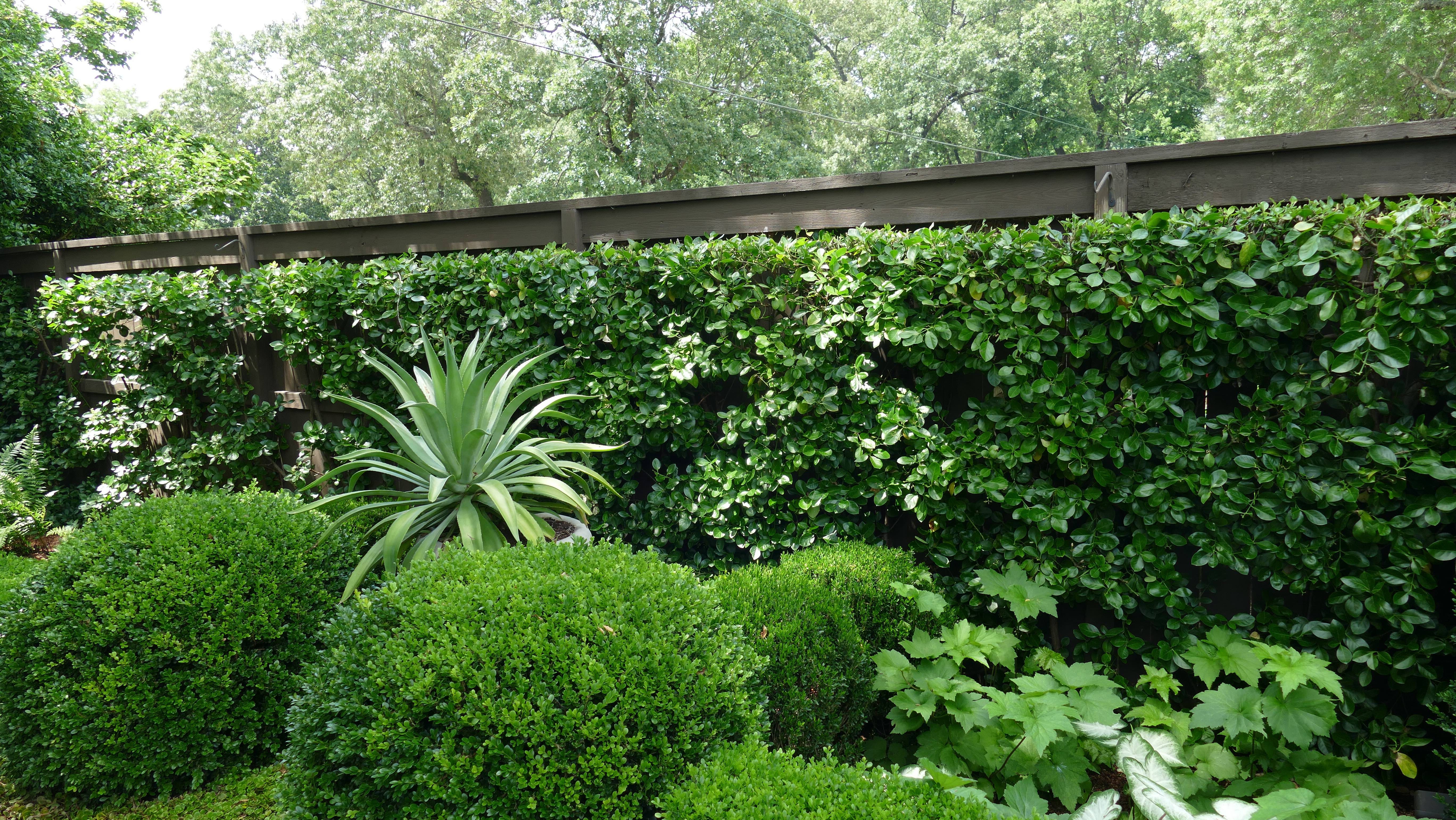
Creating mixed containers and planting combinations is an art — and if you are good at it, congratulations. But lately I’ve noticed that monochromatic areas, such as planting beds with textural green plants or containers with only one color or one type of plant have their own kind of magic. Consider the bright magenta planting area above, which stands out in a newer neighborhood, or the all-green border below, which is anything but boring.
Takeaway: If you are doing a single plant or single color container, make sure the pot itself is a stand out. If it’s an all green space, add lots of texture and variations in color hues.
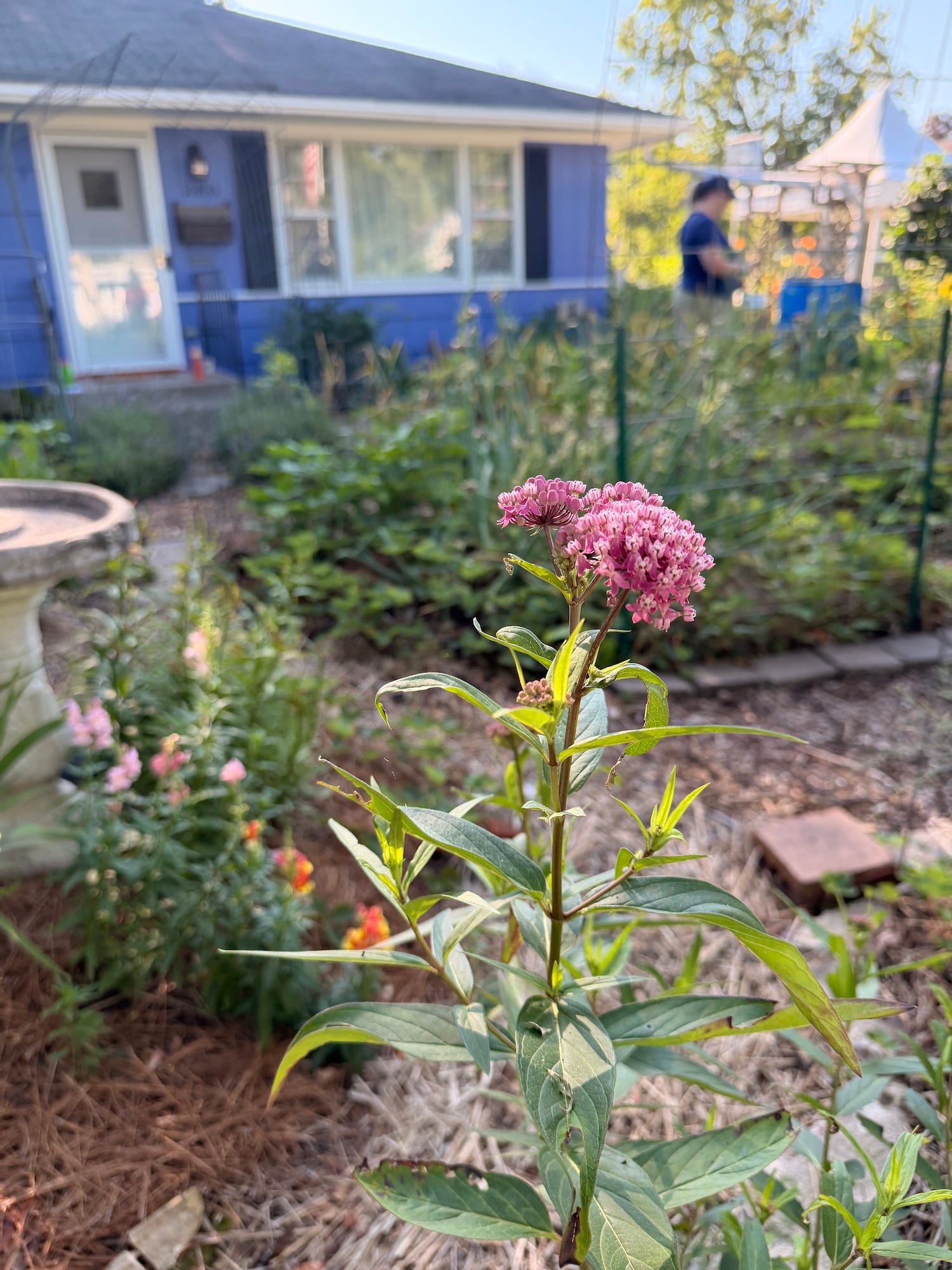
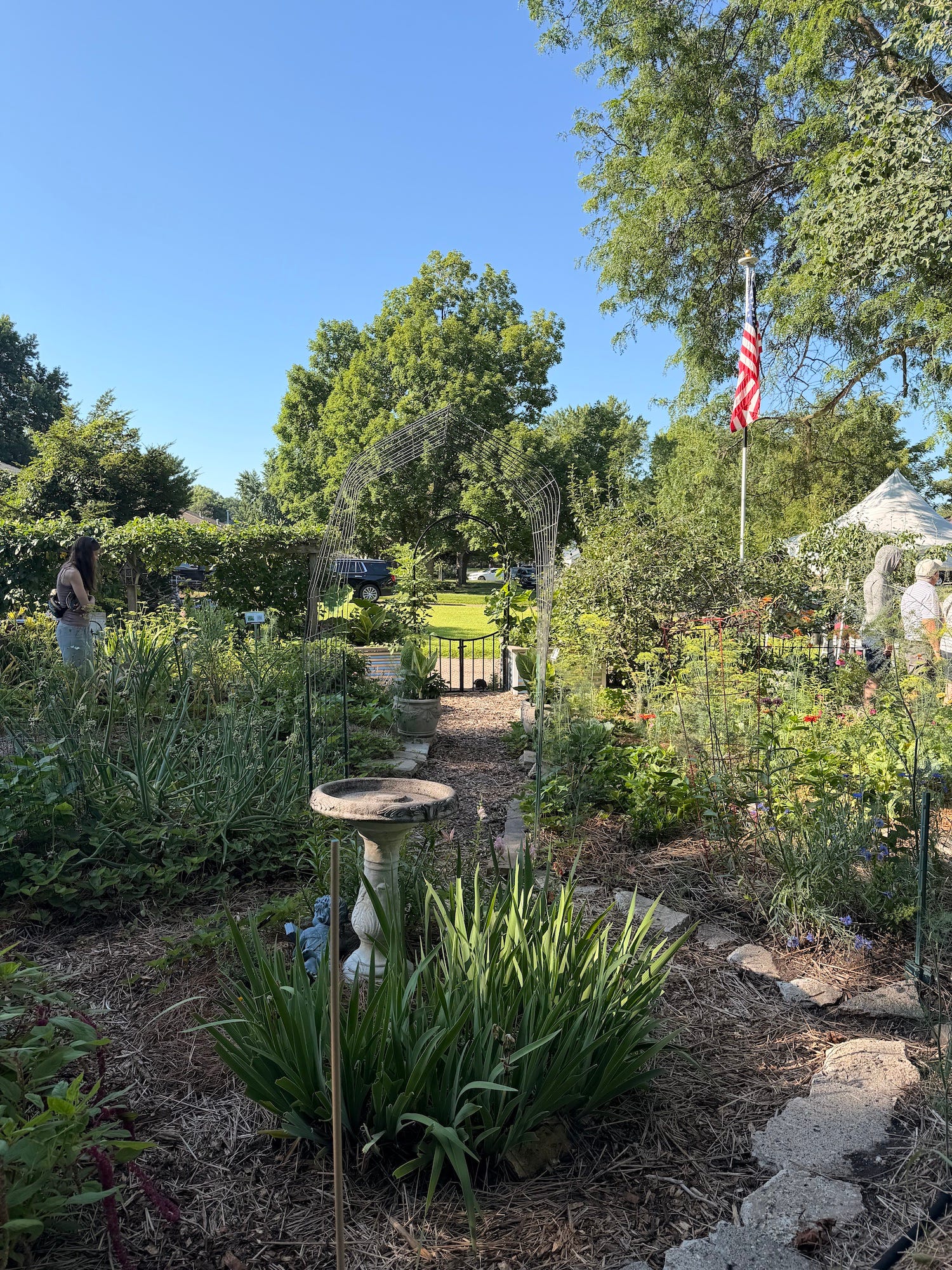
Unless neighborhood rules explicitly forbid it, creative gardeners take advantage of all the sun and space they can find. One of the most interesting gardens I’ve visited this month had only a small amount of turf grass in the back. The rest of the space (front and back) was devoted to growing food and flowers. It was a soothing, comfortable garden and clearly supplied the family with buckets of fruit and vegetables. The front yard (two photos below) featured trellises, statuary, places to sit and other signals that this was an intentional and very beautiful garden.
Thanks for reading Your Northern Garden! This post is public so feel free to share it.
No posts
Comments
Nothing yet. Say the first thing.
Sign in to join the conversation.