
0:00
-5:00
Listen to Mary Morgaine Squire read this post
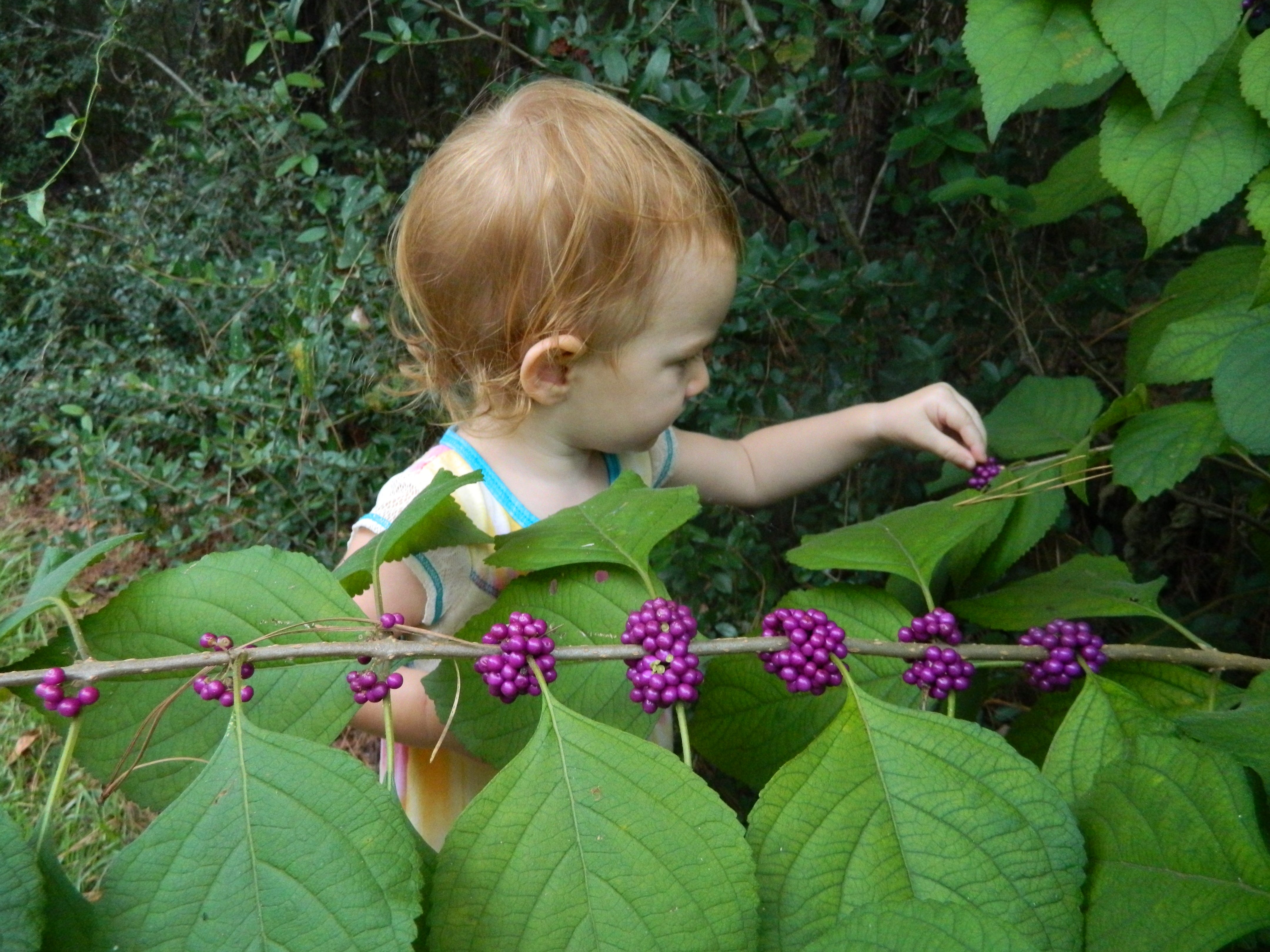
When I lead plant walks, it’s one of my goals to get people out of their heads and into their bodies. I invite folks to lead with their hearts because it’s an effective way to strengthen our connection with the plant nation. I often won’t reveal the name of who the plant is that we are learning from until we have spent time observing, admiring, feeling, smelling, and eating it.
When you put a plant in your mouth, your saliva responds by sending messages throughout your body, and it is my belief that memories stored in our DNA from our ancestors who ate that particular plant (or one related to it) are activated. We suddenly become more knowledgeable about it, even if we can’t yet put it into words. If you want to really know a plant, then let it become a part of you.
When we allow the plant itself to be the teacher, an embodied experience occurs. The information that arises from touching, smelling and tasting plants cannot be received through books, videos or someone talking on and on about a plant. This is why I am so devoted to eating something wild everyday and encouraging you to do the same!!
The scent of a plant awakens my curiosity. The taste- is it bitter? Sour? Acrid? What is the aftertaste? Does everything need to be pleasant in order to engage with it? How does my body feel after eating that leaf? Does the Plantain in October taste like the Plantain in May? ‘To everything there is a season’- plants can remind us to be present with not only our surroundings but the seasons of our lives.
Recently driving across the states and back, I got a firsthand experience of how hard it can be to find something wild to eat everyday. In California in September for example, the ground can look like this for miles on end:
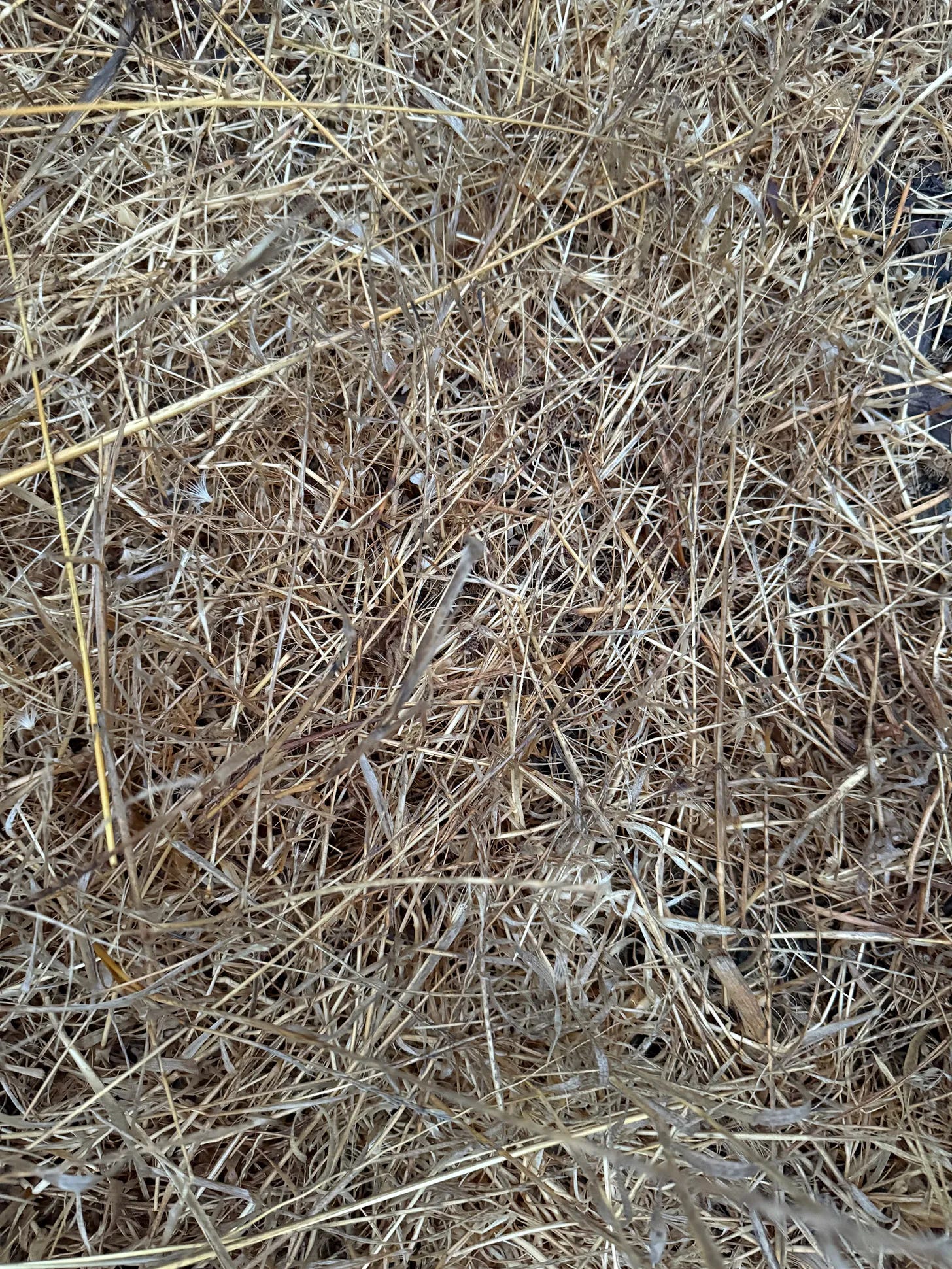
I live in a temperate rainforest and know full well that not everywhere is as abundant as here. But I did manage to find something wild to eat every single day anyway! Hawkweed flowers, Wild Sage, petals of native Sunflowers, Amaranth, weedy Mallow, Pine needles, groundcovers like Twin Leaf and Frogfruit, Plantain and Cactus fruit were just some of the things that would appear. I am talking about taking just a nibble of these plants, as I have mentioned many a time in this eating something wild everyday challenge. That’s all it takes to give us the sacred pause; help us recognize our sense of place; get a free dose of vitamins, antioxidants and enzymes; and become that much closer to our plant allies.
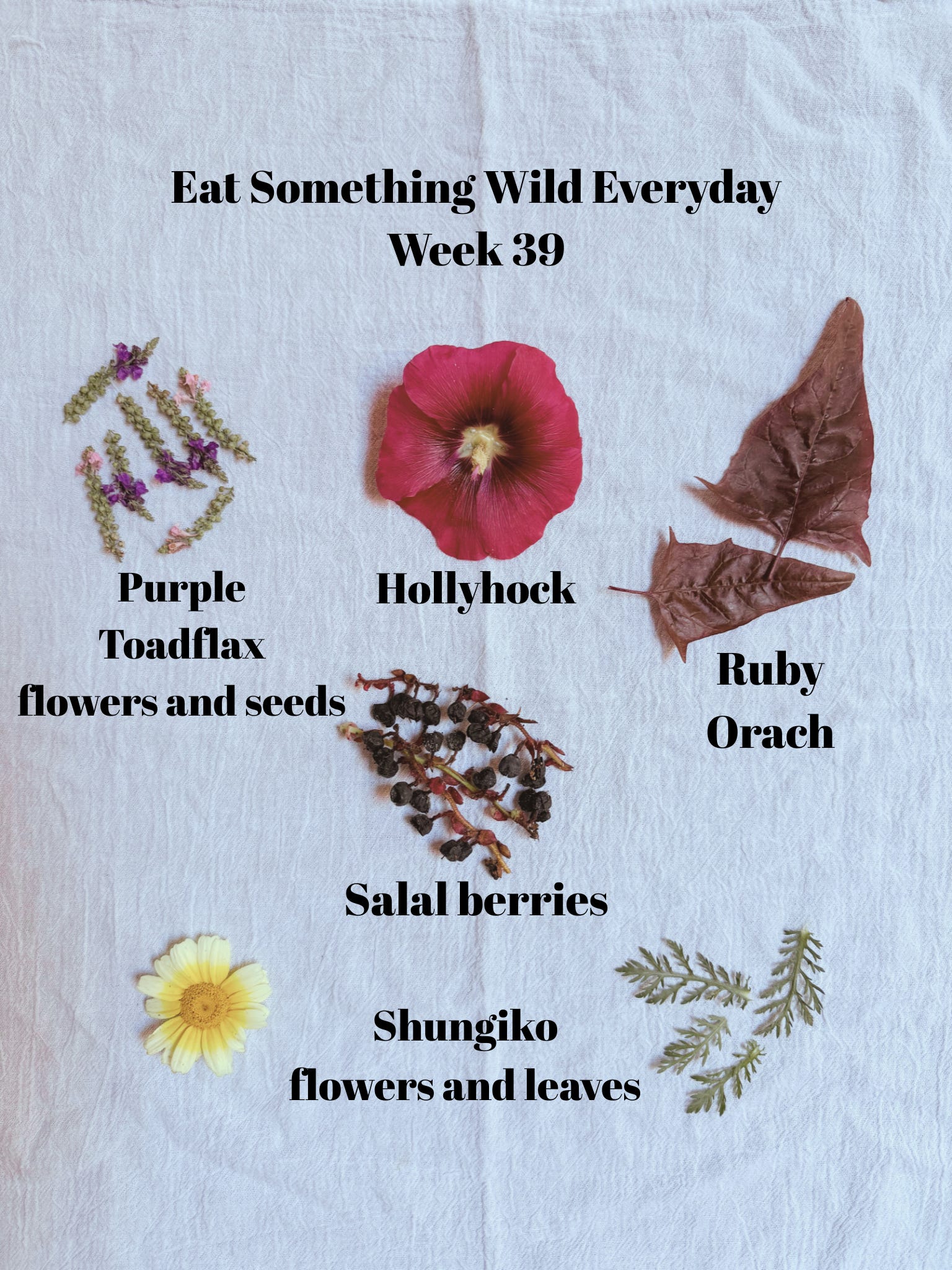
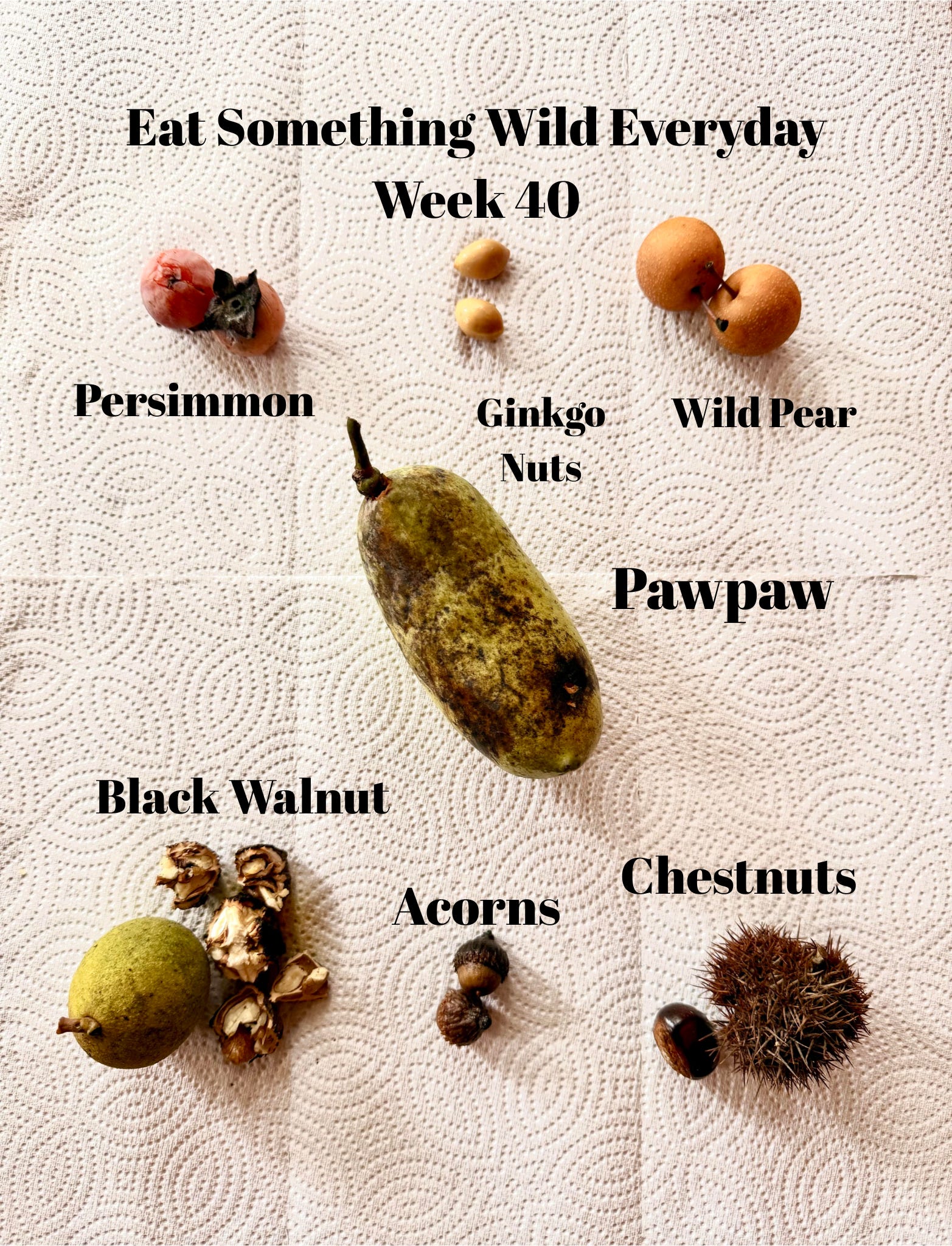
It is now Week 40 of 2025 and of the Eat Something Wild Everyday Challenge! I do a more detailed recap of the plants from the weekly graphics every three months so you can have a list of their botanical names, the best way to consume them and how I think they taste or some little tidbit. And it’s that time again!
January thru March can be found here, and April thru June here. And now I present to you 98 edibles found in summertime in the northern hemisphere!
****** This challenge is not an identification class, so whatever plants I share, please only eat them if you are 100% sure you can identify them correctly and that they are growing in a toxic-free zone. If you live nearby (Asheville, NC), you can attend my monthly Earth Devotion Gatherings, where we meet, greet and eat wild plants, among other glorious things.
(all can be eaten raw unless otherwise noted)
Clary Sage Leaf (Salvia sclarea) Pan fry these in an egg batter or eat raw!
Clary Sage Flower (Salvia sclarea) They taste fruity. Add to salads.
Horseweed (Erigeron canadensis) Has a ‘smart’ flavor, meaning peppery.
Moneyplant Seeds (Lunaria annua) Nice mild spice to sprinkle on your meal.
Persian Jewel Seeds (Nigella damascena) Grind up with sesame seeds for gomasio.
Cleaver Seeds (Galium aparine) Roast these as a coffee substitute or eat raw.
Prickly Pear Flower (Opuntia spp.) Eat raw or add at last minute to soups.
Self-heal Flower (Prunella vulgaris) I bend down and eat directly off the plant:-)
Jewelweed Flower (Impatiens spp.) Eat however you want- not much flavor.
Hopi Amaranth Flower (Amaranthus cruentus) Sprinkle on potato cakes.
Cinquefoil (Potentilla spp.) Astringent and kinda tough but edible all the same.
Poppy Seeds (Papaver spp.) Add to your favorite lemon poppyseed muffin recipe.
Wild Yarrow Flower (Achillea millefolium) So strong flavored, eat it alone.
Hardy Begonia Leaf (Begonia grandis) Pleasantly sour leaf as a salad addition.
Bamboo Shoots (Arundinaria gigantea) Needs processing to access edible interior.
Boehmeria (Boehmeria spp.) A Nettle substitute, same family, no sting.
Fennel Leaf (Foeniculum vulgare) Use in stir fry’s or salads.
Fennel Flower (Foeniculum vulgare) Decorate cakes or add to salads.
Air Potato Bulbils (Dioscorea polystachya) Raw or boil like potatoes.
Bear’s Foot Flower (Smallanthus uvedalia) Eat a petal when you walk by it.
Sumac Berries (Rhus typhina) Beloved native spice! Make Za’atar.
Sochan Petals (Rudbeckia laciniata) Eat a petal when you walk by it.
Jiaogulan (Gynostemma pentaphyllum) Eat a leaf for a hit of energy!
Jumpseed Leaf (Persicaria virginiana) Not much to it but edible.
Jumpseed Flower (Persicaria virginiana) Even less to it but edible.
Echinacea Petals (Echinacea spp.) Petals only because the center is spikes!
Spanish Needles Leaves (Bidens alba) A delicious pot herb.
Spanish Needles Flowers (Bidens alba) Just nibble- too little to do much else with.
Slippery Elm (Ulmus rubra) It’s the inner bark and I don’t know how to process it into a powder so I just chewed on it. Tastes sublime.
Hoarsebalm (Collinsonia canadensis) People call it Horse Balm but it’s Hoarse balm because the root heals strained throats. Leaf and flowers smell and taste lemony.
Chicory Leaf (Cichorium intybus) Mildly bitter. Good in stews.
Sourwood Leaf (Oxydendrum arboreum) Believe it or not, it’s sour!
Agrimony Flower ( Agrimony spp.) Small, potent taste to nibble.
Agrimony Seed ( Agrimony spp.) Same as above.
Jumpseed Seeds (Persicaria virginiana) Nothing to write home about.
Burdock Petals (Arctium lappa) Tiny little things to nibble.
Sow Thistle Bud (Sonchus spp.) I actually love these tips to chew on.
Sow Thistle Flower (Sonchus spp.) Kind of bitter, just taste it.
Nasturtium Leaf (Tropaeolum majus) Spicy yum! Salad green.
Fennel Seeds (Foeniculum vulgare) Natural breath freshener.
Jewelweed Stems (Impatiens spp.) Get it young and stirfry it!
Tall Wild Lettuce Flower (Lactuca canadensis) Purple flowers so special, just taste.
Wild Grapes (Vitis spp.) Eat them like you would cultivated grapes, or make wine.
Brown-eyed Susan (Rudbeckia triloba) Decorate cakes or add to salads.
Orange Coneflower (Rudbeckia fulgida) Decorate cakes or add to salads.
Compass Flower (Silphium laciniatum) Decorate cakes or add to salads.
Sawtooth Sunflower (Helianthus grosseserratus) Decorate cakes or add to salads.
Wingstem Flower (Verbesina alternifolia) Decorate cakes or add to salads.
Cosmos (Cosmos sulphureus) Decorate cakes or add to salads.
Showy Sunflower (Helianthus divaricatus) My last ditto remark on decorate or salad.
Nasturtium Flower (Tropaeolum majus) Garnish any dish with this.
Evening Primrose Seeds (Oenothera biennis) Add as a sprinkle or to breads.
Clearweed (Pilea pumila) Refreshing plant to eat raw.
Ginseng Leaf (Panax quinquefolius) Only nibble a section of leaf. Zing!
Hopi Amaranth Seeds (Amaranthus cruentus) Gather alot and make a porridge.
Wild Coriander Seeds (Coriandrum sativum) Add to a Garam Masala or Curry.
Spider Flower Seeds (Cleome spp.) Nice mild spice to sprinkle on your meal.
Persimmon Leaf (Diospyros virginiana) Get it very young and add to soup.
Burnweed (Erictetes hieraciifolius) It’s ok but don’t eat much. Taste a corner.
Jewelweed Seeds (Impatiens spp.) Kinda nutty flavor. Stand at the plant and eat.
Crabapple (Malus spp.) Make some sauce!
Gaura Flower (Oenothera lindheimeri) Can go in your salads- not much taste.
Hardy Begonia Flower (Begonia grandis) Sour and beautiful. Add it to anything.
Joe Pye Flower (Eutrochium purpureum) Not much flavor but a special addition to anything.
Ironweed Flower (Vernonia spp.) Same as Joe Pye.
Sassafras Drupes (Sassafras albidum) Not the greatest tasting but taste it anyway!
Asian Dogwood Fruit (Cornus kousa) I love these things! Reminds me of bananas.
Matt’s Wild Cherry Tomato ( Solanum ?) So abundant and tasty, wow, wow!
Goldenrod Flower (Solidago spp.) Grind and add to a special cornbread!
Lamb’s Quarters Flower (Chenopodium album) Little things to sprinkle on a savory meal.
Rowan Berries (Sorbus americana) Not a great flavor- nibble then leave for birds.
Hawkweed Flower (Hieracium spp.) Collect them and make flower fritters.
Purple Sage Leaf (Salvia leucophylla) Add to soup or sausage instead of garden sage.
Purple Sage Flower (Salvia leucophylla) Love, love this taste!
Prickly Pear Fruit (Opuntia spp.) Be careful sucking out the divine red juice!
Frogfruit Leaf (Phyla nodiflora) Mild taste, just nibble.
Frogfruit Flower (Phyla nodiflora) Ok, I was kind of desperate to eat wild that day.
Mahonia Berries (Mahonia spp.) Tart. Good for you but not the berry for pie.
Kale (Brassica oleracea) One of the best greens raw or cooked! I did not realize it would sow it’s own seeds and volunteer in some climes.
Twinflower Leaf (Linnea borealis) Stiff texture, pleasant taste.
Hare’s Ear (Bupleurum rotundifolium) I already forgot what this tasted like.
Chard (Beta vulgaris) Another volunteer delicious vegetable, wow!
Borage Leaf (Borago officinalis) Just pinch a bit of the scratchy leaf to nibble and taste the cucumber flavor.
Borage Flower (Borago officinalis) Candy, Icecube, Salad garnish, Cake toppers.
Garden Sunflower (Helianthus annuus) What? This can ressed in some Zones? Eat the petlas, then eat the seeds!
Purple Toadflax Flower (Linaria purpurea) Just barely taste this, ok?
Purple Toadflax Seeds (Linaria purpurea) Absolutely terrible flavor I can’t describe.
Ruby Orach (Atriplex hortensis) A hearty volunteer vegetable for salads.
Salal Berries (Gaultheria shallon) Oh my goodness I could eat a bushel of these.
Shungiko Leaf (Glebionis coronaria) Can’t believe how good this plant is in salads.
Shungiko Flower (Glebionis coronaria) Garnish that salad with the petlas.
Persimmon (Diospyros virginiana) When you get a ripe one, it’s the best!
Ginkgo Nuts (Ginkgo biloba) Smells like rotting cheese and kinda taste like it too.
Callery Pear (Pyrus calleryana) Mealy but would feed you if hungry!
Pawpaw (Asimina triloba) One of our most delectable native fruits. Custard texture.
Black Walnut (Juglans nigra) Brainfood with a flavor you’ll never forget but first you have to get to it and that is not easy. Spend about ten minutes to crack and release every nut you eat.
Acorns (Quercus spp.) It’s a process! A long process but if you’ve had acorn flour baked things, you may get hooked.
Chestnuts (Castanea spp.) Wear armor to get out the nut then make sure to knick it before you boil or roast it so it won’t explode and hope that after all that it isn’t full of worms, but otherwise an Amazing nut!!!
Thank you for being in the land of fruits and nuts with me (and flowers and leaves.) You are Amazing!
Comments
Nothing yet. Say the first thing.
Sign in to join the conversation.