
Everyone is talking about the big Swift wedding. The dress. The guest list. The first dance song. We’re thinking about the one conversation that should happen long before any of those details: the prenup.
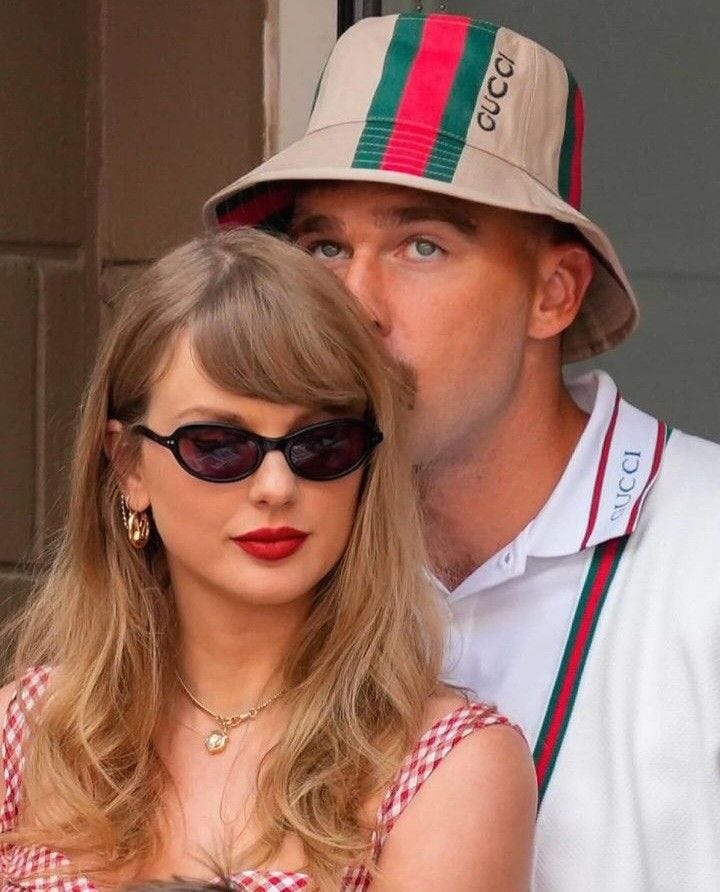
We assume that before any of the fun stuff gets planned, Taylor will make sure what she has built stays hers. Her estates. Her catalog. The multi-millions she’s made on tour. Even as the woman who wrote some of the most romantically vulnerable songs of our generation, Taylor is too smart to let love talk her out of one of the most important decisions you can make in your lifetime.
Let’s talk about what a prenup actually is, because the cultural mythology around it has done a lot of damage.
A prenuptial agreement is a legal contract, signed before marriage, that defines how assets, debts, and financial responsibilities will be handled if the marriage ends, whether through divorce or death.
A 2023 Poll found that about 1 in 5 married couples have a prenup, and 50% of Americans say they're open to the idea. That number is growing. And yet the conversation around prenups still carries this lingering suggestion that wanting one means you’re already planning to leave.

Most people are scared that prenups mean, “If we need a prenup, maybe we don’t trust each other.” “Bringing it up will ruin the proposal energy.” “We don’t have that much money anyway, so what’s the point.” And the most common one, the one that sounds like love but is actually avoidance: “I just don’t want to think about something going wrong.”
A prenup is not a prediction. It is a plan. And real people who love each other make plans all the time. You get life insurance not because you expect to die young, but because you love the people you’d leave behind. A prenup works the same way. It is one of the most financially intimate things two people can do together, sitting down before the wedding and deciding together, honestly, what fairness looks like for both of you.

What it actually protects is more than most people realize. Let’s breakdown what it covers exactly.
Assets & Property
What’s “mine,” “yours,” and “ours” going into the marriage
Property acquired during the marriage
Real estate, investments, business ownership (including instagram accounts)
Debt
Who’s responsible for pre-existing debt
How marital debt is handled if things end
Income & Finances
Whether income earned during marriage stays separate or becomes joint
Bank accounts, spending, financial decision-making
Business Interests
Protecting a business you own (or co-own) from being split
Future business income or equity
Spousal Support (Alimony)
Whether it’s on the table, how much, for how long
Can waive it entirely or cap it
Inheritance & Estate
Protecting assets meant for kids from a prior relationship
How gifts or inheritances are treated
What a prenup can’t do:
Decide child custody or child support (courts won’t enforce it)
Include anything illegal
Waive rights in a way that’s grossly unfair (varies by state)
Joint accounts. Shared TikToks built over years. A couples travel page with 80,000 followers and a brand deal pending. A Spotify playlist that technically lives under his login.
Digital assets are one of the fastest-growing gray areas in family law. If you built an audience together, that audience has value. If one person managed it and the other funded the lifestyle that made it possible, things get complicated fast. And if someone dies? Without explicit instructions, platforms like Instagram and Facebook default to their own policies, which may mean memorialization, deletion, or a legal battle your grieving family did not sign up for.
A thoughtful prenup (or estate plan, honestly) can name who owns what, who controls what, and what happens to shared digital property when the relationship ends, by divorce or death. That includes monetized content, digital storefronts, newsletter subscriber lists, and yes, the joint Airbnb Superhost account you built from scratch.
It sounds absurd until it isn’t. And by the time it isn’t, it’s too late to make the call calmly.
A prenup is one of the most revealing financial conversations you will ever have with a partner. It requires both of you to be fully honest about what you own, what you owe, and what you expect. If that conversation is uncomfortable, that is information (red flag?). If it flows easily and you both feel clearer and more confident on the other side of it, that is also information. And is probably a prerequisite for future hard conversations you will have in your marriage.
And this matters regardless of who earns more. Whether you make more than your partner, less, or about the same, a prenup creates financial independence for both people. It says: I came into this as a whole person with my own financial life, and that does not disappear because we’re building something together. That is not a lack of commitment. That is self-respect. And self-respect, in a relationship, is one of the healthiest things you can bring to the table.

So let Taylor’s prenup be the permission slip you didn’t know you needed. Not because you’re planning for the marriage to fail. Because you built something, and it matters. Because the most romantic thing you can do, honestly, is walk into a marriage with your eyes open.
Protect yourself. That’s the whole point.
This content is for informational and educational purposes only and should not be construed as financial advice. I am not providing personalized investment advice or recommendations. Everyone’s financial situation is unique. Please consult with a qualified financial professional before making any investment decisions. Any strategies or products mentioned reflect my personal experience and are not endorsements.
No posts
Comments
Nothing yet. Say the first thing.
Sign in to join the conversation.