
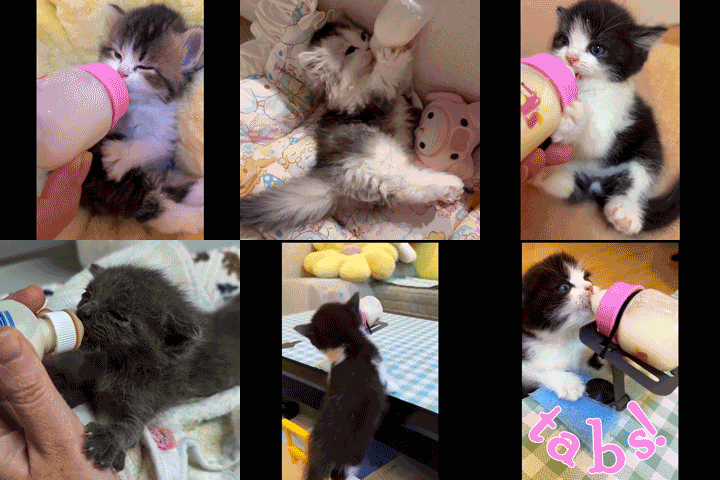
Today I present you with a collection of bottle-fed kittens. I love all the different reactions. For some, milk time means sleepy time, for others the bottle feeding is coupled with excited toe or ear movements; some rely on a helping hand, and others are independent. Or a mix of those things! Kittens certainly do have a range of personalities.
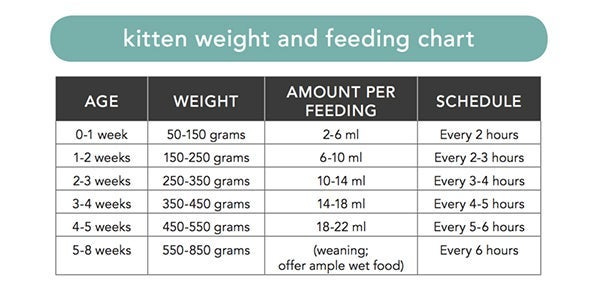
Caring for young, orphaned kittens (or those that must be bottle fed due to rejection or failure to latch) requires commitment and attention to details. If the kitten was nursing from its mother, it would start with many small portions offered at a greater frequency when it was a newborn, transitioning to fewer but larger feedings as it aged. A care-giver must follow the same schedule as mom cat would, carefully monitoring and recording frequency of feeds, quantity of milk, and kitten’s weight.
Nursing kittens require special pet nursing bottles with appropriate rubber or silicone nipples to ensure proper fluid flow and ease of latching. Bottles and nipples must be thoroughly sterilized before use. Hands should be thoroughly cleaned before handling and feeding the kitten.
Kittens must only be fed special kitten formula. Cow’s milk or human formula doesn’t contain the right nutritional balance for cats, and can be dangerous to the young kitty’s health. The special kitten formula must be mixed according to instructions and then warmed, placing the bottle in a hot water bath, never directly heated in the microwave. Similar to feeding an infant human, the formula should be tested for temperature by placing a few drops on the inner wrist, making sure it’s not too hot.
Kittens must be fed belly-down, the same position they would nurse from a mother cat, to avoid choking. They should be allowed to feed at their own pace—squeezing the bottle or otherwise trying to increase flow could result in aspiration. Gently swaddling the kitten to keep it comfy and rubbing the face with a cloth to simulate cleaning by its mother can help them prepare to eat.
After eating, it’s important to clean the kitten’s face, removing any remaining traces of formula. And then, the all-important elimination sensation must be stimulated. Mother cat would clean the kitten’s genital and anal area to start the process, but with no mom cat, the human must do this step. Using a tissue or a soft cloth, the lower belly, genital and anal regions should be gently rubbed. This should trigger the kitten to pee and/or poop within a minute. Afterwards, the kitten must be carefully cleaned of any waste and gently dried to protect its delicate skin.
Caring for nursing kittens is certainly a commitment, but one that seems quite rewarding for those that have the nurturing skills. Hats off to those fine people that undertake the responsibility. Thanks for saving these young, precious creatures that fill us with such love and happiness.
To learn more about kitten weaning, check out the links below.
Your sources for today’s gif are here, here, here, here and here.
Best Friends: Bottle-Feeding Kittens: A Comprehensive Guide
Esther Neonatal Kitten Alliance: Essential Tips for Bottle-Feeding Orphaned Kittens with Success
Comments
Nothing yet. Say the first thing.
Sign in to join the conversation.