
We got to Maine on Saturday. I’m gutted the minute I arrive. For me, the house is infused with sadness and loss.
My mother died in the middle bedroom upstairs, and my father reached old, old age here. We spread my parents’ ashes in the tidal river that flows below the house. My parents have gone out to sea.
Their voices—especially my mother’s—echo in the honks of herons winging over the marsh at night, and in seagulls’ laughter at daybreak.
At the same time, it’s a joy to be here, a homecoming.
Yesterday, at dusk, the tide was high; the water uncharacteristically still. A school of silver fingerlings (baby striped bass) took turns leaping sideways out of the water. Each splash created a halo of ripples. We watched a constellation of silver flashes—fish scales catching the late afternoon light.
Painting coastal views
I met my friend Amanda Case Millis, a plein air painter, while we were at the Monson Arts Residency in central Maine.
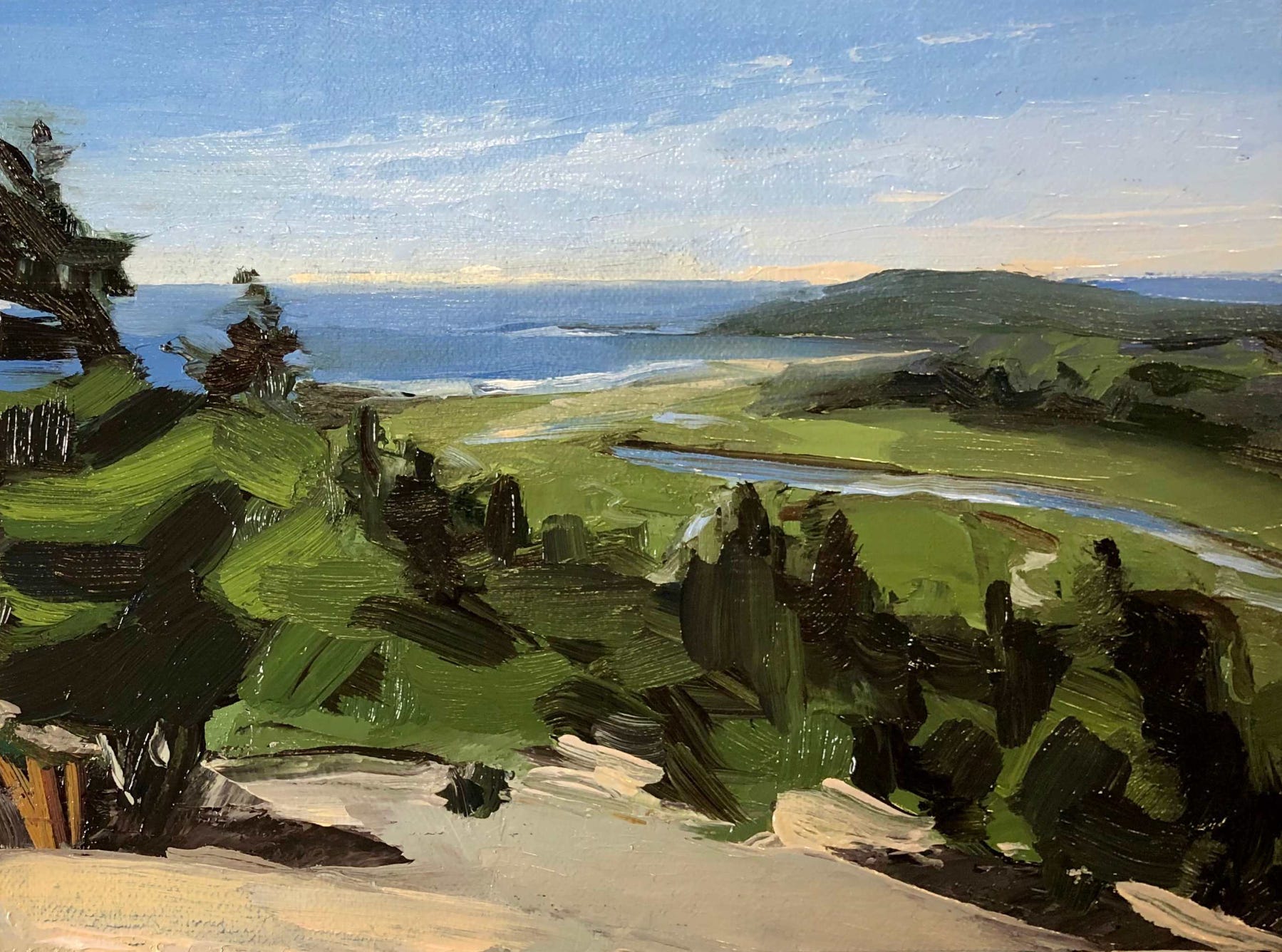
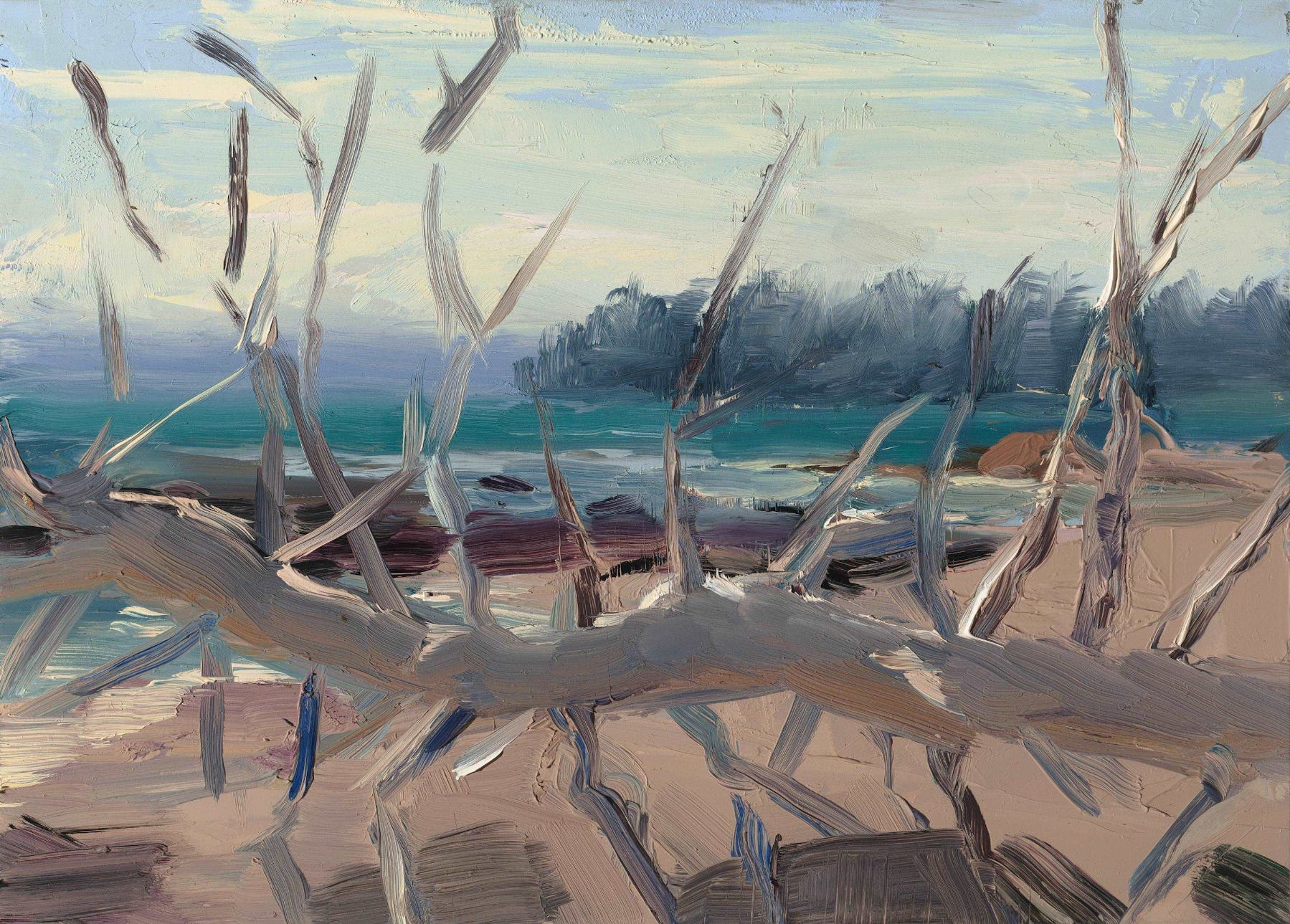
Amanda paints her “personal experience of place, often focusing on light and the way it transforms an environment … landscapes, interiors, windows, structures, trees, and the sea.”
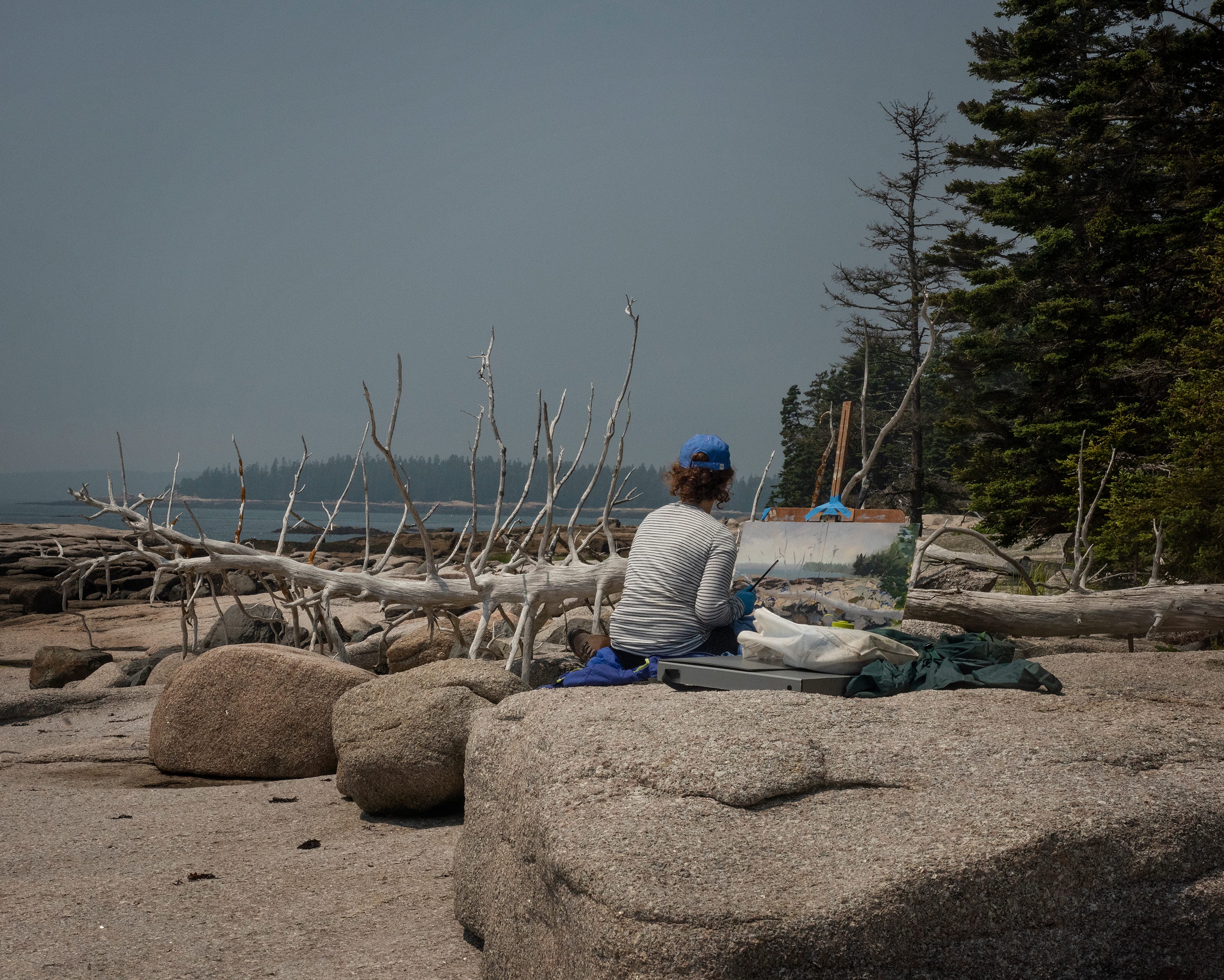
In Amanda’s words:
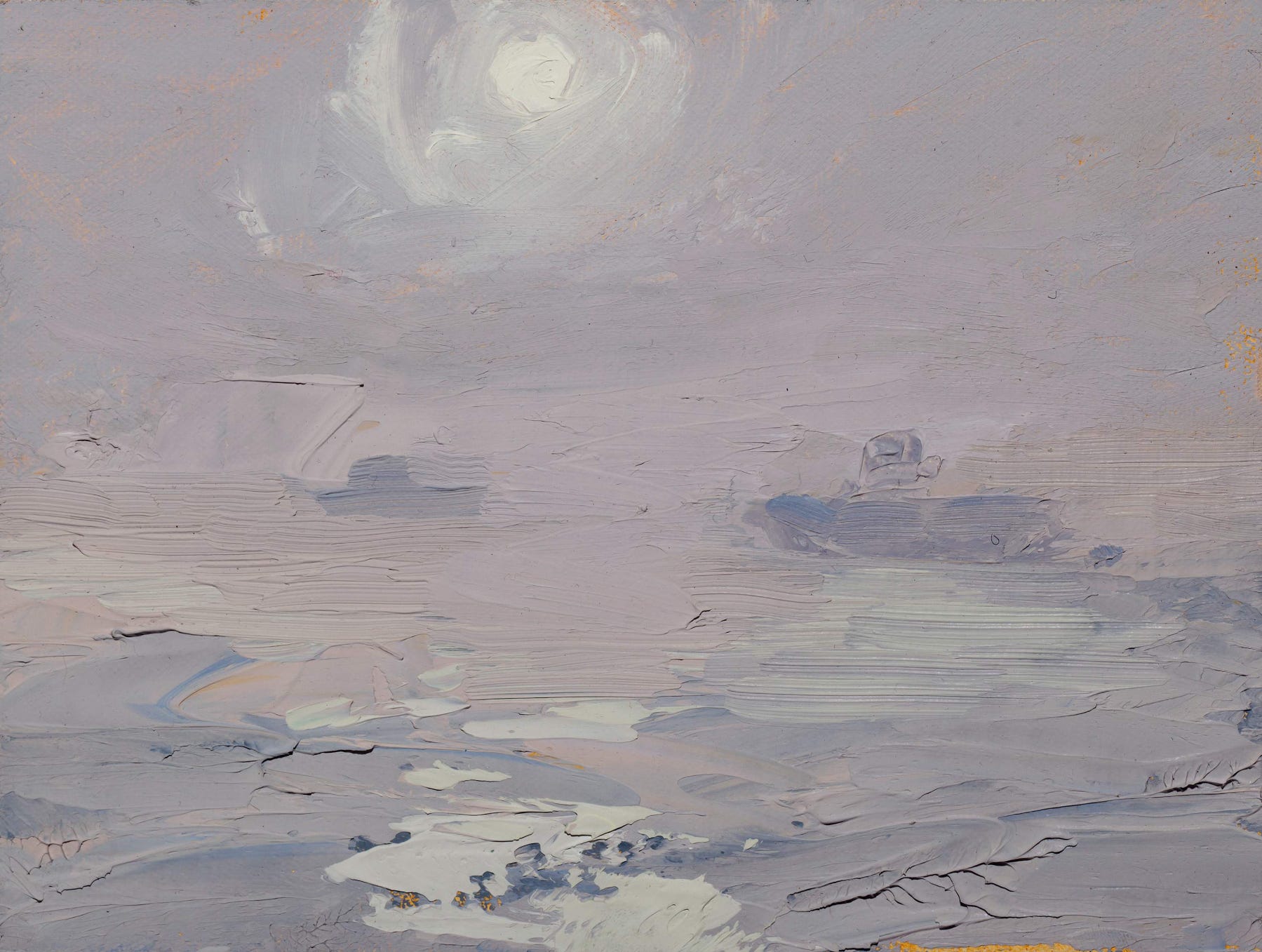
Plein air means working directly from the landscape, on site and in real time. For me, the immediacy of working outside is essential. I must respond to changing light, weather, and conditions—it is visceral and immediate. I don’t have time to overthink and fuss. Often the paintings fail, but sometimes, they capture the feeling I am after.
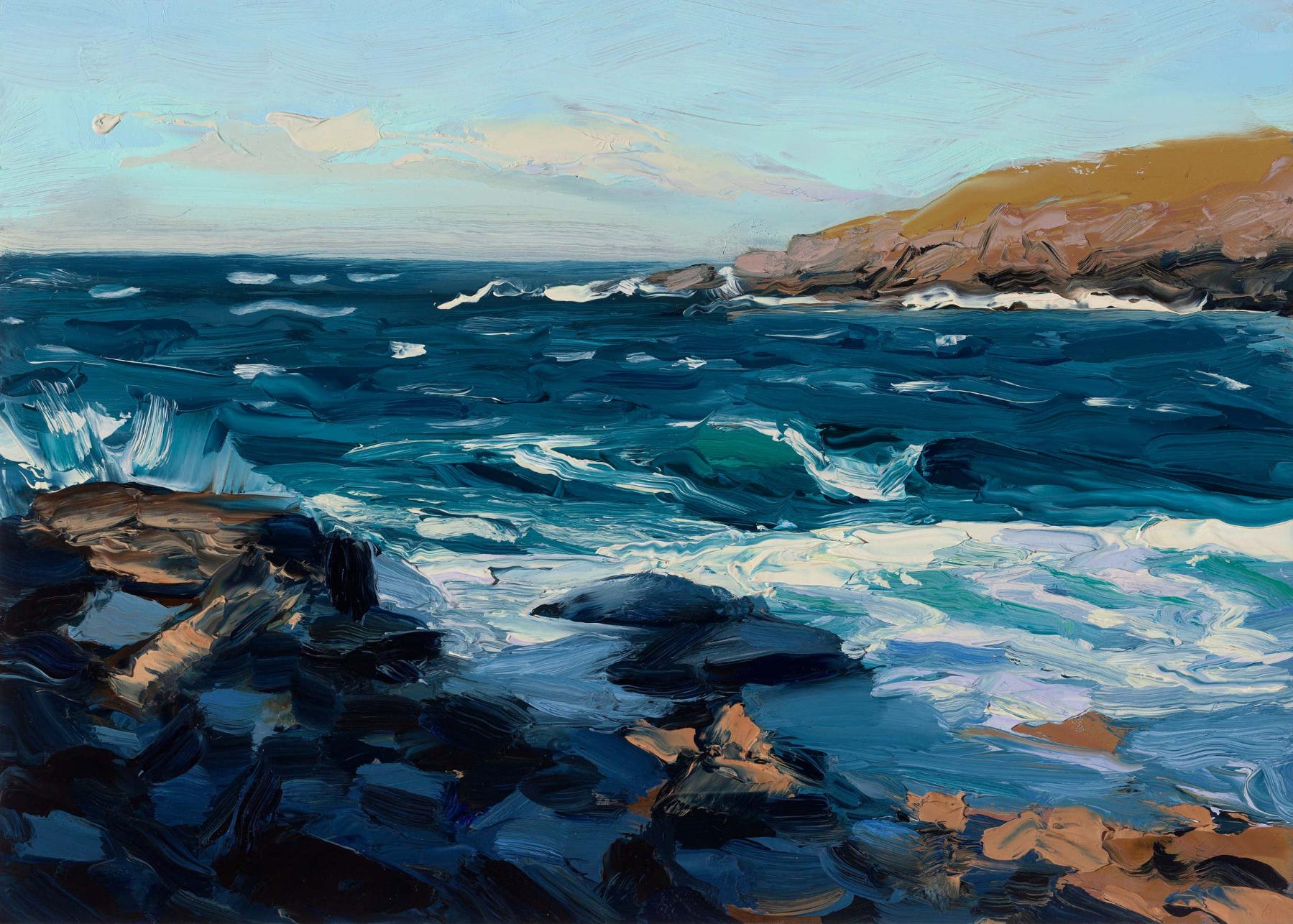
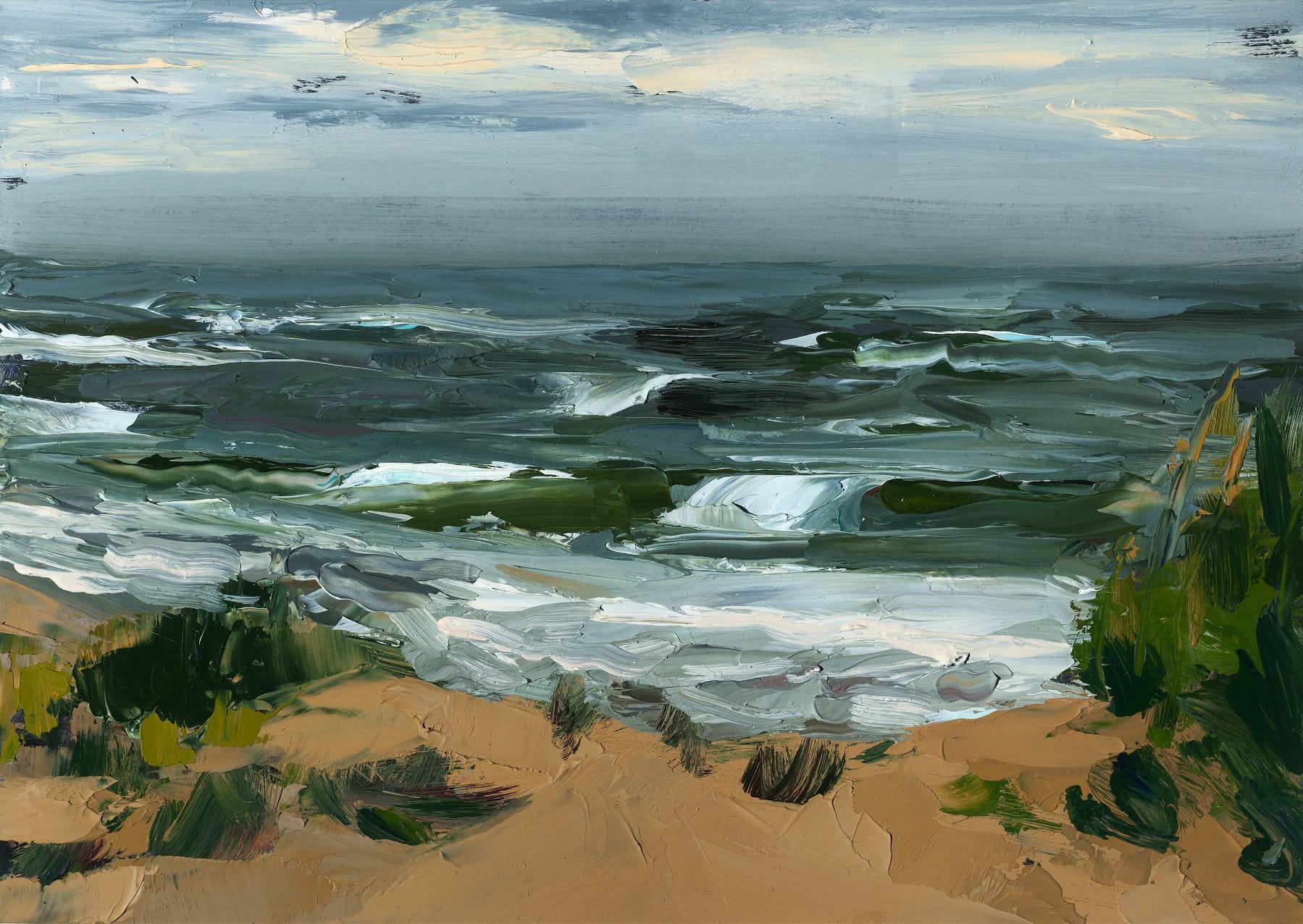
Amanda’s primary medium is oil. She loves “the physicality and versatility of oil paint—the way it can be thin and transparent or thick and opaque, and the way it can be layered, mixed, and sanded.”
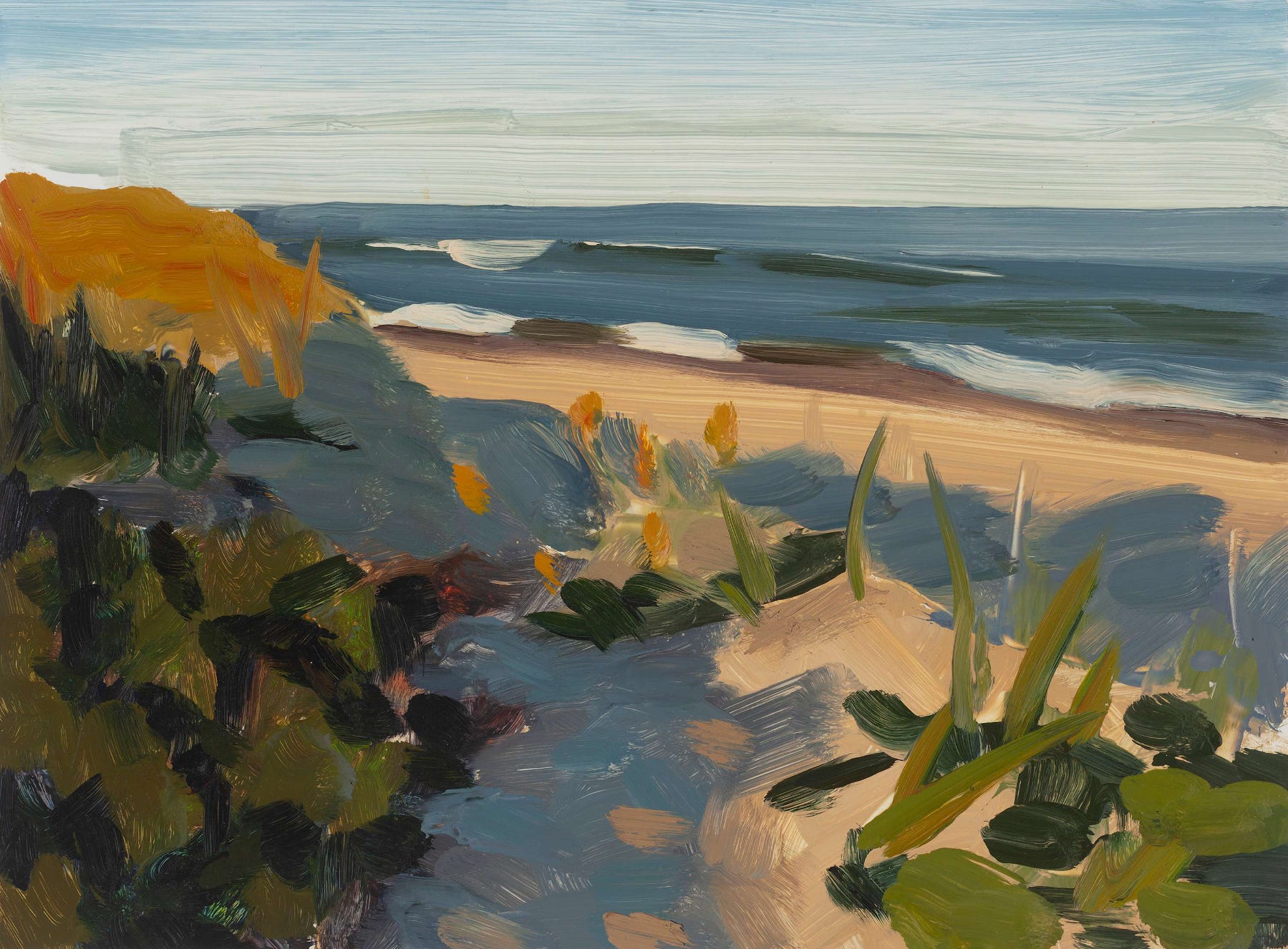
Amanda studied painting at Smith College, attended the New York Studio School, Chautauqua, and did a post bac at Brandeis. She got her MFA from MassArt.
But, as she says, “a huge part of how I learned to paint was simply through doing it—painting from life constantly over the years, working outdoors, going to many residencies, and spending long periods of time with specific places.” Maine and the Cape are close to her heart.
Amanda’s practice makes sense to me. My advice to writers is similar: place tush in chair and write for a bunch of years. This is how I learned to become my own, most ruthless editor. I aspire to become more so.
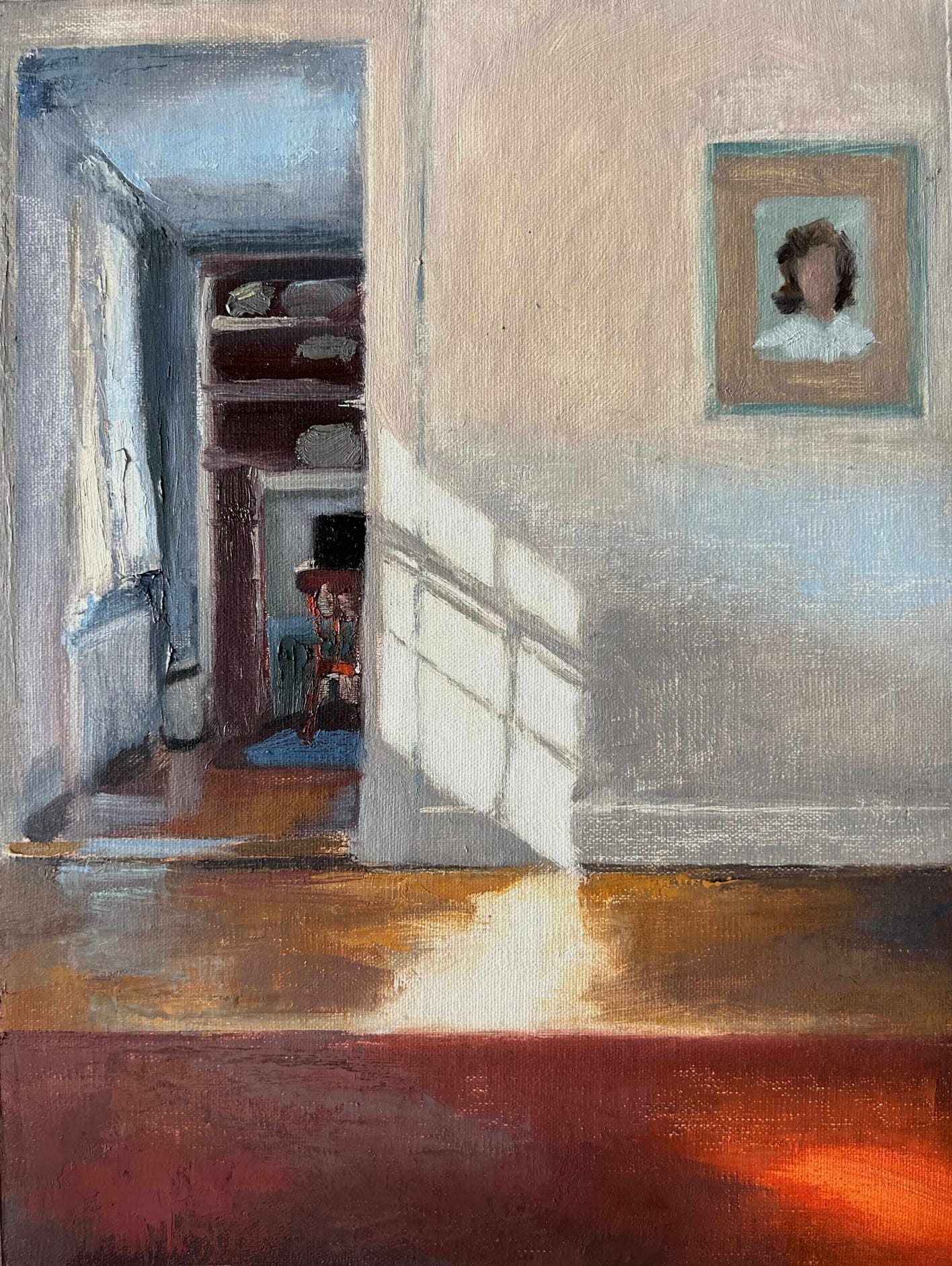
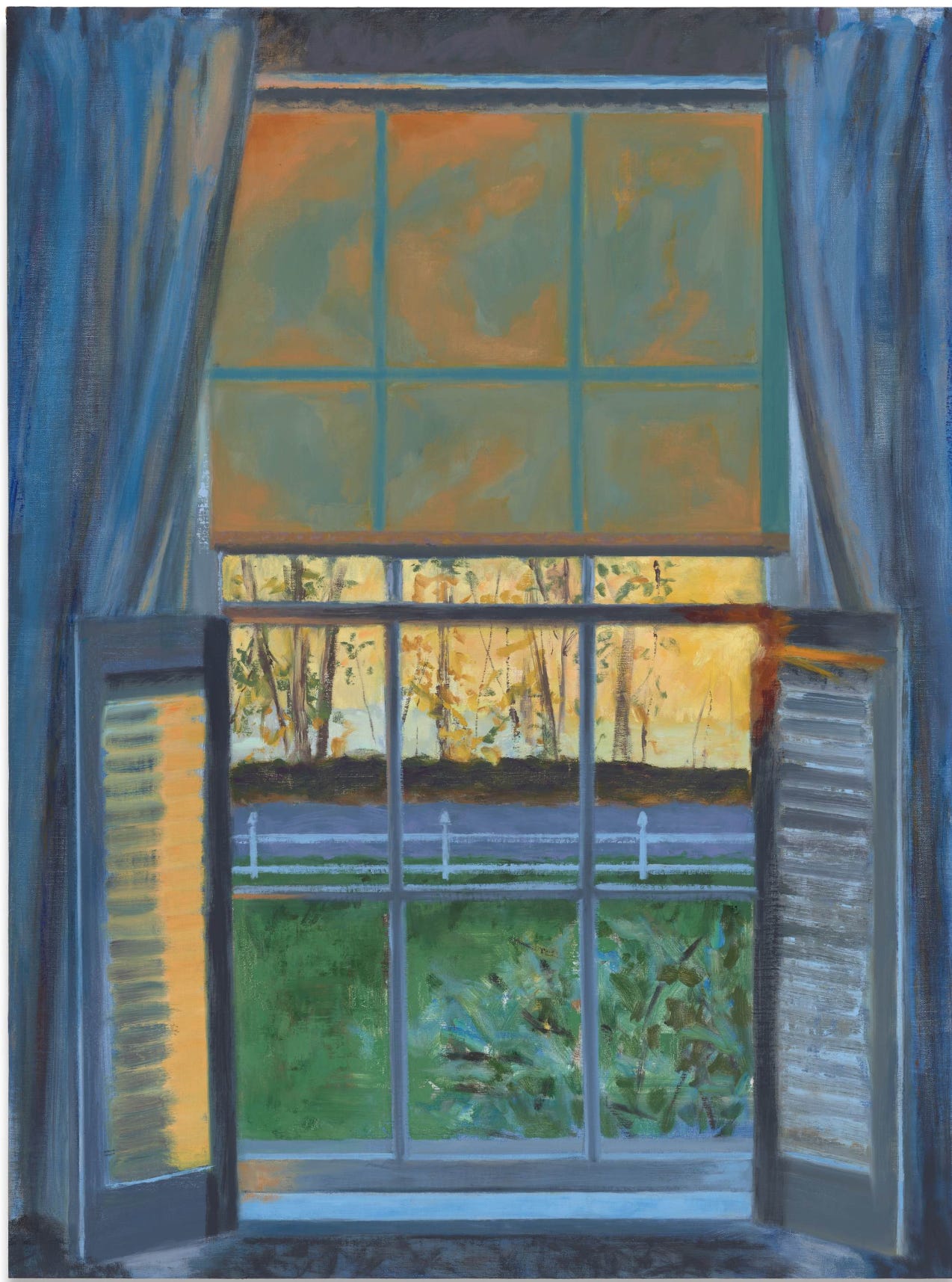
For the past two years, Amanda has been painting the windows of her family’s Cape home, a place she’s known throughout her life—
When I am there, time collapses. I am both grounded in the present and aware of everything that came before. These spaces hold generations of memory alongside the present moment.
Amanda studied a window in her family home at different times of day and in different seasons, revisiting certain views and moving between inside and outside. “The frame remains fixed; what changes is everything within it.”
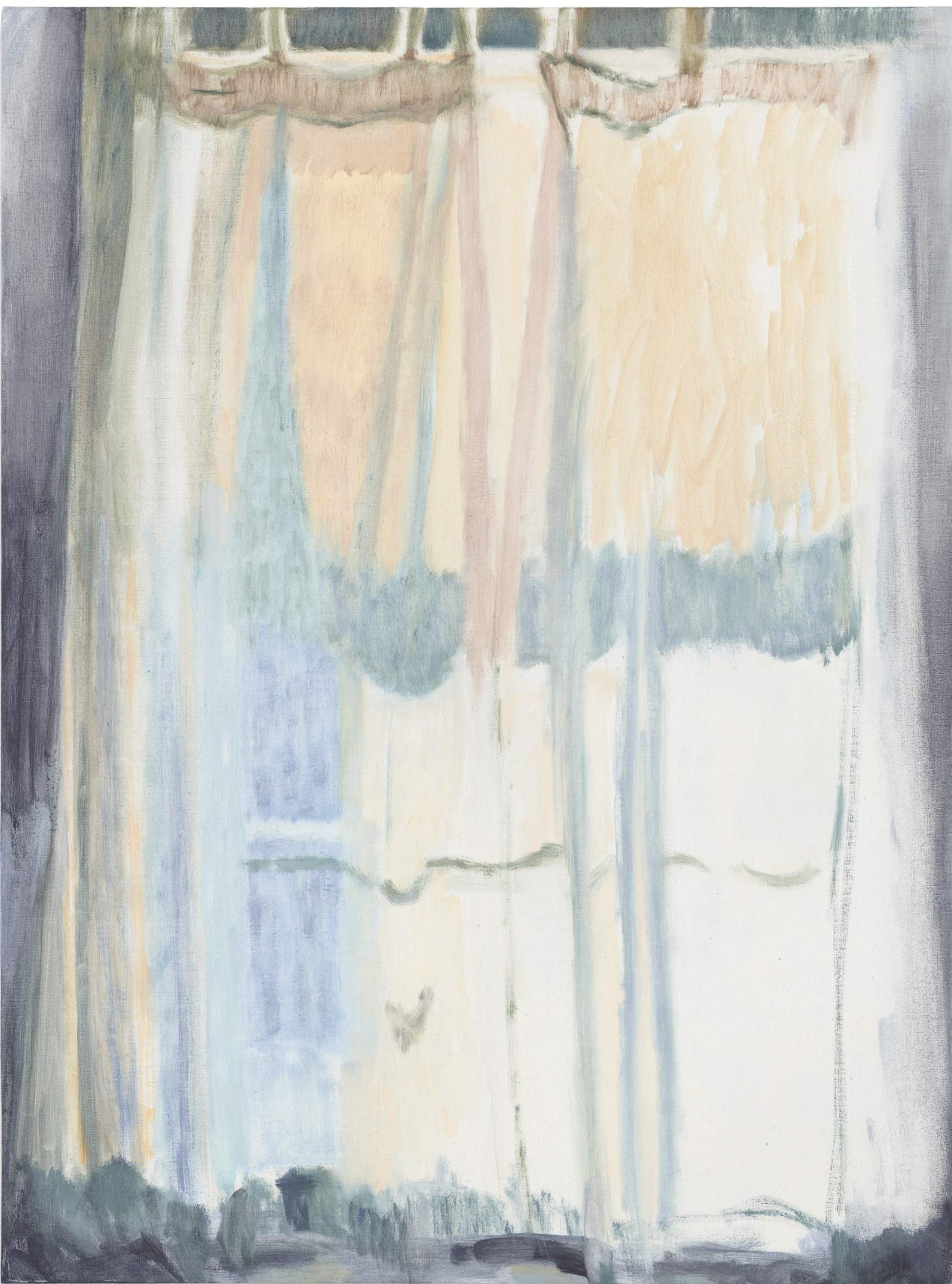
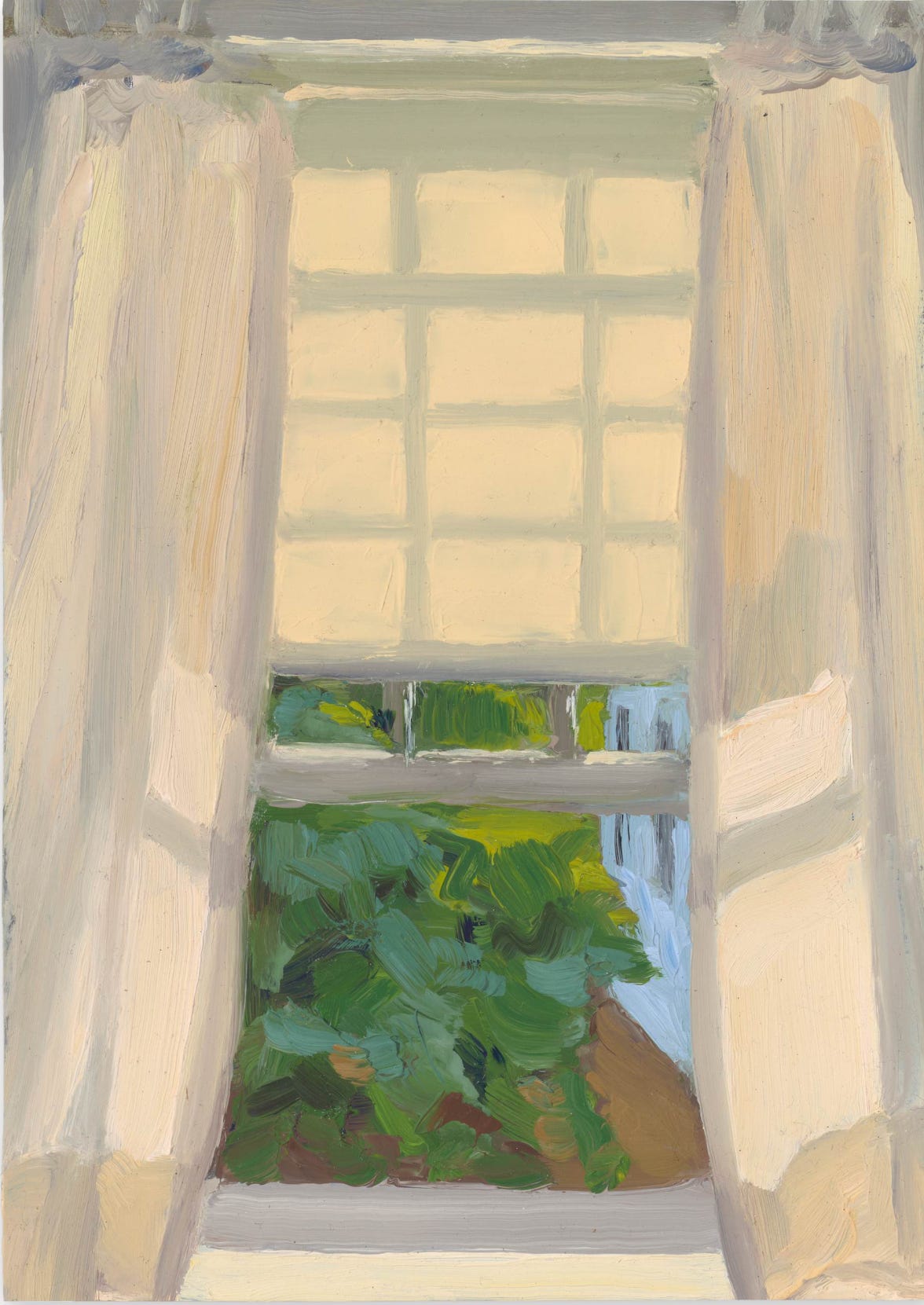
Today, it is foggy and damp.
The placid scene out the window can change in an instant.
I am so grateful to be here.
I close with Amanda’s wisdom: “Painting is an ongoing puzzle that can never be completely mastered. There is always something more to learn from the next painting.”
So too with writing. So too with life!
With love,
Martha
P.S. ICYMI, here’s my most recent newsletter/Substack, “Reading Rebecca Makkai.”
Comments
Nothing yet. Say the first thing.
Sign in to join the conversation.