
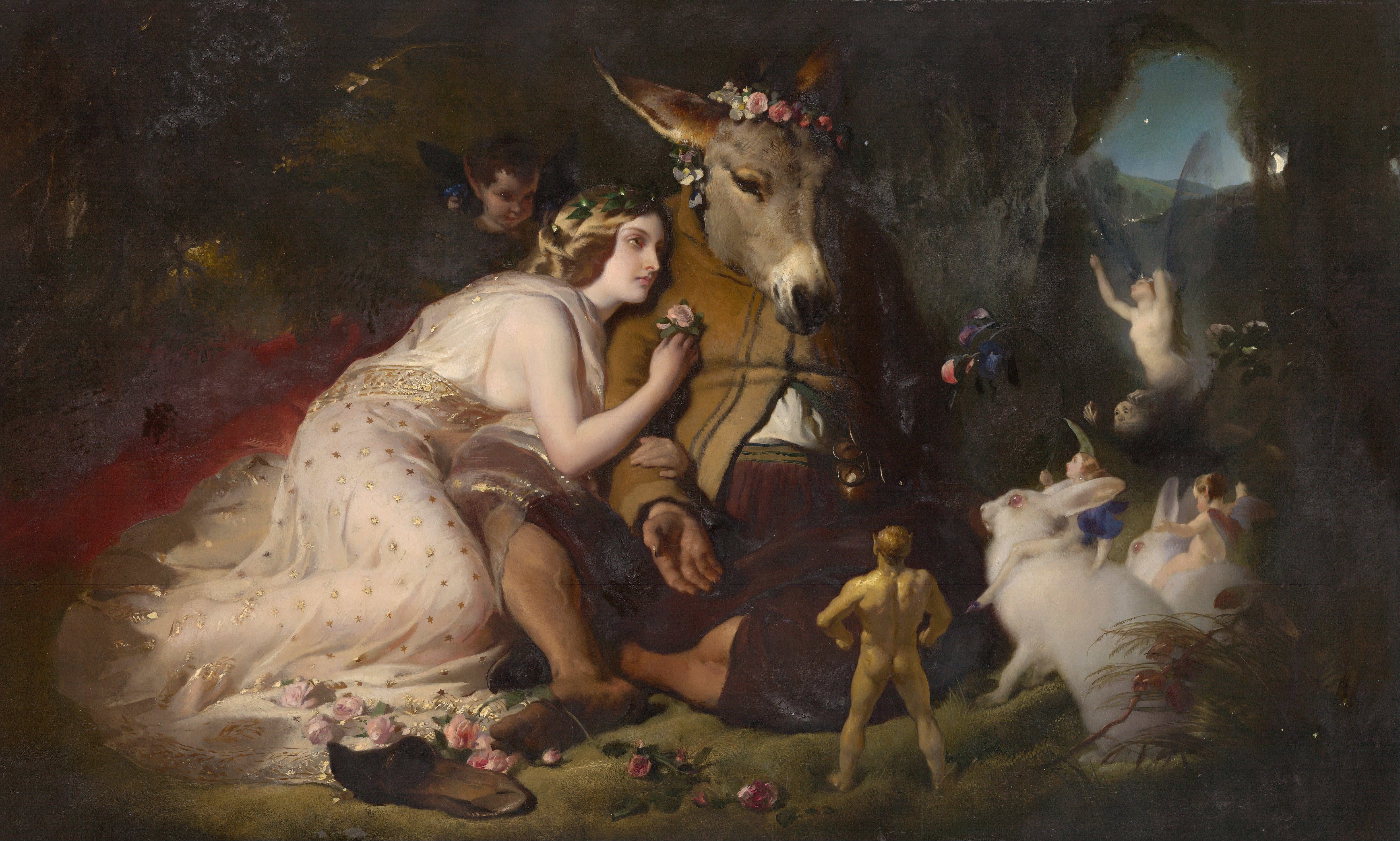
Until not so long ago, the human being was not seen as so profoundly detached from nature. My vision, purely romantic in nature, is that animals were the witches’ first co-inhabitants, creatures that shared the same space and that “communicated” with them on a daily basis. This could also mean interfacing with the spirit of the place, which assumed zoomorphic forms precisely in order to make itself visible to humankind and mediate contact with the invisible forces of the earth. In some records, especially those from early modern Britain thoroughly analysed by historians such as Emma Wilby, the far more complex figure of the Familiar, the familiar spirit, emerges. Inquisitorial theology viewed the familiar as a minor demon sent by the Devil to seal a pact with the witch, transforming the animal into a form of corruption. In popular beliefs, however, the familiar was a spirit of the earth, or an intermediary spirit, sometimes inherited through lineage, which offered protection, divination, and assistance in exchange for nourishment. The familiar provided the witch with powers that her human body did not possess. The animal was one of the keys to unlocking her power. My opinion, and consequently my personal interpretation, while being supported by historical information, follows a slightly different perspective. I therefore invite you, as always, to read these texts with an open mind and discernment.
This piece will explore the figure of the Familiar in detail, moving through and examining what is known as the witches’ bestiary. This text will help you understand the nature of the familiar, and to create an entirely personal symbolic language through the figure of animal spirits. Beyond this, of course, it will allow you to understand its role within folkloric imagination and the symbolic meaning attributed to it within occult practices. Enjoy the read
Comments
Nothing yet. Say the first thing.
Sign in to join the conversation.