
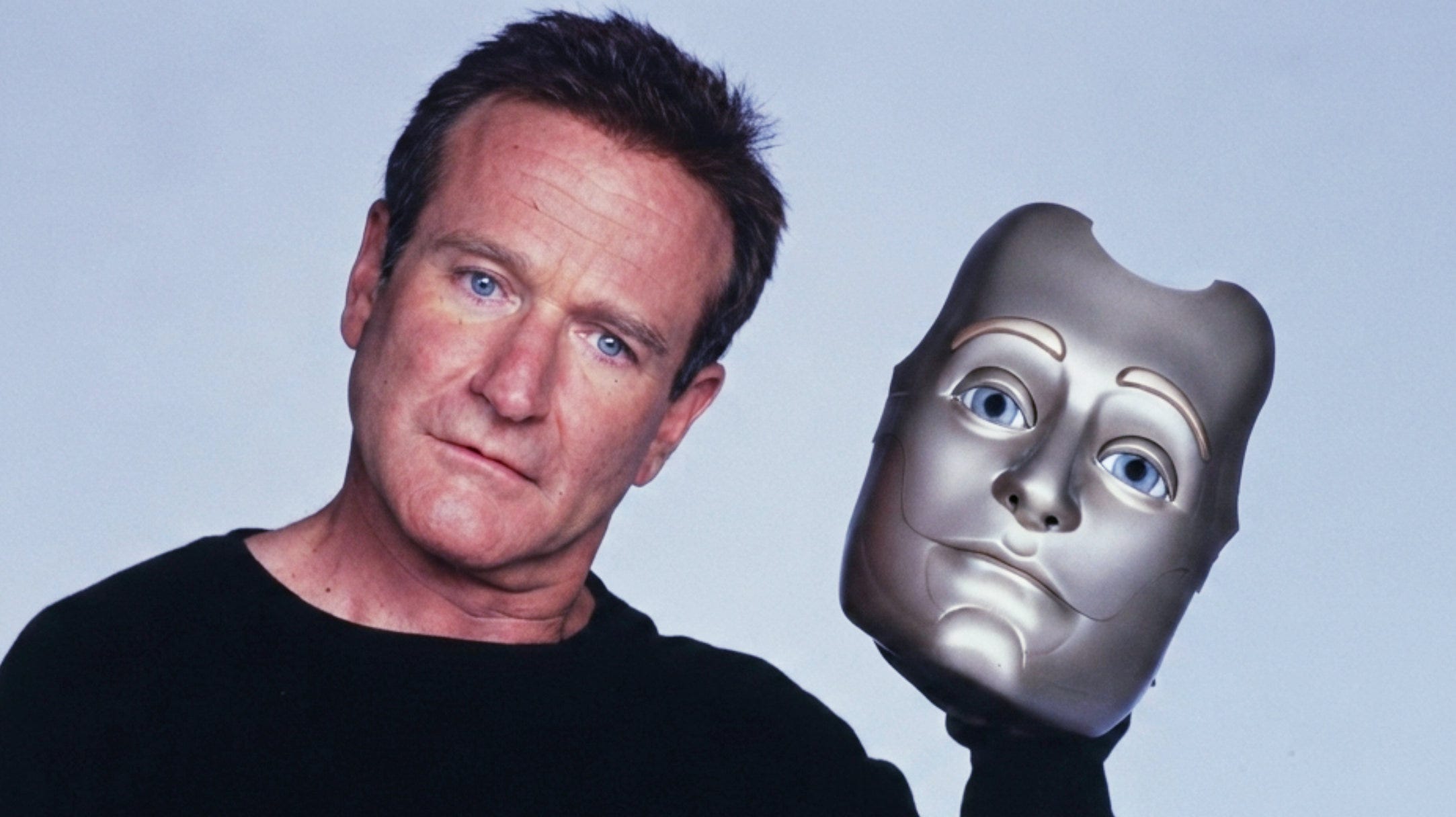
The children of actor Robin Williams (Good Will Hunting, Dead Poets Society, Bicentennial Man) have decided to reactivate his Instagram account with one singular purpose in mind: serving as an online authenticity checker when AI deepfakes of their father pop up online.
“As we recognize what would be our Dad’s 75th year, we’re grateful to see new generations discovering his work while longtime fans continue to celebrate the joy he brought into their lives. As technology evolves, we want this to be a safe, trusted place where the stories, photos, videos, and memories shared reflect his legacy with authenticity, warmth, and care,” reads the message from Zak, Zelda, & Cody Williams on Robin Williams’ Instagram account. “This is our way of sharing his unique talent and humor with the world, including the moments that made us and so many of you laugh, as we remember our Dad’s extraordinary life and work. He continues to inspire us and delight people all over the world.”
Zelda Williams first expressed her distaste for the numerous AI deepfakes of her father appearing online when she posted a message on her personal Instagram account in 2025 in response to the now-defunct Sora app creations from users. “Please, just stop sending me AI videos of Dad. Stop believing I wanna see it or that I’ll understand, I don’t and I won’t,” wrote Zelda. “To watch the legacies of real people be condensed down to ‘this vaguely looks and sounds like them so that’s enough’, just so other people can churn out horrible TikTok slop puppeteering them is maddening. You’re not making art, you’re making disgusting, over-processed hotdogs out of the lives of human beings, out of the history of art and music, and then shoving them down someone else’s throat hoping they’ll give you a little thumbs up and like it. Gross.”
Social Proof vs. AI: The big question is: Will this approach work? Is establishing a social media account where people can check the authenticity of a new viral video or image of a celebrity or public figure enough to push back against potentially damaging or simply inaccurate AI-produced replications of a person’s face, video, or audio? We’re still in mostly unexplored territory, and even the newest laws, like the Take It Down Act, generally only address deepfake porn or advertising disclosures. (The No Fake Act has still not been passed into law.)
Therefore, in these early days, as AI laws are still evolving, I think that the Williams family approach might actually be one of the best techniques for addressing online AI fakes. Yes, it adds work and maintenance to your plate, especially if you’re not fond of social media noise, but at this point, it may be a necessary evil until AI laws catch up to the speed of social media clout chasing.
TO READ THE FULL NEWSLETTER, SUBSCRIBE OR VISIT MARSMag.com
MAN AND ROBOTS is a weekly column from MARS Magazine on AI, Hollywood, and the future of work. All editorial text is written by humans.
No posts
Comments
Nothing yet. Say the first thing.
Sign in to join the conversation.