
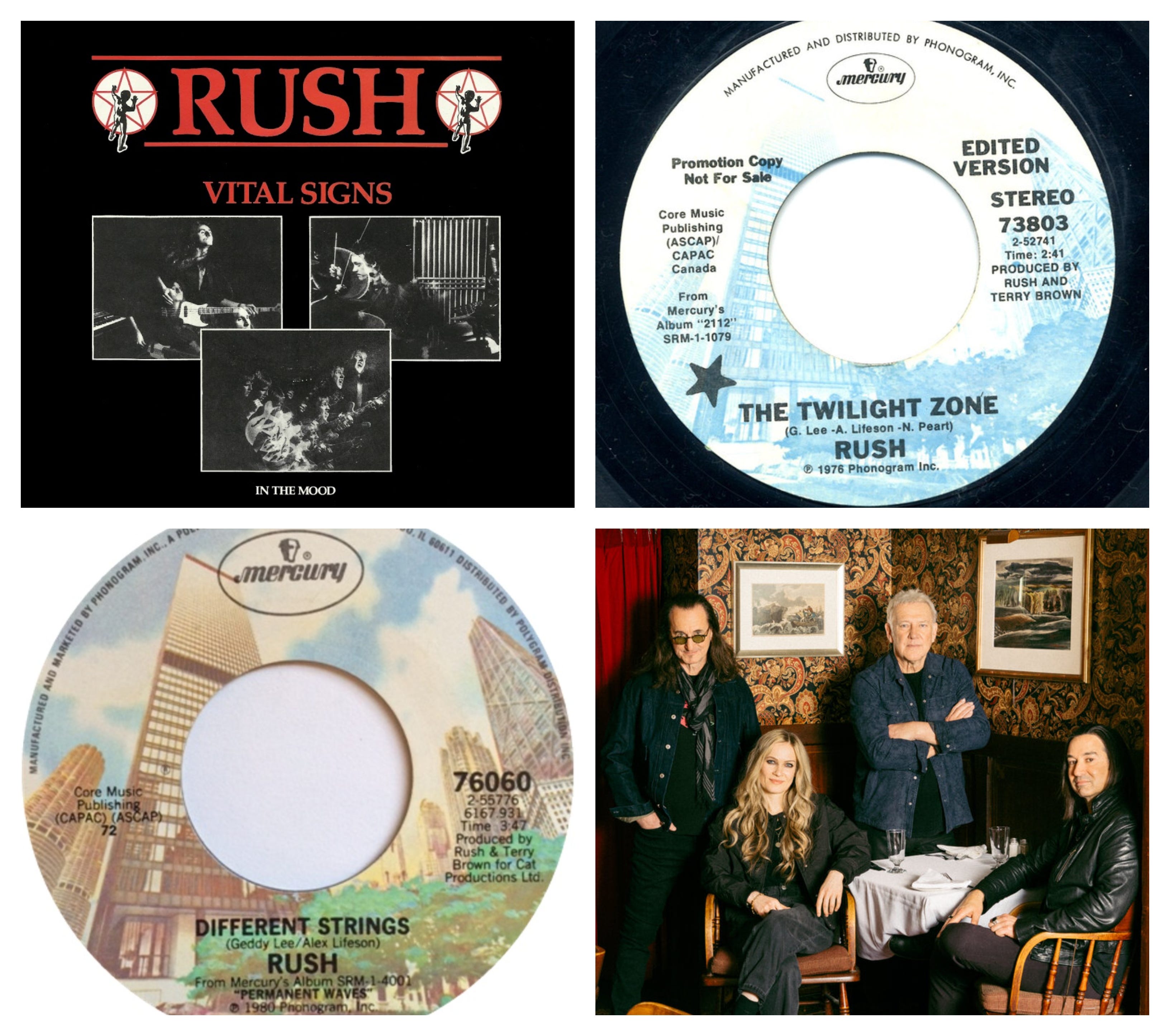
On Tuesday, April 21, I couldn’t sleep. As soon as my payday hit in the morning before sunrise, I was wide awake, my pittance of shuteye overpowered by adrenaline as I punched in my debit card info on Ticketmaster. Not that I want to romanticize any interaction with Ticketbastard (especially just as they were officially found in violation of antitrust laws), but the result was worth any level of sleep deprivation and corporate subservience: A chance to see Rush in concert for the first time in more than a decade this October.
More poetically, a chance to see them in a manner almost identical to the first time. Just like July 2015, I will nestle into my seat at the SAP Center in San Jose, CA alongside my dear friend Michael, whose eagerness in getting me into Rush in 2013 laid the foundation for our loyal bond. Even almost two months later, I still have to actively remind myself that it is happening. I’ve had a few quiet moments where I’ve pulled up the tickets in the Apple Wallet on my iPhone, sat back, and simply stared at them, the “Hold Near Reader” prompt at the bottom looping for eternity.
Really, it’s overwhelming to digest, as the return of Rush engenders a Cygnus-level constellation of emotions. There is, first and foremost, the unbridled joy of simply having them back. It’s also cause for reflection, both on the band’s 50-plus years and my 13 years (and counting) of devoted fandom. Of course, it’s all intertwined with the lasting grief over losing Neil Peart far too soon. Even six years after tackling that grief head-on with the tribute I wrote to him at the leading Rush fan site, it’s a loss I still haven’t gotten over - and assuredly never will.
Those are all contemplations that warrant dedicated pieces of their own. Right now, I want to focus on appreciating the music. Specifically, the deep cuts that don’t get as much attention. We all know the standards: “Tom Sawyer,” “Limelight,” “The Spirit Of Radio,” “Working Man,” and so on. They are phenomenal songs that have powered bro hangouts, sporting events, and popular culture for generations. Still, they’re just touching the surface of what makes Rush one of the greatest acts in music history.
To really appreciate what Geddy Lee, Alex Lifeson, and Neil Peart gave to this world, you’ve got to dig deep for tunes as cool as the other side of the pillow. Whether you’re a graying superfan with dog-eared copies of Caress of Steel and 2112 by your turntable, or a newcomer looking to get into the band as they prepare to conquer the world anew, the following tracks are essential for a complete Rush journey. With the tour commencing in Los Angeles tomorrow, here’s hoping fans get to hear some - dare to dream, all - of them live in the coming year.
1 - Manhattan Project (1985)
There are only three certainties in this life: death, taxes, and Rush fans arguing over “the keyboard era” online every day. For many loyalists, the span of albums throughout the early-to-late ‘80s were a letdown (if not an outright betrayal), as the band’s guitar-driven thunder was supplanted by Geddy Lee’s new keyboard fixation.
As I already stated when I wrote about “Presto” in my 1989 songs article, I couldn’t disagree more with that viewpoint. Not only was the shift to keyboards and synthesizers necessary for the band’s relevance given prog rock had fallen out of favor, as evidenced by fellow prog titans Genesis and Yes similarly streamlining their sounds to great success. More importantly, it provided the next phase of Rush’s evolution, allowing them to explore new sonic soundscapes for Neil Peart’s lyrical musings
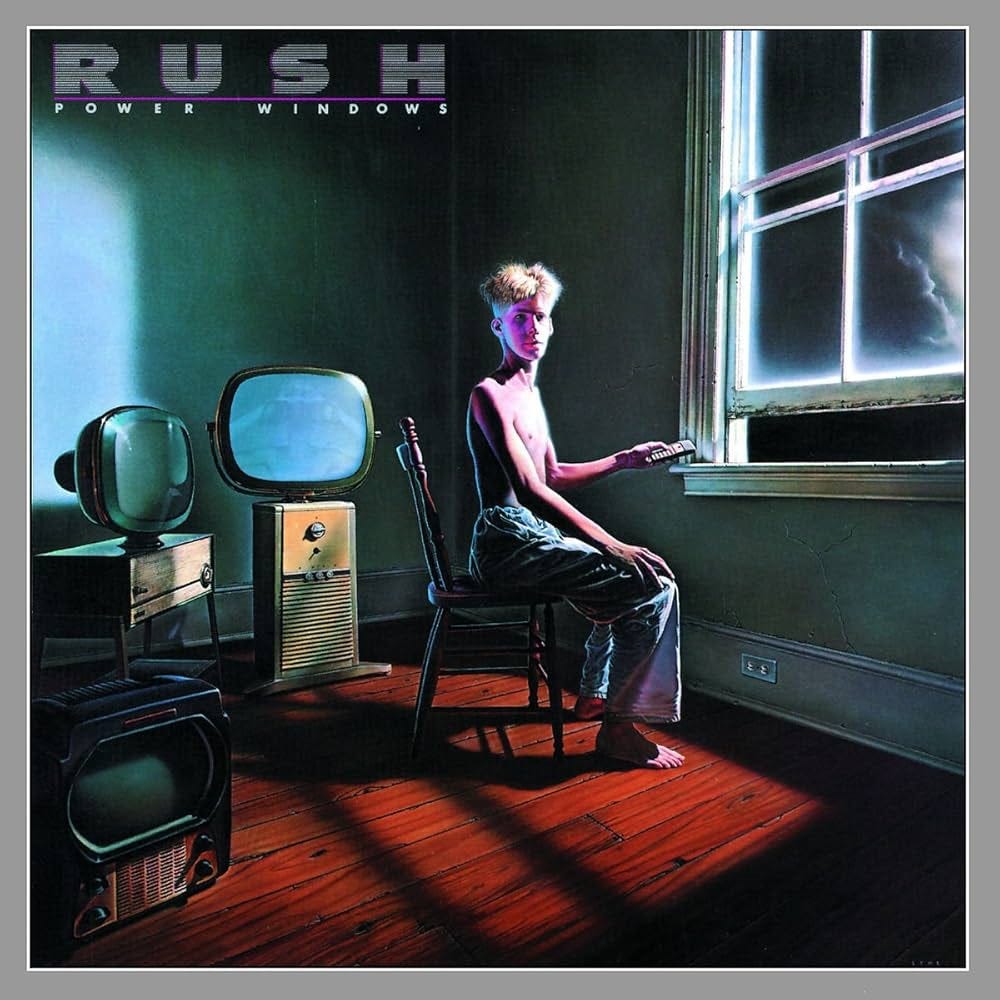
In 1985, the texture created by keyboards was perfected on Power Windows. The first of four collaborations with producer Peter Collins, PW struck the ideal balance in fusing the new synth sound with the band’s philosophy. Even the notoriously anti-Rush Rolling Stone graced the album with a glowing review. The best moment is “Manhattan Project,” a slower cut that ruminates on the implications of the atomic age set in motion by the titular nuclear weapon program conducted in the New Mexico desert.
The synthesizers weave a spatial tapestry that’s downright mesmerizing, underscored by the military cadence of Peart’s drumming. Over this dreamy milieu, the complex legacy of J. Robert Oppenheimer’s creation is aptly conveyed with relatively spare lyrics (“Imagine a time/When it all began, in the dying days of a war/A weapon that would settle the score”). Given the album came out two months after the 40th anniversary of Hiroshima and Nagasaki, the track carries a special degree of immediacy as well - one that still registers another 40 years on.
“Manhattan Project” is more than a prime chestnut for fans to rediscover. On a personal level, it’s a song that changed the trajectory of my entire life. Back in 2013, my aforementioned pal Michael started acquainting me with Rush. I found my interest growing with each song I listened to, and when I saw this song’s very title, I was intrigued. Five minutes and five seconds later, an infatuation had begun. I never looked back.
2 - Open Secrets (1987)
Next up is another buried treasure from the polarizing keyboard period. “Open Secrets” hails from 1987’s Hold Your Fire, an album that’s chock full of underrated tunes - and, admittedly, an overproduced sound. Granted, I am of the opinion that questionable production can be forgiven if the songs are great enough. Marshall Crenshaw’s Field Day, Metallica’s …And Justice for All, the Ramones’ End of the Century, and Todd Rundgren’s Nearly Human are all great examples, as is Hold Your Fire.
Even if it’s a bit much at times (see: the horn stabs on “Force Ten”), the production on HYF works in each song’s favor by creating an ambient sound. That is especially evident here, the third track on the album buried behind the more popular “Force Ten” and “Time Stand Still.” “Open Secrets” begins by floating over a spacey blend of synth and cascading percussion. Then, Alex Lifeson lays down a slick arena guitar line that ties it all together, coupling with some of Geddy’s most graceful singing.
Especially after not playing any songs from Hold Your Fire on the R40 tour in 2015, the forthcoming Fifty Something gauntlet provides a ripe opportunity to dig out some of its sleeper classics. “Open Secrets” should be a priority to revive.
3 - Kid Gloves (1984)
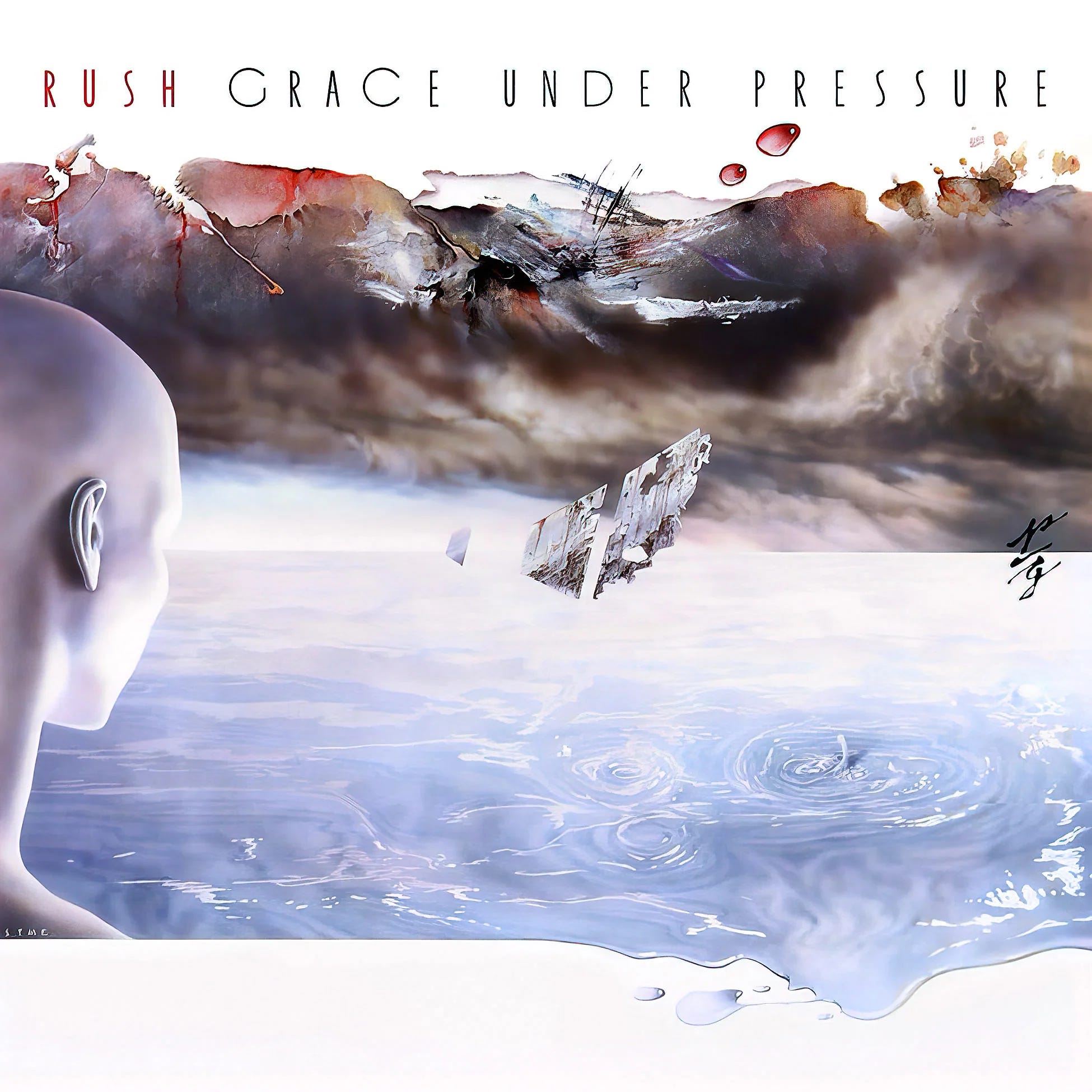
Released in 1984, Grace Under Pressure is Rush at their darkest, and often their best, with dread-fueled classics like “Distant Early Warning” and “The Enemy Within” capturing the nuclear anxiety of the Reagan/Thatcher/Mulroney ‘80s. While it’s nowhere near the best song on the album, “Kid Gloves” is worthy of far more celebration. Tucked away on the LP’s second side, its understated charm provides a respite from the bruising fusillade.
Alex Lifeson’s guitar gently bubbles as the song gradually kicks into gear, all while Geddy Lee spells out Neil Peart’s plea for meeting turbulence with kindness:
A world of difference, a world so out of touch
Overwhelmed by everything, but wanting more so much
Call it blind frustration, call it blind man’s bluff
Call each other names, your voices rude, your voices rough
Then you learn the lesson that it’s cool to be so tough
Handle with kid gloves, handle with kid gloves
Then you learn the lessons taught in school won’t be enough
Put on your kid gloves, put on your kid gloves
Then you learn the lesson that it’s cool to be so tough
In the vein of Los Lobos’ “Will the Wolf Survive?”, it also doubles as a vulnerable moment of self-observation. In an interview featured in the book Mereley Players, Alex Lifeson described the song as a response to a gauntlet of tribulation Rush endured in 1983, including a grueling tour and a chance to work with star producer Steve Lillywhite falling through. As the band reemerges from the stasis of grief amidst an even darker time, “Kid Gloves” takes on even greater pathos. They - and all of us - have been through a lot, and need a gentler touch more than ever.
4 - The Twilight Zone (1976)
Even if Geddy and Alex hadn’t decided to hit the road once again, 2026 would have been an epochal year for Rush regardless, given it marks the 50th anniversary of their breakthrough 1976 LP, 2112. In defiance of their label’s demand for a more commercially friendly sound, the band signaled they would do things their own way in the most Rushian fashion imaginable: filling side one with a 20-minute objectivist saga about a future where music is outlawed. Yet while the title track suite remains a staggering achievement, it’s the parade of straight rockers on the second side that ensured Rush would assume control forever.
The most overlooked is “The Twilight Zone,” a taut trip that simmers with atmosphere. Geddy Lee’s alien warble is at full throttle, weaving references from the signature Twilight Zone episodes “Will The Real Martian Please Stand Up?” and “Stopover in a Quiet Town.” (“A pleasant-faced man steps up to greet you/He smiles and says he’s pleased to meet you/Beneath his hat the strangeness lies/Take it off, he’s got three eyes”)
The element that really pulls it together is the chorus, wherein Lee whispers in harmony with himself. Like “Riders on the Storm” by The Doors and “Being Boring” by Pet Shop Boys, it’s a simple but haunting touch that gives the track real gravitas. The song’s brooding tempo probably explains why it hasn’t been played live in almost half a century. It probably won’t get a new spin on the upcoming tour, but 50 years later, it’s still a joy to rediscover.
5 - Vital Signs (1981)
Some may object to this being considered a deep cut. After all, it’s the last track on their consensus best album, Moving Pictures, and was accompanied by a music video of the band weaving their magic at Le Studio in Quebec. I’m going to go ahead and include it anyway, simply because it doesn’t get anywhere near the level of recognition it deserves.
Really, when you spin “Vital Signs,” the mind seizes trying to figure out how it didn’t join album mates “Tom Sawyer” and “Limelight” in permanent rotation on classic rock radio. Riding a ska-tinged guitar riff and a wiry synth line, the track packs most of Rush’s hallmarks (seamless time signature changes, lyrics about individuality, an air drum-inducing beat) into one compact setting.
Most staggering of all is the bass. Geddy Lee has laid down more mind-altering grooves than I could regale in one article (hell, even more than one). To my ears, this is the best of the lot. Check out the way he alters the line during the fadeout, his fingerstyle rake creating a potent growl that plays off Neil’s tight beat. “Vital Signs” is one of Rush’s best songs hands down, a tactile burst of vigor that previewed their evolution for the rest of the ‘80s. In the year that marks the 45th anniversary of Moving Pictures, there isn’t a better time for fans - and the band themselves - to show it more love.
6 - Faithless (2007)
After a hiatus in the late ‘90s wrought by unbearable personal loss for Neil Peart, Rush mounted a comeback in 2002 with the solid Vapor Trails. It was 2007’s Snakes & Arrows, however, where they truly resumed their godly stature. Thanks to the insight of fan-turned-producer Nick Raskulinecz and the cozy sanctuary of Allaire Studios in the Catskill Mountains, the trio cranked out 13 songs of pure muscle and finesse.
The album is brilliant at every turn, right from the deafening roar of “Far Cry” to kick things off. A strong contender for the best song is “Faithless,” a slower number towards the end. Cradled by a string arrangement from Ben Mink (who will appear again on this list), Neil unveils some of his most personal lyrics, rejecting faith-based belief systems in favor of a more grounded philosophy. (“I don’t have faith in faith/I don’t believe in belief/You can call me faithless/But I still cling to hope/And I believe in love/And that’s faith enough for me”)
The orchestral sweep of “Faithless” proved to be a prescient touch, as Raskulinecz and the band would perfect that production style on their 2012 concept album (and swan song for the Peart era) Clockwork Angels. It’s also a ripe candidate for renewal in a live setting, given the band has enlisted keyboardist Loren Gold, who could easily recreate the string section.
7 - Between Sun & Moon (1993)
Given Rush both influenced and blossomed with the growth of metal, it wouldn’t have been surprising if they had been one of the many acts rendered obsolete by the grunge explosion of the early ‘90s. In 1993, however, they took a swing at keeping up with the Cobain/Cornell-charged landscape with Counterparts. Drawing upon the contemporary influence of Pearl Jam and Primus (who opened for them on the Roll the Bones tour to kick off the decade), the trio tucked away the keyboards in favor of the three-part sinew that made them rock gods in the first place.
Counterparts proved definitively Rush were not a dino rock fossil, but a truly immortal outfit who could adapt with the times. While it earned a Grammy nomination and even a ribbing from Beavis and Butthead, the album has been criminally overlooked in the years since its release. Honestly, I feel like I could pick any song at random and it could qualify as a deep cut.
For now, I’ll go with “Between Sun & Moon,” a straightforward rocker written in collaboration with Canadian poet Pye Dubois. While I have made it clear I have no qualm with the keyboard dominance of the ‘80s, this track is a good example of how the album’s return-to-roots sound allows the imagery and musical prowess to breathe. Every note lands with aplomb, and the ‘90s sheen adds a subtle layer that ages perfectly over three decades later.
8 - Different Strings (1980)
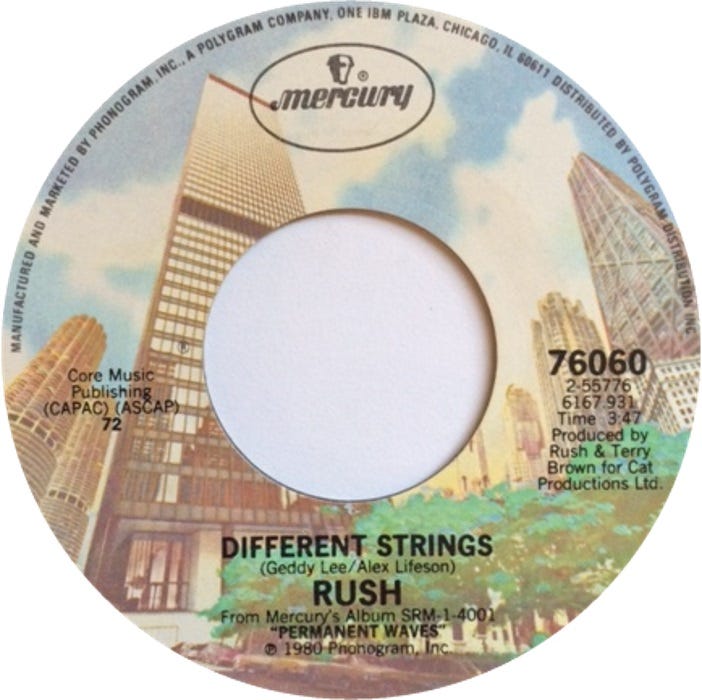
The beginning of the ‘80s marked a critical transition for Rush. Before the keyboards took hold, the trio was already reshaping their sound for the new decade. No more Ayn Rand-ish ditties about warring trees, nor multi-part epics that gobbled up entire LP sides. Geddy’s shriek came down in pitch, albeit in a way that was still proudly idiosyncratic. The shift to relative concision yielded their best album yet in 1980’s Permanent Waves, which clocks in at just six songs and 36 minutes. There isn’t one wasted note within that limited timeframe, as exemplified by the instant classics “The Spirit Of Radio” and “Freewill.”
“Radio” and “Freewill” are a fact of life by this point, and “Jacob’s Ladder” and “Natural Science” proved Rush could curate marathon tracks without cracking double digits in runtime. Nestled between this brigade of AOR staples and scaled-back epics is “Different Strings,” a wistful meditation on personal relationships. The band had tried their hand at ballads before with “Rivendell” and “Tears,” in my opinion among the weaker songs in their catalogue.
“Different Strings,” however, sticks the landing, orienting around a mellifluous blend of guitar and piano that lifts one of Geddy’s most beautifully understated vocals. It’s the kind of song many of Rush’s contemporaries would have turned into an overblown power ballad. Under their purview, it never spills into excess, a perfect measure of the (sufficient) tact of their new sound. “Different Strings” also has the distinction of being one of the few songs from their catalogue they’ve never played live. Will it finally get its moment in the sun now?
9 - Losing It (1982)
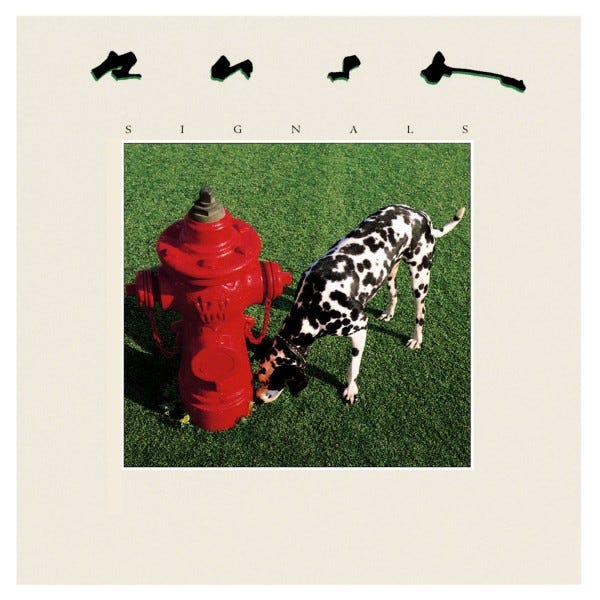
When we think of Rush, we think of music that’s the definition of exhilarating: hurricanes of guitar polyrhythms, drumming that measures double digits on the Richter scale, thudding bass patterns, and lofty missives about everything from dragons to suburban alienation. As such, it’s easy to overlook their ability to slow things down, both lyrically and musically. The best example of this is “Losing It,” the penultimate cut from 1982’s Signals.
Opening with a gently spiraling keyboard, and an aching violin courtesy of Ben Mink, the track paints a somber portrait of the frailty of aging and fading capabilities. It builds up to a soaring solo by Mink, one that unleashes an anguished flurry before a haunting fadeout. Rush have had some similarly understated moments since “Losing It,” most notably the Neil Peart swan song “The Garden”…but none have aimed for (and attained) the melancholy this one creates.
“Losing It” is arguably the deepest of deep cuts in the Rush archives, having gained notoriety as the only song from Signals they never played live. That is, until June 19, 2015, when the band finally included it in the second of two homecoming shows in Toronto on the R40 tour. Ben Mink joined them for the seminal moment on violin, filling every corner of the Air Canada Centre with the ethereal wailing that had long been consigned to the backend of vinyl, tapes and CDs.
That the first performance of a tertiary track made for such a watershed moment in Rush lore speaks volumes of the song’s power - and how much fans cherish the depth of their catalogue in a manner most bands could only dream of.
10 - Neurotica (1991)
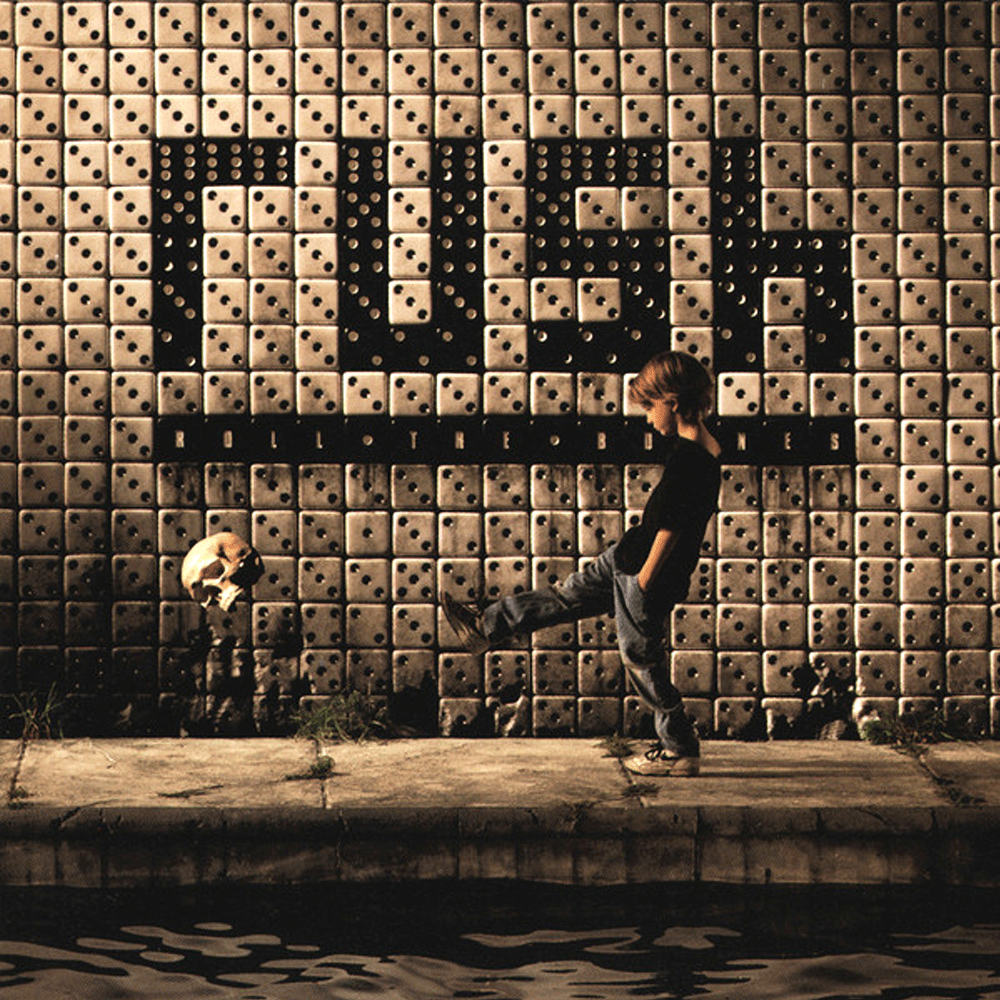
After the growing prominence of keyboards throughout most of the ‘80s, Rush stripped the synths back for 1989’s Presto and 1991’s Roll the Bones. Both albums featured a unique sound, with rubbery bass, tight drums, and earworm guitar hooks. The new dynamic yielded two of their undisputed best tracks (“The Pass” and “Dreamline”) and a bevy of other gems that have flown under the radar for decades now.
I struggled to settle upon just one representative from either album to round out this list. In a mental “spin the wheel,” I settled upon “Neurotica,” buried towards the end of Roll the Bones. While not even the best deep cut from that particular album, it’s always intrigued me with its aggressive hooks. It’s also notable for providing a rare moment of regret for the group, as Geddy Lee now laments the track as a failed experiment.
As such, it may seem like an odd choice to celebrate alongside clearly better songs in this article. But, as articulated in the Far Out Magazine article linked above, it’s still worth noting as an example of the band’s willingness to take big risks as part of their evolution. Even if the results of that risk-taking don’t always land for listeners (or even the band themselves), they’re a big part of what’s made Rush a force for over half a century - one that may very well continue with new drummer Anika Nilles.
Comments
Nothing yet. Say the first thing.
Sign in to join the conversation.