
I have no formal review of The Odyssey to offer, folks — sorry! (Although you never know what I might have to say about the film down the line…)
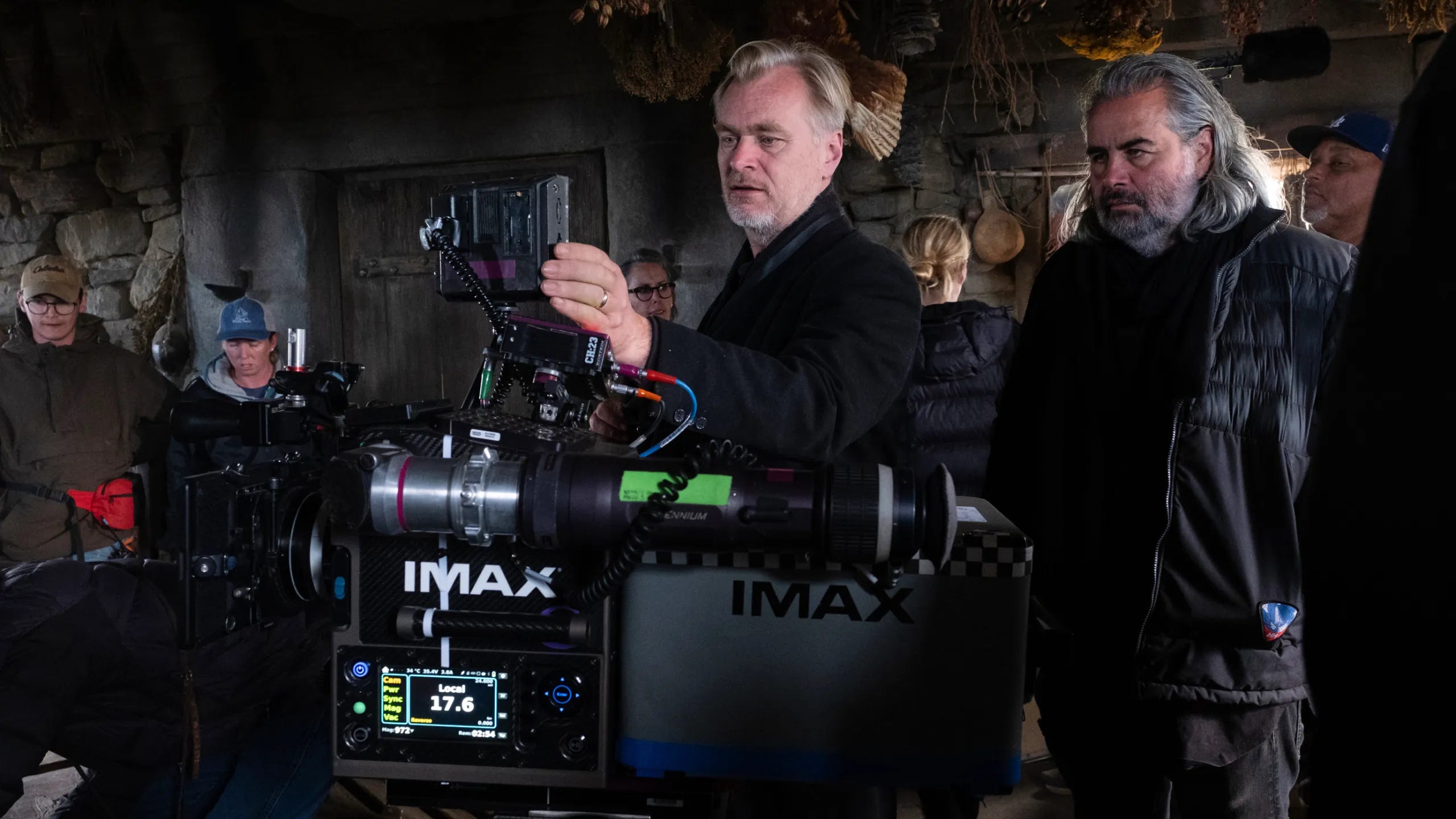
In a way, I’m slightly relieved not to have to distill my thoughts on Christopher Nolan’s film into a succinct thousand words or so because it’s just such a sprawling colossus of a work. My notes are full of elements that caught my attention or quotes that rattled around in my ears. But, as I suspected when penning my 25th anniversary appreciation of Memento this spring, how Nolan works with narrative and storytelling immediately stood out in my first viewing.
I am nothing if not the product of my education — I did an independent study in my senior year of college tracing the development of cinema throughout the decades, watching (at least) one emblematic film a week that blazed a new trail in visual formalism or script narratology. Christopher Nolan’s Memento represented an endpoint in the latter strain.
I was responsible for producing a paper for this project, which I basically wrote in a three-day haze back at my parents’ house after I’d already finished all my other finals. I’m not entirely sure if it was coherent; it’s certainly written far more like a conversational review than any academic paper I ever delivered. It’s sat like a digital equivalent to the Ark of the Covenant at the end of Raiders of the Lost Ark in my documents folder for over a decade now. I’ve been scared to open it, lest the unbridled undergraduate galaxy brain contained within it melt my face off.
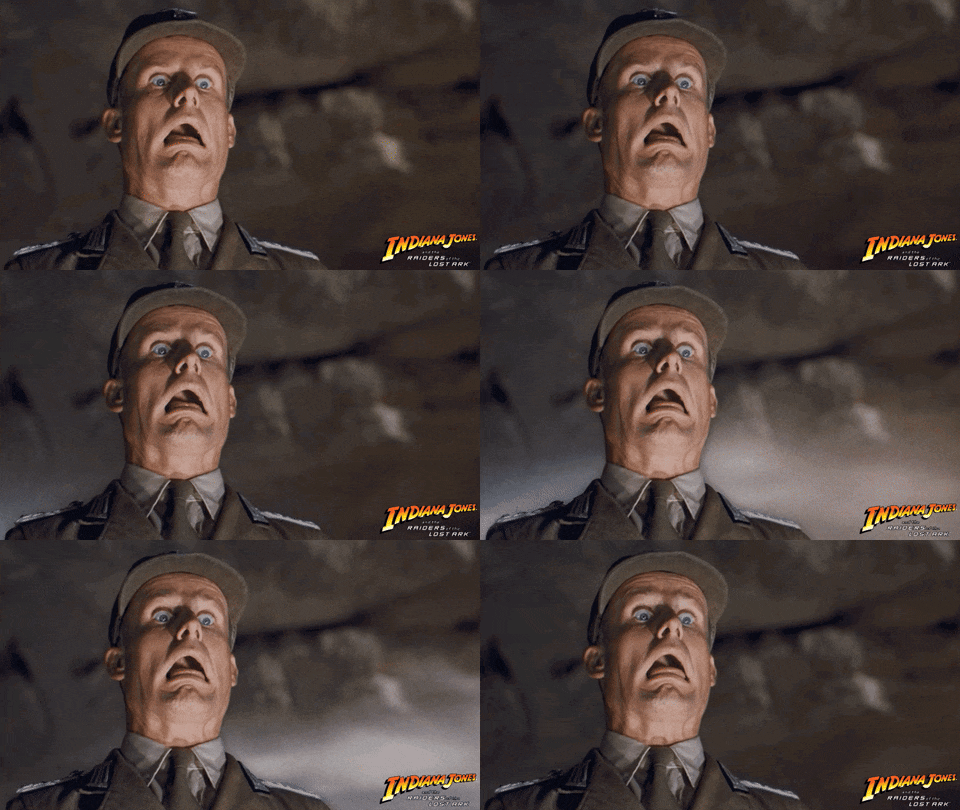
But on the occasion of The Odyssey’s release, and with some matter of vindication that Nolan’s fascination with how we tell stories continues to evolve the meaning of this paper, I’ve decided to dust it off and let it see the light of day once more. And, obviously, there’s now a topical postscript and some heavy editing of the 2014 original. (Unlike a Nolan protagonist, I can change the past! Mwahaha.) Before tackling Nolan, however, we have to understand his writing in light of another milestone of cinematic narrative: Orson Welles’ behemoth Citizen Kane, which changed the game for movies 85 years ago and remains a touchstone and diverging point for the medium.
If you’re intrigued by my former academic writings, check out some previous examples published in the newsletter — and upgrade your subscription now so you don’t miss the next one.

Comments
Nothing yet. Say the first thing.
Sign in to join the conversation.