
A mixed month for markets but the technology supply chain frenzy has corrected.
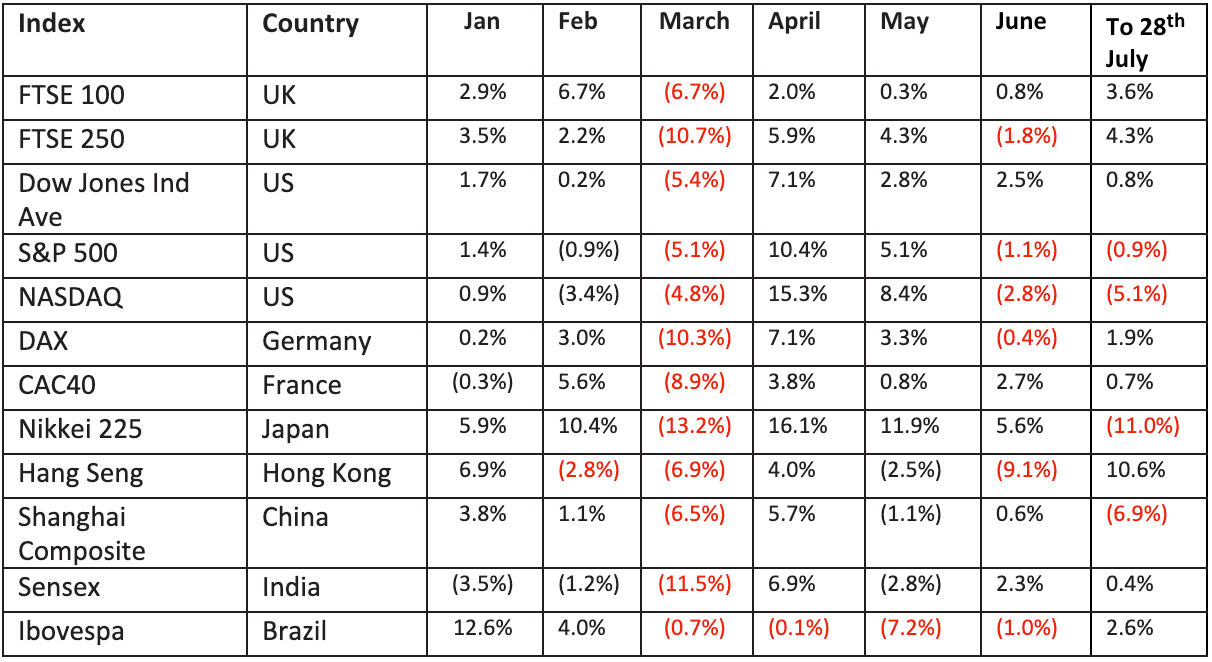
Hong Kong had a great month due to significant support from Chinese state intervention.
This was prompted by the Mainland Chinese market having a poor month: the Shanghai composite fell 5.8*% in the week of the 14th. The CSI100 mid-cap index was down 8.6% in the month.
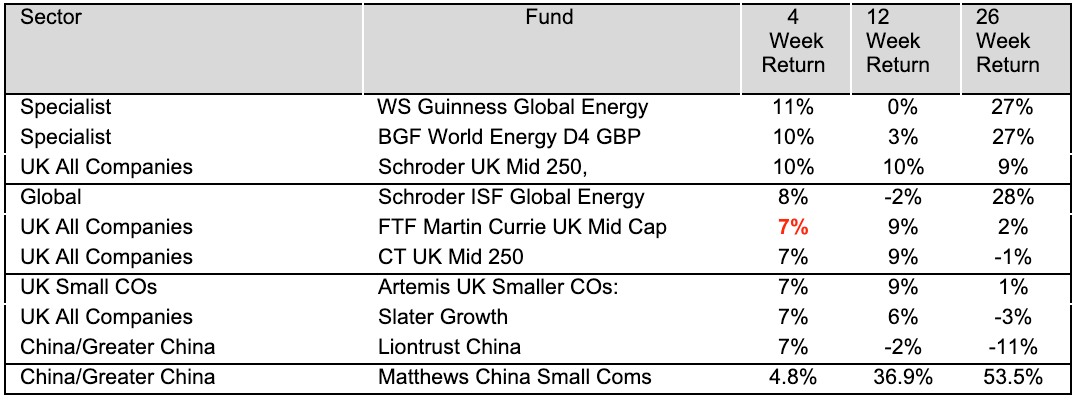
Mainly though the story is a correction/the end of the tech supply chain run up. If we look at July’s worst performers, they are largely the year’s best performers to date.
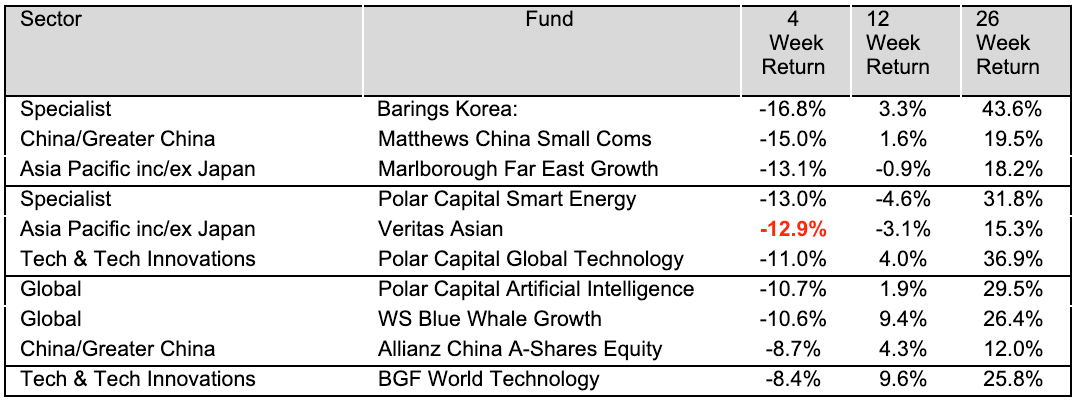
Investors have sold the chip stocks. Korea which has been the biggest beneficiary on the way up went into bear market territory at the start of the month.
The month was marked by a series of trading stops and by the month end Korean retail investors were holding heavy losses.
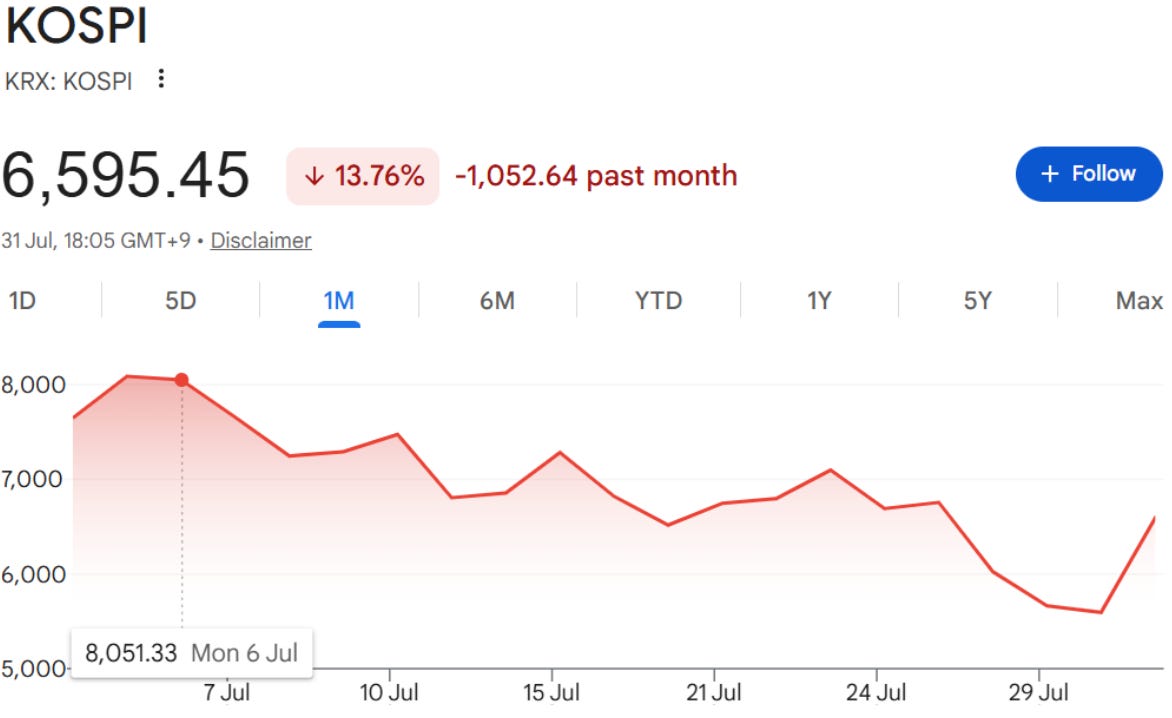
This impact was exacerbated by hugely speculative trading on narrow ETFS recently launched in Korea.
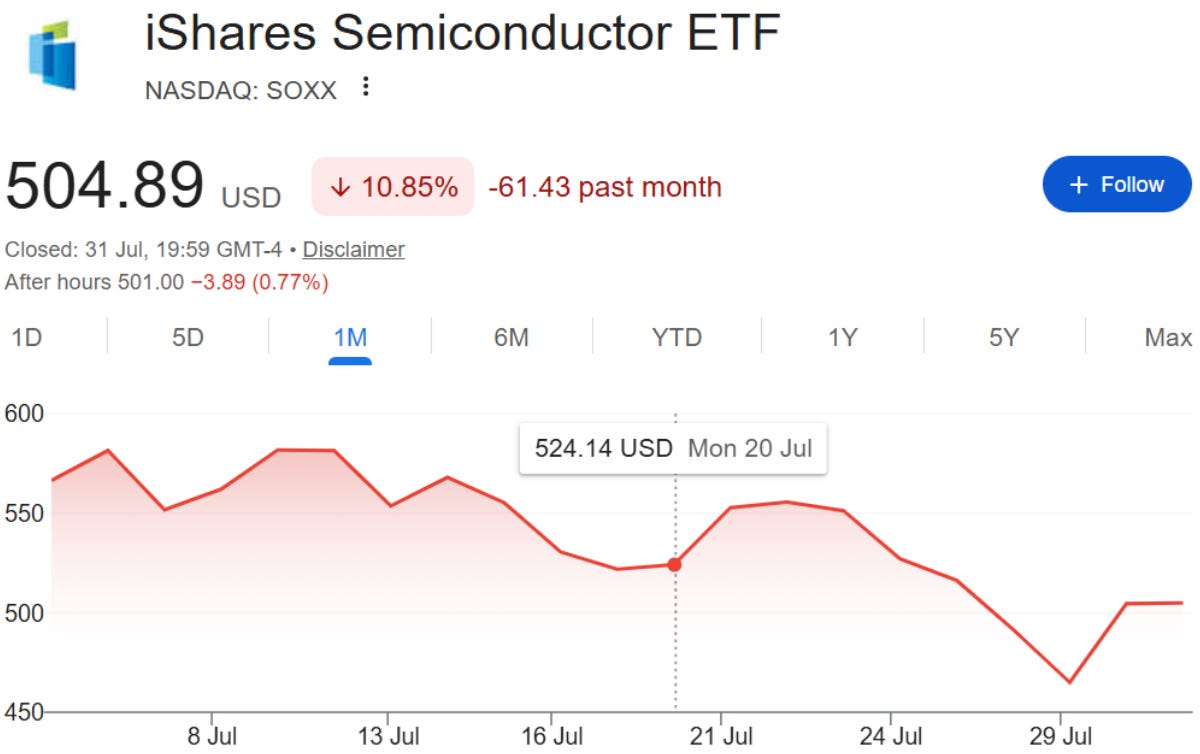
The SOXX index of chip manufacturers was also down 10.85% on the month.
More broadly among the Mag7, investors have turned their focus to free cashflow, and this has resulted in more divergence in performance: Alphabet – punished for negative free cashflow, Meta, likewise. Microsoft – cloud infrastructure driving a huge 1/3 profits jump and led to the biggest one-day market cap gain ever for a US company.
Perhaps the biggest question facing the AI vertical is Token cost. The index of frontier model token costs is $5.63/million tokens at the time of writing. The index of open model token costs is 54.8¢/million. Some of the cheapest models. A cheap low-end model like DeepSeek v4 Flash costs 4-5¢.
Nvidia’s Rubin GPU will deliver a 10X reduction in inference tokens per kW. This highlights the pace of innovation in chips and the downward pressure that it will put on token costs. Wider use of open-source models, which you can run on your own computer, and of Chinese models, mean that the unit price in the revenue line of the AI companies is hugely uncertain. We may see a lot of the compute being built creating a huge supply overhang, collapsing token prices.
The question for tech is whether sentiment has emphatically changed.
Perhaps now a reliable momentum bet is inflation?
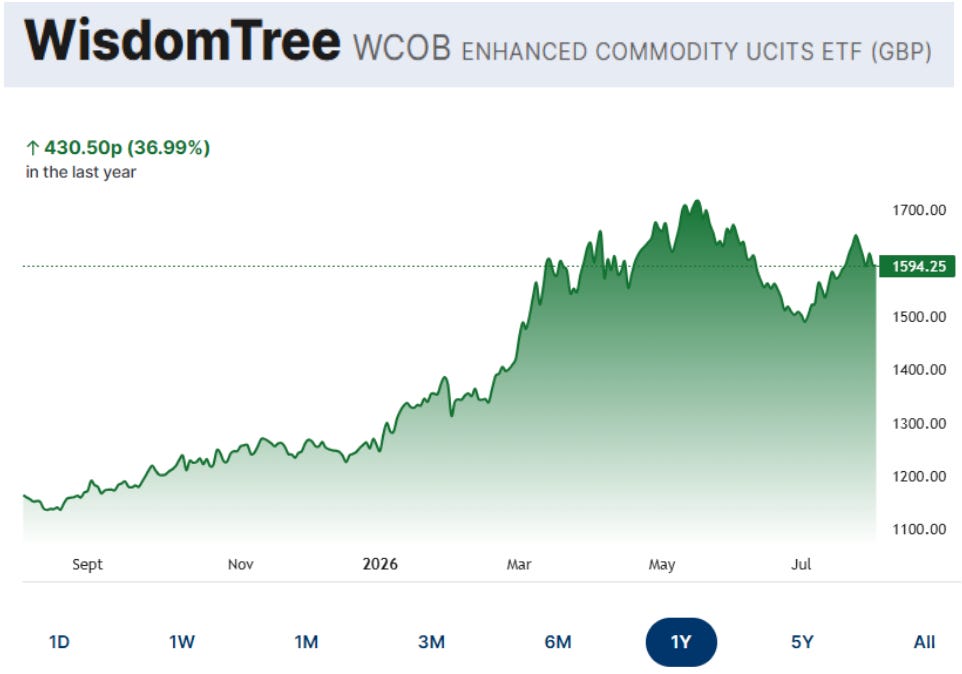
The US economy seems to be on a reasonable footing, higher fuel prices notwithstanding, and the new Fed Governor not raising rates may exacerbate the situation.
The momentum looks good and were an ETF like this in the dataset we use, it would have been in 33rd place in terms of absolute performance over the last six months. Unfortunately, continued disruption in the Gulf and the success of Ukraine in damaging Russian refining capacity may have long term consequences across sectors – agriculture in particular.
Oil is back in the four-week top performers, but the trade is more binary than momentum: Peace talks on, oil price down, ceasefire breached – oil price up.
This month oil is UP.
Last month we highlighted the fact that the EM rotation was an illusion, it was really into tech. US mid-caps however have been a steady performer (war aside) and increasing momentum now. North America inc. small companies is now in third place in the rankings.
The Russell 2000 has underperformed the S&P500 over the last month – smaller stocks tend to be more volatile, but only down 2.16%. We are seeing new trends however linked to this move away from US stocks: The FTSE 100 has had a great year! Without necessarily a lot of momentum, this old economy, basic materials and banking dominated index keeps going up, even if it is only up a “modest” 8% year to date.
Some P/E funds are also having record fund raises in Asia as investors seek to diversify away from the US.
Precious metals seem to have started to stabilise a little, but given their consistently negative momentum since March, maybe this should be a short position? If momentum is maintained for 6 months, then typically it will persist. That is the whole thesis of this experiment.
So how have the portfolios performed?
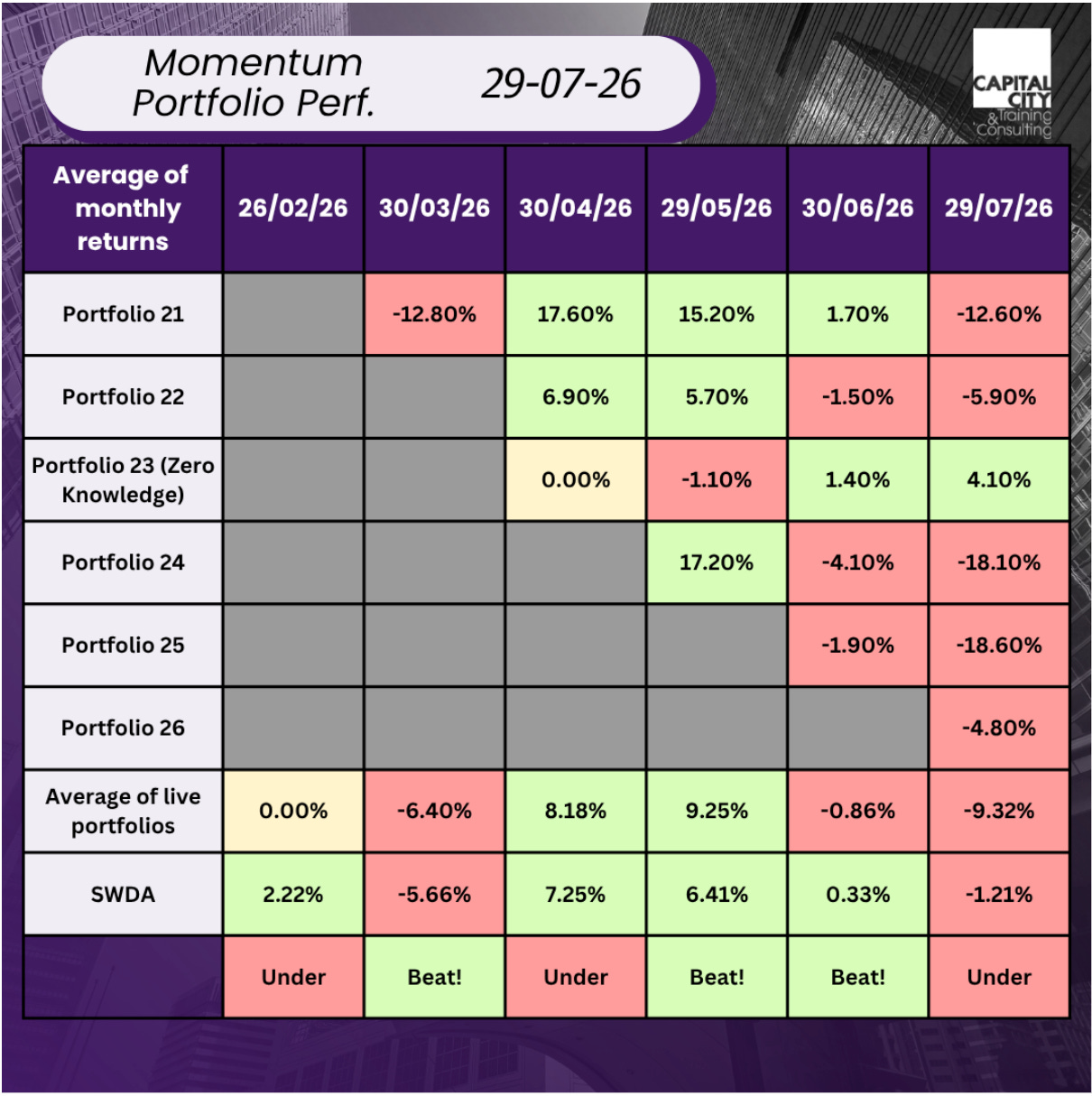
How have the individual portfolios performed?
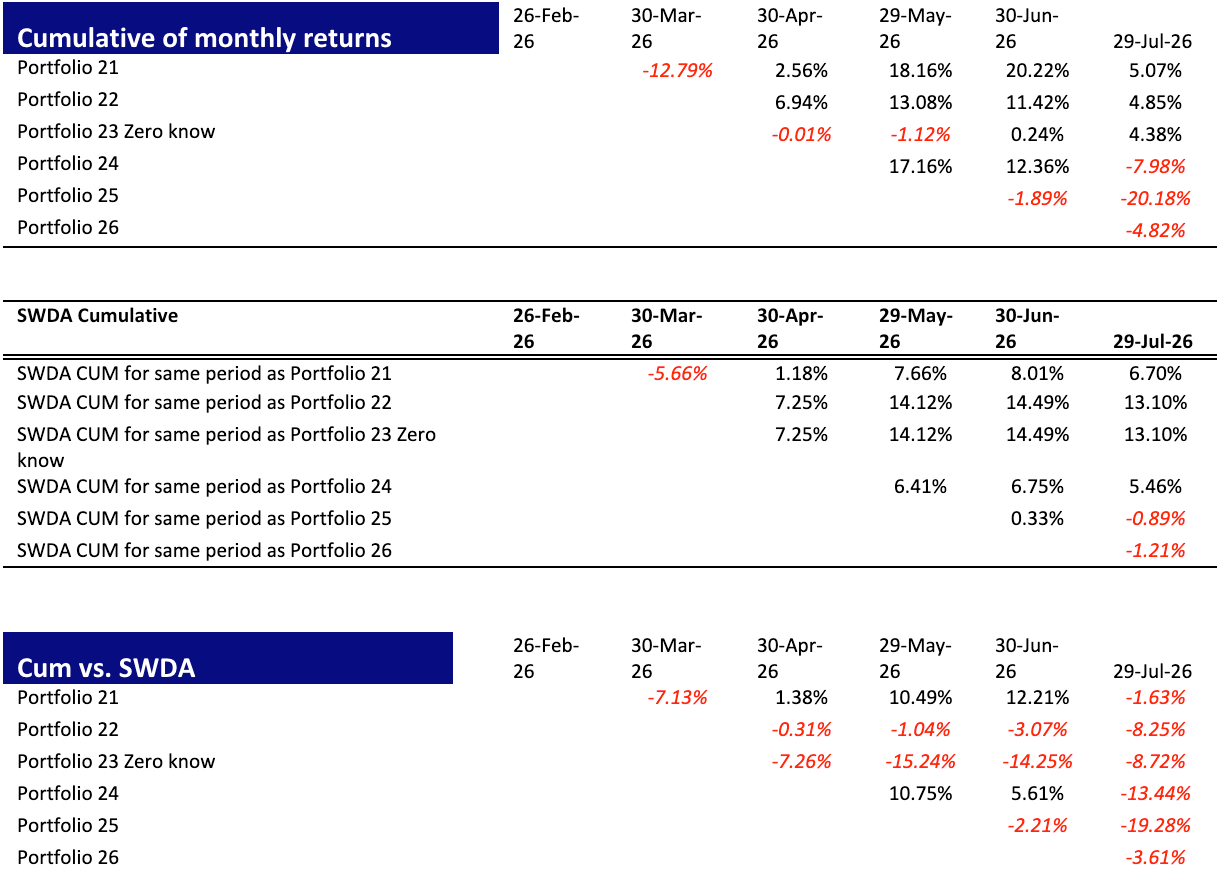
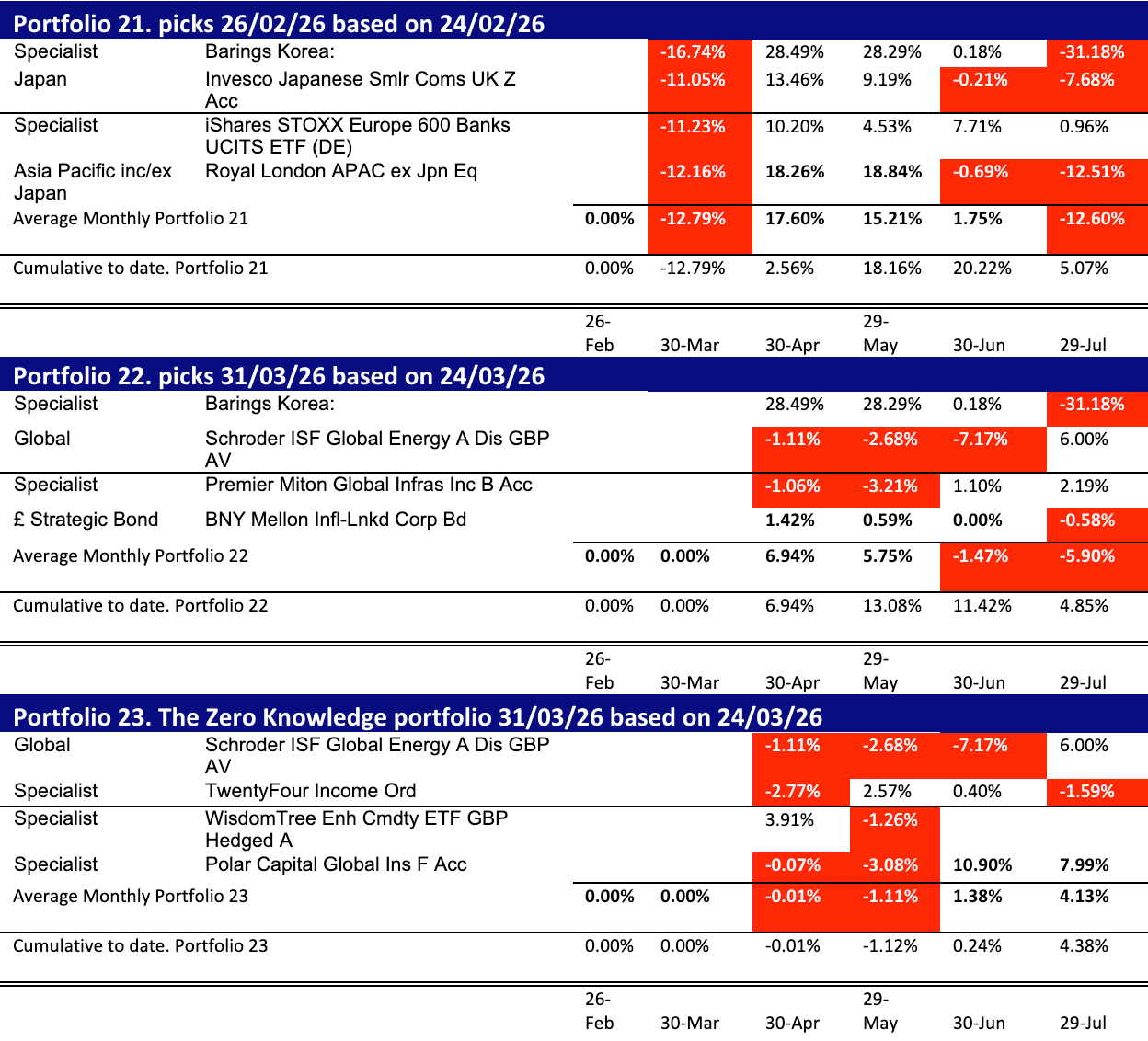
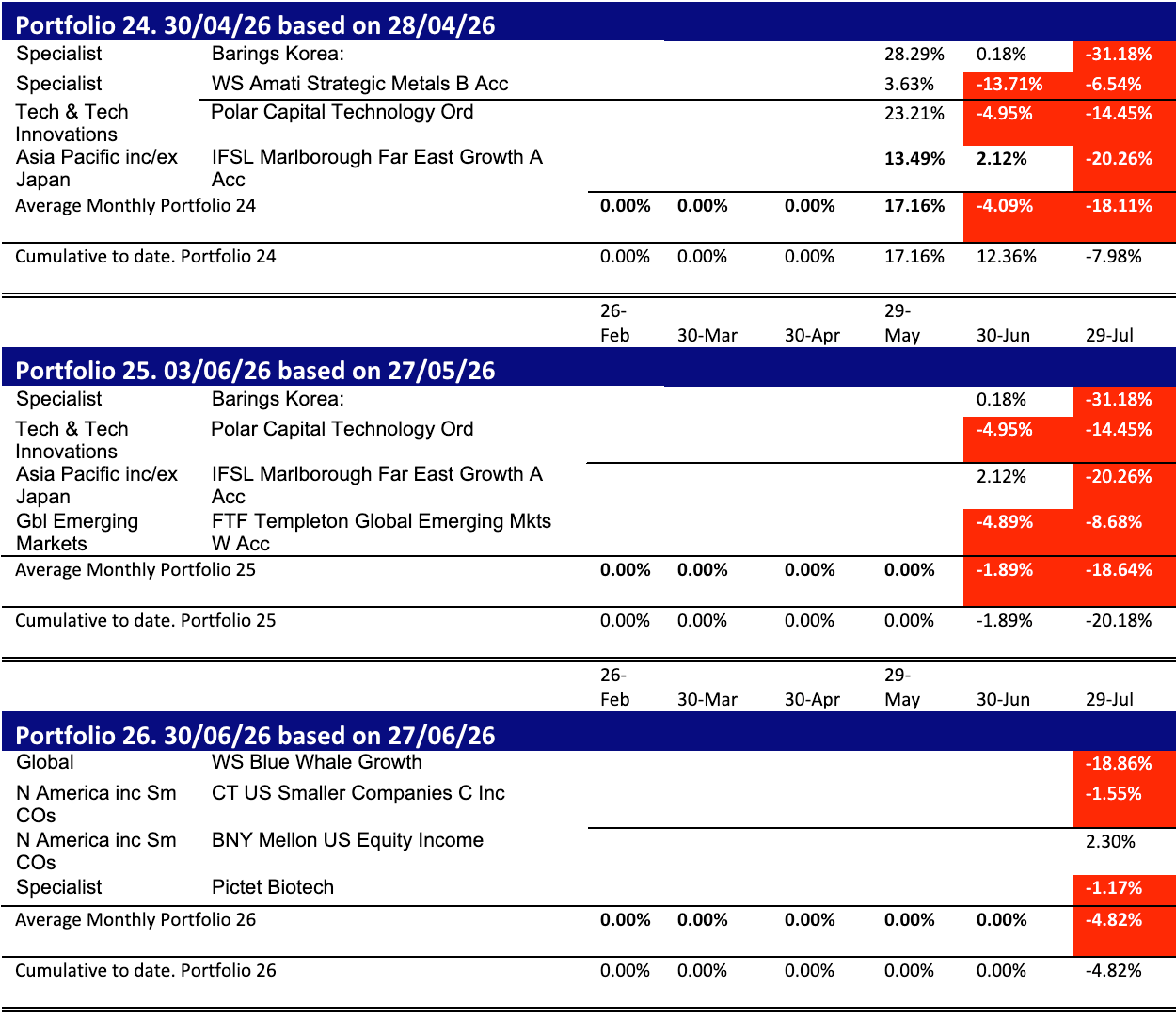
The strategy has had a terrible month! Particularly portfolio 25: like a Korean retail investor, getting in on the end of the trend and losing. Our portfolios are not very diversified, following the momentum which has become more concentrated in a small area of tech and tech adjacent themes, they have all done badly.
In the experiment our strategy was to diversify by buying four high performer that were in distinct sectors, but this year that has been impossible! All of the high momentum funds are high momentum for the same reason – tech. High performing funds in Korea, Asia Pac, Global Emerging Markets, and tech are all invested in the same stocks.
I would like to emphasize that this blog is not investment advice: it is an experiment to give us insight into what is driving markets and also a bit of fun to see what happens if we follow a pure momentum strategy. We are now experiencing the volatility of the strategy.
Does this inform my own investing? Yes, but I had positive returns – just in July having slashed my (already small) tech exposure in early June. I have leant into the EM rotation theme but likewise recognising the Asia EM funds are all Korea/tech overweight I likewise cut in June. I derisked broadly. My logic was twofold, I felt markets were very stretched – valuations high, huge leverage in portfolios, increasing concern and questioning of the thesis raising stock prices – i.e. the economics of AI. I saw the three IPOs of SpaceX, Anthropic and OpenAI as being the kind of events that mark a peak. Investors – if they aren’t already – will be all in after this. Where will the new money come from? Equity markets were going to be a mess. I felt a retreat would be market wide.
I can’t feel too smug though, I have perennially been underinvested in tech., so I’ve missed too much of the up, so what I missed the down at the end? Of course this will not be end, either up or down.
As something of a permabear, I take risk in equities, because I know most investors take too little risk. I therefore must take risk, even if I don’t like it. I would probably make more money being more risk on more of the time.
Perhaps the lesson of this experiment is that we should all just try to “Play the Losers game”? i.e. in this world of fund indexing, hold a bundle of diversified ETFs and go to the beach. It is definitely less work. SWDA seems to have shone consistently through our 25 months of work so far.
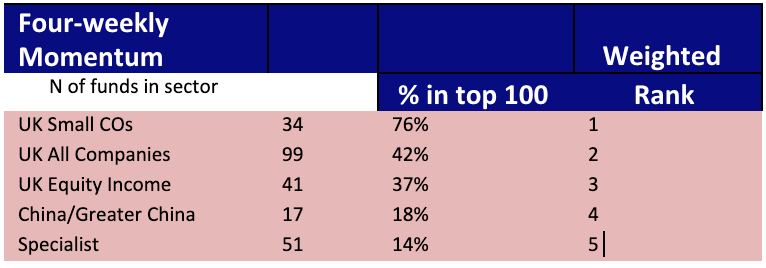
If we look at the momentum over the last four weeks, then the ranking would be.
We haven’t touched on the UK, but the bloodless coup against Starmer leaves Andy Burnham as Prime Minister. There is little clarity on how he will pay for his promises. Equity markets are sanguine for now. In the case of the FTSE 250, even ebullient. We will see if it lasts pas the Autumn statement.
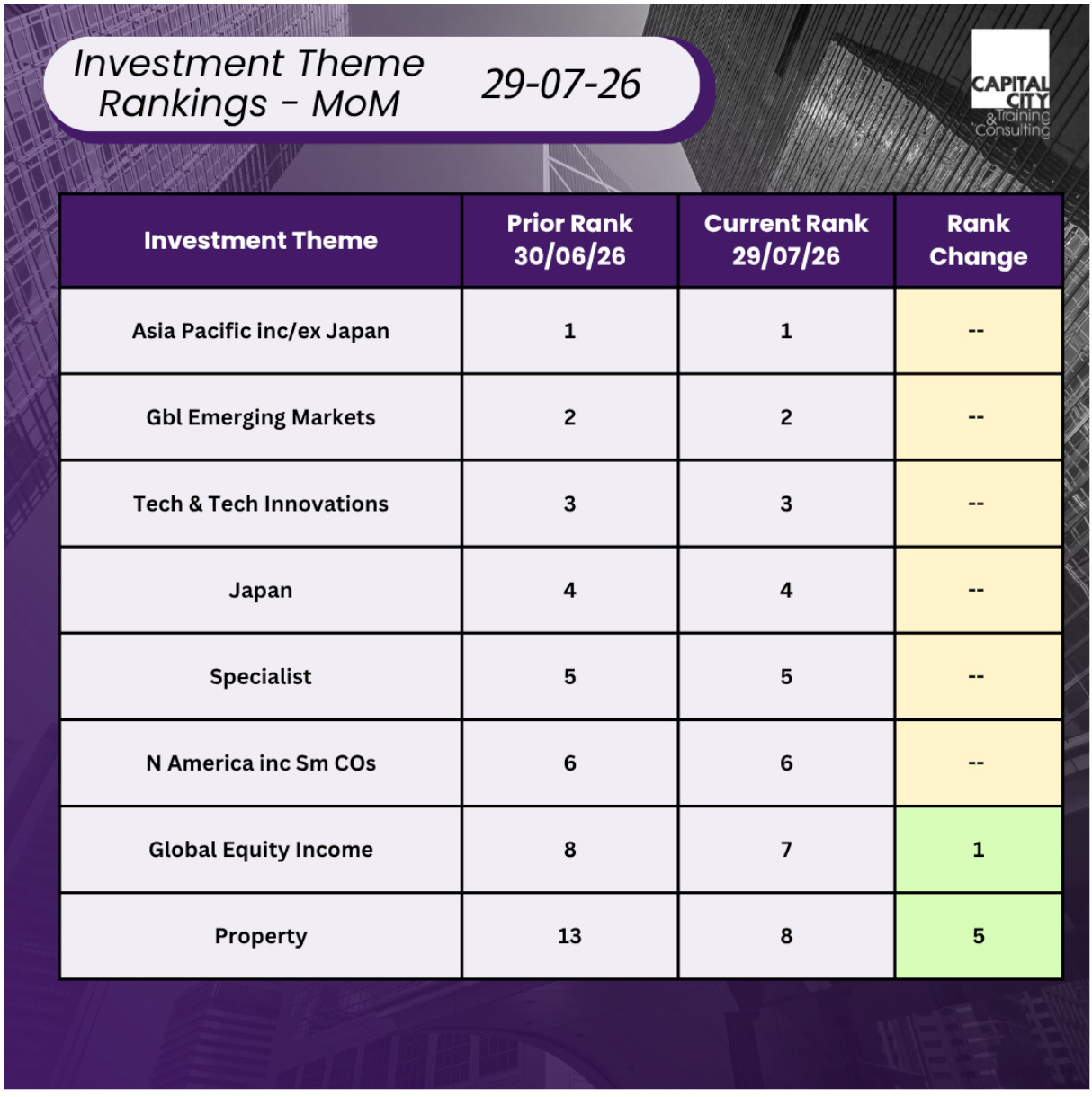
The question if we contrast the four-week and six-month pictures (Asia Pac, GEM, Tech, and Japan) is do we believe that tech momentum is over, or have we just experienced a correction?
If there is a month to ensure we stick to the original test thesis – four performing but separate sectors, then perhaps now is that time. This begs the question, where do we get it? The short-term concentration is huge, Burnham’s rise to PM has given the UK FTSE 250 a good month. How long will this “feel-good” factor last? It is very difficult to find a positive momentum theme, so equally this month may be a time to NOT follow a Positive momentum strategy. The issue is highlighted if we look at the worst and best performer tables: we have China small cap companies in both the best performer and worst performers list over the last 4 weeks. Dispersion not momentum.
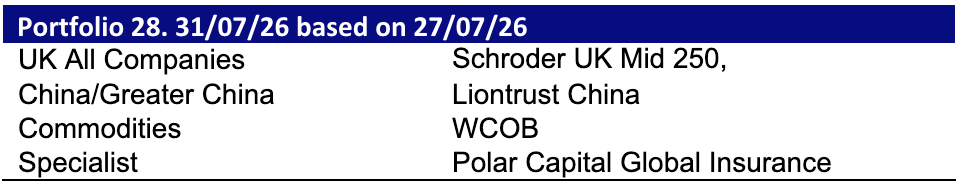
Anyway, for what it is worth, here is a momentum portfolio.
Having said it is difficult to pick a positive theme, it is easy to pick a negative theme: precious metals. Blackrock Gold and General, a previous top performer has been in the bottom decile for performance over the last 12 and 26 weeks.
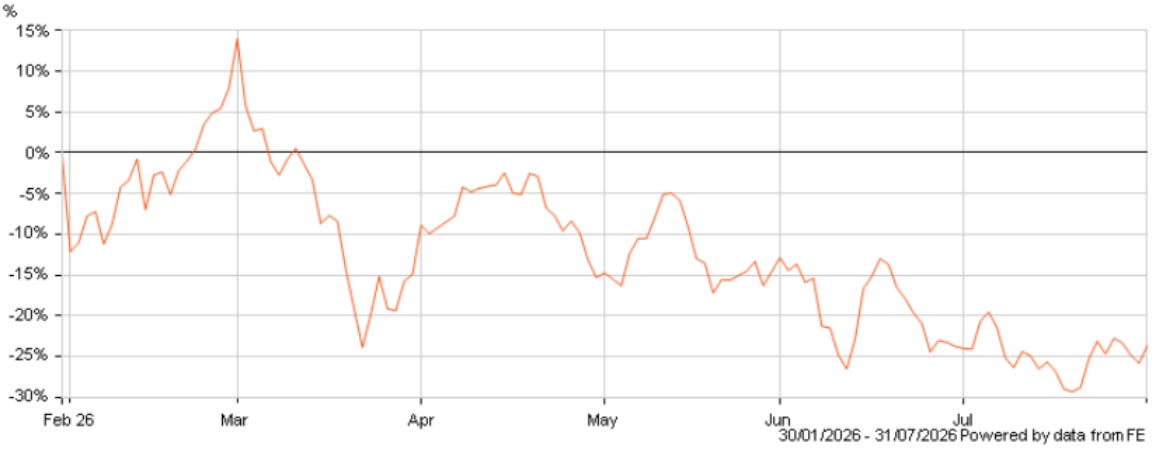
It is only in the last 4 weeks that it has limped back into the 8th. The story is identical for Amati Strategic Metals. Another previous top performer.
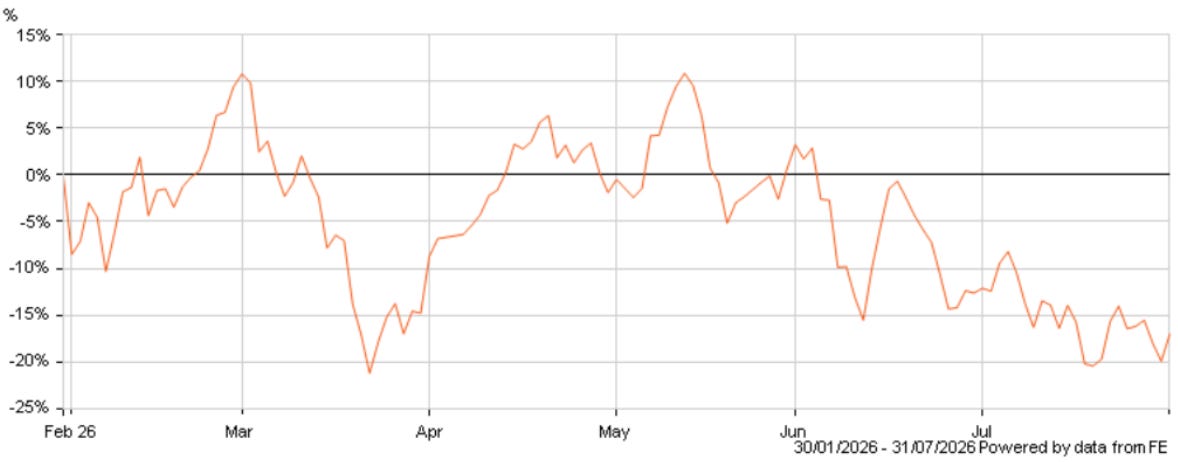
Perhaps the lesson for the Chip stocks and AI trade is go short or at least don’t be long for now.

https://www.wsj.com/finance/stocks/chinas-national-team-buys-nearly-9-billion-of-shares-to-support-market-09a39350
https://www.wsj.com/finance/stocks/investors-rotate-out-of-chip-stocks-365d8bc6?mod=finance_more_article_pos5
https://www.wsj.com/finance/stocks/asian-equities-mostly-lower-as-ai-led-rally-takes-breather-cd0615b1
https://www.ft.com/content/23f388eb-e8ab-4fb1-b1ca-8e04eb4561a1?syn-25a6b1a6=1
https://www.wsj.com/finance/stocks/investors-zero-in-on-runaway-tech-spending-putting-dent-in-ai-trade-1da74e98
https://www.wsj.com/articles/microsoft-earnings-q4-fy26-msft-stock-dfd3843e
https://www.wsj.com/finance/stocks/microsoft-posts-biggest-one-day-market-cap-gain-for-any-u-s-company-b8713761
https://www.wsj.com/economy/consumers/u-s-retail-sales-rose-at-slower-pace-last-month-bddb49c2?mod=Searchresults&pos=1&page=1
https://www.wsj.com/economy/central-banking/kevin-warsh-asked-the-market-to-speak-it-answered-c5b589f9?mod=hp_lead_pos6
https://www.wsj.com/finance/commodities-futures/oil-rises-amid-prospects-of-further-escalation-in-u-s-iran-conflict-3d1b0423
https://www.wsj.com/livecoverage/stock-market-today-dow-sp-500-nasdaq-06-29-2026/card/the-little-index-that-could-crush-the-s-p-500-this-year-1nbPndg3Bo1cx6pDl7z8
https://www.ft.com/content/2e3048dc-e003-44be-957c-3f119bde3f48?syn-25a6b1a6=1
https://www.wsj.com/finance/investing/pe-firms-are-raising-record-sums-in-asia-eqt-groups-chair-explains-why-4cd02d57
https://www.ft.com/content/32b0a522-383b-4442-9b66-54d7eb709394
No posts
Comments
Nothing yet. Say the first thing.
Sign in to join the conversation.