
Centuries ago, artists discovered that when they painted on a wood panel, over time, the paint would interact with the surface and ruin the painting. To counter this problem, they started painting a protective layer on the wood before painting. This protective layer was made of animal glue, gypsum and white pigment.
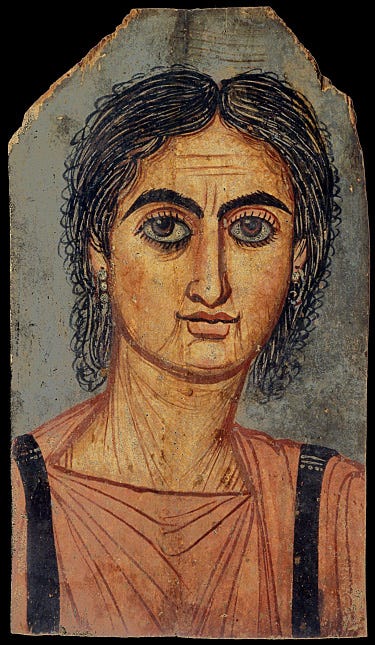
After tinkering with it and moving to canvas, artists would prep a canvas with an animal glue (called sizing) and then paint over that with an oil ground made of titanium white, linseed oil and lime (the mineral, not the fruit).
Sizing is the glue or layer that goes directly on a canvas before adding a ground or gesso. The oil in an oil-based ground and the oil-based paints will attack the cotton or linen fibers of the canvas and eventually deteriorate them. That is why you need a sizing to protect them.
Ground, gesso, and primer are all different terms, but perform the same basic task: they protect the surface from the paint that will be applied on top and provide a solid under-color, usually white.
In 1955, ‘acrylic gesso’ was created and is a combination of calcium carbonate with an acrylic polymer, a pigment and other chemicals that ensure flexibility. Typically, this new gesso is what most people think of when the word gesso is used. It allows the artist to apply two to three layers of one quick-drying medium in order to protect the surface. Acrylic gesso is now the most used product for preparing and protecting fine art paint surfaces.
But, there is that word: acrylic. All acrylic products are made from petroleum-based polymers. Other chemicals are added as well. Acrylic gesso is not an earth-friendly product. The original gessoes made from rabbit-skin glue, as horrible as it sounds, are more earth-friendly.
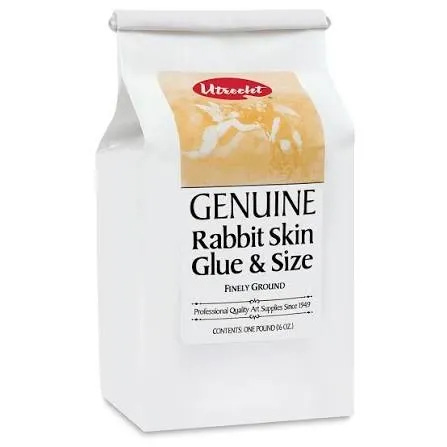
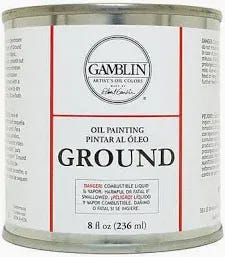
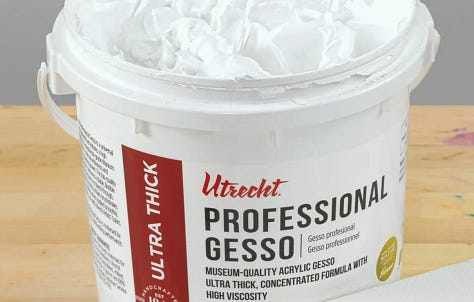
Traditionally, sizing goes directly on the raw canvas and is meant to work its way into the fibers and weave to protect the canvas from the base-coat of white oil ground and top-coat of oil paint. With the newer acrylic gesso, a sizing is not needed, as the acrylic gesso does not attack the fibers, like an oil-based ground or primer would.
If you are painting with oil paint and don’t want to use acrylic gesso, you still need to use a sizing before applying an oil ground or some base color for your painting.
Traditionally, the sizing has been rabbit skin glue. Today, another acrylic product has been created to replace the animal glue. It is called Sizing, because it provides the function of protecting the canvas.
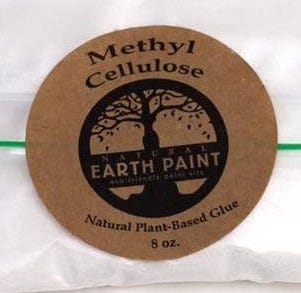
Lately, I have tried using Methyl Cellulose from Natural Earth Paints as a sizing to protect my canvases. It is a plant-based glue that is non-toxic and archival. I have not been happy with this as it seems too brittle for long-term viability on canvas. It comes in powder form and is very easy to mix with water and keep in a jar for a long time. I feel like it might be best for panels and paper, not canvases.
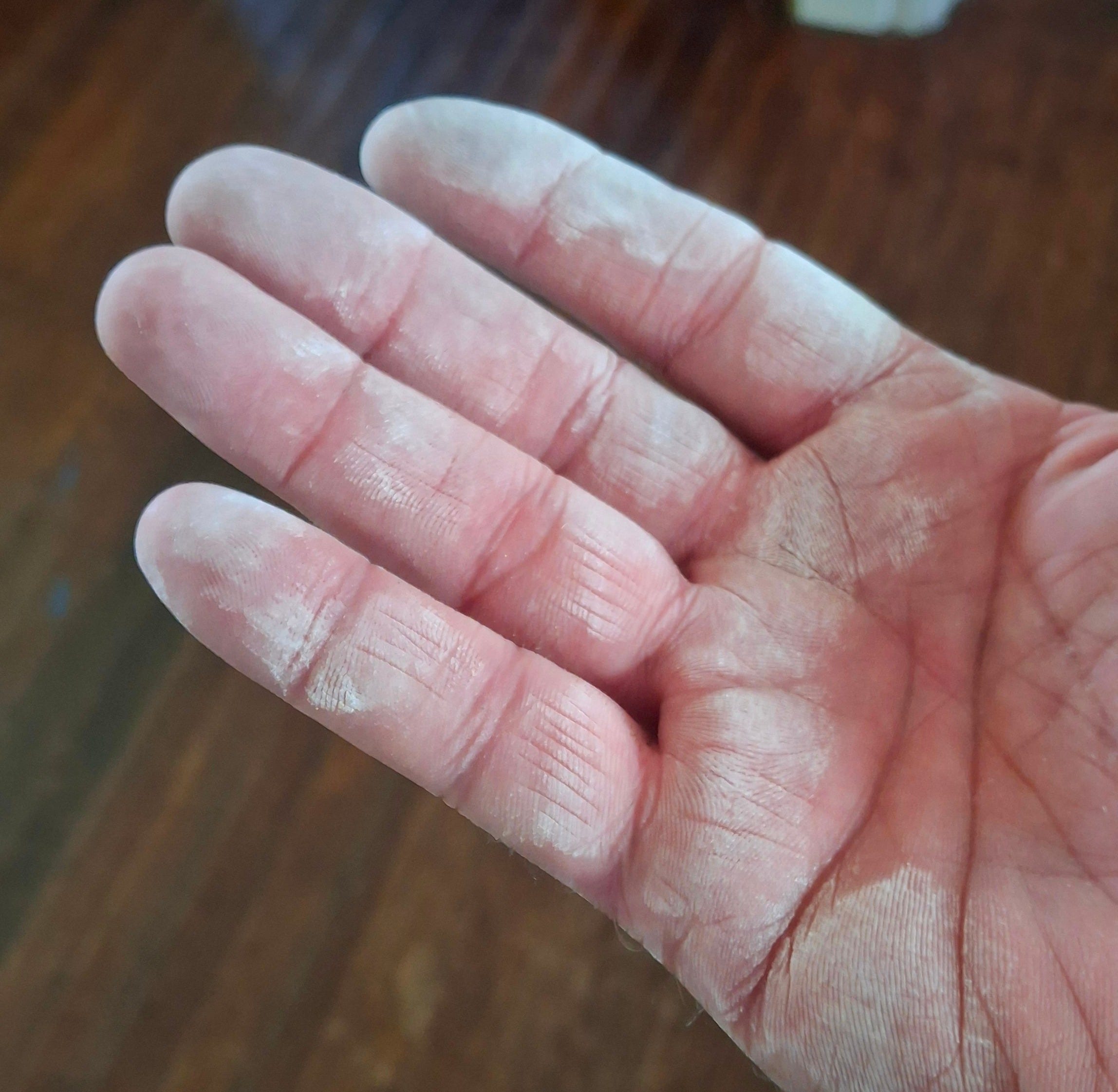
I have also tried a plant-based non-toxic gesso to put directly on canvas. I applied it to five canvases and let it dry before painting on it. The first thing I noticed, once it was dry, was that when I handled the canvases I would get a chalky substance all over my hands. It was as if the gesso did not have a binder in it that would bind it to the surface it was painted on. This became annoying very quickly as this powder would get on my hands, and then on my clothes, and then on doorknobs and anything else I touched.
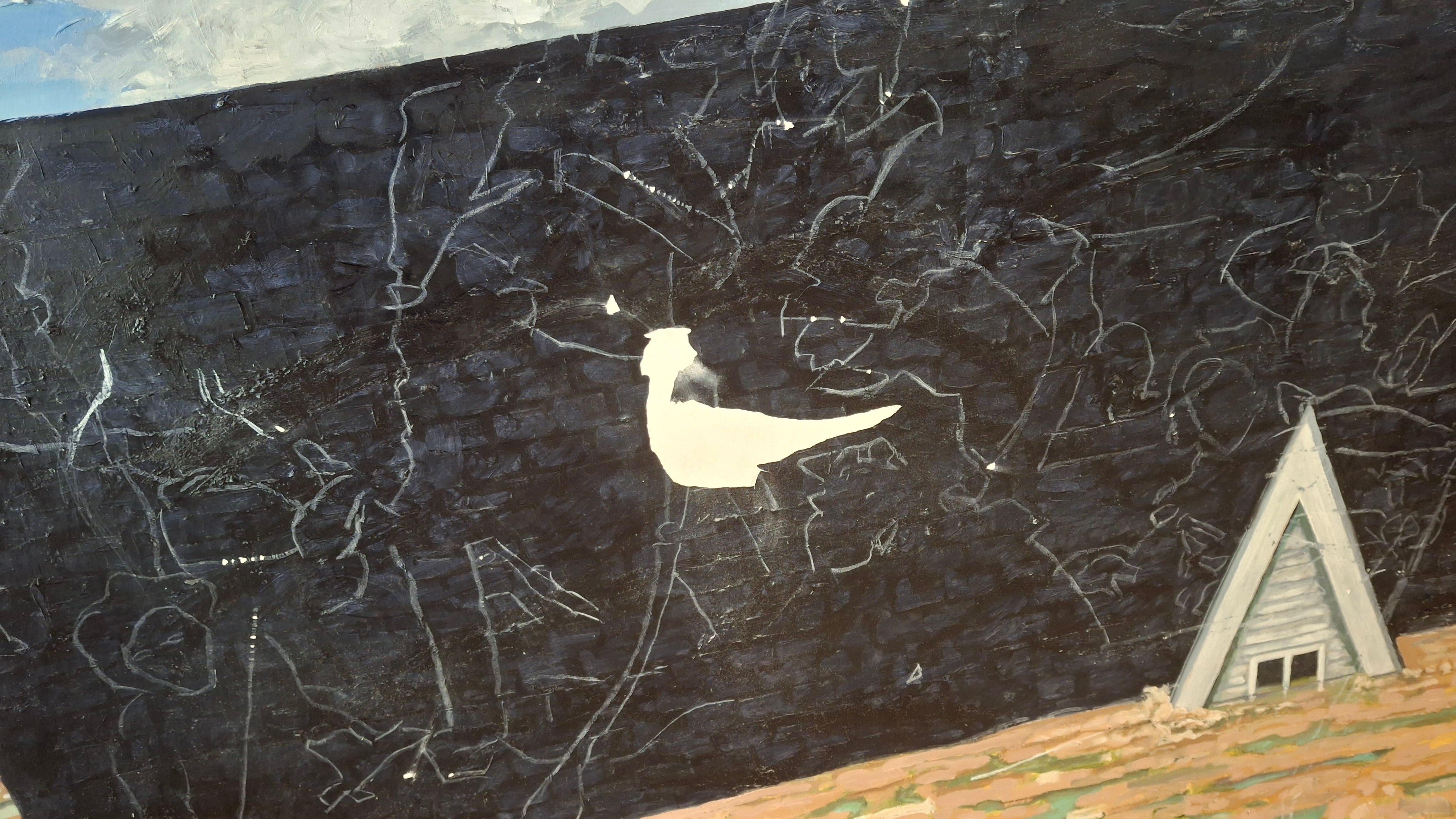
I thought, since it doesn’t have enough binder, I could perhaps apply a sizing over it and mix it in really good so it would bond nicely to the canvas. I used a stiff brush to apply the sizing and worked it into the powdery gesso and the canvas underneath. This seemed to work well, at first. I painted over this gesso with some oil paint. Things seemed to be working well, but one day I leaned the canvas against a counter in my studio. A couple days later I went to move it and some of the paint, where it was leaning against the counter, came off. Underneath this exposed area was the chalky substance again. The sizing-gesso mix did not bond to the canvas. I picked at the paint and I could peel it off the canvas. This, of course, is unacceptable so I had to remove the canvas from the panel and throw it away. I then removed four other canvases that I had stretched on panels or stretcher bars as the same effect was happening.
I have decided to backtrack a little on my approach to create the most earth-friendly oil painting on the planet. I am currently using PVA sizing for the initial layer on the canvas. It is an acrylic medium, so petroleum-based. I am not using the natural non-toxic gesso on top of the sizing or instead of the sizing. I am falling back to what I have been using for several years, which is oil ground. Oil ground is not made from petroleum but is made from titanium white, linseed oil and lime (the mineral, not the fruit). It takes two coats and then you have to wait a week, to let it cure, before painting on it. I have enjoyed using oil ground and am happy to stick with this.
I will soon try using rabbit skin glue for sizing, which is something I used years ago for a short period of time. There is an added step of hydrating and heating it, but it is worth it if it leads to a more earth-friendly painting.
Stay tuned to see what happens.
Comments
Nothing yet. Say the first thing.
Sign in to join the conversation.