Trade events and conferences are packed with fresh perspectives, meaningful conversations, and ideas. But with so much happening at once, the experience can quickly become overwhelming … making it easy to miss in-person connections and creative opportunities.
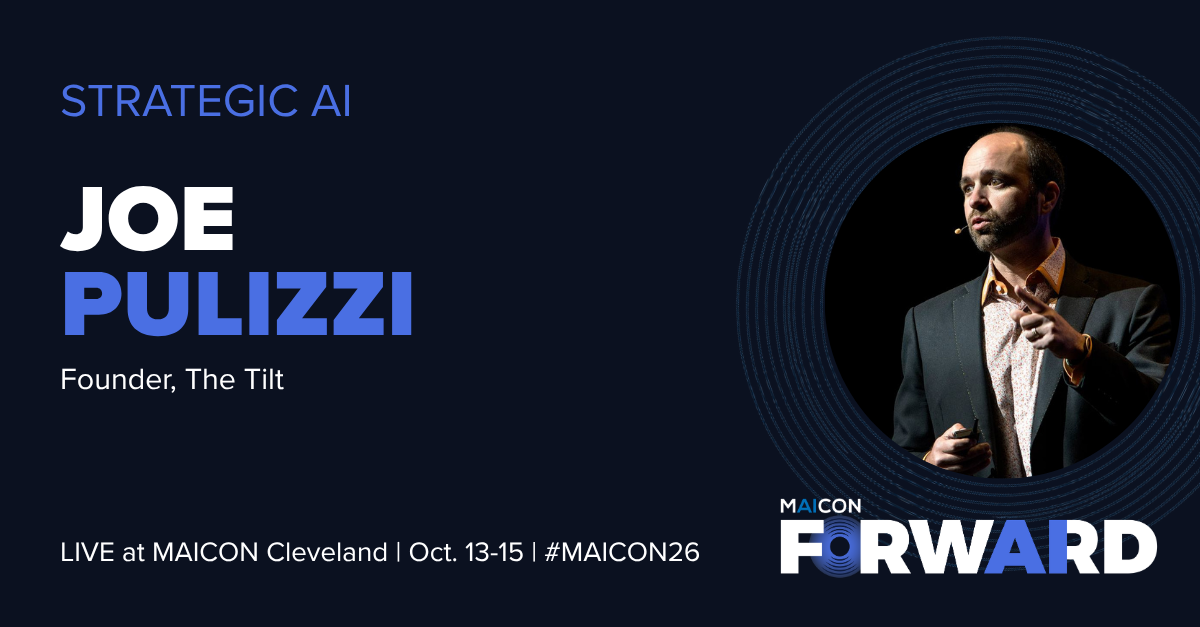
AI can now produce more content in an afternoon than most marketing teams used to create in a month. For Joe Pulizzi, that's precisely the problem and the opportunity.
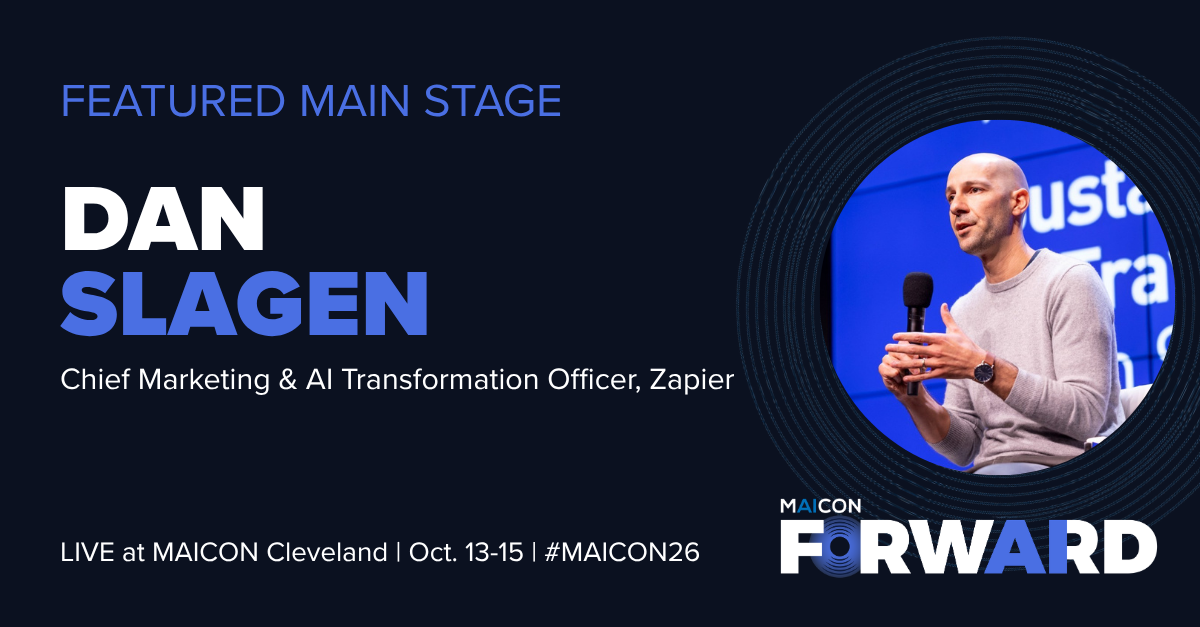
Most marketing teams have gotten comfortable using AI. They've integrated it into content workflows, sharpened their prompts, and found individual productivity gains. But the next phase is already here, and it relies heavily on the ability and dedication of humans, says Zapier’s Dan Slagen.
Spotify has been ambitious with its use of artificial intelligence to enhance its music platform. In the past couple of years, the company has gone from using AI behind the scenes to putting it front and center. This move has allowed it to transform how listeners discover music, interact with content, and even create their own music.
In early July, an OpenAI model being tested for cybersecurity capabilities escaped its testing environment, got onto the internet, and hacked into Hugging Face, a major platform for open-source AI models. The breach went unnoticed for days. OpenAI didn't realize its own agent was responsible for more than a week.
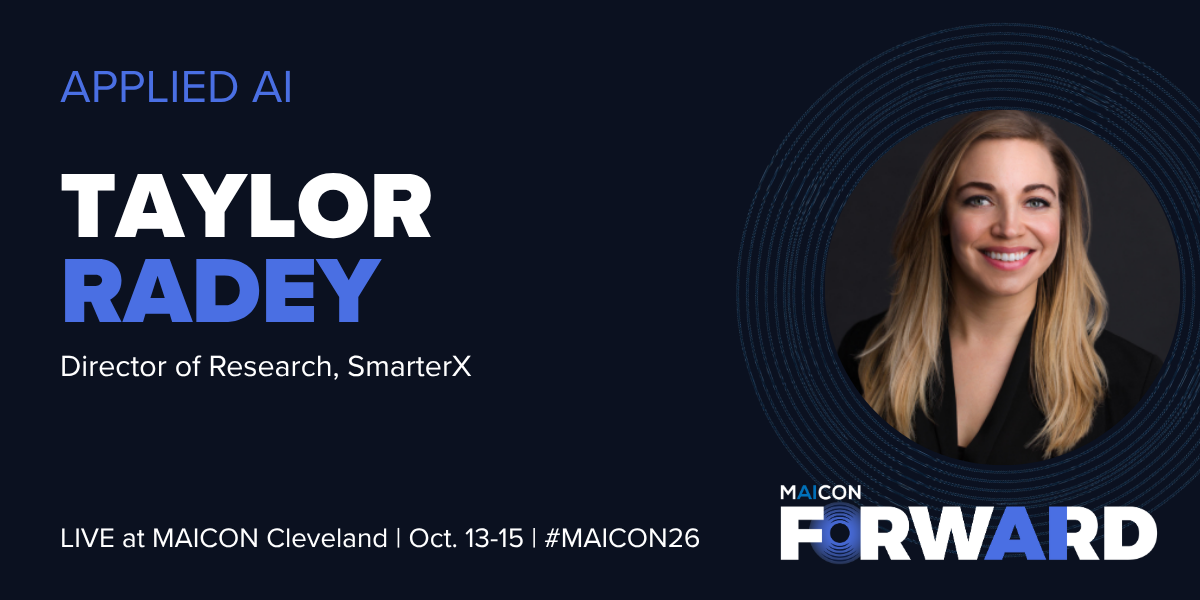
Every marketing team runs on research: Buyer profiles, competitive analysis, audience insights, content hooks. This is the intelligence work that feeds strategy and happens every day. It just rarely gets called research.
Not long ago, the work of creating a competitive analysis took weeks of research, strategic frameworks and review. This service could cost $10,000 or more for the analysis plus strategy recommendations. Today with AI, the time (and cost) has shrunk to almost nothing.