
Quick Note: In our latest episode of This Is Business, Tanvi Raut Dessai sits down with KukuFM’s founder Lal Chand Bisu to understand how a startup from India built one of India’s largest storytelling platforms by focusing on users beyond the English-speaking internet.
It’s a fascinating conversation about content, creators, AI, regional languages, and building products for the next wave of Indian internet users.
Watch now 👇🏻
Entertainment used to ask for three hours.
Then Netflix brought it down to about 45 minutes.
Instagram reduced it to 30 seconds.
Now, a new industry believes even that is too long.
Companies across India are spending millions to make shows that last barely one or two minutes per episode. Amazon MX Player has launched Fatafat. Balaji Telefilms has launched Kutingg. Zee has backed Bullet. ShareChat’s founders have launched QuickTV. Even MS Dhoni has invested in Kuku TV.
It sounds almost absurd until you realise this isn’t a crazy experiment. China has already turned micro-dramas into an industry worth more than $7 billion, with hundreds of millions of viewers watching bite-sized soap operas on their phones every day.
So why are investors, media companies and celebrities suddenly betting on stories that are shorter than a YouTube video? More importantly, why are millions of people happily paying to watch them?
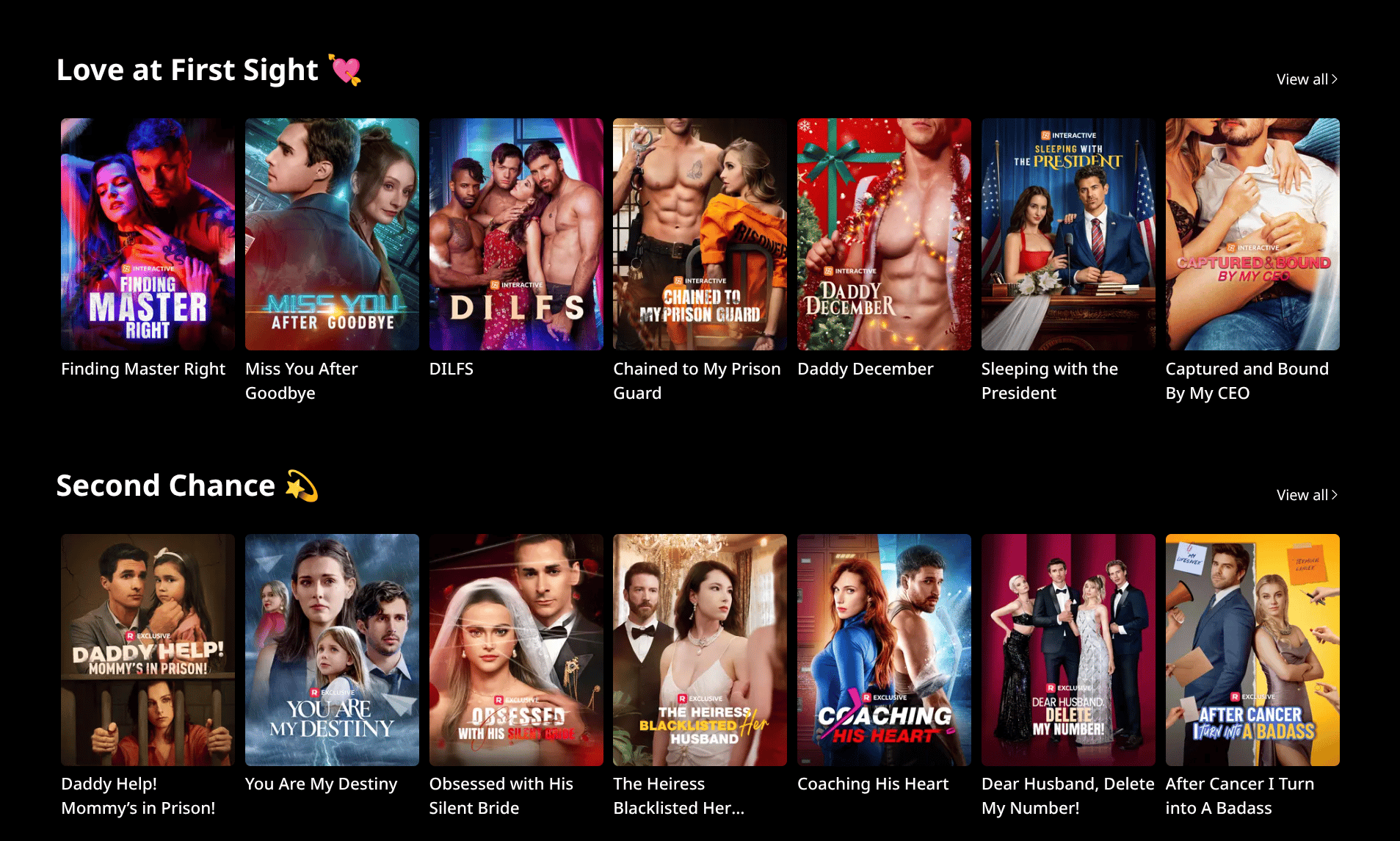
Micro-dramas are daily soaps redesigned for the scrolling generation. Each episode is usually 1 to 3 minutes long, shot vertically for the phone and packed with one sharp emotional hook.

Someone is betrayed, someone is secretly rich, someone gets insulted at a party, someone returns for revenge, or someone discovers that the man she married is not just a cold husband but also a billionaire, mafia boss, prince, vampire or some other high-voltage red flag.
The format may look silly from a distance, but the business behind it is anything but. India’s micro-drama market has already crossed $300 million in 2025, according to Lumikai’s State of India Interactive Media Report, and is projected to reach $4.5 billion by 2030.
The same report says the category has already seen 450 million downloads and 100 million monthly active users, meaning this is no longer just a weird corner of the internet. It is becoming a mainstream consumer habit.
The reason this adds up is simple. India has spent the last decade getting comfortable with short-form video. TikTok did it first, then Instagram Reels, YouTube Shorts, Moj and Josh took over the muscle memory. People learnt to watch vertically, swipe quickly and consume entertainment in small bursts. But Reels and Shorts are mostly disconnected videos.
One clip has a dance, the next has a food hack, and the one after that has someone shouting about personal finance from a car. Micro-dramas take that same short-video behaviour and add a proper story to it. They give viewers the feeling of watching a serial without demanding the time commitment of television or OTT.
That is why the format is especially interesting for India. We have a massive smartphone base, cheap data, strong regional-language consumption and millions of people who may not want to sit through a 40-minute episode after a long day.
Traditional TV was a family screen. OTT became a personal, slightly premium screen. Now, micro-dramas are trying to become the most private screen of all. They live inside the phone, inside the user’s idle time and inside the guilty pleasure zone where people watch content they may not proudly recommend on LinkedIn.
The psychology is the real product here. Micro-dramas are built around cliffhangers, and cliffhangers work because the brain hates unfinished stories. When an episode stops just as the heroine is about to reveal her identity or the villain is about to get exposed, the viewer feels a tiny mental itch. That is close to what psychologists call the Zeigarnik effect, where unfinished tasks or unresolved situations stay active in memory.
Simply put, the brain keeps asking, “Then what happened?” Micro-drama platforms convert that question into the next tap, the next episode and eventually the next payment. This is storytelling engineered like a vending machine.
There is also the emotional payoff. Most micro-dramas do not waste time building nuance because nuance is expensive in a 90-second episode. They go straight for humiliation, desire, revenge, regret, status and rescue. These are old emotions, but the format compresses them brutally.
In a normal TV serial, a character may suffer for 20 episodes before getting justice. In a micro-drama, insult, suffering, revelation and revenge can happen before your tea gets cold. That speed is why people call the format addictive, and it is also why viewers keep coming back. It offers the emotional satisfaction of a soap opera without the waiting time.
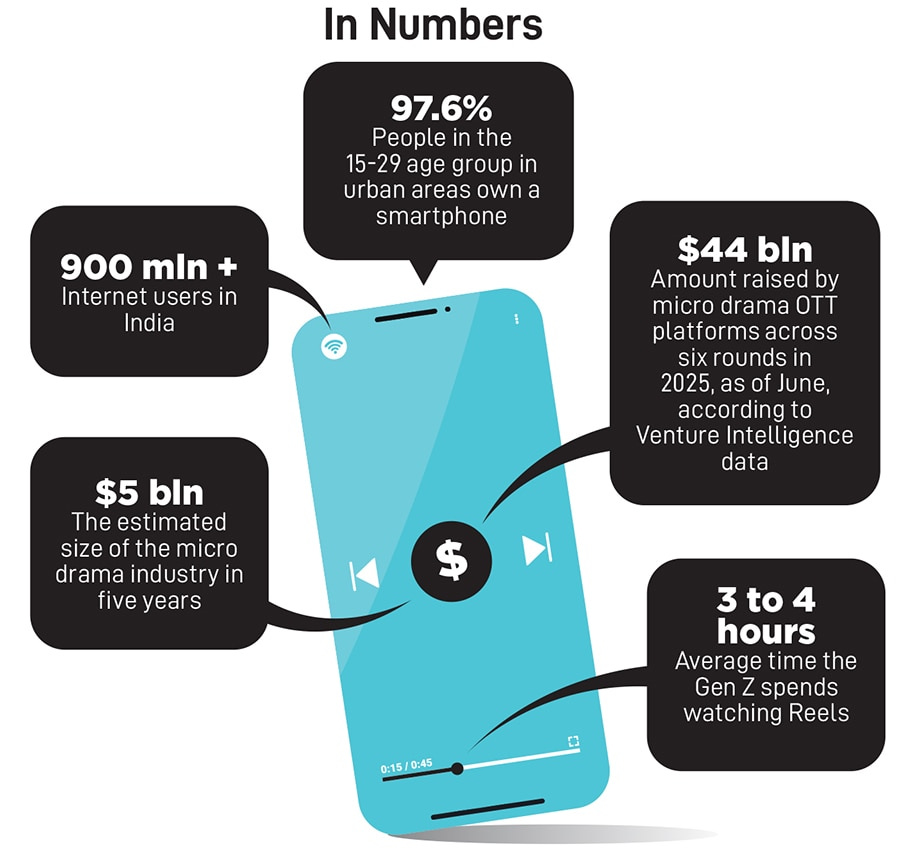
This is also why the audience is broader than people assume. Ampere Analysis, which surveyed more than 100,000 consumers globally, found that more than one in ten internet users had watched drama episodes under 10 minutes on social media, while people aged 18 to 34 were 21% more likely than average to watch them.
China has already shown what happens when this format scales. Micro-dramas began taking shape there around 2018, grew during the pandemic and became a serious industry within just a few years. A report presented at the 2025 World Internet Conference Wuzhen Summit put China’s micro-drama user base at 662 million, with market revenue crossing 50 billion yuan, or about $7.23 billion.
Micro-dramas have reportedly overtaken China’s domestic box office, meaning these tiny phone-first serials now generate more revenue than traditional cinema.
China’s success came from a production model built for speed and scale. Micro-dramas are typically shot in days or weeks, not months, and cost a fraction of traditional web series because they rely on simpler production, fewer locations and vertical filming. Most platforms monetise the format by offering the first few episodes for free before charging small in-app payments or subscriptions to continue the story.
That model is now spreading far beyond China. Apps like ReelShort, DramaBox and GoodShort have expanded into markets including the US, Japan, South Korea and Southeast Asia. According to Sensor Tower, short-drama apps generated around $700 million in global in-app revenue in Q1 2025, nearly four times higher than a year earlier, showing just how quickly the format is gaining traction.
Hollywood, which once dismissed phone-first entertainment after Quibi’s failure, is now taking micro-dramas seriously. Unlike Quibi, which tried to create a new viewing habit, micro-dramas build on one that already exists. That has prompted companies like Fox, Peacock, Lionsgate and Hallmark to explore the format, attracted by the format’s lower production costs, faster turnaround and the ability to quickly test what audiences actually want.
India’s version may not look exactly like China’s, but the ingredients are already here. We have grown up on emotional TV serials, embraced serialized audio through platforms like Pocket FM and Kuku FM, and made short-form video a part of everyday life. Micro-dramas simply bring these habits together in one format, which explains why the industry is attracting so much attention.
The funding story is already visible. Flick TV raised $2.3 million in a seed round led by Stellaris Venture Partners, while Chai Bisket raised money for Chai Shots from investors including Info Edge Ventures and General Catalyst. Balaji Telefilms is using its entertainment expertise to test micro-dramas through Kutingg, while Zee has backed Bullet to build a micro-drama app within the Zee5 ecosystem.
Amazon MX Player has entered the space with Fatafat, and ShareChat’s QuickTV brings an existing digital audience advantage. Startups see a new consumer behaviour, while established media companies see a way to reuse their storytelling expertise before someone else captures that audience.

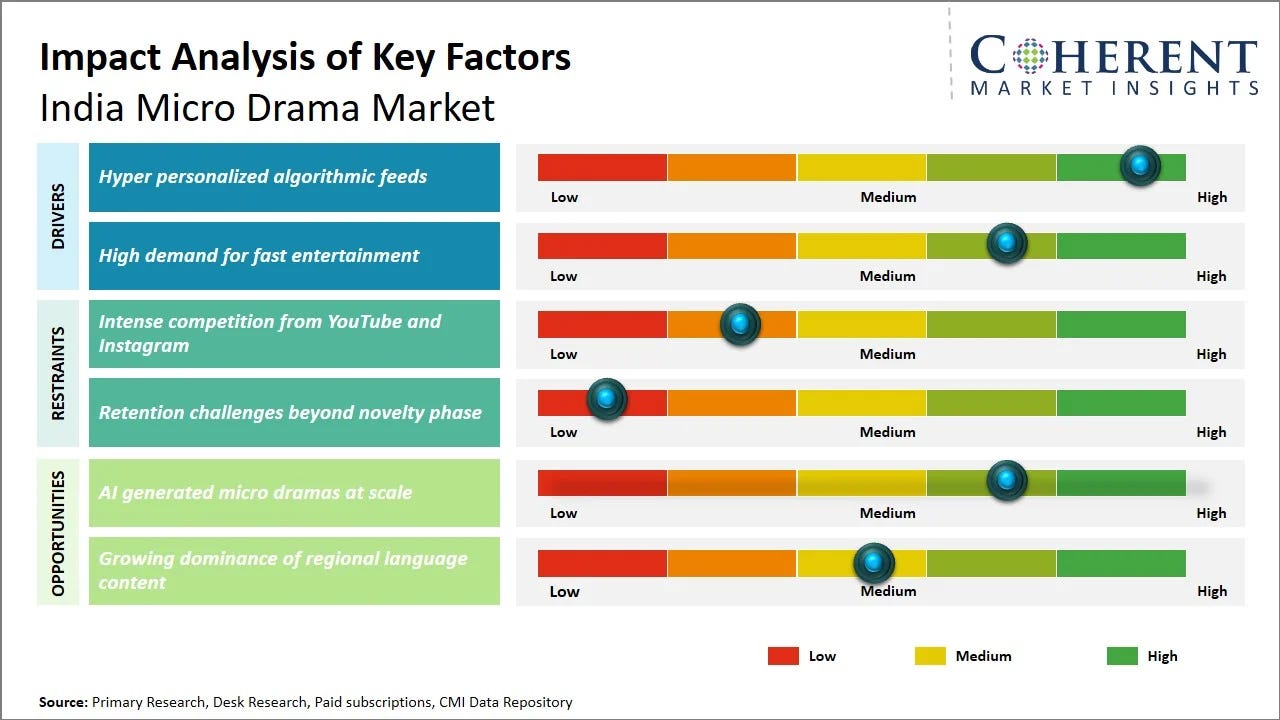
The economics are equally compelling. Unlike traditional OTT shows, which can cost several crores and take months to produce, micro-dramas are far cheaper and faster to make, thanks to simpler production, fewer locations and shorter shoots. That allows platforms to release more titles, experiment with different genres and quickly learn what audiences actually want. In entertainment, where most content fails, making failure cheaper is a significant advantage.
The monetisation model is also different from traditional OTT. Some Indian platforms are experimenting with low-value recharges, monthly plans and ad-supported unlocks because India is a highly price-sensitive market. Many users may hesitate to pay ₹499 a month for an OTT subscription, but they may be willing to spend ₹10, ₹29 or ₹49 to continue a story that has already hooked them.
Advertising could become another major revenue stream. Since users often watch multiple short episodes in one sitting, platforms can naturally insert more ads than traditional OTT services. Brands can also integrate products directly into storylines, making micro-dramas attractive as more than just a subscription business, especially in a price-sensitive market like India.
The biggest challenge, however, is content quality. If every show follows the same billionaire romance or revenge formula, audiences will eventually lose interest. China has already experienced this with a flood of low-quality titles. To sustain growth, Indian platforms will need stronger writing, more original stories and deeper regional storytelling rather than relying on repetitive hooks.
AI could accelerate this industry even further. Companies in China are already using AI for actors, dubbing and production, while AI-first startups like Israel’s Shortical have attracted major funding, signalling growing investor interest. For India, AI could lower production costs and make regional adaptation easier, but it also raises questions around originality, copyright and content quality.
India’s opportunity extends far beyond Hindi. Regional languages could ultimately shape the category, with platforms already building content for Telugu, Hindi and other local audiences. Since entertainment preferences vary widely across states, the winners will be those that create stories rooted in local cultures, emotions and everyday experiences rather than simply copying successful formulas.
Micro-dramas could also create new opportunities for actors, writers, production houses and regional creators by lowering the cost of making and distributing content. China has already shown how the format can support an entire content ecosystem. The challenge for India will be ensuring platforms invest in quality storytelling rather than chasing cheap, repetitive content.
Whether micro-dramas become India’s next major entertainment category or just another passing trend will depend on that balance. The market has already crossed $300 million and is projected to reach $4.5 billion by 2030, while China’s $7 billion-plus industry shows how large the opportunity can become. The demand is clearly there. The bigger question is whether the industry can keep viewers hooked with better stories, not just shorter ones.
One thing, however, is already becoming clear. Entertainment is steadily shifting from scheduled viewing on television to on-demand consumption on smartphones. Micro-dramas are not replacing films or OTT platforms. They are filling the small pockets of time that traditional formats never truly owned.
If you’ve made it this far, thanks for reading.
We’ll land in your inbox again next week, right on schedule.

If there’s a topic you think deserves more attention, send it our way. We’re always listening.
And if we run with your idea, we’ll send a little Filter Coffee surprise your way.
That’s all for this week. See you on the next brew.
No posts
Comments
Nothing yet. Say the first thing.
Sign in to join the conversation.