
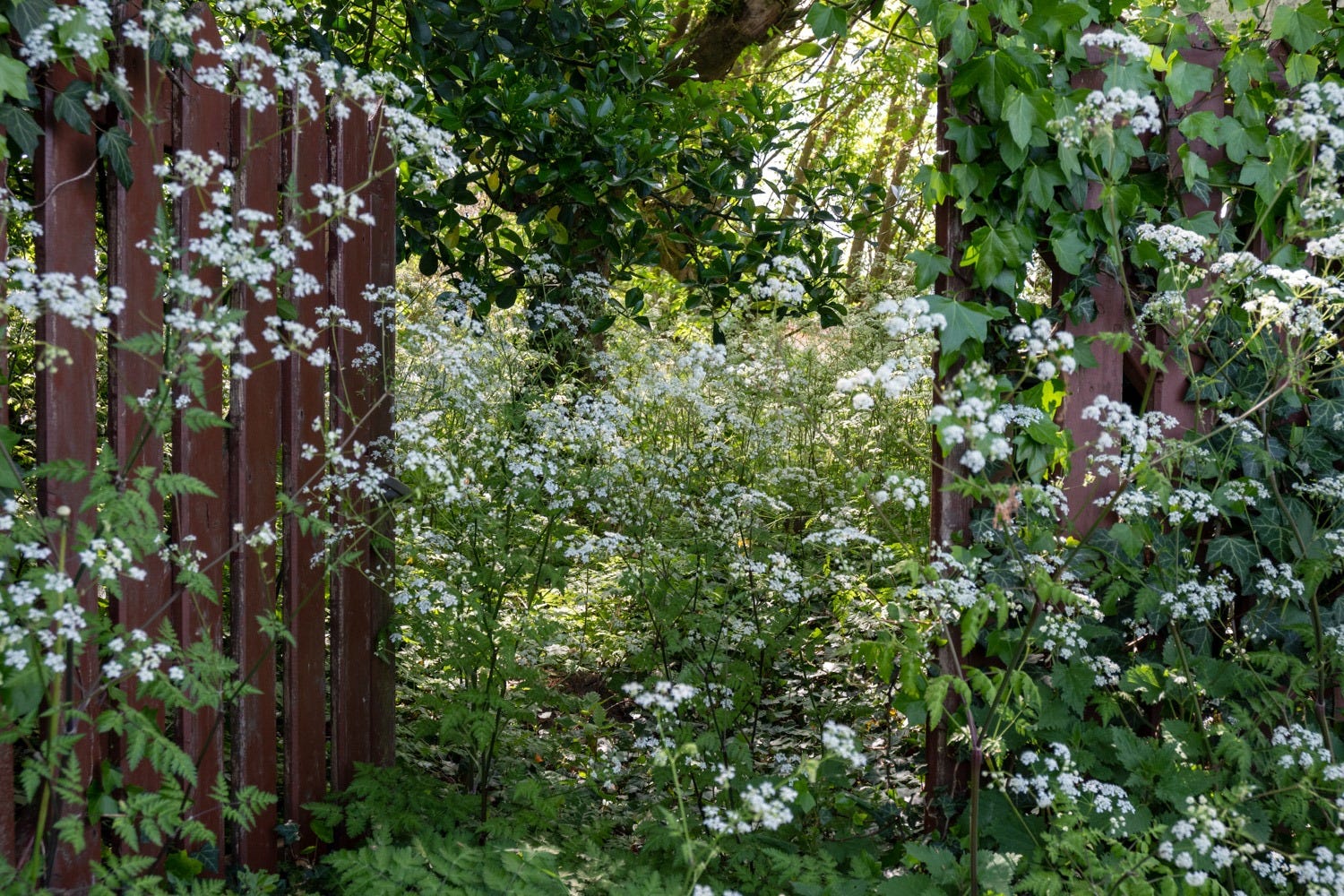
The cow parsley (Anthriscus sylvestris) seems to be breaking in to this garden, through the garden gate
Scrabbling around at the back of a border, I spot the small pink flower of a Herb Robert (Geranium robertianum), and its finely cut foliage sprawling across sun dappled earth. Known sometimes as ‘Stinky Bob’ it’s an unobtrusive plant, but an important food plant and nectar source for many bees and hoverflies.
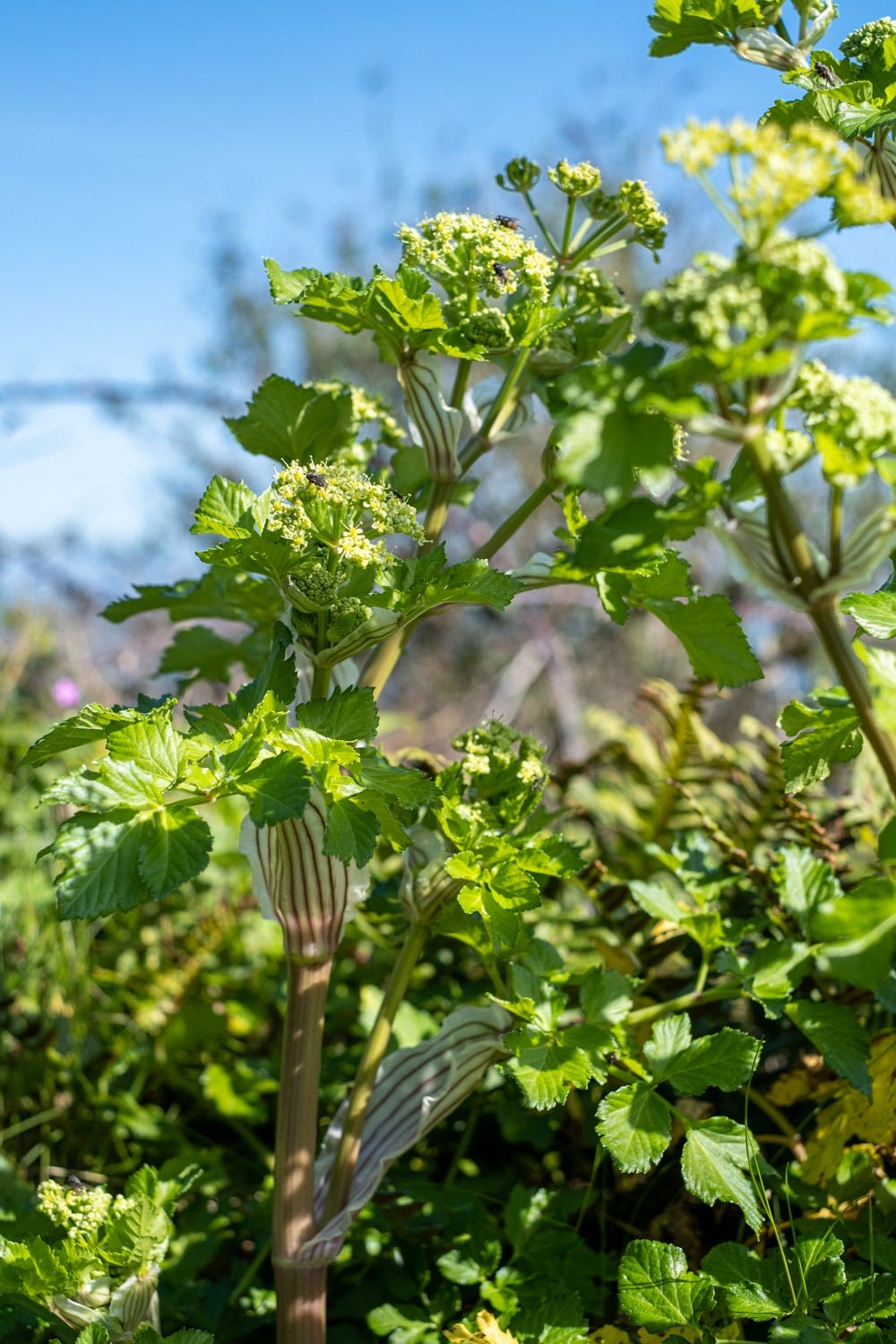
And, a little further on, amongst a stand of foxgloves, is the unmistakably huge emerging leaf of a hogweed. Now, in former times, certainly at my last garden, I would have grabbed both of these plants and wrenched them out; not now though. I have come to appreciate what some will call ‘weeds’. With careful ‘editing’, I am taking care to leave some of them. I love these rather beautiful native plants, and have realised that they have a place in the scheme of things. Have you ever seen a statuesque Common Hogweed (Heraclium sphondylium), six foot tall in mid summer, covered with hover flies? It’s a sight to behold, and indeed treasure. Don’t confuse it with Giant Hogweed though, which can be harmful, and is an invasive bad boy! Growing out of the top of our wall is another umbellifer, known as ‘Alexanders’ (Smyrnium olusatrum); it’s edible (the seeds are like black pepper, the roots like parsnip and the stem apparently a bit like broccoli!). A spring bloomer that loves a sea breeze, it does well round here.
Thanks for reading! This post is public so feel free to share it.
Alexanders (Smyrnium olusatrum) on top of our garden wall, Shining Geranium (Geranium lucidum) in the borders with Centaurea nigra
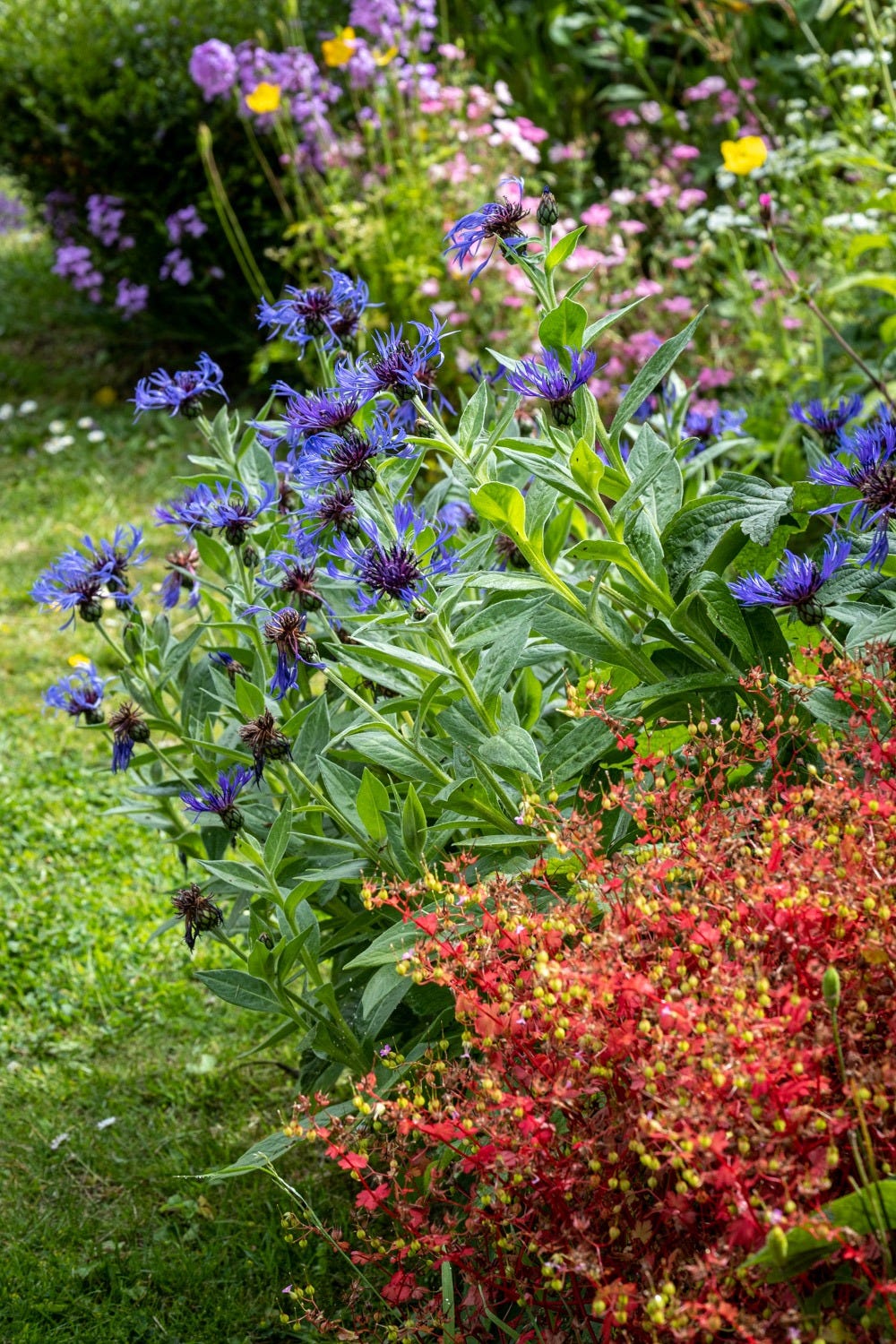
In a shadier border, beneath the cherry tree (Prunus ‘Kursar’) is ‘Jack by the Hedge’ (Alliaria petiolata) which has been similarly held back with some careful but not total ‘editing’, and some Red Campion (Silene dioica), both of which are happy in this cooler and more shaded situation, and hold their own alongside other more traditional garden plants. The Campion is great for filling gaps whilst waiting for the later Camassias and Japanese Anemones (Anemone x hybrida) to flower. As I write this at the end of august, it’s still flowering away in the shade of the cherry tree. And at the very front of the border is ‘Shining Geranium’ (Geranium lucidum), with its small pink flowers and shiny foliage. If allowed to stay until late summer, this foliage, and the stems, go deep red, and in my eyes, it outshines all the ‘proper’ flowers behind it!
The common denominator with many of these native plants is their value as pollinators (where would we be without pollinators for our tomatoes, apples, and next years supply of seeds for the garden?) and as a food source for the caterpillars that become the next generation of butterflies and moths. These insects in turn support the birds and are part of a healthy eco-system. And its not just birds that eat insects. They’re an important part of the diet of hedgehogs, spiders, bats, fish, frogs and toads. There are even some insects that eat other insects, including wasps, ladybirds, and ants.
For so long we have tried to eradicate ‘weeds’ by blasting them with chemicals, or we have paved and tarmacked the land. We have even tried to get rid of real lawns and replace it with plastic grass! We have tried to kill garden ‘pests’ with killing sprays and we tidy up the autumn borders so much that the insects and invertebrates have nowhere to go. The balance of nature has been lost in our gardens, and as they make up a significant part of our landmass (the garden area is more than four and a half times larger than that of our National Nature Reserves.) we really are doing some damage. Fortunately, it seems like we may have turned the corner (or reached the bottom!), and the popularity of the RSPB’s ‘Garden Birdwatch’ or Plantlife’s ‘No Mow May’ is proof that modern gardeners are more aware of the issues than in previous years.
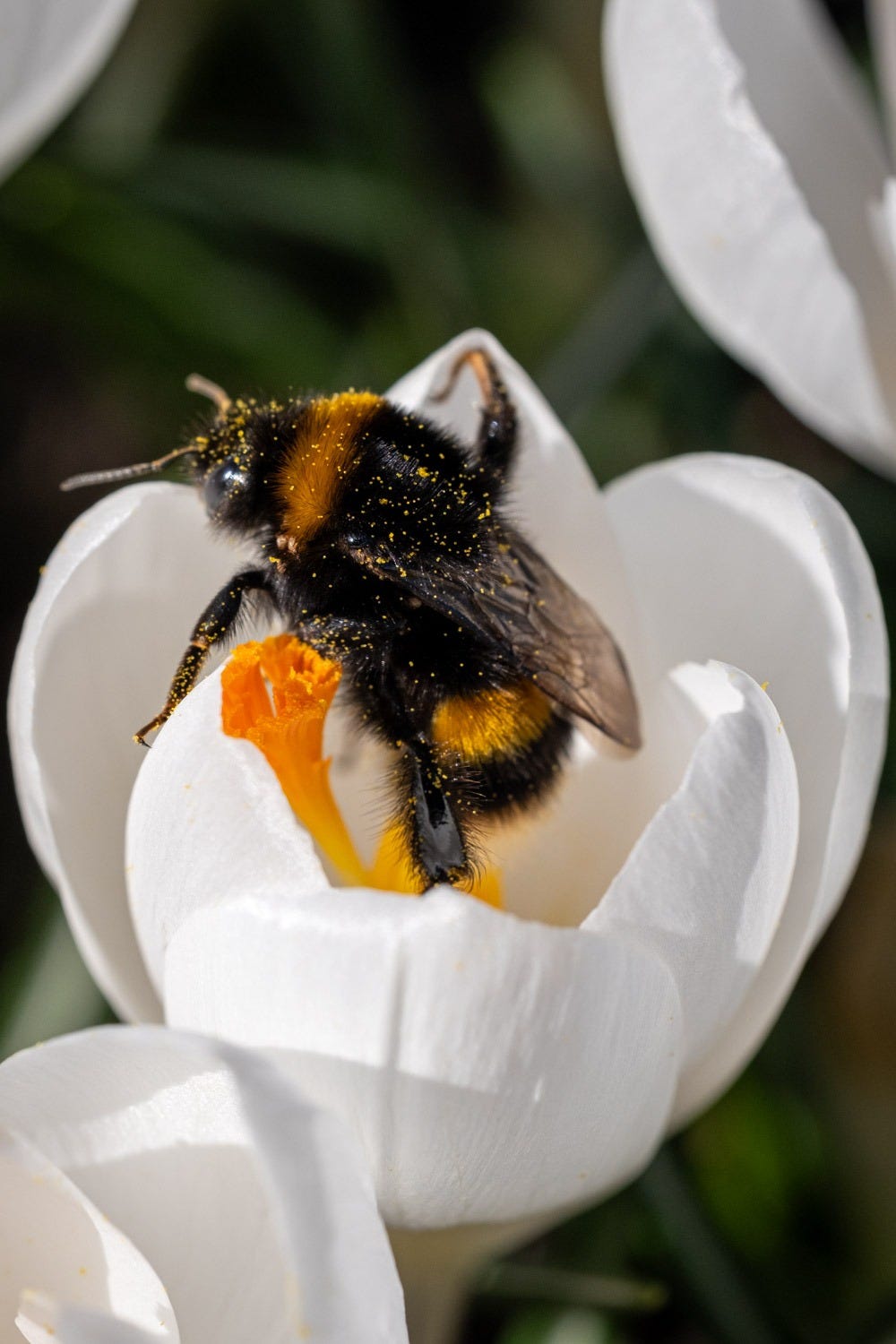
How can we help? The cottage garden can easily be, and traditionally would have been, a nature friendly garden. We love the self seeders, the jumble of plants, the wild or native plants that help create diversity. A cottage garden should be planted with constant interest in mind, so that even in late autumn and winter there might be flowers available for pollen; I’m often surprised at the number of early bees that visit snowdrops and crocuses in late winter. So, if we can plant with that in mind, we will help nurture the wildlife. And it also nurtures us! We want to see flowers and interest all year around if possible; so a parade of snowdrops, followed by tulips, forget me nots, alliums, then roses, dahlias, sunflowers and asters keeps us all going through the year.
Early bumblebees love the spring crocuses, Hogweed (Heraclium sphondylium) covered with hoverflies in summer
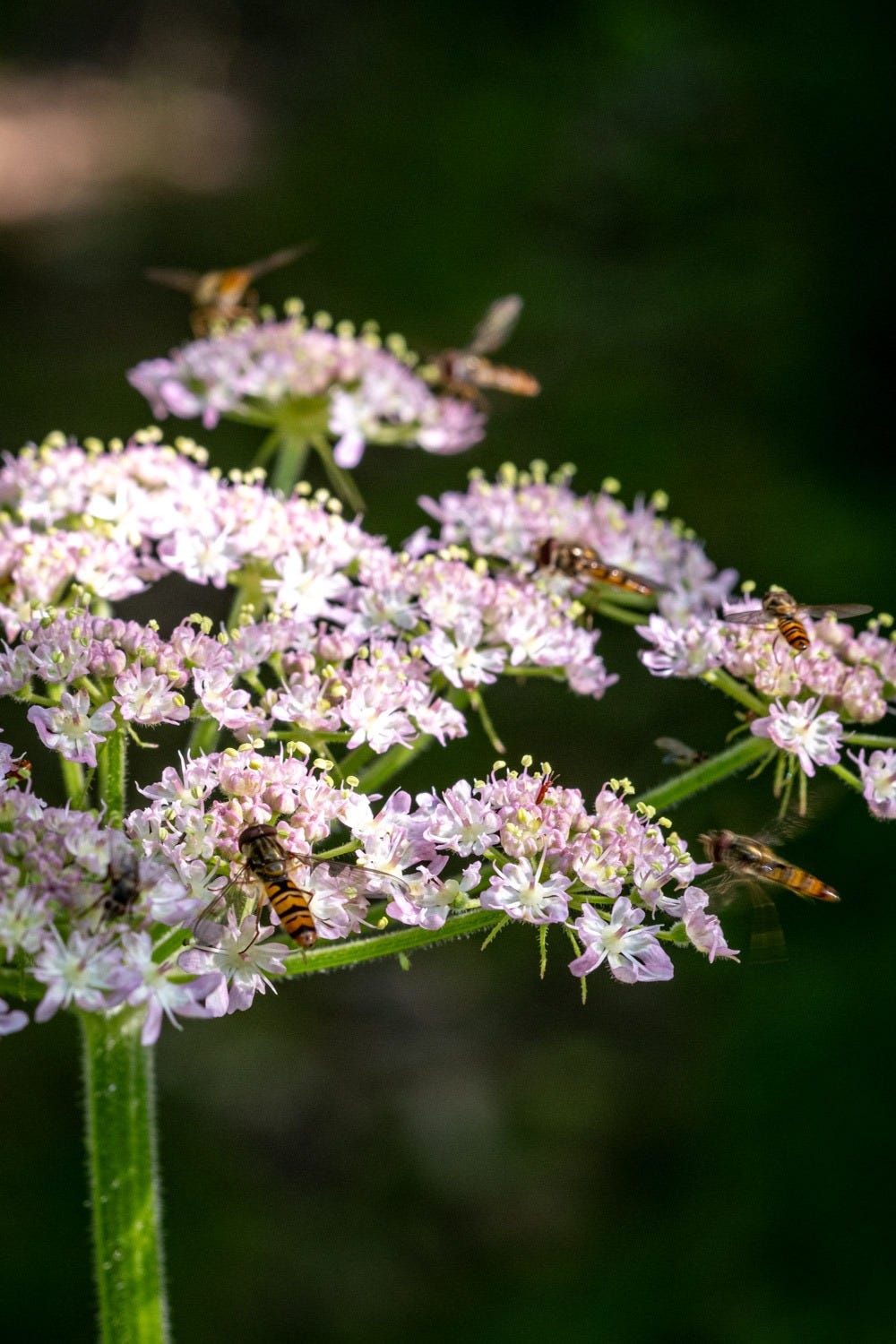
A good structure of cottage shrubs gives us a framework; These structural plants can hold their own in the winter months, when herbaceous perennials lie dormant below ground. Look for those that have good blossom and fruits during the quieter seasons and the wildlife will be grateful. And keep the seasonal interest going by planting seeds successionally, so that the flowers come in waves, rather than all at once. The typical cottage garden ‘jumble’ of flowers, all mixed together, is beneficial too and means that a wide range of insects are attracted. In terms of plant types, it’s a good thing to have as many simple-flowered plants as possible (double flowers are not so good for insect life as they find it harder to get to the pollen).
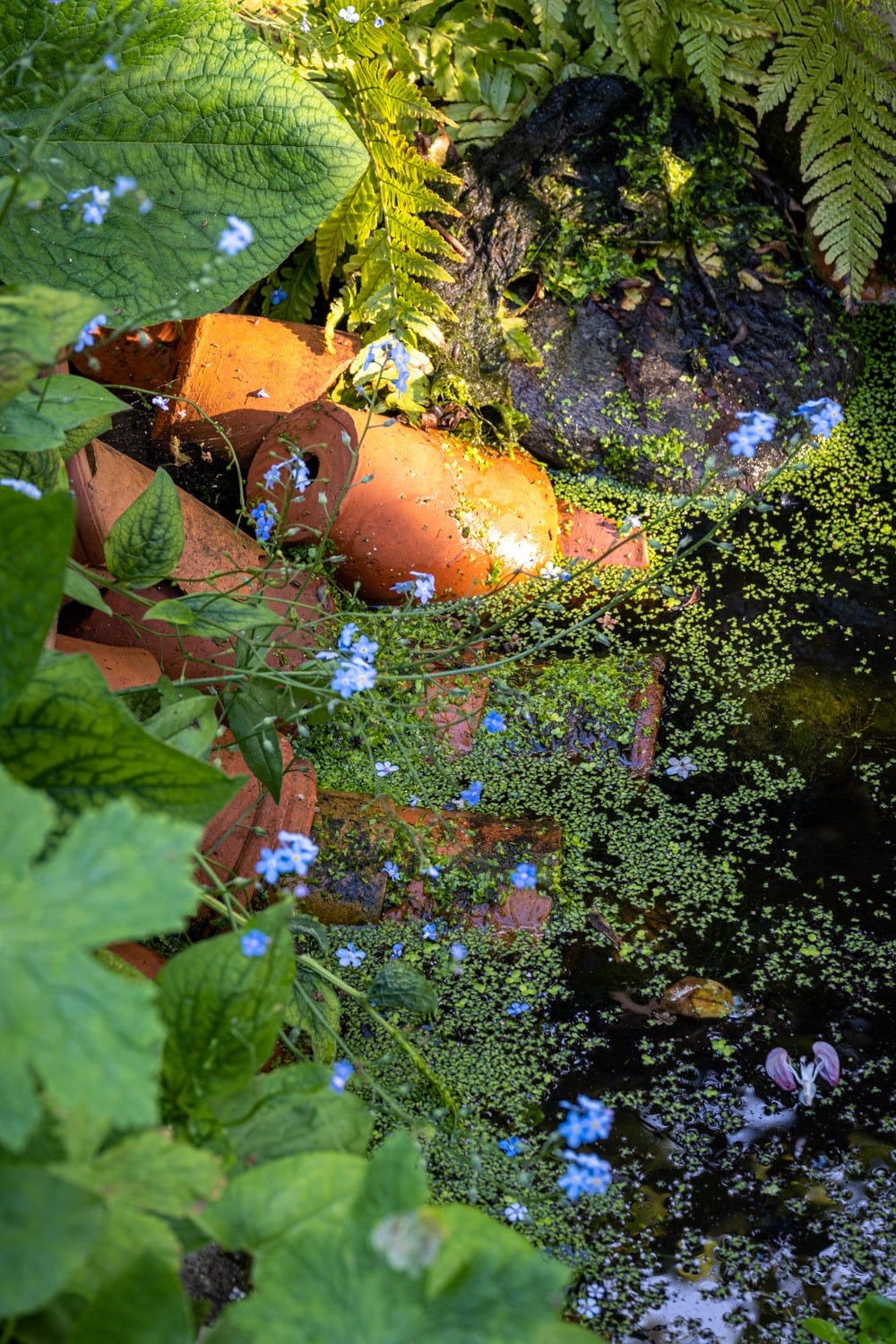
We can build a pond. One of the best ways to support wildlife, these can be whatever size suits your garden, from a really simple bucket or old sink, sunk in to the ground, to a much larger, properly lined and planted pond. Water in the cottage garden is one of the best ways to encourage wildlife; from birds that come to bathe, to frogs, newts, dragonflies and even grass snakes. They come for the shelter, the water and the food, and in turn, other wildlife comes too. And, by the way, the addition of a pond is also good for us; it’s fascinating, it’s calming and it’s rather beautiful. With plenty of photographic possibilities too!
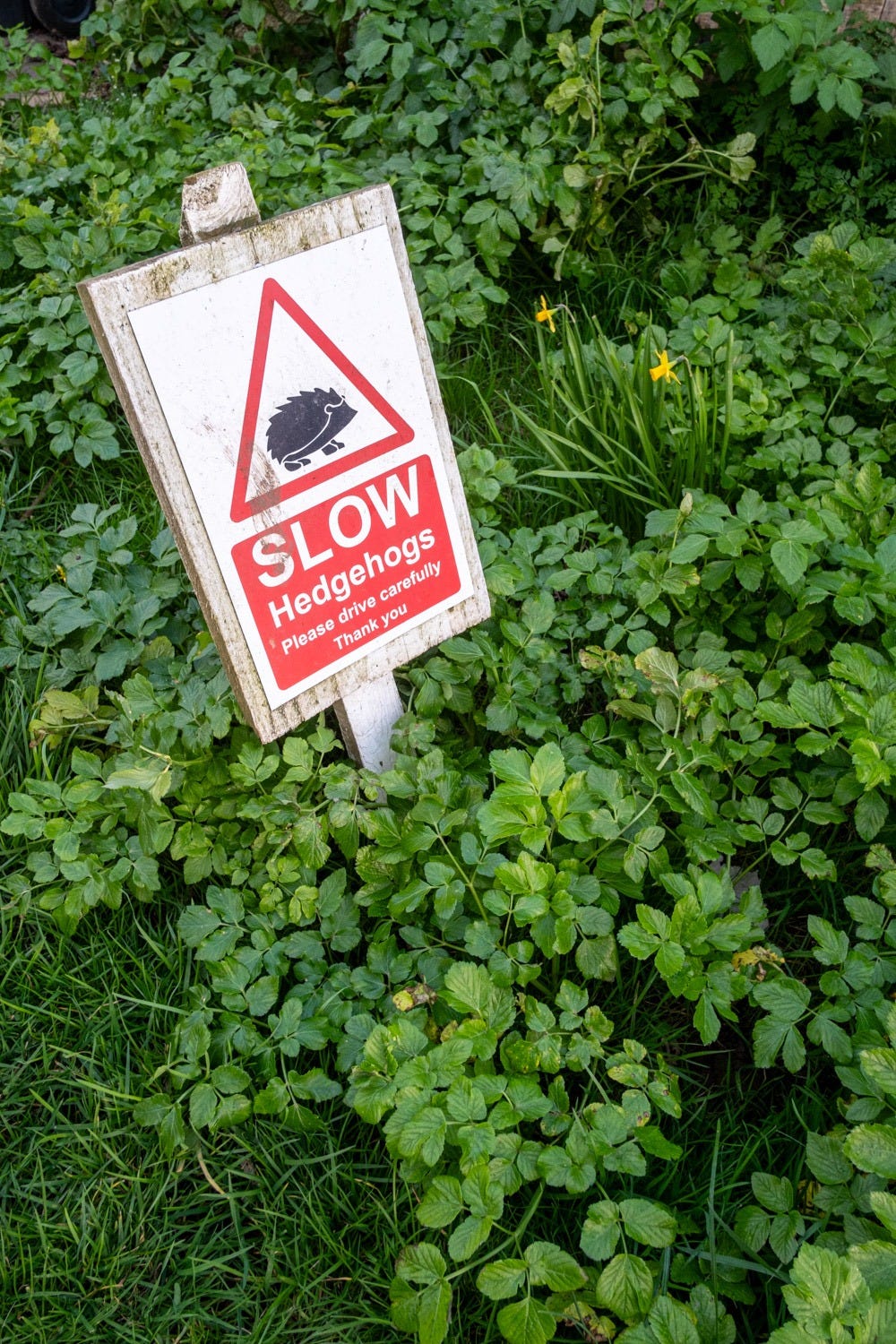
A log pile is an excellent way to attract insects and a convenient way to get rid of unwanted wood cuttings. The insects use the pile as home and larder, and they help (with fungi) to break down the wood over time. Place the pile in some shade (I have one at the back of a deep border and its virtually invisible now). It’s attractive to insects and therefore hedgehogs and I saw one in this garden for the first time earlier this year. You would not believe how excited I was! It goes without saying that if you want to keep your hedgehogs, allow them in and out of the garden by providing access holes in hedges or fences, and do not use slug pellets, which are poisonous to all wildlife, including hedgehogs.
Donate to keep this publication going
Even tiny ponds are great for wildlife, Hedgehogs crossing!
Resist the temptation to mow the lawn once a week, and let the grass grow. Plantlife (a brilliant charity that looks after our native plants in this country) has a campaign to allow the lawns and green spaces to grow for a month in May. This helps the pollinators, it tackles pollution and it helps lock atmospheric carbon below ground. You will be amazed at how many wild flowers emerge in your lawn areas; beautiful flowers, sedges, and native grasses will pop up, even if you let it go for just a few short weeks in summer. And if you can wait until late summer to cut it back (‘Let it bloom in June’!), the flowers will have had a chance to seed themselves and you’ll get even more next year! We, in the UK, have lost ninety seven percent of our flower rich meadows since the 1970’s and with them the vital food needed by pollinators, and this is a way that we can help restore some of the balance.
Give the birds some boxes and they will nest. My own box is halfway up the hawthorn tree and has, since the first week I put it up, been a home for the blue tits in my garden. They seem to thrive there, and are very good at getting rid of the aphids that seem to love my lupins.
Finally, be organic. Don’t use chemicals to kill so-called pests or weeds. Let nature do it’s job, it’s much better than we are at it!
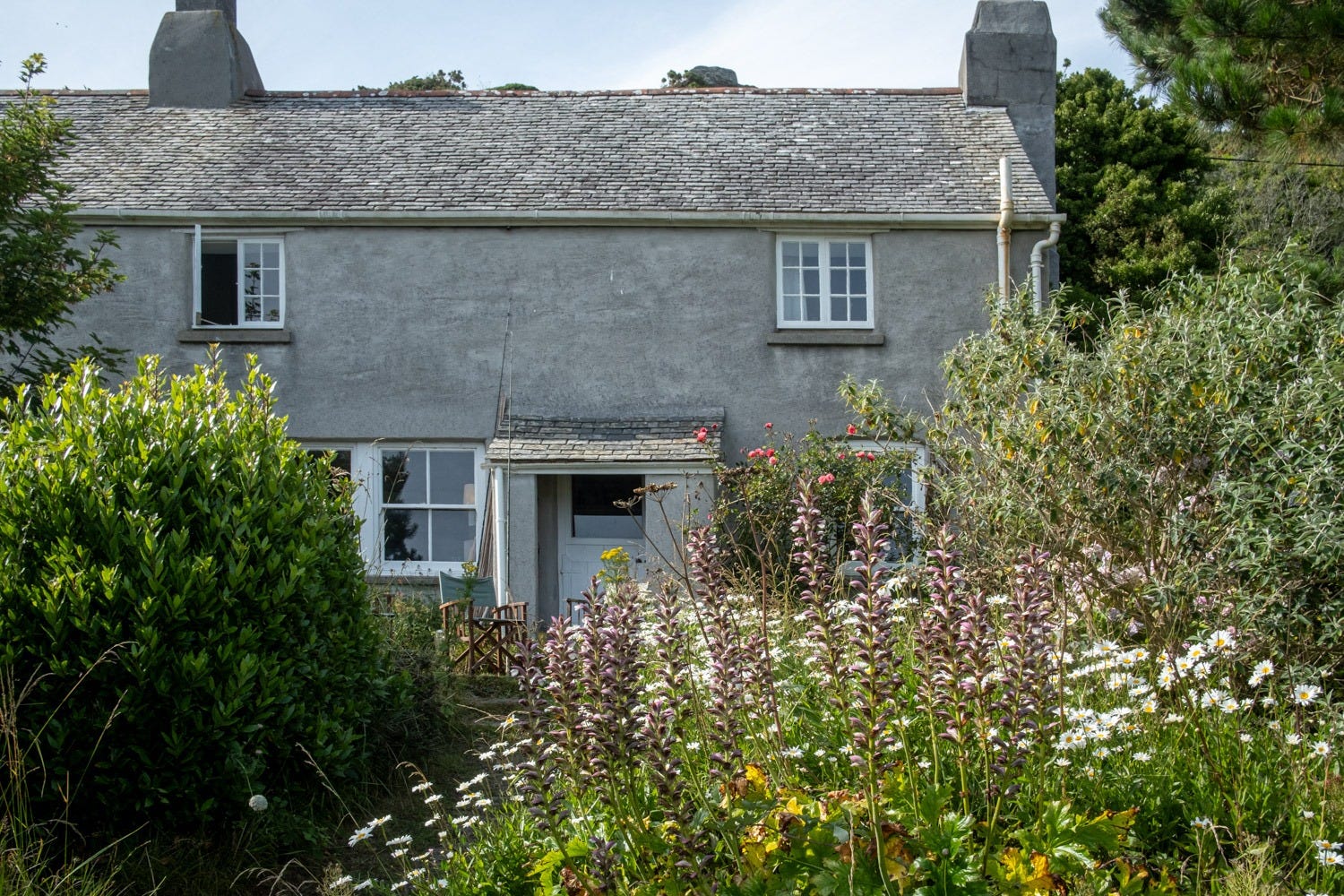
Mr Brazil down the road in our village has a garden that he describes as ‘built for wildlife’. It’s packed with wildflowers, and apart from an occasional trim, allowed to bloom unhindered.
Comments
Nothing yet. Say the first thing.
Sign in to join the conversation.