
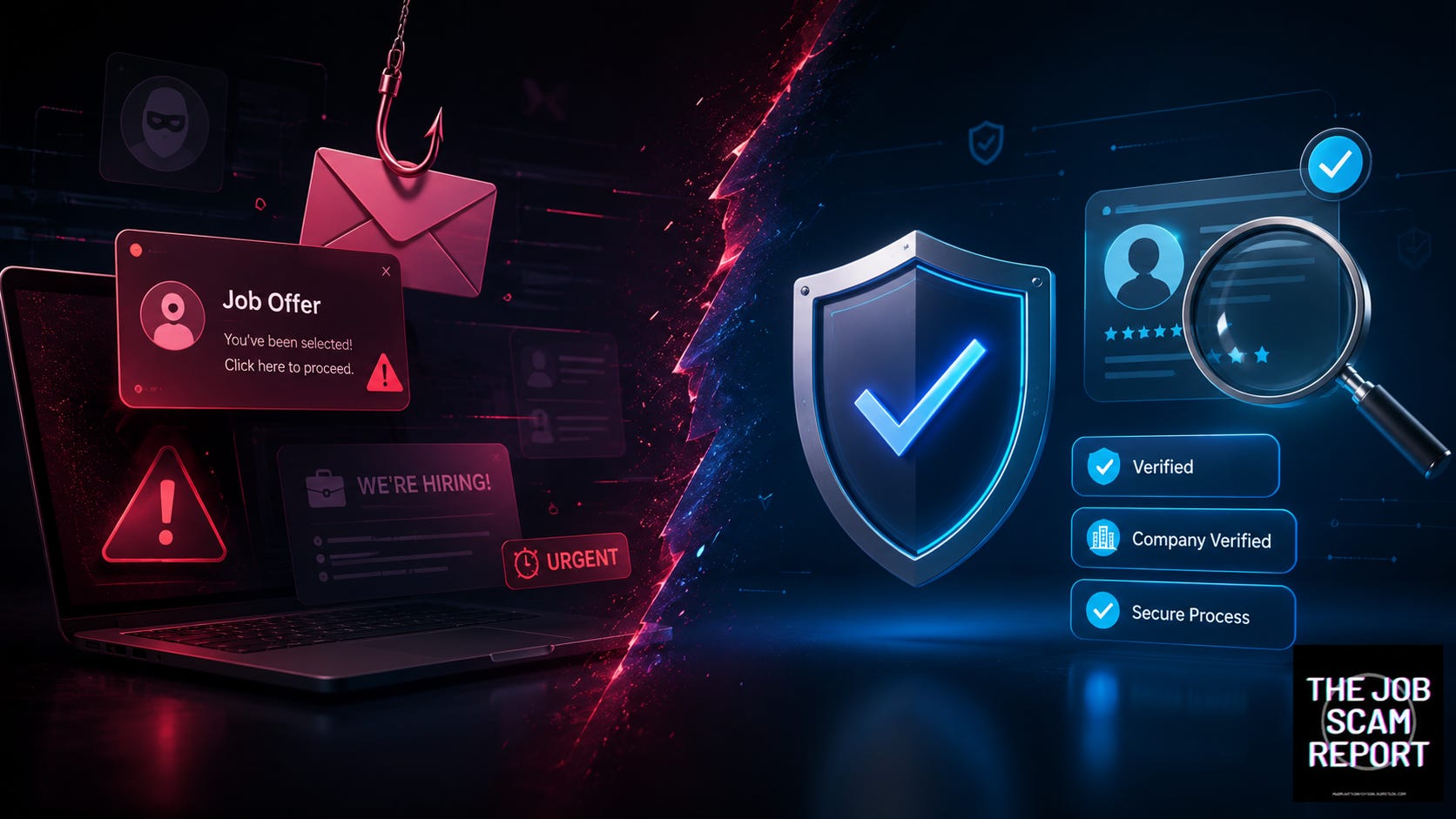
You might feel as if you’re fighting two wars: the summer hiring slowdown and its 150-pound monster competitor who is looking to rob you of your livelihood by swiping right on your personal information. Both are sucking the blood from your soul even before you’re a victim. If you’re not considering your plan as much as your safety, it’s a risk to job search for you.
For sure, I want you to join us in a couple of days, Thursday, July 23, 12 pm Central, 1 pm Eastern. The podcast with the entire cast- Ashley, Jay, Russ, and me will get you caught up on the latest scam tactics and help you apply the “Zero-Trust” strategies to your job search.
Use the preview below to catch the YouTube Stream.
For the last two years, my premise for ghost job postings has been simple: evergreen or current hiring.
Label it.
The New York Knicks already took care of one ghost the city has dealt with for more than 50 years. Now they are seriously posting up and blocking out ghost jobs.
New York bill S8877 agrees: hiring intent matters. Disclosure of essential information should matter as much as background checks.
Candidates also deserve clarity on:
Pay transparency.
AI use in hiring.
Job posting intent.
Job postings should be regulated.
But pay transparency already taught us something about disclosure: The label can be present, and the truth can still be missing.
At the intersection of honesty and timing, will truth create accountability?
Read the article here.
Texas is also taking on ghost jobs… on LinkedIn.
Now, Texas has entered the conversation from a different angle. The Attorney General is investigating whether LinkedIn misled consumers by promoting alleged ghost jobs while marketing Premium users.
These are different approaches, but they point in the same direction: greater accountability for the hiring ecosystem.
I wouldn’t be surprised if other states begin asking similar questions.
I’ll be watching.
The Better Business Bureau has just confirmed what we already knew: job scams continue to surge, AI is a scammers’ playground of tools, and victims are recruited via text for job tasks such as liking videos, rating products, and leaving comments.
It also remains underreported, and we have no data on response times from authorities, which also warrant study. I don’t think we will ever see either.
Victims are losing 50K+ through these scams as these tasks are low-key gamified, leading victims to believe the more they invest, the bigger the return.
In perspective, the reporting on this continues to be alarming, and not enough widespread warnings are broadcast.
The data speaks so loudly:
Monster: 95% encountered suspicious offers.
BBB: employment scam reports doubled.
BBB: half of 2025 reports involved text as the delivery method.
LinkedIn: 90% of reported scam messages attempted to move people off the platform.
ITRC: job scams extracted personal information 92% of the time.
Here’s the latest Better Business Bureau update.
I also created a chart covers several of the top job scam surveys.
Check it out here.
Limit your personal information to your name and basic contact information. Use the dedicated job search email address (yourname20@gmail.com), a vanity phone number like Google Voice (it’s still free) or YouMail, and your city and ZIP code.
Go to the company website and look for currently open positions. Check the news, LinkedIn, and your network to make sure the specific division hasn’t experienced layoffs in the last few months.
Check whether the company has a “How We Hire” page. There are many companies that explicitly draw the distinction with language such as, “Future Opening” Status: Other companies, such as The James Agency, explicitly label postings as “FUTURE OPENING JOB POSTING: NOT CURRENTLY HIRING,” asking candidates to submit resumes to be reached out to as roles open.
As I always say,
Clarify.
Verify.
Don’t just apply.
Stay scam-free, y’all.
Comments
Nothing yet. Say the first thing.
Sign in to join the conversation.