
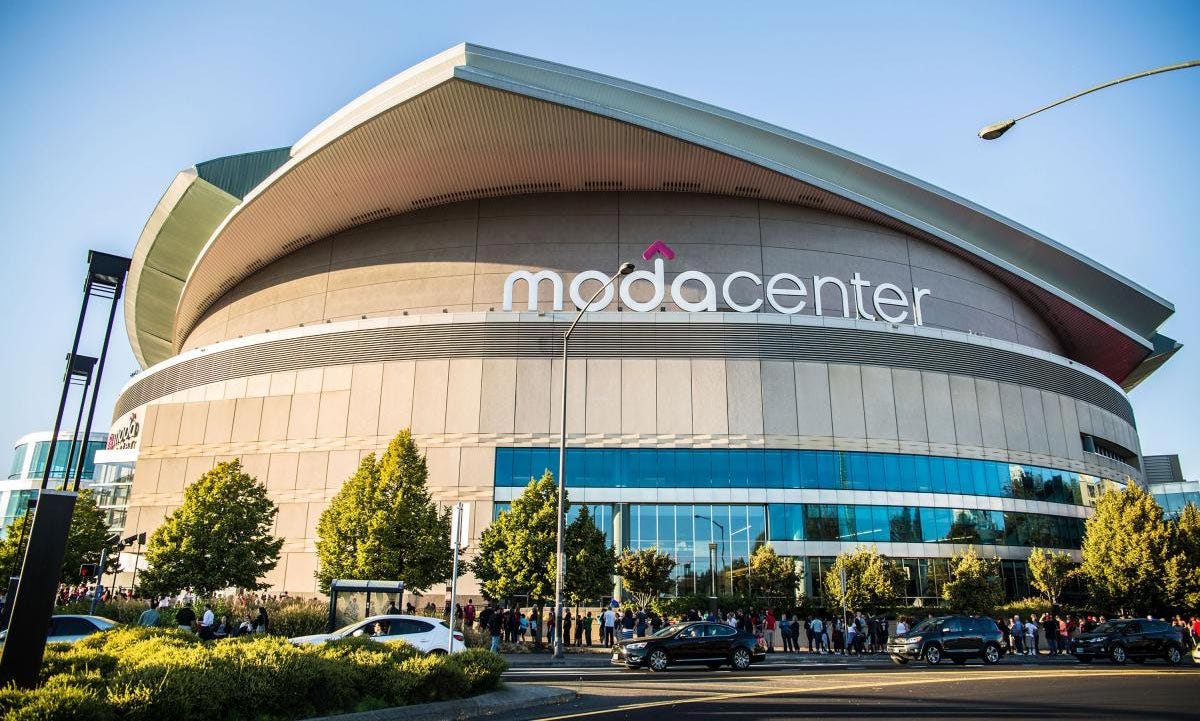
The City of Portland’s $7M acquisition of the Moda Center reflects a broader trend of distressed urban assets being transacted at historically low valuations. In cities like Portland—where rising crime, persistent homelessness, and civic dysfunction have degraded core neighborhoods—the value of real estate in once-prized urban locations has plummeted. This is especially true for trophy assets such as arenas, stadiums, and large parcels of land that depend heavily on foot traffic, safety, and long-term lease stability.
The fact that the city chose to purchase the Moda Center outright, rather than extend a lease with Rip City Management, highlights both a crisis of confidence and a bargain-hunting mentality. It signals a belief that depressed asset values in crime-challenged urban cores may have bottomed, and that public ownership could stabilize operations in ways private capital no longer deems viable. The price—just over $7M for a major arena and surrounding land—is emblematic of how far asset prices have fallen in cities struggling with public safety and economic recovery.
This deal adds to a growing ledger of public entities stepping in to salvage or repurpose distressed real estate. For investors, it's a warning shot—and perhaps, for some, a contrarian opportunity—in America’s most beleaguered urban cores.

GoodShip, a Bellevue, Wash.-based supply chain management startup, raised $25M in Series B funding, per Freightwaves Axios Pro. Greenfield Partners led, joined by insiders Bessemer Venture Partners, Ironspring Ventures, Chicago Ventures and FUSE VC.
Plancraft, a German construction staffing SaaS, raised €38M in Series B funding. Headline led, joined by insiders Creandum, HTGF, and xdeck.
Topline Pro, a startup using AI to automate operations for home services companies, raised $27M in Series B funding led by Northzone
Comments
Nothing yet. Say the first thing.
Sign in to join the conversation.