
The idea behind transplants is simple: start plants indoors when it is too cold to grow things outdoors, then move them outdoors when it is warm enough. It allows plants to get a head start in a controlled environment with optimal conditions for germination. That’s all great, and it makes sense for many plants - but for hardy, cold-tolerant plants, I think there may be a better way…
I direct seed many of my vegetables, and in many ways, I think it is the best option for everything except heat-loving plants for gardeners with short growing seaons - but there is one serious drawback to direct-seeding, especially in the case of brassicas1, and that is pests.
When a slug takes a couple bites from a mature plant - the result is minor damage. When a slug takes couple bites from an emerging seedling - the plant disappears. The same can be said of flea beetles. When they perforate the lower leaves of mature plants it’s annoying, but inconsequential. When they perforate the cotyledons2 that have just emerged from a seed - they starve, stunt or kill the plant.
All gardens have pests. A healthy growing environment is an ecosystem with many living organisms. Some are helpful (beneficials), and some damage plants (pests). In some circumstances there may be a balance where the beneficials eat the pests - but sometimes this just doesn’t happen despite one’s best efforts. There are many ways to remove pests from a garden - and they all have their pros and cons - but perhaps the best way is to remove the garden from the pests…
Imagine growing transplants under perfect lighting conditions. Imagine not having to harden them off at all. Imagine not needing a greenhouse or any costly setup to make that happen. Imagine not having to water them whenever it rains. Perhaps that sounds too good to be true - but it is totally possible - just do everything you normally do with indoor transplant outdoors.
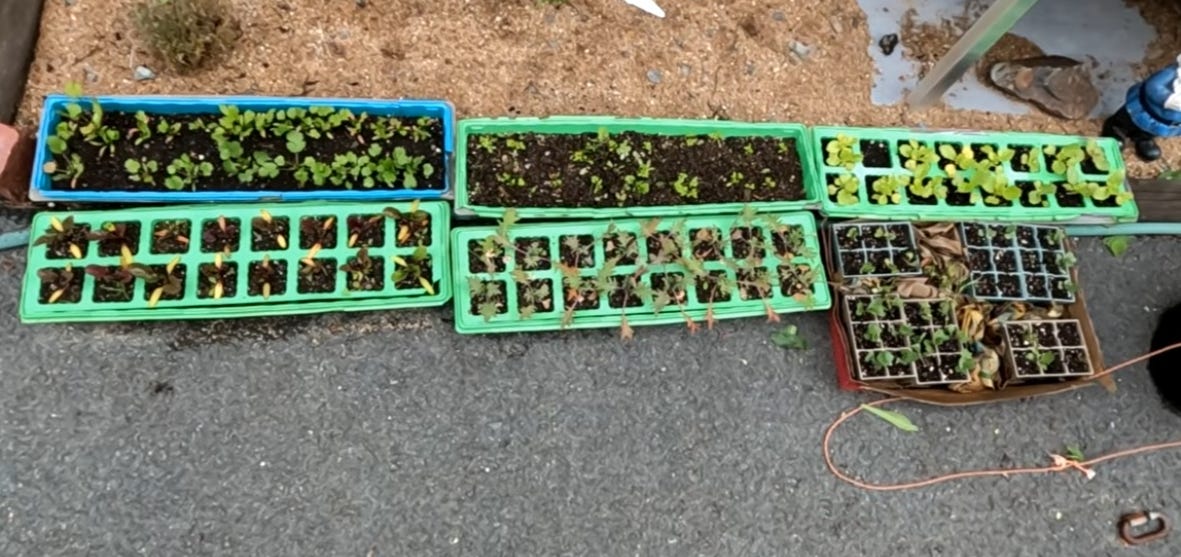
The ideal setup is a paved driveway. The black asphalt gets warmed by the sun, and it is also completely devoid of life - like a black desert - so there are no (or few) pests. Find a spot that gets as much light as possible and start seeds the same as indoors. This works for cold tolerant plants because the nighttime temperatures will not harm them, and because of the interaction between the asphalt and sun - the transplant tray soil warms faster than it would in a garden. A small plastic dome can also be placed over the trays to create a “poor man’s greenhouse”, which can capture heat and speed things up3.
Low risk of pest damage
Adequate heat for germination
Easy to tend given small scale and proximity to house
No mess in the house (i.e. happy spouse)
Lots of room
Perfect lighting - it’s the sun!
Low cost - no grow lights or special gear
Saves seeds - no need to over-seed and thin to compensate for pests
Plant trays must allow for drainage. Plants will drown if the trays fill up with water. Before planting, find something pointy and poke holes in the bottom of everything.
A rogue herbivore can show up and wipe everything out in a single night. This can easily be mitigated by making a small chicken-wire cage to place over the transplant trays to keep the bunnies and deer out.
Care must be taken if you intend to place a small plastic/glass/etc. dome over the transplants. On an exceptionally hot day they can get cooked - so always err on the side of ventilation. Too cool is always better than too hot.
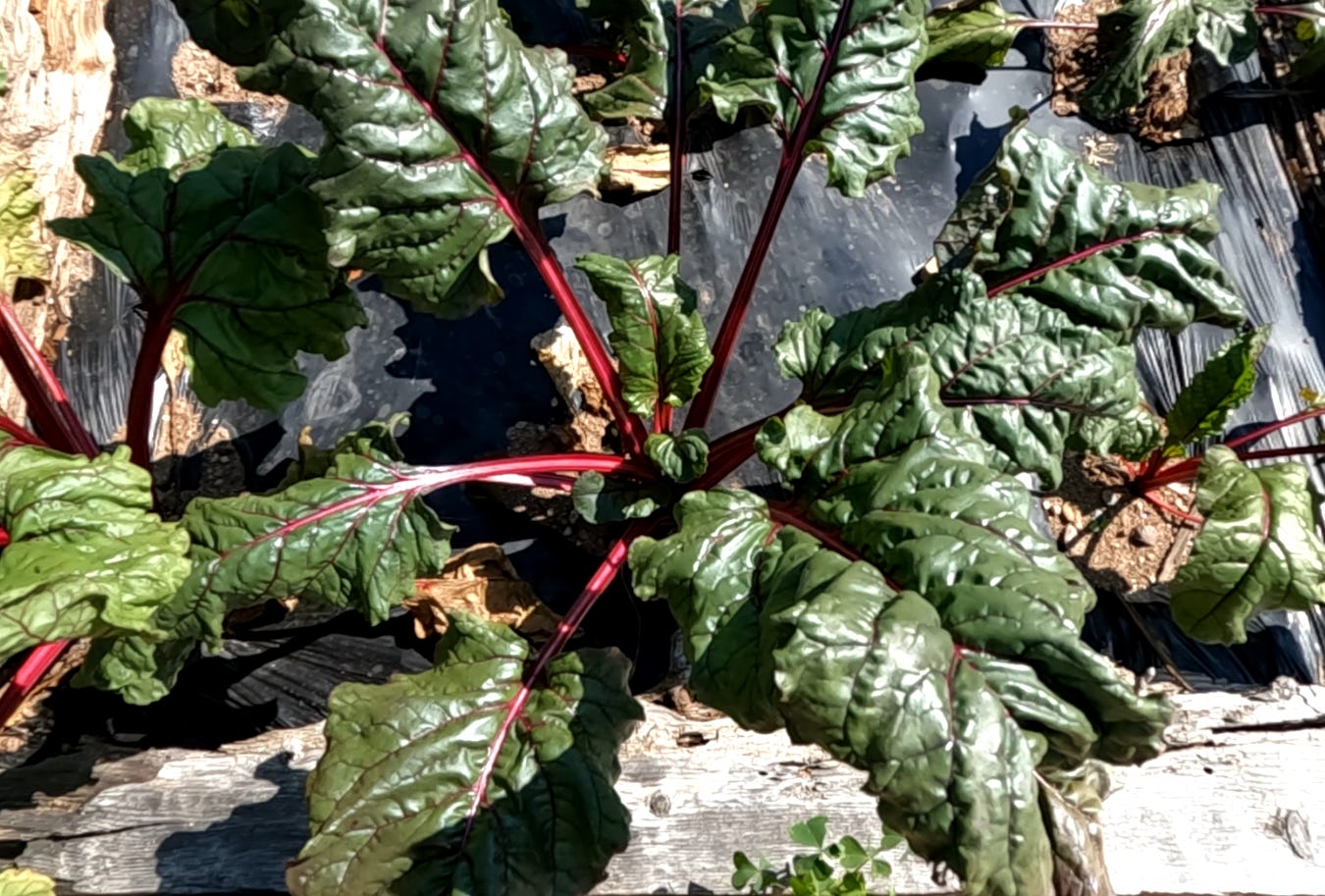
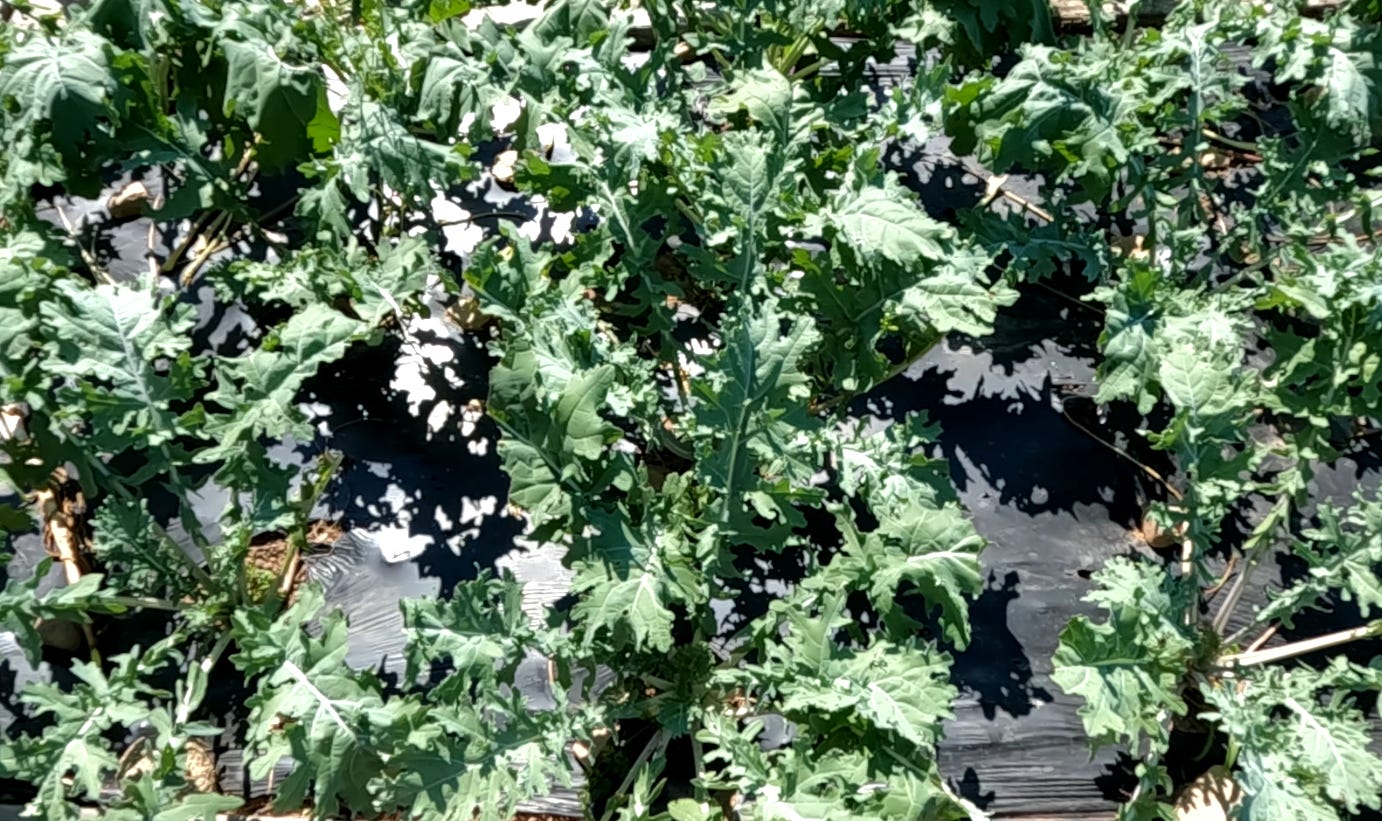
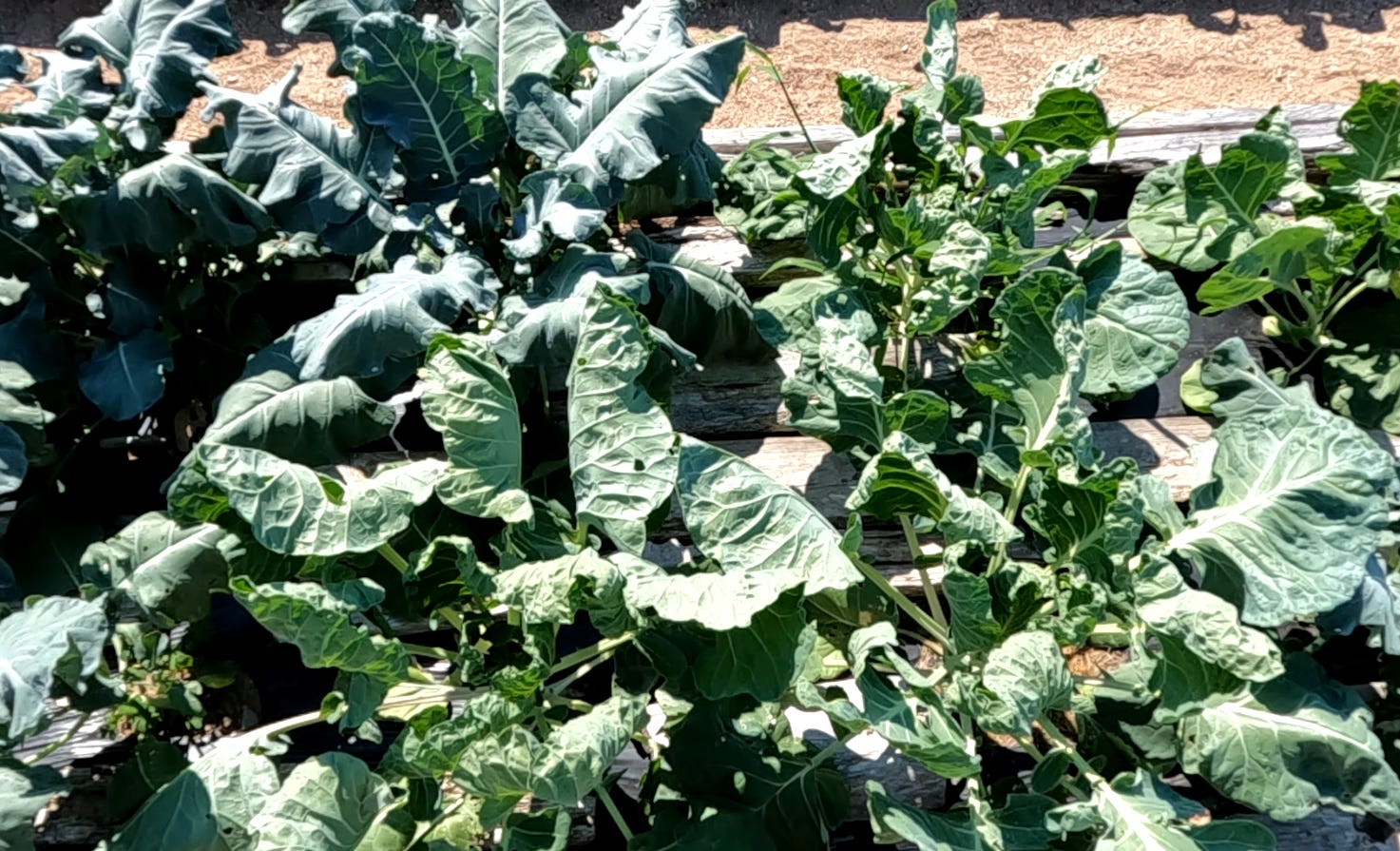
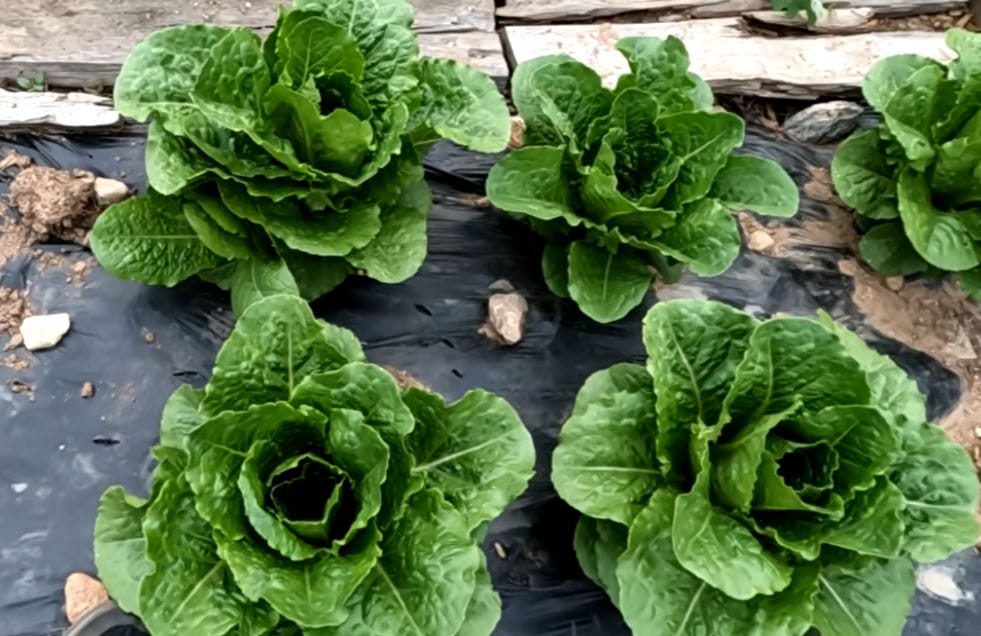
I started this article in May and now it is August and I am finally getting back to it4. Not a very productive period as a writer I will admit - but on the bright side - it allowed a follow-up aspect to this article. There are few things an experienced gardener does that result in an absolute game-changer and this is one of them. Outdoor transplants will be a regular aspect of my garden system from hereon in. I can’t believe how much easier it made getting everything in this year - and it was so much easier to deal with pests. I’d say it removed 80% of the typical hassle that I tend to deal with when it comes to growing hardy greens. I you have found pests to be a problem for you hardy greens, and if this approach makes sense to you - I highly recommend you give it a try next year.
Use my COUPON CODE “GAVS26” to get free shipping from Veseys Seeds on seed catalogue orders. Free shipping is not applicable on surcharges on larger items. Promo code is valid until November 30, 2026.
Use my coupon code “maritimegardening” to get 10% off all products sold by Sproutbox Garden. Code will not pair with other promotional codes, but will pair with free shipping on orders over $499.
Brassicas (also called crucifers) are a group of plants in the genus Brassica, part of the mustard family (Brassicaceae). Some popular examples are: broccoli, cauliflower, cabbage, kale, brussels sprouts, turnips, mustard greens and bok choy.
Cotyledons are the first leaves that appear when a seed germinates. They’re often called “seed leaves” because they come directly from the seed itself. Their main function is to feed the plant using stored nutrients from the seed, and do a bit of early photosynthesis before true leaves form.
Just don’t leave it on when the forecast says it will be really sunny because they will be cooked!
Apologies for that delay. I had a lot of stuff going on in my life and something had to give. The great thing about being a one-man-show is that you have complete creative control. On the flip side - if anything goes sideways the whole operation comes to a complete halt. Thank you so much for your patronage, I will endeavor to do better.
No posts
Comments
Nothing yet. Say the first thing.
Sign in to join the conversation.