
A quick aside, the NonDē Summer Summit has now passed and it was amazing. Organized by Jane Gilmore , Lauren Greenwood , Taylor Lewis , Courtney Romano and myself, several of us gathered this weekend with a host of panelists and an audience to discuss the building of a new ecosystem for filmmakers. And also the topic many of us avoid - money. It was an enlightening and inspiring conversation that has all of us excited about the future. We will be posting more about it in the coming weeks.
But now, onto this week’s Creative Practitioner - Isaiah Forte-Rose
I want to talk about a film that lives inside a bookstore. The film is Forbidden Fruit, a short film that I produced by filmmaker Isaiah Forte-Rose. Who I met after producing Gabriela, another film in North Carolina. When I met Isaiah, I knew we were kindred spirits. Both artists of mixed descent and always thinking outside the box. Knowing that we would have to create extra in order to be noticed.
After we finished the film and were in the midst of our festival run. A run that was highly successful, but also small by intention. We both asked ourselves a simple question:
What can we do differently?
Isaiah and I both wanted something more for Forbidden Fruit. To find new pathways to an audience. He’s written a feature film version of it and we are in the process of building an audience for it now. He was also in a transition phase at during the fall of 2023. At that time, considering whether he should stay in the state where he was born or move to the East Coast. So he did something simple to get out of the house:
He began taking pictures.
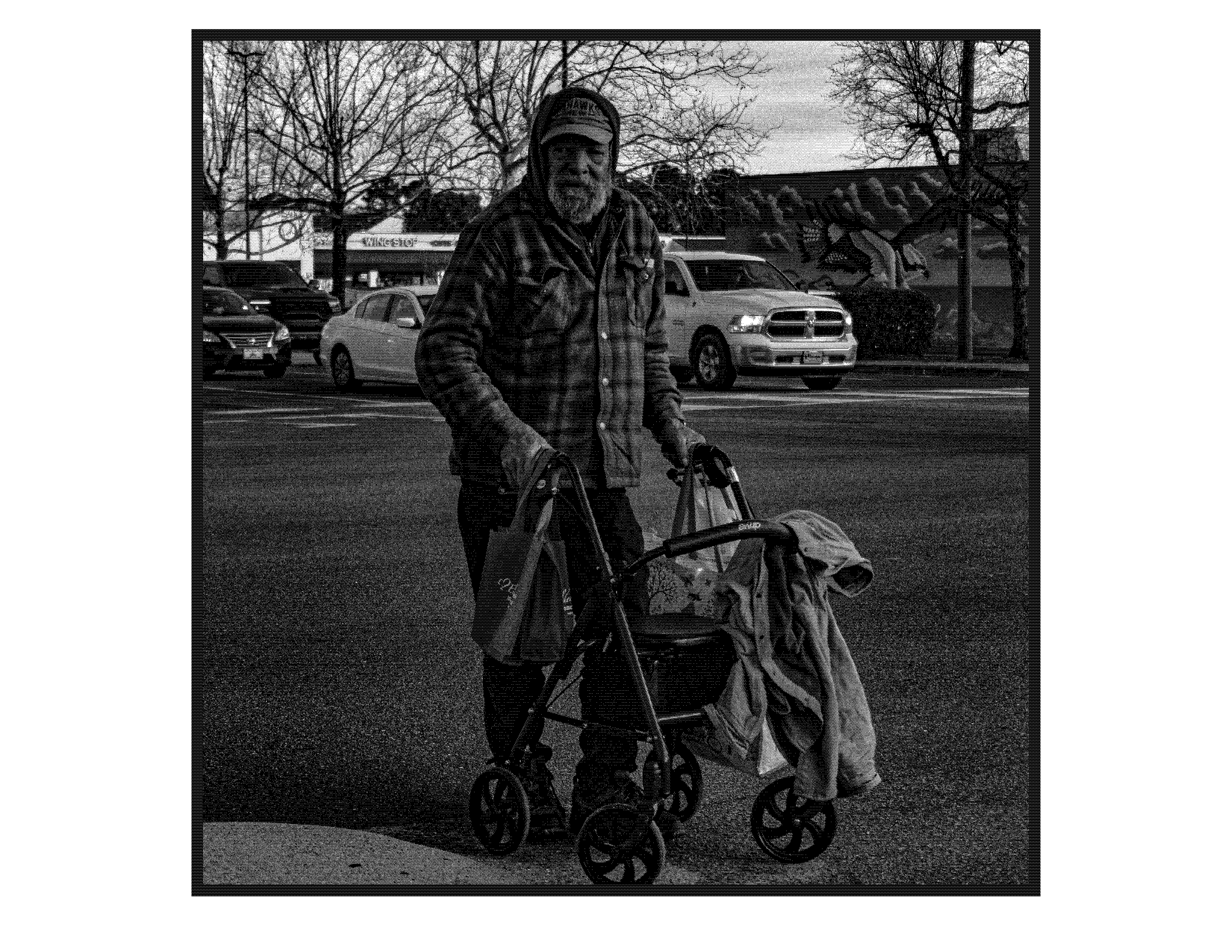
He traveled to the rural areas of North Carolina and snapped photos of the residents. The purpose was simple - just to be creative. He asked about their stories and wrote them down along with his thoughts. When he had a few, he sent them to me and asked if he should make a small collection. I threw out a suggestion:
Expand it into a book entitled We Live Here.
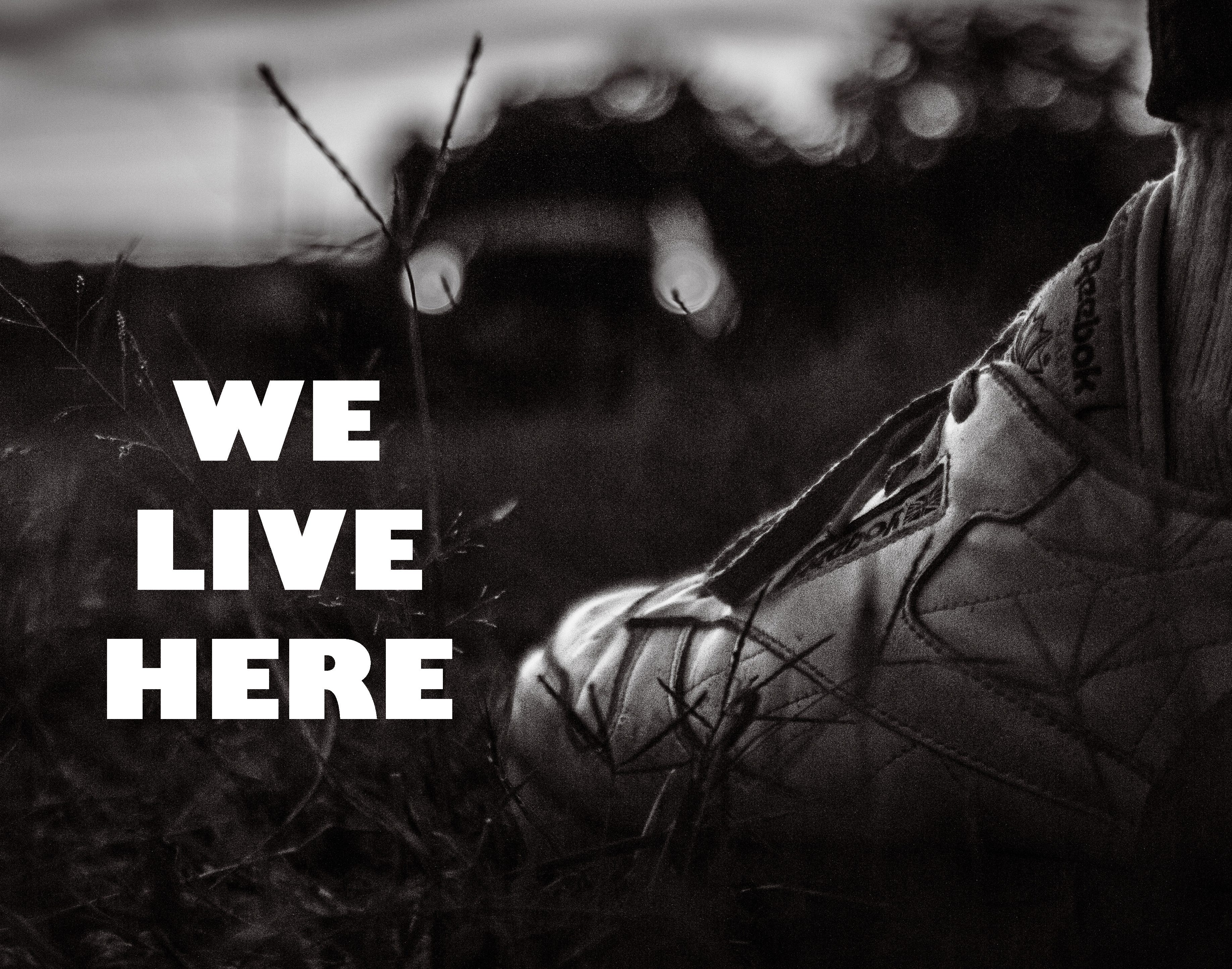
Isaiah kept taking pictures and gathering stories. He compiled them into a 51 page book that he self-published on Amazon and Barnes and Noble (the devil, we know). But he created something special that we didn’t realize at the time:
An artifact.
After creating We Live Here (which is nearing 100 sold copies), other doors began to open. Screenings at the NAACP in North Carolina and also the University of North Carolina’s Nursing Conference. Just recently, a screening at the Jersey City Library. At each place, we brought physical copies of the book that could be handed out to the audience. When we screened his latest short Chicken Scratch, we were able to use the book as an auction item for a raffle. The book is able to travel to places a film can’t. And now, it’s sits in a special place:
Inside a bookstore.
Isaiah moved to New York where he now works for Law & Order as a Sustainability Officer. In his first few months there, he stumbled across a local, queer-owned coffeeshop and bookstore called Hive Mind Books. It caters to books by queer and trans writers mostly. But also has a selection of general interest titles. And after building a relationship, they decided to create space inside their shop for Forbidden Fruit.
A small table with copies available for sale.
The film still lives inside that shop via the book. More importantly, it’s created a relationship with the same bookstore. It’s where we screened Chicken Scratch for the first time, which brought in just enough money to submit for film festivals. And it’s what helped me solidify my framework for creating Signature Media.
There are many who might not otherwise watch a short film with no context. But now seeing the book, are more curious about the inspiration behind it. And might watch the feature film Honeysuckle once it’s ready. But it showed me something different:
Making a film is an overwhelming endeavor. We live with these projects for years. Oftentimes spending years bringing it to light. So it’s natural that we focus on getting as many people as possible to watch it. But from Isaiah’s book, I realized something different:
We need more art to create interest in our art.
Isaiah made the decision to take photos because he wasn’t feeling inspired. Afraid that he wouldn’t be able to create anymore. He needed to get out of his head and back into his body. To see the world through a camera again. In the process, he accidentally created an Entry Point back to his film. An Entry Point that continues to bear fruit (pun intended).
A film is inviting people to gather into a space to experience a world. And now, we have the opportunity to build a world around it. It’s another proving point that our films are parts in a factory, but seeds in a garden. The goal being to nourish for an extended period of time.
The book opened doors that the film alone could not open. Both are different expressions of the same story that work cohesively. The wonderful part being, they will both last for a lifetime and can easily be added onto. To put it plainly, it’s a different way to think about “merch” for your film.
While I’m getting ready to create my feature film. I’m also thinking of the distribution plan. And practitioners like Isaiah are helping me see different ways to get our film in front of an audience. There might be those who aren’t willing to commit to a 90 minute movie from a trailer. But maybe a photo book, a soundtrack or series of written stories about the making of this film might change their mind. Or perhaps that is where they will stop.
But either way, we allow them to enter our world and spend as much time as they would like. While filmmakers need to embrace their entrepreneurial side, that doesn’t mean we are turning off our creative minds. It just means we get to communicate them in a different way. And it also means something better:
Our films can only grow over time.
Next week, I’ll be giving more news about Concrete River, including our solidified leads cast. We are 9 weeks away, with everything moving quickly. I will begin dropping special drops about the film that won’t be available on Substack. To receive those:
And we are still raising funds via our fiscal sponsor the Multiracial Association of Southern California (MASC). If you (or anyone else) could use a tax-deductible donation. You can easily donate to our film on our website:
Comments
Nothing yet. Say the first thing.
Sign in to join the conversation.