
I have been dreaming of being a published author for over 32 years now. Seventeen years ago, I made my first half-hearted attempt at a novel, and ten years ago I began again—in earnest this time—and finished my first manuscript. Last year (with my second literary agency), I signed a two-book deal with St. Martin’s press and in February 2026, my debut psychological suspense novel, Good Intentions, will finally publish. There is so much work, dedication, and perseverance that went into me getting here, but I also give credit to a handful of craft books that really helped. I’ve read many books on writing, and they are mostly great, but if I had to boil it down to the most influential ones on my career and success—and the ones that I still incorporate in my process(es) today—these three are it.
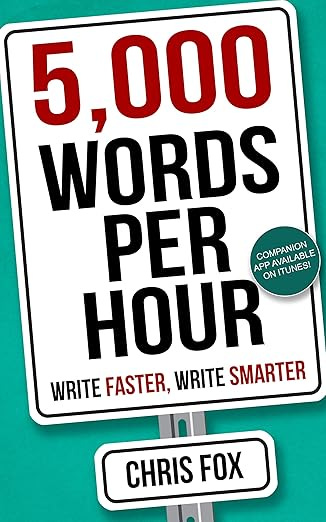
5,000 Words Per Hour: Write Faster, Write Smarter by Chris Fox
I put this guy first on the list because this is THE book that drove me to finish my very first novel. I’d tried writing one in 2008 and gave up. In 2018, I found this book and it taught me how to just write, even if it’s not that great. The most important thing you can do is just get the story—even if it’s messy, ugly, and full of holes—down on paper (or screen). The idea is you finish a draft and it’s probably shitty but hey, a shitty finished draft is better than no finished draft. This book is so simple and straight forward, but powerful, if you’re having trouble finishing a manuscript or are just starting out.
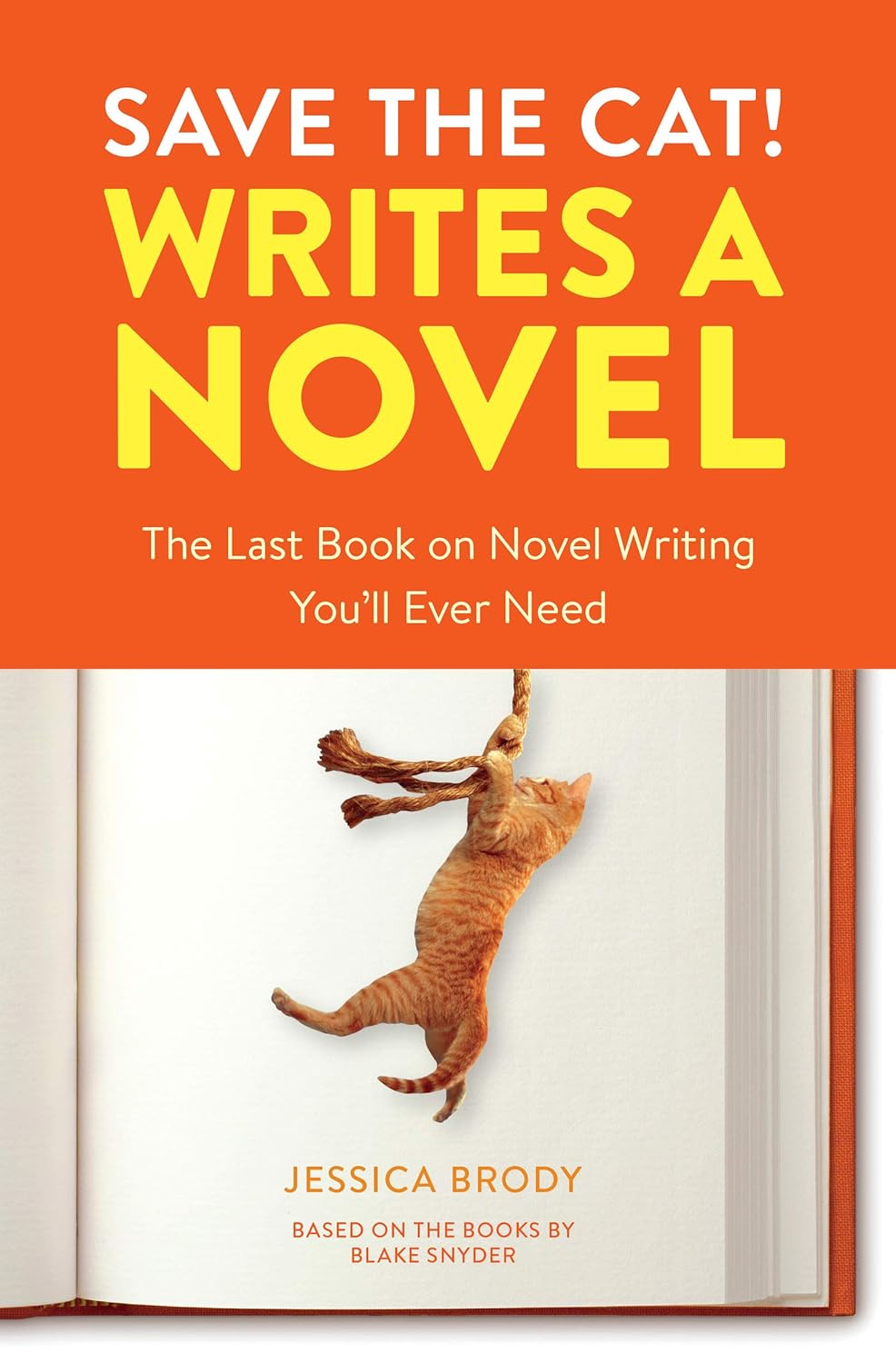
Save the Cat! Writes a Novel: The Last Book On Novel Writing You'll Ever Need by Jessica Brody
Read this book, if you haven’t already. Seriously. It offers a simple but detailed, tried-and-true way to write a novel that will hook readers from the start, keep them engaged during throughout, and rushing through your last pages. Save the Cat was originally a screenwriting methodology but, in this version, has been adapted for use by novelists. The author describes all the essential elements of any great novel and tells you in what order and where, approximately, in the story they should go. The method does not produce generic/unoriginal/formulaic stories—those crimes are all crimes of the author, not the method—so calm down, free spirits. It just helps ensure you’re maximizing your story points in the most addicting, satisfying way possible for your reader. I personally find Save the Cat so much more helpful than any “hero’s journey” or “character arc” methods I’ve studied. Once you have a completed Save the Cat template (I recreated it in OneNote, for my purposes), you can say goodbye to writer’s block.
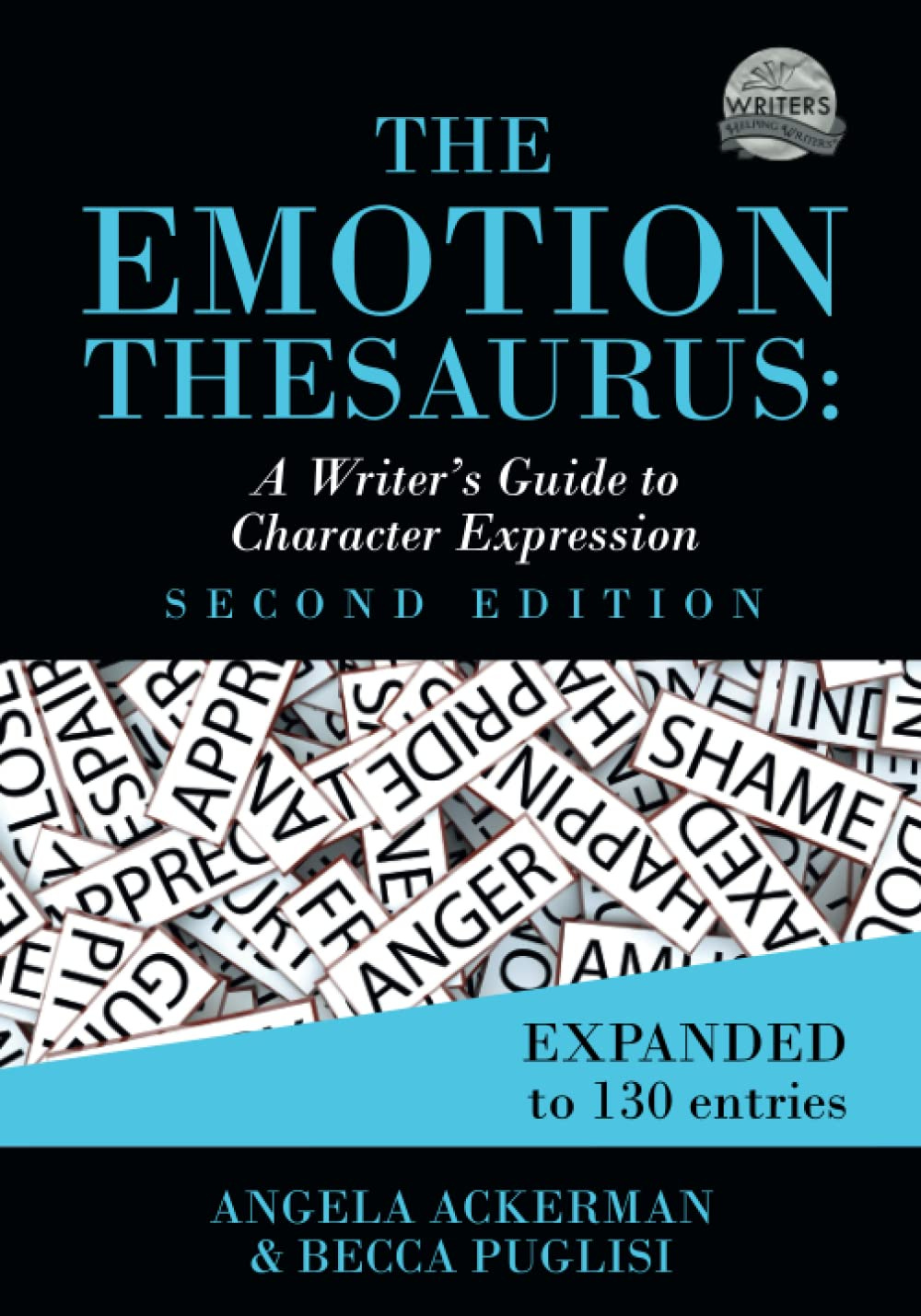
The Emotion Thesaurus: A Writer’s Guide to Character Expression by Angela Ackerman and Becca Puglisi
We authors have to show our characters having emotions. At pretty much all times. Sometimes even really big emotions. And it is SO hard to do this without being cringe or overdoing the sighs and gasps and eyerolls—not that those are warranted, here and there. This book is such an easy-to-use reference, that I pull it off my bookshelf at least once or twice for every manuscript (I’ve written five now). You can look up an emotion (they appear in alphabetical order) and quickly find a brief but thorough glossary of different physical cues, internal sensations, mental responses, long-term impacts, and signs of suppression associated with the feeling. It’s a lifesaver. There are other books in this series and I recommend them all.
Comments
Nothing yet. Say the first thing.
Sign in to join the conversation.