
I watched Project Hail Mary in theaters after telling my sister I had a craving for movie theater popcorn. We just ended up picking a film that had the earliest showing. I hadn’t really been interested in going to see the film, I’m not particularly into Sci-Fi, but I thought—why not? It had great letterboxd reviews.
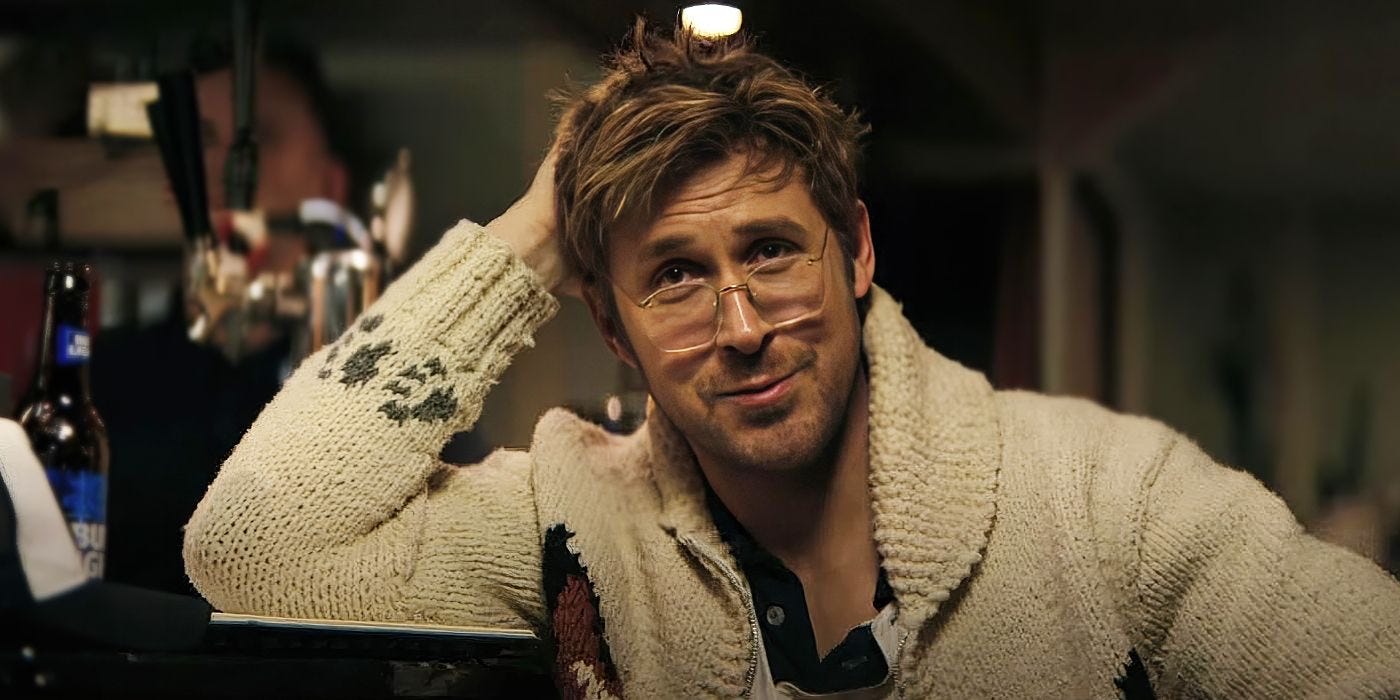
I found myself yet again captivated (as I always am) by the witty humour and effortless charm of Ryan Gosling. His wire rimmed glasses, his endless optimism in a seemingly hopeless situation, his ability to have excellent chemistry with a rock.
I’ve enjoyed watching his lovely self for years, from his most popular roles like Ken in Barbie, or Sebastian in La La Land, to his sweet and awkward performance as Lars in Lars and the Real Girl. Gosling has a palatable earnestness to his performances that endears you to him, even in his least likable roles, like Jacob in Crazy, Stupid Love, or Dean in Blue Valentine.
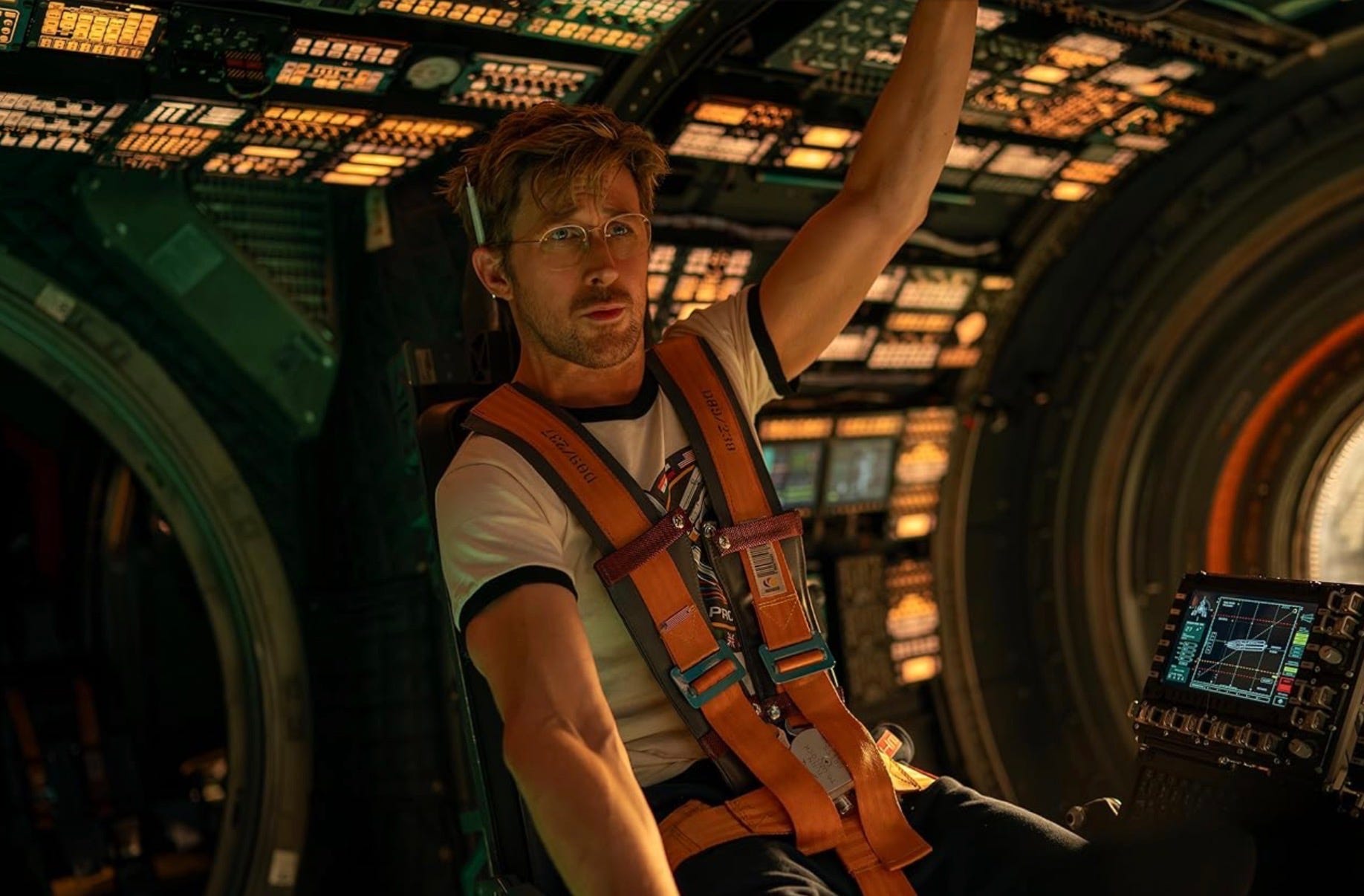
So, already, going into the movie theater to see him perform feels like sitting down to have coffee with a friend. However, there was something about Project Hail Mary that made me feel even more connected to Gosling’s character of Ryland than any of his other performances.
Ryland was single, and therefore disposable.
“Writer? I Hardly Know Her!” is a sometimes silly, sometimes analytical, and sometimes deeply introspective magazine about film, fashion, and friends. To celebrate Writer?’s one year anniversary, my paid subscriptions are going to be on sale until the end of the (birthday~) month. Sign up now, and you’ll get half off of the paid subscriptions. That comes to $2.50 a month, less than the price of a subway ticket!
When I was in kindergarten and elementary school, I had these all encompassing, ever important friendships that consumed my time, my thoughts, and my efforts.
It never occurred to me to want anything more than a life with friends. I had never wanted anything else. I had never thought I needed anything else. But it also never occurred to me that my relationships to others were never as important to them as they were to me.
It wasn’t until sixth grade that I realized people expected me to have a different sort of feeling towards others. I hadn’t realized initially, but my best friend’s first boyfriend managed to shift the goals of all of the little girls around me. Our conversations had once surrounded anything and everything we cared about, and yet it quickly changed to a topic I couldn’t fathom and barely cared for. Relationships.
I changed schools and when this topic picked up again, I tended to be more vague about things. I’d say it was a secret, or that my parents didn’t allow me to have boyfriends. Because the truth, that I just didn’t want one, would be foreign to most people. I remember texting my friends that I don’t want to go to prom with him, but he asked me in front of everyone, so I don’t know what else to do.
I assumed that my preferences were more of a difference in priorities or even just a minor social faux pas, and hoped people would mature into adults and not feel so unsettled by my desires—or lack thereof.
I also thought that maybe I’d grow into my desire one day, I saw marriage and a family as an inevitability, hoping that I’d be able to come around to the idea eventually. I was scared for people to discover my indifference. I didn’t want to be left behind because I couldn’t relate to what they wanted. I was scared that my views and feelings would alienate me.
However, the more I experienced, the more women I saw overwhelmed by how much they wanted to be “picked.” I watched their goals in life becoming about one thing—marriage. I saw girls I loved settle for situations that made them unhappy because of their fear of being “the sad, single girl.” Their biggest fear was becoming like me.
It wasn’t a thing that was unique to straight women, either. I’d see lesbians make horrible decisions to maintain relationships that weren’t benefiting anyone involved. Two people I thought could treat each other as equals somehow created a hierarchy of dependency in order to fit their relationship into a more palatable image to society.
I found that regardless of the gender of the individual who pursued me, they all seemed to develop possessive tendencies, and desires for me to be less like myself, as if my personality was the true hindrance to the great relationship they had imagined they could have with me. They wanted me to go out less, or they hated how much time I spent with my friends, or found my hobbies and goals off-putting if they held a more important space in my life than a significant other. Many people treated the bravery involved in the act of pursuit to be deserving of reward, and that my rejection was an inconceivable outcome, one that felt like a direct insult.
That’s not to say great relationships don’t exist. I just wasn’t sure if it was even possible for there to be a relationship I envied and wanted to emulate. Even while looking at the best, most healthy relationships, I still found things within those couplings that made my skin crawl when I imagined having to do the same. Even the idea of the time commitment alone felt burdensome.
(There are a few very vague spoilers ahead.)
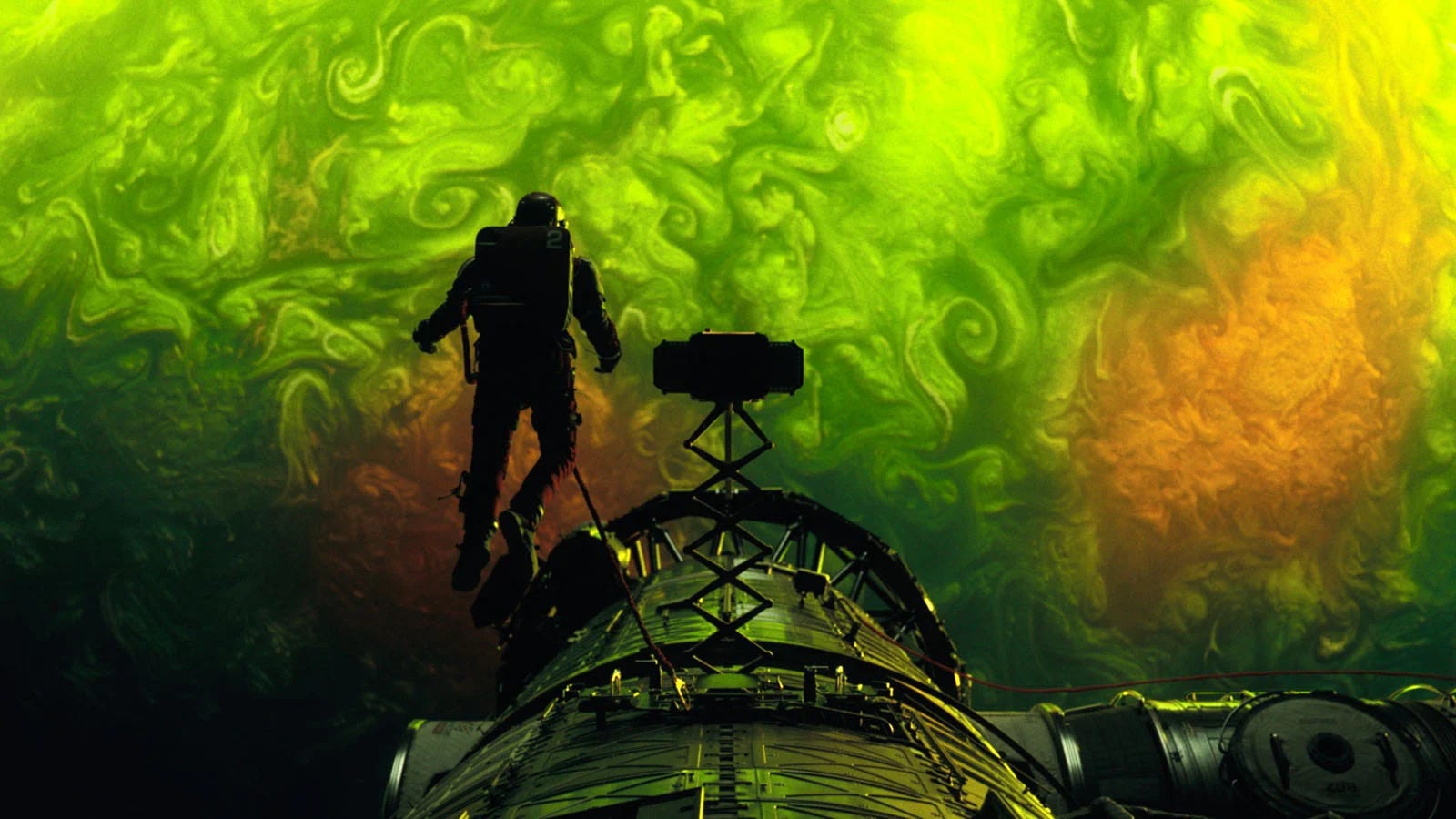
Project Hail Mary was unique in the way that it portrayed a friendship as being more important than a romantic relationship, but it was also incredibly realistic in how it depicted society’s view of someone who chooses not to pursue a romantic relationship. Ryland was expected to willingly give up his life because he didn’t fit into what society deems as the hallmarks of happiness.
Eva even says “you're not married, you have no immediate family, you don’t even have a dog,” as if that makes his life less valuable. They wanted him to go on a suicide mission because he was single.
Ryland wasn’t a lonely man. He was passionate about his work, he loved teaching, and he loved his students—he was happy. His life was just as meaningful without a marriage. He didn’t want to die, and they tried to force him to anyway.
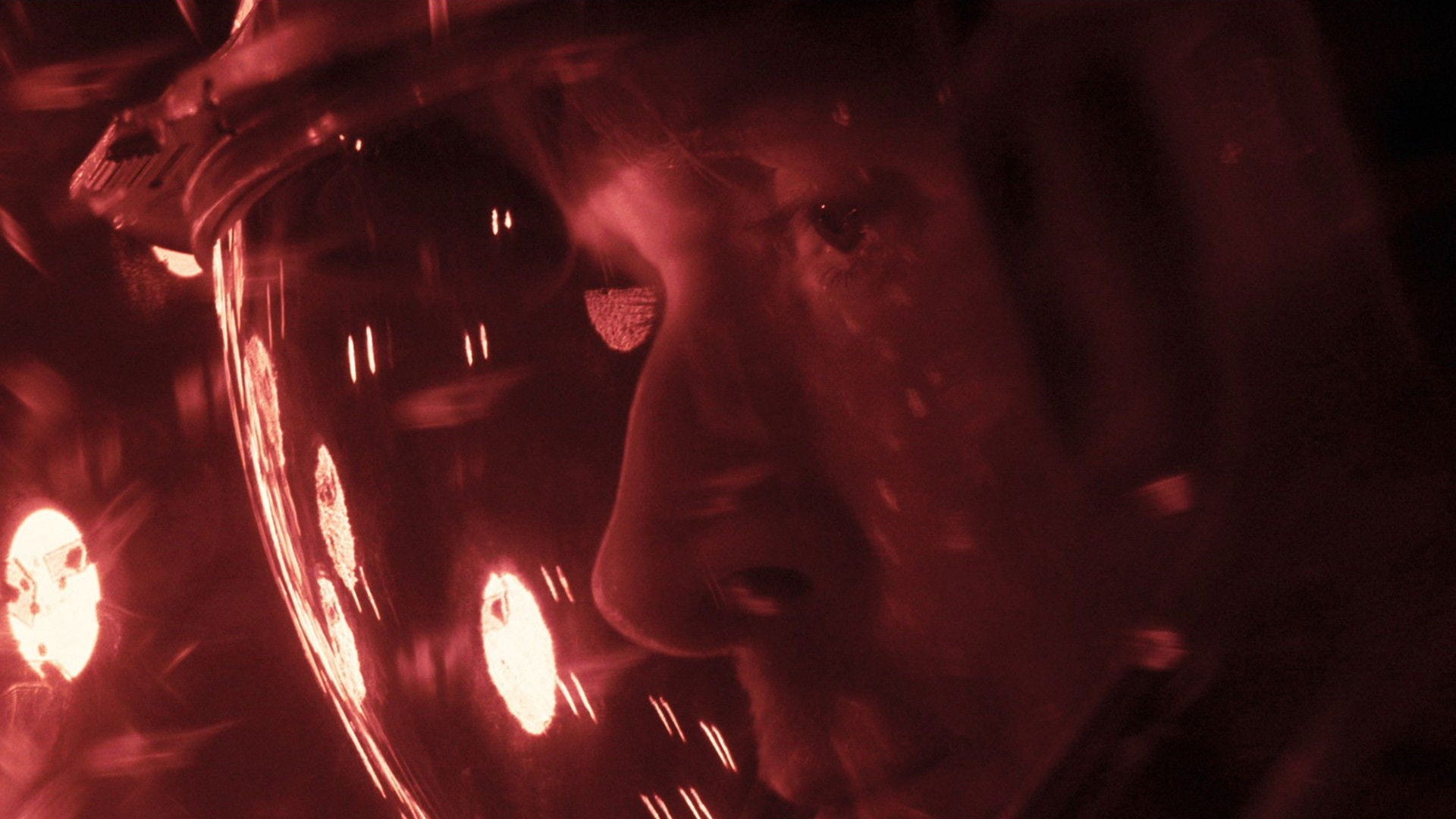
Ultimately, what saved his life was not an all-encompassing romantic love, but the development of a meaningful friendship. What kept him sane and happy on an alien planet for years wasn’t romance, but his passion for teaching.
I have never thought of myself as a sad, purposeless woman because of my singleness. I’ve never aligned with the “sad, single girl” trope that people try to assign to women without romantic relationships. I have so many passions and desires and friendships that I cultivate and adore, so much so, that I couldn’t possibly agree to partnering with someone who didn’t want me to prioritize those things.
That isn’t to say I’m opposed to falling in love, I just have such a specific standard that doesn’t seem to align with society’s views of dating. We have a culture of sacrifice when it comes to love.
I am happy, I love who I am and the life that I live, and I’m not willing to sacrifice that at all.
Sitting in a theater and watching a friendship be deemed as important and fulfilling was so beautiful to see. I kept expecting some sort of romantic connection to develop ant some point, and to my surprise, it never did.
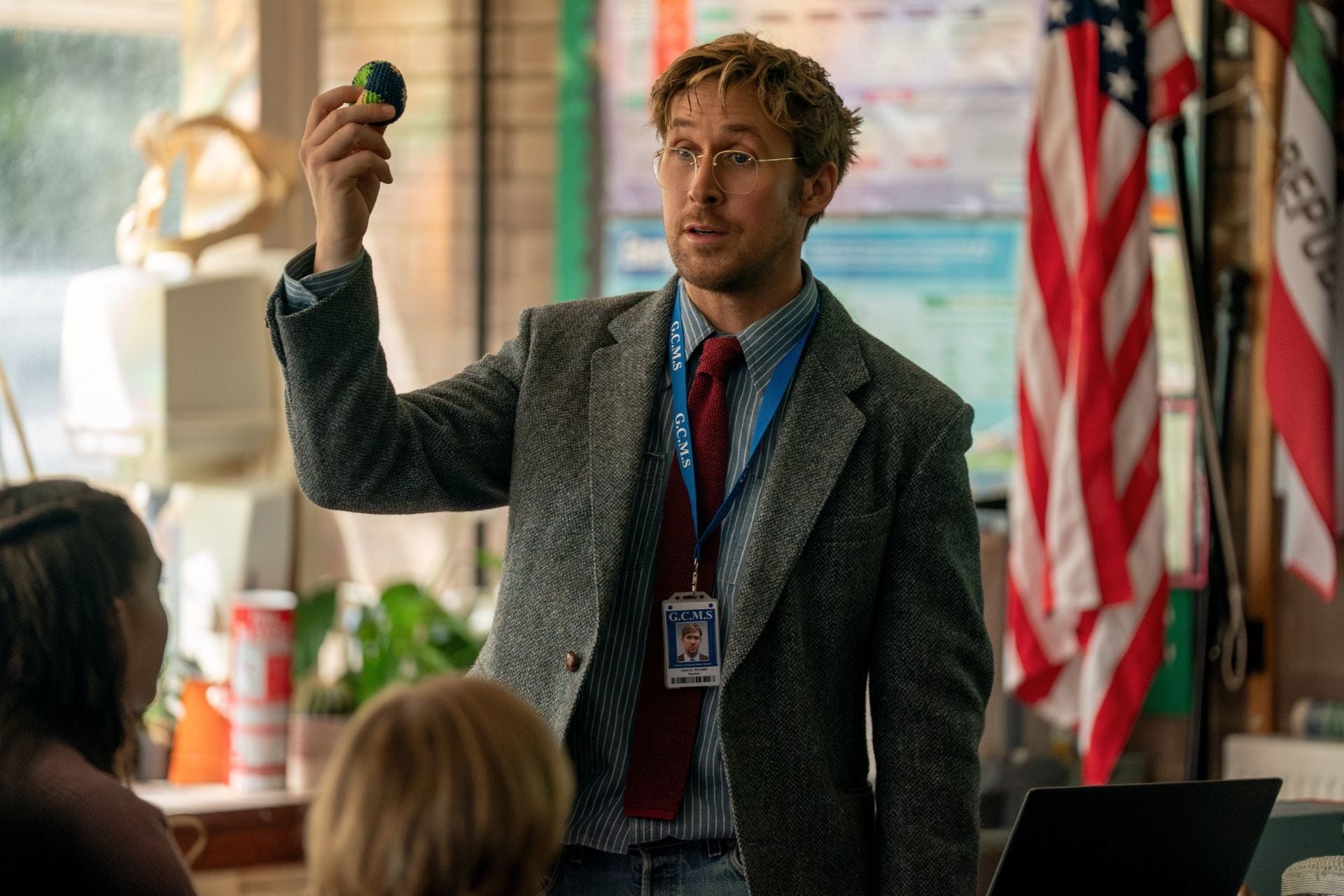
It wasn’t disappointing, it was exciting and inspiring. Ryland was just as happy on an alien planet as he was on earth, because he had a friend and he had a passion.
It was a happy ending.
XO.
Maria
In the spirit of friendship, why not refer a friend!~ They might love it too :) AND you can earn up to six months of FREE paywall content, just by referring.
(Plus, I would really really appreciate it).
❤️ here’s a link to all my socials. Or find me on Instagram @mariahawthorneart.
☕️ if you want to support my writing, but can’t afford a subscription, you can buy me a coffee!
💌 feel free to email me at mariahawthorneart@gmail.com for business related inquiries.
No posts
Comments
Nothing yet. Say the first thing.
Sign in to join the conversation.