

Have you ever wanted an education in film studies? Well, you can have mine! Welcome to ‘Film in Focus,’ a series that focuses on important films in cinema history. I write reflections on them, which are like my immediate thoughts and feelings about a movie, along with some researched analysis. Basically a pocket sized film-student syllabus.
Consider becoming a paid subscriber of ‘Writer? I Hardly Know Her!’ for only $5 a month, less than the price of a latte!
For contemporary audiences, it can be incredibly difficult to get them to watch any films in black and white, let alone a silent film. It requires a level of attention that modern viewers can struggle with.
However, you can train your mind into having the focus necessary to appreciate these films. You just need to know where to start. Today, I’ll be highlighting two particularly silent films I found particularly compelling, The Last Laugh (Murnau, 1924) and Sparrows (McNamara and Beaudine, 1926).
The cinematography in the Last Laugh was so incredibly beautiful.
The film follows a man who is celebrated in his community for his work as a doorman in a famous hotel. He takes so much pride in his work, it is obvious how passionate and happy he is to be working there.
However, the hotel manager decides that the doorman no longer fits the image the hotel wishes to portray. The doorman is then sent to work in the washroom, and he is humiliated by his demotion.
The entire film only has one single title card. It instead utilizes various film techniques to evoke so much emotion from its viewers.
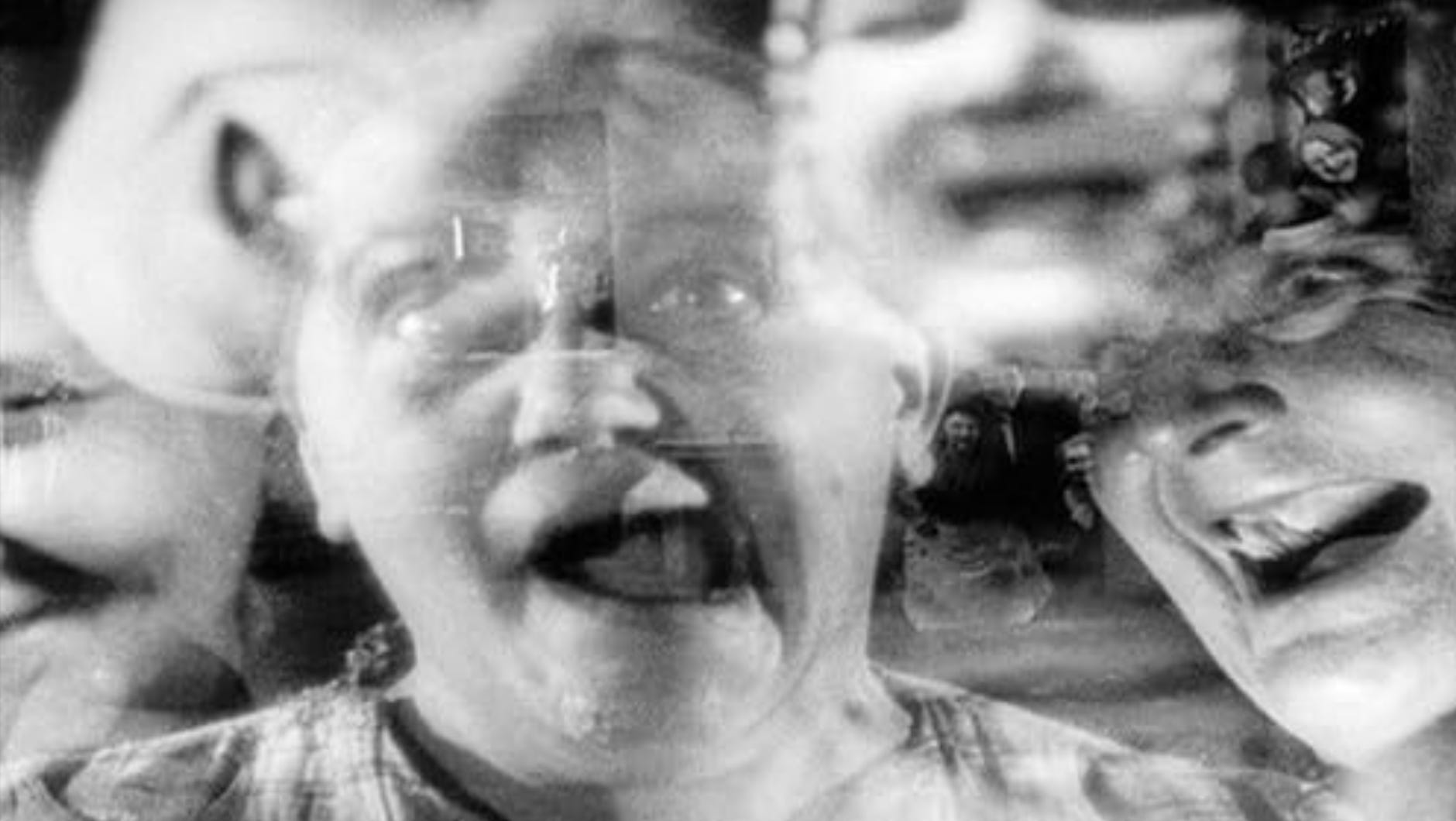
Even before creating the descent into madness, the cinematography is used very effectively as a form of characterization.
Most of the first scenes are filmed through something else, the bars in the hotel, the spinning door, the carriage window. They don’t just use the ‘frame within a frame’ technique, but create frames within those frames within those frames.
Comments
Nothing yet. Say the first thing.
Sign in to join the conversation.