
I was standing at the Isle of Harris coffee van in the sun the other day en route to a small job, shielding my eyes from the glare, and I explained to Sean that I was mid-migraine … again. He only ever sees me somewhere in those 3 days of a migraine, when I am working. Good reason for that, it turns out, as I don’t really like coffee, but a sweet coffee mixed with painkillers keeps me going when I have to keep moving. The lady next to me was horrified that I was out of the house with a migraine, which is a common response because there’s a generalised idea that you need to be under a duvet in a dark room.

I have suffered from migraines since I was 17, unknowingly till I was 35 and diagnosed properly. Previous misdiagnoses were sinusitis ( I took antibiotics for sinusitis for years), tension headaches and atypical facial pain. They really kicked in during my divorce, leading me to get some help. I can push through all parts of a migraine, and, yes, it is a real migraine even if you have found ways to manage to work through it. I was a sole parent for most of my life and self-employed with no sick pay or income protection, so I had to find ways to carry on. From painkillers to sugar, and even buying a van in 2016 to be able to nap when I needed to along the way to and from jobs.
I have photographed 12-hour wedding days with a migraine on many occasions, unable to eat till afterwards. Stress levels were hitting the roof during those days, and most working-from-home days were spent working around very long daytime sleeps. I couldn’t seem to bring over the severity of its impact on my life, but possibly because I didn’t understand it and how it interlinked with my other health conditions. Maybe there was also something around being the sort of calm and quiet woman who goes into a doctor’s room and says “It’s not too bad though, I manage most days” instead of screaming “This is painful, exhausting and ruining my work life and means I can’t ever commit to a day out with my children.”
Since the age of 35, I have explored every possible alternative and holistic therapy to try and relieve my migraines, and it has led to a wealth of knowledge around these subjects: diet, stress reduction, movement, osteopathy, Ayurveda, Chinese medicine, diet restrictions, and the quite trendy trauma release and nervous system work. Not that there is anything wrong with taking a good hard look at your trauma or your nervous system; it's valuable and relevant, and it's likely that people with migraine have a sensitive system in general. But what I feel it does is to lay the blame on you, and take away from medical reasons and investigations that deserve attention too.
The years spent looking inwards have given me a few things: a deep understanding of my own pattern and an ability to listen to my body, in particular my prodrome phase. If you don’t know what a prodrome phase is, for me it’s often the 24 hours before the pain hits, and sometimes it can be as debilitating as the actual pain. But it’s also key to getting medication working to reduce or abort the migraine, as this is when it’s most effective. I have learnt to listen to the tiniest hints of warning signs in my body and mind that tell me it’s en route: from craving comfort food to feeling teary, falling asleep every two hours, to a strange feeling in my head that I cannot even put into words. Migraine is a neurological condition that affects your brain in so many ways, and in such different ways for us all; there is no single way a migraine looks.
The real truth is that it’s different for everyone, and during what is three days for me, I experience various levels of discomfort that mean different things in terms of activity. From agonising pain down the right side of my face, talking or answering questions being extremely hard work, losing words, and then there are the few hours of low mood and feeling like a failure in life. I need quiet, peace and softness, and anything harsh or abrasive is like sandpaper on my skin and mind. Loud voices, arguing or tight clothing is a big no. I often appear antisocial, and I fear losing friends because of it. There is no doubt that migraines can affect relationships, even when no one has done anything wrong
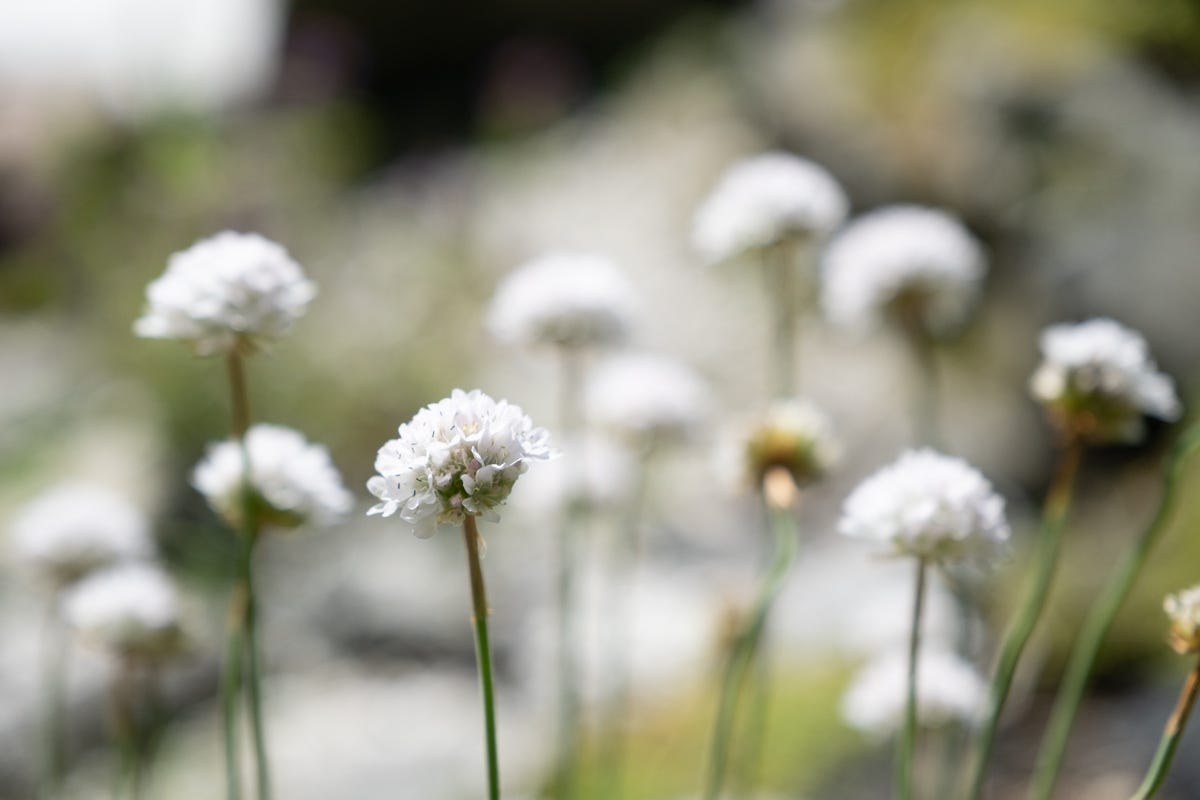
The most intriguing part of it is the postdrome phase afterwards, where clarity arrives, as though I see the world for the first time, a bit like being in a car crash and then seeing every wonder in the world afterwards, from the beauty of tiny flowers to the joy of just breathing.
Talking triggers, that word automatically brings to mind, well, just stop eating chocolate and cheese and you’ll be fine. Triggers are so much more complex than food and can have nothing to do with food at all. I now realise triggers are not one single thing, but a bit like a glass that gets fuller and fuller until it tips. Threshold is a better word than trigger. Every migraine brain has a limit to what it can cope with. My big ones are hormones, stress and emotional stress, late nights, computer work, noise, too much communication, light, overstimulation, and not moving my body enough. I cannot drink any alcohol, so I haven’t since I was 20 (maybe the odd Baileys once a year). I live like a nun and still suffer.
Chronic is technically defined as 15 or more days per month with a headache and at least 8 of those with migraine symptoms. I run at between 12 and 20 days and, at my worst, one ran into another, lasting 3 days at a time, so you can do the maths. I often wondered how people actually access proper medical help, as I have yet to see a specialist or access the available new drugs. I was able to move to a newer triptan drug that didn’t cause nausea a couple of years ago after a chance meeting and advice from a lovely lady who also suffers but has more access to help. I have recently had help with my hormones, which has reduced the migraine levels from a crisis point back to the normal chronic migraine pattern, which I cope fairly well with. I am no medicine expert and haven't yet tried many of the medications available, but I do use triptans to allow me to get through the days when I need to leave the house.
The Migraine Trust says migraine is two to three times more common in women, and that hormonal changes “can be” a trigger. My own experience, and the experiences of so many midlife women I talk to, make the connection feel much more significant than that sentence suggests, given the number of women I talk to where migraines have suddenly started or increased around the age of 47. Women’s pain around the hormonal cycle is too often dismissed as something we just have to get on with, when a small amount of treatment can make a huge difference to quality of life and ability to work.
I had been looking into Simon Cowell’s story about the yellow glasses he wears for migraines, but got too confused about how and where to buy, so I hadn’t got round to it. Then Sean handed me some sunglasses he had in his van, as I had lost mine, and the instant relief was incredible. Oakleys, no less. I rarely buy anything new or expensive, in part because living with any chronic health condition directly affects finances, but maybe the migraine glasses are worth investigating despite the price tag.
There’s a lot about migraines that lands around personal responsibility and fault. I am not eating well enough, drinking enough water, exercising enough. I want to express that this is not true and it’s not your fault. Yes, water, food, exercise and therapies can help migraines, but they aren't necessarily the cause, and the cause isn't your fault.
Learn to listen closely to your body’s subtle changes. For me, understanding my prodrome has been one of the most useful things I’ve done.
Keep a diary every day. It doesn’t need to be complicated… a list with the date and symptoms in the notes app on your phone is enough. Over time, you may start to see patterns that are difficult to spot otherwise.
Ask your GP for help managing the pain and your migraine medication properly. Relying on painkillers alone to get through the pain can do harm over time, including medication-overuse headaches, so it is worth understanding what options are available.
Protect your peace and learn to put yourself first sometimes. I have spent years being polite, absorbing other people’s moods and pushing through things that I now recognise as triggers. I am slowly learning that managing migraine isn’t only about what I eat or what medication I take; it is also about understanding my own threshold and what I can realistically ask my body to cope with.
Read and learn as much as you can about the condition. Study it as if you are your own doctor, because the more I have understood my own pattern, the better I have been able to explain what is happening when I go for help.
I hope this helps if you also live with migraine, or helps you understand a family member or friend who does a little more.
All the best for now,
Margaret x
Comments
Nothing yet. Say the first thing.
Sign in to join the conversation.