
A few weeks ago I found myself doing something I suspect many of us do from time to time. I was looking through photographs from a holiday I had taken years ago.
At first I expected to stop at the obvious images. The cathedral. The harbour. The mountain viewpoint that had appeared in every guidebook before I left.
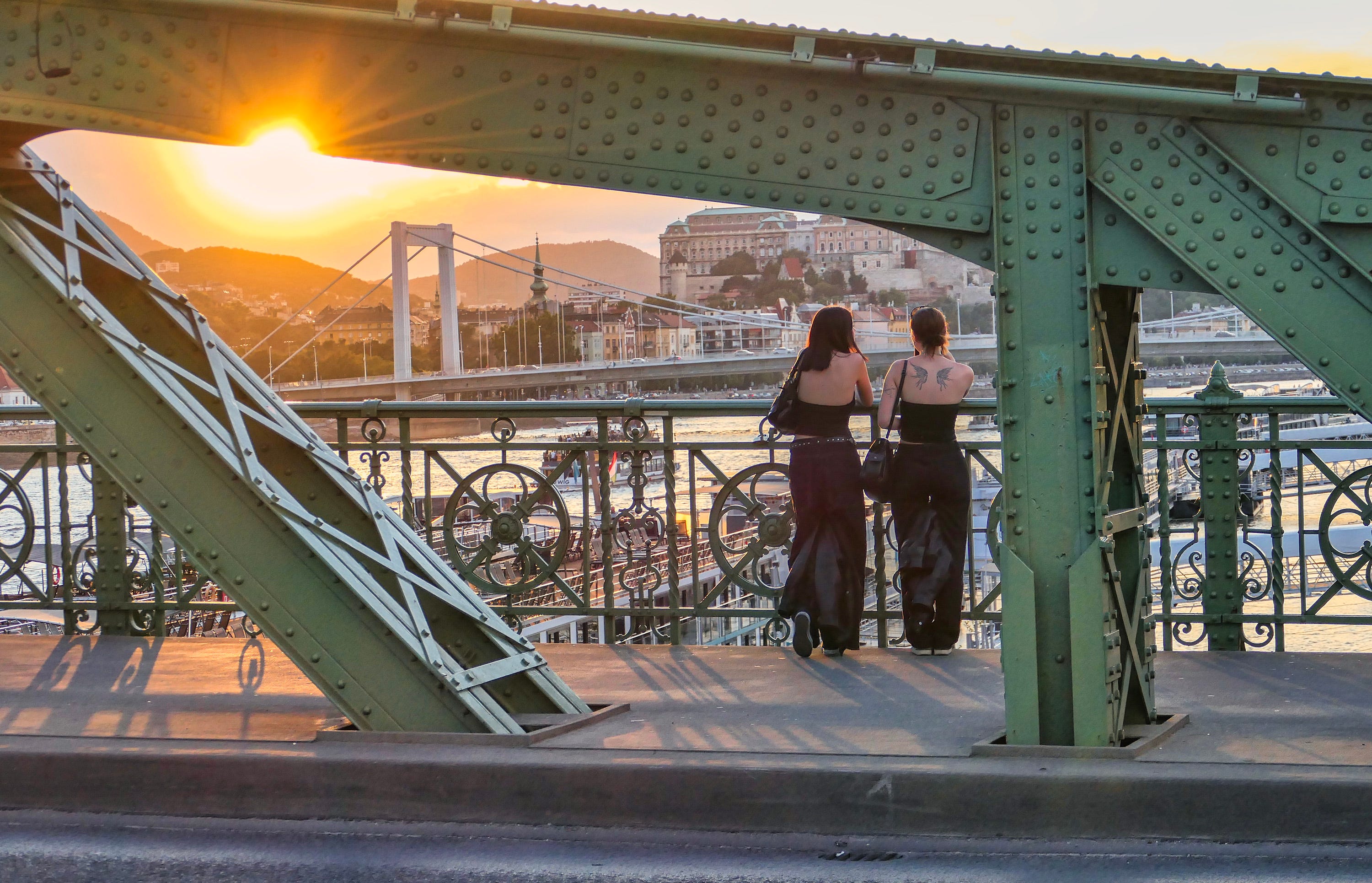
Instead, I found myself lingering over completely different photographs.
There was one of a tiny café where we’d escaped a sudden downpour. Another showed nothing more than a table with two cups of coffee, a folded map and a pair of sunglasses. I smiled at a photograph of an old gentleman reading his newspaper outside his favourite bar, even though I couldn’t tell you the name of the street anymore.
None of those photographs would ever win a competition.
None of them were taken because I thought they were particularly clever.
Yet they brought the holiday back to life far more vividly than the famous landmarks ever could.
I could almost hear the conversations again. I remembered the smell of fresh bread drifting from a nearby bakery, the church bells marking the hour and the waiter who insisted that we try one more local wine before leaving.
That’s when something occurred to me.
We don’t remember our holidays in the same way we usually photograph them.
Most people come home with hundreds of photographs proving where they went.
Very few come home with photographs that remind them what it felt like to be there.
It’s an understandable mistake.
When we arrive somewhere new, we’re naturally drawn to the famous sights. We photograph them because they’re beautiful, because we’ve travelled a long way to see them and because, if we’re honest, everyone else is photographing them too.
There’s absolutely nothing wrong with that.
If it’s your first visit to Venice, Paris or Prague, of course you should photograph the places you’ve dreamed of seeing.
I’d do exactly the same.
The problem begins when that’s all we photograph.
A holiday is never just a collection of monuments.
It’s the train journey where the family opposite wouldn’t stop laughing.
It’s breakfast on the first morning while everyone is still deciding what to do.
It’s getting lost down a side street and discovering that it was more interesting than the attraction you were looking for.
It’s the market trader who insists you taste the fruit before buying it, the musician playing to an audience of three people, the last walk through the city before heading to the airport, knowing you’ll probably never see that particular evening again.
Those are the moments that quietly become memories.
And yet they’re often the moments we never think to photograph.
Over the past two weeks we’ve talked about learning to see and learning to make the most of the camera you already own.
This final lesson is about bringing those two ideas together.
Because a successful holiday album isn’t the one with the most photographs.
It’s the one that still tells the story of your journey years after you’ve forgotten the names of the streets.
If you’ve been following this series from the beginning, thank you.
Over the past two weeks we’ve explored how to slow down, observe more carefully and make the most of the camera you already own. I hope you’ve already noticed a difference in the way you approach photography.
Everything up to this point has been about changing the way you see.
Beyond the paywall we’ll look at something just as important: how to build a collection of photographs that brings a journey back to life long after the suitcase has been unpacked.
We’ll explore why the photographs between the landmarks often become the most valuable, how to recognise the small moments that most people walk past, and why editing is one of the most creative parts of photography, not simply the final chore when you get home.
As always, there’s a practical assignment, this week’s final Red Pen challenge and one last surprise for paid subscribers.
When the series ends, I’ll also send paid subscribers a downloadable Practical Field Guide containing all fifteen Notes from these three weeks, carefully edited and designed to become something you can take with you on your next trip. Think of it as a companion rather than a book: fifteen practical exercises that you can dip into whenever you need inspiration or a reminder to slow down and really look.
So, if you’re ready, let’s spend one final lesson learning how to make photographs that don’t simply remind you where you travelled.
Let’s make photographs that remind you how it felt to be there.
Comments
Nothing yet. Say the first thing.
Sign in to join the conversation.