
Every day, billions of pieces of content travel across our feeds. Some are intentionally false or misleading — these are fake news. Their goal isn’t to inform, but to influence, shaping emotions, opinions, or even behaviors.
Fake news often serve specific purposes:
Political, to sway public opinion or create division.
Economic, to attract clicks or ad revenue.
Ideological, to promote a worldview or discredit others.
Misleading content often looks legitimate at first glance, but a few clues can help you identify it:
Overly emotional or exaggerated headlines.
Lack of credible sources or links.
Images or videos taken out of context.
Fast viral spread from anonymous or suspicious accounts.
Before sharing, take a few seconds to verify the source and check if reputable outlets cover the same story.
Fact-checking resources like AFP Fact Check or Reuters Fact Check are good places to start.
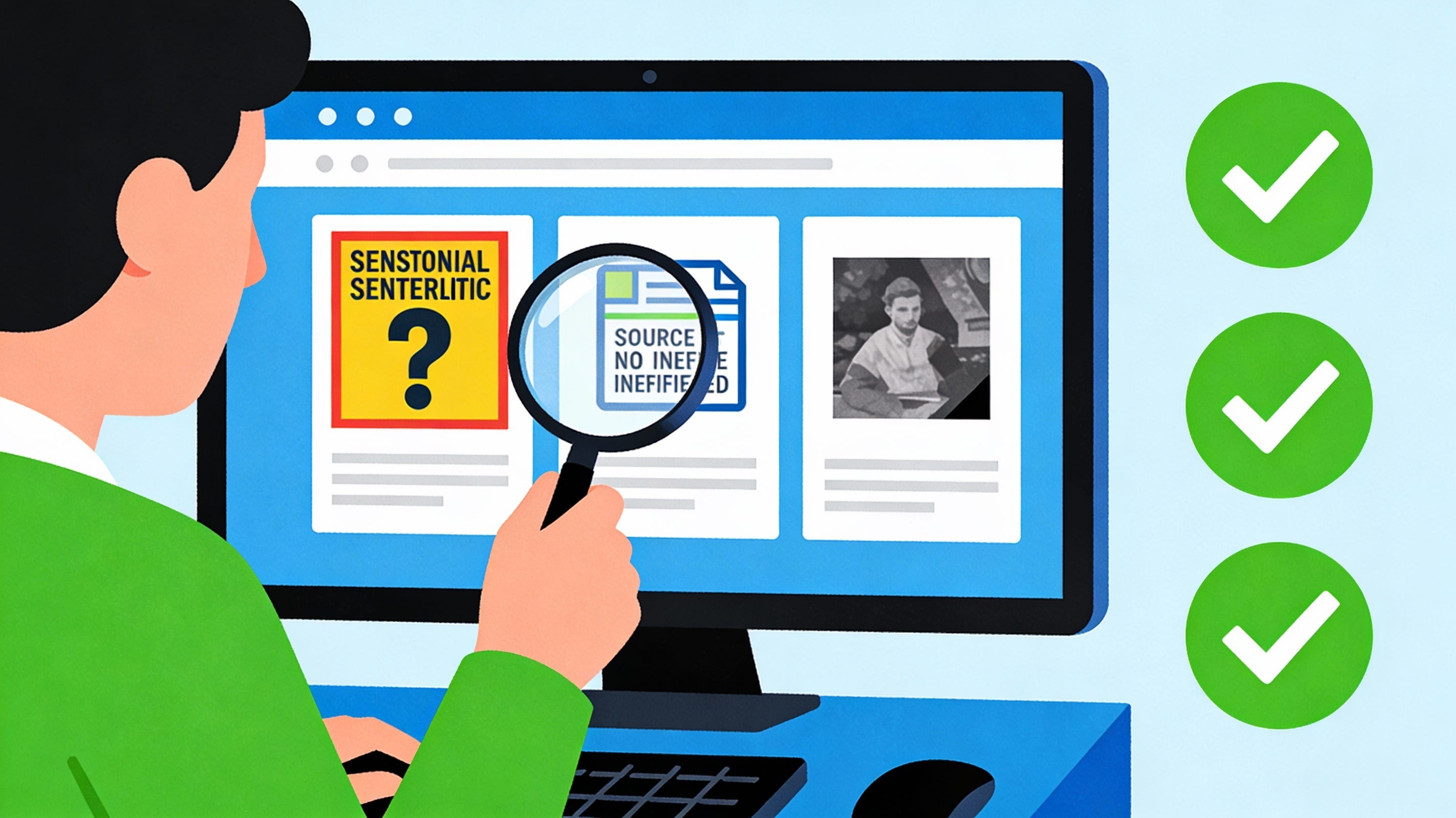
Fighting misinformation requires small but consistent actions:
Be a conscious reader — diversify your information sources and read beyond the headlines.
Encourage media literacy — teach critical thinking in schools and workplaces.
Correct gently and inform — when you see a false claim, respond with facts, not anger.
In a digital world where speed often beats accuracy, caution is not skepticism — it’s a form of civic responsibility.
Comments
Nothing yet. Say the first thing.
Sign in to join the conversation.