
In this 1957 memoir, Dr Lindsay Rogers describes working with Marshall Tito’s partisans in the mountains and forests of Yugoslavia.

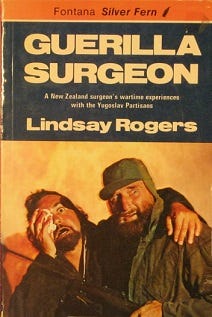
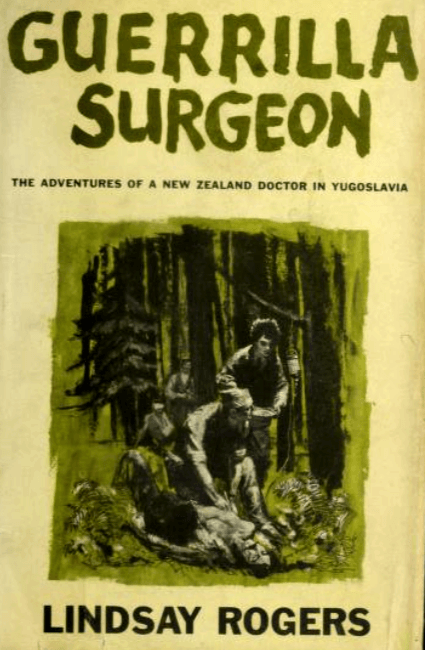
Rogers set up hospitals in caves and forests, sometimes improvising with nails to set bones and gunpowder to sterilise wounds, while training local medics, treating hundreds of casualties and escaping from the German troops continuously out searching for partisans.
One morning, just before we had our coffee, they carried into the operating theatre a young Partisanka, smiling and still wearing her Red Star. They placed her gently on the table as we were sitting at the end of the room waiting for the coffee to cool. She started singing, singing so softly. I can remember her song even now . . . an old Bosnian love song. She was recalling her home and her lover; we listened as Zena translated. "It Is So Hard for Me to Forget You," . . . I went over to her and asked her what was wrong? "Oh, it's only my thigh," she replied. Gently we lifted the blanket, cut off the bandage from the gangrenous wound, and from the end poked the bare bone. I let the blanket fall again as Bill prepared the anesthetic. He bared her arm to inject into the vein. She asked what he was doing. I replied that we were just going to send her to sleep while I operated on the leg. "Oh no," she replied. "Keep the anesthetic for those who need it. I'll just sing." She burst into a flood of song, then, as she went to sleep her song died.
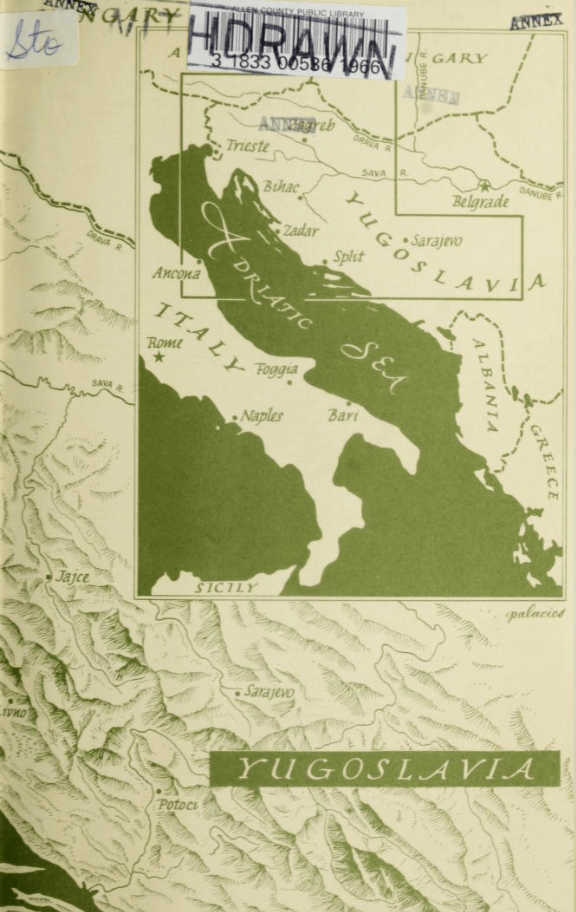
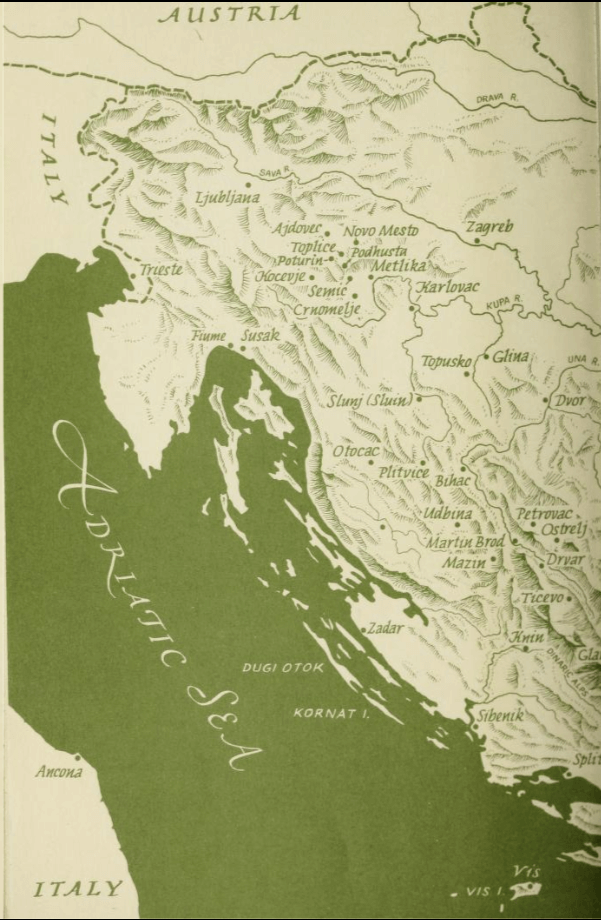
The map is more decorative than functional, not indicating any of the sites of partisan activity and movement across the country. However it is well drawn and attractive, giving the reader a geographical context for the action and an indication of the difficult terrain on which Rogers aided the wounded and dying.
Rogers’s courage earned him the Order of Bravery from the Yugoslavs and the MBE from Britain.
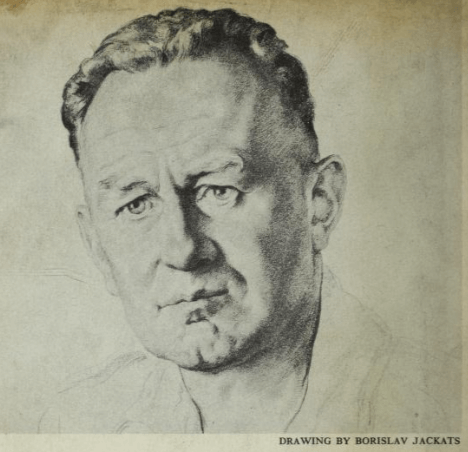
After the war he returned to his home, practising as a doctor in New Zealand. Guerrilla Surgeon was acclaimed on publication, later translated into Slovene and reissued in 2024.
Lindsay Rogers died in 1962, tragically drowning in a flood while on holiday.
Note: I’m going to Slovenia (when much of the book is set) in September and will be writing about this in my new substack about the German traveller Johann Gottfried Seume who walked from Leipzig to Syracuse (Sicily) in 1802, and my project to follow in his footsteps. He’s a fascinating character, check it out here:
No posts
Comments
Nothing yet. Say the first thing.
Sign in to join the conversation.