
In the ancient times, when the Lepchas were sent to Earth from the sacred lap of Mount Kanchenjunga, they had no knowledge of agriculture.

Their sustenance came from the wild—fruits from the jungle, wild tubers known as "Bhooks", the meat of animals they hunted and fish from the rivers.

One such tale tells of a young Lepcha hunter, or "Sherabu," who was chasing a "Munchumon," a wild boar, through the dense forests of the Himalayas. The chase led him to a remote place where he found the boar resting among a group of domesticated pigs, known as "Kumdung Mon," in a pig shed. Realising it was too late to return to his village, Sherabu sought shelter in the home of the pig shed’s owners—an old man called Thyung and an old woman named Nyukung.

Thyung welcomed the young hunter, asking about his origins and quickly realizing that Sherabu was not from their land; he had inadvertently entered Mayel Lyang, a sacred place inhabited only by the gods. The old couple cared for Sherabu, and he lived with them for several years.
As time passed, Thyung noticed that Sherabu was growing older. One day, he told Sherabu that it was time for him to return to his village. Before he left, Thyung gave him two precious seeds: "Mong sa lee" (millet) and "Dzyo sa lee" (rice).
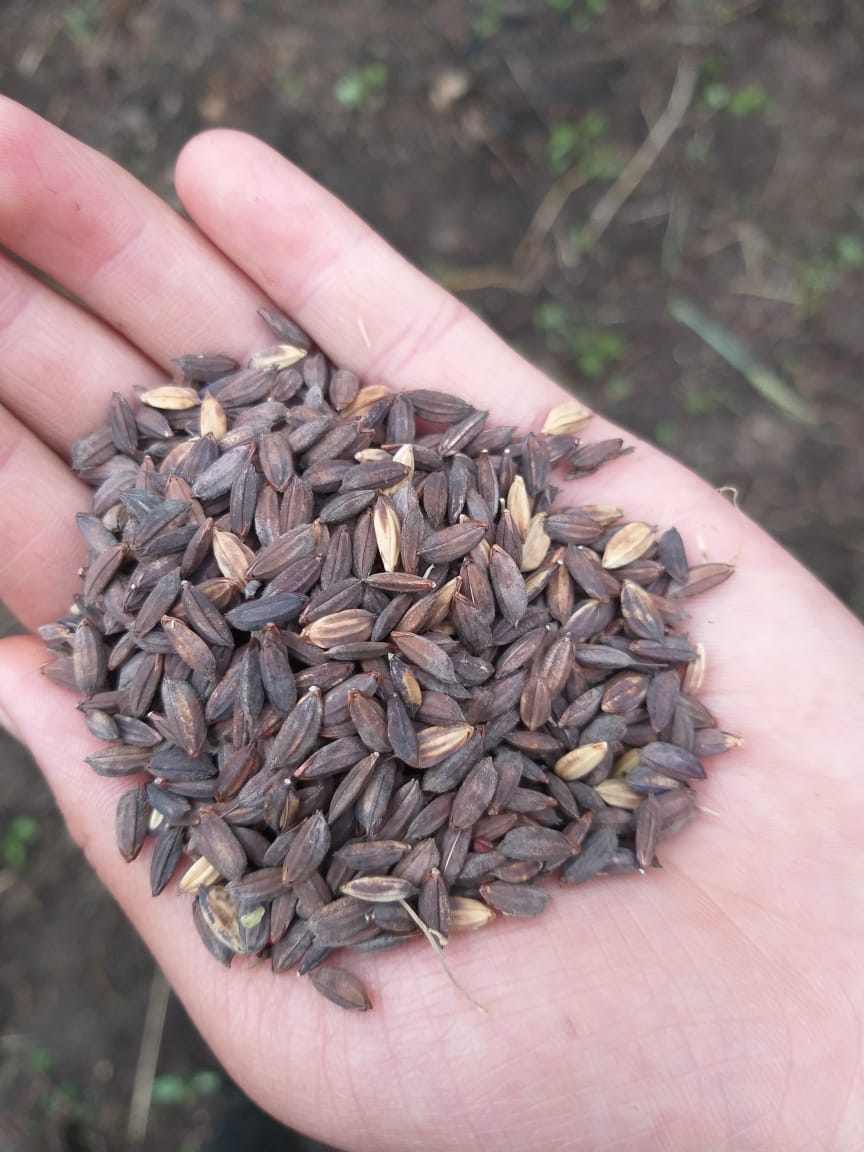
Thyung and Nyukung instructed Sherabu to plant these seeds, assuring him that they would grow and provide sustenance. They also promised to send birds who would inform him of the proper times to cultivate and harvest them. Sherabu returned to his village and planted the seeds in the jungle.

As promised, birds like Mayel Foo, Chakdom Foo, and Bimpiyum Foo appeared, guiding him through the seasons.

The seeds sprouted and grew into healthy plants, but pests soon became a problem. Drawing on his knowledge as a hunter, Sherabu crafted wooden tools, such as scarecrows, to protect his crops.

Over time, others adopted Sherabu’s agricultural methods, and rice cultivation became a way of life for the Lepchas.
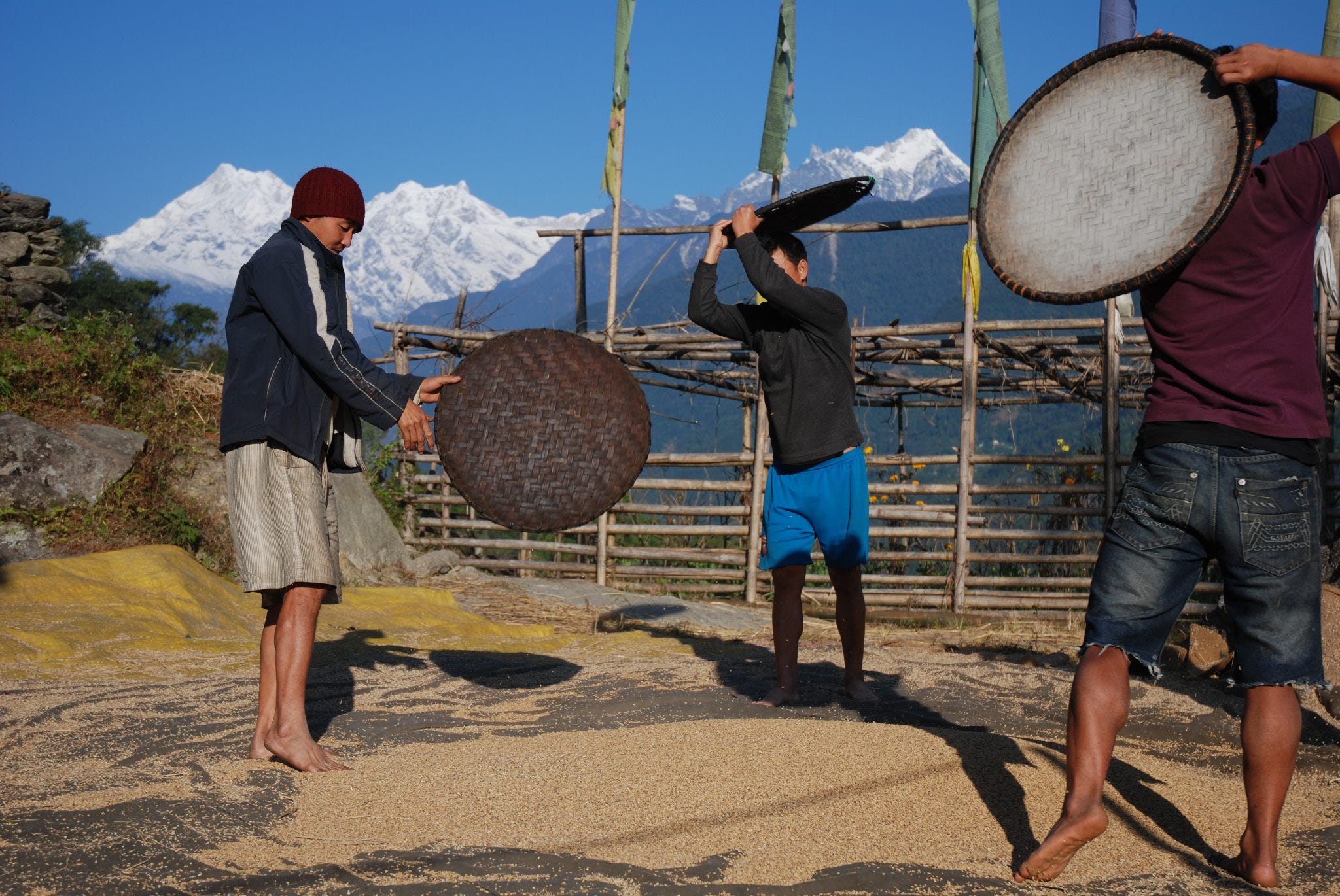
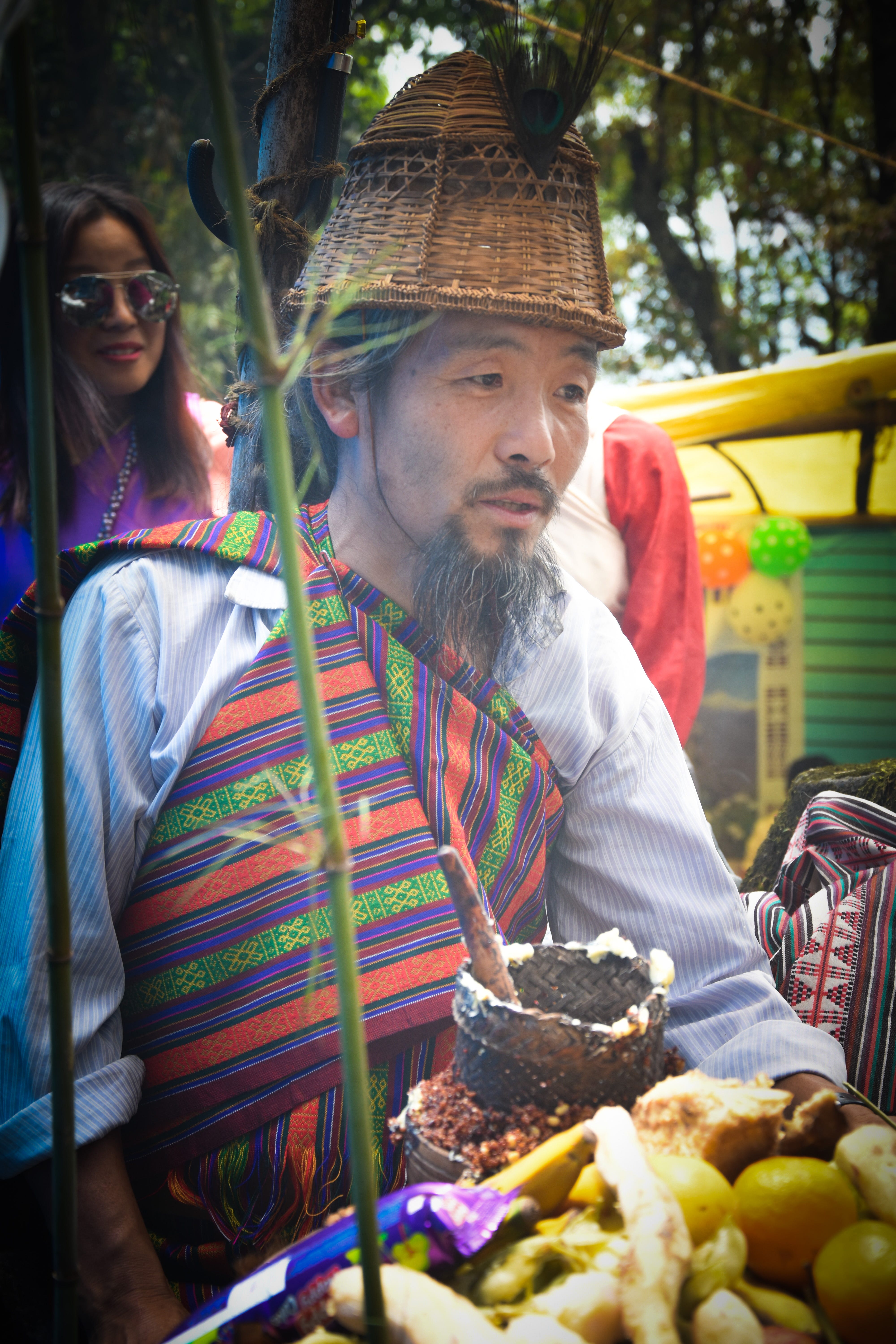
To this day, the Lepchas honor Thyung and Nyukung by offering the first fruits or vegetables of each harvest. They believe that if this tradition is not upheld, the old couple will vanish, taking prosperity and abundance with them.
Author’s Note: I would like to thank Ren Lupon Namgyal Lepcha and Ren Lupon Nim Tshering Lepcha for their guidance and insights.
No posts
Comments
Nothing yet. Say the first thing.
Sign in to join the conversation.