Our world is brimming with beings—human, animal, and artificial. We explore how they think, sense, feel, and learn. Conversations and more, every two weeks.
Hi friends! We're still taking a bit of a summer pause. We'll be back at the end of August—in the meanwhile, enjoy this listener favorite from our archives! ----- [ originally aired September 19, 2024 ] There's a bit of a buzz out there, right now, but maybe you haven't noticed. It's in the water, it's in the air. It's electricity—and it's all around us, all the time, including in some places you…
Hi friends! We're taking a bit of a summer pause. We'll be back soon—in the meanwhile, enjoy this listener favorite from our archives! ----- [originally aired July 10, 2025] Childhood is a special time, a strange time. Children are adored and catered to—they're given their own menus and bedrooms. They're considered delicate and precious, and so we cushion them from every imaginable risk. Kids are…
Hi friends! We're taking a bit of a summer pause. We will be back soon—in the meanwhile, enjoy this listener favorite from our archives! ----- [originally aired May 14, 2025] Some call it the "psychedelic renaissance." In the last decade or so, interest in psychedelic drugs has surged—and not just among Silicon Valley types and psychiatrists and neuroscientists. It's also surged among a…
No discipline, no sphere of intellectual life, has been untouched by the work of Charles Darwin. He died in 1882 but his ideas are very much alive; they're now central to how we understand the natural world, the human mind, non -human minds, plants, biogeography, morality and emotion, culture, language, and more. But where did his ideas come from? How did they grow out of his travels, his social…
It's tempting to see bioluminescence as an oddity, one of those rare eccentricities of life on earth. And, on land, maybe that's true. But our planet is mostly water, and out in the open ocean bioluminescence is utterly commonplace. Creatures of all shapes and sorts sparkle and glow, glitter and pulse. But what are these displays for? Why did they evolve? How did light become the currency of the…
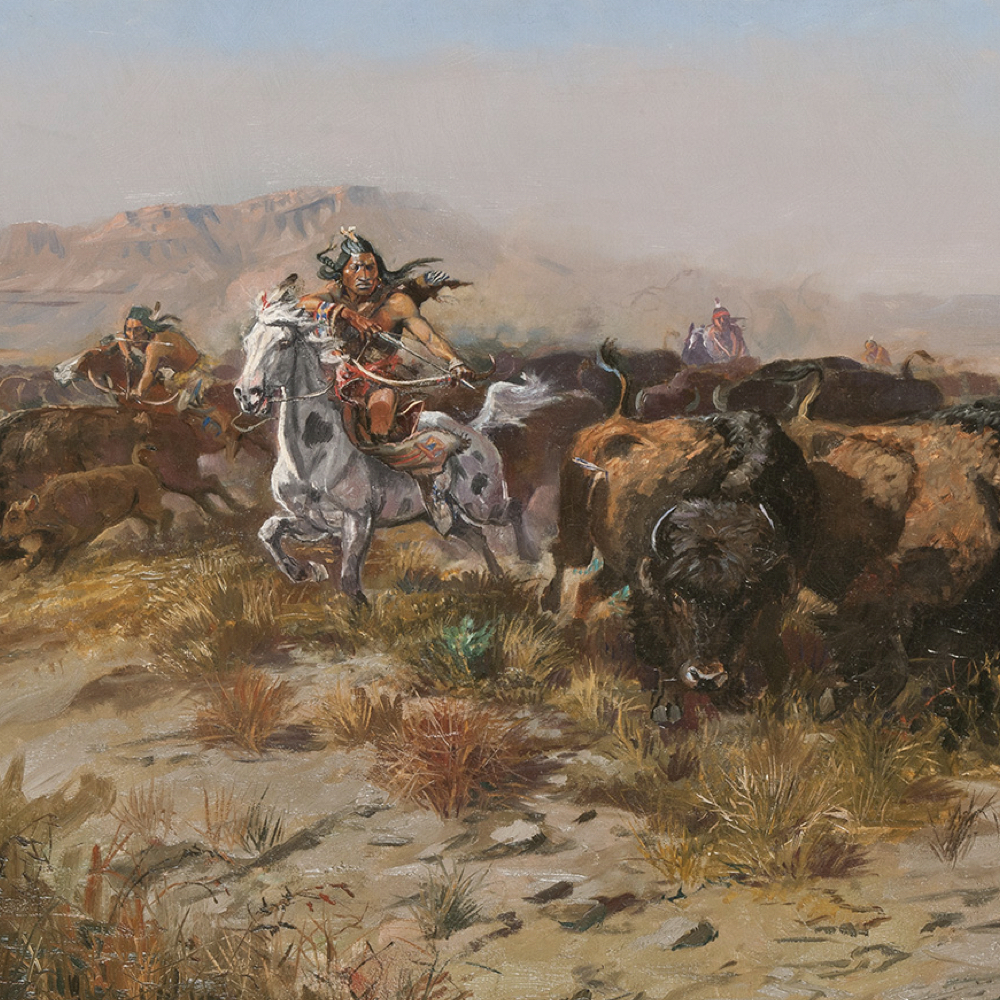
There's a story about of our past that you know well. It goes like this: At some point earlier in human evolution, we started to hunt. Men in particular—perhaps channeling some deep-seated aggressive impulses—began to seek out big game. This new food source, this bonanza of calories, was what allowed our brains to expand. It changed our bodies and our societies and sent our species off on a whole…
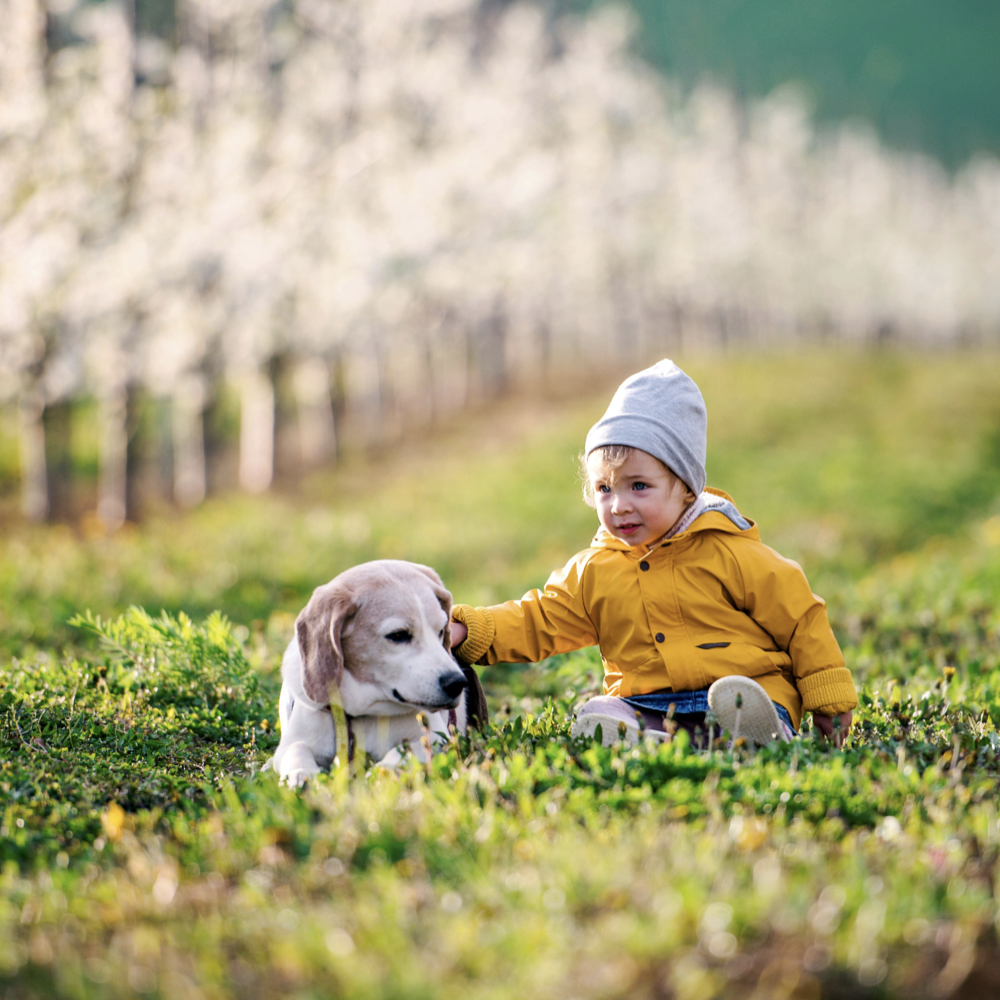
It's kind of astonishing, really, that kids ever learn words. Each one poses a little riddle. Does this sound string refer to a person? A category of things? Or maybe some other feature of the blooming, buzzing world? And yet word learning happens. In fact, we now know it begins earlier in infancy than we realized. And we now know, further, that dogs (or at least some dogs) understand words as…
Newton saw in the human hand proof of the divine; Darwin saw a key to our species' success. Many others, too, have described the hand in hyperbolic terms, as a paragon of design, a cornerstone of human uniqueness, an engine of our achievements. But what makes the human hand so powerful? Is it the proportions of the fingers? Is it the opposability of the thumb? Or, could it be none of this? Could…
Hi friends! We're skipping a beat to take care of some spring housekeeping tasks. We will be back in May! In the meanwhile, enjoy this listener favorite from our archives! ----- [originally aired April 30, 2025] We humans have a hard time becoming invisible. For better or worse, we're basically stuck with the skin and body we have; we're pretty fixed in our color, our shape, our overall…
Deep in our past, in the dark depths of caves, our ancestors did something strange and beautiful. Working by firelight, some doodled little designs. Others made hand stencils. Some saw a bulge of rock, or a crack in the wall, and thought to turn it into a horse or a bison. Why did they make this art? What did it mean to them? Who were these artists? These questions are old—very old—but thanks to…