
Would Steve Waugh have been a good T20 cricketer? Yes. But don’t take it from me: “I’d have been very good,” Waugh said in London this week. “I loved innovation and experimentation, thinking laterally. I was the first seamer to bowl a back-of-the-hand slower ball and, I didn’t invent the slog-sweep but I played it as well as anyone.”
There wasn’t a shred of arrogance about his comments. If he thought he might have struggled in the format, he would have said so. He was equally honest about his extremely limited involvement with cricket for the last 20 years. “I didn’t see a challenge which appealed to me.”
He played a brief role as a mentor to Justin Langer’s Ashes team in 2019 in England but otherwise his time has been spent elsewhere: “I’ve been busy with (mentoring) other sports, my charity, photography, writing books and other businesses. I haven’t been idle,” said Waugh with his characteristic side-lip.
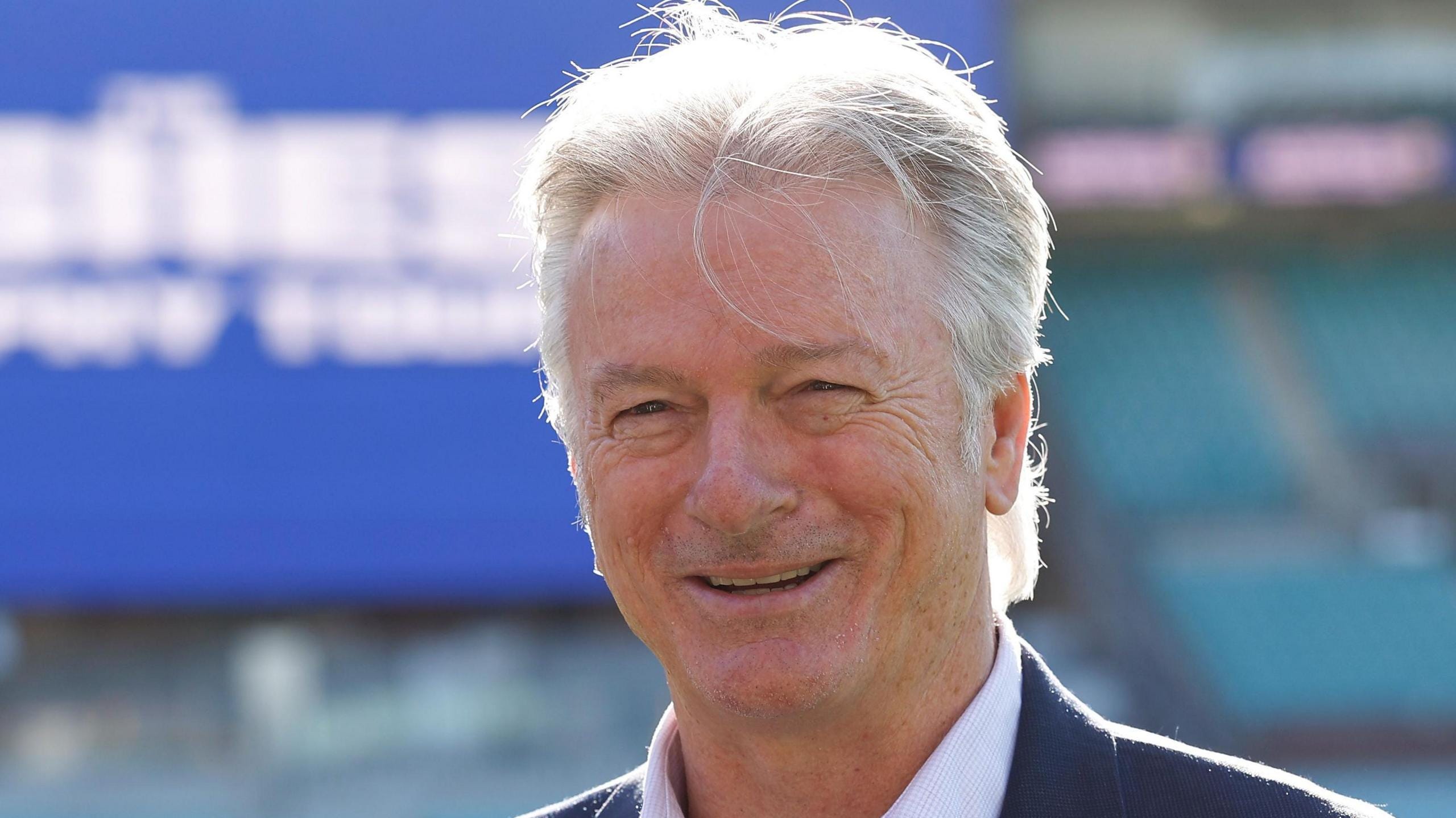
Cricket’s T20 community gave up trying to tempt him out of exile years ago. There were dozens of offers. He showed interest in none. “I never saw myself being involved in T20 cricket, to be honest, but this was a challenge I couldn’t resist and it has consumed me for the last six months.”
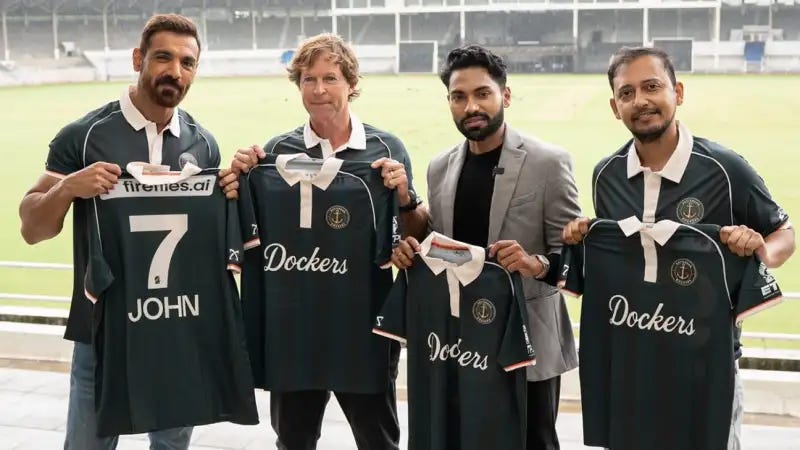
Waugh is a co-owner of the Amsterdam Flames franchise in the European T20 Premier League and was speaking to me on a Zoom call along with Rahul Dravid and Jonty Rhodes who are also co-owners of the Dublin Guardians and Rotterdam Dockers respectively. Waugh has signed Steve Smith and Tim David with Mitchell Marsh as captain. Apart from Rhodes, the Rotterdam team has captain Faf du Plessis and Heinrich Klaasen on the playing roster with Adrian Birrell as coach.
Dravid has obvious limitations attempting to persuade Indian players to participate in the new league but he does have the most high profile one available, R.Ashwin. Waugh, meanwhile, has signed the second biggest Indian player in Ajinkya Rahane.
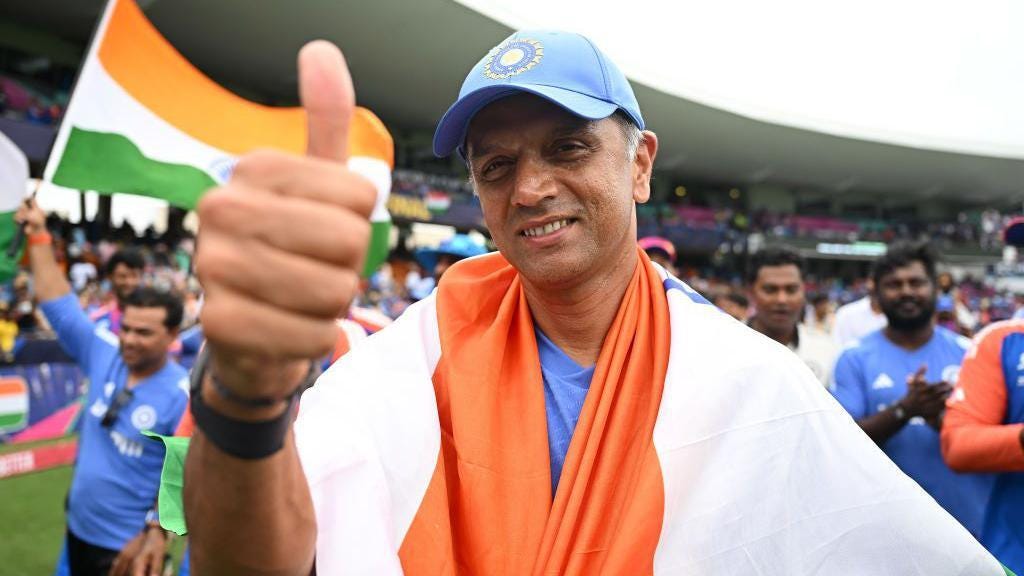
So, how has the world’s newest T20 tournament managed to attract so many big fish? Arguably, Waugh is the most eye-catching of all. One of the game’s all-time great cricketers and captains, uninvolved in the game for over two decades, returning to manage/mentor/own a team in the Netherlands in an untried, untested tournament attempting to find a place in a saturated market. On the face of it, it doesn’t make sense.
And why would multi-millionaires like Glenn Maxwell (Belfast Wolves) and Klaasen be bothered with playing in yet another league at tiny venues in front of a few thousand spectators, at most? There certainly isn’t enough money to pay them a fraction of what they have earned in the IPL and MLC. Why is Matthew Hayden coaching the Glasgow Cosmic?
The answer is equity. It’s a genius strategy, on one level. The empowerment of a work force with the incentive of shares has existed in the world of business for centuries but the model is new to cricket. In order for the ETPL to find itself a sustainable niche in an over-crowded market, they needed big names to attract attention. More importantly, to attract broadcasters and sponsors. Without the money to pay them ‘market-related’ fees, they tempted them with co-ownership.
Whereas Klaasen is paid around $2million per IPL season, he’s providing his skills and reputation to the Rotterdam team largely for a share of the future success of the Franchise. Du Plessis has been so intimately involved in the establishment of the team that he even designed the playing shirt. He’s also a co-owner.
It is obvious how committed all of these big names are to the cause. Waugh describes Europe as “the last, great untapped market in the world” for cricket and told me that he can see a nation from Continental Europe winning a World Cup “within 15-20 years.” It sounds preposterous. Or would if it hadn’t come from the mouth of the straight-talking Waugh.
Waugh described the Netherlands as “the biggest population in the world” which raised a Dravid eyebrow. He was referring, of course, to the physical attributes of the population. Rhodes, too, sees huge potential in Europe having spent a couple of years coaching the Swedish national team:
“The men and women who play ice-hockey or focus on athletics have fantastic coordination and natural hand-eye skills and I saw how quickly they can pick up new skills and be converted to cricket. The majority of the players were immigrants from the subcontinent and other traditional cricket playing countries but there was huge potential amongst the native population.”
There is undoubtedly something very different about this league. It doesn’t look or feel the same as all the others. But…how sustainable is the new model? What happens in 2-3 years when Klaasen is no longer playing? Presumably he keeps his percentage as co-owner. So how are the next generation of big names tempted to play for reduced fees?
The new league will almost certainly never generate sufficient revenue to match the fees paid in the IPL, ILT20, SA20, PSL and MLC. And there is a finite number of shares which can be handed out before they become worthless. Fascinating…
No posts
Comments
Nothing yet. Say the first thing.
Sign in to join the conversation.