
The gap nobody talks about
Most women leave the hospital after giving birth with one piece of guidance: remember to do your pelvic floor exercises. That’s it. One sentence for one of the most physically significant events of a human life.
For mothers in music, that gap is compounded. Touring schedules don’t pause for recovery. Studio sessions don’t accommodate a pelvic floor that needs time to heal. And an industry that has historically expected women to be invisible about their bodies makes it even harder to ask for what we need. The physical reality of postpartum recovery is a career issue — not just a personal one.
What’s actually happening in those first weeks
During vaginal birth, the pelvic floor muscles stretch to extraordinary lengths to allow a baby through. The connective tissues supporting the bladder, uterus, and bowel experience significant load. And then, recovery begins. Slowly, quietly, without much fanfare or support.
In those early weeks, the body is doing enormous work: pelvic floor muscles are regaining strength and coordination, the abdominal wall is reconnecting, hormones are shifting, and the nervous system is adjusting to an entirely new reality.
This is not the moment to push through. It’s the moment to listen.
What actually helps
Beyond the standard pelvic floor squeeze, real recovery looks like:
Focused breathing — deep belly and rib breaths sitting or lying down
Using your exhale and a gentle pelvic floor squeeze when lifting your baby
Bowel and bladder health — staying hydrated, avoiding straining
Daily walks, if you’re not experiencing increased heaviness or discomfort
Gradual return to lifting and exercise once wounds have fully healed
These aren’t niche recommendations. They’re the foundations of recovery that women deserve to know from day one.
The symptoms women are navigating alone
Leaking when you cough, sneeze, or move. A feeling of heaviness or pressure. Discomfort during sex. Abdominal separation. Many women assume these are just part of motherhood. They’re common — but they’re not inevitable, and they’re not something you have to manage without support.
If you missed the early weeks — it’s not too late
The body doesn’t have a strict deadline on recovery. Pelvic floor strength, coordination, and support can improve months or even years after birth. I’ve worked with women 15 years postpartum who have made significant progress and returned to full activity with confidence.
You cannot fail postpartum recovery. You can only be under-supported in it.
Liz Brown is a pelvic health physiotherapist based in the UK, working with women through pregnancy, postpartum recovery, perimenopause, and return to exercise. Follow her work on Instagram here
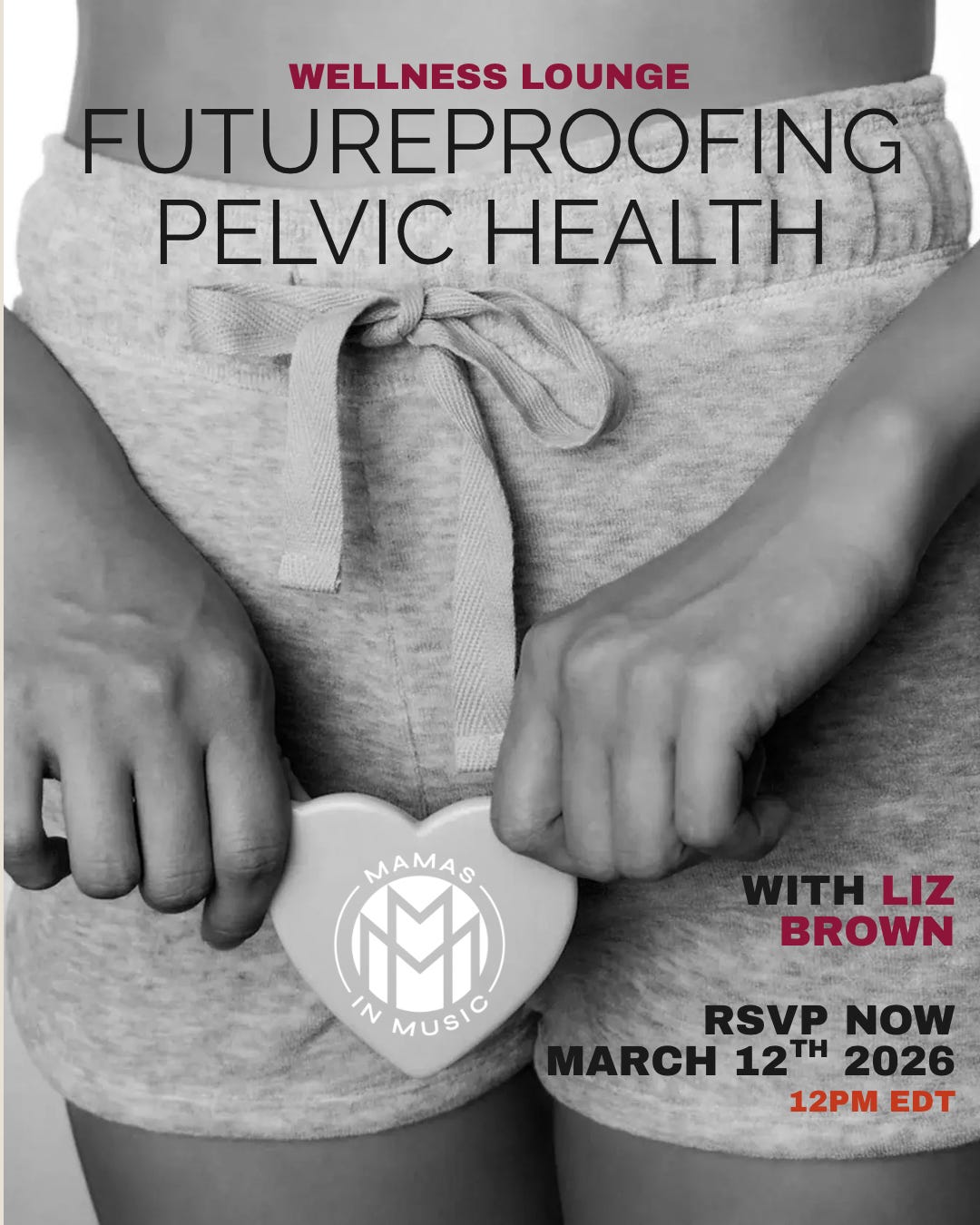
Join us March 12, 12pm EDT for an online & informative session on womens health, RSVP here
No posts
Comments
Nothing yet. Say the first thing.
Sign in to join the conversation.