
Dear Reader,
Welcome to the 224th edition of the Good reads newsletter by Malpani Ventures. Sharing your weekly dose of articles for this week’s reading!
https://www.malpaniventures.com/blog/why-we-chose-to-partner-with-adiabatic-technologies
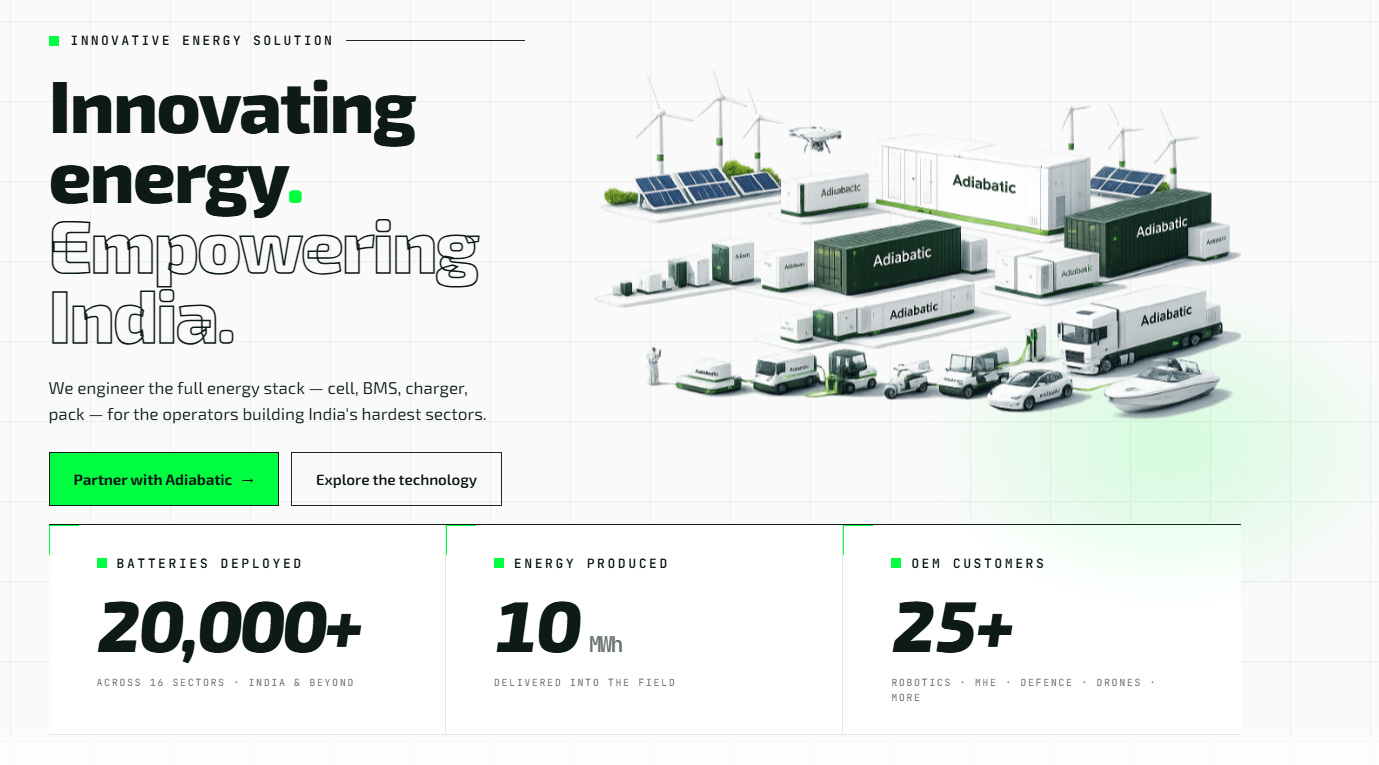
We're excited to announce our investment in Adiabatic Technologies as part of its ₹8.3 crore seed round. Adiabatic builds advanced lithium-ion battery systems for applications across robotics, drones, defence, industrial automation and mobility markets where reliability and engineering matter far more than commoditised assembly.
Why we believe some of the most interesting opportunities lie in specialised industrial applications
Solar is now the fastest-growing source of electricity in history, and the price of a lithium-ion battery pack has fallen more than 90% since 2010.
There are no rich, low-electricity countries.
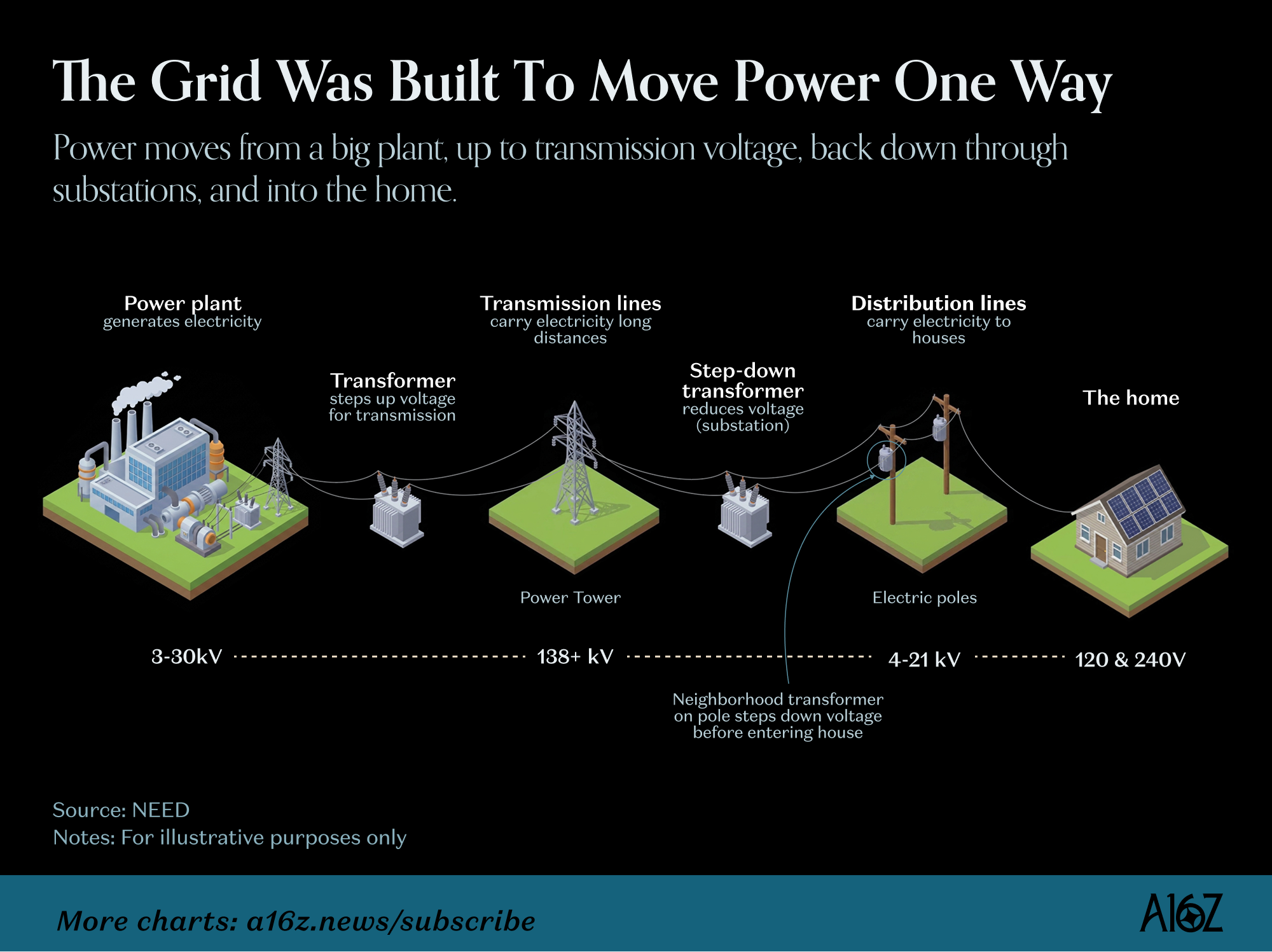
The critical flaw with this machine we now call “the grid” is that it is real-time with effectively no storage, and electricity has to be consumed within a millisecond of generation. If demand exceeds supply even briefly, the whole system slows down, almost like a bicycle hitting a steep hill, and if the frequency of the power drops too low, sensitive equipment will automatically disconnect itself to prevent damage, triggering a chain of widespread blackouts. If supply exceeds demand, the frequency spikes, almost like a bicycle spinning out of control downhill, which can overload lines, blow out transformers, and cause catastrophic damage to the infrastructure. In other words, the grid could move power through space, but not through time.
Political influence becomes public policy
Pharmaceutical companies have built a network of influence that extends from lawmakers and federal agencies to global regulatory systems.
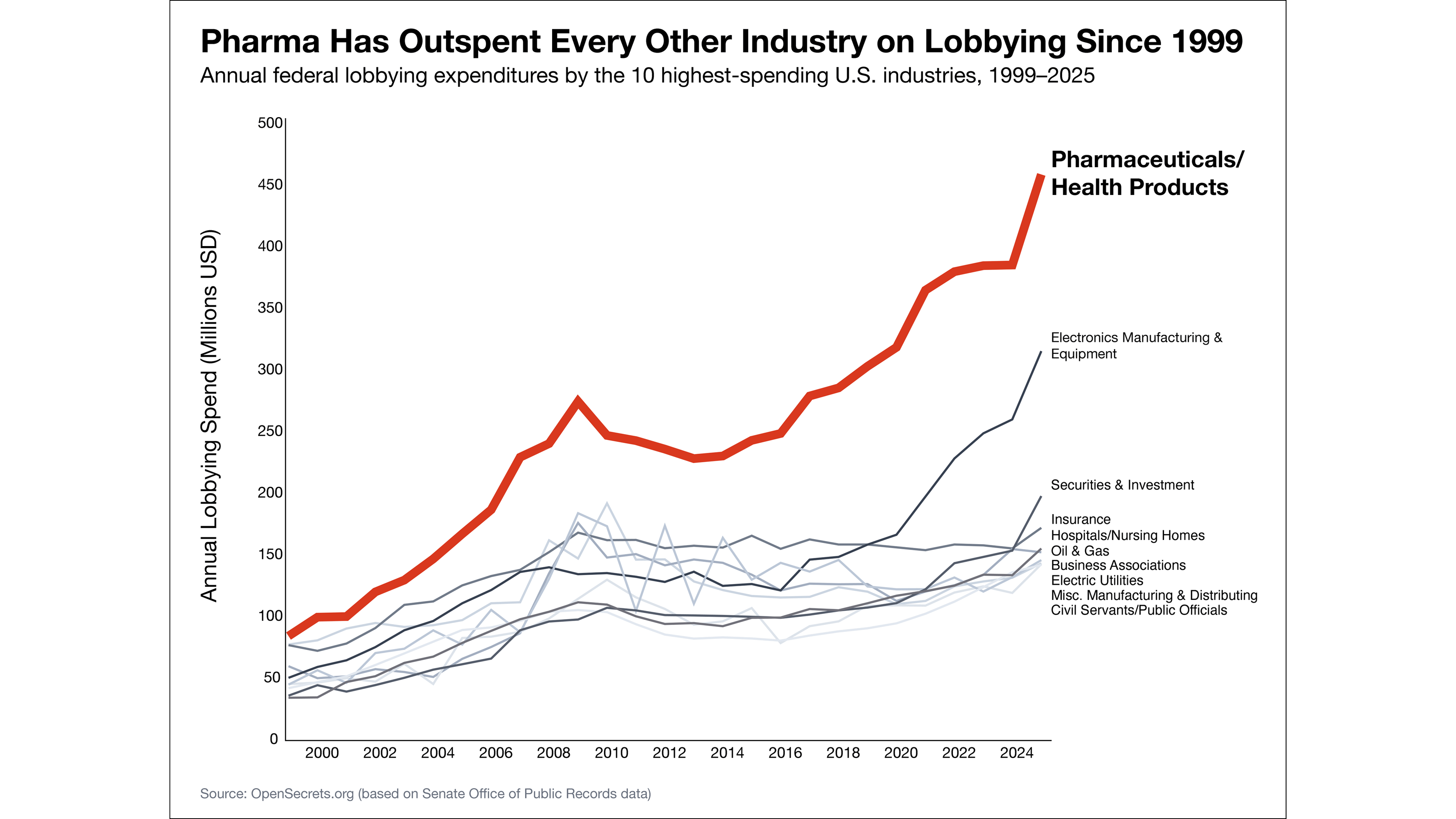
In a healthy regulatory system, violations should result in consequences severe enough to discourage future misconduct. In a captured system, that relationship is reversed. Oversight becomes less about holding industry accountable and more about preserving institutional stability and managing reputational damage.
Pharmaceutical companies have repeatedly paid billions of dollars in civil and criminal settlements for unlawful marketing, fraud, and regulatory violations. Yet the penalties imposed are often only a fraction of the financial benefits generated by the misconduct. A 2026 JAMA Network Open study examining pharmaceutical anti-kickback settlements found that companies paid a median penalty equal to only 2.2% of the U.S. revenue generated by the drugs involved during the period of violations. Settlements are treated as a cost of doing business rather than a meaningful deterrent.
Until next time!
Thanks for reading Malpani Ventures! This post is public so feel free to share it.
No posts
Comments
Nothing yet. Say the first thing.
Sign in to join the conversation.