
Dear Reader,
Welcome to the 222nd edition of the Good reads newsletter by Malpani Ventures. Sharing your weekly dose of articles for this week’s reading!
AI and medicine
One great bottleneck is clinical trials
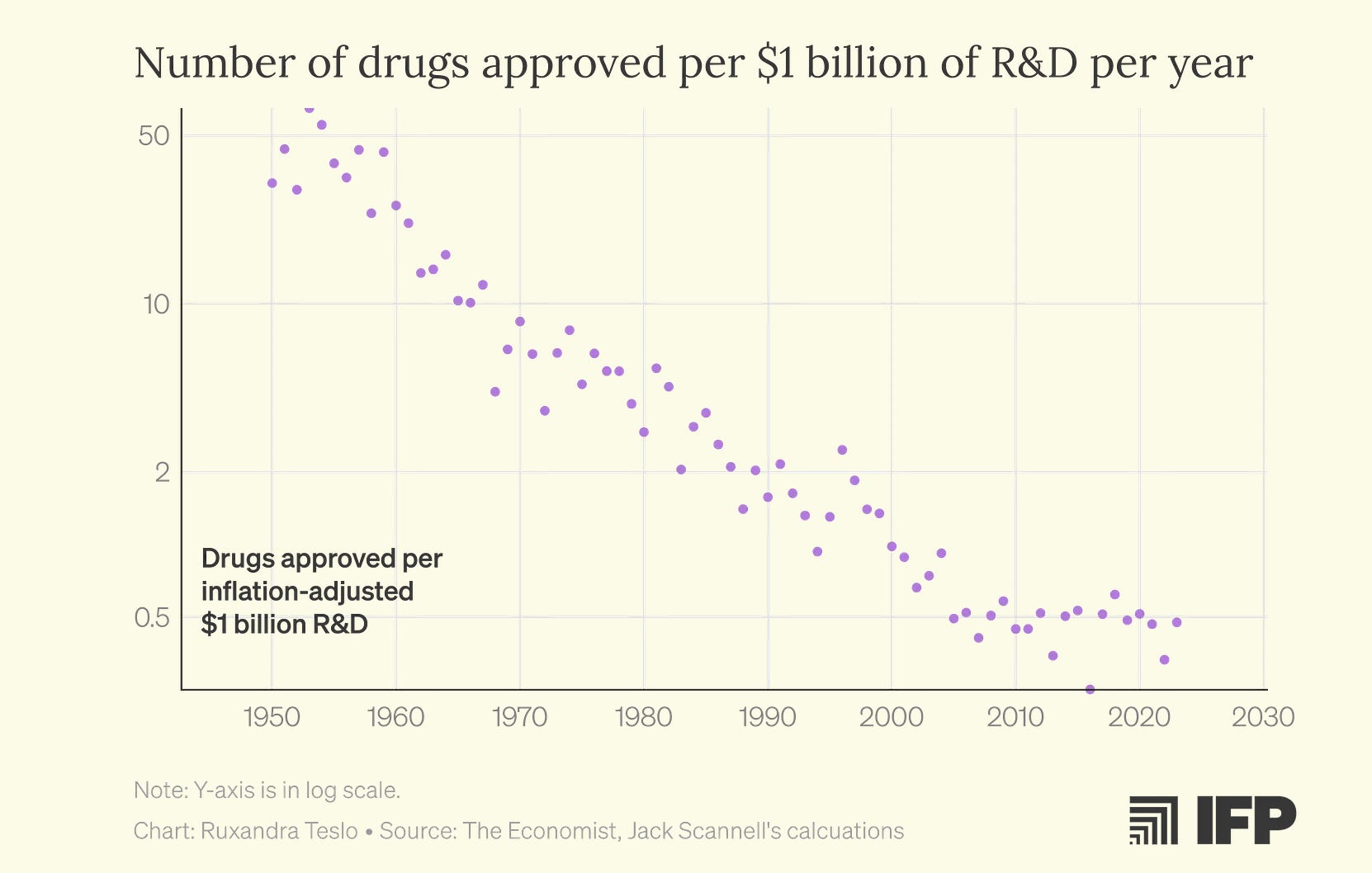
And this goes well beyond medicine. We fixate on AGI gods, while more mundane problems pile up unattended. The social fabric is fraying in plain sight. More and more young adults cannot afford a house or sustain a relationship. People pour their youth into gambling apps, some of them now made more powerful by the very AI we keep discussing. People are de-skilling as they hand more thinking to machines. I sometimes say I worry less that AI will take my job than that people will grow too incurious to read at all. Every one of these problems needs people working on it. Being in the thrall of digital deities that will magically dissolve all our problems pulls attention away from the simpler, more human troubles that are already here.
The diligence standard has moved
Telemetry is becoming a moat

The term “AI insurance” is already getting sloppy, and the sloppiness is dangerous, because different coverage answers different questions. Back in February, I wrote about the AI liability layer, the post-harm side of this market. A performance warranty starts earlier in the chain. It’s a narrow, powerful instrument that does one thing: convert a defined technical performance commitment into a financial obligation.
Traditional liability coverage responds after a covered harm. If an AI-controlled HVAC system creates condensation that causes a slip-and-fall, or AI-generated installation instructions cause property damage, an affirmative AI-liability product may respond to the claim. Cyber and tech E&O cover other hazards: breaches, outages, privacy exposures, negligent deployment.
The best example we have to judge what remittances can do- Kerala
Is exporting people a bridge to the kind of economy India actually wants or is it a band-aid for a demographic dividend?
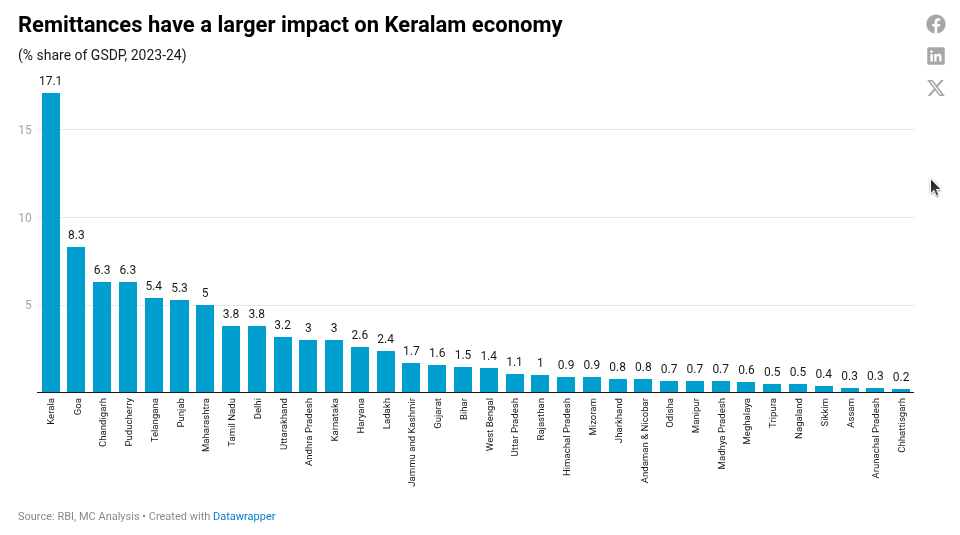
And here, you could argue that the five decades of exporting people has resulted in some of the best on-paper living standards in India.
It is a system where an infant born in Kerala is eleven times more likely to survive its first year than one born in Uttar Pradesh. It is a society where female literacy is an astonishing 95.2%, compared to an all-India average of 70%. It is a community which has nearly eradicated multidimensional poverty — an index which tracks deprivations in health, education, and standard of living rather than just a simple income line — while the India average is ~15%.
Until next time!
Thanks for reading Malpani Ventures! This post is public so feel free to share it.
No posts
Comments
Nothing yet. Say the first thing.
Sign in to join the conversation.