
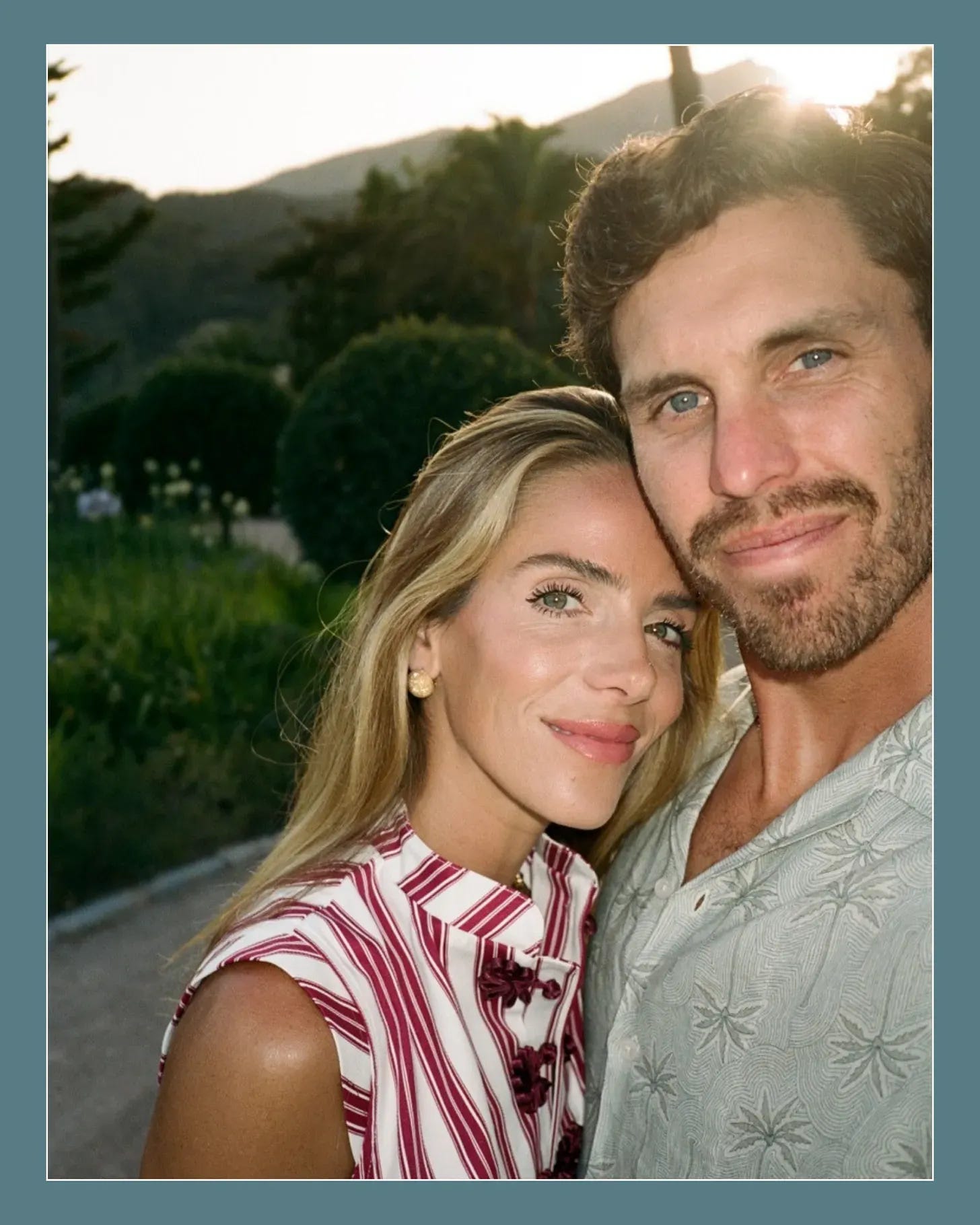
Thomas here. Doing what I do best and writing about something that came up in a conversation between me and Julia.
Every time you say "should," you're hitting Save on your own life. And we both know you're never coming back to it.
You’ve done it on every app. Saved the recipe. Hearted the workout. Bookmarked the post that was going to change how you run your life or business. It felt like progress, like you’d handled it. But the recipe stayed a screenshot, the workout never happened, and the post got buried under a hundred others also saved.
“Should” is the spoken version of that Save button. It gives you the small reward of intending to do the thing, and lets you skip the part where you actually do it.
Back in Spain, Julia and I finally got some quiet. We dropped the girls at the kids club and floated in the adults-only pool. The talk drifted to dreams, the someday stuff, the things we keep meaning to do.
The word came up again and again.
I should learn that. We should take the kids there. I should really be doing this for the business. In that moment, it hit me that the word should feels good to say, but it’s not as innocent a word as it seems. We are two people with real plans, narrating a life neither of us is actually living. Just hitting Save out loud.
A “should” is your idealized self talking to your actual self. It’s the better version of you — the one who already learned the language, already built the thing, already cooked the meal — looking down at the real you saying “c’mon, you can do more, you need to do more”.
That's why it stings. Every "should" carries a small charge of guilt. You haven't done it yet, and a better version of you probably would have. But you're not that person. You're complicated, busy, and far from perfect.
There’s a reason it feels good to say it anyway. Your brain runs on two different rewards: the wanting and the having. Scientists have shown these are separate systems — dopamine drives the wanting, the pull toward a thing, and it fires hardest before you ever get it. The pleasure of actually having it runs on something else entirely. So when you say “I should learn Italian,” you get the wanting hit — the little rush of anticipation — without doing one minute of the work. That’s the trick of the Save button too. The reward is in the saving, not the cooking. “Should” hands you the dopamine and lets you skip out on the effort.
Guilt is the cost you pay on shoulds you never act on. You feel the cost of not doing the thing, over and over, without ever paying down the actual work. You can carry a should for years and have nothing to show for it but the weight.
And here’s the hard truth: most of your shoulds aren’t even innately yours. You only know about half these “amazing opportunities” because you got blasted by them on social media all day. Someone posted their morning routine, their side business, their reading list, and it landed in your head wearing your own voice.
So try this. Reach for the real want underneath a should. If you can't find one, it was never yours to carry. Delete it.
We made a few rules. They’re simple.
We call each other out. The second one of us says “should,” the other one catches it and plays devil’s advocate. It sounds small, but it’s not. Researchers found that when you announce a goal and someone notices, you’re often less likely to actually do it — saying it out loud gives you a premature sense of already being the person who did the thing. Telling people you’re writing a book can scratch the same itch as writing it. So we don’t say our shoulds out loud to feel good about them. We say them out loud to get caught. Same words, opposite purpose.
Every should goes on a backlog. Not a to-do list — a holding pen. When a should comes up, it gets written down and left alone until a monthly review. The goal is to capture the idea without dropping what you’re already doing. (I got tired of leaving the app I was in just to jot something down, so I built a way to catch ideas without switching screens. More on that another time.)
We commit, or we let it go. The goal isn’t to do every should. It’s to decide. Once a month, we go through the backlog and each entry gets one of two answers. “I will” — and a plan with actual steps to achieve it. Or “I won’t” — and we cross it off for good. Deciding to never make that recipe is as freeing as finally making it. Guilt only lives in the ‘maybe one day…’
We break the keepers into small steps. A should is a wish. A plan is a wish cut into pieces you can finish. “Learn to cook better” is a should. “Make one new dinner Sunday” is a step.
We find the hour. Look at your screen time. I promise there’s an hour in there. That’s the hour you use for the thing you committed to. You don’t need more time. You need to move an hour from saving to doing.
Not all shoulds are equal. Some can be completed. Some never can.
“Post more on social to grow the business” has no end state. You’re never done. There’s always one more post, which means there’s always one more reason to feel behind. “Build an automated welcome email for new customers” has an end state. You build it once, it runs, and you move on.
We’re learning to chase the finite shoulds. The ones with a finish line. Complete-and-move-on is worth more than busy-forever, because a finished thing stops asking for your attention. An unfinished, unfinishable thing asks for it every day.
Stop accepting shoulds that can never be completed. They only generate guilt with no exit.
Lighten up the pressure on yourself. You’re not behind. You’re just surrounded by other people’s shoulds all day.
Here’s what makes it easier to let the bad ones go: if you have good ideas today, you’ll have good ideas tomorrow. You are not running out. You can drop a should without losing anything, because another one is already on its way. The good ones will keep coming back. The rest were never really yours.
We’re not saying the word anymore. We’re deciding instead.
Thomas
Comments
Nothing yet. Say the first thing.
Sign in to join the conversation.