

Jonathon Jachura is a mechanical engineer with over 12 years of HVAC industry experience who specializes in translating complex home systems into practical advice for everyday homeowners. His background spans technical sales and product management for major manufacturers, combined with hands-on experience as a two-time homeowner who has tackled everything from system installations to troubleshooting repairs. Jon focuses on helping readers make confident decisions about their homes through clear, actionable guidance that saves both time and money.
Half the Ryobi shelf at Home Depot sells the same tool twice. One box is plain green. The other wears an HP badge, costs roughly double, and differs by a single word on the label. I've spent years building a workshop around Ryobi ONE+, long enough to have paid that premium on some tools and walked right past it on others. The pattern that emerged had nothing to do with how serious or expensive the tool looked. It came down to how long the motor stays under load. On a few of my tools, the HP price was money well spent. On two others, I'd point a friend straight at the plain green box.
What the HP badge actually changes
A circuit board replaces the brushes
A brushed motor pushes current through carbon brushes pressed against a spinning commutator. The contact creates friction, the friction creates heat, and the brushes wear down until the motor gives out. Brushless designs move the magnets onto the rotor and hand the switching job to electronics in the stator. Nothing rubs. The controller also reads how hard the tool is working and meters power to match it, instead of running flat out every time you pull the trigger.
Both of those advantages need the same conditions to show up: sustained heat and sustained wear. Marketing copy treats brushless as a blanket upgrade across the whole catalog, and the physics is far more specific. A motor that works in short, light bursts never builds the heat that brushless sheds, and never accumulates the wear it avoids.
Where the HP premium pays for itself
Long cuts, long runtimes, and repeated heavy torque
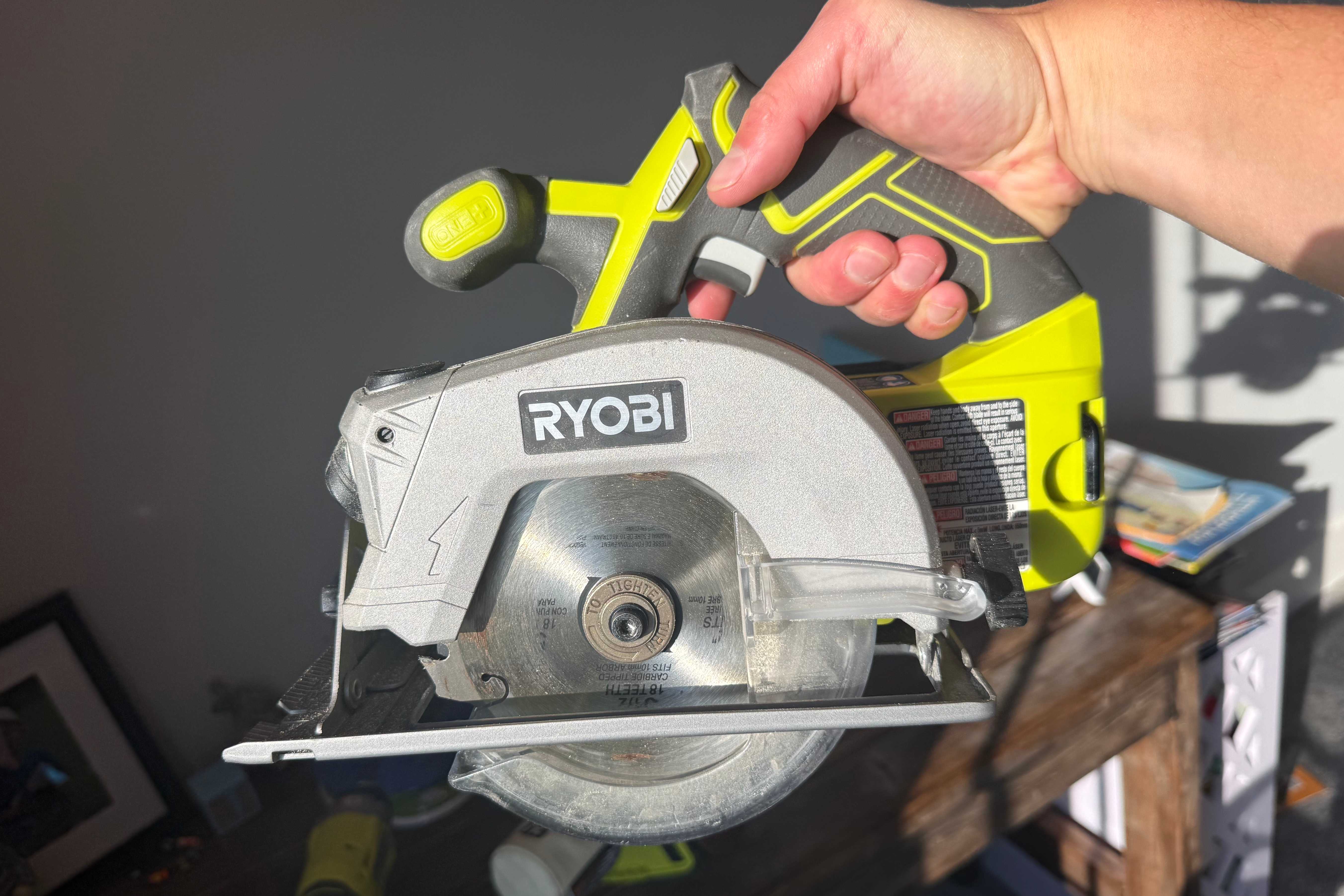
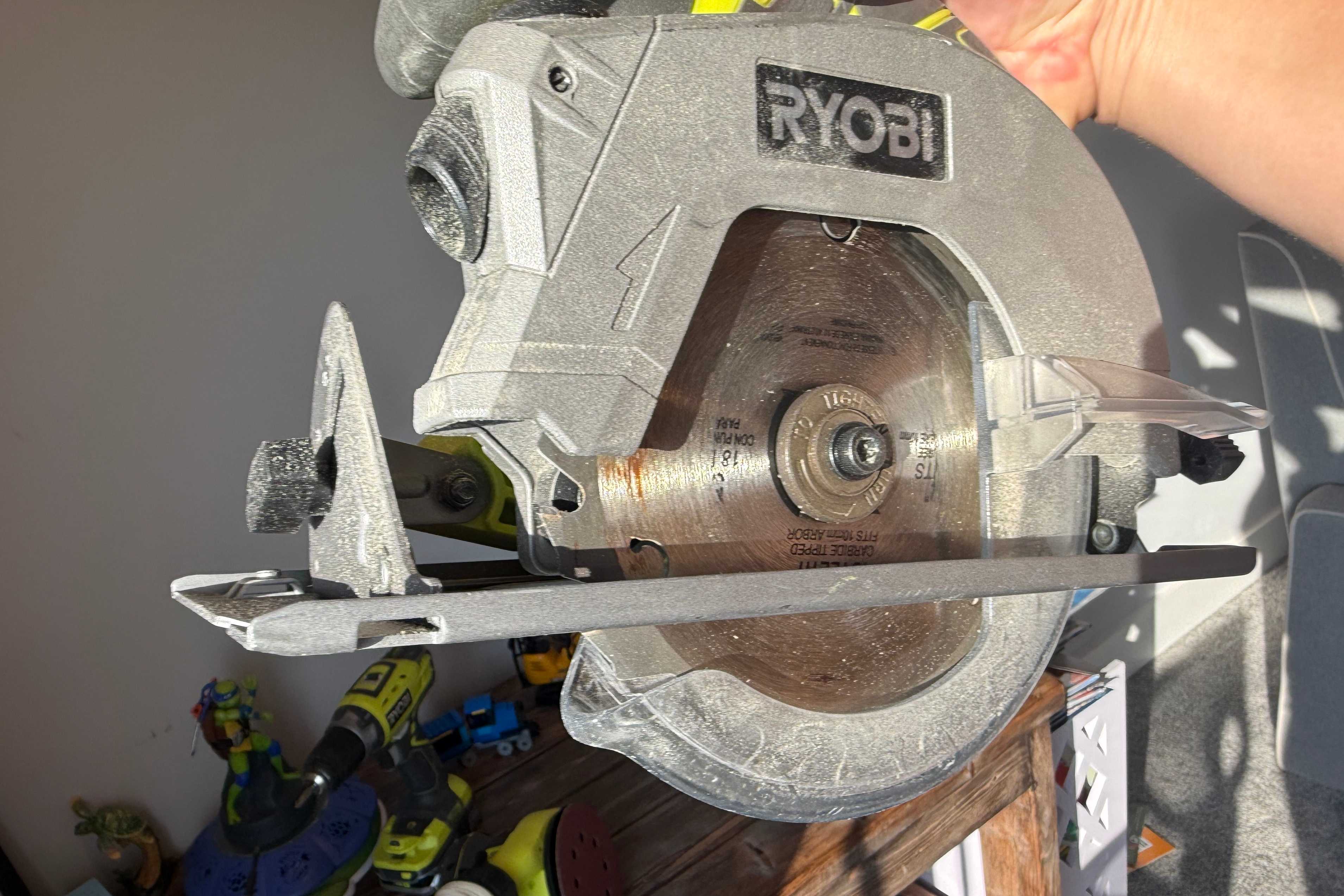
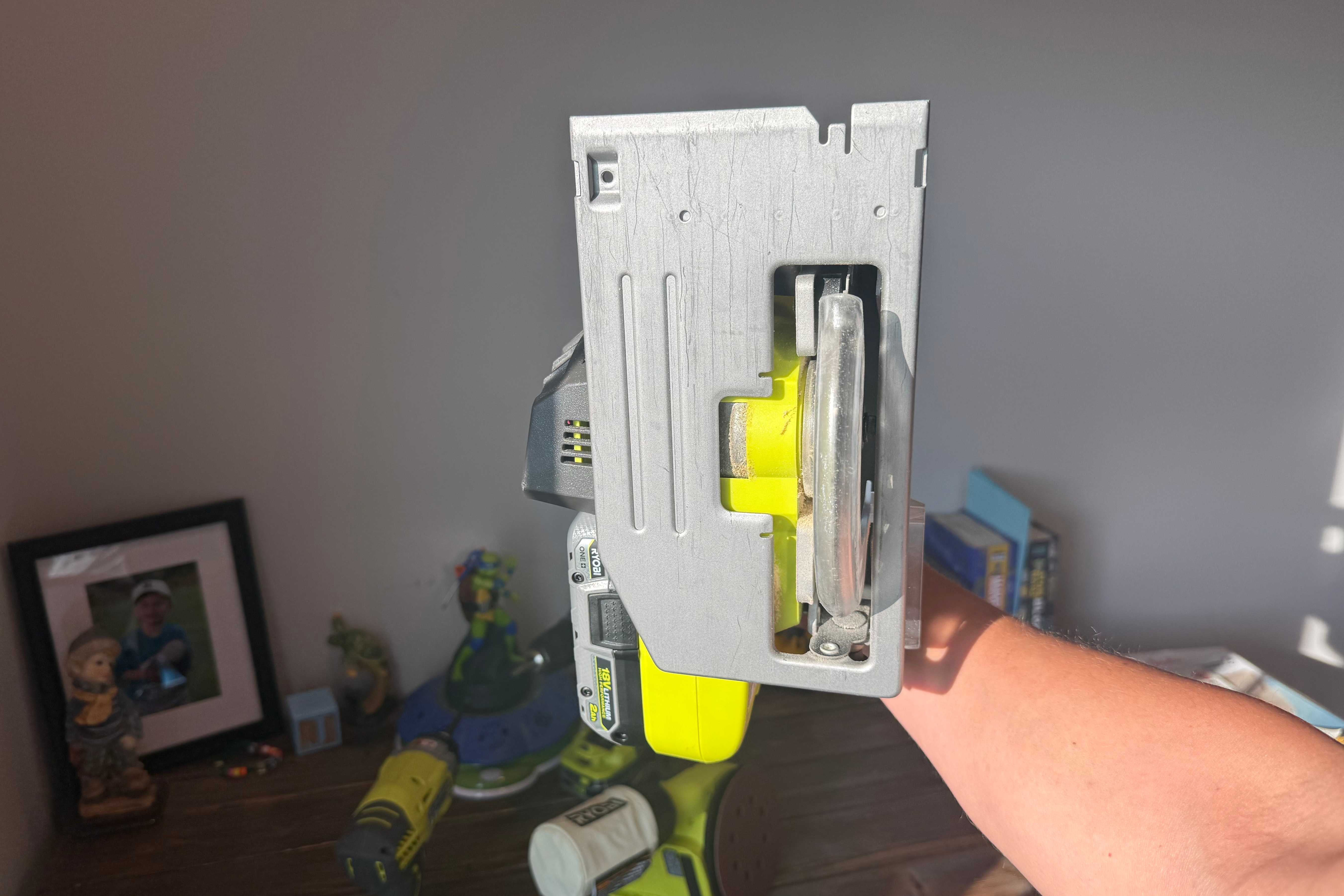
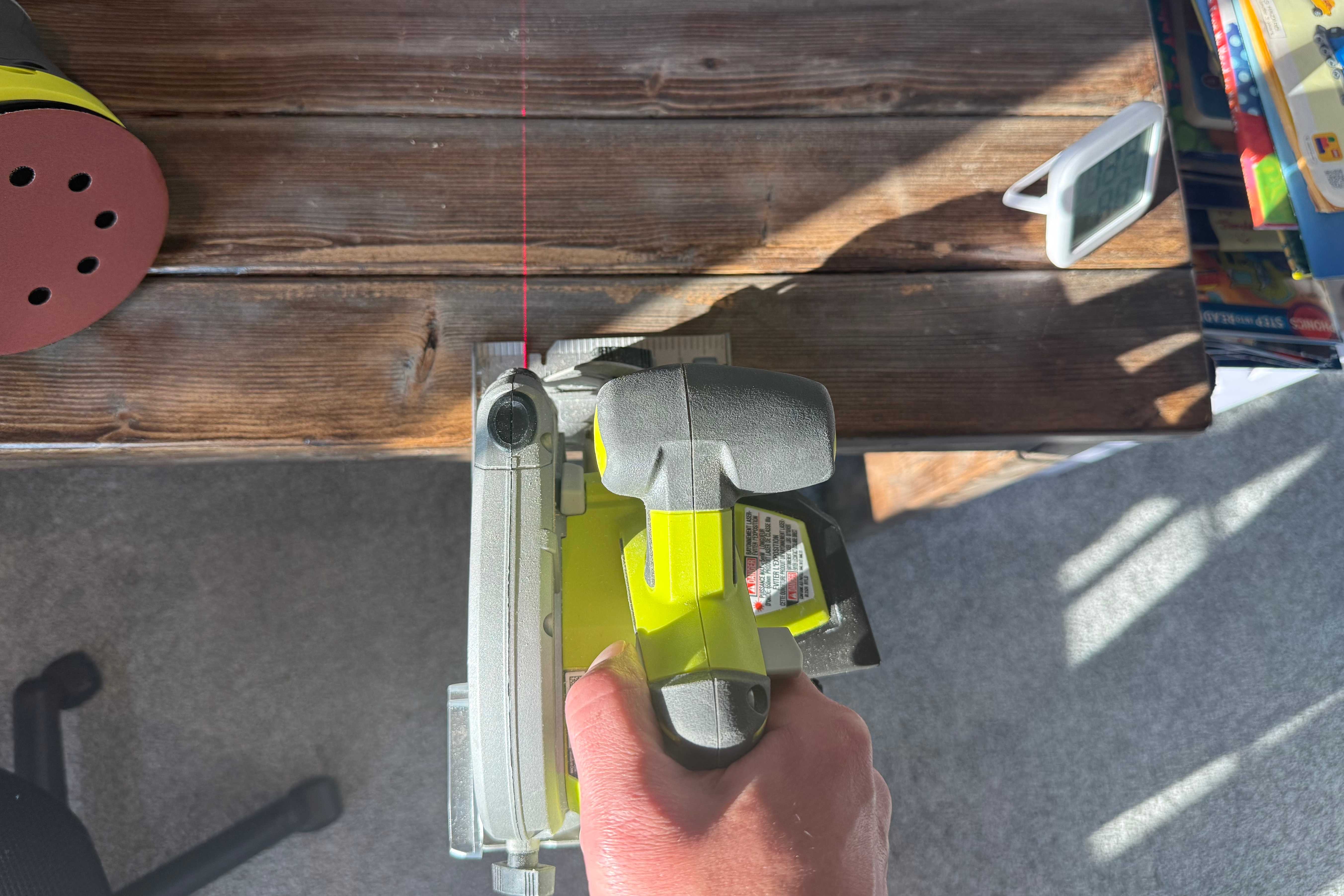
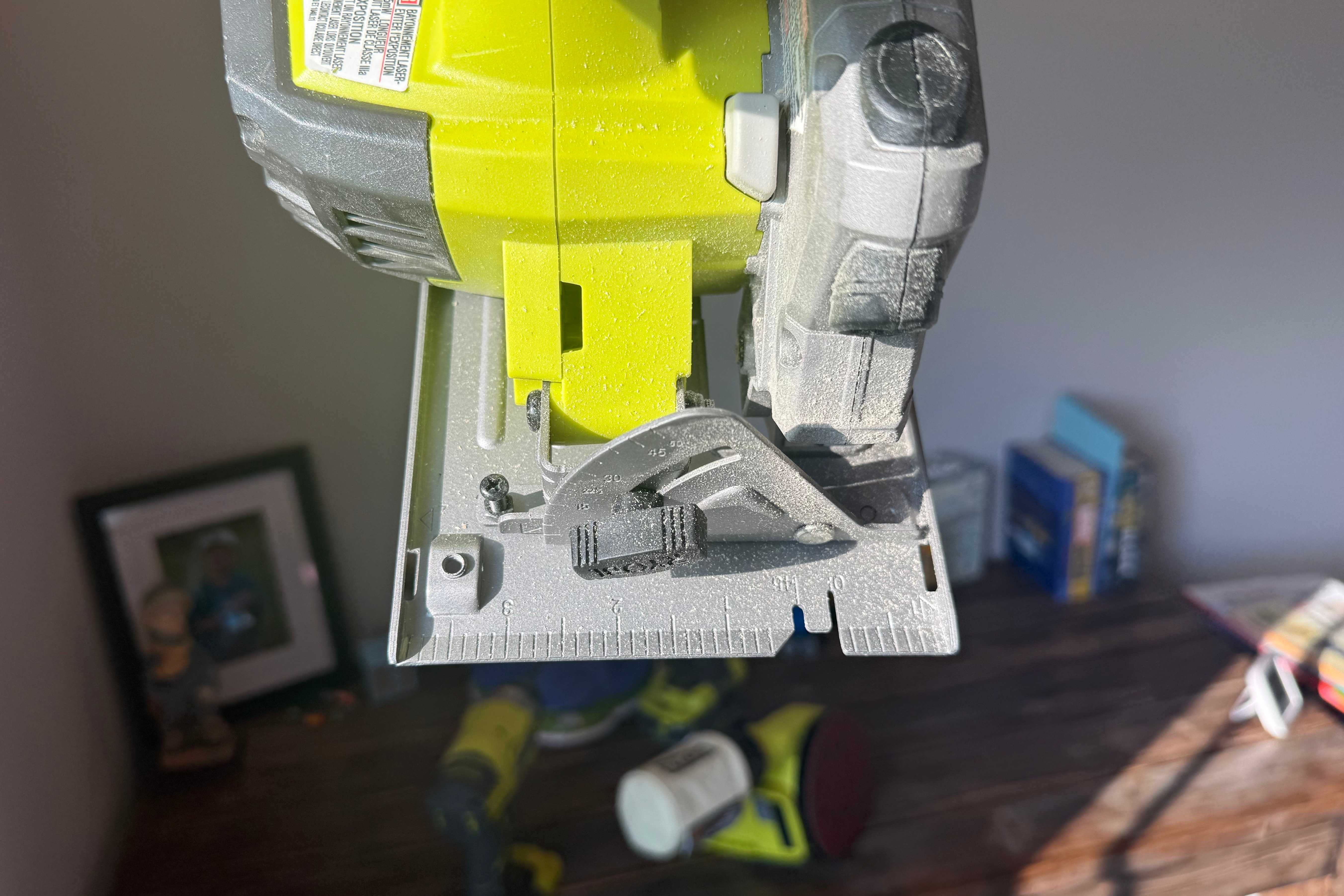
My circular saw is the brushless one, and I'd buy it again tomorrow. Ripping a sheet of plywood holds a saw at full draw for the entire length of the cut, which is the exact condition brushed motors handle worst. Ryobi rates the HP brushless 7-1/4 inch saw at 3X faster cutting and up to 370 cuts per charge, and it sells for $139 bare against under $60 for the brushed 5-1/2 inch model.
Yard tools make the case louder. Edging my driveway line is half an hour of uninterrupted throttle, sometimes longer, and my 40V HP brushless edger never lags when the blade drops into hard-packed dirt. My rule for choosing between Ryobi's 18V and 40V lines starts from that same runtime question.
The drill surprised me. The brushed PCL206B makes 515 in-lbs of torque for about $53, while the brushless PBLDD01B makes 750 in-lbs for $99. Hole saws and spade bits load a drill hard and repeatedly, and that torque gap shows up by the second hour of a project.
My random orbit sander is the brushed model, and it's staying that way
Sandpaper sets the pace, not the motor
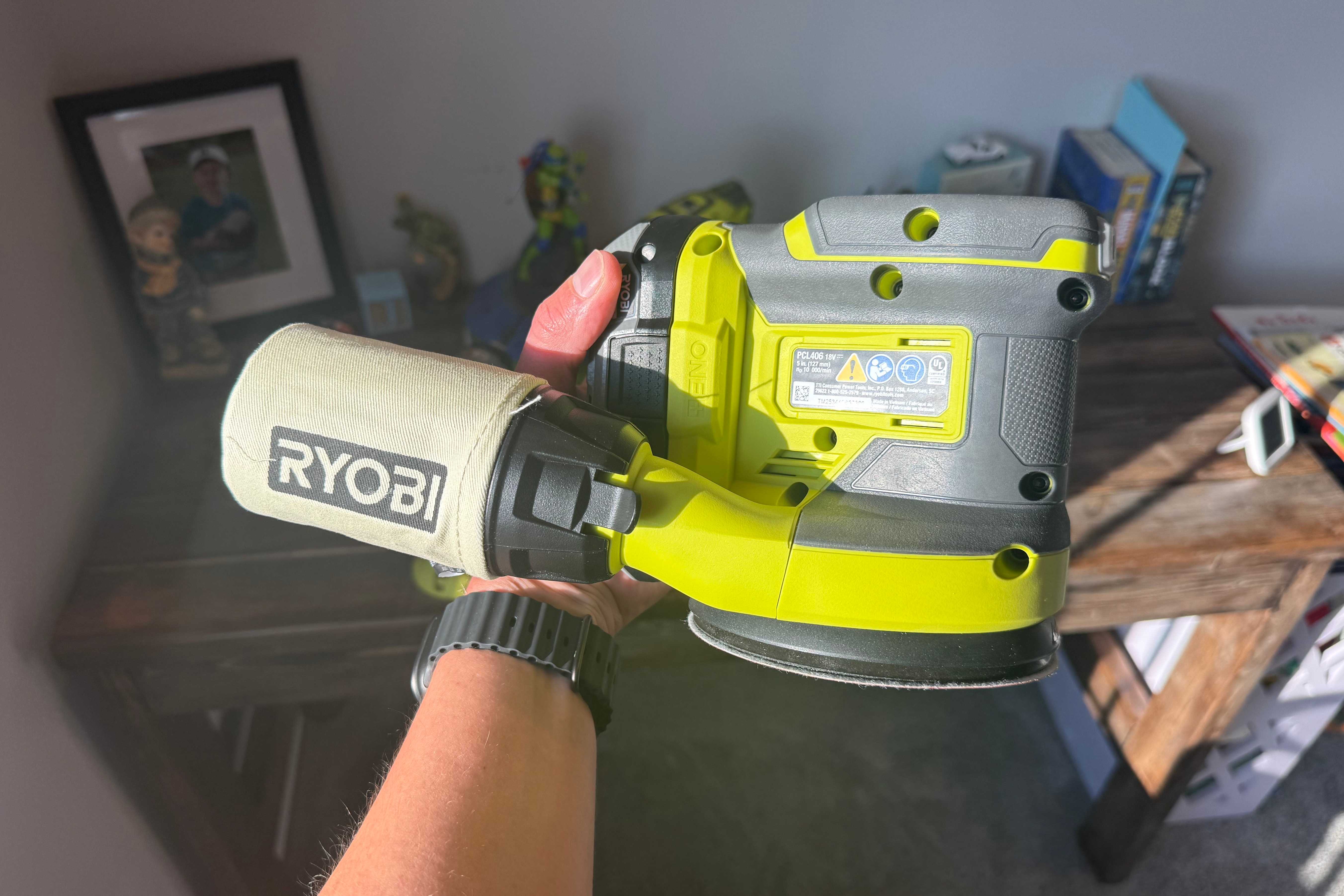
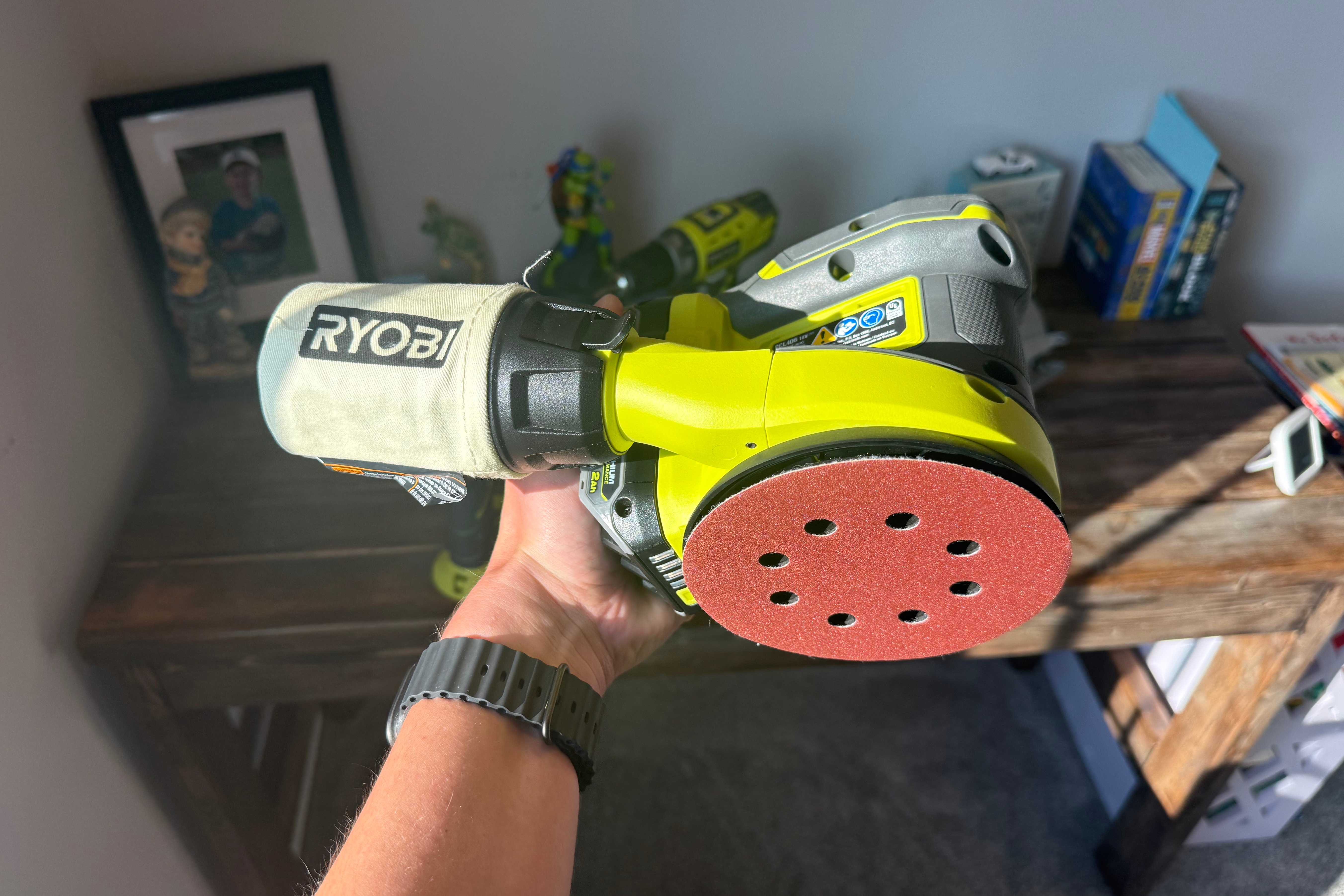
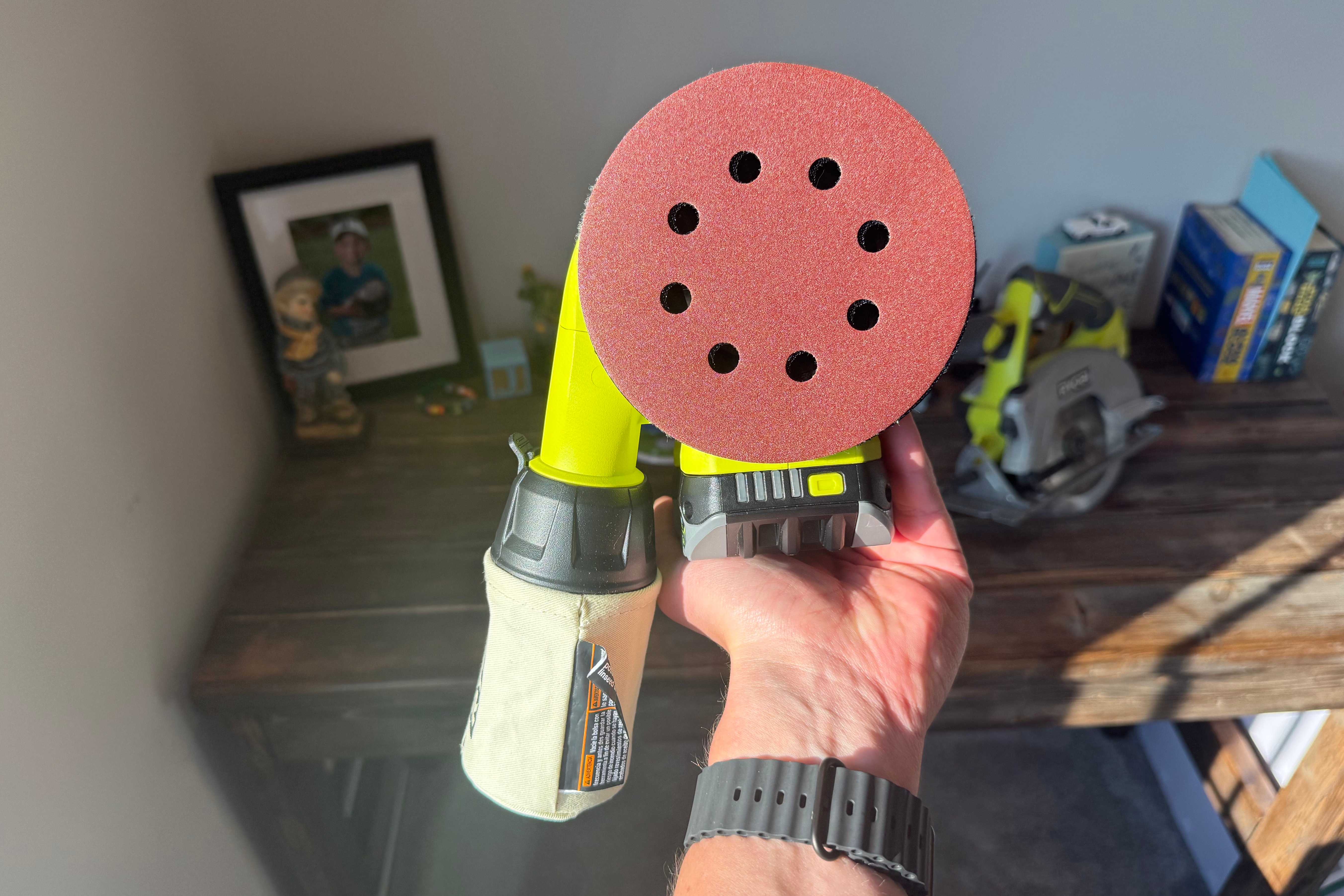
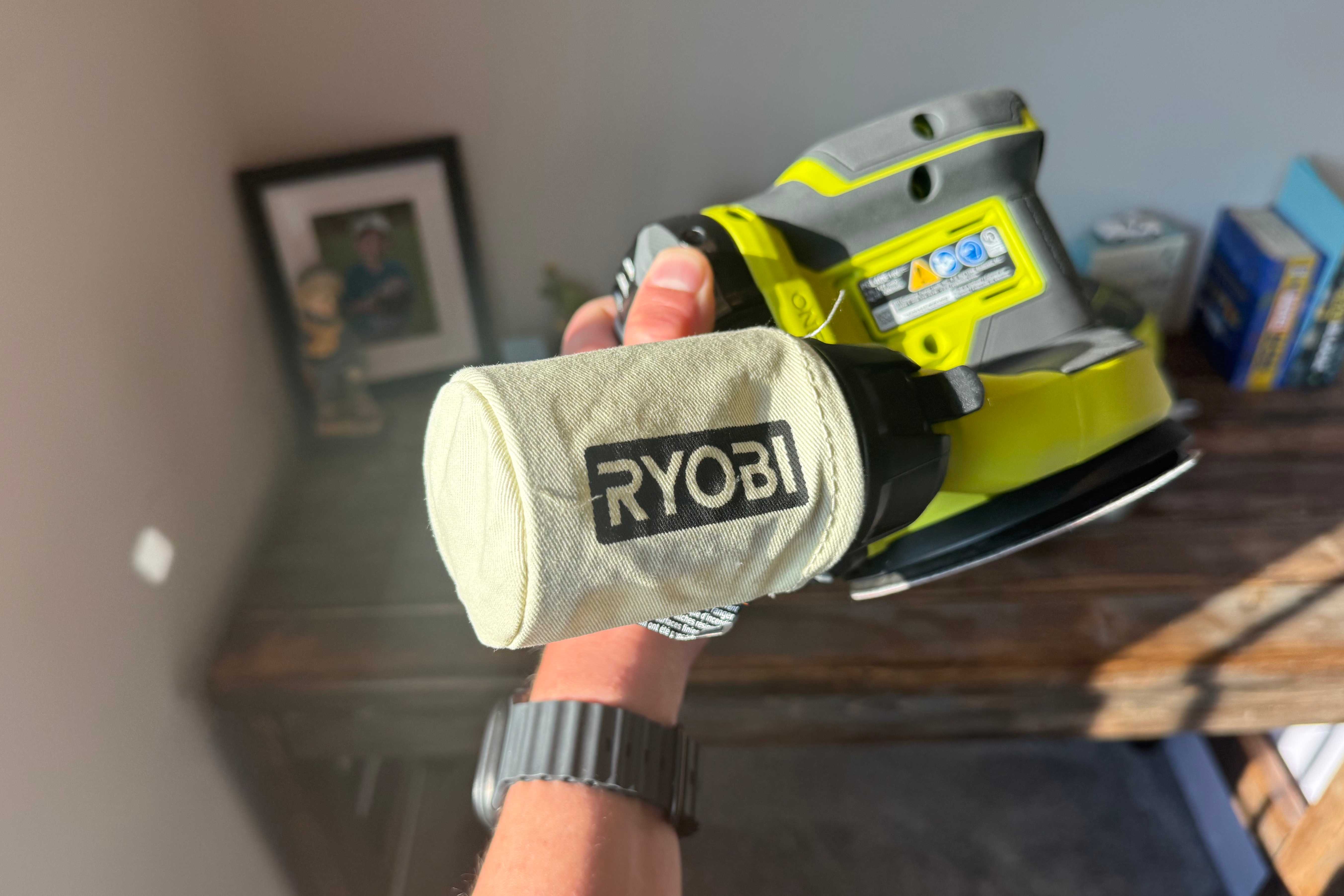
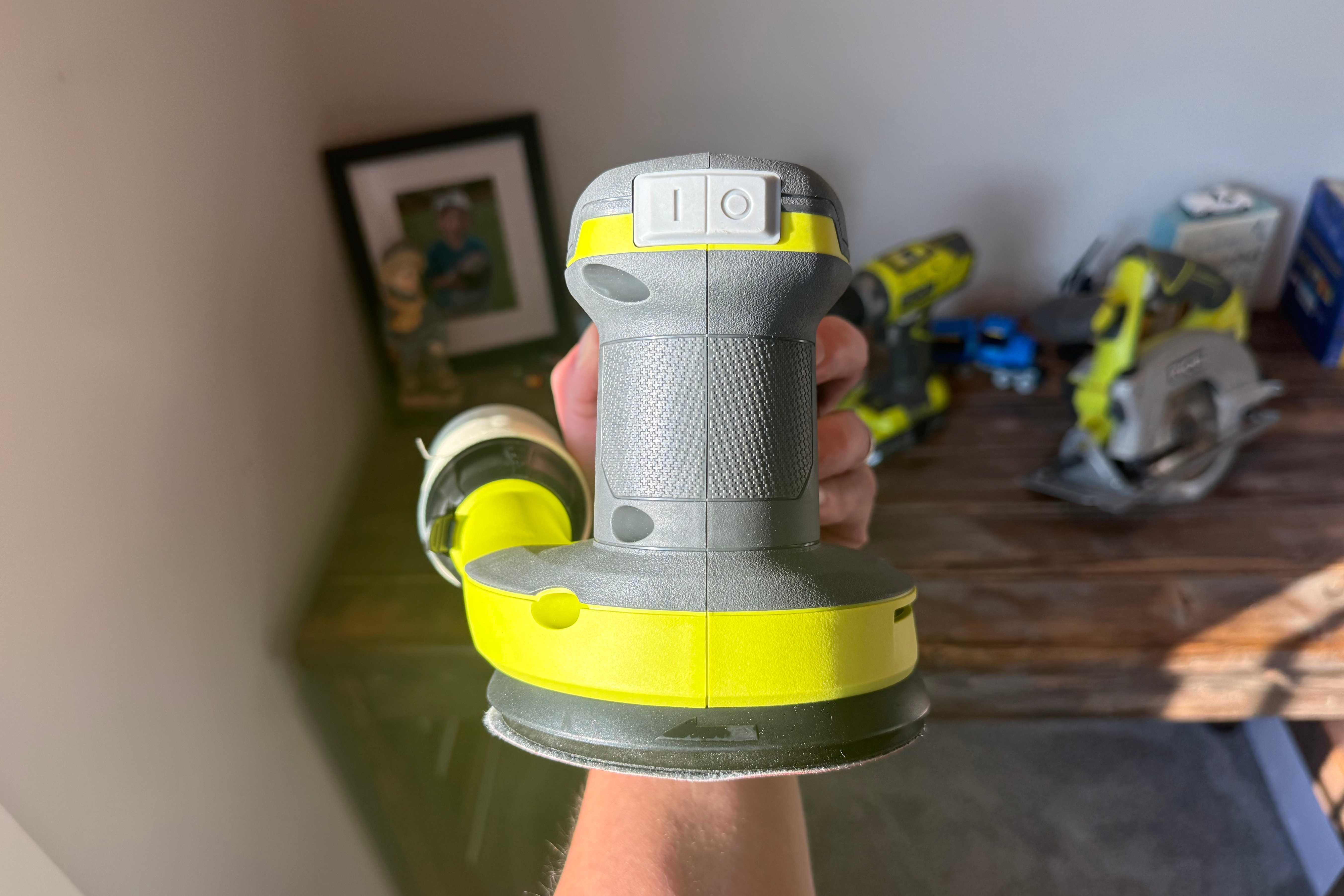
The brushed Ryobi PCL406B costs $59.97 and spins at a fixed 10,000 OPM. The brushless PBLSD01B costs $129 and adds three speeds from 7,000–11,000 OPM, an LED, and noticeably less vibration.
None of that changes how fast wood comes off. A 5-inch pad riding flat on a panel is a light load, so the motor is never the component running out of headroom. Grit does the work, and grit clogs, glazes, and quits long before the sander breaks a sweat. Every sanding session I've run ends the same way, with a pile of spent discs and a tool that never got warm.
The $69 difference buys comfort and control. Someone sanding cabinet doors for a living should pay it. For a homeowner refinishing a bookshelf twice a year, that money turns into a lot of sandpaper.
The brushless multi-tool didn't change what the tool can do
Both versions top out at 20,000 OPM
I own the Ryobi brushless oscillating multi-tool. It runs smooth, stays cool, and stretches a battery further than I expected. It also doesn't cut any faster than the $79 brushed version, because both are rated to the same 20,000 maximum oscillations per minute.
A multi-tool works in bursts of a few seconds. A plunge into door casing, a flush cut at a shoe molding, a scrape along a bead of dried caulk. None of that taxes a motor. What decides how quickly you get through the cut is the blade, and a fresh bi-metal blade beats any motor upgrade on the shelf.
The rest of the industry admits as much in the fine print. DeWalt's claim for its ATOMIC brushless multi-tool is up to 57% more runtime than a comparable brushed tool, which is a battery number rather than a cutting number. Milwaukee still sells a brushed M18 oscillating tool right alongside the M18 FUEL, and both brands sit near the top of my list of premium tool makers worth their price tags. Mine is a good tool. I'd still hand a first-time buyer the brushed one and a pack of blades.

Ryobi ONE+ 18v Circular Saw
- Color
- Yellow
- Tool Type
- Circular Saw
Buy brushless by the minute, not by the badge
The test I use now takes about a second in the aisle. If the motor pulls hard for more than a minute at a stretch, brushless earns the premium through heat and wear it never has to deal with. If the tool works in short bursts, or waits on a blade, a sheet of sandpaper, or how fast my hands move, the plain green box finishes the same job for less. Tire inflators, glue guns, and brad nailers land on that side of the line too. Put the difference into consumables or the next bare tool, which is the lesson my ONE+ collection keeps teaching me.
Comments
Nothing yet. Say the first thing.
Sign in to join the conversation.