
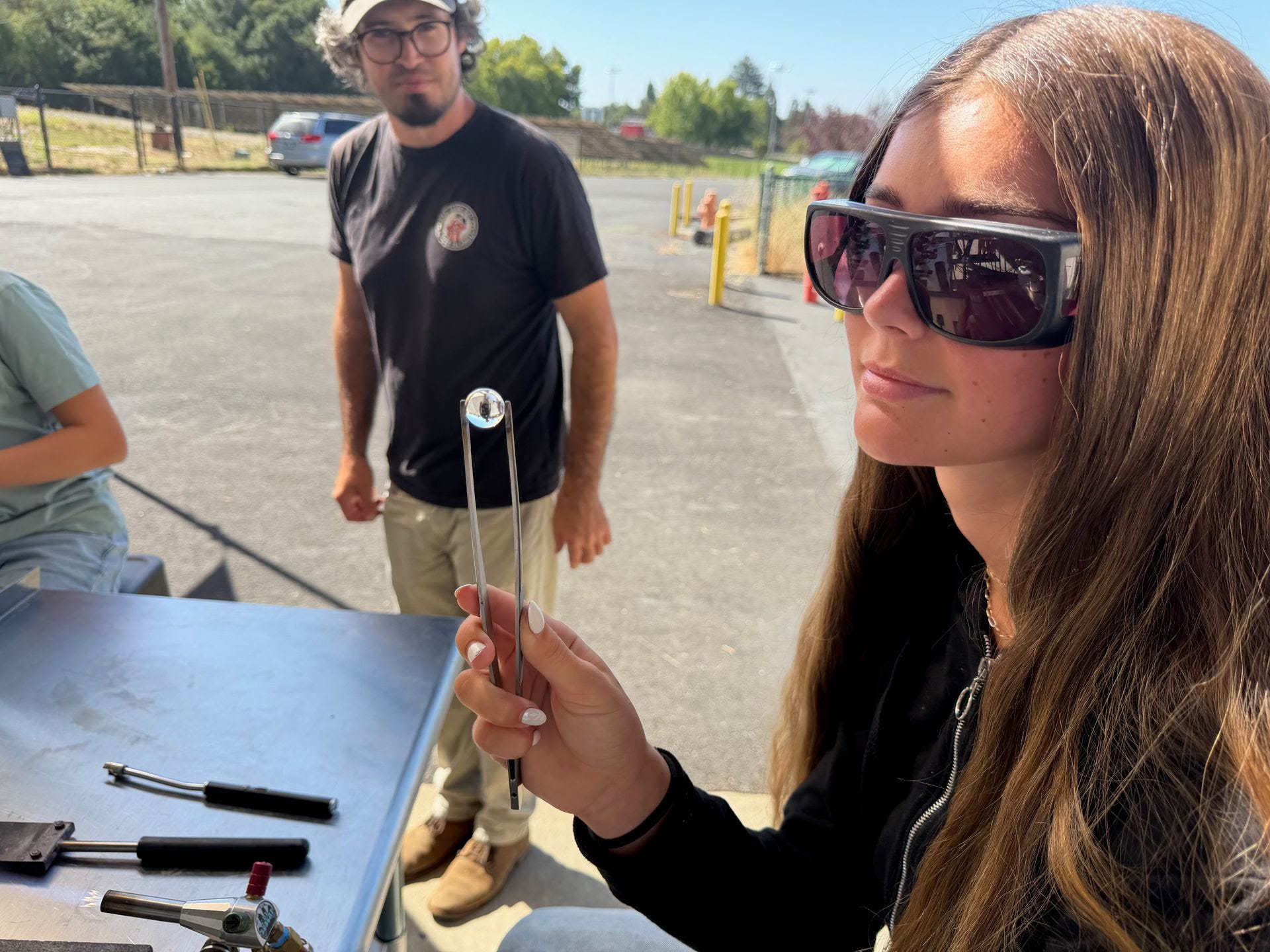
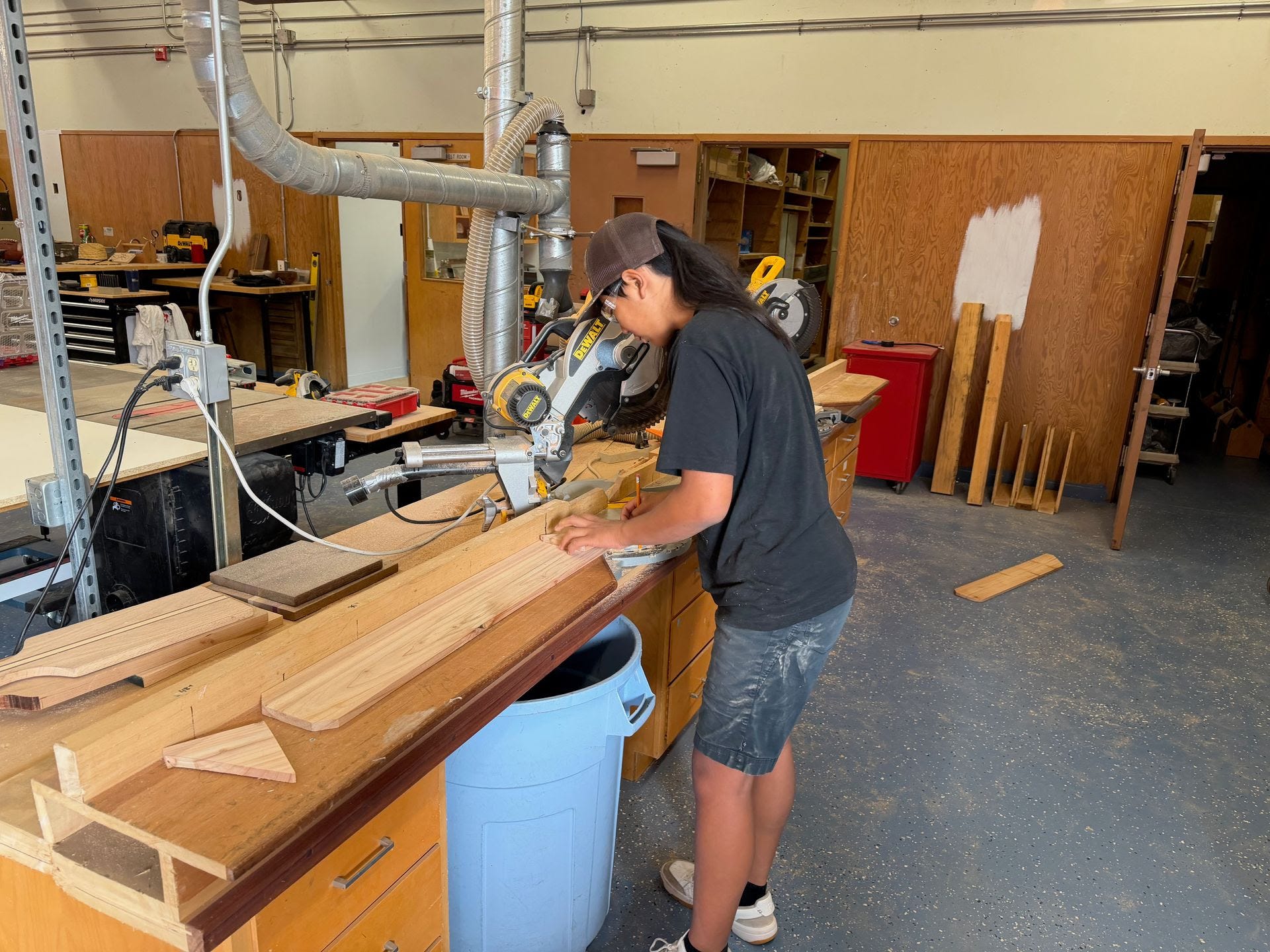
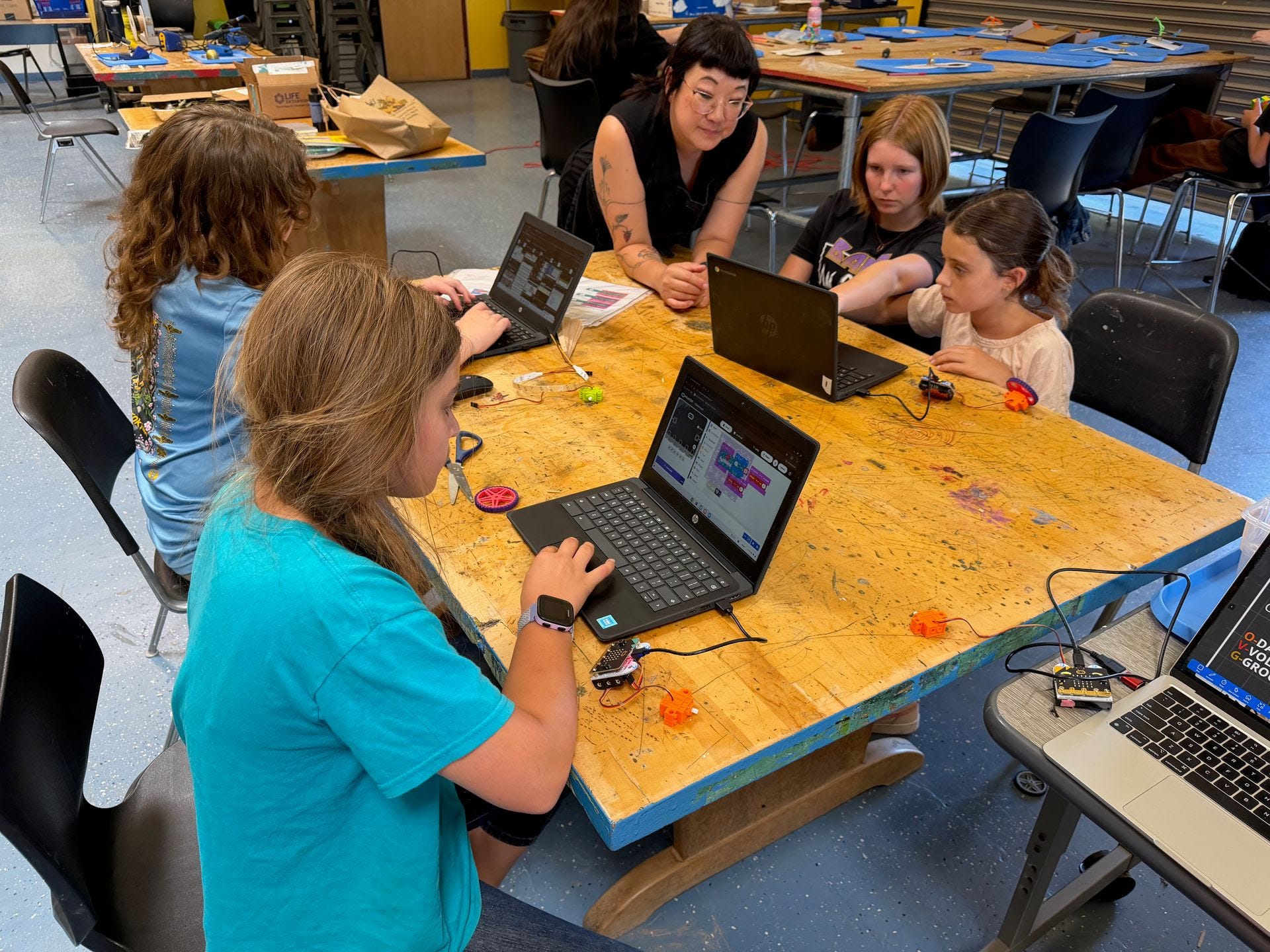
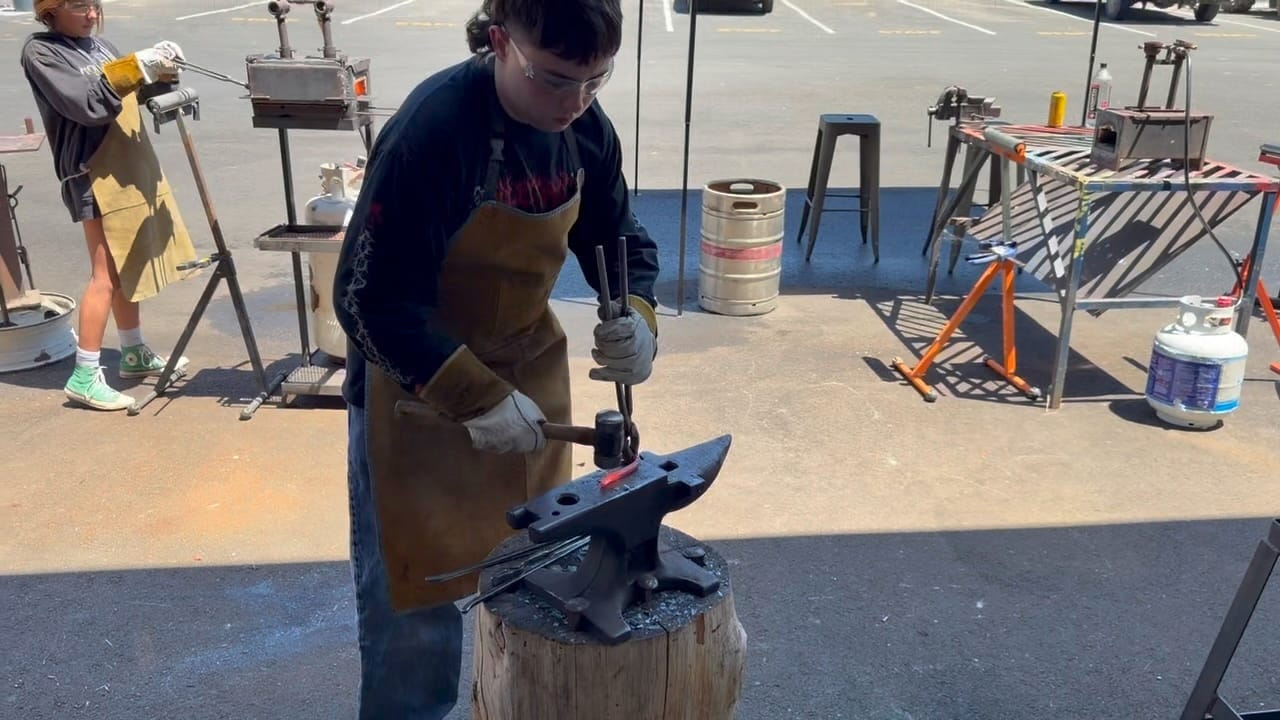
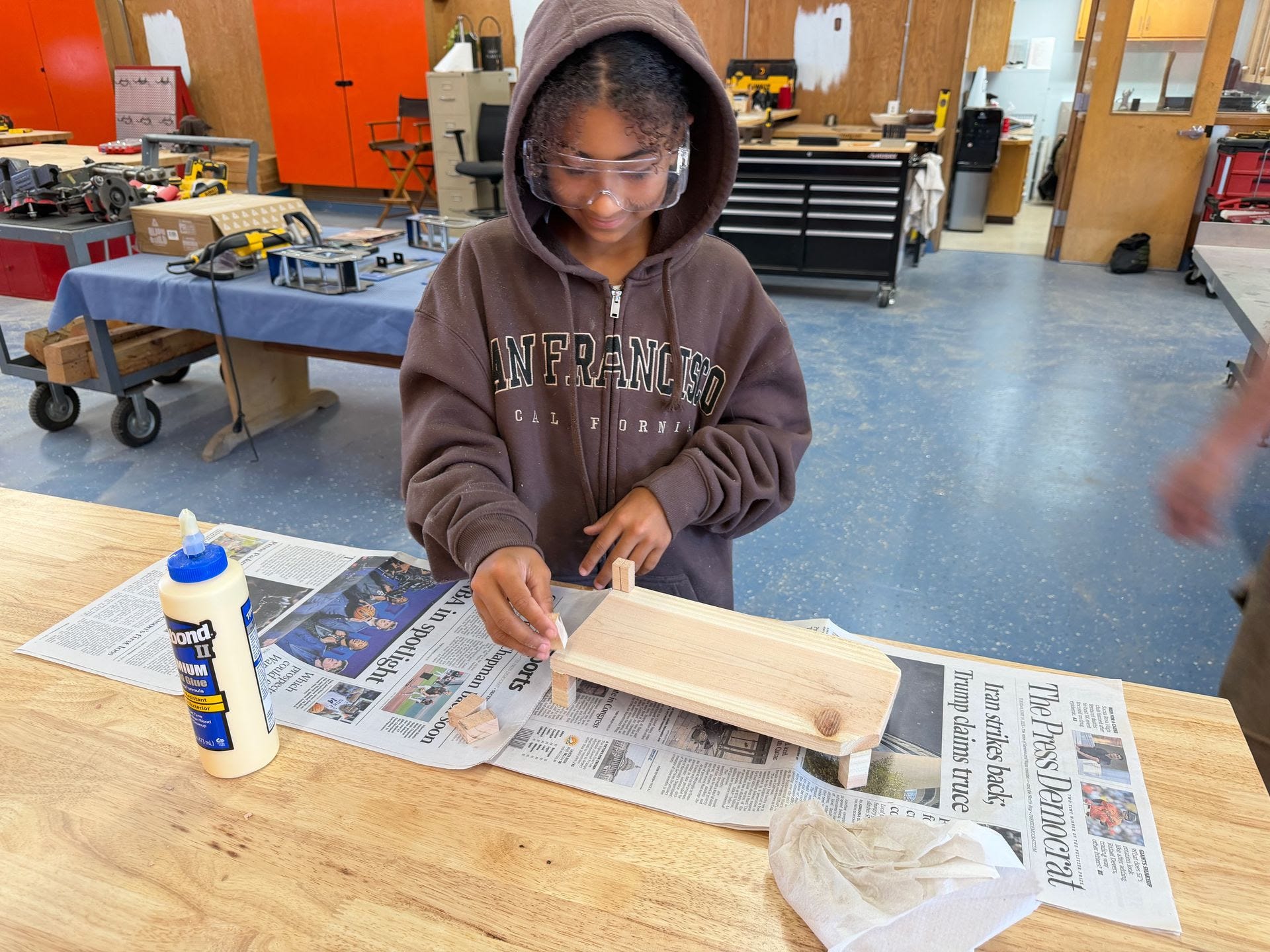
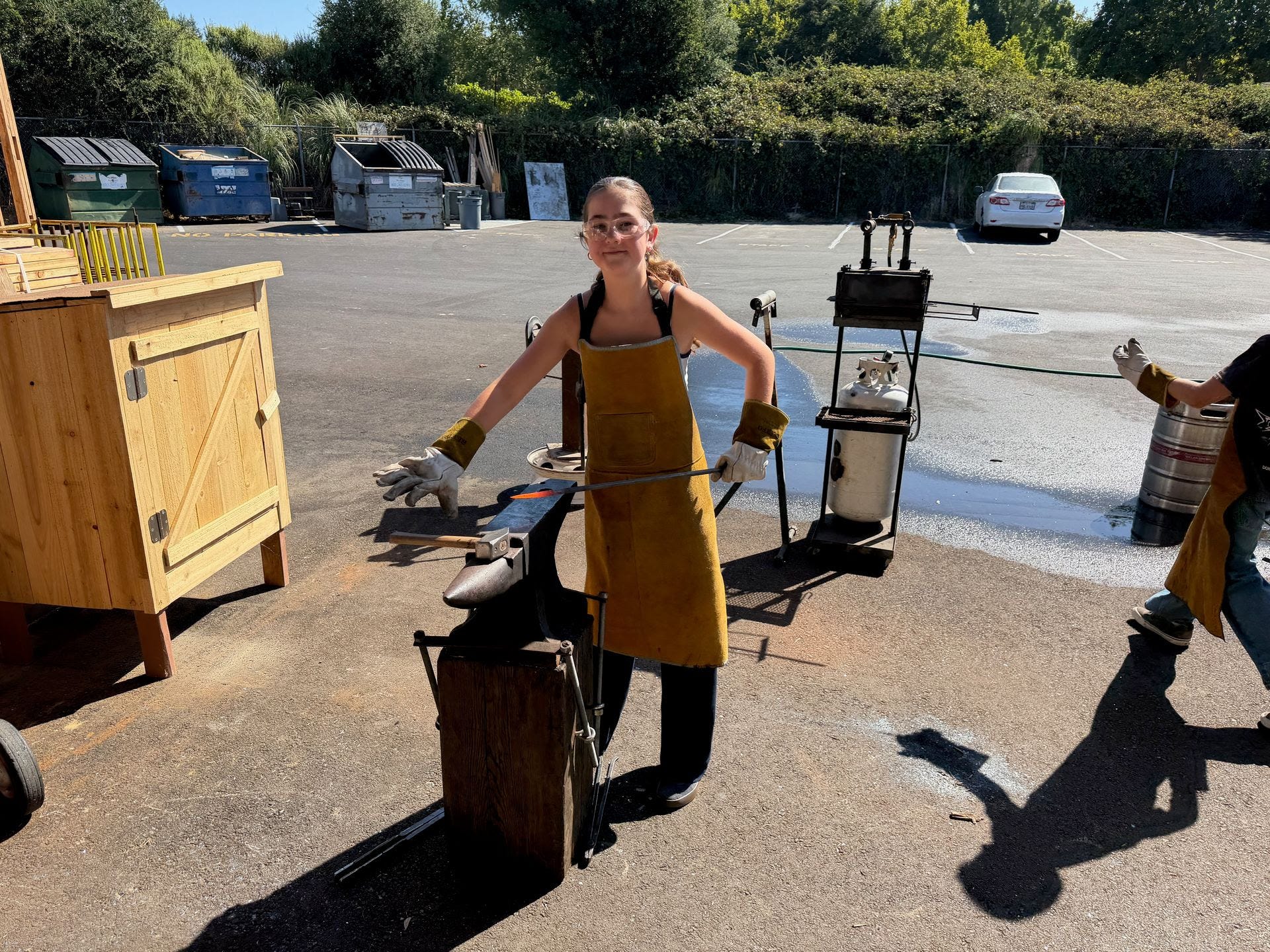
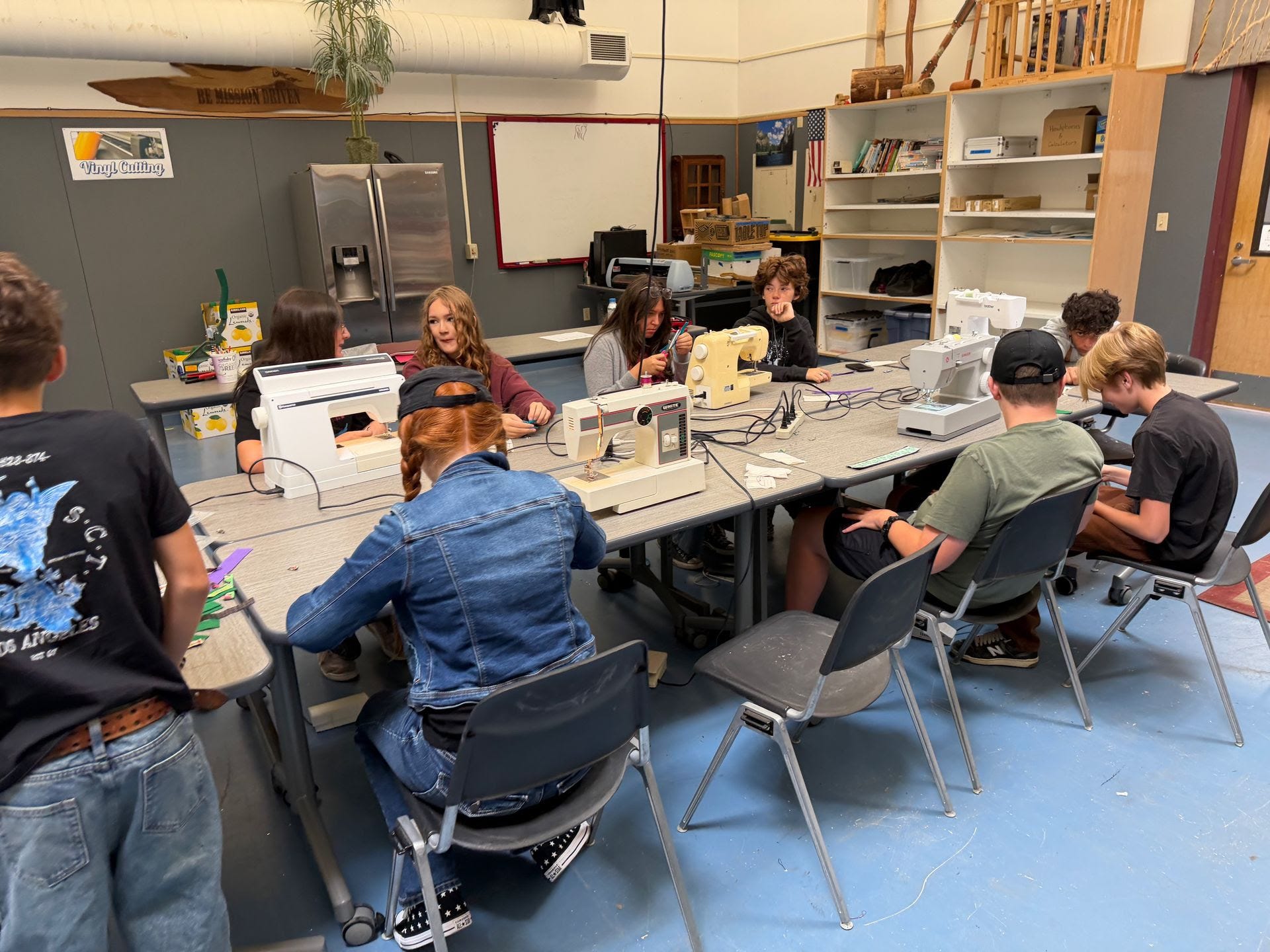
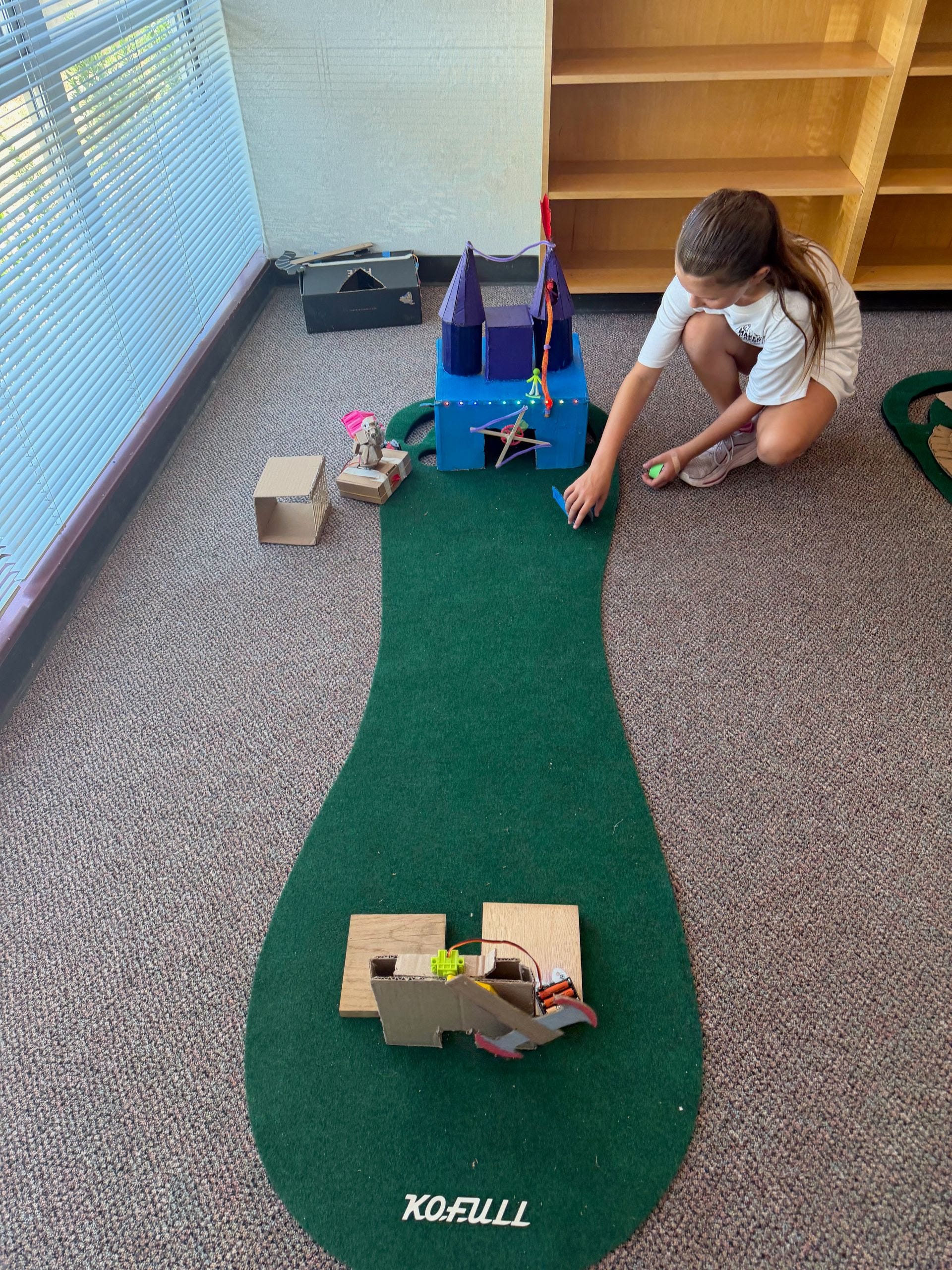
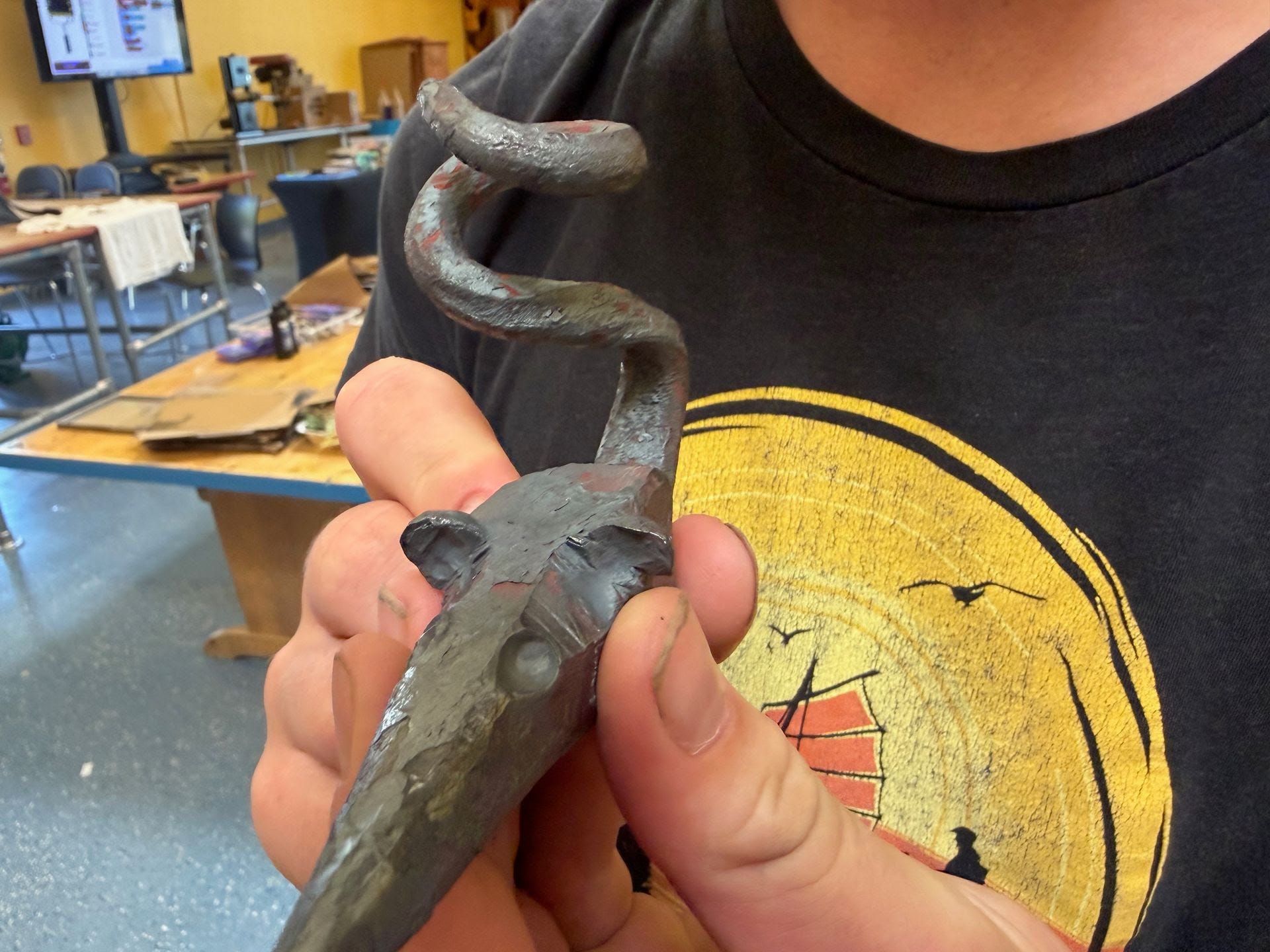
For the second year during the first week of August, I organized a week-long Maker Camp for fifty middle schoolers at the Innovative Arts makerspace in Forestville California. The campers rotated through six core activities: blacksmithing, glassblowing, woodworking, sewing, solar circuits and micro:bit mini-golf holes. Some of these activities are more demanding and dangerous than others — a few campers experiencing very minor burns that healed overnight. All of them experienced the magic of making, transforming ordinary materials into something that belonged to them, something they made. I doubt that these are activities are something that they get to do at school or taught elsewhere in the community. Traditional crafts like woodworking and blacksmithing were new to them — and they found it exciting to learn.
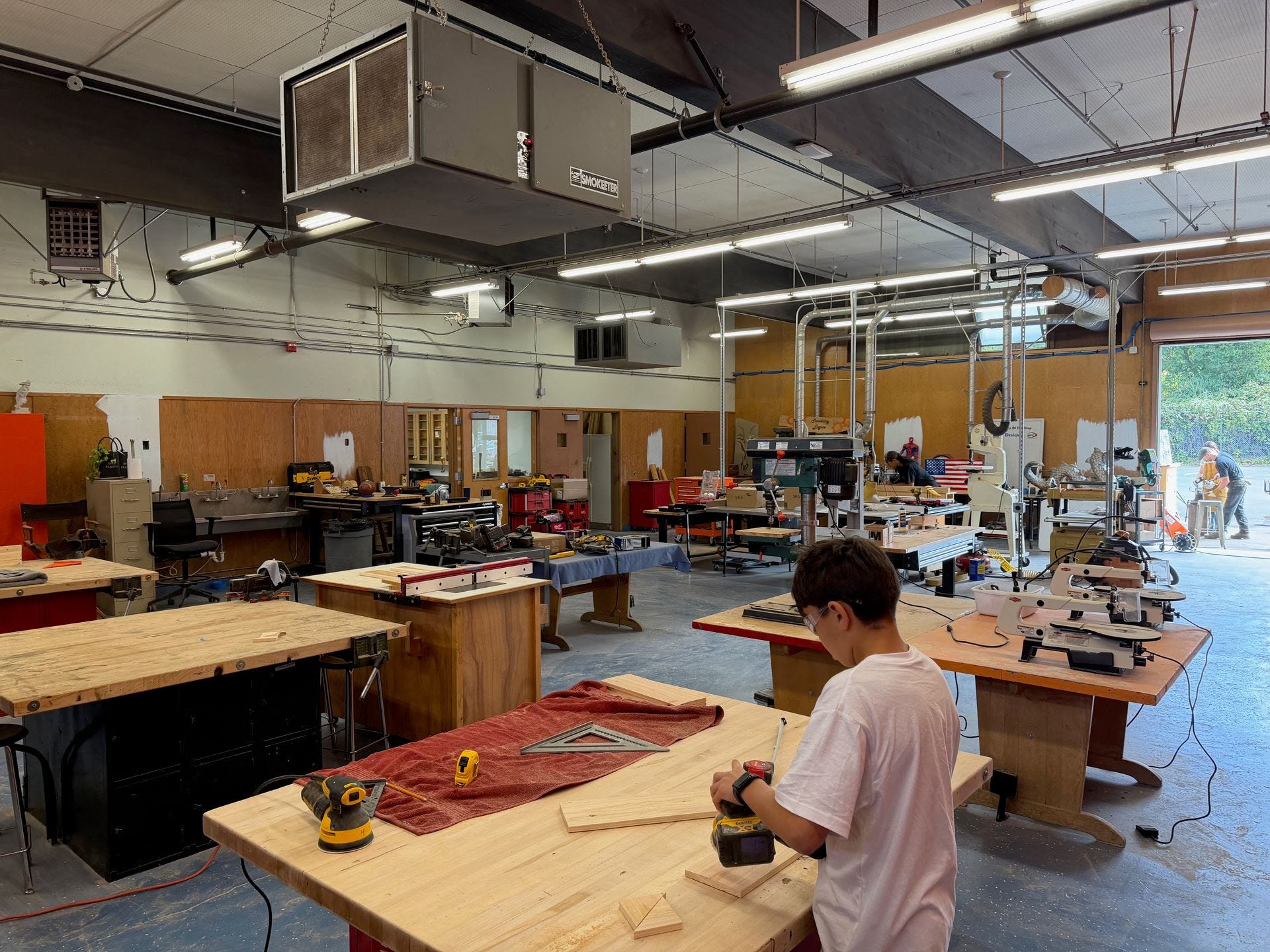
This year, the makerspace expanded by adding a dedicated wood and metal shop. This allowed our other two rooms to feature digital fabrication and workspace for other projects. While campers were the first to use the new woodshop, students at the Academy of Innovative Arts began using it when school started last week. The main advantage of having this dedicated woodshop is that it keeps the noise and dust in one large area.
Maker Camp was first conceived in 2012 as online site at Makercamp.com with a playbook for those who wanted to organize their own camp or for those who run a traditional summer camp, which could include maker projects. We did a lot of YouTube videos because we had Google as a sponsor. For a few years, we had quite a big, six-week production.
The purpose was to encourage others to self-organize Maker Camps in local communities. Organizing our own camps was not something we could do at scale but we sought to provide information and inspiration to many others who could organizes camps in parks, libraries, and community centers. You can find lots of examples of other people creating maker camps, and we’re happy to see that.
In many ways, summer is the perfect time to engage kids in making, and to do so without many of the constraints found within the traditional school system. Camp is meant to be fun and campers are meant to be active, doing new things. Often we’ve seen kids who have done poorly in school outperform their peers in Maker Camp.
Last year, when I was building the makerspace for the school, I wanted to open it with a Maker Camp of my own. In truth, it started also as an idea to provide a free camp for my grandkids and their friends but word got out and we had 50 campers last year.
Now I had never organized and run a camp myself. Of course, I have event experience working on Maker Faire, which also had a larger team producing it. In the past, I have provided funding to some local groups to do Maker Camp or something similar but this time I wanted to organize and manage it. Could I keep 50 kids engaged, safe and satisfied all week long?
The key thing for this camp was finding skilled instructors to work with the kids. We had two blacksmiths, a glassblower, a woodshop teacher, and a maker educator with an art background.
Glassblowing - Michael Dickinson
Blacksmithing - Jordan Pennington, Than King
Woodwork - Cole Smith
Sewing - Shannon Marshall
Microbit Mini-Golf - Sarah Chung
Solar Whirlygig - me
The campers were divided into six groups and they each rotated through these activities during week. So all of them got to do each of these activities and towards the end of the week, they had the opportunity to go back and finish their work or do more work in these areas.
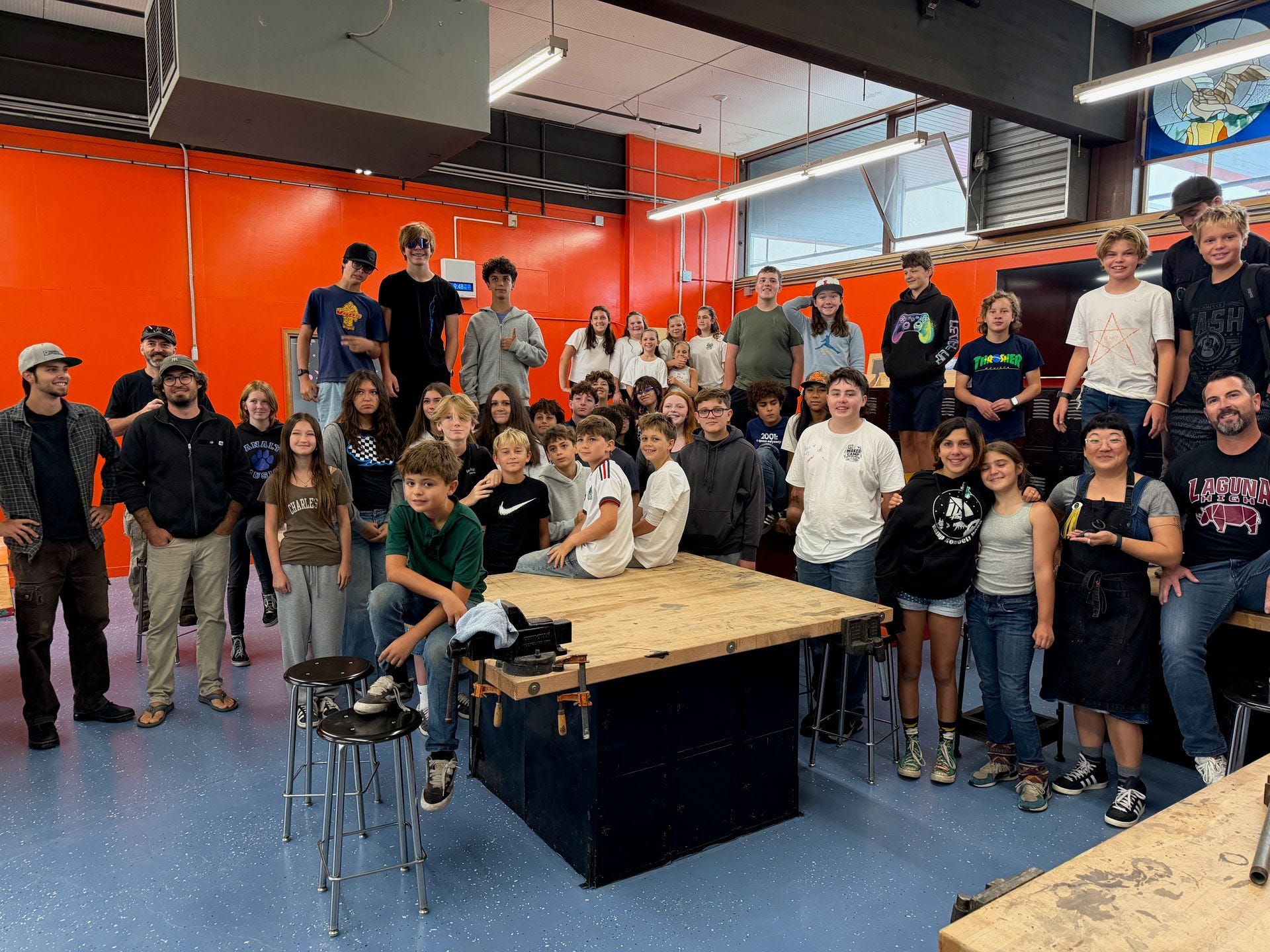
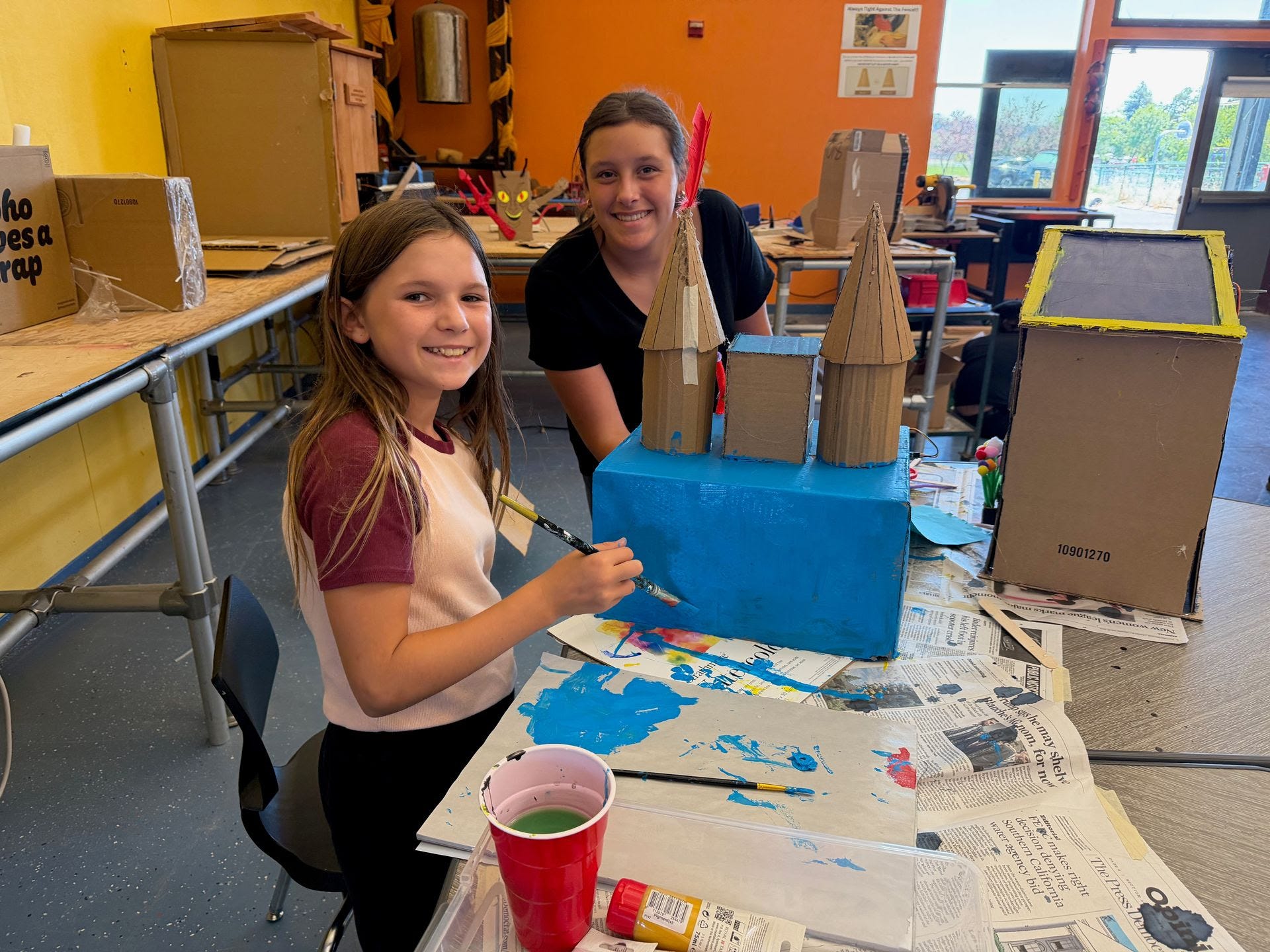
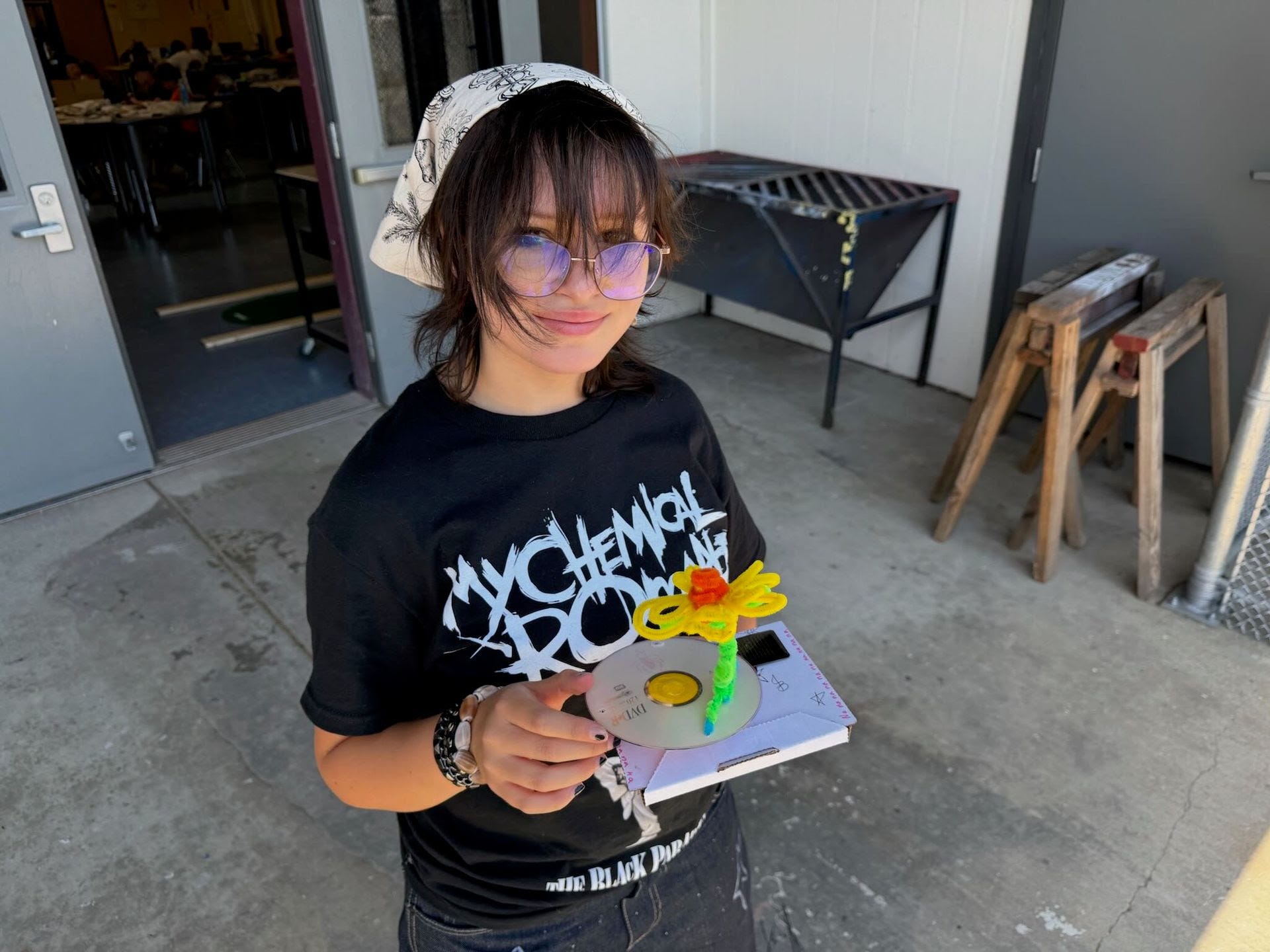
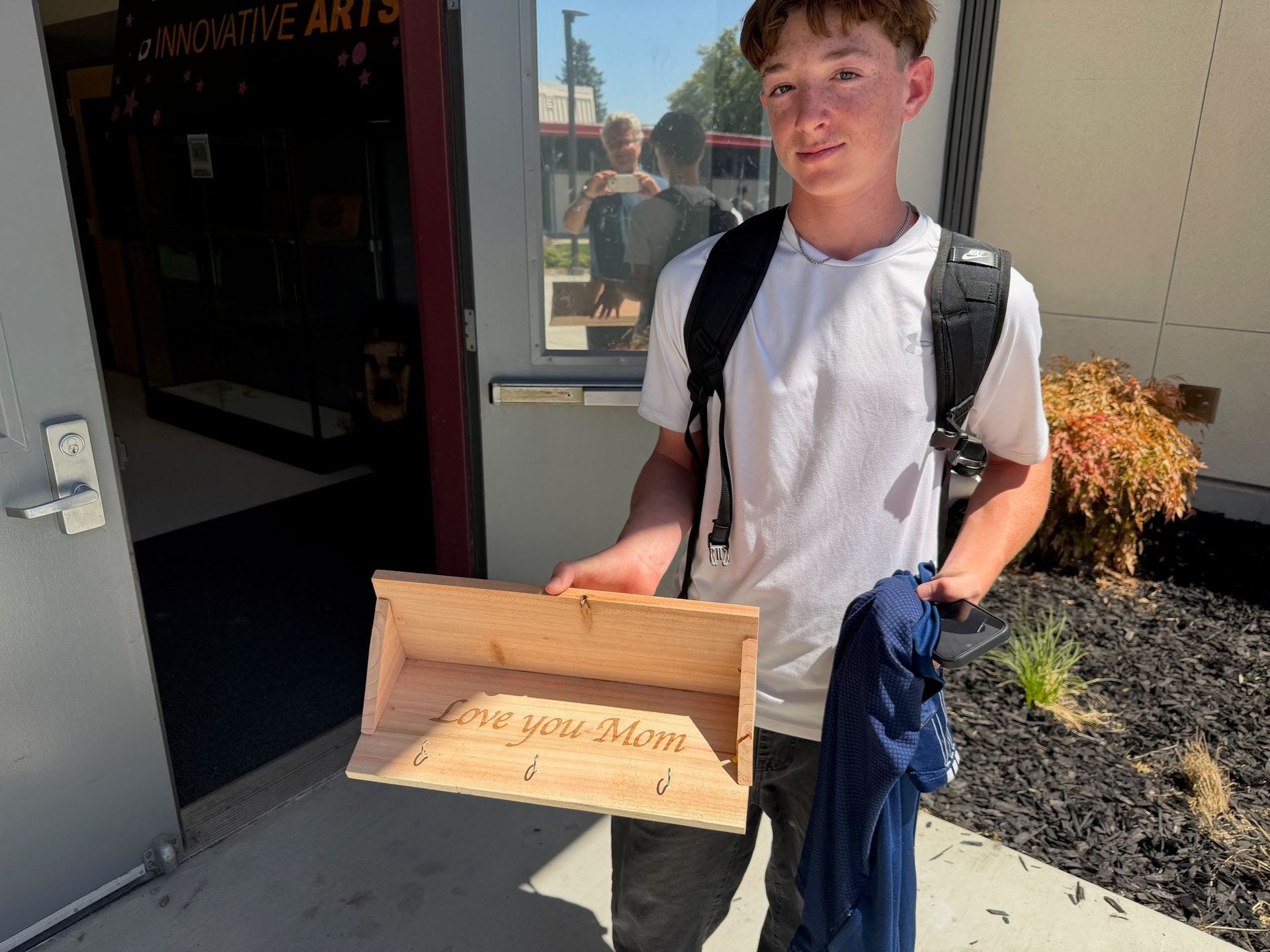
Here are some of the photos of the camp and campers I took during Maker Camp.
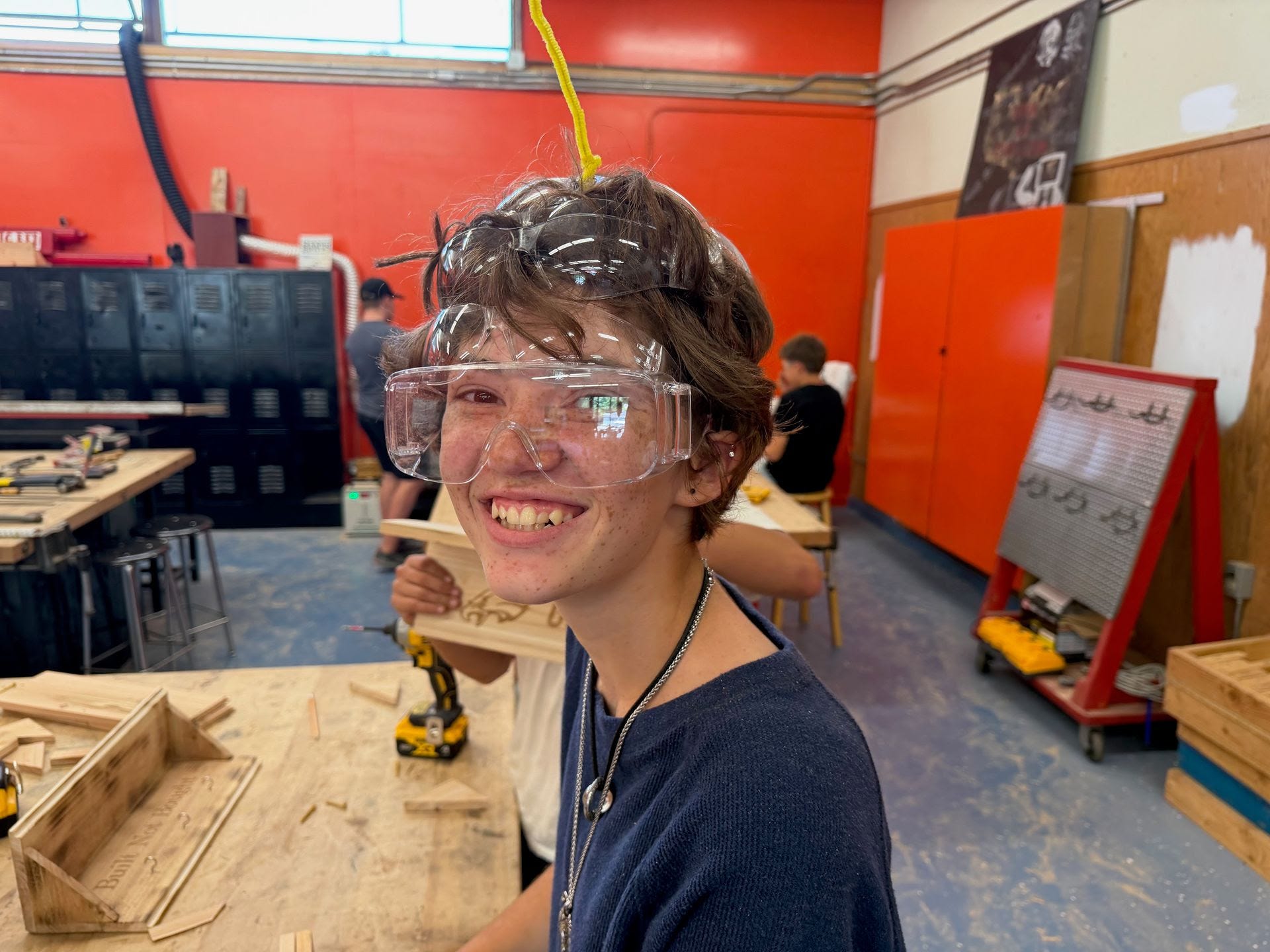
“Any sufficiently advanced technology is indistinguishable from magic.” — Arthur C. Clarke
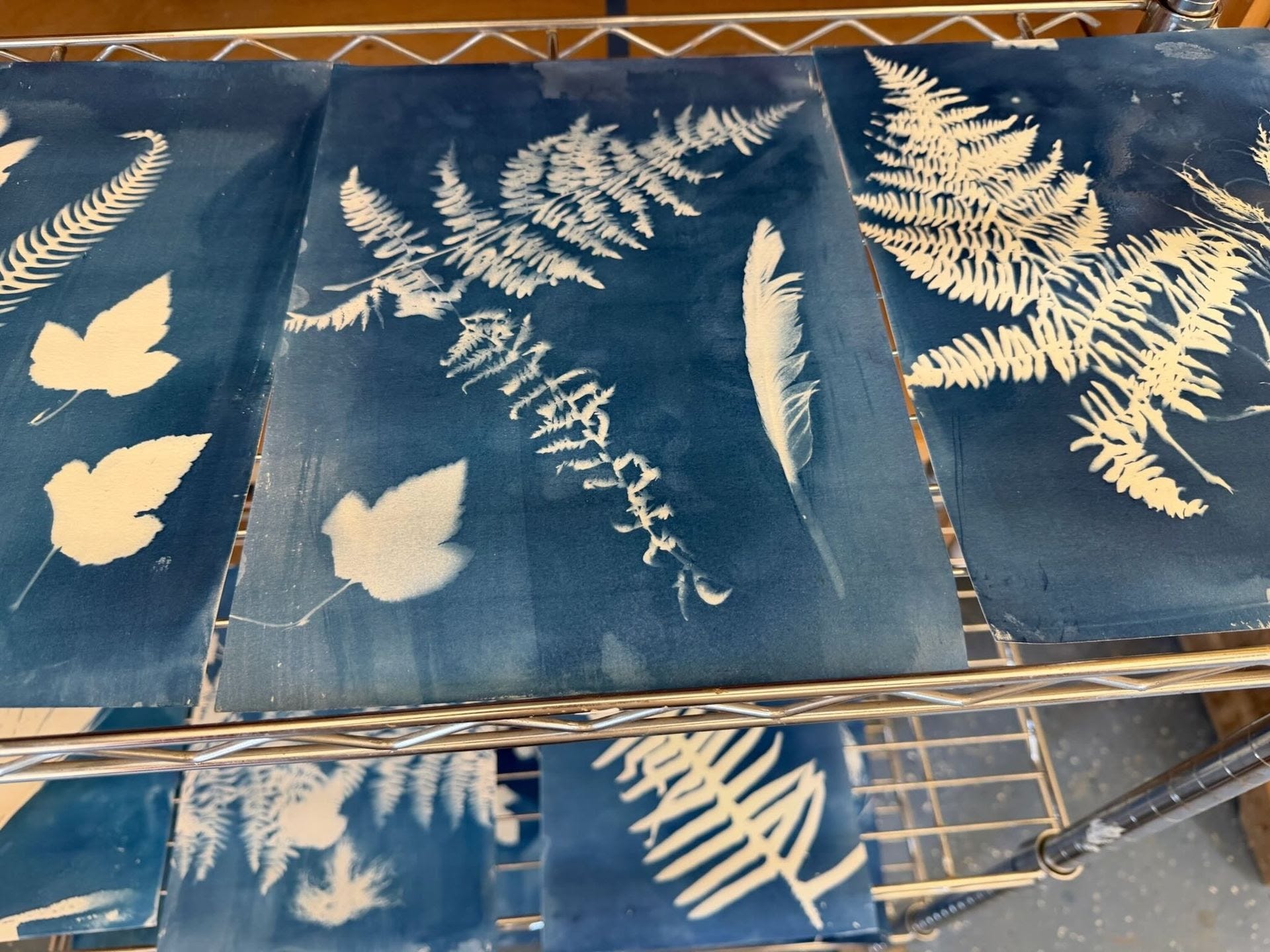
The campers got to experience magic. The magic might be transforming metal through heat, when they learned to solder or did blacksmithing. It might be heating glass so that it can be turned and shaped into a marble. The magic might be creating a cyanotype print by putting it out in the sun and then washing it off to see the paper turn bright blue. It might be using a miter saw to cut one long board into several pieces. Or soldering a solar panel to a motor and taking it out in the sun to see the motor spin — endlessly as long as it is not in shade. (On two days, the morning fog was in and we couldn’t test the solar whirlygigs until it was lunch time.)
For me, the magic was having a kid come up to me, holding something in their hand and saying: “Look what I made.” This was their thing.
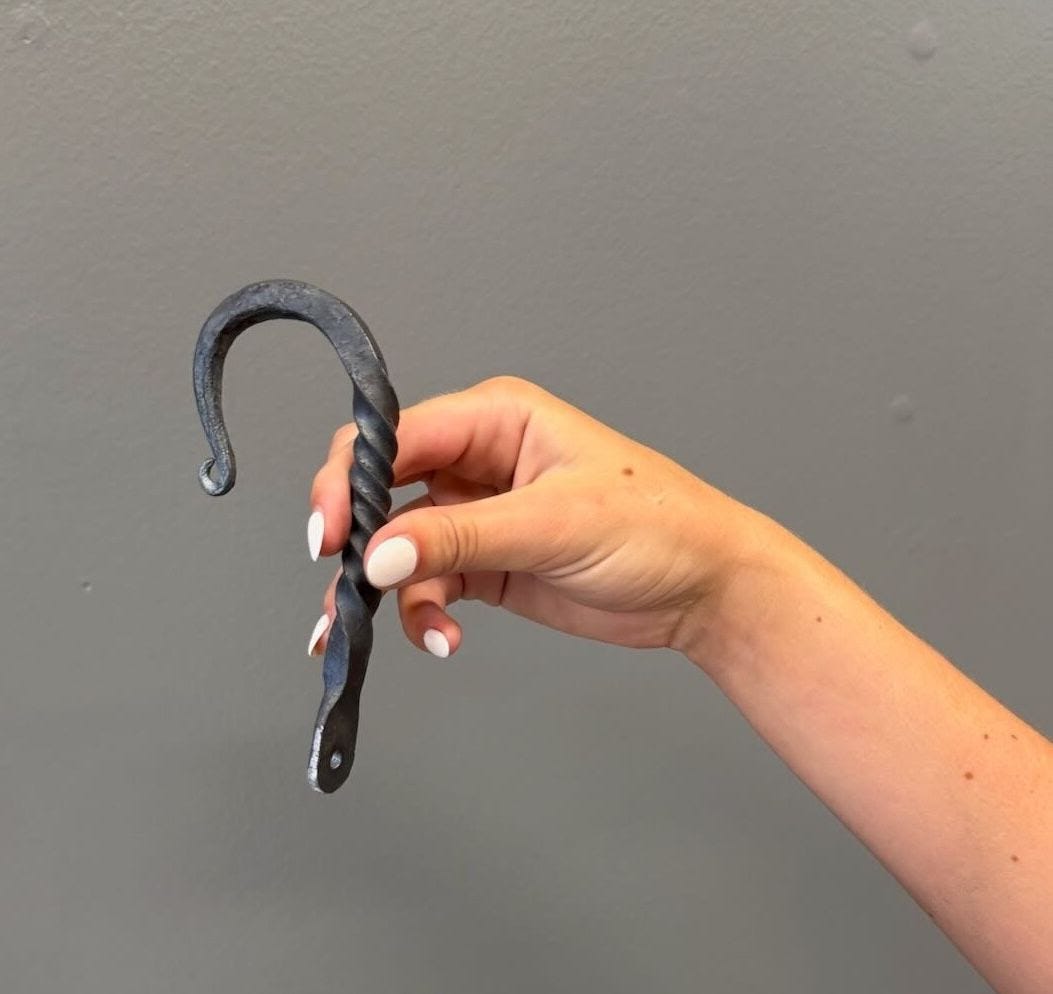
It felt great to pull this off and provide these experiences for kids. Overall, it turned out about as good as I could have expected.
I realize that this kind of Maker Camp may not necessarily feasible for others to do. It requires a lot of resources to bring in a variety of instructors but that is the key. It was worth doing to demonstrate what could be done. Personally, I see that it shows how much youth enjoy this kind of creative work, and I can only wish it were more widely available to them in schools and in their community.
The biggest lesson from this year’s camp was how important the social side of the camp is. The campers not only work in groups but they also get to play in groups. It’s kind of the glue that holds it all together — having a good time together.
One mom wrote me yesterday: “You nailed it! It was the perfect combination of creativity and autonomy, which is what teens need.”
I’m grateful to the local Sebastopol Rotary Educational Foundation for a grant to support Maker Camp.
No posts
Comments
Nothing yet. Say the first thing.
Sign in to join the conversation.