
Note: “Both, and” will be a recurring series addressing concerns that are often raised as a reason not to make changes to the streets and city. My goal is to communicate how we can do both: not just make streets safer, but also make it easier to get around. Not just make the city a nice place to live, but also make it so more folks can afford to live here.
After I wrote that Passyunk should be car-free, I asked you to prove me wrong. You tried. And the most sympathetic objection in the bunch went something like this:
“What about people with disabilities? What about people who can’t walk two blocks? What about my grandmother, my neighbor, my friend who uses a wheelchair?”
I take that particular question seriously. Because it is serious. And because the people making that argument deserve an answer that isn’t a hand-wave. And because a car-free Passyunk would address their needs far better than today’s Passyunk ever does.
So here it is: yes, people with disabilities need real access to Passyunk. And no, the current situation is not providing it.
Those two things are both true. That’s the whole post, basically. But let’s walk through it.
Let me say this clearly before anything else: mobility access isn’t a talking point. There are people in this city who use wheelchairs, walkers, canes, or mobility scooters. People who have chronic pain and can’t walk more than a block without serious difficulty. People who are recovering from surgery. People who are elderly. People who need to park their car close to where they’re going because anything else is a physical barrier, not a minor inconvenience.
That’s real. That’s a lot of people. And when we talk about making streets car-free, we need to talk about them—as a central design requirement. Universal Design is the name for this kind of thinking.
If your car-free street plan doesn’t have a clear, specific, enforced answer to how a person with a wheelchair gets from their vehicle to a restaurant on Passyunk, your plan isn’t finished.
I believe that. I mean it.
Aaaaand the city as it is already has a wildly hostile-to-folks-with-disabilities flavor to it that rejecting car-free streets does not solve.
On any given Friday evening, Passyunk Avenue has:
A ghost car in the accessible parking spot in front of whatever restaurant has the longest wait. It’s been there since 3pm. Nobody’s coming back for it.
A delivery van double-parked with its hazards on, blocking the curb cut at the corner of Tasker, which is the accessible entry point for half a block of sidewalk. The driver is inside for twelve minutes. Nobody tickets it.
Sidewalks so crowded with waiting restaurant patrons that a person using a wheelchair or a walker is forced to either shove through a crowd of people staring at their phones, or step into traffic—the same traffic that’s supposedly enabling folks with disabilities to access establishments like this one.
A “wheelchair accessible” restaurant right now entrance on a block where the “accessible route” involves navigating past three A-frame signs, a planter someone moved from the dining area, and a bike locked to the one ramp that exists.
What I’m describing is not a hypothetical. It’s a Tuesday. It’s any Tuesday. It’s every Tuesday.
The argument that “keeping cars on Passyunk protects disabled access” assumes that the current situation provides access to folks with disabilities. It does not. It provides access to cars. Those are not the same thing, and we’ve been letting them get conflated for years.
Here’s the uncomfortable part.
In my experience—and in the research on this, frankly—the loudest voices raising disability concerns in response to car-free proposals are rarely people with disabilities themselves. They’re often people who don’t want to lose parking, or who are philosophically opposed to the change, and who’ve found that invoking disability is the most politically bulletproof way to say so.
That’s not everyone. Some people raising this concern are doing it in genuine good faith, on behalf of people they care about. I appreciate those folks for putting words to real needs that must be met.
But it’s worth noticing that disability advocacy organizations in Philadelphia—the real ones, the ones run by and for folks with disabilities—have been pushing for more accessible transit, safer crossings, and better enforcement of ADA requirements for decades. They are not, by and large, the ones showing up at community meetings to defend the parking spot in front of the wine bar.
They are not advocating for more car access. They are advocating for more people access.
The people most harmed by inaccessible streets are asking for better design. The people most loudly invoking their needs are often asking for the actively-harmful status quo.
Before we continue, I want to play a quick game I like to call “is this accessible?”
I’ll show you something, and I want you to tell me: is this accessible?
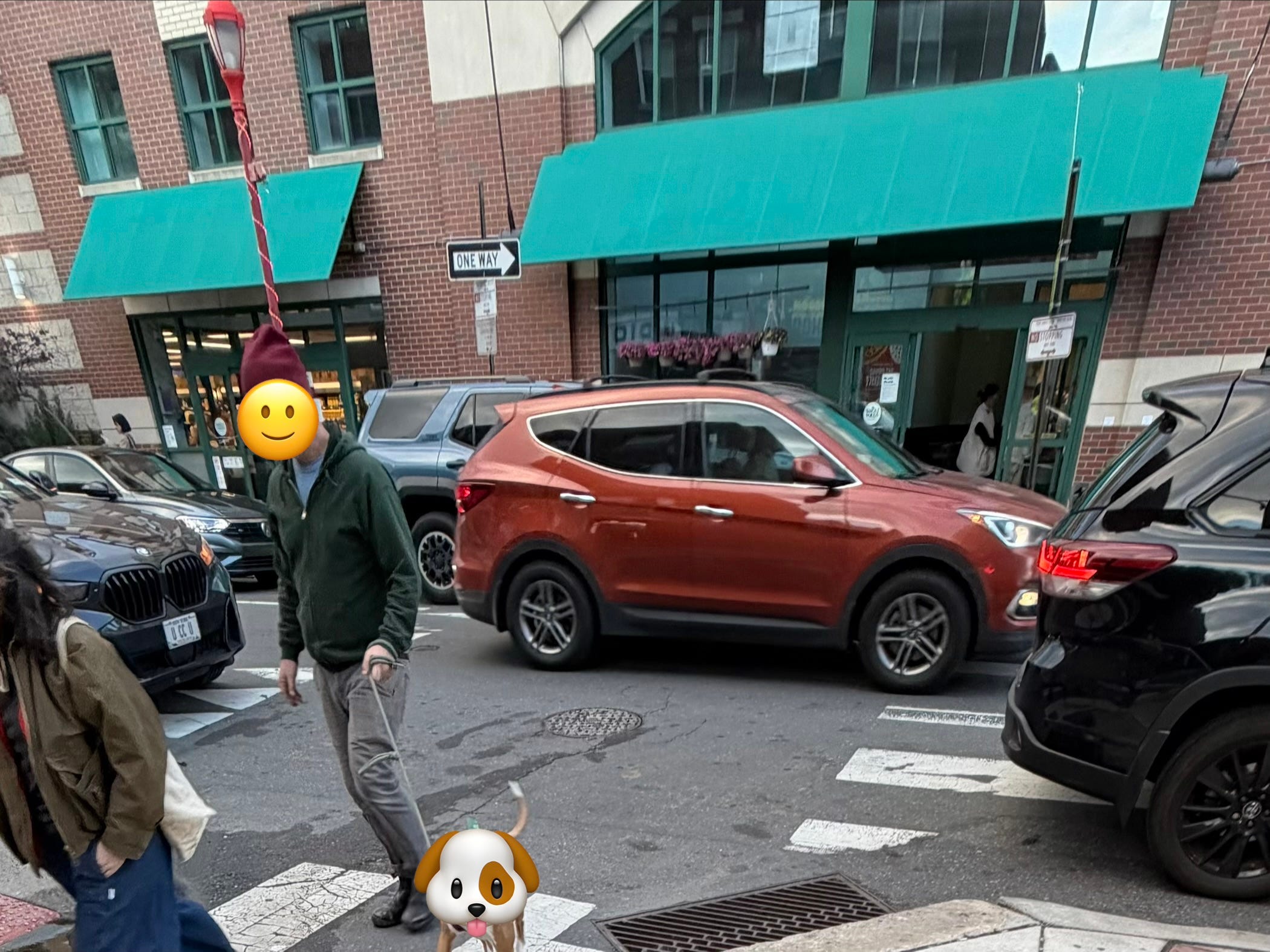
Is this accessible? Can someone with physical disabilities that lives immediately across the street from the store even safely get their groceries? Is this accessible to them?
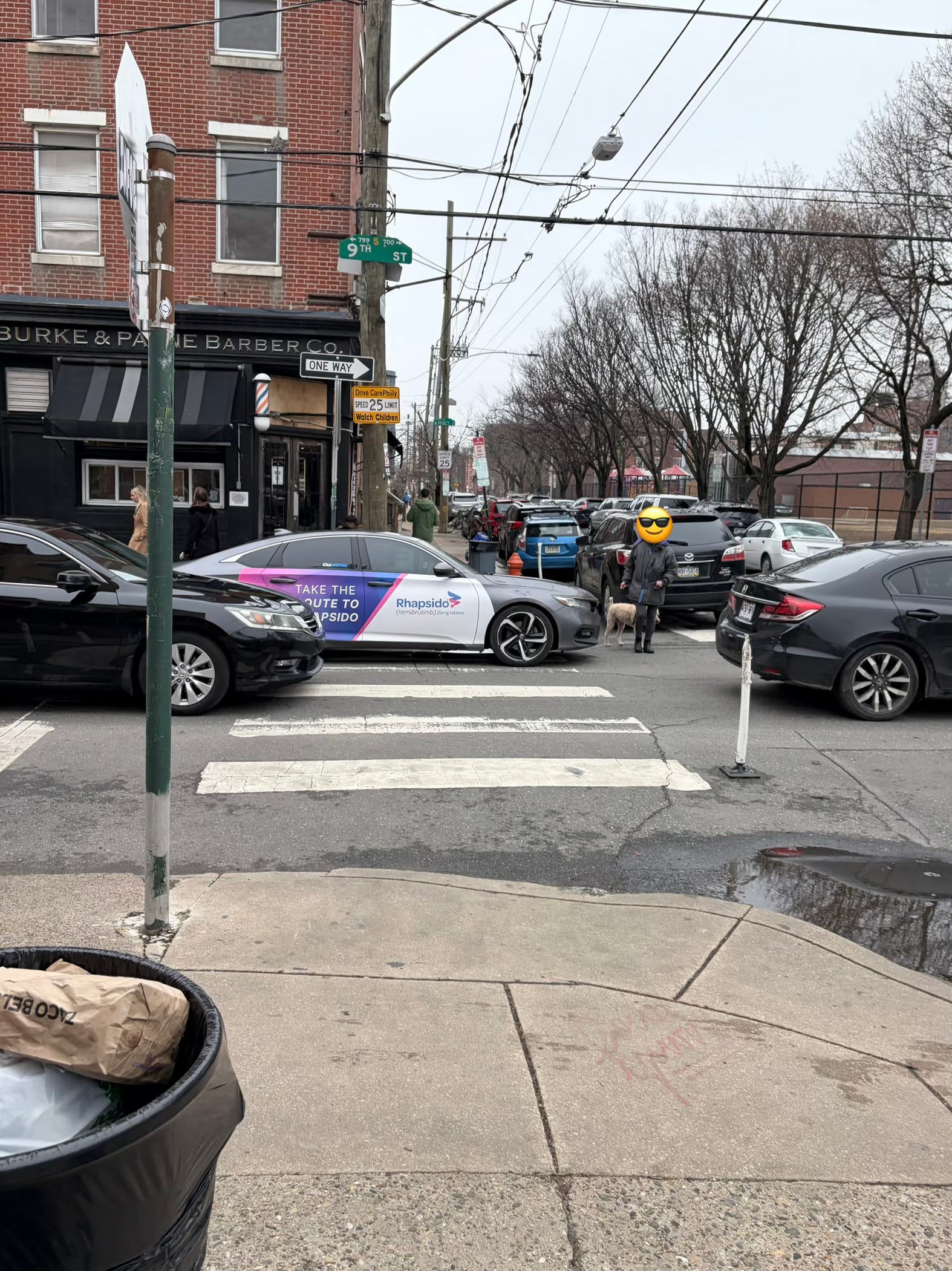
Is parking in the bus stop, on the crosswalk, in front of the fire hydrant, is any of this scene accessible?
Bonus points: “Drive CarePhilly: 25 mph” sign—can you guess how many vehicle crashes involving a pedestrian at 25 mph result in serious injury or death?
Keep scrolling see if you were right!
.
.
.
Answer: way too many!
To any who would be like “pfft you got 2 in 3 odds of sustaining only a moderate injury. Nut up, this is Philly.” may I ask: would you mind if I hit you with my car? Don’t worry, it’ll just be a moderate injury. Asking for a friend.

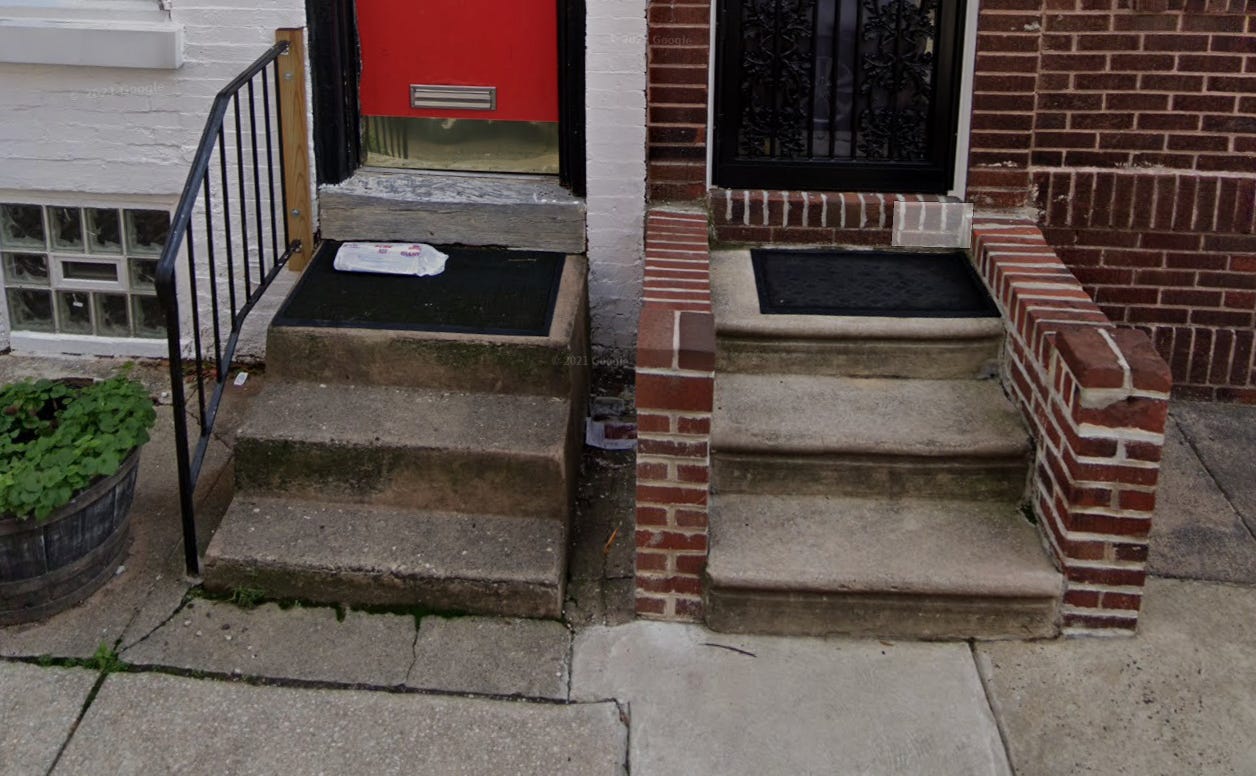
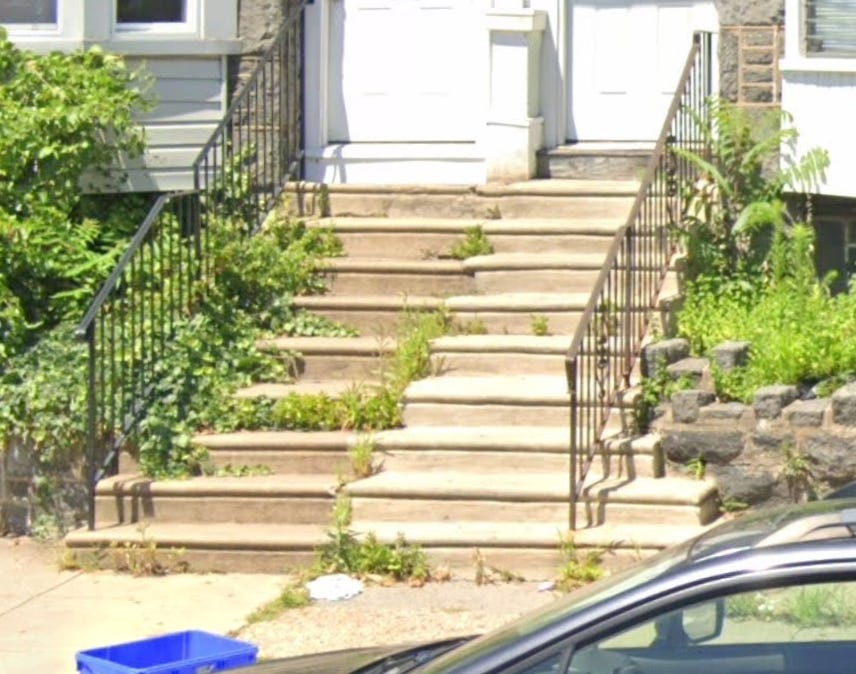
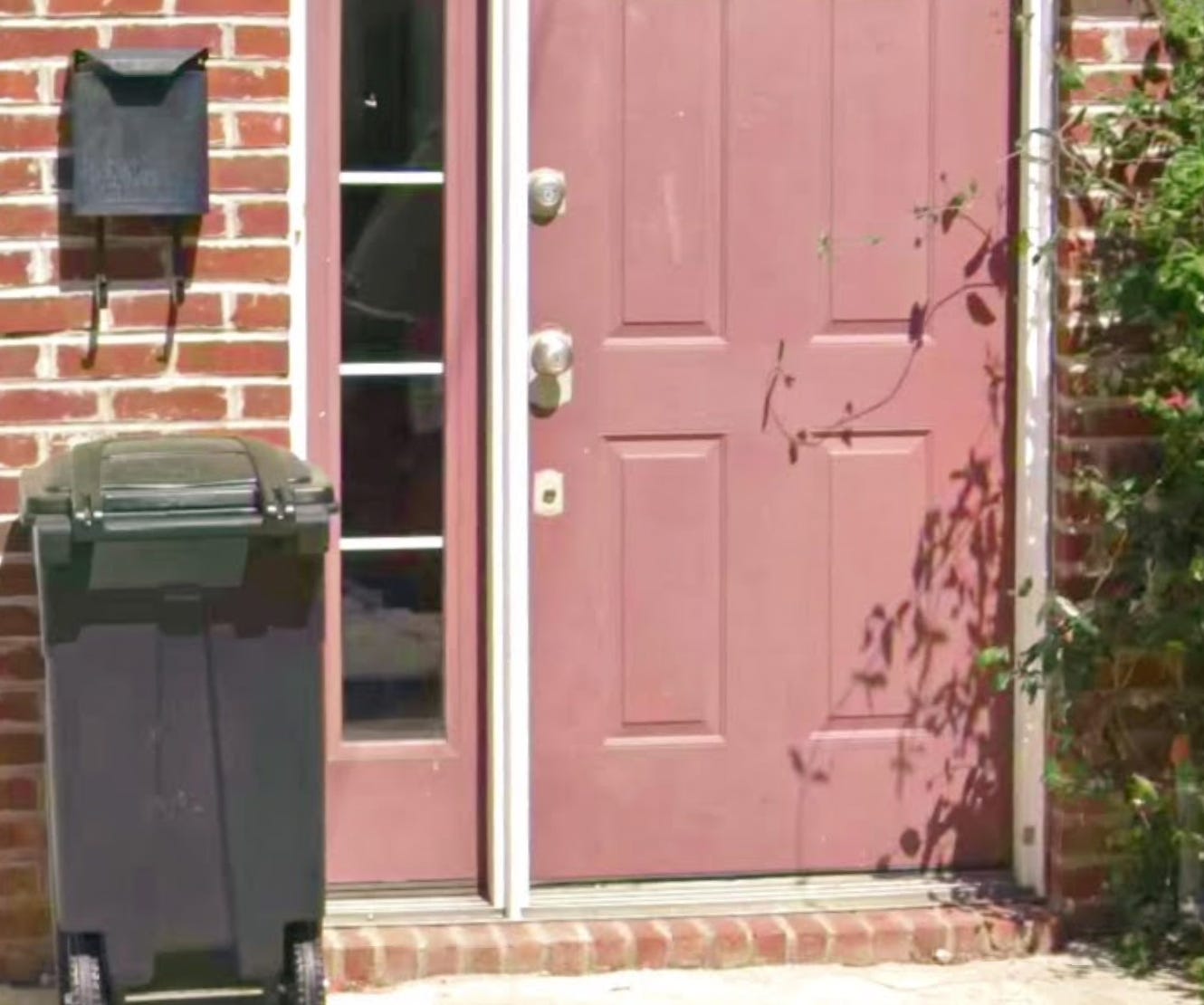
Is cars revving to decibels well beyond the legal limit, causing hearing loss and obstructing hearing for the already-hearing-impaired—is that accessible?
Philly in particular is hit hard by asthma—well-documented as caused by cars. Is limiting residents’ capacity to walk, run, bike, or otherwise breathe accessible?
Is blocking line of sight by parking up to the crosswalk accessible? Is actively crafting circumstances that are known to cause cars to collide with people accessible?? Is enabling more crashes resulting in physical disabilities accessible???
A particularly fun one: Vision Zero, which Philly is already underdelivering on, is only trying to eliminate “all traffic fatalities and severe injuries”. So if you get hit, but don’t show bone: chin up, lad! Run along to your date.
If you want to know the line where it goes from “not-severe” to “severe”, check out the MMUCC guideline.
Wow, what a delight. I love that game. Back to the solutions.
Car-free streets done right can be dramatically more accessible than what we have now.
Designated, enforced drop-off zones every two blocks. Not the theoretical blue lines that exist now and are ignored all day every day. Actual infrastructure—raised platforms, clear markings, real enforcement—where a driver can pull up, let someone out, and move along. No circling. No double-parking. No hoping for a spot within a quarter mile.
A clear, unobstructed path the entire length of the street. No delivery trucks blocking curb cuts. No restaurant overflow crowd filling the sidewalk. No cars parked half on the pavement. Just a wide, clean, accessible corridor from one end of the diagonal to the other.
A low-speed mobility option. A golf-cart shuttle running the length of Passyunk during peak hours, specifically for people who can’t walk the distance. This exists in every major pedestrianized district that takes accessibility seriously. It costs less than you think. It’s not hard.
Real ADA enforcement—for once. The problem right now isn’t that we don’t have accessible parking spots near Passyunk. It’s that we don’t enforce them. A ghost car in a blue zone sits there for six hours and nobody moves it. If we cared about disability access the way we say we do, we’d solve that problem regardless of whether the street goes car-free.
You know what makes a street more accessible? Getting the other cars out of the way. You know what frees up parking space for folks with accessibility needs? Keeping out cars of folks without those needs.
Let me put it this way: curbs are there to keep cars off the sidewalk. If cars aren’t part of the equation, you don’t need the curbs. And you don’t need a ramp when there’s no curb.
All of this makes Passyunk more accessible, not less. The current situation—narrow sidewalks, blocked curb cuts, zero enforcement, cars treating the street like a speedway after midnight—is what inaccessible actually looks like.
Don’t let “but what about folks with disabilities” become the reason nothing changes—especially if you’re not the person with accessibility needs it’s supposedly about.
Do demand that every car-free proposal include a real, specific, enforced accessibility plan. Not a bullet point. A plan. Drop-off zones with locations marked. Shuttle service with hours listed. Enforcement mechanisms with teeth. Make the advocates answer for it. Make the city design for it.
And if you’re a Philly resident who uses a mobility device, a cane, a walker—or cares for someone who does—I genuinely want to hear what Passyunk is like for you right now, and what you’d need a car-free version to look like. That input should shape this conversation more than anyone else’s. Hit reply.
The goal isn’t car-free for the sake of car-free. It’s a street that works for everyone who wants to be there—including the people for whom the current setup is already failing.
Both. And.
Let’s make driving suck less.
Comments
Nothing yet. Say the first thing.
Sign in to join the conversation.