
First, a note to my readers:
This written essay will also be accompanied by an audio recording of me reading it. Those listening should still scroll through to see the relevant images and links. At the end of this essay there will be some announcements for additional resources and upcoming plans of mine.
As you can imagine, my essays take a lot of time and effort to produce and to bring to you. As a 26 year old independent writer, your support of my work through paid subscriptions is vital for me to be able to continue bringing my insights to you. You can upgrade to a paid subscription by clicking on the “subscribe” buttons in this post.
You can also support my work by liking, commenting and re-stacking or sharing my essays. All of these things help the algorithm to bring this content to those who may find it beneficial.
Update: this essay has two titles now. You guys picked the first one by popular demand, but I still like the second one better so I’m keeping it!!!
Okay; now, onto the essay
When Transmasc Becomes Another Mask for an Autistic Girl to Wear
Could girls be trying to mask their autism with gender transition?
On the overlap between autistic masking and gender exploration, for the parents and clinicians trying to understand
By Maia Poet
(Published Autism Awareness Day 2026)
Ever since I first entered detransition advocacy spaces, both online and in person, the most common first question I’ve ever been asked was: “Maia, are you autistic?”
Every interview I gave about my story of transition and detransition in the Middle East spawned comment sections full of people saying “this girl is so clearly autistic and yet it never came up.” Hell, even back in my trans days, I managed to have two girlfriends in Israel who somehow both worked as carers in hostels for autistic adults, unsolicited, one of them told me that she thought I was autistic. The other one, however, told me she was certain that I was. Mind you, the autistic adults these young women cared for, could not bathe themselves independently. Naturally, I was not amused by their armchair diagnosis. At some point, even my therapist brought up the fact that I have a number of autistic traits, albeit she did so with far more tact, and in a way more acceptable context, than did the others.
The fact that people who meet me, regularly conclude that I am autistic, is not entirely news to me. Nonetheless, for the first year or so into my detransition, I was frankly a bit offended every time someone brought it up.
Despite not being diagnosed with it, autism has been an important feature of my life for quite a while now. From the moment I became obsessed with autism as a pre-teen, and told any adult who would listen to my exciting theories about it, I was quickly made aware I had some autistic traits. Around that time coincidentally, my parents began to realize that I just was not picking up on any social cues, which they thought I would have started doing by now. So we studied them together. Occasionally, even on flash cards.
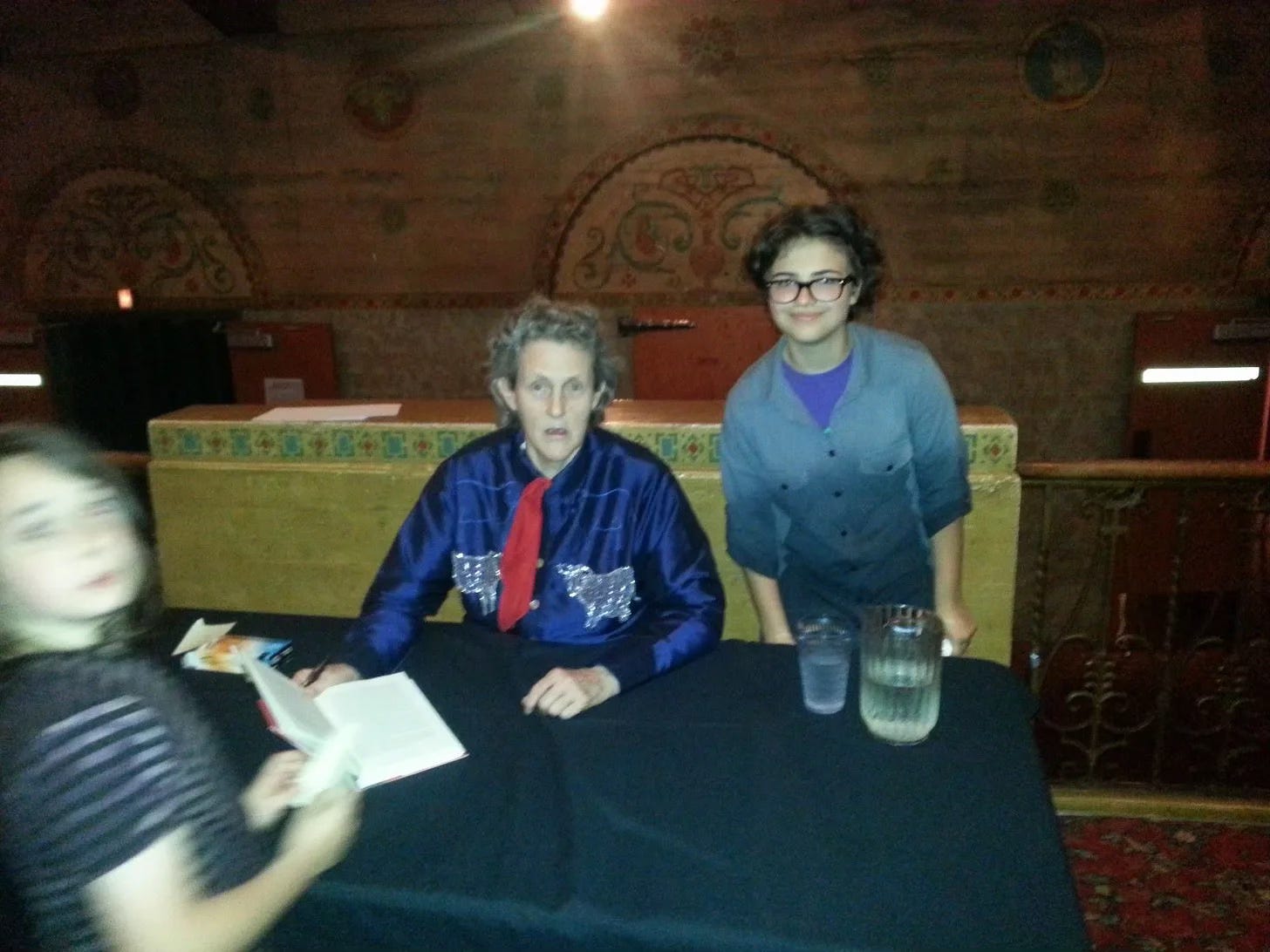
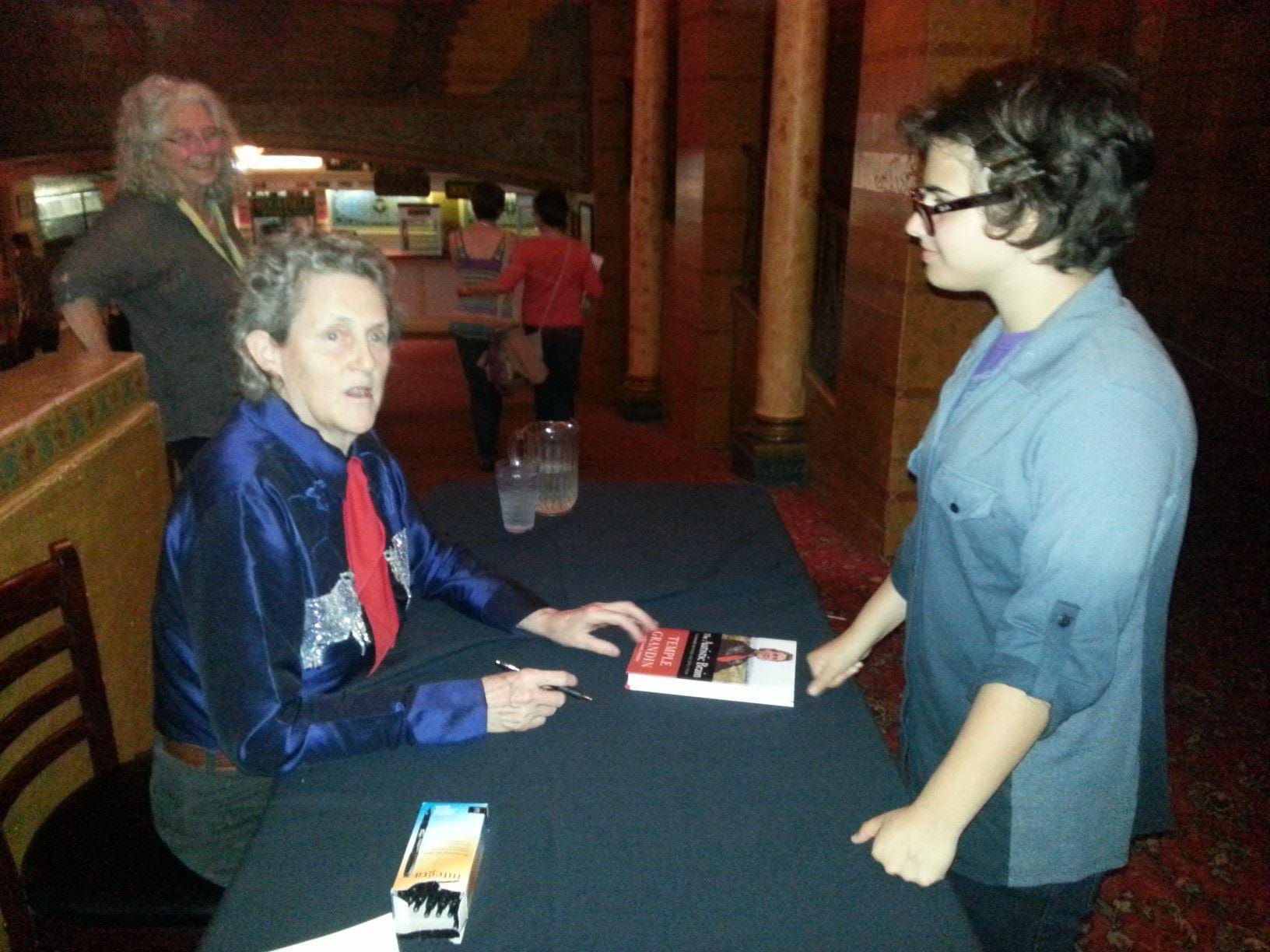
So whenever someone told me that I was autistic, I’d always respond with a prefabricated argument that went something along the lines of: “well, what you’re probably seeing is the ADHD that I’m diagnosed with, which is an honest mistake considering the symptom overlap” or: “trust me, when I was eleven to thirteen years old I was so obsessed with autism that it was the only topic I’d read about or think about, which by the way is also an ADHD trait… which I DO have a diagnosis of, and yes, I did meet Temple Grandin whom I’ve found to be highly relatable, and I even worked with autistic kids in a playgroup where (suspiciously) no volunteer duties had been bestowed upon me despite that being the entire premise of my participation in said group…. but it’s only because of their similarities with my ADHD that I find them to be the only group of people who actually make sense to me, and that does not mean that I am autistic.”
Needless to say, the more compellingly I tried to counter-argue, the more ammunition I seemed to hand my friends. Especially when they found out about the history of toe walking, my obsession with one rare brain tumor at the age of eight, and the fact that until I was almost 15, I had not learned to tie my shoes. But still, I was confused as to how all these laypeople with no knowledge of my history of developmental quirks could all come to the conclusion that I am on the autism spectrum, without having memorized the diagnostic criteria themselves— but how clinicians never thought to screen me for it.
So I did what I always do when something confuses me. I researched it. This time as an adult in the mid 2020s rather than as a middle schooler in the early 2010s, and this time, with the expressed purpose of proving my friends wrong. I tabled the neuroscience angle I had investigated as a child and decided to embark upon understanding that which has always eluded me: how to talk about emotions and social interactions.
There I stumbled upon the concept of how girls and women often “mask” their autistic traits. Admittedly, at first I thought the idea of this was stupid, because most of those talking about it had blue hair and an obnoxious victim mentality about the entirety of their objectively privileged, first world lives. But over time, as I began to investigate the nitty-gritty of my own life experiences in transition and in detransition, writing on this Substack and eventually consulting with ROGD families who describe their daughters engaging in the same types of atypical social-communication behaviors as I did at their age, I decided to delve more seriously into the literature on the female autism phenotype.
Naturally, this pesky topic of “masking” or “autistic social camouflage” comes up a lot when researching how autism presents in women and girls. At some point, despite my opposition to the idea, the aggravating feeling of a leaf yet unturned in my autism research nagged at me.
It’s worth noting that autistic masking is not the same thing as code-switching, though they get confused constantly. Code-switching, or adjusting how you present yourself depending on who you're with, is something virtually everyone does. For most people it is not particularly costly from a cognitive standpoint, because it operates on top of their existing social intuition. Code-switching is when you still understand the room, but you are just choosing, more or less automatically, your register. Or so I’ve learned from people who describe this ordinary social phenomenon.
Autistic masking is the absence of that underlying intuition, compensated for by extraordinarily laborious conscious effort. It is not adjusting a natural social self for different contexts. It is manufacturing a social self entirely from observation, imitation, memorized rules, and real-time inference, and then sustaining that manufacture across every social interaction, including ones that a non-autistic person would experience as effortless. The difference in the cognitive cost is not a matter of degree. It is a fundamental difference in kind.
Code-switching is changing the settings on a device that already has a robust operating system with a toggle option. Masking is writing the operating system from scratch every time you turn it on, while the device is running, overheating from the overload of data, while pretending to everyone around you that it booted up instantly and without an issue.
Much to my surprise; the more I researched the topic of autistic masking, the more self-awareness I developed. The more self-aware I became, the more I began to realize that contrary to my friends’ opinions, that I must not be all that great at masking because I seem so autistic, I had come to the contrary realization; that all along, in addition to masking my social difficulties and sheer overwhelm in early childhood, I was also in fact masking my autism with the transgender identity I had held for twelve years of my life. Especially during the subset of that time I spent binding my breasts and later socially transitioning in the Middle East.
I will reiterate: I was not masking my autistic traits in spite of my trans identity. My trans identity was the mask I wore, as an elaborate way to conceal the confusion and overwhelm I felt as I navigated the world encumbered by my autistic social deficits.
This raises a question I think is worth sitting with before continuing: what might it be about autism that causes girls to want to opt out of being girls the moment they discover that such an option exists?
I think the answer to this question has everything to do with what it feels like to be an autistic girl attempting to navigate life while moving through a world that makes no sense to her, as she grows up.
To understand how a transmasc identity could become a mask which an autistic girl could wear, you first have to understand what ‘masking’ is, why autistic girls become so skilled at it, and why adolescence is precisely the moment that the whole house of cards predictably collapse, usually resulting in a crisis of mental health, identity and embodiment.
In this essay, I will use myself as a case study of sorts. I aim to focus on the early childhood to early adolescent period of my own development and compare it with the literature base of autistic masking strategies seen commonly in girls, to argue that a fully-baked transgender self-concept, which may appear seemingly out of nowhere to parents and clinicians around early adolescence, is rarely actually arriving out of nowhere. Particularly, in undiagnosed girls with elevated autistic traits, I believe it is the endpoint of a longer and largely invisible developmental sequence; one in which transmasculine identity functions not as a discovery of who someone really is, but as the most complete masking strategy the girl has yet found. If that is true, then what looks like a gender problem arriving at puberty is actually a neurodevelopmental problem that was never properly identified, and treating it as the former while ignoring the latter, causes multiple layers of harm.
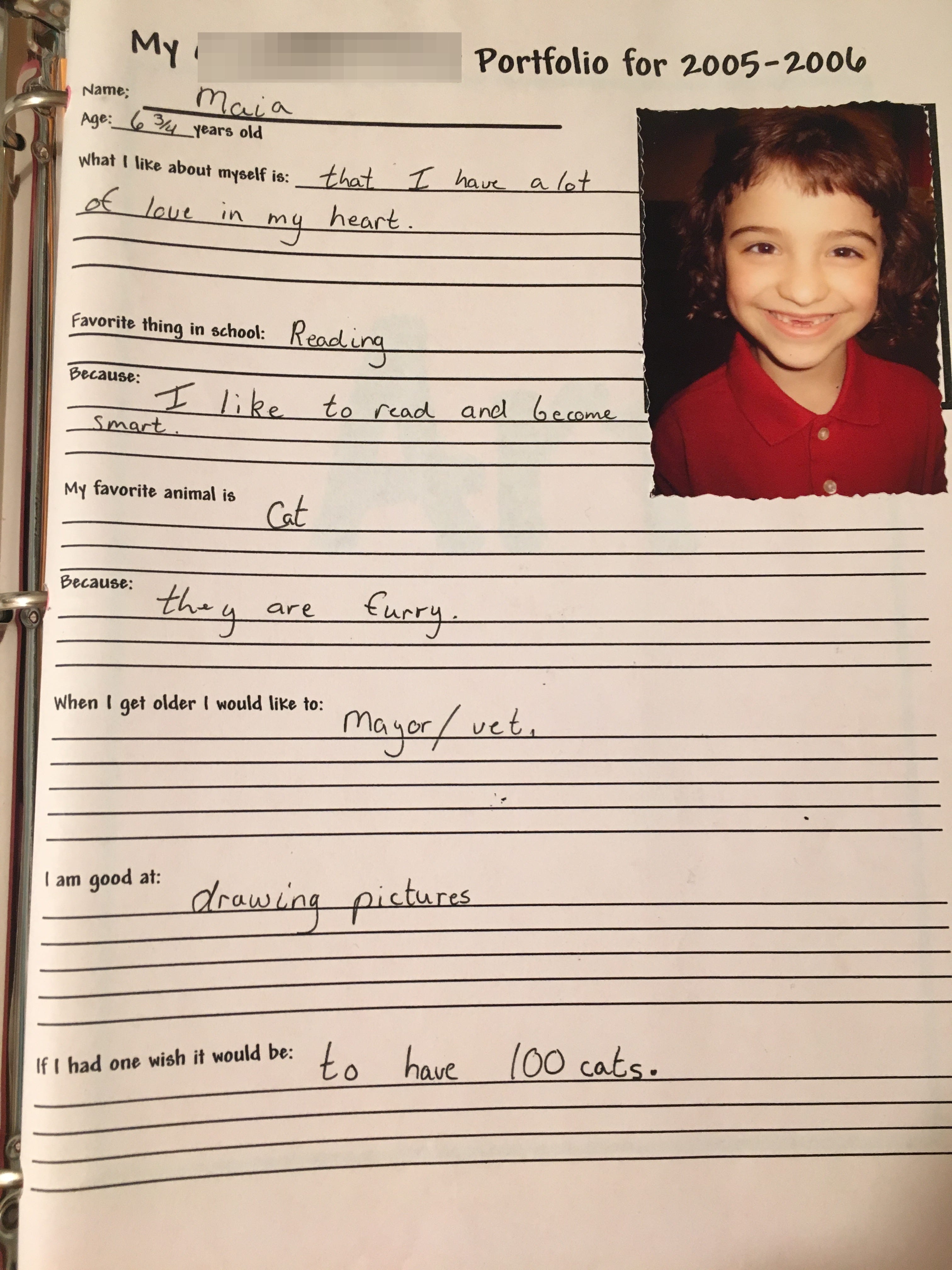
I'll illustrate this with my own story. But I want to start earlier than most people would expect; not at puberty, not with the iPad I got for my 12th birthday, and not even at the moment I first encountered the word “trans.” I want to start at the very beginning, with a child who had only the haziest sense of what reality even was.
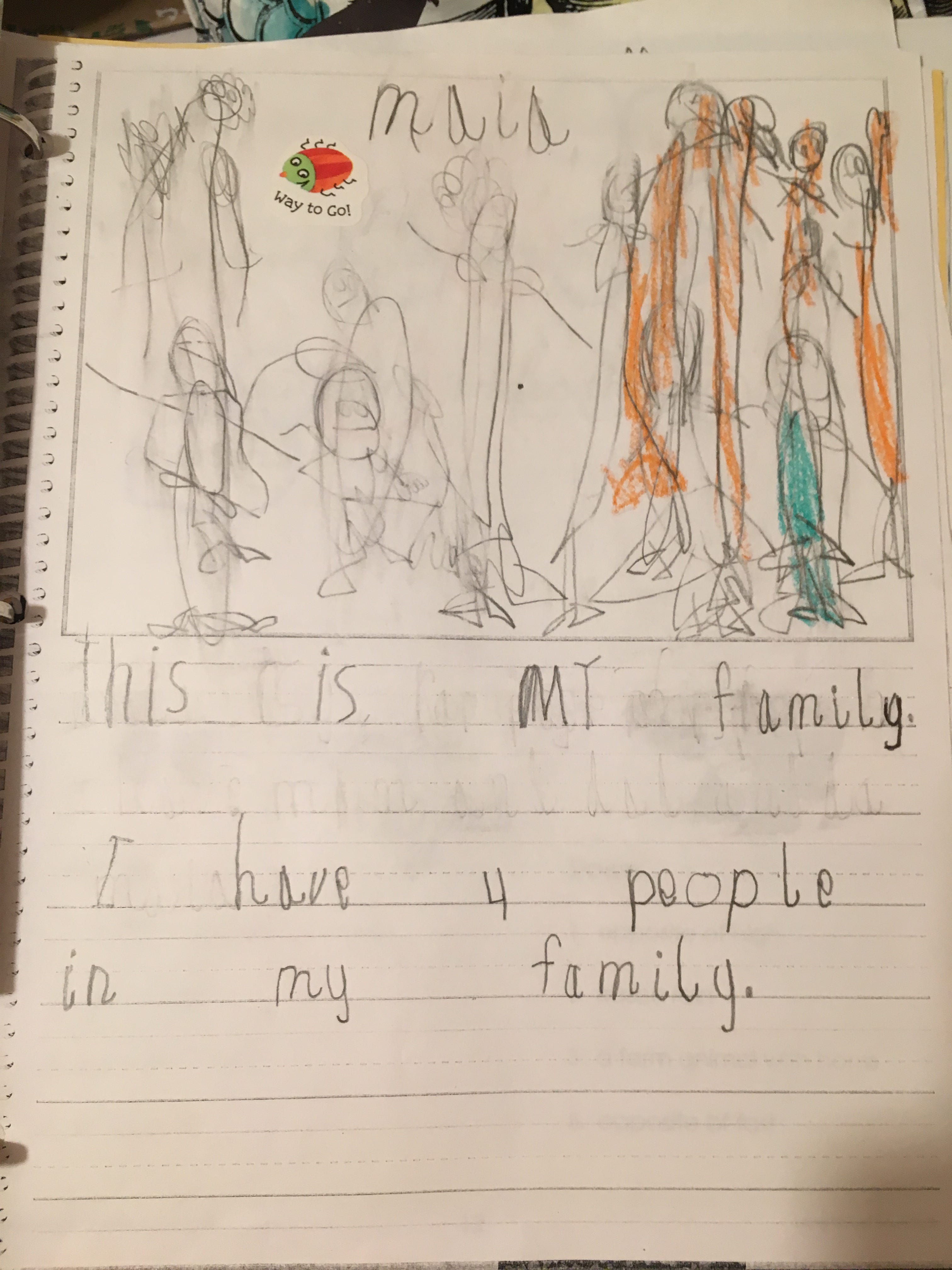
When I was a kid, I didn’t actually realize I was a girl in any permanent sense until I was probably a year into puberty. I thought I might grow into a man, a woman, or an airplane, and considered each equally plausible. Around the age of eight I still thought that some people were born kids and that other people were born adults. The concept of ‘growing up’ confounded me until I developed a fascination with the world’s tallest people and with the rare pituitary tumor that made them that way. That same year on the radio I’d heard about ‘hermaphrodites’ and wondered whether I might not be one of them. I also thought my 369 toy cats were almost as sentient as my two real ones until well into middle school. None of this seemed that strange to me.
I lived in an imaginary universe and had a relationship with reality which was tenuous at best for far longer than was typical. In the late 2000s, before small children had internet-connected devices of their own, life with a mind like mine was more or less survivable.
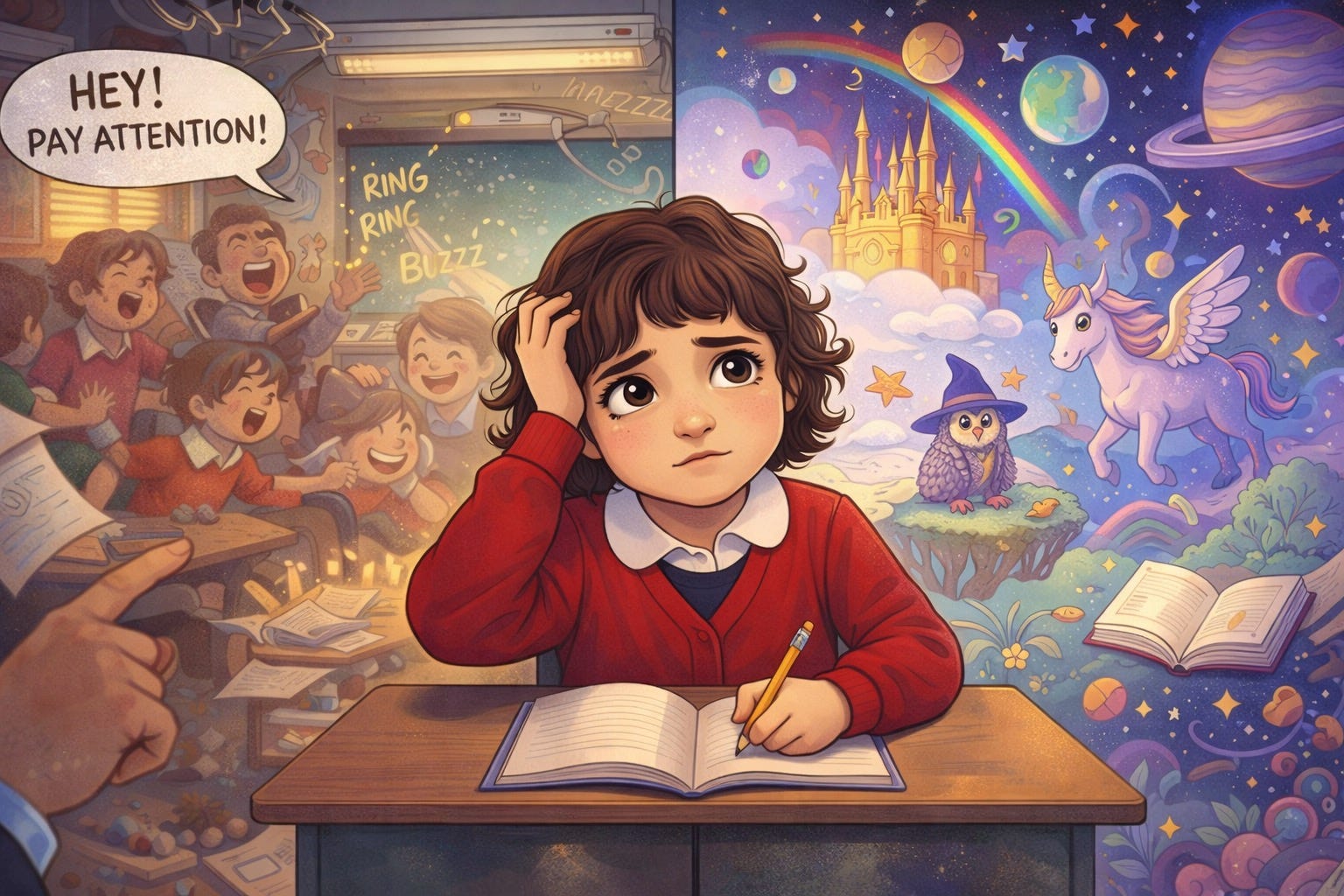
I was also, depending on the day, either fascinated or overwhelmed by everything around me. The seams on my socks. The buzzing of fluorescent lights. My own thoughts about whatever niche intellectual fixation I was currently investigating. My attention was so drawn to the overwhelming sensory input in my environment, that whatever my teacher had just said, I had already stopped tracking.
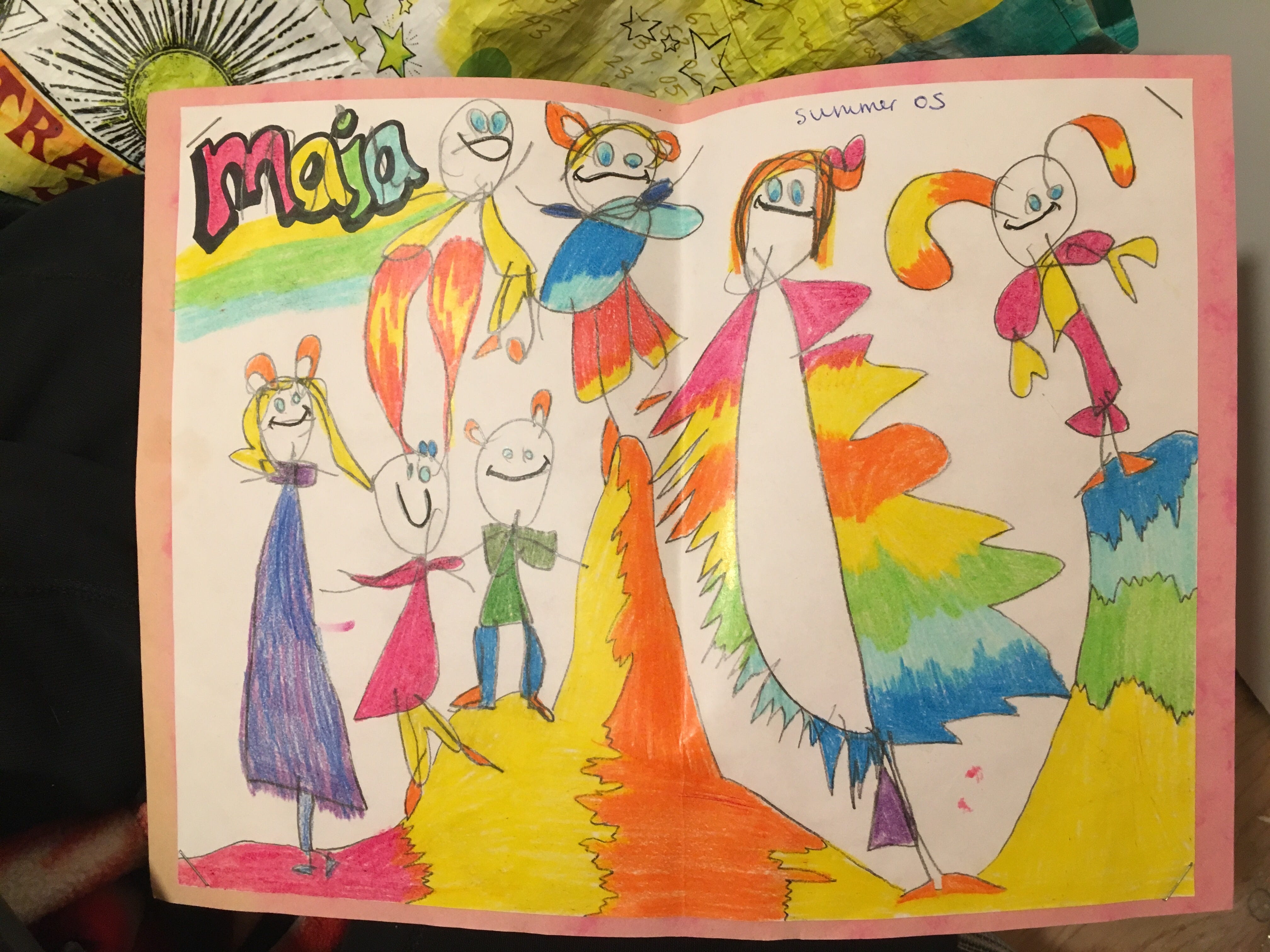
Between being lost in my own thoughts as a comfort from everything in my environment that overwhelmed me, I was picking up on very little of what was expected of me socially and academically. As a consequence, I felt constant frustration in school. I found it difficult to track more than single step instructions, and found myself flitting between my fascinating internal world and frantically looking to the worksheet of the kid on my left and then on my right, hoping I’d figure out what I was supposed to do next. I thought of myself as a perpetual, undercover idiot trying to disguise herself as a smart kid.
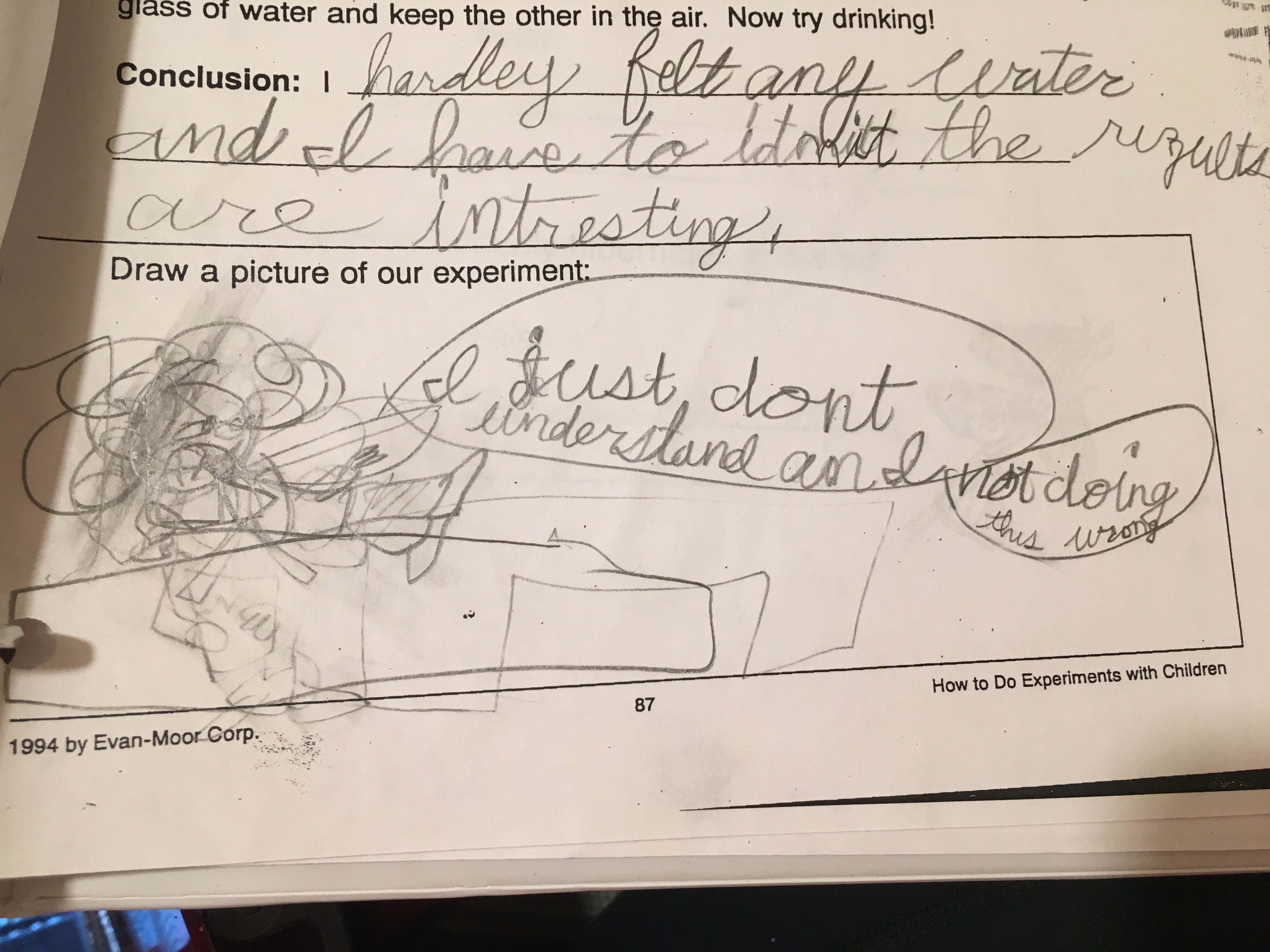
Other kids seemed to understand what was going on around them in ways I found genuinely mysterious. By third grade I had developed a workaround: memorize what the teacher said in ten-to-fifteen-second increments and play it back when called on. Supplement by gifting random things to my classmates, and with copious flattery. Instead of melting down in front of other kids, thinking it would subject them to as much distress as I felt when they did that, I began to pull out my eyelashes instead. Then I’d feel shame about the missing eyelashes and worried about disappointing both my parents and the therapist who could not figure out why I was pulling out my eyelashes. Rinse, and repeat.
As a side note, trichotillomania or compulsive hair pulling is increasingly being studied as another possible body focussed repetitive behavior with links to elevated autistic traits (namely sensory processing issues and difficulties with identifying and verbally articulating distress) in both kids and in adults. Of course, back when I was a little kid and presented with these issues, this was not well-known enough for my psychologist to have suggested screening me for autism. Instead, it was seen as a potential indication for OCD and my psychologist tried to convince me that there was a ‘trickster’ monster in my head convincing me to pull out my eyelashes. Needless to say, after our time together, my eyelash pulling had not improved. It wasn’t until I was 14 and put on ADHD meds that I was able to redirect my compulsive eyelash pulling to compulsive hair twirling; which does make one look weird, but it is at least not disfiguring.

My main social strategy from toddlerhood on was to be highly altruistic and people pleasing. I’d put candies into small plastic bags and hand them out to the other toddlers on the playground.
Giving people things is a good way to get them to like you. And every parent wants a kid who does not need to be told to share their things with others, so the behavior is reinforced, especially in girls. And clearly, my strategy was good enough that my teachers described me as a pleasure to have in class, good enough that the adults around me mostly had no idea how little I understood of what was happening around me, good enough that I made it to middle school without a diagnosis of autism despite having been in constant intervention to correct my list of developmental delays. As I got older, this strategy made me very prone to manipulation by others and being taken advantage of.
But at eight, you are allowed to be weird. Nobody minds very much if you don't track everything, don't quite follow the social choreography, live substantially inside your own head. I would not learn to tie my shoes until the end of my freshman year of high school. I believed in Santa Claus well into middle school without any awareness that this was unusual. The gap between what I could do and what my peers were doing was increasingly evident with time, but it was easy to overlook when the stakes were still low and the rules were still simple.
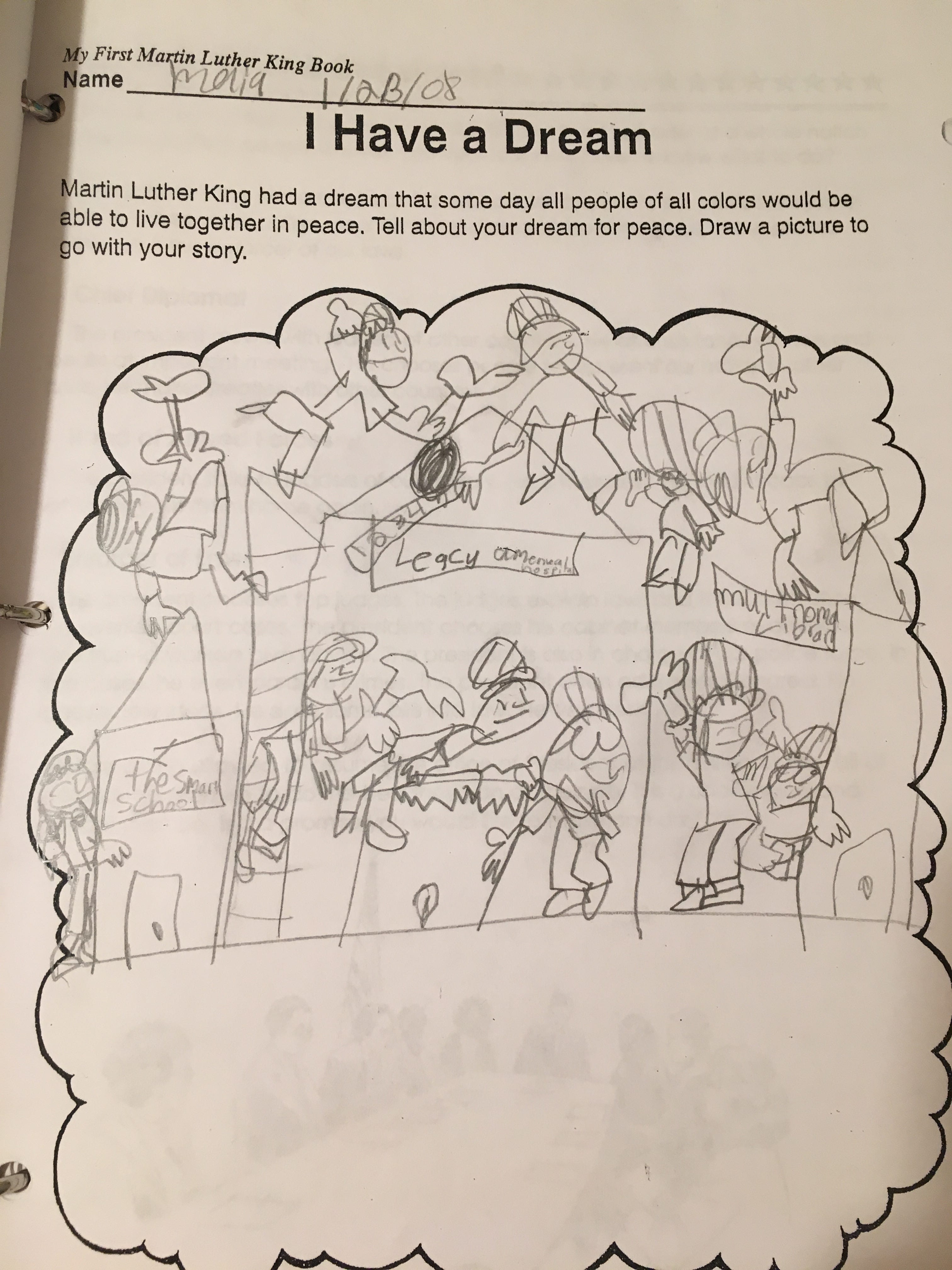
Elementary school had actually suited me, in its rigidity. The rules were posted on the wall. The teacher stated them clearly and repeated them until they were memorized. "Be nice." "Take turns." "Raise your hand." These were instructions I could follow. I was good at following instructions. What I was not good at, what I had never been good at, was something that would start mattering enormously— reading a room.
As it turns out, the ability to survive in one’s true, authentic quirkiness is an age-dependent phenomenon which favors the young. And adolescence was coming.
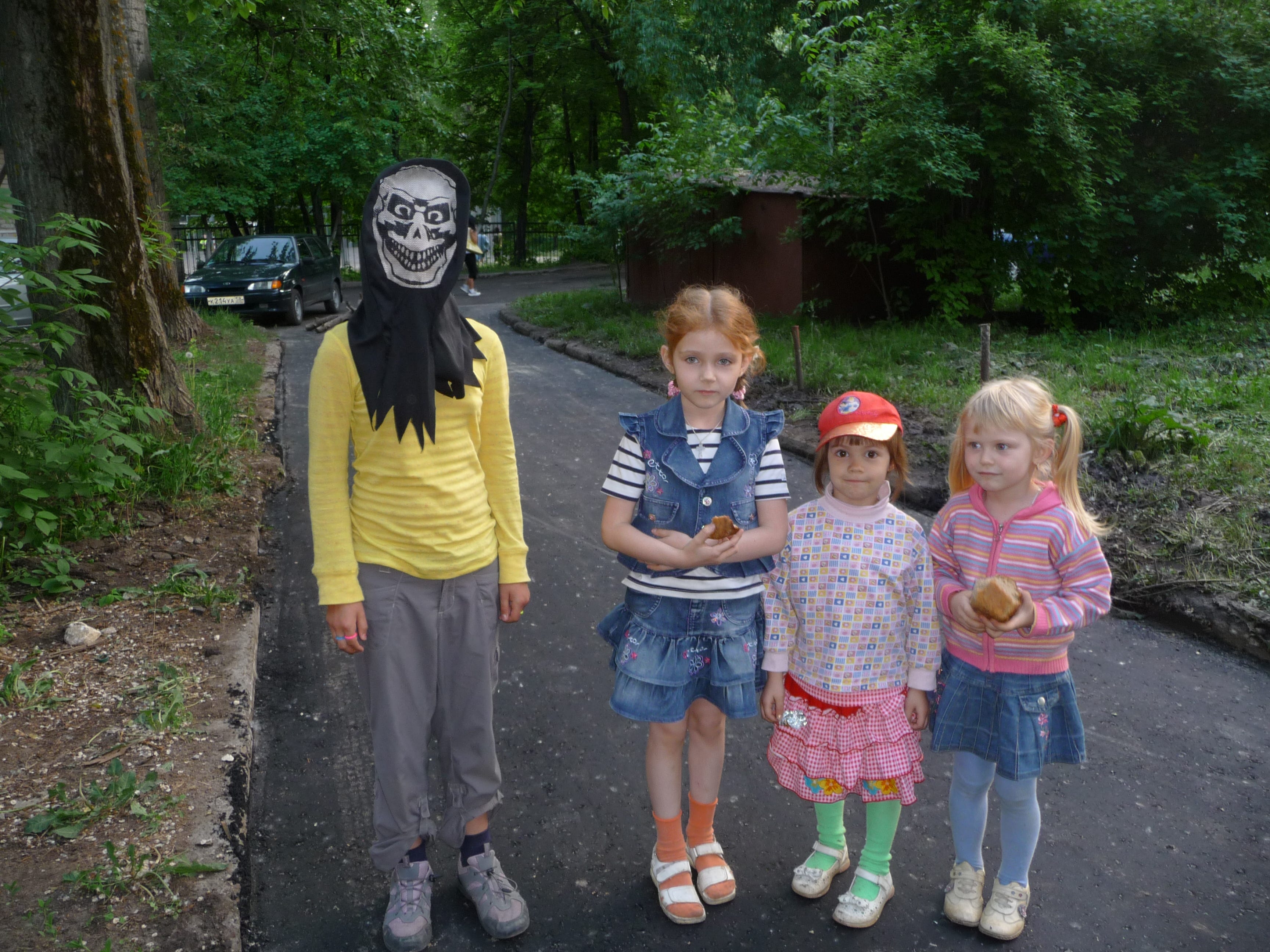
The research literature on autistic girls documents this pattern. In childhood, girls often mask their autistic traits through imitation of the behaviors of others (including copying their tone, hand gestures and exact words), through rigid compliance with stated rules, and compensatory behaviors, such as weaving in and out of group activities to mask their social deficits, and with “good girl” (people pleasing) behaviors. These masking strategies work reasonably well when the social environment is structured and the demands are explicit (Dean et al., 2017; Hull et al., 2018; Lai et al., 2015)¹. But they extract a cost that isn’t visible until later.
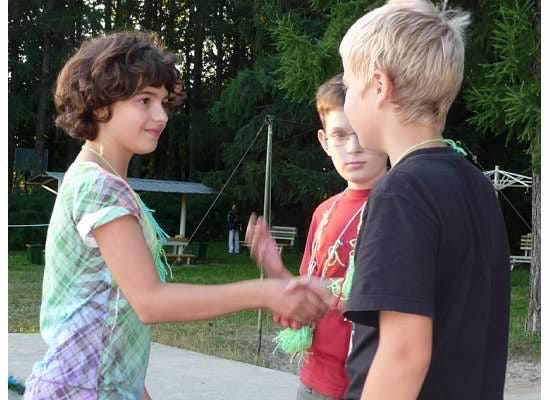
The more a girl learns to manage her behavior to meet the stated expectations of others, the less she practices noticing what is going on inside of her own body. Over time, she loses a sense of what she needs, what overwhelms her, and what is just too much right now. What appears to be a successful, well-adjusted and quirky little girl who doesn’t cause problems for other people will soon begin her evolution into a teenaged girl who doesn’t know who she is, at all.² The unpaid bill of a decade of missed social learning eclipsed by a surface-level performance of pseudo-compency, tends to come due in adolescence. And when it does, it usually comes due all at once.

By nine and a half, puberty arrived and with it the full weight of what being a girl was apparently going to begin requiring of me.
In the early stages of puberty, I was still in denial that I would grow up to be a woman. I was having fun occasionally running around shirtless in the summer and being a socially oblivious oddball until breast buds began to grow, and suddenly, along with them came a cascade of expectations: that I would become more focussed on my appearance, that I would grow out my ‘beautiful’ (and difficult to manage) curly hair and have to feel it touching my ears and neck with every gust of wind, that I would have to begin uncomfortably removing all of my increasingly dark body hair.
And then there were the bras, which in theory did not horrify me, though in practice they absolutely did. The had straps that twisted as I moved. In a small, contained strip of fabric there were multiple different textures. I had to feel a new extra garment covering only my chest rather than merely the predictable sensation of a shirt. It made me want to scream. I now found it difficult to focus on anything else.
By the end of fifth grade, by the time I got my first period, I had arrived at the realization, with considerable mixed feelings, that I was in fact a girl, and that this was not going to change. Most kids reach this understanding, called sex constancy, sometime around first grade. It is considered a standard developmental milestone. But I was not most kids.
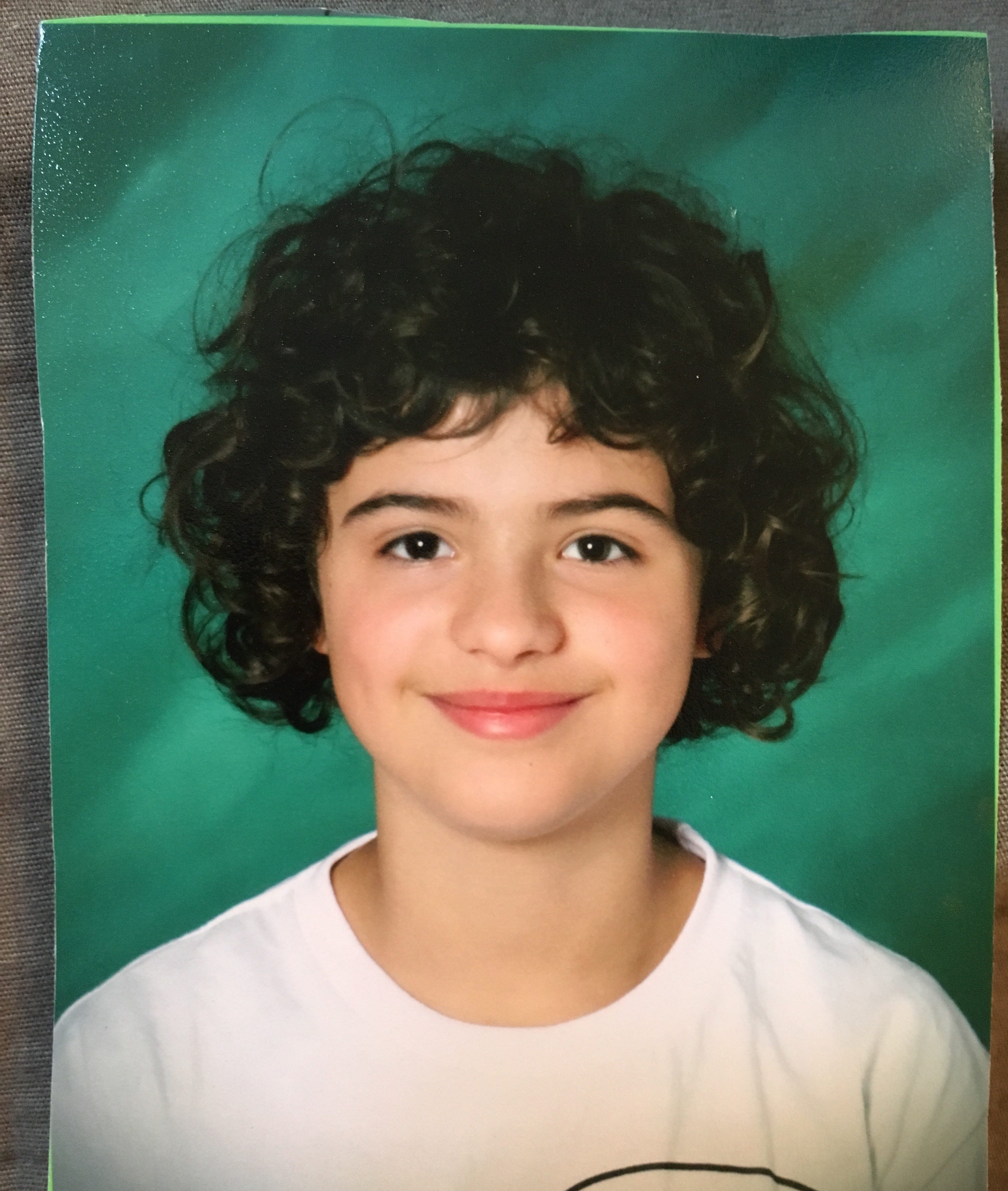
My developmental trajectory was, to put it charitably, its own thing entirely. I had genuine delays in some areas requiring my parents to work what amounted to two separate full-time jobs; one paid, one consisting of shuttling me between appointments and then doing the work themselves when the clinicians turned out to be largely useless, while simultaneously presenting as obviously gifted enough in other areas that the adults around me never quite put it all together. I could memorize entire children’s books as a toddler after a single read-aloud. However, I consistently struggled to understand what my teachers were asking me to do. The gap between those two facts should perhaps have told someone something. It did not.
What I know now, is that autistic kids are significantly more likely to struggle with sex constancy than their peers. Notably, this holds even when you control for IQ. Autistic children with and without intellectual impairments lag behind non-autistic IQ matched peers on these skills. Which is to say: it is not about being smart or not smart. There is something specifically autistic about the way appearance and reality get processed, or, in my case, not processed, until the evidence becomes literally impossible to ignore. For me, that evidence arrived in the form of a menstrual period. It’s hard to argue with that.
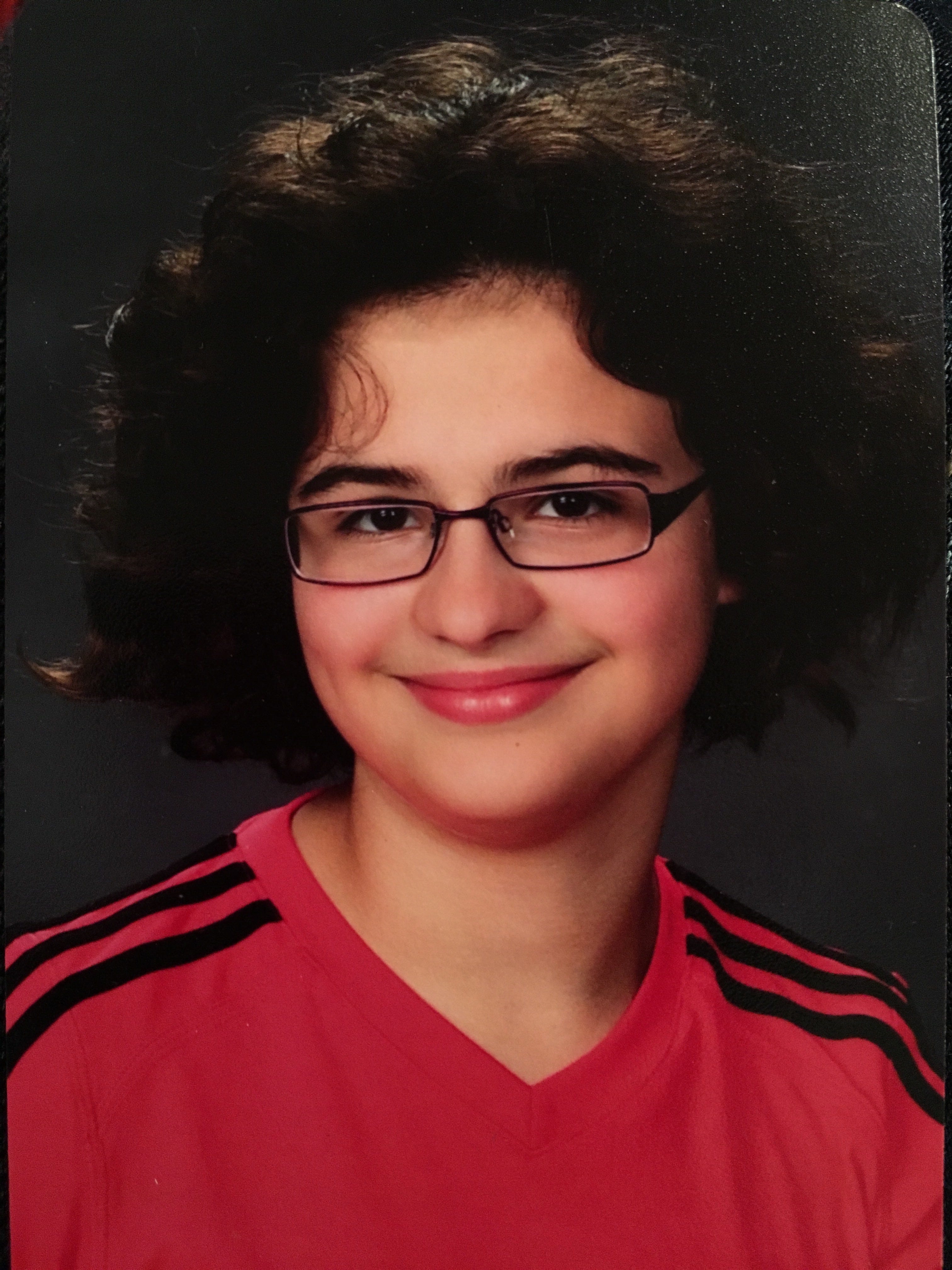
As the sensory hell of puberty raged, the social communication rituals of my female peers became increasingly non-literal. They began to rely on sarcasm, the backhanded compliment; they built social hierarchies defined by trendy clothing as a status symbol. In unison, they began to wear cosmetics on their faces, which they somehow managed to tolerate the feeling of all day. Their social skills were rapidly advancing, and mine were not. I was confused by them and quite happy to continue spending my afternoons researching rare medical conditions for fun.
The masking strategy that had carried me through elementary school; smile, nod, memorize the explicit rules printed on a classroom poster and follow them enough to draw no attention to myself so I could drift off into my imagination where the lights were not fluorescent, where my socks did not have bothersome seams and where I did not hear a classroom full of pencils and erasers scratching on paper, had suddenly stopped working so seamlessly. You cannot smile and nod your way through a conversation that is happening almost entirely in subtext and have the charade that you understand what your peers are communicating actually be believable. You will eventually smile, nod, or laugh at the wrong time, and everyone will understand that you are not human like they are, but that you are actually an alien who has landed on Earth and is only pretending to understand them in an effort to bide enough time to learn their girl human ways.
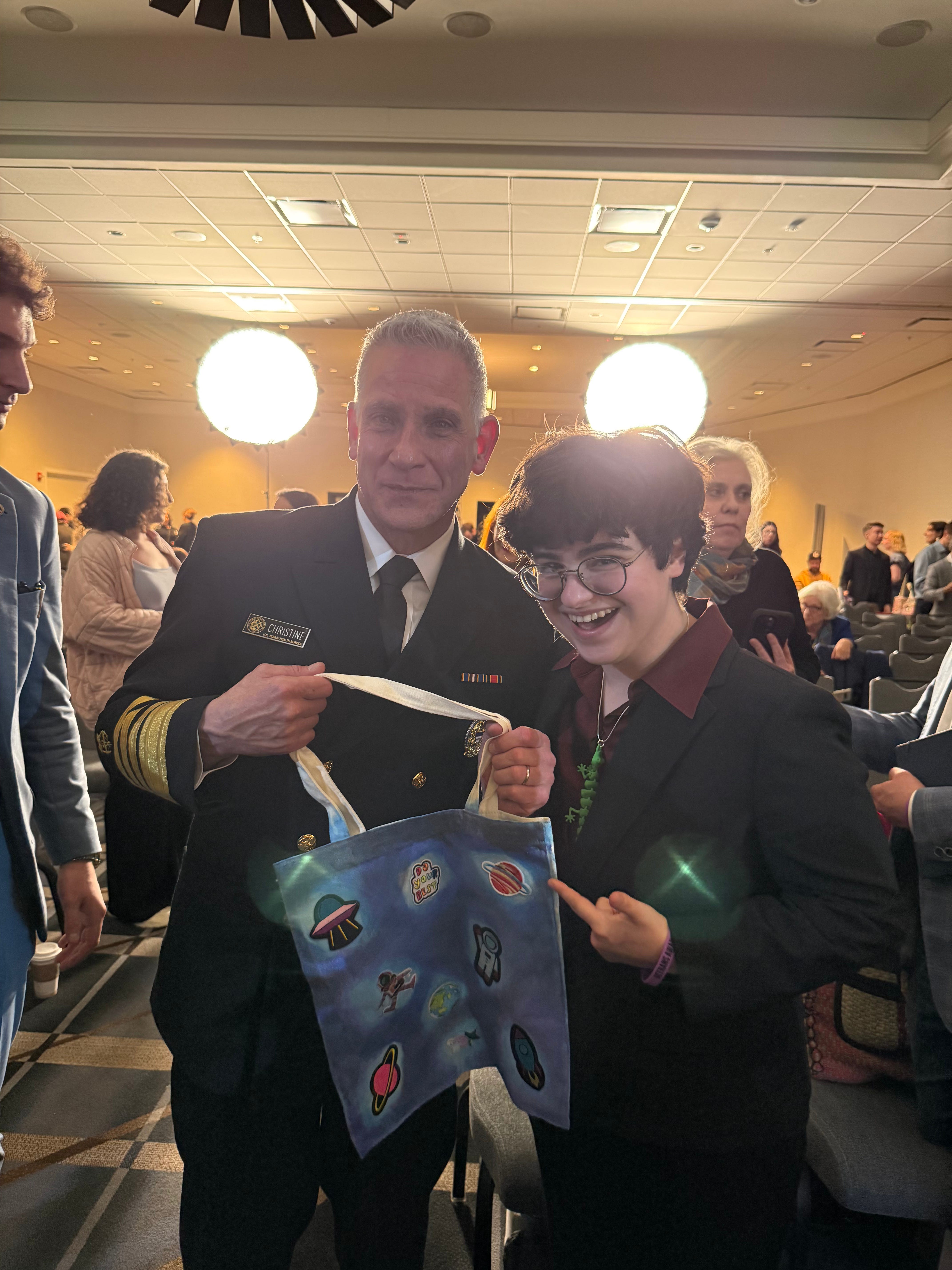
The girls in my grade had undergone some kind of coordinated social software update I had not received. It wasn’t just that they showed up to the first day of seventh grade in what seemed like a collectively planned outfit, wearing makeup, having apparently agreed on all of this over a summer. Even the words they used no longer meant what they used to. “Basic” was no longer just referring to the bare minimum. “Extra” no longer meant more than the bare minimum. “Throwing shade” was a nonsensical statement on its face. “Spill the tea” had nothing to do with spilling any tea. All of these words and phrases carried layers of social meaning that seemed obvious to everyone else and completely opaque to me. And slang was only the surface of it. Underneath the slang was tone, timing, gesture, implication, hierarchy — a constantly updating codebook that everyone else seemed to have been born holding, and which I had never been issued. I was unaware of all of these nuances. At one point, I even wondered whether kids my age were perhaps brain injured and incapable of using words correctly.
When I did what any reasonable person would do and asked what a word meant, one of two things happened: either someone explained it to me, which still marked me as strange, or more often, as the girls had begun building social hierarchies and learned that status could be gained by tearing others down, I was made to feel stupid for even asking.
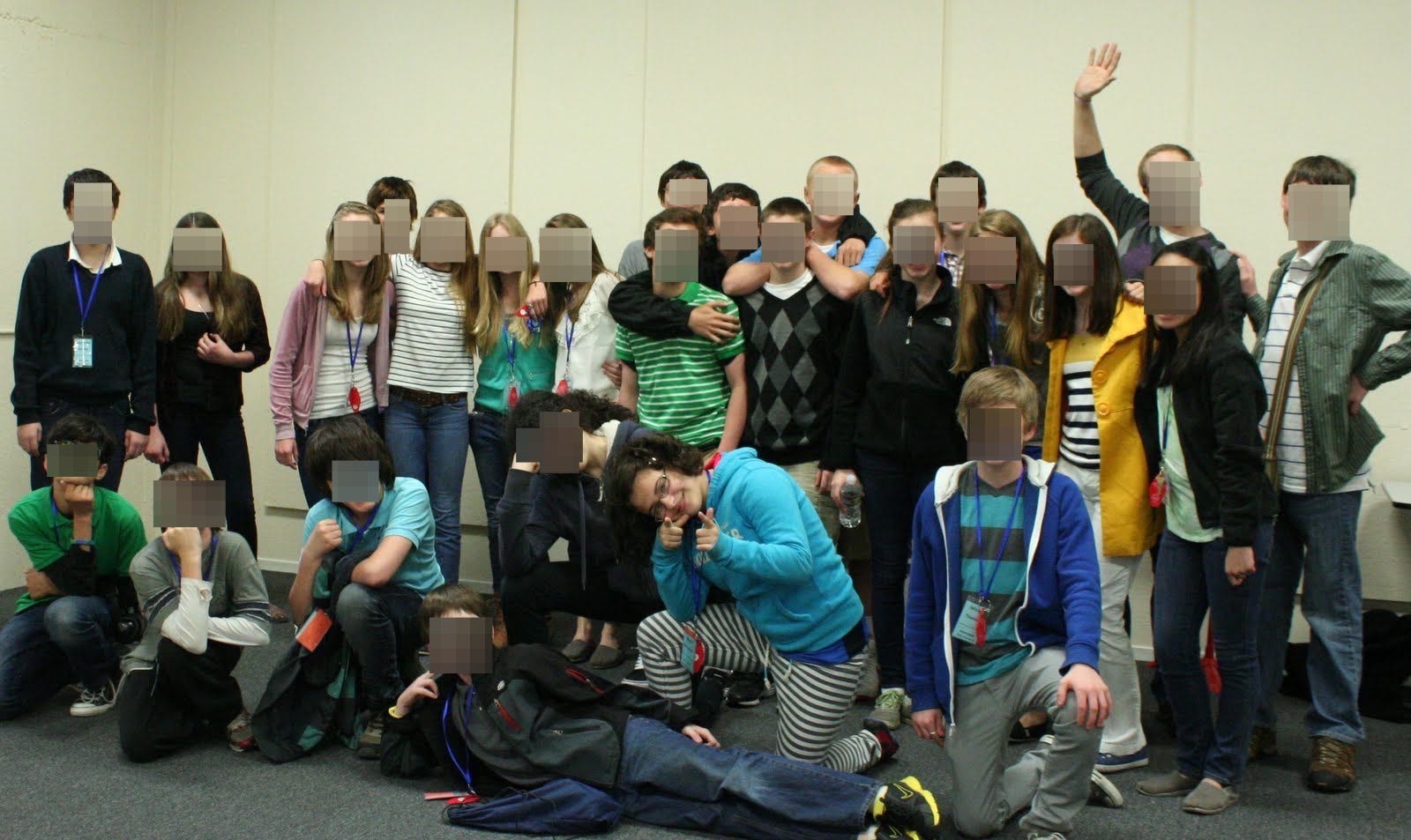
It should come as no surprise that I found the boys in my grade significantly less socially treacherous to navigate. They were way less socially developed, not playing these games yet, and asking them a clarifying question was a much safer bet. There was also another reason I was gravitating toward boys by this point, though I had no framework for it yet: I was experiencing romantic feelings for girls and had absolutely no understanding that this was what I was feeling. My hypothesis involved some kind of complex illness or a brain injury, which when my parents took me to the doctor for, showed that I was healthy. What I did know for sure, was that being around boys was not awkward in the way being around girls had just become.
I also felt confident in my ability to understand just enough of the boys’ social universe to make it out of middle school alive, whereas the girls had formed what felt like an estrogen-fueled impenetrable force of rapidly advancing social development. I could spend hours with a pen, a notebook, and a textbook trying to understand the peculiarities of their behavior by effortfully decoding it with whichever diagnostic or developmental cipher I managed to find either within one of my parents’ parenting books, Meyers-Briggs Personality Type tests, all of which felt flimsy and non-actionable to me until I began to delve into the sturdy predictability of various diagnostic criteria I took great pleasure in memorizing. Despite my tremendous efforts, I felt perpetually unable to ever master even an iota of it.
I became acutely aware of just how much I was living on a different planet from everyone else and grew increasingly insecure about what I thought was a flaw in my intelligence, and out of self-preservation retreated into a mixture of even more books about parenting, child development and about various learning disabilities and neurodevelopmental disorders I had become obsessed with learning everything there was to know about.
It is worth being precise about why. It was not just that the social demands had increased. They had changed in kind. Non-autistic adolescent girls tend to navigate social environments through implicit cognition: rapidly reading emotional nuance, relational subtext, unspoken dynamics. Autistic girls, by contrast, tend to rely on explicit, systematizing rule-based processing: conscious inference, pattern memorization, careful observation of surface behaviors.³
Autistic cognition is, at its core, systematizing cognition. It is very good at finding the rules, memorizing them, and applying them consistently. The problem is that adolescent female social life stops being governed by consistent rules. The rules become implicit, unspoken, and constantly renegotiated by a group of people who never consciously agreed on them in the first place. You cannot systematize a system that its own participants couldn't articulate if you asked them to. It is the difference between learning a language from a textbook and being dropped into a country where everyone speaks it natively; except that in this version, the language changes every few months, nobody wrote it down, and asking someone to explain it to you marks you as an outsider immediately.
Autistic social camouflaging, or “masking” intensifies during early adolescence and is associated with increased psychological distress.⁴ Studies indicate that earlier in life masking strategies relying on imitation and behavioral compensation become less effective as social systems become more implicit and less governed by explicit rules.⁵ I believe that the biopsychosocial changes emerging at adolescence create a developmental inflection point at which it becomes harder for girls to continue masking their autistic traits with the same old strategies. New social demands require new software updates to keep up the pretense that you know what the hell is going on around you. So, absent an intellectual impairment, autistic girls do what they do best: figure out ways to adapt to the new, unpredictable social landscape associated with growing up as an embodied female, by attempting to gain some kind of control over the situation, and namely, over how they are perceived by their peers.
At this point, I theorize that there seem to be at least three broad directions an autistic girl might move in, when her previous masking strategies cannot effectively meet the new demands of adolescence.
The first two are noted in the literature, and the third is my novel contribution to the discourse.
To intensify her previous masking strategies, attempting to ‘double down’ on feminine appearance and social role performance.
To develop a restrictive eating disorder like anorexia nervosa
To develop intense cross-sex ideations which crystallize into a trans(masc) or ‘male’ identity and often escalate into intense transition desire.
Some will move sequentially through them, or move between them non-sequentially, attempting to get some semblance of control whereas others will more ardently stick to one.
The first possible response to the developmental inflection point of adolescence, is to intensify ordinary masking: by intentionally and effortfully (rather than naturally or intuitively) becoming more agreeable, more outwardly feminine, more perfectionistic, more imitative of her female peers, more self-monitoring; effectively to “girl” better socially. Having met many autistic girls and women over my life, it seems to me that most of them (at least historically) will stay here for a very long time. This comes with its own, well-documented, mounting mental health costs which are then also usually masked until they simply cannot be anymore. For some, this crisis hits sooner than for others. I suspect it could be the result of temperamental differences in distress tolerance or the explicitly stated value of social role conformity and pressure put on a girl in her environment, though I am not sure.
The second possible response to the developmental inflection point of adolescence is to increasingly problematize the changing body as the primary source of distress via an eating disorder. Change of any kind is particularly stressful for autistic people: the more unpredictable, the more existentially dreadful. The body in puberty is nothing if not unpredictable. This problematization can take different forms, the most common of which is an eating disorder. In my opinion, restrictive eating disorders like anorexia nervosa, functions for some autistic adolescent girls, as an attempt to stunt pubertal development and regain control over a body that has begun changing suddenly and without her permission. The overlap between autism and eating disorders is substantial: in one adolescent anorexia sample, ten percent met full diagnostic criteria for autism and another forty percent showed elevated autistic traits.⁶ Rather than trying to socially perform the shifting expectations of the teen girl category, or exiting the category of girl, this strategy attempts to arrest it; to freeze the body at a point before the social demands became unbearable.
A third possible response to the developmental inflection point of adolescence, I theorize, is for an autistic girl to mask her autism with a trans identity. This path shares features with the eating disorder strategy by problematizing the changing body as the source of distress, while also rejecting the impulse to intensify the classic masking strategies described in the literature which mostly amount to “being better at being a girl”. These autistic girls, instead of attempting or continuing to try to perform the category of “girl” better, could do what I did, and choose to step outside of it altogether. Then, the pursuit of biopsychosocially attempting to embody either ‘boy’ or “transmasc” becomes the masking strategy of the autistic adolescent girl. It should go without saying that the adolescents who do this are very unlikely to have any insight into their behavior, so using this as a ‘gotcha’ is not something I would advise for either parents or for clinicians. Nonetheless, it may be an important framing to keep in mind when trying to understand and better meet the needs of this population.
Why some girls respond to this developmental inflection point by doubling down on a social performance of femininity, whereas others stop eating, and others still decide they need to become boys, I can only conjecture about. There are huge variations in temperament, distress tolerance, environmental acceptance of non-conformity at various life stages, traumas, family dynamics, cultural values and the type of social media messaging which contribute to the overall picture. I suspect however, that one vector worth looking into is Pathological Demand Avoidance.

I want to introduce a concept here that I think is genuinely useful for understanding a particular subset of autistic girls, even though it’s imperfect and a bit controversial: pathological demand avoidance, or PDA.⁷
PDA is a behavioral profile, not a formal diagnosis. Some clinicians and researchers find PDA to be an extremely clinically useful in understanding a specific subtype of autists, whereas others are skeptical of it, partly because similar behavior patterns can show up in people with complex trauma, ADHD, or anxiety, and partly because some people feel it pathologizes what is essentially just a strong drive for autonomy. I’m not going to adjudicate that debate here. What I am going to do is describe what it looks like, because I think the description is illuminating.
At its core, PDA is what happens when an autistic nervous system treats demands not as difficult or unpleasant, but as genuinely intolerable and reorganizes the person’s entire social existence around avoiding them. The demands in question can be anything: a direct instruction, an implied expectation, an internal bodily need such as cues that one needs to use the restroom or to feed themselves. The specific avoidance strategies used by this population are creative and wide-ranging: distraction, excessive flattery, elaborate excuse-giving, withdrawal into fantasy, outright refusal, and when everything else fails, aggression.
One thing that tends to be consistently noted in descriptions of PDA is a particular comfort with role play and pretend and with inhabiting fictional or alternative selves, that goes well beyond what you’d typically expect. Reality, with all its demands, is simply easier to manage from inside a different version of yourself.
Now sit with that for a moment in the context of what I’ve been describing.
If an autistic girl experiences femininity not as a set of difficult social skills she hasn’t yet mastered, but as a category of never-ending demands to sacrifice her autonomy which her nervous system finds fundamentally impossible to comply with: pursuing gender transition becomes nearly indistinguishable from her previous demand-avoidant strategies.
Though the language she is given in online communities sounds like “I am figuring out who I really am,” the utility she is experiencing may actually be closer to “I cannot keep doing this, and I have found a structure that gives me permission to make others stop requiring this of me.” The social strategies involved in this demand avoidance, including; the elaborate reframing, the construction of an alternative identity, the insistence that the original demands of femininity should never have been considered applicable to her— follow the same basic architecture as PDA-style demand avoidance. Additionally, the noted comfort with inhabiting an alternative self, with role play, with pretend, that too fits, uncomfortably well, with what we know about the role of narrative construction and ideation in adolescent gender identity development. I’ve written a bit about that in my gender identity ideation series here:
How Transition Makes Dysphoria Worse Without You Realizing It
·
April 18, 2025

For those grappling with gender dysphoria, transition is often presented as the only viable path to relief—a linear journey from suffering to self-actualization. The dominant narrative insists that transition, whether social, medical, or surgical, will align the mind with the body, ease psychological distress, and allow a person to live authentically. B…
I want to be careful here. I am not saying that every autistic girl who declares a trans identity has similar, pre-existing PDA behavioral patterns. I am also not saying that transgender identification is always a form of pathological demand avoidance in this population.
What I am saying is that for a specific subset of these girls, those whose perceptions of what it means to enter emerging womanhood entail meeting standards of femininity which she perceives to be an intolerable set of never-ending demands — the framework of PDA has some explanatory validity.
It is clinically important to distinguish between a girl who is at the time she is presenting with discomfort around her sex/gender— really struggling to intuit and therefore to effortlessly meet the implicit social demands of the category of womanhood into which she is emerging, and a girl whose nervous system has categorized the whole thing of ‘being a girl’ as something she will never be able to do because it is sensorily intolerable. There are various well-known workarounds to decrease demand avoidance in the latter population, which should be utilized so the adolescent can think more calmly about herself, rather than being encouraged to making decisions on the basis of a fight or flight response.
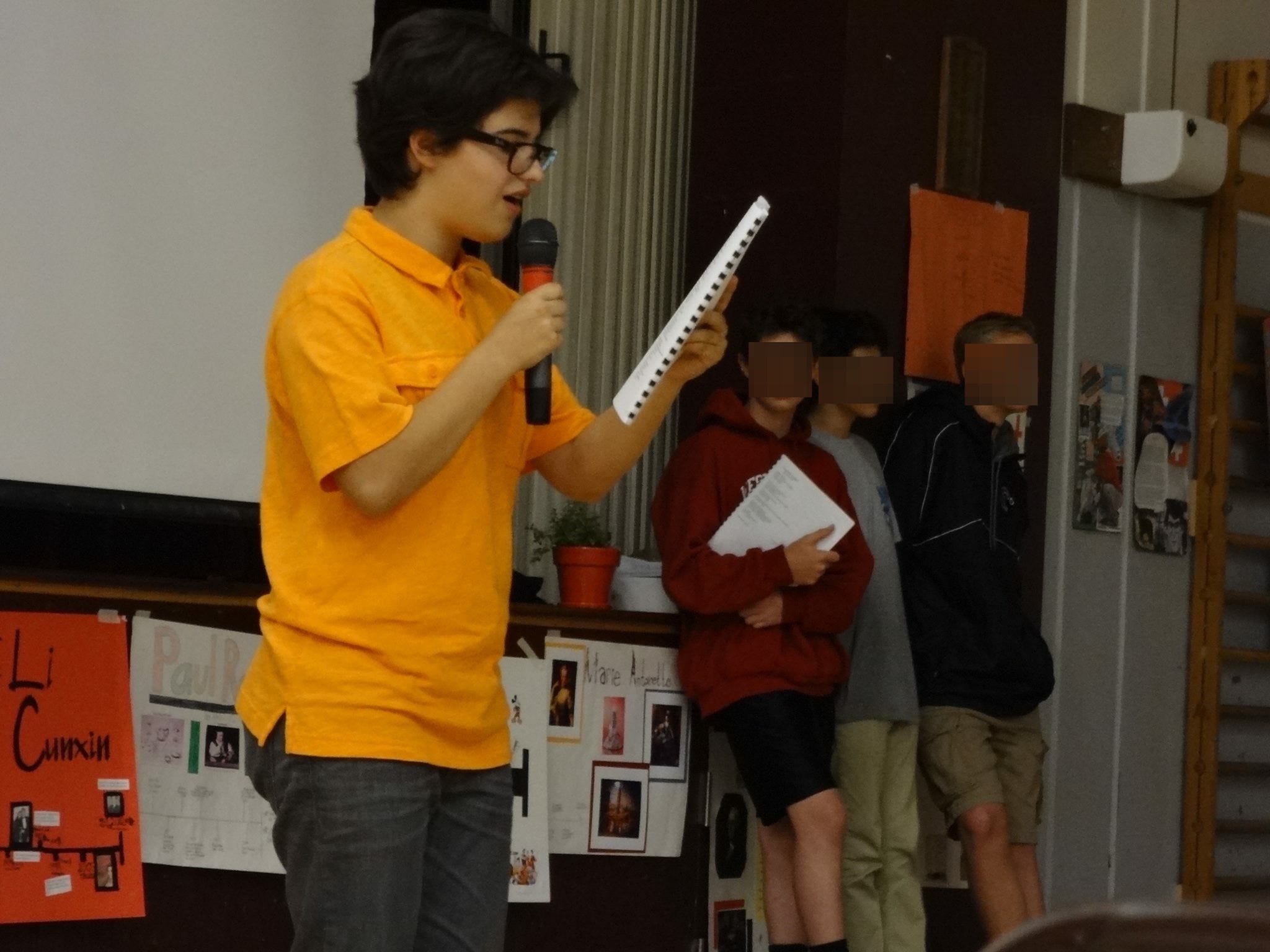
In the years leading up to my transgender identification, there were many indications that something about the way I functioned in the world, was very different. In summary:
I was already struggling academically under the weight of severe, undiagnosed and unmedicated ADHD. My attention was captured only by the few obsessions I happened to have at any given time. I had no ability to track fictional plotlines, which depended on an age-appropriate grasp of social nuance I found exhausting in real life, and I saw no reason to voluntarily subject myself to more social scenarios I couldn’t decode as a form of leisure. I had a zero-tolerance policy for fictional movies. I had always chosen nonfiction over fiction, but the older I got and the more my peers communicated through cultural references and layered social meaning, the further behind I fell.
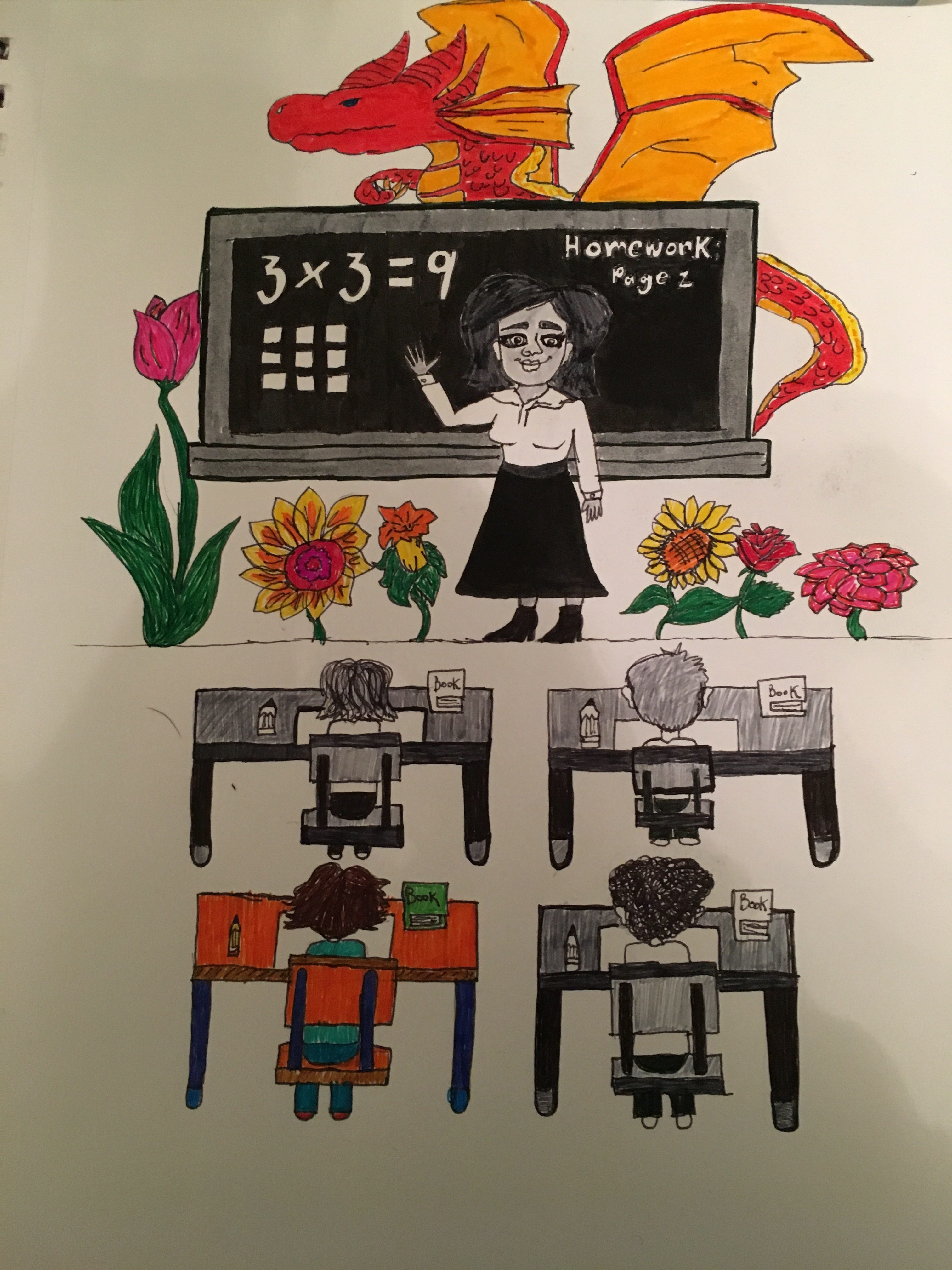
At some point, I realized that trying to find the right prefabricated set of logics to understand the erratic behavior of my female classmates was an exercise in futility.
Though around middle school, I became increasingly aware that the other girls made absolutely no sense to me, and both their social behaviors and their verbal communication endlessly confounded me, I was (have always been, and will always be) an extreme extrovert. My extroversion manifested as floating around different social groups, finding a group of boys whose humor I could parse and all of us collectively pulling pranks on the teacher. All of them got caught, and somehow, I never did. Beyond that, I didn’t really have meaningful friendships with other kids my own age. I didn’t significantly desire to have friends over, or know how to form the types of friendships that others did. I’ve never experienced “stage fright” and because I’m definitionally obtuse to understanding how others perceive me unless they tell me explicitly and in a non-coded way, I at least wasn’t also distressed by that aspect of social interaction. If kids called me mean names, I certainly didn’t pick up on it. Despite all of my oddities and lack of close friends, I somehow managed to become extremely popular with my peers for reasons that I to this day, do not entirely understand.
By this point in middle school, in seventh grade I was also still, in some respects, catching up to developmental milestones most of my peers had passed years earlier. I knew something was deeply different about me. I was gullible in ways I couldn’t protect myself from. I couldn’t detect sarcasm. It took an eighth-grade English class on rhetorical devices to give me even a rudimentary framework for the idea that words could mean something other than what they said — and that was the literary version, which at least came with a textbook.
In my desperation to understand what was wrong with me, I had already graduated from Myers-Briggs personality types to parenting books to the DSM-4. Memorizing diagnostic criteria gave me a feeling of mastery over a world I couldn’t understand intuitively. I was good at memorizing information, but could never recall it quickly enough to actually integrate it or to act on it in the midst of the sensory onslaught presented by an average social interaction in a crowded school.
About a year into this line of exploration, I began to spend a lot more time online trying to do the exact same thing that I had previously been doing in stacks of books. It did not take me long to stumble across the concept of a female-to-male sex change.
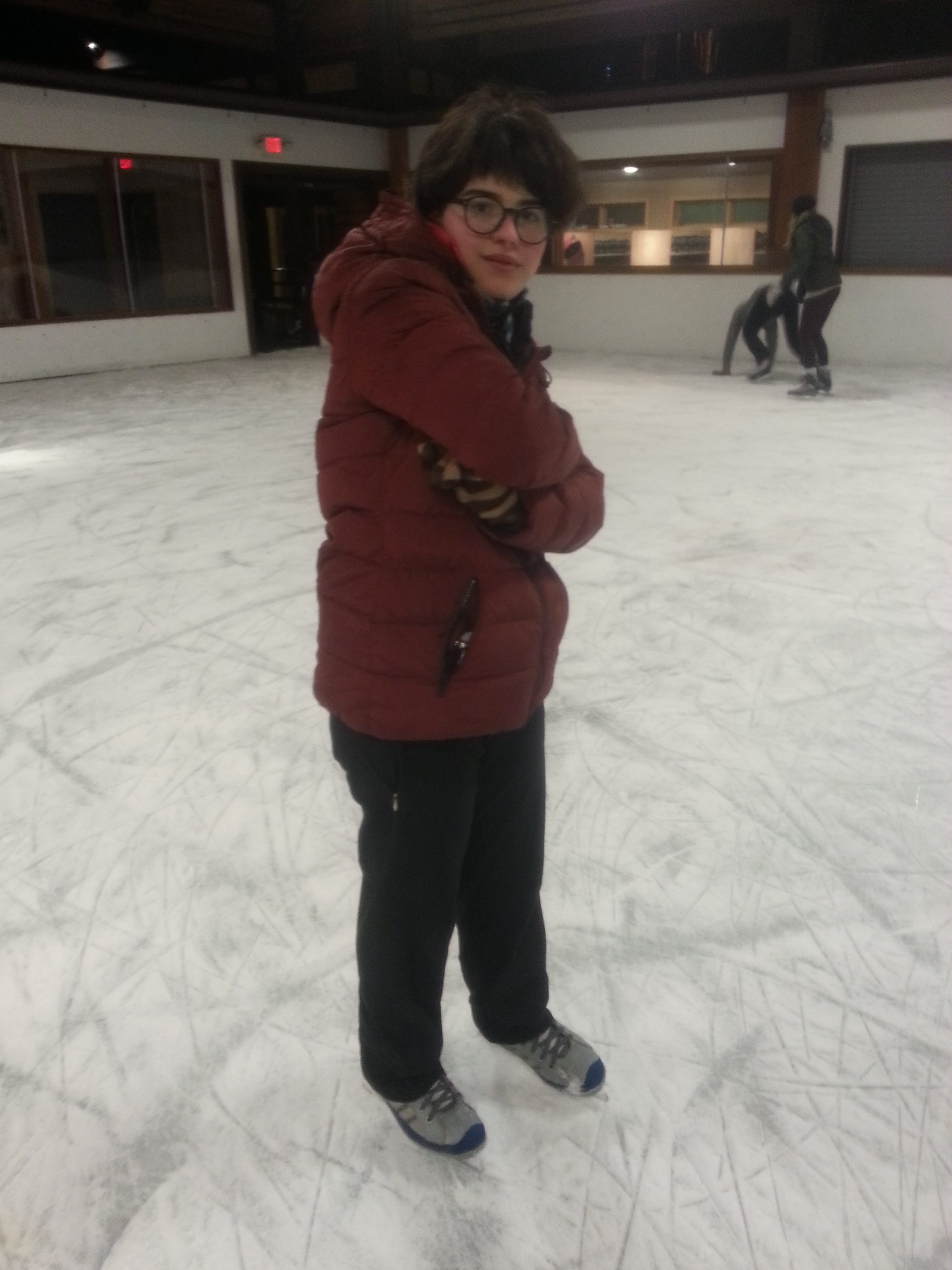
For me, my trans obsession started the same way every other obsession of mine had started: as a medical curiosity. I was already fascinated with the pituitary gland, and I began wondering whether the pituitary glands of trans patients could be altered so they wouldn’t need exogenous hormones for life. The question pulled me deeper. And somewhere in that process, what had begun as intellectual investigation morphed into something else: a self-concept.
The trans identity framework had a utility for 12 year old me that I think is worth enumerating carefully. Each thing it offered was precisely something an undiagnosed autistic girl in an adolescent crisis would find its own utility in.
First, it gave me a socially legible reason to opt out of female social performance. I couldn’t stand the constant expectations; to uncomfortably remove my body hair, the bras with the aggravating straps, the elaborate codes of feminine conduct. I was already so far behind on female social learning that actually mastering it felt impossible. Trans identity gave me a principled basis for refusing to continue trying, only to keep being lost, miserable and ultimately to fail. No longer did I have to say “I can’t keep up this female social performance because it is impossibly difficult to retain my sanity at the same time. I know you expect me to just keep trying harder, but I just can’t do it anymore. I am a failure.” Instead, I could express something along the lines of “I don’t have to do this ‘pretending to be a girl’ thing, because I was never meant to be a girl. No wonder I failed at it. My female body is the mistaken vessel for my ‘male’ (read: systematizing) brain. If I am just allowed to be a boy, you will no longer have to deal with the fact that I am a failure of a girl.”
Second, it gave me language for experiences I had no words for. The trans vocabulary: gender dysphoria, gender identity, born in the wrong body, all functioned, in a way, like the echolalia I had used to communicate requests to my parents as a toddler. Except this time, I was an adolescent. So the language was more emotionally complex. I could repeat frameworks I’d absorbed and use them to describe myself without having to construct the description from scratch. This gave me a feeling of self-mastery I had never had before. I’ve actually written an essay for Genspect about this subtopic, titled “How Gender Ideology Became the New Script for Autistic Girls.”
Third, it offered me a structured path forward. Rather than continuing down the path of visibly failing to become a girl, I now had a clear set of steps: come out, bind, socially transition, eventually figure out how to access high doses of testosterone and surgeries when continuing the charade required such things. My previously ambiguous future now could be scaffolded by me into a predictable set of steps. This alone eased many of my anxieties about what was to come.
Fourth, and this is the part I think gets missed most often: there are extensive online guides for trans men on how to pass. How men versus women stand, sit, dress, gesture, take up space. These guides are functionally, a social rulebook. They are explicit, enumerable, and require no intuition to master. This type of social learning was infinitely easier to memorize and follow than the unwritten, constantly shifting, subtext-dependent rules of female adolescent social life that I had been failing to master for years.
Fifth, and perhaps most painfully: I thought pursuing a trans identity might finally give me something akin to an answer that I could bring to my parents. Something that would explain me to them, and maybe, in doing so, explain me to myself; as something other than a lifelong failure at being normal and uncomplicated. Though my parents were with me every day and highly involved in my care, even they did not know just how much I was struggling. In the early years, even I did not know how much I was struggling. I thought being confused by almost everything, all the time was normal.
Trans identity was the first framework I found that seemed to answer every question about what I knew to be wrong with me, what it would take to fix me and a clear plan to rigidly follow with a promise of feeling better.
For a brain that craved conceptual frameworks above all else, trans wasn’t really my identity per-se. It did, however, become my operating system.

This is also why the transmasculine framework can feel so immediately, viscerally adaptive to a stressed out autistic girl who has long been good at hiding her distress to appease others; it does some real heavy lifting in the short term. It says: you do not actually have to become better at being a girl. You can stop trying. You can stop wearing the intolerable things, tolerating the textures, deciphering the hierarchies, and failing the never-ending social-emotional performance review. You can name your difference in a way that sounds coherent and all-encompassing. And because this relief is immediate while the costs emerge slowly, it does not feel like yet another form of masking. It feels to that adolescent, more akin to an “aha” moment.
That distinction matters enormously. Adolescents who adopt transgender identities (whatever that means to them) are probably not asking themselves, “What function is this identity change serving?” They are asking, “Is trans really how I feel?” and once they can find enough bits of evidence to lend to that explanation, it becomes “How do I get my parents to go along with me on this, so my life can be more bearable?” The transgender framework for self-understanding provides answers to those existential teenage questions in a deceptively simple way. Having a perceived element of certainty within escapism is perhaps the most alluring thing there is for a teenager who is simultaneously trying to navigate the inherent category/role instability of adolescence, while also attempting to do so by intellectualizing their way into self-understanding rather than by developing it through embodied life experience.
It seems to me now that what I was doing, arriving at a trans identity at twelve, was not so different from what I had been doing since I was old enough to notice that the world confused me. Trans identity was simply the framework that finally stuck. Not because it was the most true in a metaphysical sense, but because it was the first one that explained enough of my chronic problems to feel like a complete answer.
The maladaptive side of this, which I could not see at the time, is that the original social and cognitive mismatch remained entirely untouched. My increasingly severe sensory processing issues only got worse. The breast binder calmed me down from a compression standpoint, which only caused me to give more credence to the trans framework’s explanation of how I ought to live my life. Because the breast binder calmed down so much, I also became totally unaware of how much it was actively damaging my body.
Why Do So Many Autistic Girls Bind Their Breasts?
·
March 25, 2025

Less than a week after graduating from high school, I celebrated my 18th birthday at an indoor trampoline park with a few of my closest friends. We spent the afternoon climbing ninja courses, doing front flips into foam pits, and throwing foam balls at one another- jumping …
The masking literature repeatedly shows that autistic masking or compensatory strategies can conceal difficulties without resolving them, and that the costs tend to show up later as exhaustion, anxiety, burnout, or identity confusion.⁸
A transmasculine identity used in this way reconfigures masking rather than eliminating it. The girl is no longer trying to perform ‘neurotypical’ femininity, but she may still be relying on scripts, monitoring, role performance, and externally supplied language to hold herself together. She has not stopped masking. She has found a new mask, and this one comes with medical consequences.
I am not writing this essay only about myself. Over the course of my conversations with trans people, detransitioners, and clinicians, and having spent an unreasonable amount of time researching autism instead of socializing with people my own age, I have been developing a framework that I think explains far more of the trans phenomenon than most people are willing to acknowledge.
The argument is this: for a significant subset of the girls now identifying as transmasc, the transgender identity is not the underlying condition. It is a mask for one. Specifically, it is a mask for undiagnosed or unaddressed autism in the form of a totalizing identity framework that organizes every potential source of autistic distress under a single, socially legible label, while leaving the actual underlying neurology entirely unaddressed.
Autism in girls is still sorely underdiagnosed. Girls on the spectrum are known to mask their autistic traits well enough to evade diagnosis. The literature on this is now substantial, even if it has been exceedingly slow to reach clinical practice.⁹ Higher levels of autistic camouflaging are associated with more anxiety, more depression, more exhaustion, lower self-esteem, and greater risk of burnout and suicidality.¹⁰ Masking does not protect the person doing it. It protects the people around her from having to recognize that something is wrong. What has not been adequately examined is what happens when that masking instinct meets, at the precise moment of adolescent crisis, an ideology that offers a new and complete identity to step into.
What happens, I believe, is this: the autistic girl who has spent her childhood failing to master the demands of her neurotype, and who has arrived at adolescence without a diagnosis and/or with a diagnosis but without adequate support, finds in transmasc identity a mask that fits better than any she has tried before. Not because it is literally true, but because it is the first explanation she has encountered that accounts for everything; the sensory distress, the social alienation, the bodily discomfort, the failure to become what everyone expected her to be.
In gender affirming clinical culture, this unconventional form of autistic masking is being unquestioningly, socially and medically enshrined by clinicians who cannot see that not only are they subjecting young people to needless medical harms, but that they are disrupting any chance at social development by ignoring the underlying causes.
In other words, gender clinicians are perhaps unwittingly trying to treat autism with gender transition. And that is unconscionable.
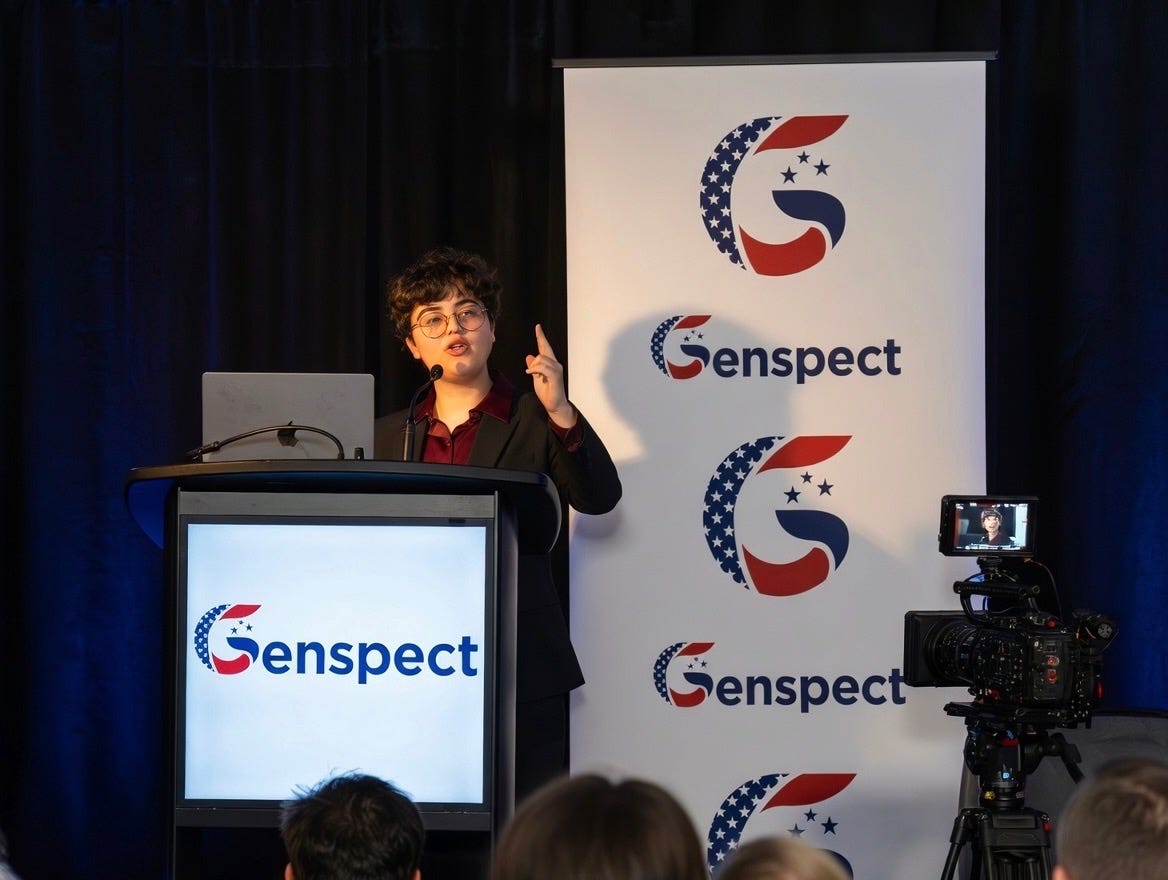
Even so-called “mild autism” can be debilitating to the individual experiencing it because the mildness, such as it is, is largely a description of how inconvenient the autism is to the people around the autistic person, not of how much it costs the autistic person themselves. An autistic girl who has learned to mask well enough not to disrupt anyone else’s life is still, on the inside, running a program that consumes enormous resources just to keep the lights on. The absence of visible disruption to others is not the absence of distress. It is the successful concealment of it. The concealment of it, as I have been arguing throughout this essay, is precisely the problem.
This matters enormously in the context of gender-affirming clinical culture, because what that gender-affirming clinical culture has effectively done (whatever its intentions) is to take one of the most elaborate and costly masking strategies an undiagnosed autistic girl could ever construct, and to enshrine it; medically, socially, institutionally and psychologically.
Clinicians who should be asking “what is underneath this?” are instead asking “how do we help this new identity along?” Gender clinicians are not seeing the masking for what it is, because they have been trained to treat the autistic girl’s mask as if it were her face. In doing so, they are not only exposing young people to unnecessary and often irreversible medical harms. They are also actively foreclosing the possibility of the kind of development that might actually help her to thrive; the slow, unglamorous work of building skills for genuine social understanding, understanding of her sensory issues (and building tolerance where necessary), and self-knowledge that no amount of hormones or surgeries or affirmation can substitute for.
This is iatrogenic harm in a specific and underappreciated sense. We typically think of iatrogenic harm as the damage caused by a treatment such as: the side effects, the surgical complications, and the medication’s interactions with pre-existing health issues. But there is another kind of iatrogenic harm that is harder to see and arguably more devastating: the harm caused by treating the wrong condition. When a clinician affirms a transgender identity in an autistic girl without ever investigating the underlying neurodevelopmental picture, they are not acting neutrally. They are making a diagnosis by omission. They are saying, implicitly, that the presenting distress is best understood as a gender problem. In doing so, they are ensuring that the actual problem remains unaddressed, unnamed, and untreated, possibly for years, while the window for early intervention closes.
The autistic girl who transitions does not stop being an autistic girl. She becomes ‘transmasc.’ Her autistic masking strategies become the mask she will be assumed to wear for life as it is permanently enshrined into her social relationships and eventually into her body. This is especially catastrophic when she is unaware of why.
But here is something equally important, and something I say from personal experience: the pure opposite of gender affirmation is not a solution either. My parents did not affirm my transgender identity for 12 whole years. And yet my underlying issues went entirely unaddressed for just as long, because non-affirmation, on its own, is not a clinical strategy. It is an ideological position.
Saying no to a confused kid’s transgender identity without having a coherent account of what is actually going on; without being able to name the masking, trace its developmental history, and without knowing how to tactfully offer something more accurate and more useful in its place: leaves the autistic girl exactly where she was before. Except now she also feels unseen and unheard by the people she needs the most.
My parents’ refusal to affirm me as trans and their parenting strategy, effectively prevented me from addicting myself to a lifelong regimen of testosterone injections and surgeries. What it did not do, was prevent me from being harmed with easy to access breast binders. It did not keep me from spending twelve years inside an identity that was doing the work that an accurate diagnosis and an autism/ADHD- informed parenting strategy should have been doing. The goal of parenting a kid through a gender crisis should not be affirmation and it equally should not be relying on non-affirmation to do the heavy lifting. In order to parent a kid through a gender crisis in a way that promotes their well-being and skill development, parents deserve to have at least a baseline of accuracy, which requires an understanding of what they are actually looking at.
What this means practically is that the adults best positioned to intervene are not the gender clinicians at all. They are the parents, the occupational therapists, the speech and language therapists, the family therapists with enough history to notice patterns across years rather than a presenting complaint in a single intake session. An occupational therapist working with a girl on sensory processing is in a position to notice that the child’s bodily distress has a sensory profile, not just a gender one. A speech and language therapist working on communication and social skills is in a position to notice that the child’s difficulty navigating female peer relationships looks a great deal like the social-cognitive profile of autism. A parent who has watched their child struggle since kindergarten with things other children find effortless is in a position to ask whether the sudden crystallization of a transgender identity in adolescence is a discovery of a true, authentic self or whether it is a desperate child’s attempt at finding a solution. And where it is the latter, whether the solution is worth interrogating before it is medically acted upon. I argue that it absolutely is.
This is precisely the work I do in my parent coaching sessions with families. The parents I work with are not parents who simply want to be told how to say no. They are parents who are trying to understand what they are actually seeing. They want to contextualize the emergence of gender issues on a developmental trajectory that, when you look at it carefully and through a neurodivergence-informed lens, often tells a coherent story that has little to do with gender and everything to do with a child who has been trying, in increasingly elaborate ways, to solve a problem that was never correctly identified. Together, we look at the whole picture: the early sensory sensitivities, the social difficulties, the masking strategies that developed long before the transgender identity arrived, the parent-child dynamics, the next stages of life, the ethos of the educational environment. And together we develop strategies; practical, neurodivergent-informed parenting strategies, that aim to address what is actually there, without getting distracted by the transgender identity framework that has been obfuscating the entire thing.
The transgender identity framework is very good at being distracting wherever it enters a family dynamic. It arrives with moral urgency, institutional backing, and a vocabulary specifically designed to discourage questioning. Parents who have not been given a more accurate framework for what they are seeing are enormously vulnerable to that pressure because they love their children and they are being told, repeatedly that gender affirmation is the only alternative to harm. It is not. But the only way to resist that narrative is to have a better one. And building that better narrative; one that is grounded in the child’s actual developmental history, attentive to the specific ways neurodivergent kids process distress and construct identity, and honest about what gender transition can and cannot solve — is what I am here to help with.
If any of this resonates with what you are seeing in your child, I would encourage you to reach out. The real work is not found in endlessly debating ideology. It is about seeing your child clearly. This is, in the end, the most protective thing a parent can do.
I hope this essay has given you some new insights. It took me weeks to write and to research. Next week. I’ll make a video of tips for how to translate everything I’ve just written into actionable steps that are aimed at parents and clinicians who care for young people like those I described. It will be available for paid subscribers, and linked in this post:
If so, I offer parent coaching sessions to help you figure out how to best navigate your specific child’s situation, in a compassionate and practical way. If this is of interest, please DM me on Susbstack or send me an email at officialpeacepoet@gmail.com
Endnotes
¹ Dean, M., Harwood, R., & Kasari, C. (2017). The art of camouflage: Gender differences in the social behaviors of girls and boys with autism spectrum disorder. Autism, 21(6), 678–689. https://pubmed.ncbi.nlm.nih.gov/27899709/
² Hull, L., Levy, L., Lai, M. C., Petrides, K. V., Baron-Cohen, S., Allison, C., & Mandy, W. (2021). Is social camouflaging associated with anxiety and depression in autistic adults? Molecular Autism, 12(1), 1–13.
https://pubmed.ncbi.nlm.nih.gov/33593423/
The long-term costs of masking — including exhaustion, threats to self-perception, and identity confusion — are also documented qualitatively in: Bargiela, S., Steward, R., & Mandy, W. (2016). The experiences of late-diagnosed women with autism spectrum conditions: An investigation of the female autism phenotype. Journal of Autism and Developmental Disorders, 46(10), 3281–3294.
https://pubmed.ncbi.nlm.nih.gov/27457364/
³ Lai, M. C., Lombardo, M. V., Pasco, G., Ruigrok, A. N., Wheelwright, S. J., Sadek, S. A., & Baron-Cohen, S. (2015). A behavioral comparison of male and female adults with high functioning autism spectrum conditions. https://pubmed.ncbi.nlm.nih.gov/21695147/
PLOS ONE; Hull, L., Mandy, W., Lai, M. C., Baron-Cohen, S., Allison, C., Smith, P., & Petrides, K. V. (2020). https://link.springer.com/article/10.1007/s40489-020-00197-9
Development and validation of the camouflaging autistic traits questionnaire (CAT-Q). Journal of Autism and Developmental Disorders, 50(3), 819–833; Wood-Downie, H., Wong, B., Kovshoff, H., Mandy, W., Hull, L., & Hadwin, J. A. (2021). Sex and gender differences in camouflaging in children and adolescents with autism. Autism, 25(6), 1701–1715.
https://pubmed.ncbi.nlm.nih.gov/32691191/
⁴ McKinney, W., et al. (2024). https://pubmed.ncbi.nlm.nih.gov/39734921/
⁵ Dean et al. (2017), as above; Wood-Downie et al. (2021), as above.
⁶ Westwood, H., & Tchanturia, K. (2017). Autism spectrum disorder in anorexia nervosa: An updated literature review. Current Psychiatry Reports, 19(7), 41. https://pubmed.ncbi.nlm.nih.gov/28540593/
For broader review findings on the overrepresentation of autistic traits in eating-disorder populations, see also: Huke, V., Turk, J., Saeidi, S., Kent, A., & Morgan, J. F. (2013). Autism spectrum disorders in eating disorder populations: A systematic review. European Eating Disorders Review, 21(5), 345–351. https://pubmed.ncbi.nlm.nih.gov/23900859/
⁷ O’Nions, E., Christie, P., Gould, J., Viding, E., & Happé, F. (2014). Development of the ‘Extreme Demand Avoidance Questionnaire’ (EDA-Q): Preliminary observations on a trait measure for pathological demand avoidance. Journal of Child Psychology and Psychiatry, 55(7), 758–768; Stuart, L., et al.
https://pubmed.ncbi.nlm.nih.gov/24117718/
⁸ Hull et al. (2021), as above; Cassidy, S., Bradley, L., Shaw, R., & Baron-Cohen, S. (2020). Risk markers for suicidality in autistic adults. Molecular Autism, 9(1), 42; Evans, S. C., et al. (2024). https://pmc.ncbi.nlm.nih.gov/articles/PMC6069847/
⁹ For overview of underdiagnosis in autistic females, see: Lai, M. C., & Baron-Cohen, S. (2015). Identifying the lost generation of adults with autism spectrum conditions. The Lancet Psychiatry, 2(11), 1013–1027; https://pubmed.ncbi.nlm.nih.gov/26544750/ Rutherford, M., McKenzie, K., Johnson, T., Catchpole, C., O’Hare, A., McClure, I., & Murray, A. (2016). Gender ratio in a clinical population sample, age of diagnosis and duration of assessment in children and adults with autism spectrum disorder. Autism, 20(5), 628–634. https://pubmed.ncbi.nlm.nih.gov/26825959/
¹⁰ Hull et al. (2021), as above; Cassidy et al. (2020), as above; Evans et al. (2024), as above.
Comments
Nothing yet. Say the first thing.
Sign in to join the conversation.