
Food and Drug Administration Committee meetings are usually long and boring events, with earnest, fact-filled presentations, reports full of arcane acronyms and long discussions about side effects and biological mechanisms.
These committees are usually made up of experts including medical doctors, pharmacologists, specialists who know how to test drugs and so on. Sometimes there are patient advocates.
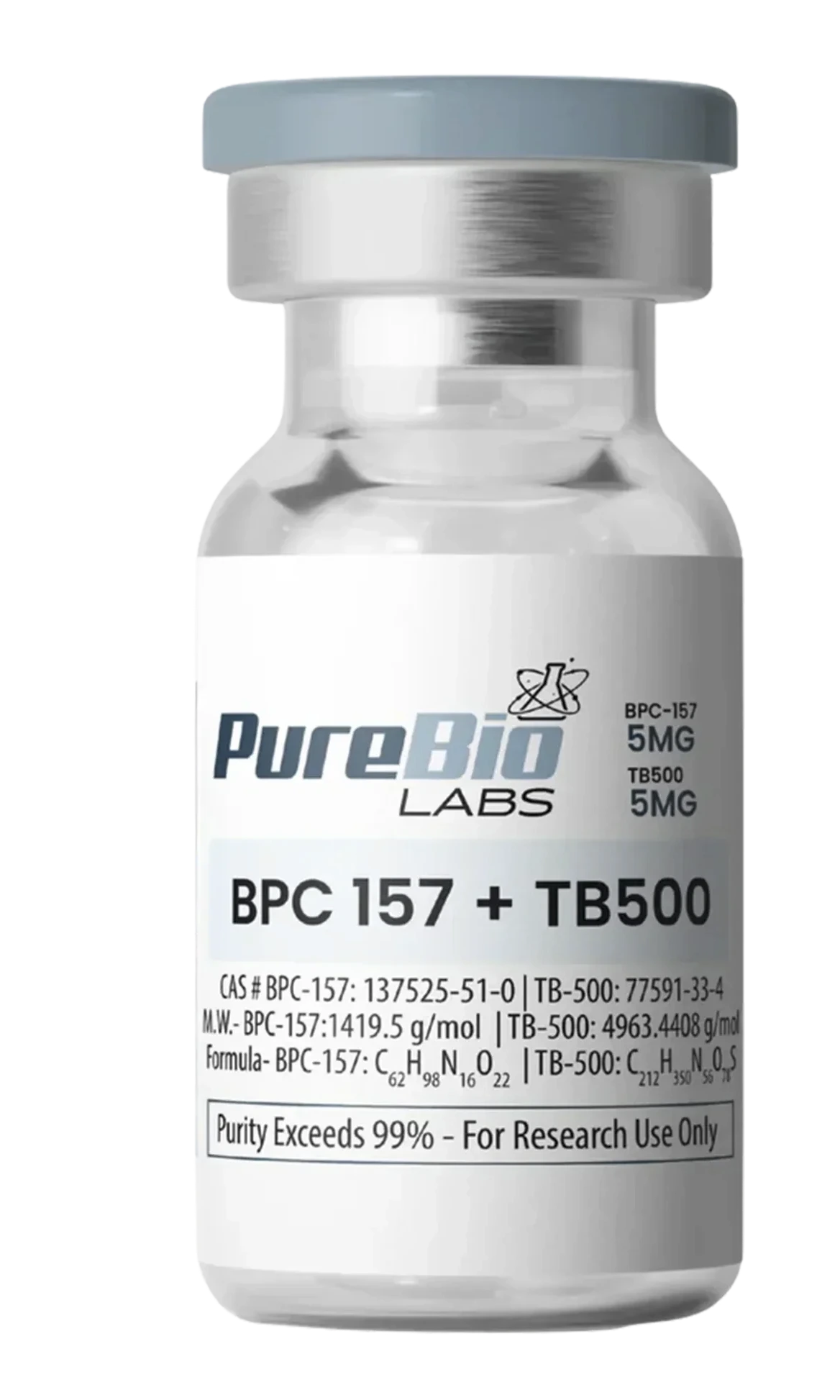
This week’s two-day meeting of the FDA’s Pharmacy Compounding Advisory Committee was a little different. It was called to decide whether to recommend approval of some products that people have been buying from internet influencers, wellness clinics, concierge doctors and elsewhere that fall under the general name of “peptides.”
At the end, the panel voted to recommend that the FDA loosen regulation of six peptides sold to heal wounds, treat pain, migraines, inflammation and other conditions.
You can watch it here:
The votes are at the end.
President Trump’s Health and Human Services Secretary, Robert F. Kennedy, Jr., is on board with these unapproved and largely untested products. As he has done with so many federal advisory committees, he has packed this one with people who have a direct financial interest in selling these products, firing actual disinterested experts to make room for them.
They include Gabriel Alizaidy of Maximus, a telehealth company that prescribes peptides, hormones such as testosterone, and other products. Another member: Robert Harshbarger, a Tennessee state senator, pharmacist and son of a member of Congress, Rep. Diana Harshbarger (R), who is also a pharmacist and who is married to a pharmacist who was pardoned by Trump for an FDA-related conviction. She has pressed to have the FDA regulate peptides.
There’s Melissa Loseke of the Re-New Institute in Nebraska, which uses peptides to try to help people somehow live longer; Haleem Mohammed of Gameday Men’s Health, a chain of clinics that provides peptides along with vitamins, hormones, weight loss drugs, erectile dysfunction treatments and hair loss therapies; and Asare Christian, a sports medicine doctor whose Aether Medicine in Wayne, Pennsylvania offers peptide and other treatments for longevity, vitality, and other vague goals.
Then there’s Josh Starbuck, a Maui-based concierge doctor who uses peptides in his functional medicine, anti-aging and longevity practice. Starbuck offers another untested, unproven and unapproved therapy called EBOO (Extracorporeal Blood Oxygenation and Ozonation) that involves pulling a patient’s blood outside the body to supposedly add extra oxygen and ozone to give it some extra zip.
These new members voted to recommend that the FDA loosen its restrictions on these peptides. The few remaining members from the before times, those without special interests, all voted against the change.
During these two days of meetings you can hear the FDA staffers practically begging the panelists to vote no on these peptide treatments. Russ Wesdyk, Associate Director of Regulatory Affairs at the FDA office of Pharmaceutical Quality, complained that the FDA cannot tell what compound it would be trying to regulate.
Thanks for reading! This post is public so feel free to share it.
Usually, a drug company submits a specific chemical structure to the FDA to approve and regulate, but these peptides are squishy and inexact, he said. The proposal is to let them be made by different compounding pharmacies – which make them to order.
“These different forms have different chemical structures,” Wesdyk said. “Common or company names often used for experimental substances have no meaning. Multiple forms and derivatives exist.”
The FDA, he and other staffers said, was being asked to regulate a bunch of different substances being produced by a series of different actors. It would be an impossible job.
The written materials show how long and hard the FDA teams looked at the products.
The FDA team said it looked in detail at BPC-157, for instance. This is a peptide that is sold to treat ulcerative colitis.
It wasn’t clear what BPC-157 even was, the FDA said, so it looked at a variety of possible compounds given via several routes, including injection, as a pill, a nasal spray and rectally. The team could find no studies looking at whether it worked or was even safe in people.
Oh, and these products also are highly adulterated. Not only the FDA but also outside testing labs testified that the compounded peptides often had unknown substances mixed in.
Let’s stress again – this is not normal.
Usually, a drug maker brings to the FDA a batch of studies it has done, or that academic researchers have done, showing first that a specific, identifiable compound has been tested – in a lab, then in animals, and finally in people – to see that it is safe and that it is effective.
It will have been tested to prove that it treats the condition the maker proposes selling it to treat, in a specific population of people, at a specific dose.
This is not the case with these peptides.
The peptide makers, RFK Jr, and his friends on the committee, say this is OK. They say people who want to try to peptides at their own risk should be able to, and the quacks highly qualified professionals who want to sell them these peptides, made to order at various formulations, should be able to do that.
And what they want is for the FDA to put its stamp of approval on that.
The FDA, they say, should have some safety guardrails. If the products are adulterated, they argue, the FDA can step in and tell the makers not to do that. The FDA can help make sure these products are made in the USA and are safe and clean.
That sounds so sensible, yes?
“But we lack the regulatory authority to put those guardrails in place,” Wesdyk told the meeting. States, not the FDA, regulate the compounding pharmacies that would make these products.
Also, the manufacturers would not be required to report adverse events – including deaths – to the FDA or to anyone else under the rule change being proposed.
The FDA doesn’t even have the authority to say what the formulation of the peptide should be, Wesdyk said. It might be injected, in a pill, in a cream, in a suppository, or in a nasal spray – and again, under the regulatory change being proposed, the FDA would not have the authority to mandate that.
You can see everything yourself here.
So what is a peptide anyway? Insulin is a peptide, and of course, many different types of insulin are FDA-approved. So are the new wonder GLP-1 weight-loss and diabetes drugs, sold under the brand names Wegovy, Ozempic and so on. But these are all carefully characterized, tested and regulated.
The products that were considered this past week are much less well characterized. They have not been anywhere near as well tested. The people who sell them are counting on people’s ignorance of chemistry and regulation and invoke the word “peptide” to make their products to sound as safe and effective as insulin or the GLP-1s.
Go have a look at their websites and see what else they are selling. Then decide for yourself if these are professionals who are using evidence and science to treat patients, or if they are cashing in on hope, despair and ignorance.
And now they are in the regulators’ seats. This is what RFK Jr. has unleashed on the public.
It’s important to remember what was normal, and how this used to work. It’s important to point out when that process is blatantly skewed and abused.
No posts
Comments
Nothing yet. Say the first thing.
Sign in to join the conversation.