
The other day I had to swallow my pride and sell my bib to Stockholm half marathon, happening next weekend. The closer it got to race day, the less realistic it seemed that I’d be able to complete the race, injury-free. I admit that it felt like a small defeat. I may be a stubborn, competitive Aries, but I’ve also gotten to know my (running) body pretty well after years of injuries — and I know when to play it smart(er).
Over the fall and winter I spent five months training for Tokyo marathon, with Stockholm experiencing freezing temperatures and being covered in ice and snow for a big chunk of that period. I truly pushed my mental and physical limits, and I’m really proud that I was able to complete at least the majority of my marathon training plan — nine years after running my first marathon, and after nearly as many years of on-and-off injuries.
If you’ve read my Lord of the Ring-sized marathon recap you know that, despite my pretty successful training block, the marathon itself didn’t go as I’d hoped. Two hours of sleep the night before was not part of my pre-race plan, and I could definitely feel it in my body the day of the race. I was tired. Still, I consider it one of my biggest physical and mental achievements so far — to run 42.2 km non-stop, with next to no sleep in my system. You bet I cried a few tears when I crossed the finish line, 4 h 41 min later.
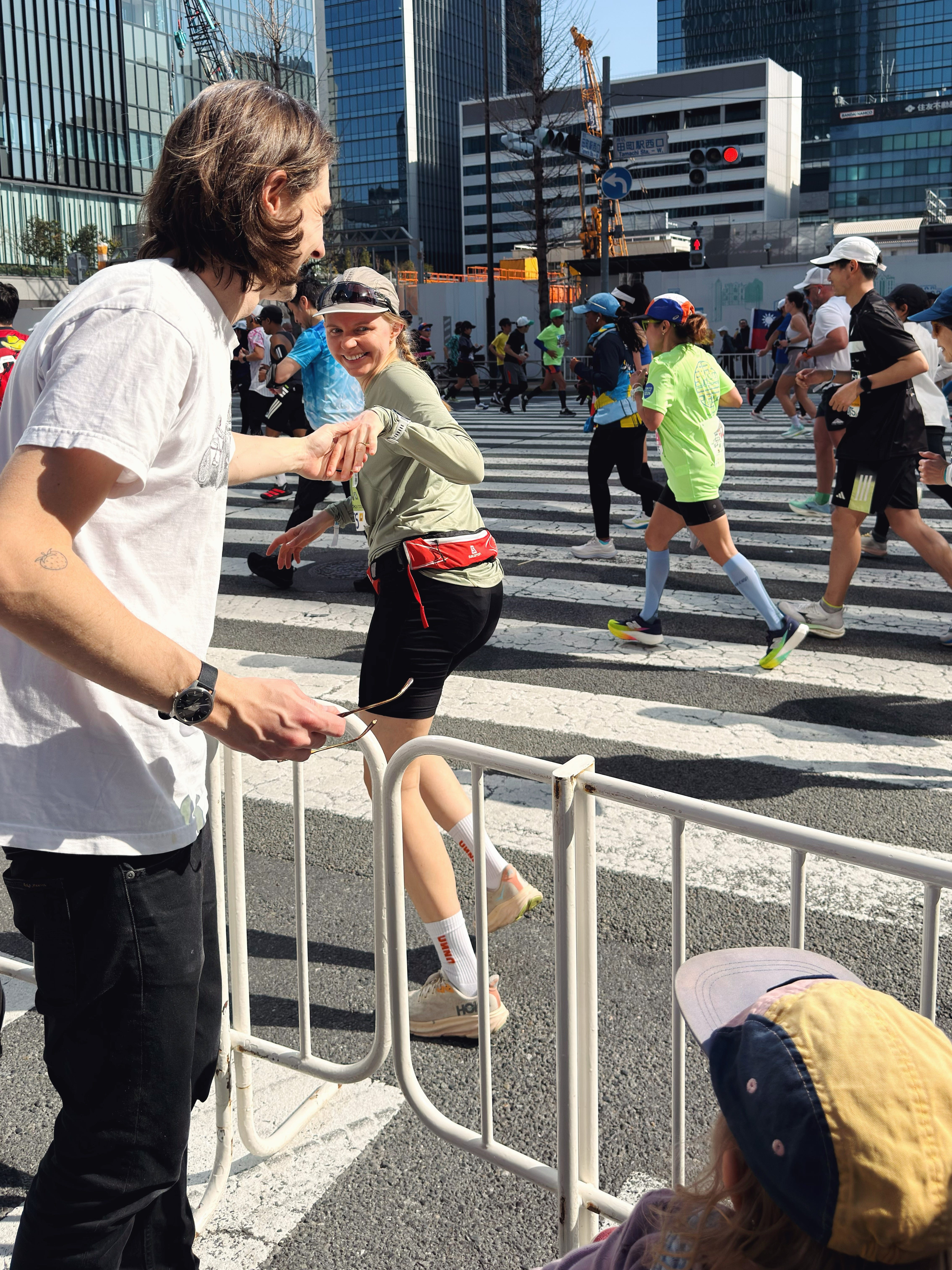
This was my big marathon comeback and the time really wasn’t the most important to me. My official time goal (the one I told people who asked) for this marathon was 4 h 30 min; my unofficial (the one I kept to myself) 10 min faster. Did I give it everything I had that day? Abso-f*cking-lutely! Did I feel like I got the most out of my five months of marathon training? Not really.
I felt like I definitely had more to squeeze out of that training period, so I started fantasizing about potentially running Stockholm marathon, which was taking place about three months after Tokyo. An idea that quickly turned out to be as unrealistic as a Hollywood birth scene. Since I wanted to do things differently both before and after this marathon, it felt important to give my body at least a few weeks of no — or very little — running after the race.
I clearly remember the exact moment my right lower leg said “I don’t think so” when running 8 km three days after my sub 4 marathon in 2017 — a race which went really well, despite me not having properly trained for it. I think naive, with a touch of overconfidence, is a good way to describe myself as a 26-year-old long-distance runner.
That was nine years and many injuries ago — as I mentioned I’ve learnt a thing or two about myself and my body. If I’d kept up a bit of regular running this summer, a half marathon in less than two weeks probably wouldn’t have been a biggie, but this summer I have embraced a slower life — living room yoga and forest walks with my dog. Ok, I have also been running a bit this summer, but in a different way that I’m used to.
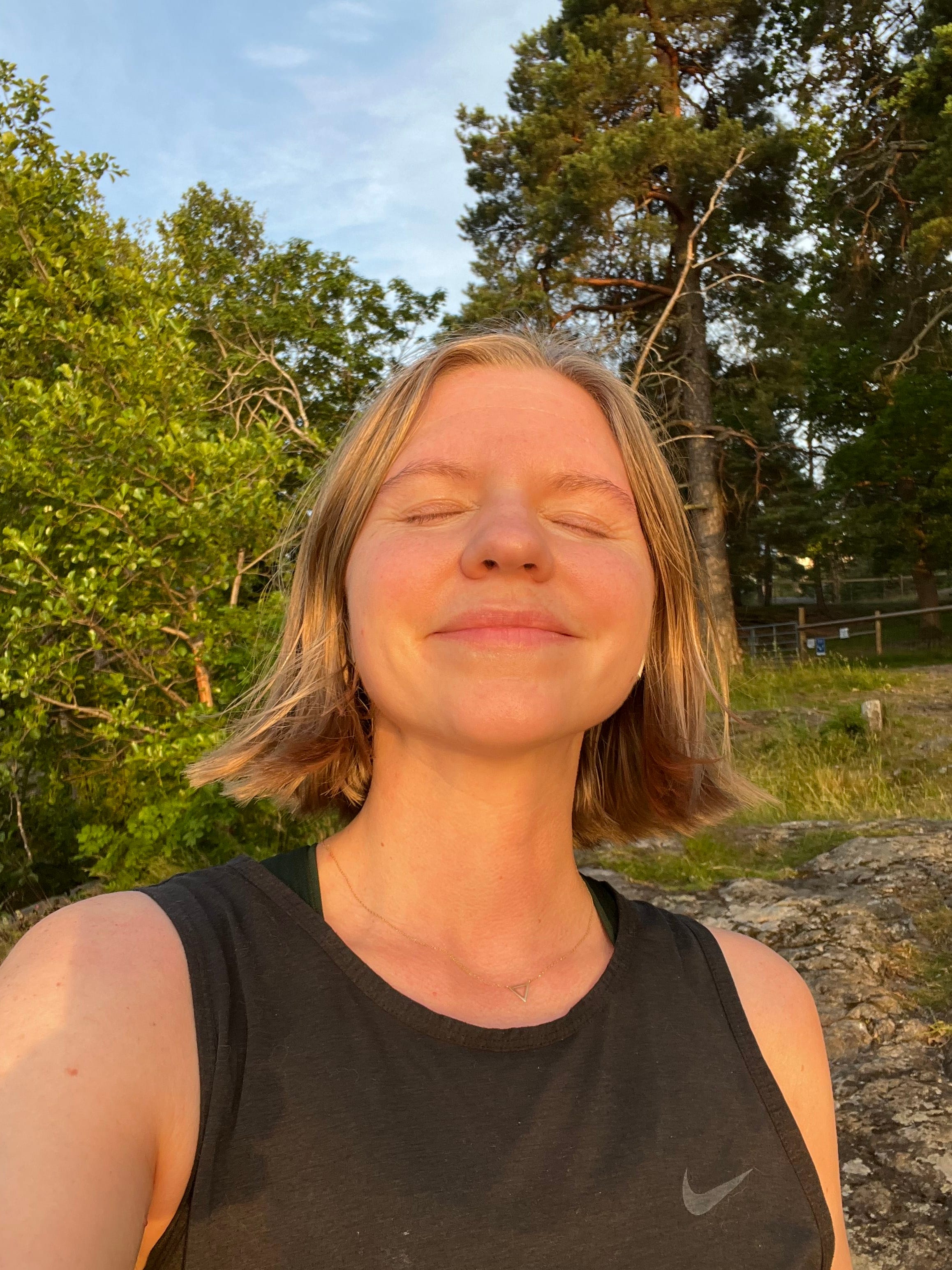
I’ve tried the slow running trend. It has asked me to get out of my head, and completely stop looking at my watch. The idea behind slow running is that you build endurance and strength over time by running at a slow, talk-friendly pace — where your pulse stays at about 60-70% of your max pulse. Gentler for the body and less risk for injuries. This has been a nice way for me to get out and move my body, while still honoring the slow season that I’m currently in.
While it might have been totally possible to for me to run Stockholm half marathon next weekend at a slower pace, I haven’t run enough longer distances lately to feel confident that my body is up for the challenge. I simply feel less inclined to take a risk — I guess it comes with age. And to be fully honest, my ego would definitely have hurt a bit if I had to DNF in a half marathon, and not just any but my hometown half marathon. Look at me listening to my body (and ego) and making mature decisions.
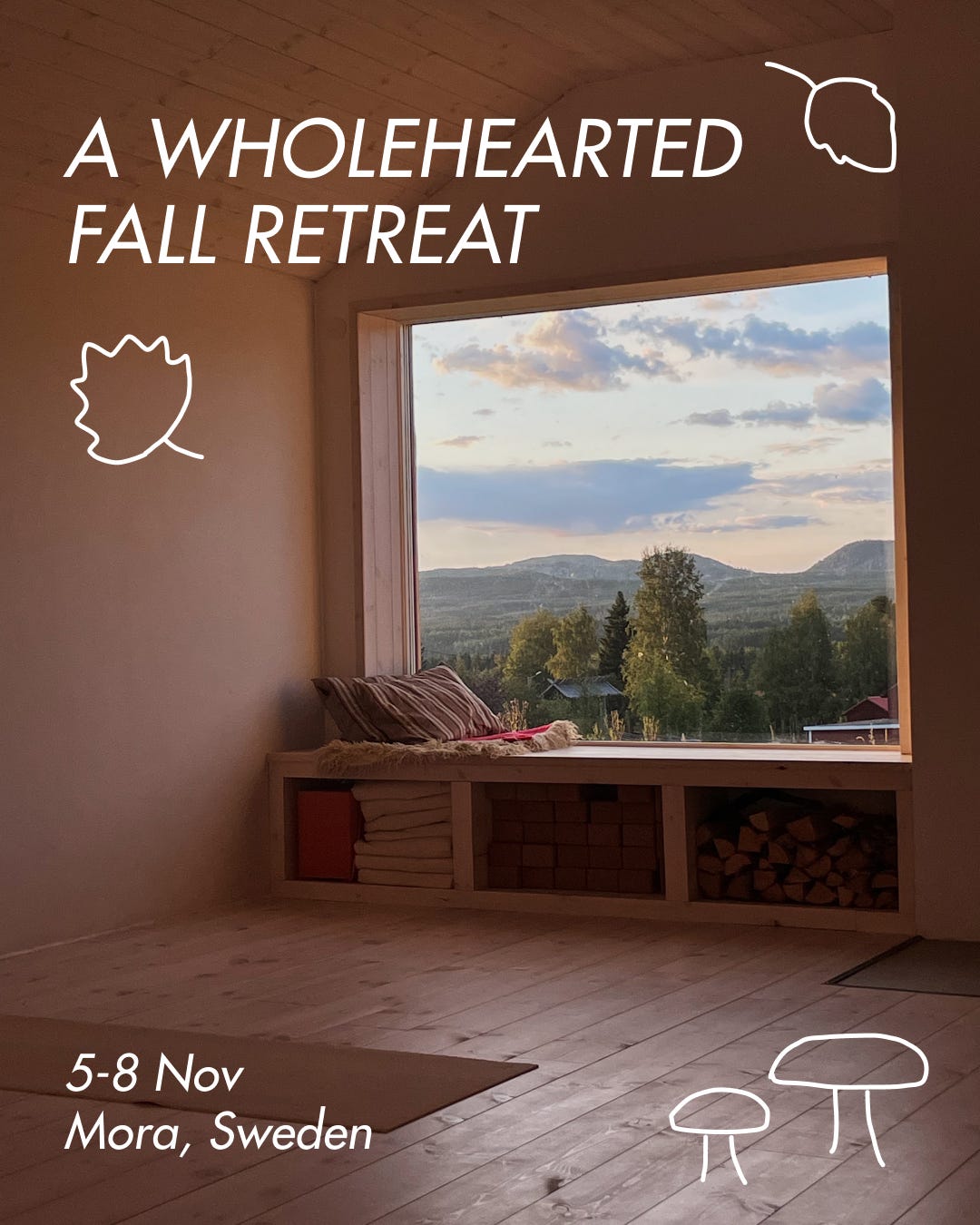
A wholehearted fall retreat, 5-8 November. Mora, Sweden.
I have an upcoming yoga retreat happening in less than three months. Yes, November might feel like lightyears away, but next thing you know the temperature will drop, the colors of the leaves will shift, and the sun will barely stay up until dinner time (at least here in Sweden). November is probably one of my least favorite months — so I figured it’s a perfect month to fill with some extra joy and nourishment.
My retreat is taking place in a small Dala village called Gopshus, just outside of Mora (famous for being the finish of the world’s greatest cross-country skiing race, Vasaloppet). We will stay at a traditional Dala homestead, surrounded by forest and mountain views. I will teach daily yoga, pranayama and meditation, and there will be plenty of time for sauna, cold plunges, forest walks — or to do whatever your heart desires. I will also host a workshop on Wholehearted living, inspired by Brené Brown and specifically her book Daring Greatly. We will eat delicious food cooked by my amazing friend Sara. If you’ve been to one of my previous retreats you know that Sara’s food is a retreat highlight.
Some words from previous retreat guests:
“A truly magical retreat nestled in the Swedish countryside. I felt so taken care of and held, with every need satisfied for a weekend of autumnal reflection and spiritual rejuvenation. Sauna, cold plunge, forest walks, and the best farm to table meals you could dream of. [...]”
“This was my first yoga retreat and WOW what a wonderful experience. Madeleine made me feel so welcome from the moment I arrived. [...] I have done yoga for many years and Madeleine is one of the best yoga teachers I have ever encountered. Her presence combined with spiritual and healing knowledge make that little extra glimmer to the morning, evening and afternoon yoga we got to experience [...] So grateful for the people I met and for this weekend, made my life change in a new direction.”
All info and booking can be found on my website.
x Madeleine
No posts
Comments
Nothing yet. Say the first thing.
Sign in to join the conversation.