
Wales has a lot of castles, and I’ve seen a fair few of them over the last few weeks. Of those castles, Caernarfon stands out as an excellent example of how to make an engaging visitor experience with what is essentially some very old walls. Yes, there are centuries of history baked into those walls, but without good interpretation, it’s impossible for visitors to experience that history.
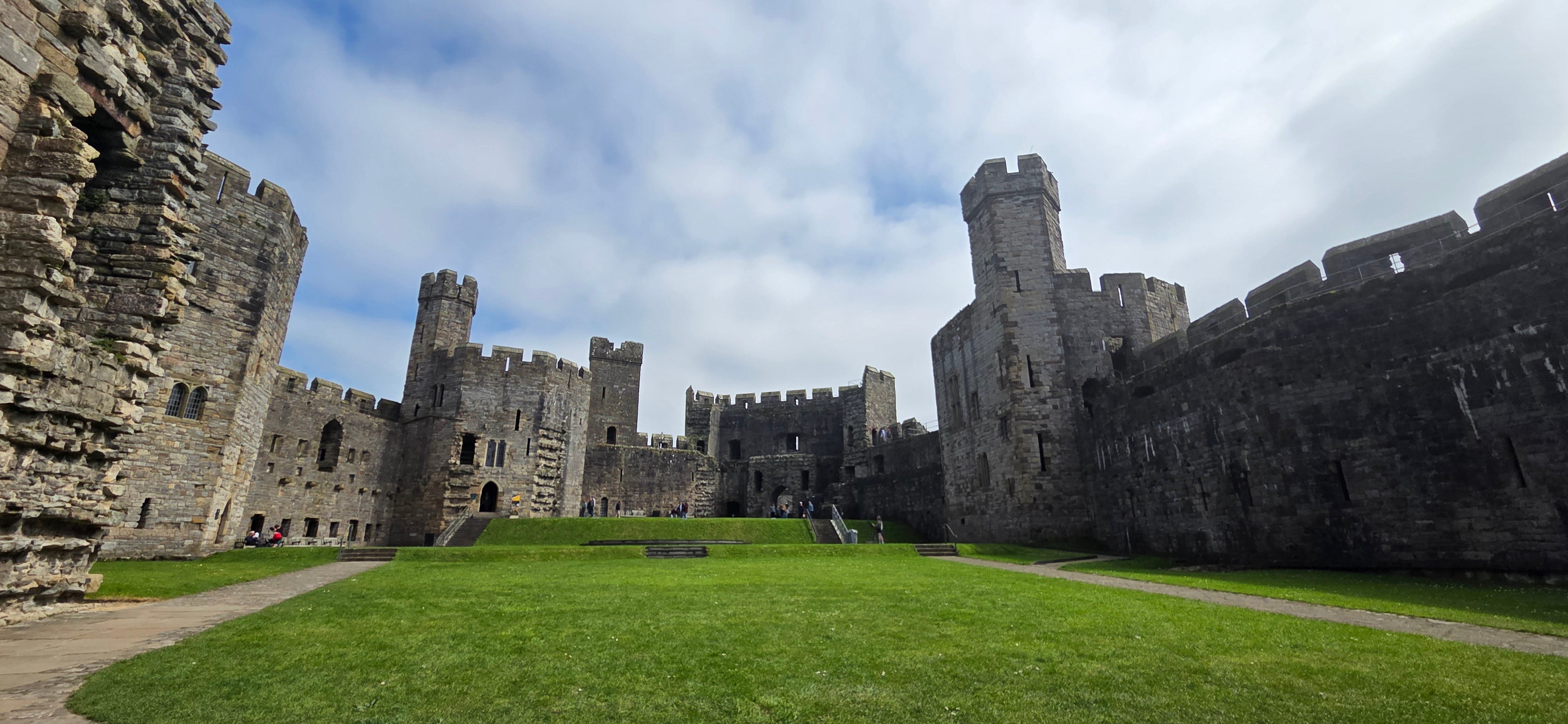
A very brief background to Caernarfon Castle: a fortification has stood on the site since the late 11th century, but construction of the castle you see today began in 1283 on the orders of Edward I of England. The castle was part of Edward’s defences against his Welsh rivals and was to become his administrative centre in North Wales. Despite 47 years of construction, and £25,0001 of expenditure, the castle was never completed. It was the subject of several sieges as tensions waxed and waned between the English and Welsh, and it was used by the Royalists during the English Civil War. With Conwy, Beaumaris and Harlech Castles, it is a UNESCO World Heritage Site, and a Scheduled Monument. It is currently looked after by Cadw.
Given all that history, it must have been difficult to decide how to present the castle, and I think Cadw has done a great job.
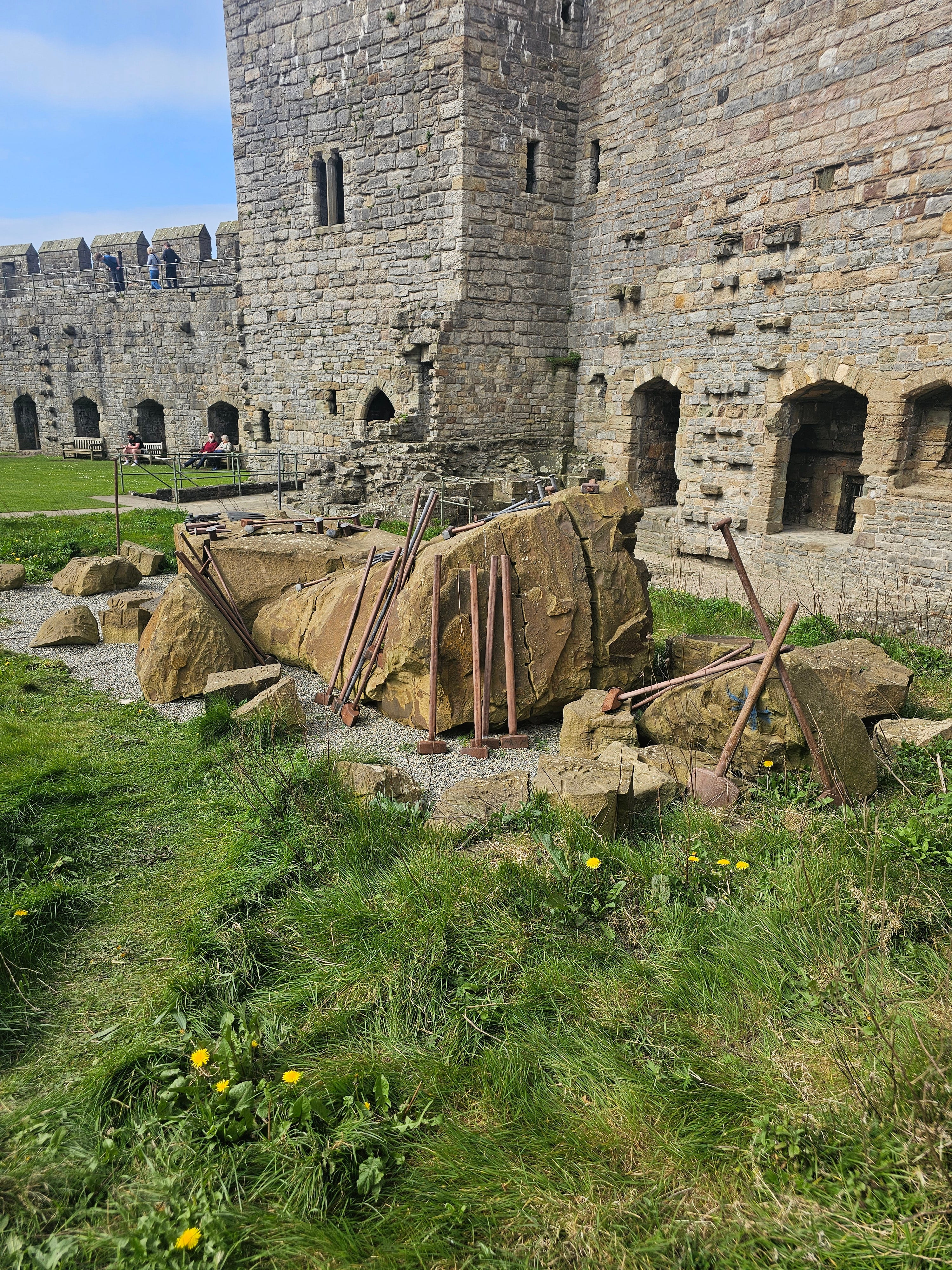
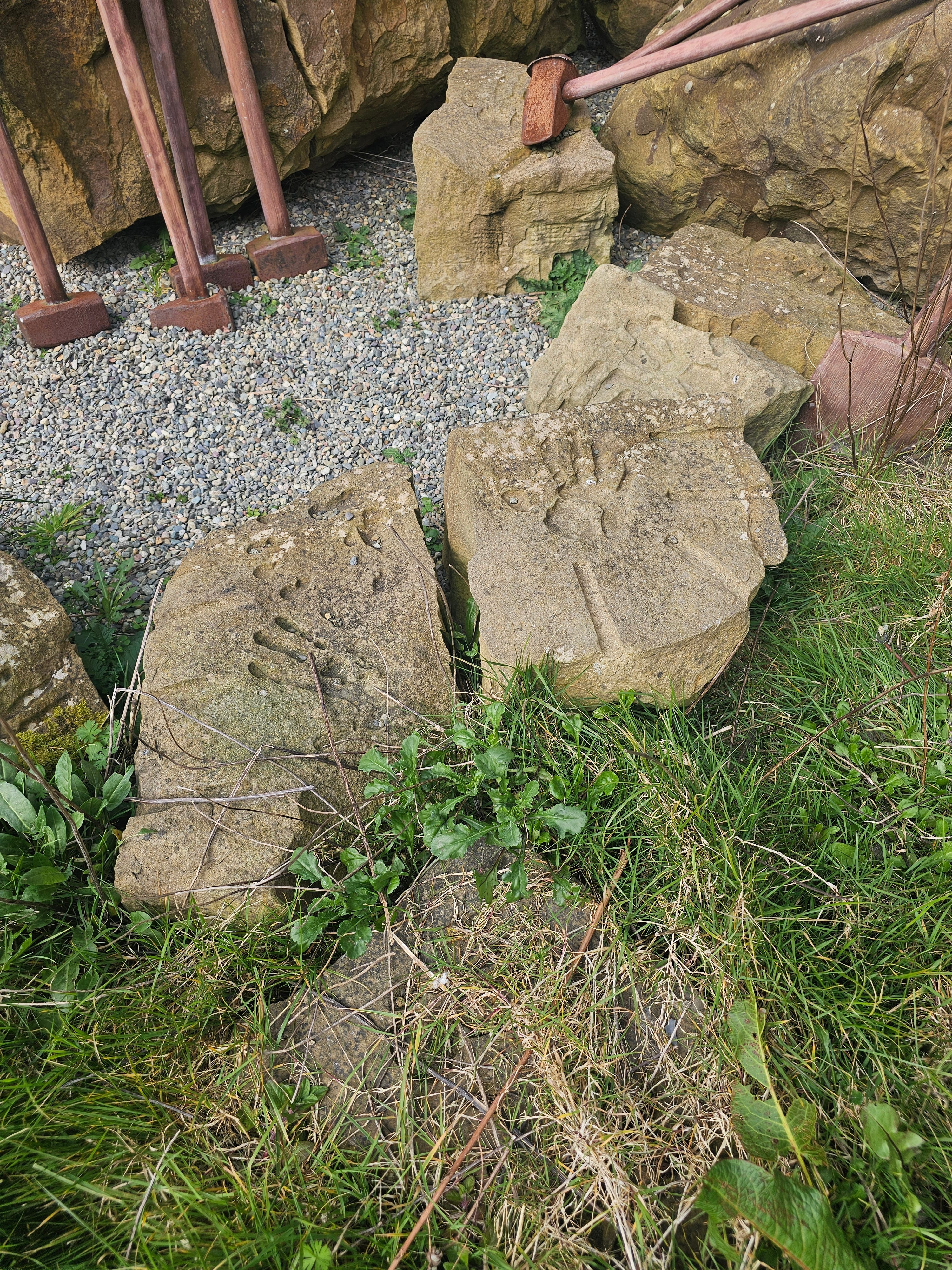
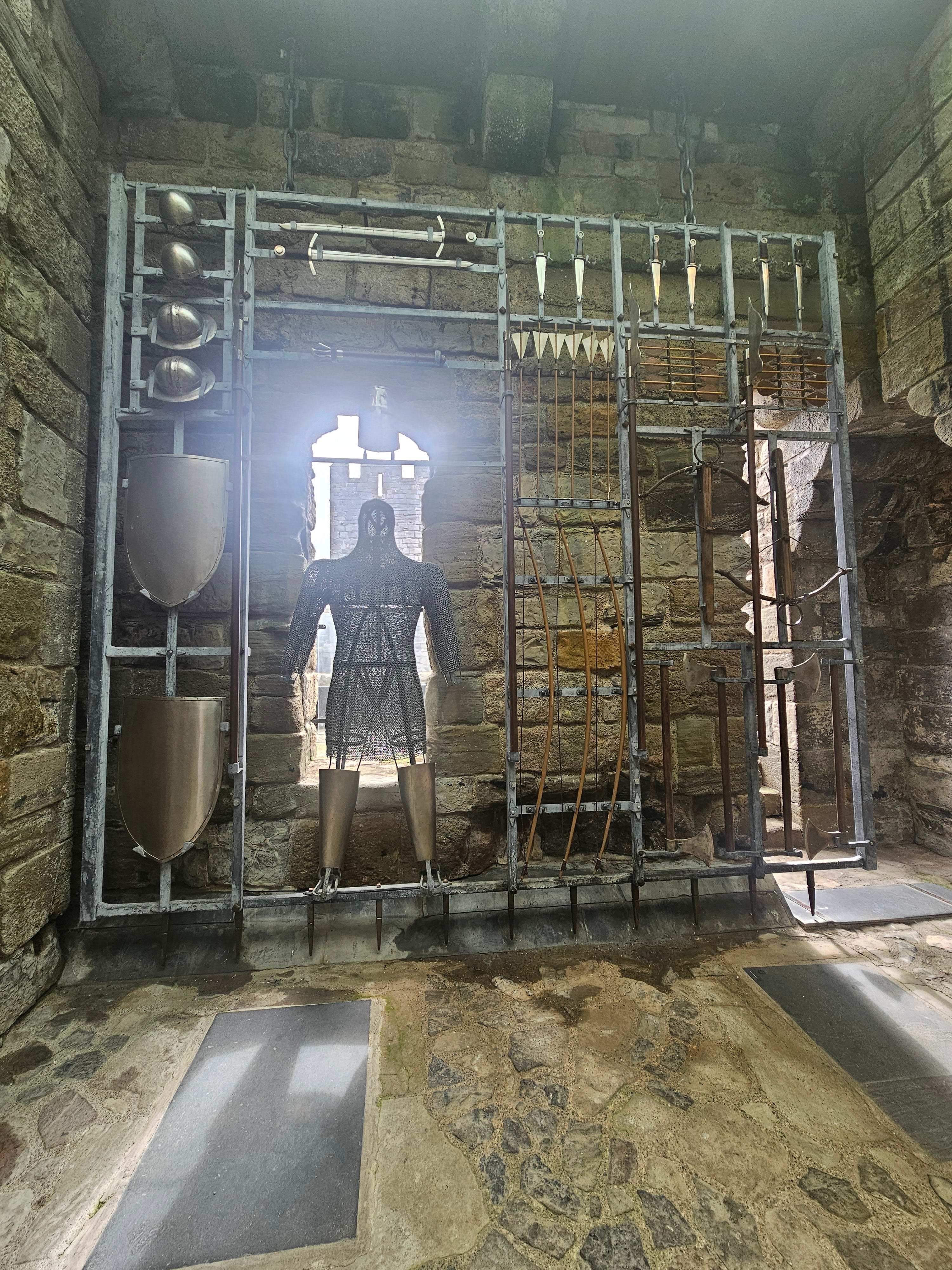
The central story at Caernarfon is focused on the hands that built the castle. You are taken back to the very fabric of the building and its earliest construction, with art installations representing all the different craftsmen (and some women) who helped to build the castle. Each installation reflects the craft of the person, or people, involved.
The Labourers
The Armourer
The Tilers
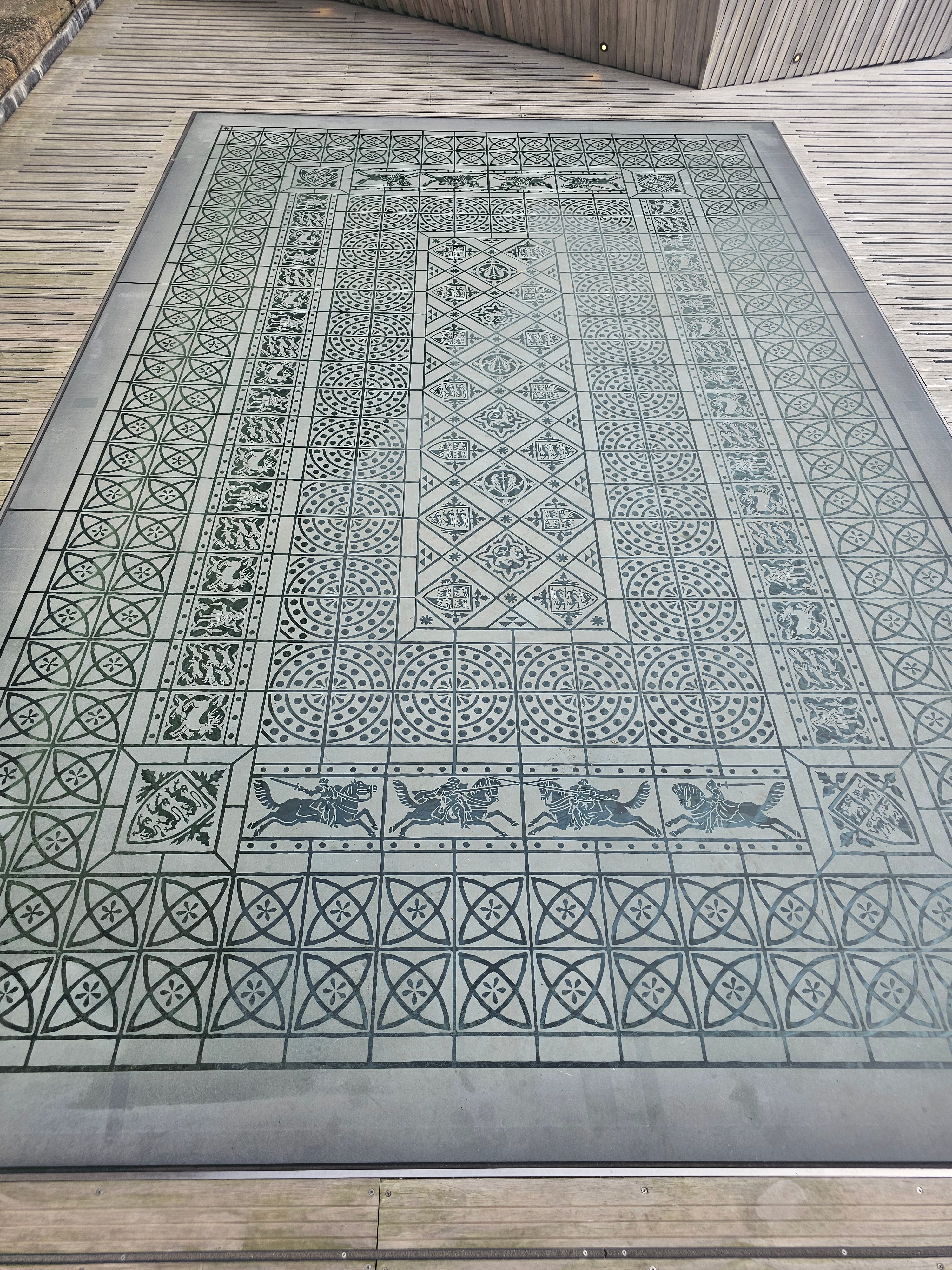
I could show you more (and they are great), but I don’t want to ruin it for anyone who goes to visit!
I just want to mention the modern walkways and railings at Caernarfon (as you just get a glimpse in the photo above). At a couple of castles we have been to, the railings in particular have been quite old and little low for my poor vertigo-addled brain. I think Cadw have done a great job at Caernarfon with light wooden walkways and glass railings in parts of the castle, which blend in beautifully with the ancient fabric.
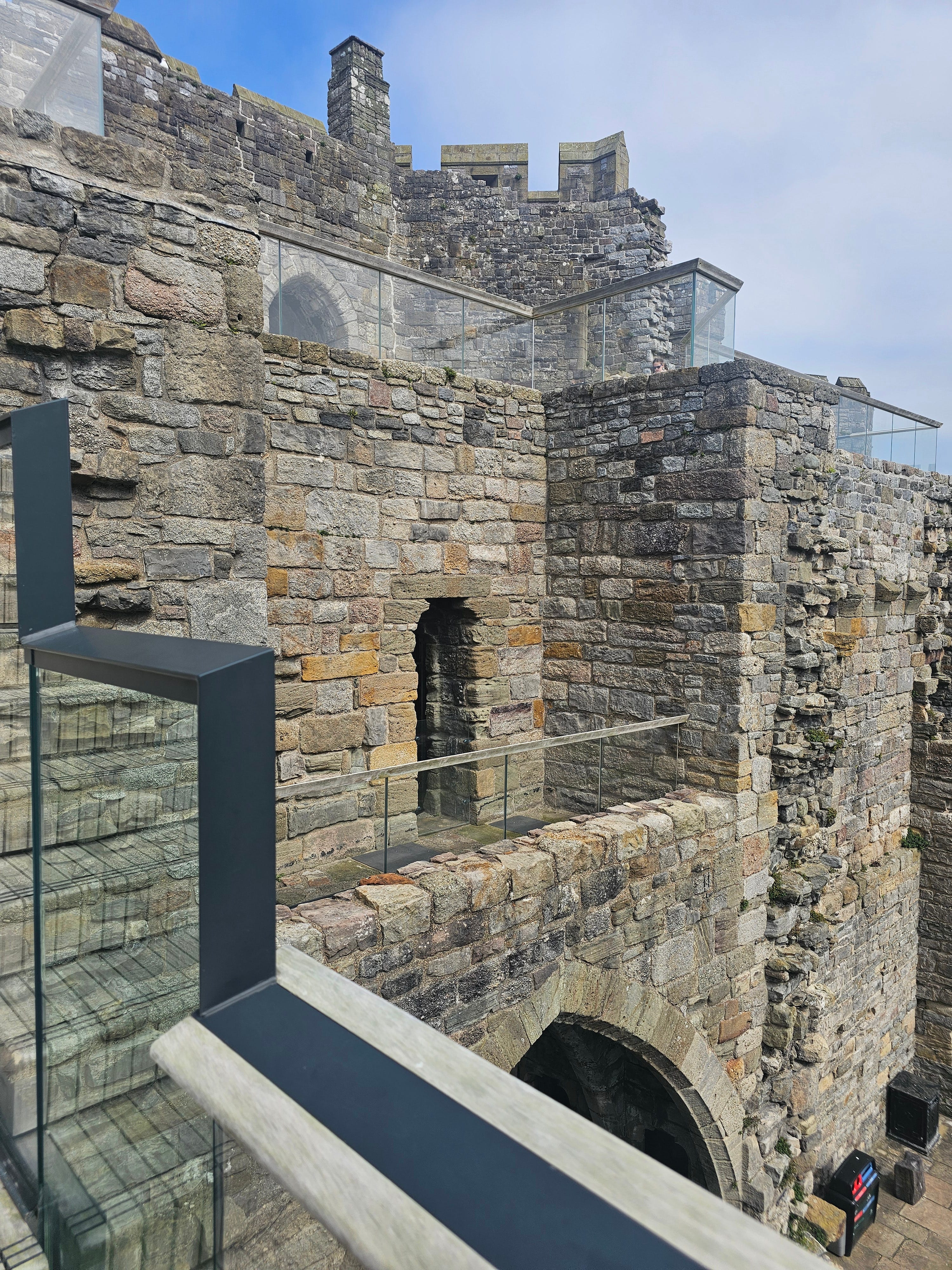
There is some great storytelling at Caernarfon Castle. Firstly, there’s an 8-minute video that takes you on a whistlestop tour of 800 years of history in a really engaging way. It’s played on a concave screen which makes it easier for everyone to see in its tower home.
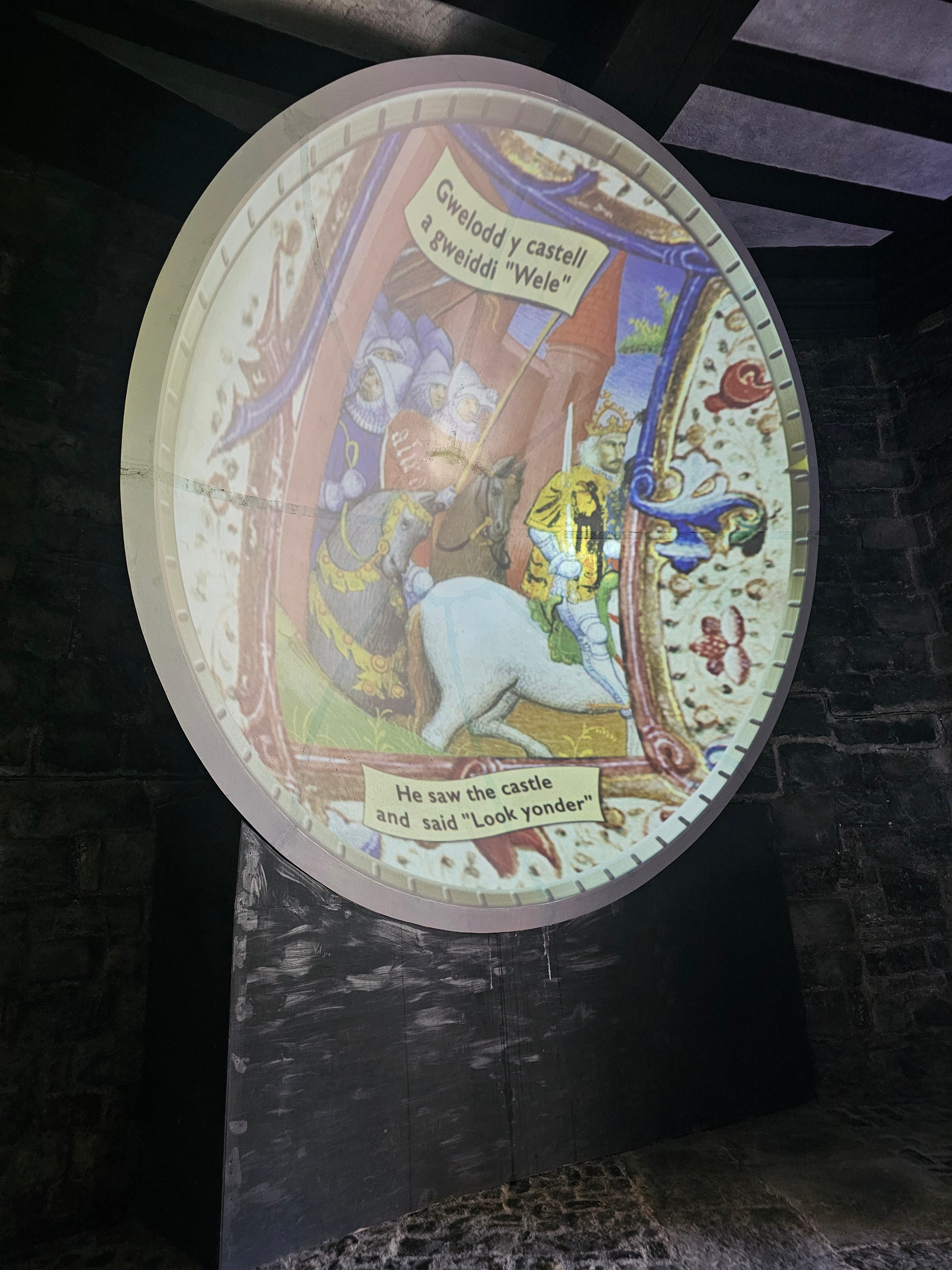
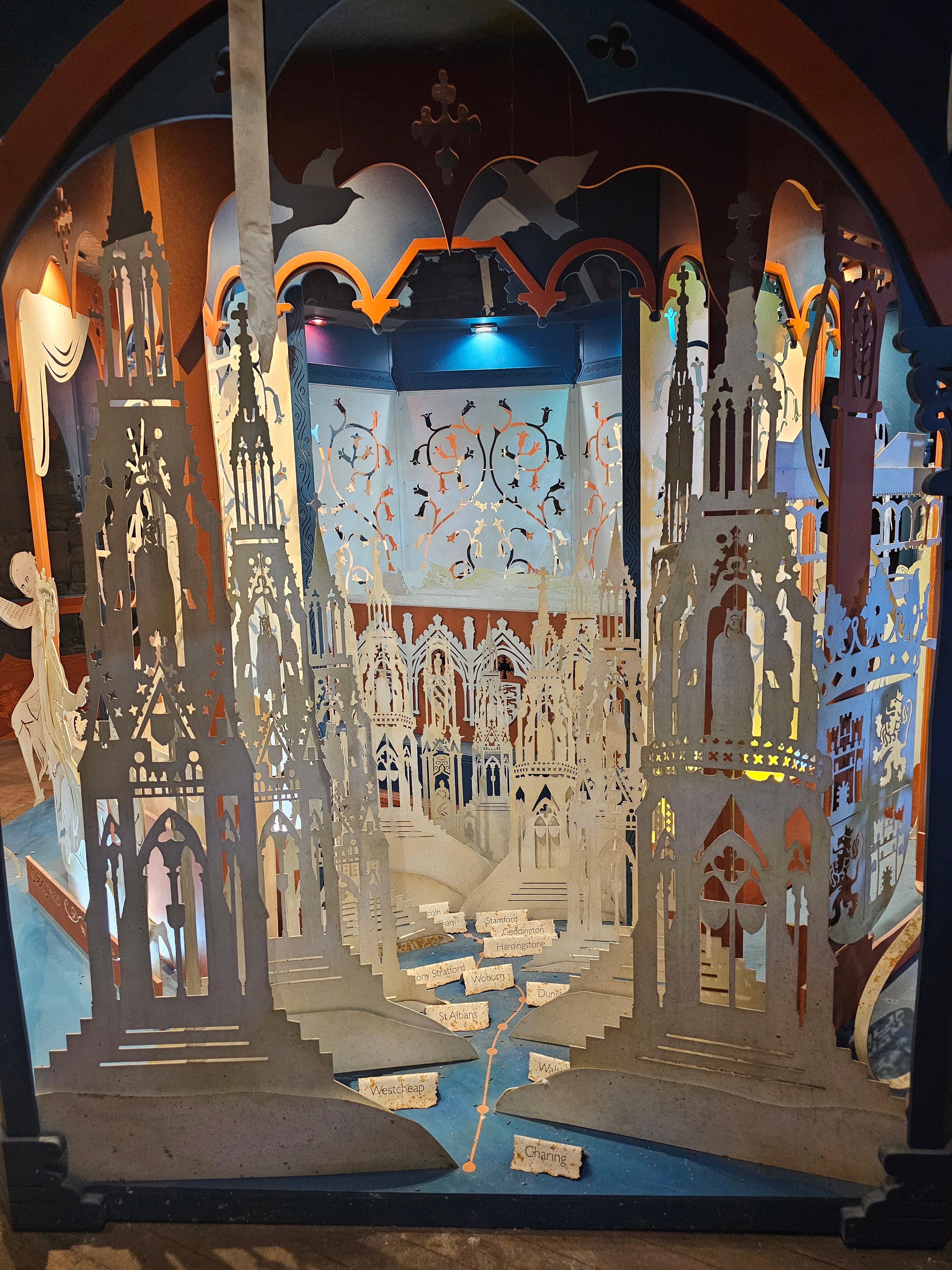
There is also a room dedicated to Edward I’s queen, Eleanor of Castile. She was a controversial monarch for her property dealings2, but seems to have had a close relationship with Edward, even following him on the Ninth Crusade. On her death, Edward built 12 stone crosses on the route from Nottinghamshire (where she died) to London3. Her story is told at Caernarfon in a series of almost life size cut-outs, which are really beautifully done.
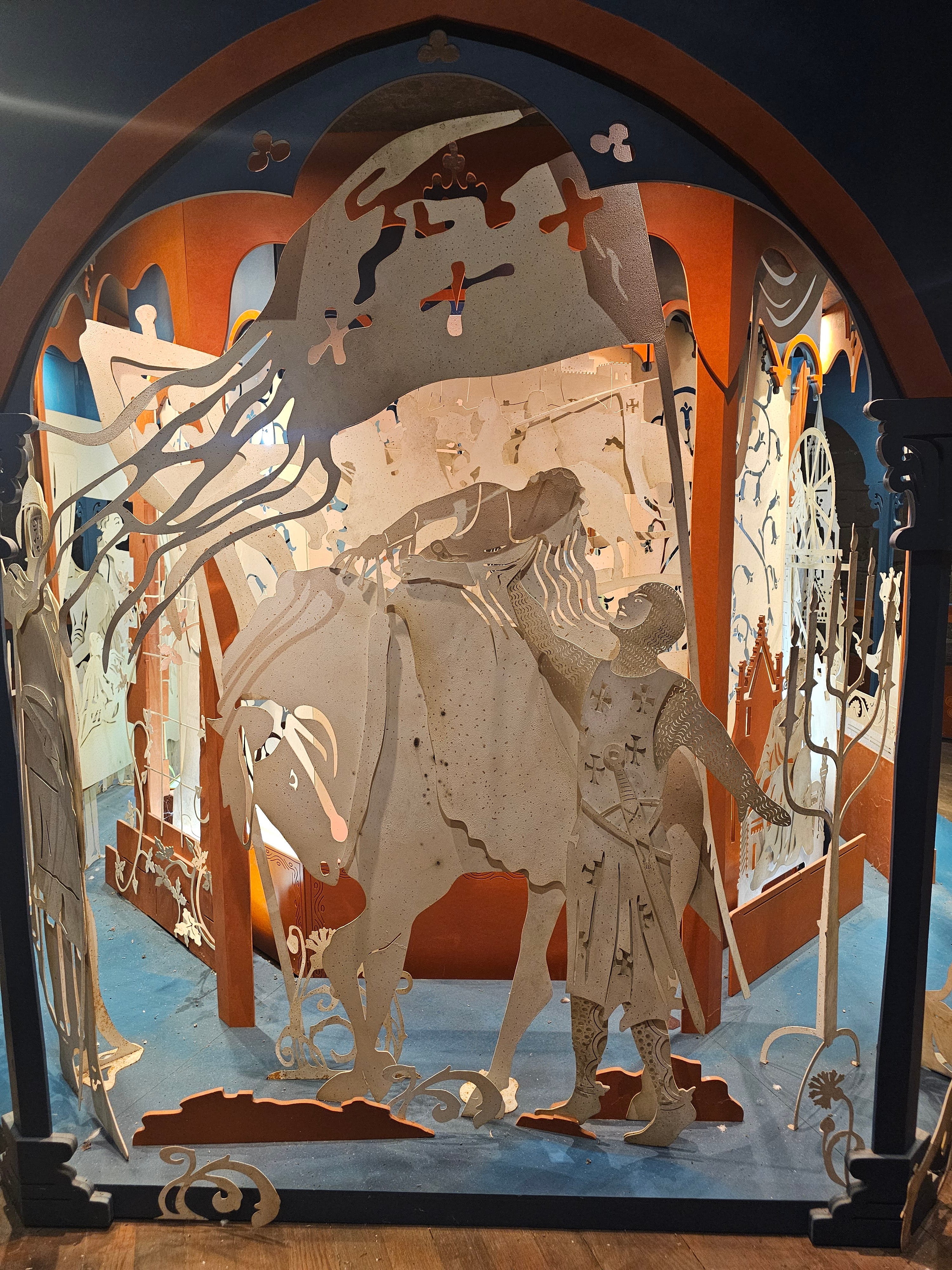
Tucked away in a corner tower of the castle, are the stories of Welsh legends that made Caernarfon significant, and which Edward drew upon to strengthen his legitimacy in Wales.
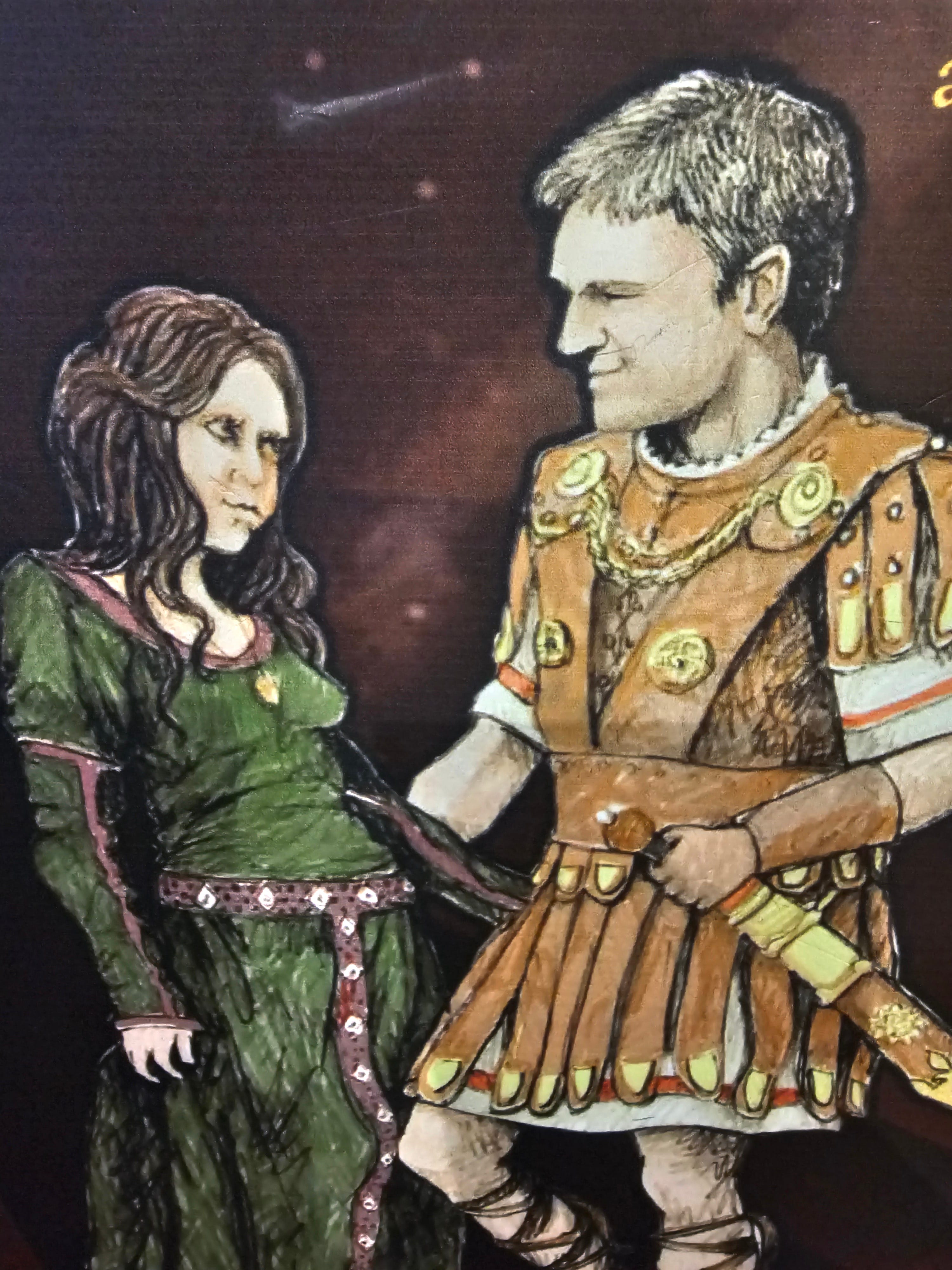
Legend has it that Roman Emperor Magnus Maximus (Macsen Wledig in Welsh) came to Caernarfon after he dreamed of a beautiful princess. He searched the Empire until he found Elen, daughter of a King of Britain, and married her. As she wouldn’t leave Wales, they ruled from Caernarfon and had a glorious reign. Edward echoed Roman architecture at Caernarfon to signify his dominance over Wales.
Edward also used Arthurian legend to his own ends. Inconveniently for Edward, Arthur had won in battle against the Anglo Saxons - the English! Geoffrey of Monmouth also claimed that Arthur wasn’t dead, but sleeping, so he could return to battle his enemies. Edward put paid to that by sending the ‘Crown of Arthur’ (and, with it, royal authority) to Westminster Abbey, and reburying the bodies claimed to be of Arthur and Guinevere at Glastonbury Abbey to prove Arthur wasn’t going to come back!
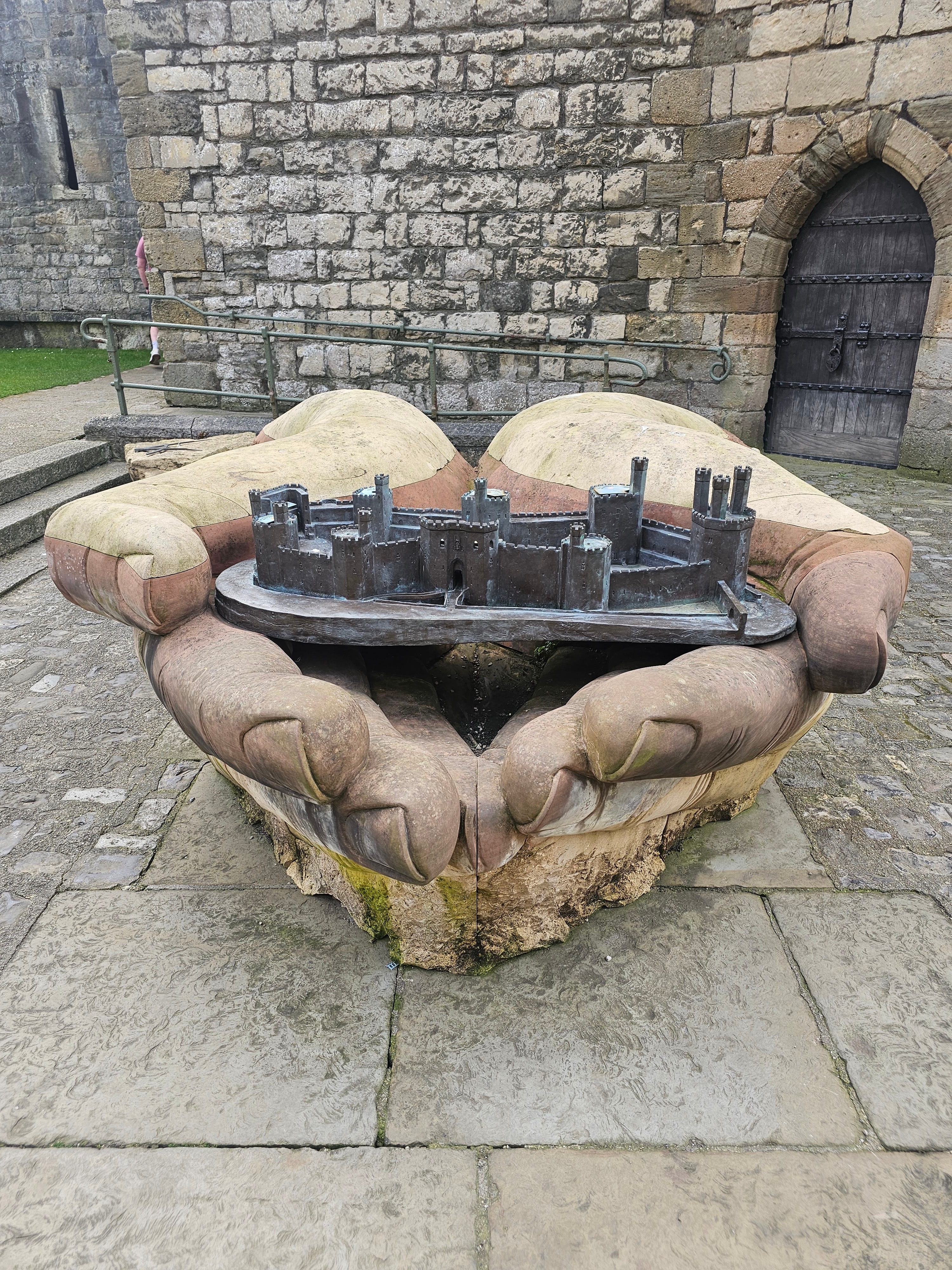
Sometimes you end up with a relatively short visit to a castle, or similarly “blank” site, but Caernarfon really held my attention and we explored for a couple of hours. It helped that there was beautiful sunshine and we could experience the views from the castle walls in all their glory, but the interpretation went a long way in providing context and interest.
I’ll just leave you with one more of the sculptures, because they are so cool.
The Master Builder
Google tells me this is about £19m in today’s money.
She bought up large land holdings from the middle classes when they were unable to repay their loans, and then foreclosed on the properties. This did not make her popular.
3 of these crosses survive: at Geddington, Hardinsgtone and Waltham Cross. The most ornate of the crosses originally stood at Charing Cross (and gave it its name).
Comments
Nothing yet. Say the first thing.
Sign in to join the conversation.