
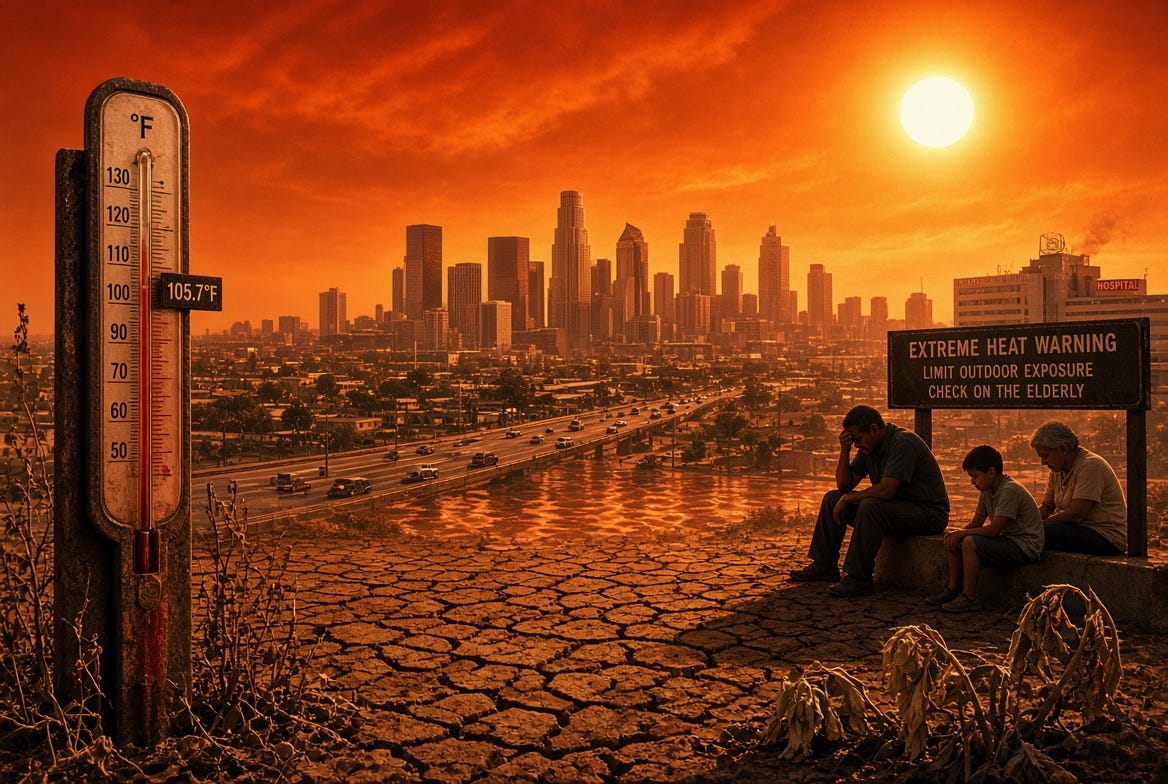
This projection comes from peer-reviewed climate modeling that compares future conditions under continued emissions pathways against a late-20th-century baseline (roughly 1971–2000). Days with a heat index above 100°F are expected to roughly double in the same timeframe; under higher-emissions scenarios later in the century, the increases become even steeper—fourfold for 100°F days and eightfold for 105°F days. Large parts of the country that historically saw almost no such extreme conditions will begin experiencing them regularly.
Why 105°F (and humidity) matters so much
The heat index combines air temperature and relative humidity to reflect how hot it actually *feels* to the human body. At high humidity, sweat evaporates poorly, so the body’s primary cooling mechanism fails. Researchers have identified a physiological limit near a wet-bulb temperature of about 95°F (35°C) at 100% humidity—beyond which the body can no longer maintain a safe core temperature, leading to organ failure, blood clotting, and death if exposure continues.
Even well below that absolute threshold, prolonged exposure to heat-index values above 100–105°F drives heat exhaustion, heat stroke, cardiovascular strain, and kidney stress. Nighttime temperatures that stay elevated prevent recovery, compounding the damage over multi-day heat waves.
The health toll is already rising—and will accelerate
Heat is already the leading weather-related cause of death in the United States. Projections indicate tens of thousands of additional heat-related deaths annually in coming decades under higher-warming pathways. One analysis estimated nearly 20,000 excess deaths linked to extreme temperatures in recent years, with sharp increases expected as the frequency of extreme heat days climbs.
Vulnerable groups face the greatest risks:
- Older adults, young children, pregnant people, and those with chronic conditions (heart disease, diabetes, respiratory illness, mental-health disorders).
- Outdoor workers, athletes, and people without reliable access to air conditioning or cooling centers.
- Communities in the South, Southeast, and parts of the Midwest and Southwest, where both temperature and humidity are rising.
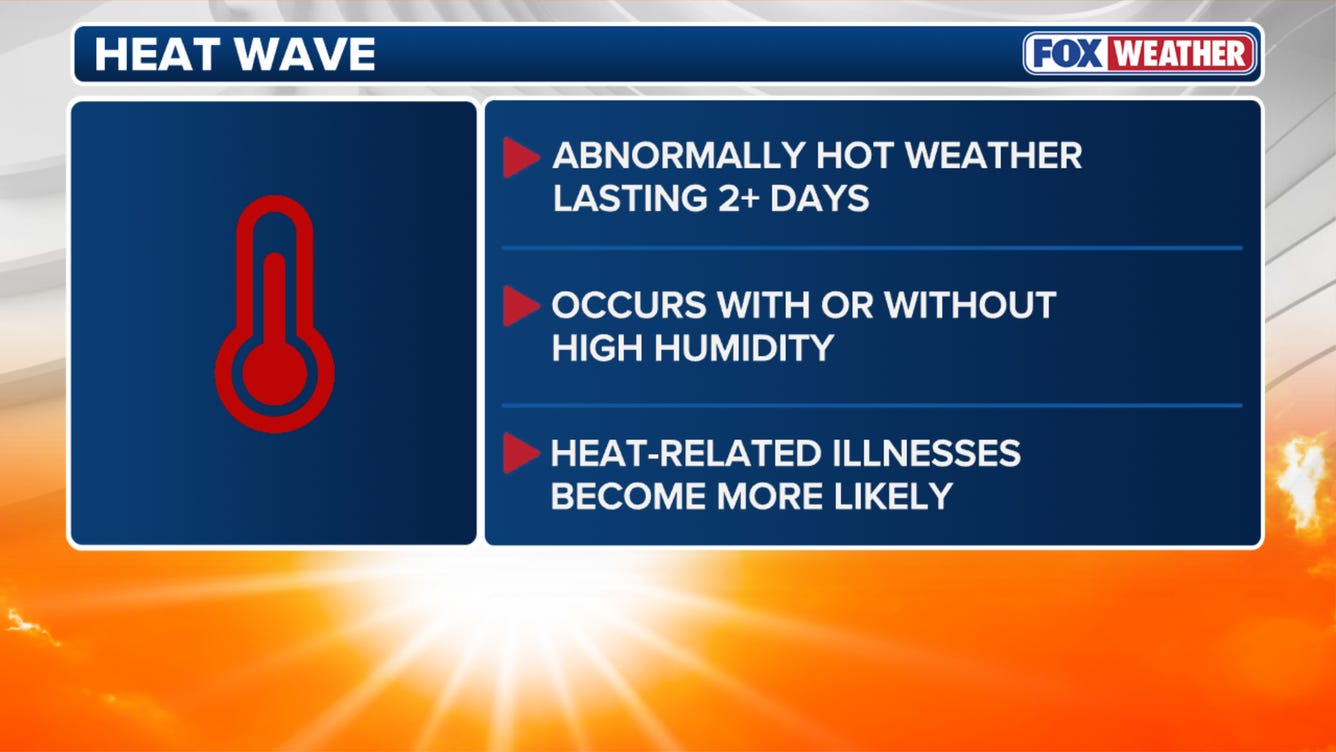
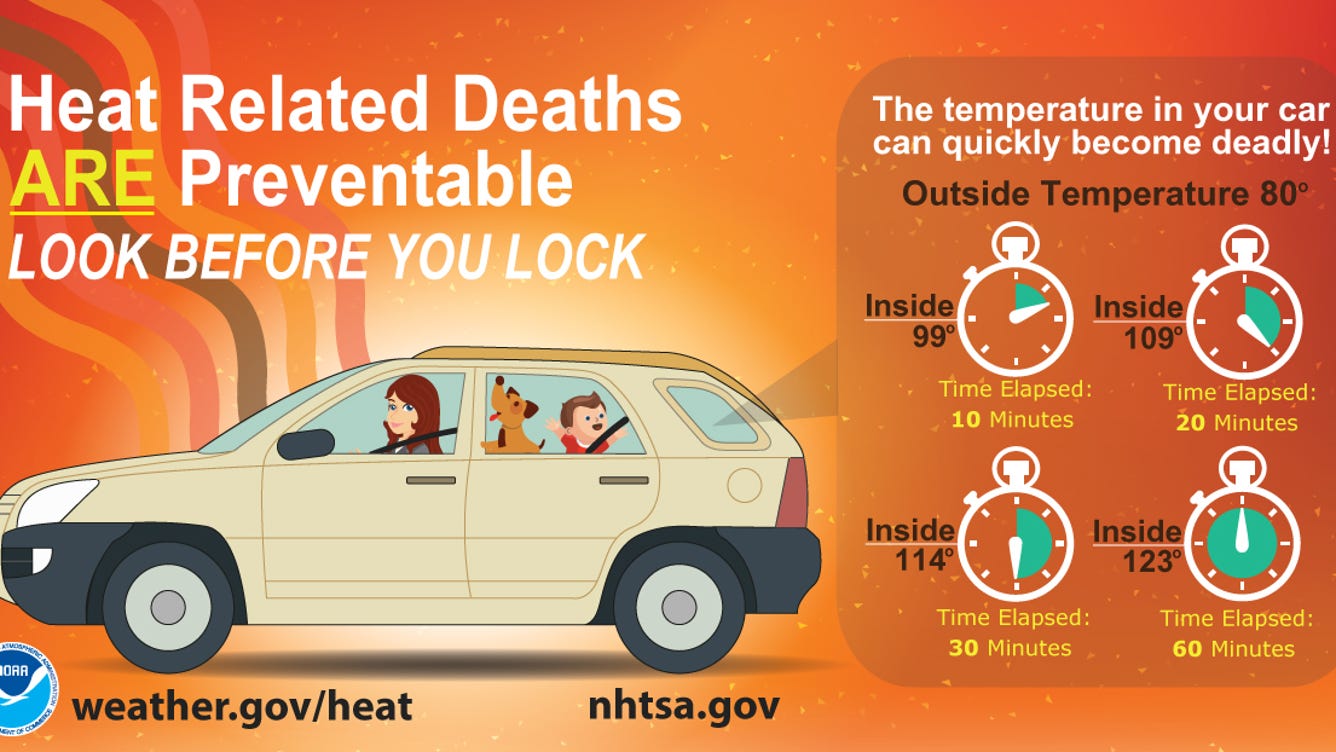
Beyond mortality, extreme heat is linked to higher rates of emergency-room visits, hospitalizations, sleep disruption, mental-health crises (including elevated suicide risk in some studies), reduced physical work capacity, and adverse pregnancy outcomes such as preterm birth.
Geography of the coming heat
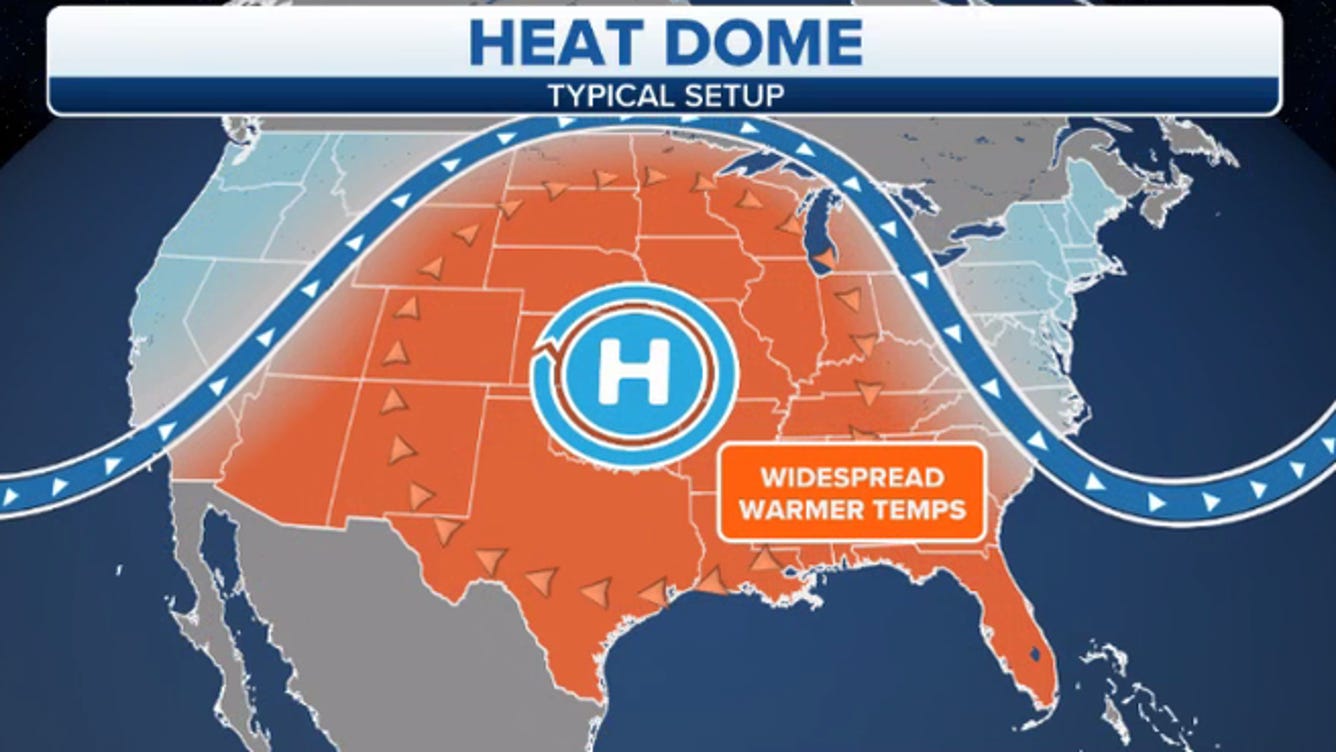
Historically, days with a heat index above 105°F were rare outside the hottest desert and Gulf Coast areas. By mid-century, more than a quarter of the contiguous U.S. land area is projected to experience “no-analog” conditions—heat indices so extreme they fall outside the current National Weather Service heat-index charts—at least once a year on average. Urban areas are especially exposed because of the urban heat-island effect.

Some regions that rarely saw dangerous heat will face weeks of it. Southern and Plains states already experience the highest baseline numbers; under continued warming they could see the equivalent of two to three months of 100°F+ heat-index days in an average year. Northern and higher-elevation areas will see the largest relative increases from a low baseline.
Adaptation is possible—but has limits
Air conditioning is widespread (about nine in ten U.S. households have it), yet power outages during heat waves, energy costs, and outdoor exposure still leave many people unprotected. Cooling centers, early-warning systems, urban greening, reflective surfaces, and workplace protections can reduce harm. Physiological acclimatization helps to a degree, but it does not eliminate risk once wet-bulb thresholds are approached, and it offers little protection during sudden, intense events.
The frequency and severity of extreme heat also depend heavily on future emissions. Lower-emissions pathways roughly halve the projected increase in extreme heat days compared with higher-emissions scenarios by late century.
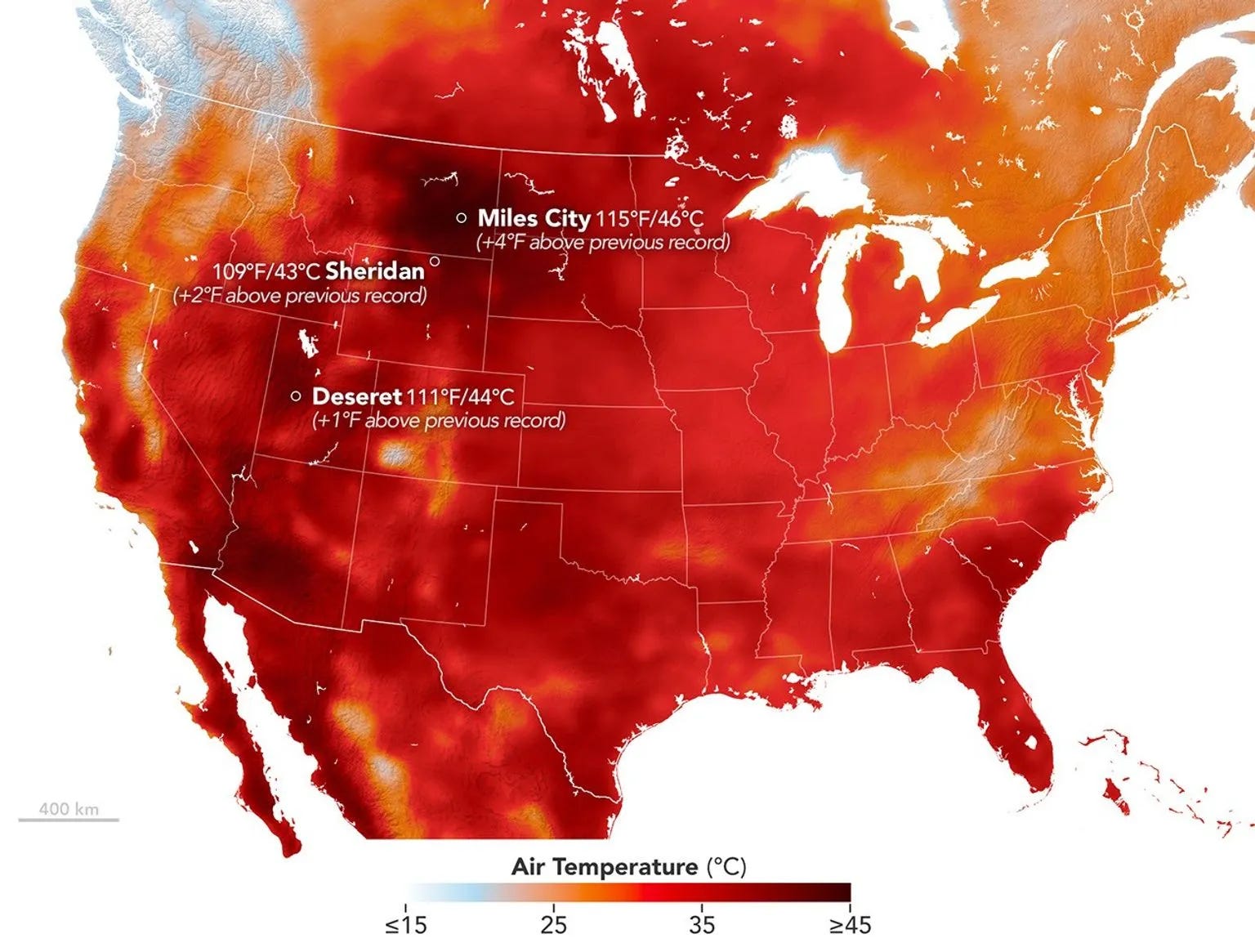
Tripling the number of days above a 105°F heat index is not a distant theoretical scenario—it is a mid-century projection under pathways consistent with current policy and emissions trends. The health consequences will touch cardiovascular, respiratory, metabolic, reproductive, and mental health systems simultaneously. Reducing greenhouse-gas emissions remains the most effective long-term lever; in the nearer term, targeted adaptation for the most vulnerable populations and regions will determine how many lives and how much quality of life are preserved.
Extreme heat is no longer just a summer inconvenience. It is becoming a defining public-health challenge of the coming decades in the United States.
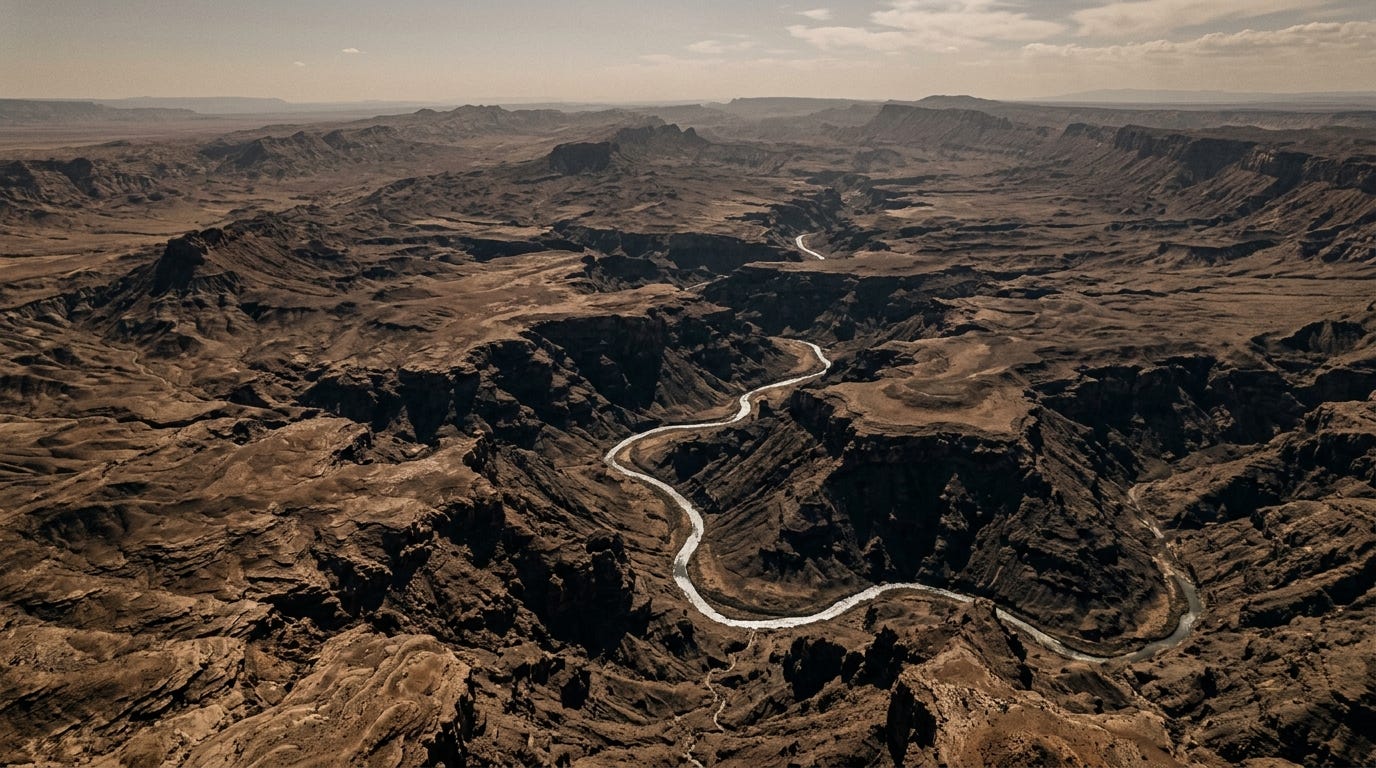
The Colorado River supplies water to 40 million people across seven states, but a combination of decades-long over-allocation and climate-driven megadrought has brought the system to a breaking point. While a record-strength El Niño promises increased precipitation, experts warn it cannot resolve the structural water deficit.
Current Reservoir Crisis
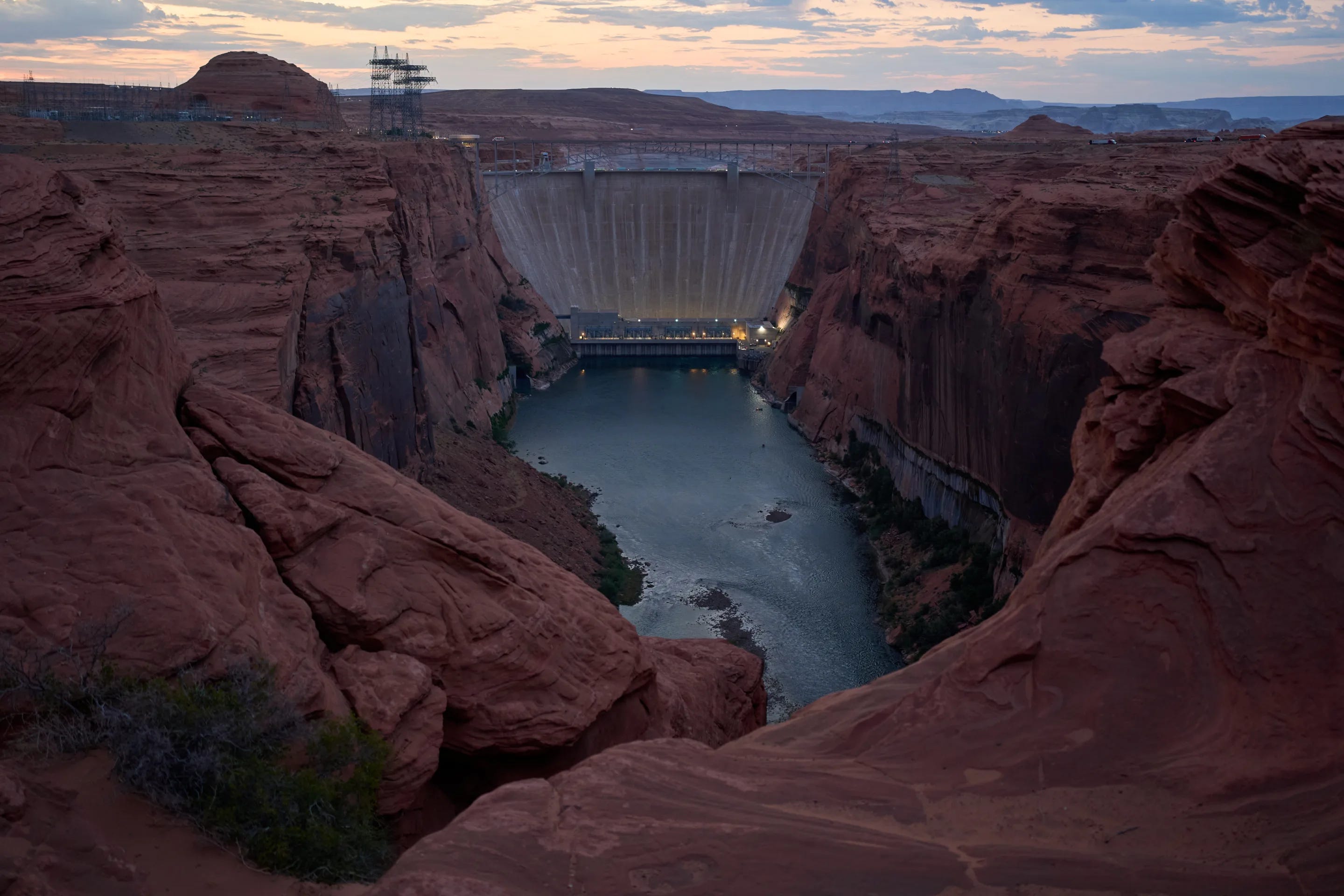
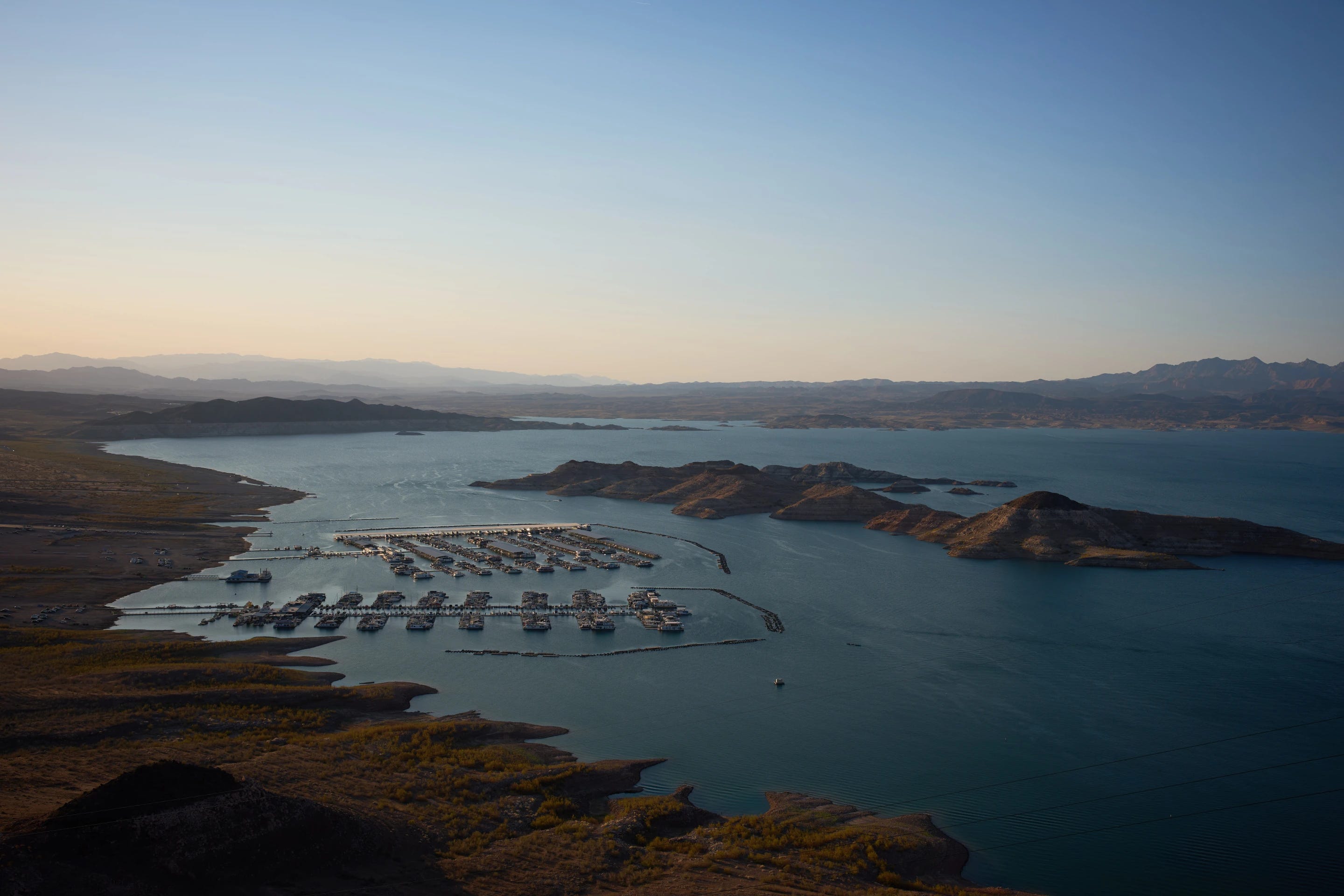
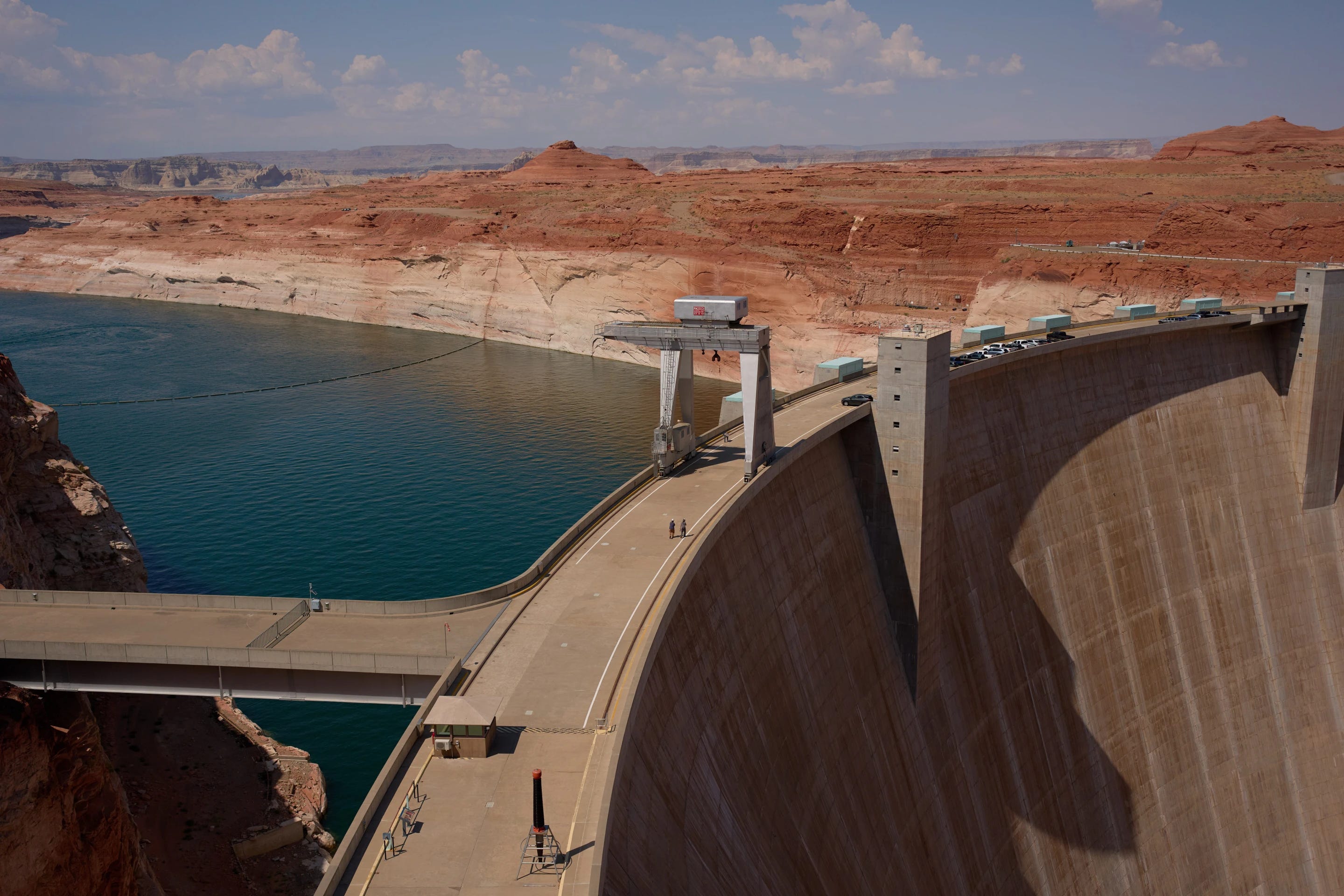
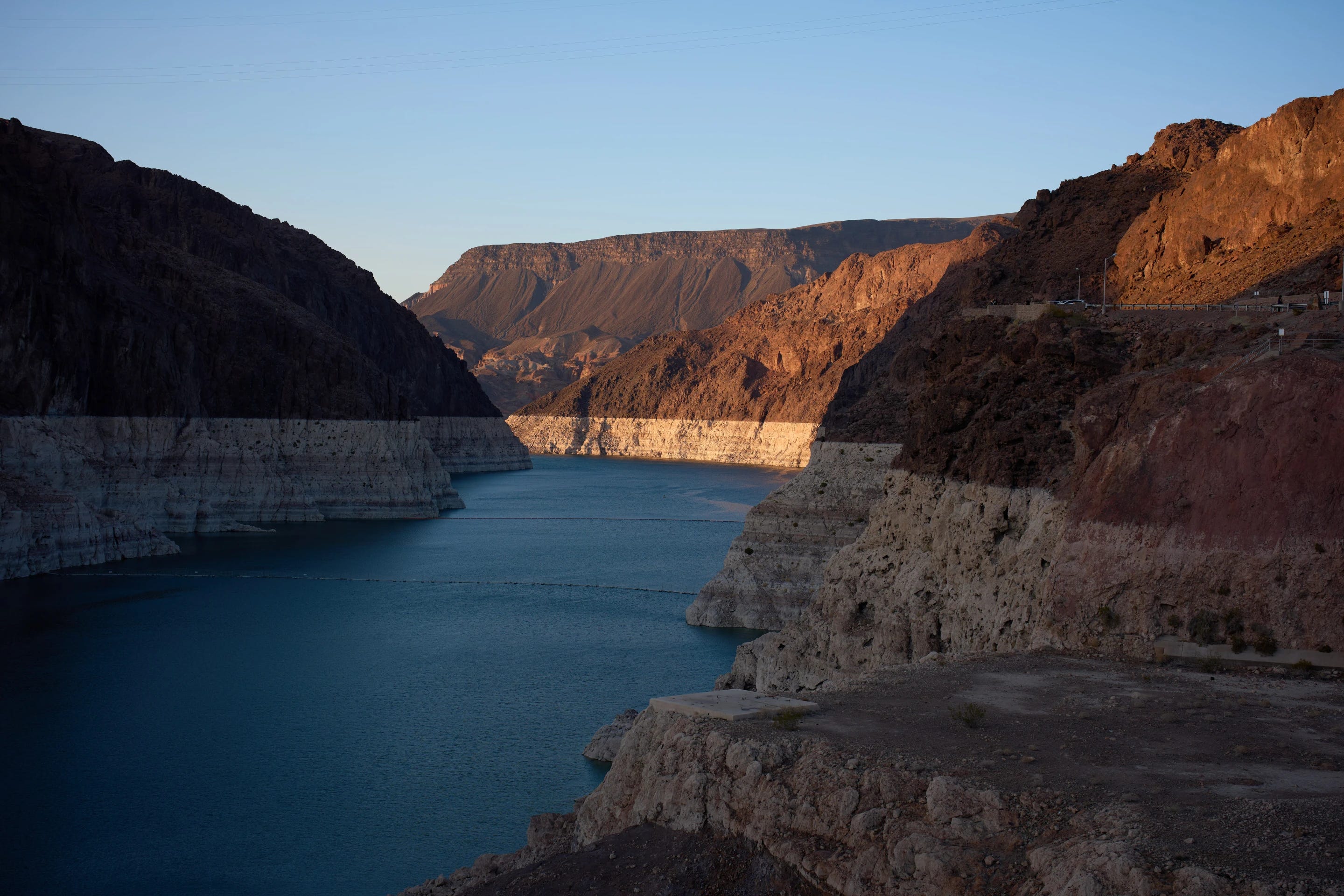
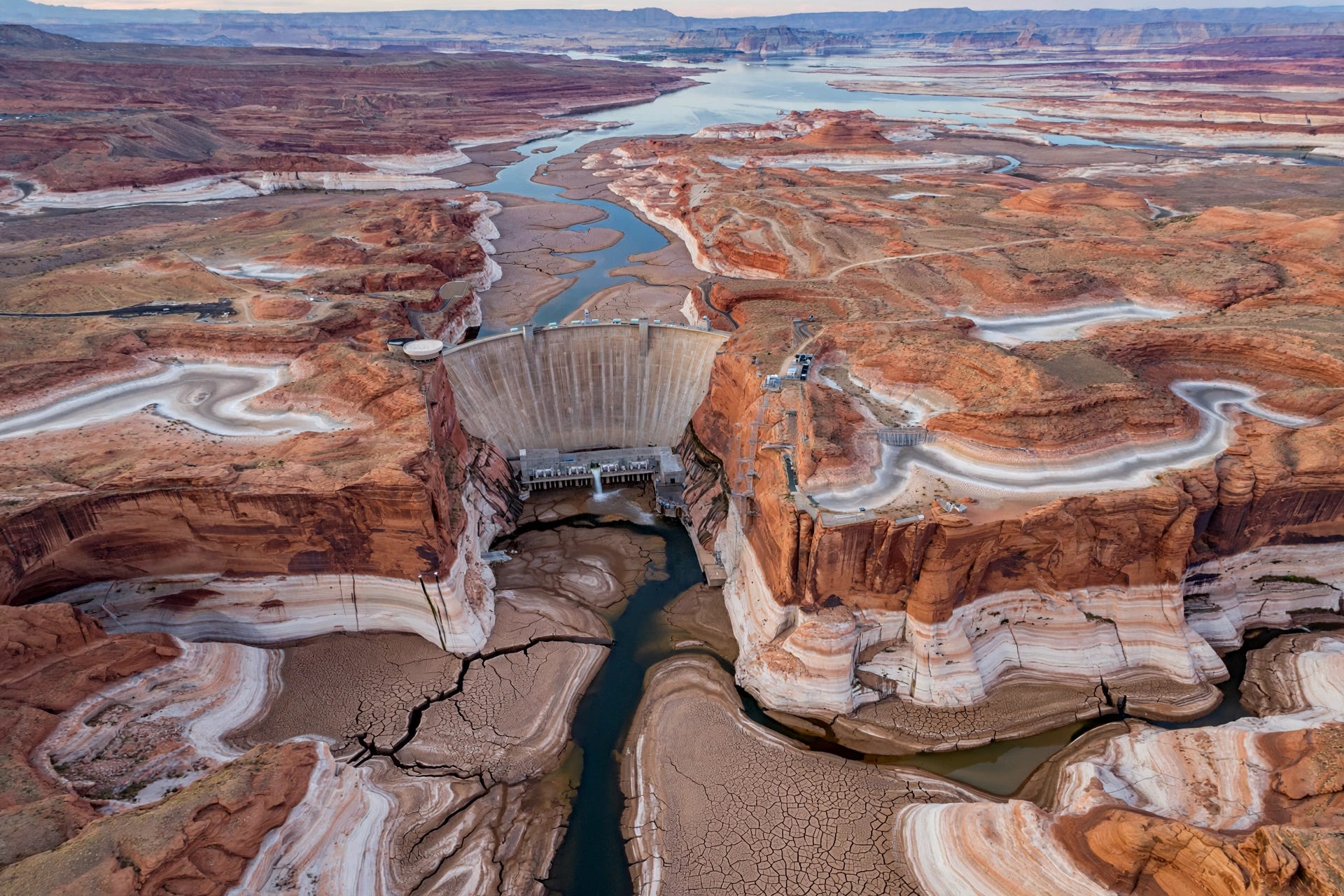
The system’s primary storage buffers—Lake Mead and Lake Powell—have dropped to historic lows, putting both downstream supply and hydroelectric generation at immediate risk.
Reservoir
Current Level Dead Pool Level Operational Impact
Lake Powell 3,519.4 ft 3,370 ft Downstream flow stops entirely below dead pool; power generation cut prior to threshold.
Lake Mead: 1,039.6 ft; 895 ft. Serves Lower Basin states; reaching dead pool halts supply to millions.
Why El Niño Is Not a Quick Fix
Misaligned Geography: El Niño historically delivers moisture to the Lower Basin states (California, Arizona, Nevada). However, the river relies on snowmelt from the Upper Basin (Colorado, Utah, New Mexico, Wyoming).
Weak Upper Basin Correlation: Correlations between strong El Niño events and snowpack in the Upper Basin mountains are modest at best.
Warmer Baseline Environment: Higher temperatures cause precipitation to fall as rain rather than snow, or to be absorbed by dry soil and evaporate before reaching streamflow.
Over-Allocation & Expirations: The century-old legal framework governing water allocations expires at the end of the year. Over-consumption by agriculture and urban expansion far exceeds natural replenishment, regardless of a single wet season.
Even under a best-case scenario with a record snowpack year, temporary relief will not fix a river system projected to lose up to 30% of its flow by 2050. Sustainable mitigation requires structural reduction in water allocations rather than reliance on short-term weather cycles.

Comments
Nothing yet. Say the first thing.
Sign in to join the conversation.