
In the early hours of July 16, 1945, in a remote stretch of the New Mexico desert, a gathering of scientists, engineers, and military personnel witnessed an event that would alter the course of history. Moments after a colossal fireball pierced the sky, a massive shockwave thundered toward the onlookers. The Trinity nuclear test was a success.
While the broader story of the Manhattan Project is well documented, the sheer human and intellectual effort required to execute the mission is often overlooked. In her new book, *Trinity: An Illustrated History of the World’s First Atomic Test* (The University of Chicago Press, 2026), Emily Seyl—a science writer and editor at the Los Alamos National Laboratory’s National Security Research Center—uses never-before-seen photography from the lab’s legacy collections to highlight this monumental physical and mental endeavor.
The following excerpt explores a critical, yet frequently overlooked, element of the test: the rigorous scientific effort to measure the results.
Beyond the “Eye Test”
The most rudimentary measure of success was, of course, the “eye test”: Did the device, known as “the Gadget,” produce a nuclear explosion? But beyond confirming a successful detonation, Trinity was a monumental and complex science experiment. It naturally spawned as many smaller diagnostic experiments as the team could squeeze into the test plans—sometimes to the point of impracticality.
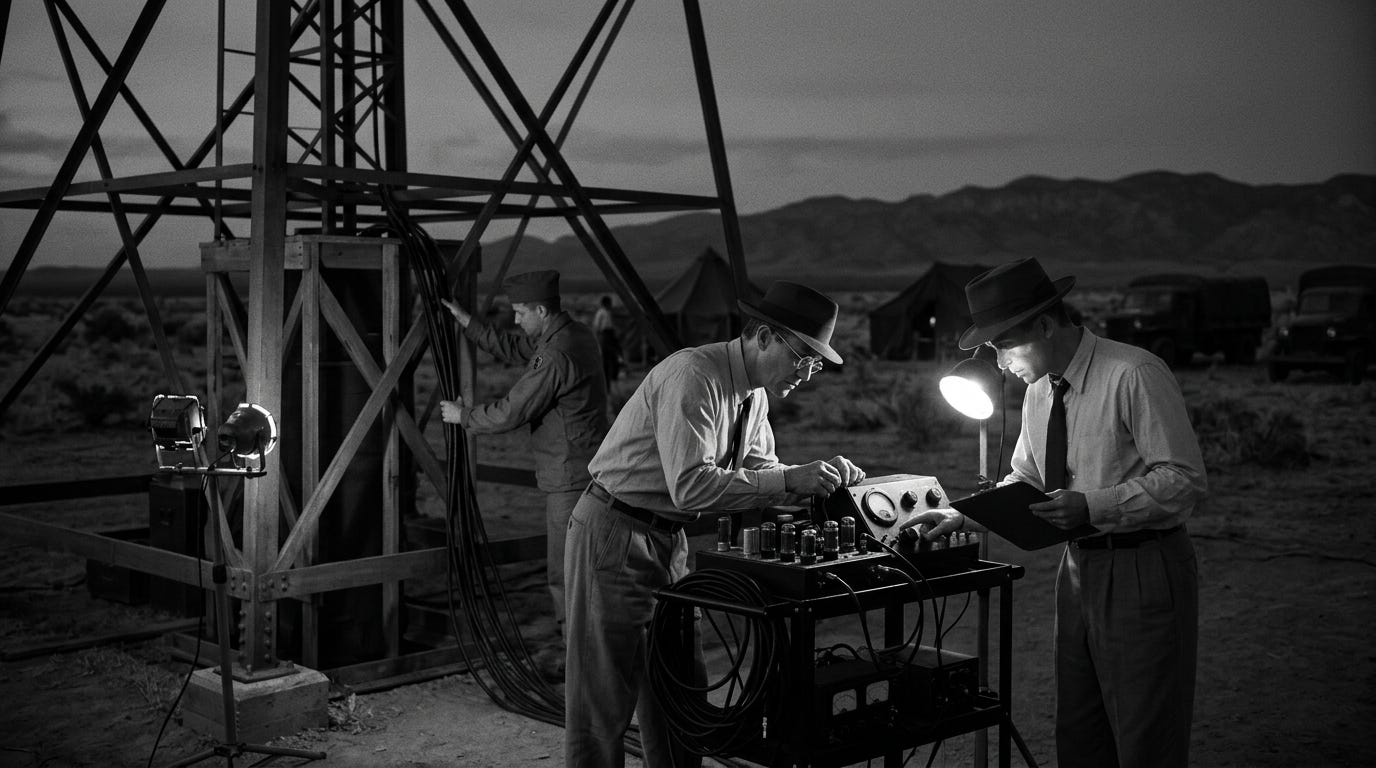
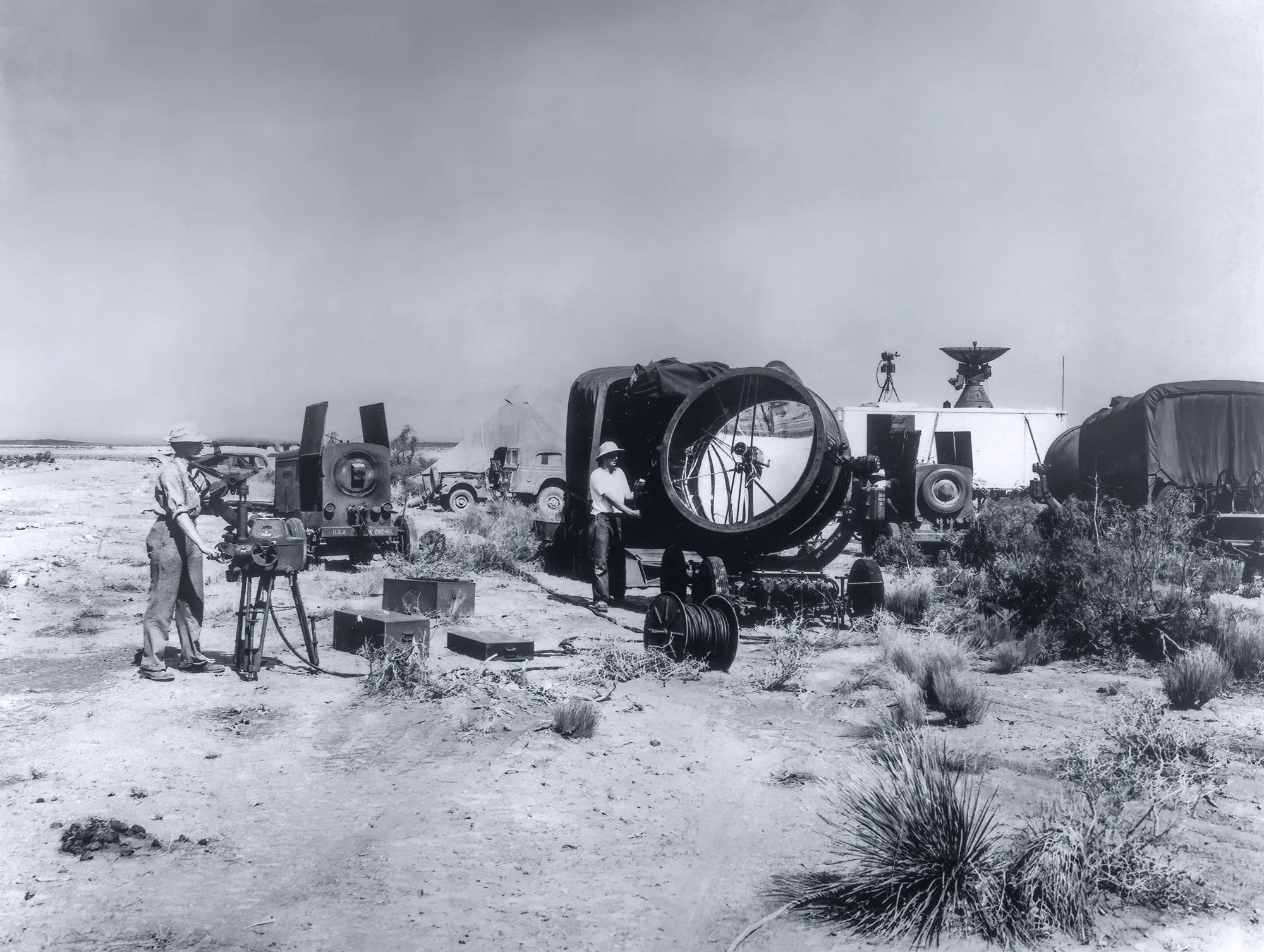
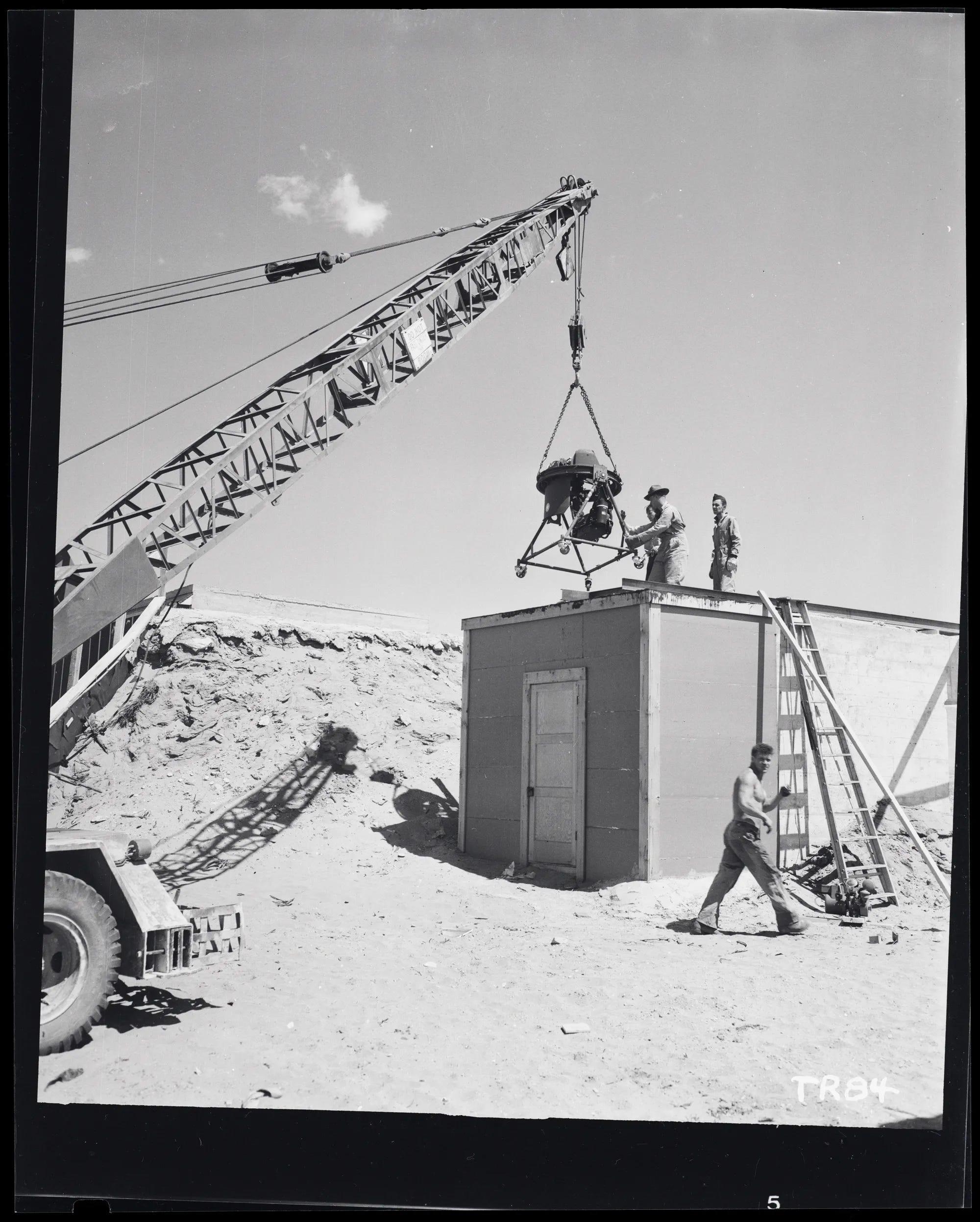
Scattered throughout the desert alongside the human observers was a robust array of electronic and mechanical instruments. Though rugged and nondescript, these devices were highly sophisticated, utilizing first-of-their-kind technologies invented by some of the world’s preeminent researchers to study a completely unprecedented event.
After two years of rushing to produce a workable device, the pioneering scientists finally had a moment to breathe—and they yielded to the temptation to conceive “experiment after experiment.” This deluge of ideas alarmed Kenneth Bainbridge, the director of the Trinity test. In December 1944, while the base camp was still under construction, Bainbridge established a selection committee to triage the proposals.
The committee implemented a strict submission process, requiring scientists to meticulously outline the personnel and materials needed for each idea. Proposed subtests were divided into three categories:
* Essential experiments: Fully approved regardless of the resources required.
* Desirable experiments: Greenlit only if they did not interfere with the primary work on the Gadget.
* Unnecessary experiments: Of which only the absolute simplest were permitted.
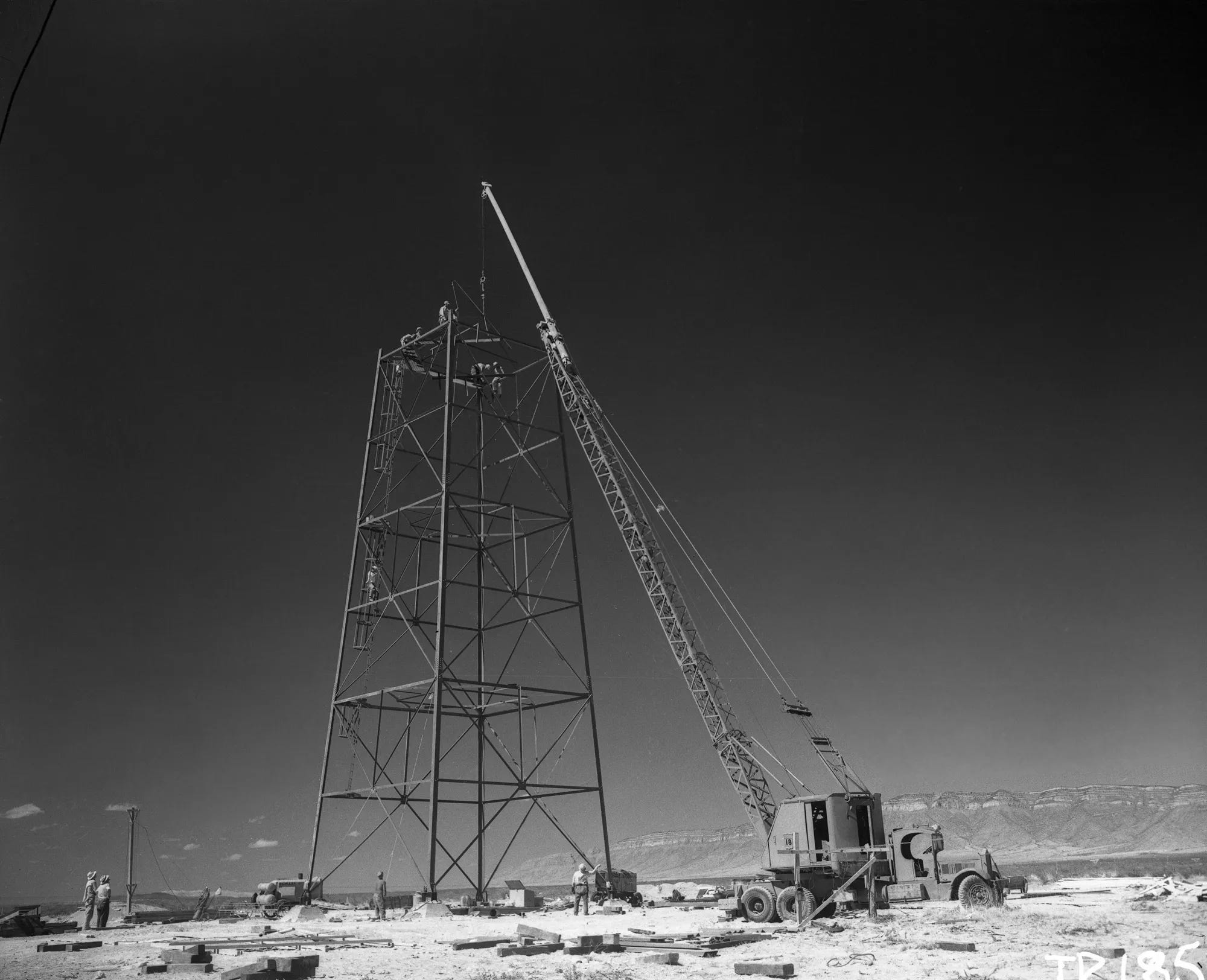
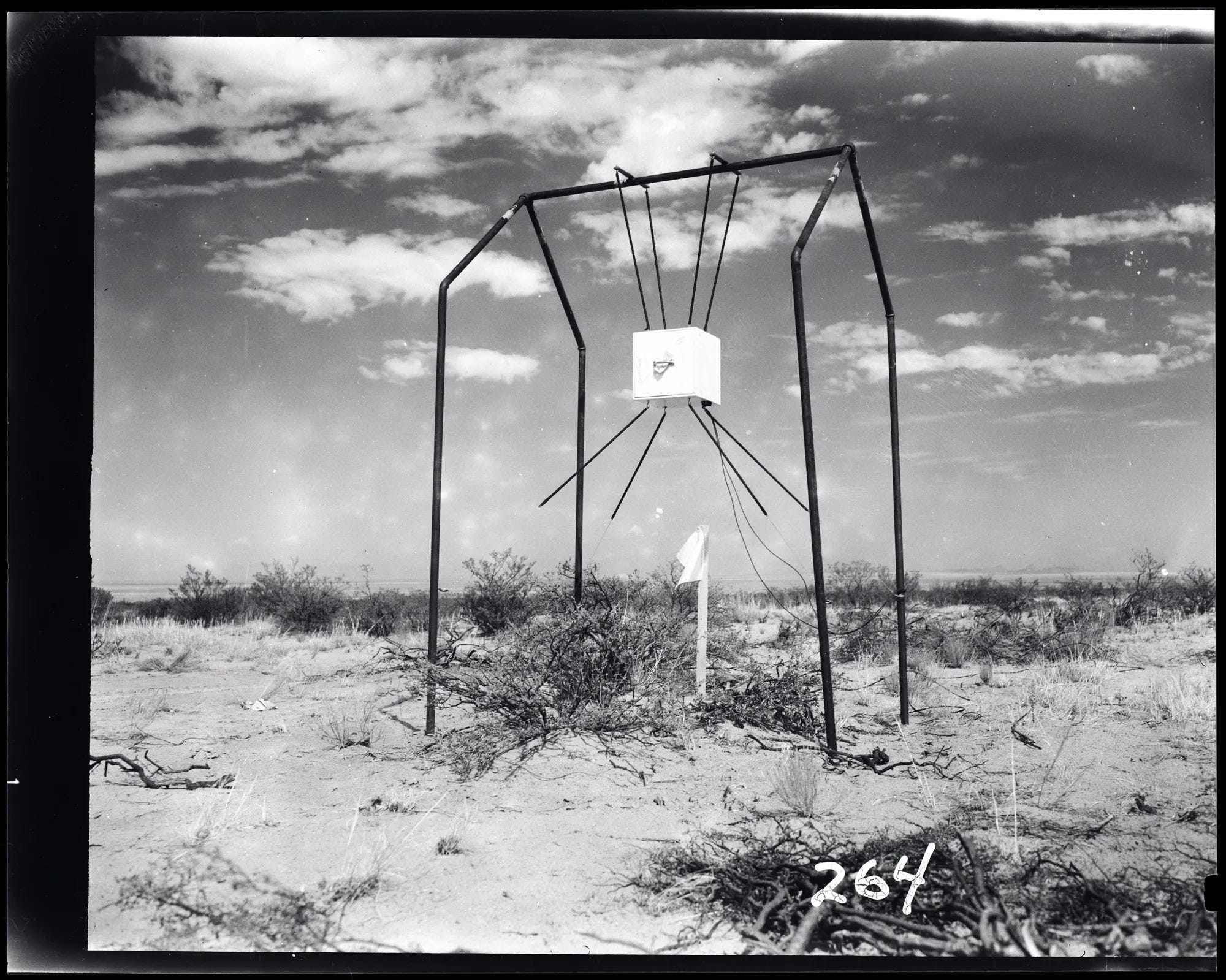
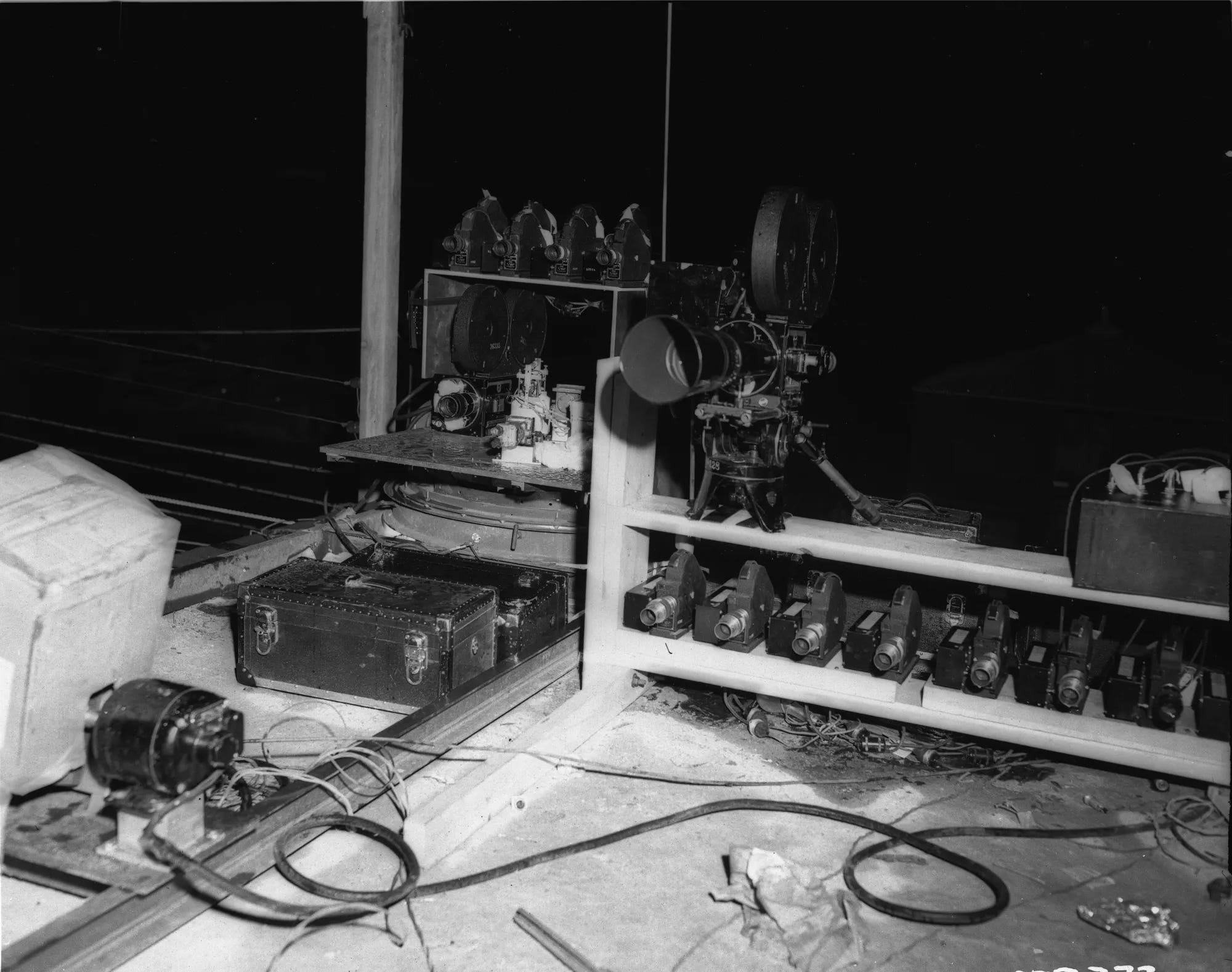
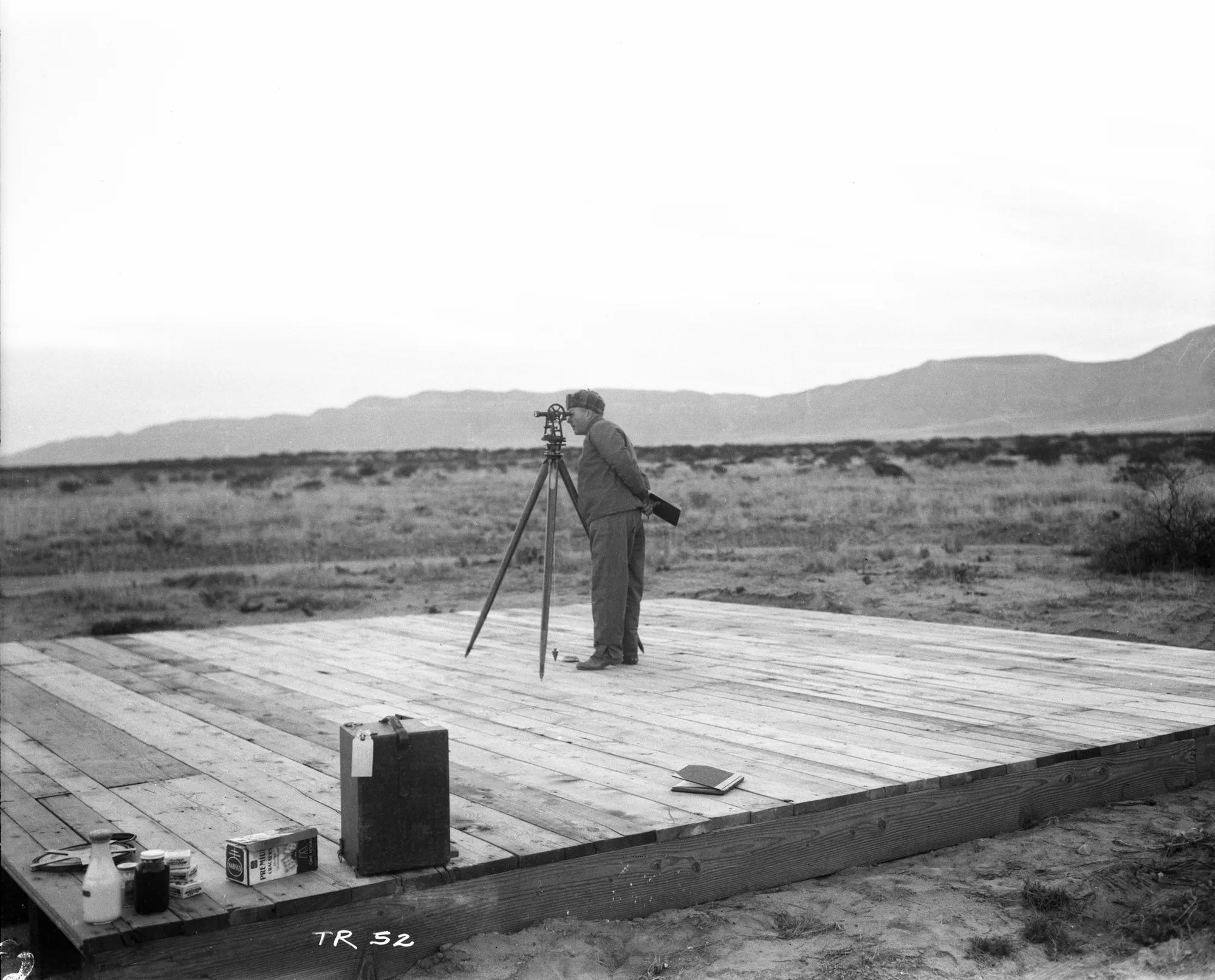
Completing the Gadget remained the top priority. However, as the project moved into March 1945 and the need for “Jumbo”—a massive steel containment vessel designed in case the nuclear chain reaction failed—faded away, confidence grew. With the immediate threat of a dud diminishing, the focus shifted heavily toward learning everything possible about the device’s performance. A significant battery of physicists, photographers, chemists, and engineers began commuting between Los Alamos and the Trinity site, working from dawn to dusk to ready cameras and diagnostic instrumentation.
The greatest unknown was the weapon’s “yield”—the total amount of energy released, which depended on how much of the plutonium fuel underwent fission. The goal was to maximize this energy. To quantify the impending success or failure, scientists planned to observe three primary manifestations of that energy:
1. Radiation: The amount emitted from the core, including neutrons, gamma rays, and fission fragments.
2. Shockwaves: The pressure and speed of the air and ground shockwaves.
3. The Fireball: The size and temperature, which would indicate the amount of energy released as heat.
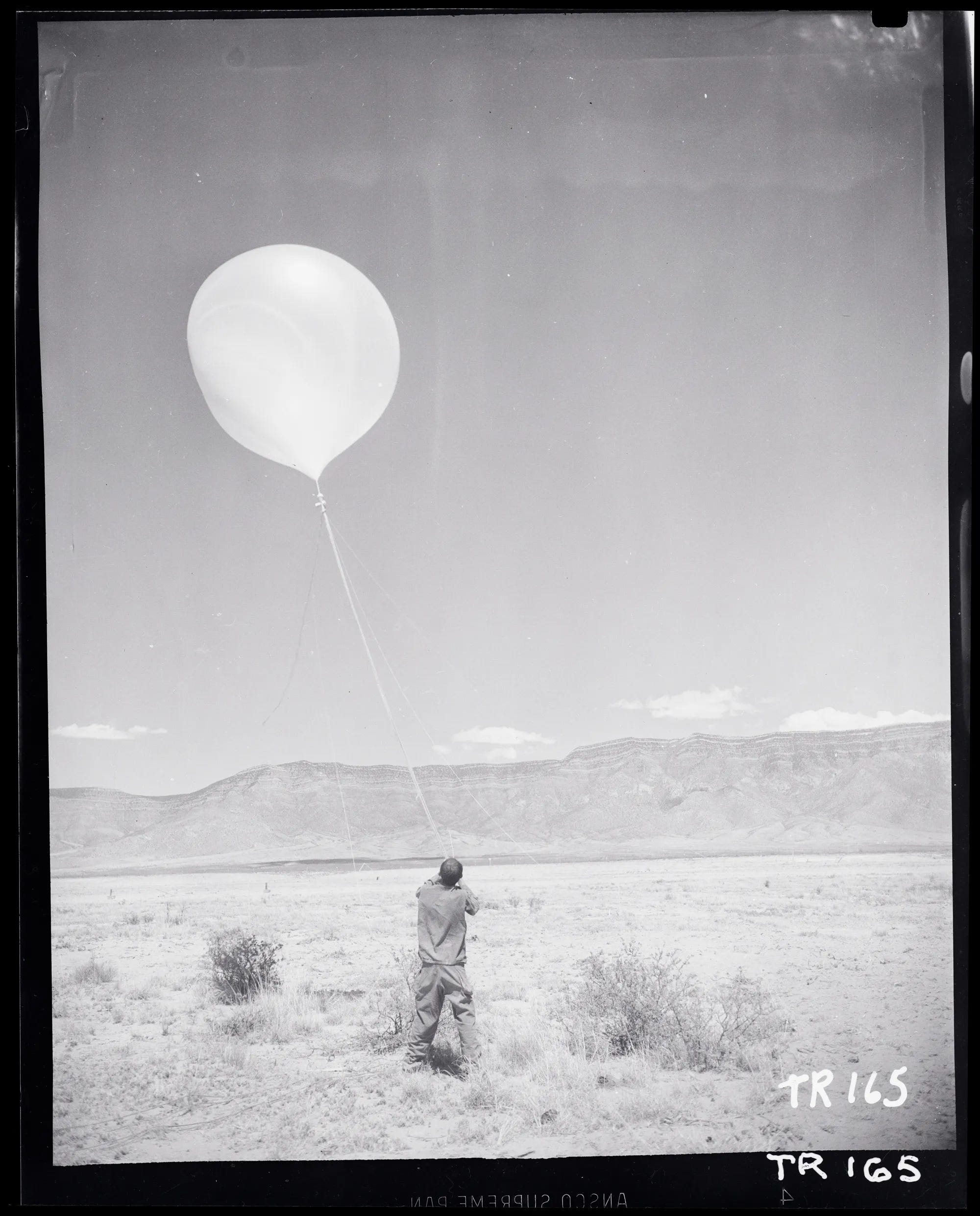
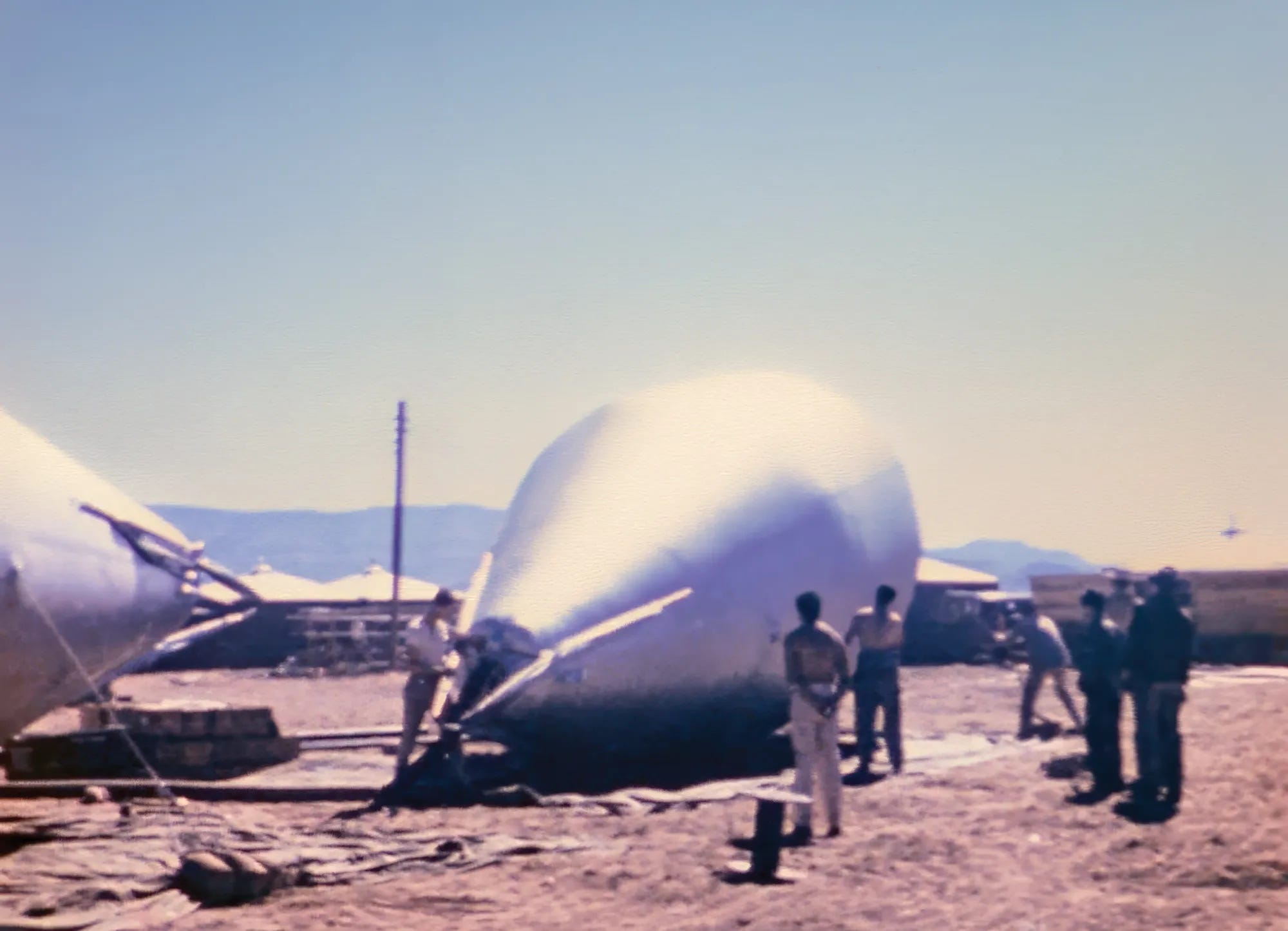
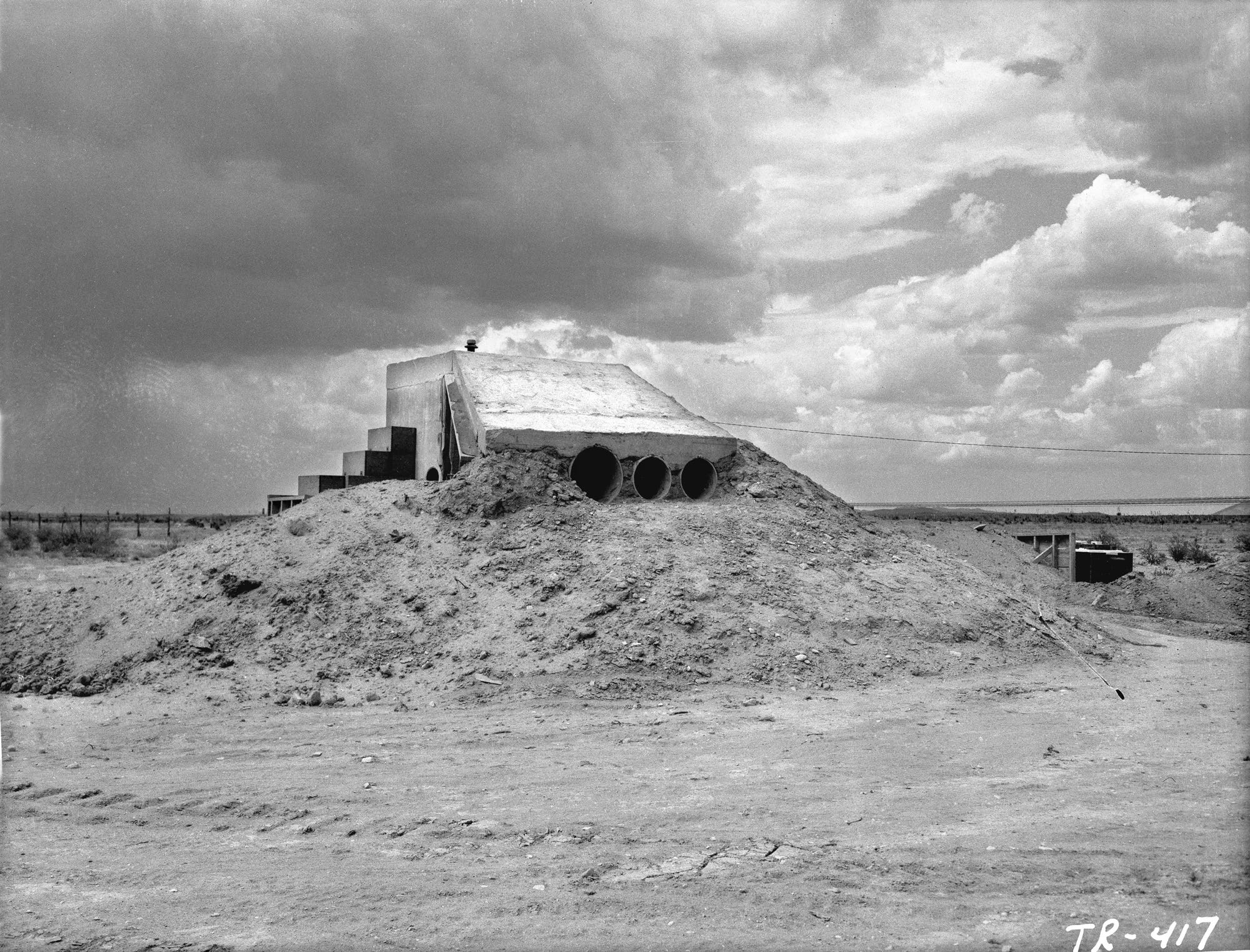
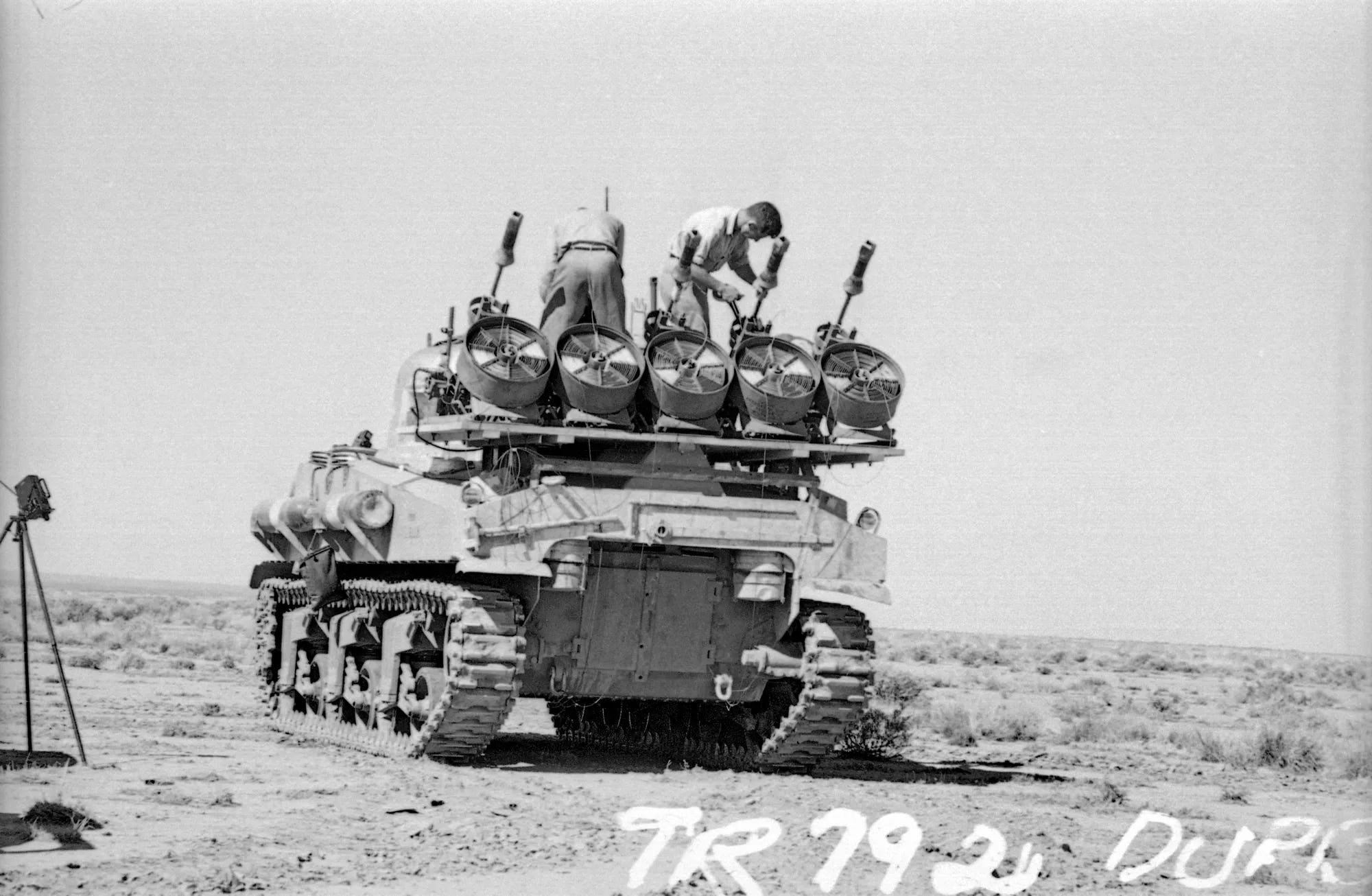
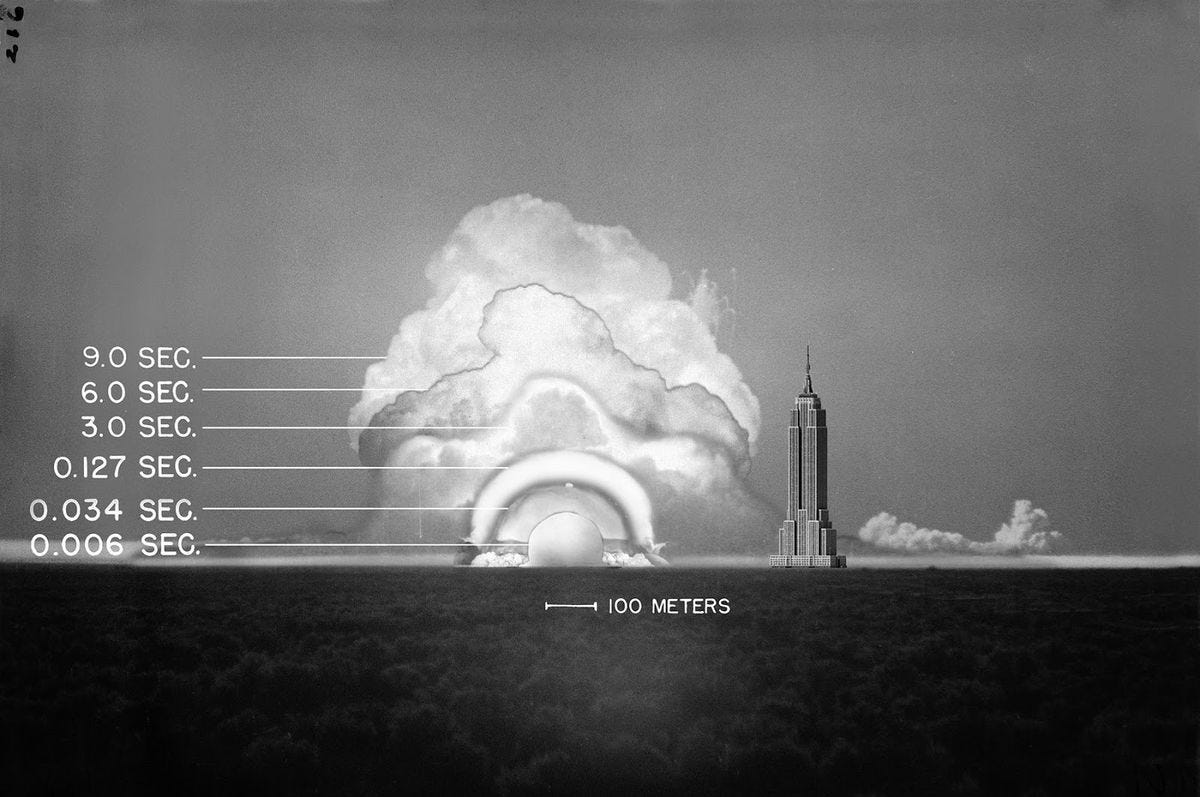
To capture these phenomena, the instruments had to be positioned in a delicate balancing act: close enough to absorb and record the effects, yet far enough away to survive them. This siting challenge was compounded by the fact that the team only had rough, frequently changing estimates of the Gadget’s destructive capacity to guide them.
Undeterred, the scientists brought the rigor of the laboratory to the desert through dozens of clever methodologies. Some devices relied on hardwired communication lines to transmit data back to recording instruments in fortified bunkers. Others were programmed to trigger visual signals, which were then filmed by timestamped cameras positioned at safer distances. Still other instruments were purely mechanical; built from resilient materials or buried underground dangerously close to the blast, they were designed to be recovered in the aftermath to harvest their data.
Knowing that no single approach was guaranteed to work, the team relied heavily on overlap and redundancy to account for inevitable failures.
Ultimately, while the individual cameras and instruments varied in their performance, the experimental program as a whole was a triumph. It succeeded in committing to history a comprehensive visual record and a trove of invaluable data, standing as a testament to the talents and toils of the many who made it possible.
On July 16, 1945, at 5:29 a.m., the desert answered every question the instruments couldn’t. The fireball that rose over the Jornada del Muerto was brighter than any sun the physicists had modeled, hotter than any equation had promised, more powerful than even the most optimistic estimates had dared suggest. The scientists who had spent months rigging cables, calibrating photographic plates, and arguing over slide-rule predictions finally had their data — but no amount of preparation could have braced them for what they felt standing in that control bunker. They had built the tools to measure history. They hadn’t built anything to measure what it would feel like to make it.

Comments
Nothing yet. Say the first thing.
Sign in to join the conversation.