
A few years ago I recorded an episode of my video podcast Forbidden Territory for Ghent University (in Dutch) about the heritability of intelligence. We also touched on the third rail of racial differences in IQ. Why? Because I believe even highly controversial hypotheses must remain within the bounds of academic inquiry.
My guest Han van der Maas, a renowned intelligence researcher at the University of Amsterdam, explained that individual IQ differences are highly heritable, but that he does not believe in differences between ethnic groups. His statistical and methodological arguments (e.g. Simpson’s paradox) convinced me at the time. Still, he hedged his bets: future evidence might yet reveal such differences, and we should not try to cancel researchers who claim such differences are real.
Forty-five colleagues from my former philosophy department (and hundreds more in a letter to the rector) clearly think otherwise. They are urging the rector to fire Nathan Cofnas because he claims that the IQ gap between racial groups such as whites and blacks in the US—differences that are themselves well documented—have largely genetic causes, rather than environmental ones like socio-economic disadvantage or discrimination. He makes the same claim about the higher scores of East Asians and Jews (which exceed those of white Europeans, by the way). They dismiss all of this as “pseudoscience and racism.”
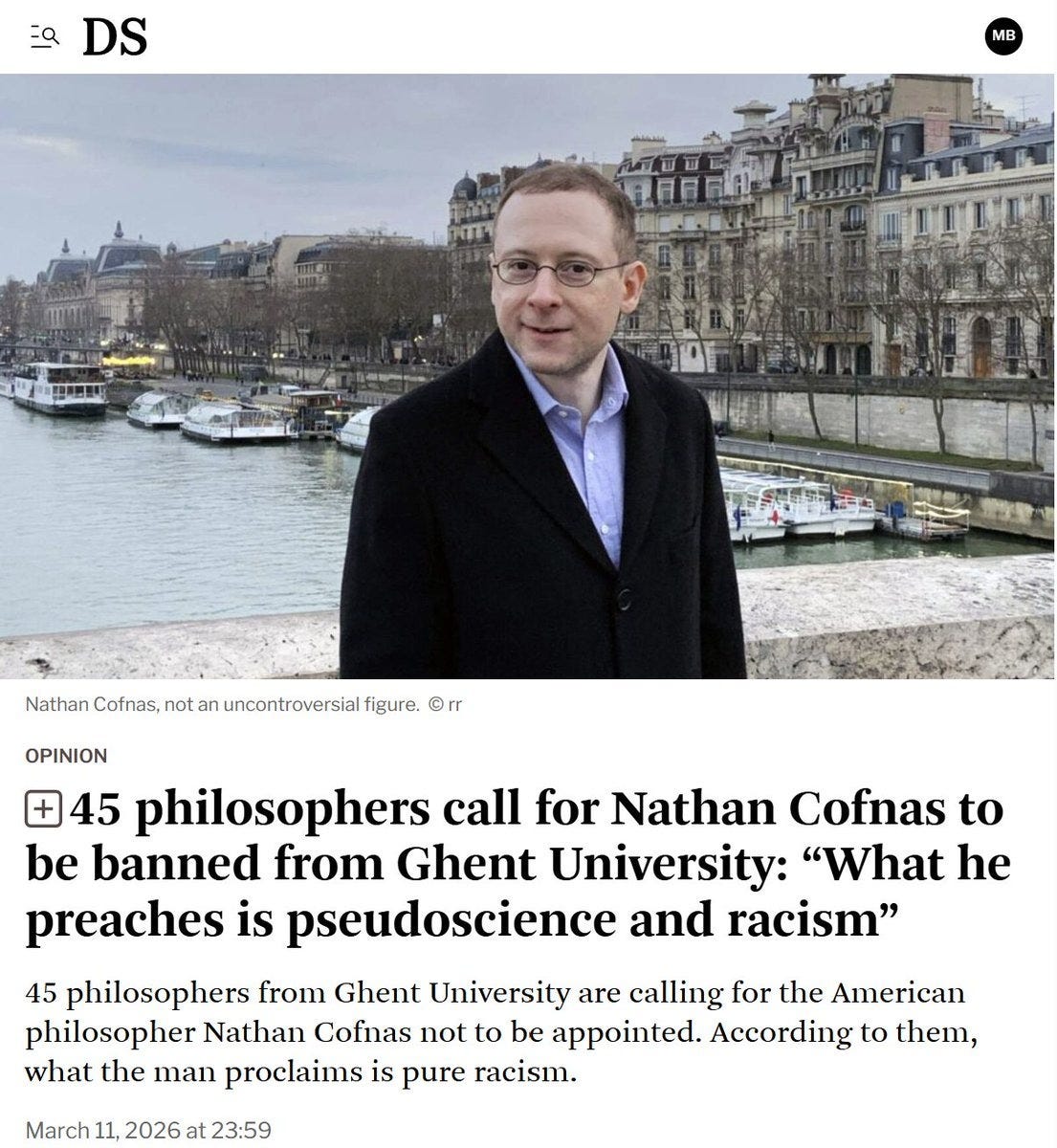
It would not be the first time for Cofnas to be expelled from a university because of his hereditarian views. In 2024, following public outrage, Emmanuel College at the University of Cambridge terminated its association with Cofnas, claiming that his views amounted to “discrimination and harassment.” Yet a subsequent investigation rejected all 58 complaints against him, and Cofnas is now suing Emmanuel.
Now, I perfectly understand why many people are shocked by Cofnas’s claims, and I agree that such hypotheses should be treated with utmost caution. As my friend Jerry Coyne wrote with Luana Maroja in their influential article The Ideological Subversion of Biology:
In light of the checkered history of this work, it behooves any researcher to tread lightly, for virtually any outcome save worldwide identity of populations could be used to buttress bias and bigotry.
Still, this clearly falls within the scope of academic freedom. If you are not prepared to extend academic freedom to ideas you fiercely disagree with, you do not really believe in academic freedom.
And pseudoscience? For years, the psychoanalysis of Jacques Lacan and Sigmund Freud dominated Flemish universities — a complete pseudoscience, in my view. It was even taught in my department. Dozens of hefty master’s theses and PhDs were written from the perspective of Lacanian psychoanalysis, all scientifically worthless.
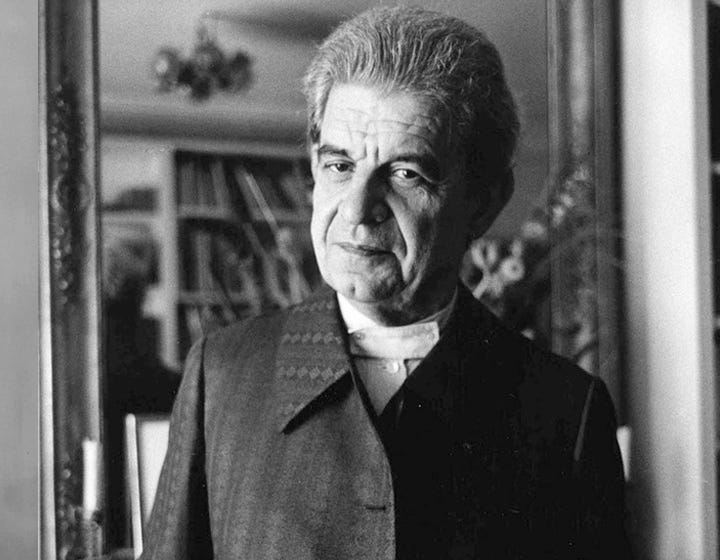
Nor is Lacanian psychoanalysis harmless. It has caused serious damage in the treatment of autism, for example, with nonsensical “explanations” about unresolved Oedipal drama that stigmatize and blame parents. Hardly anyone batted an eye. Unlike my colleagues, I published several papers explaining why (Lacanian) psychoanalysis is pseudoscientific. Yet I never demanded that my colleagues be fired. That is not how academic disputes should be resolved.
My colleagues Peter Singer, Francesca Minerva and Jeff McMahan wrote an open letter defending the academic freedom of Nathan Cofnas. I have signed it as well, together with luminaries such as Steven Pinker, Alan Sokal , Susan Blackmore, Scott Aaronson, and Bryan Caplan. Here it is in full:
A statement in support of Nathan Cofnas’s Right to Academic Freedom of Expression
Two separate statements have recently been issued by members of Ghent University, in Belgium, calling on the university to rescind the appointment of Nathan Cofnas as a postdoctoral researcher. One claims that his views “violate the university’s code of ethics and are morally beneath contempt”.
We oppose this attack on academic freedom. While we are not endorsing any specific claims Cofnas has made, we believe that academics must be able to put forward controversial or provocative claims without fear of losing their employment. Of course, other academics should be free to criticise or repudiate those claims.
The statements mentioned above do not even attempt to engage with Cofnas’s empirical claims. Disagreements, whether about empirical claims, ethical principles, or the interpretation of the ethical code of a university, should be settled through free inquiry and open, civil discussion.
We commend Petra De Sutter, Rector of Ghent University, for her statement to the Belgian newspaper De Morgen, that “As a university, we have a responsibility to create space for debate, but also to ensure an environment where people feel heard and respected.”
We agree that creating space for debate is an essential element of a university, and that space for debate should not be closed unless this is a last resort to prevent a clear threat of lasting substantial harm.
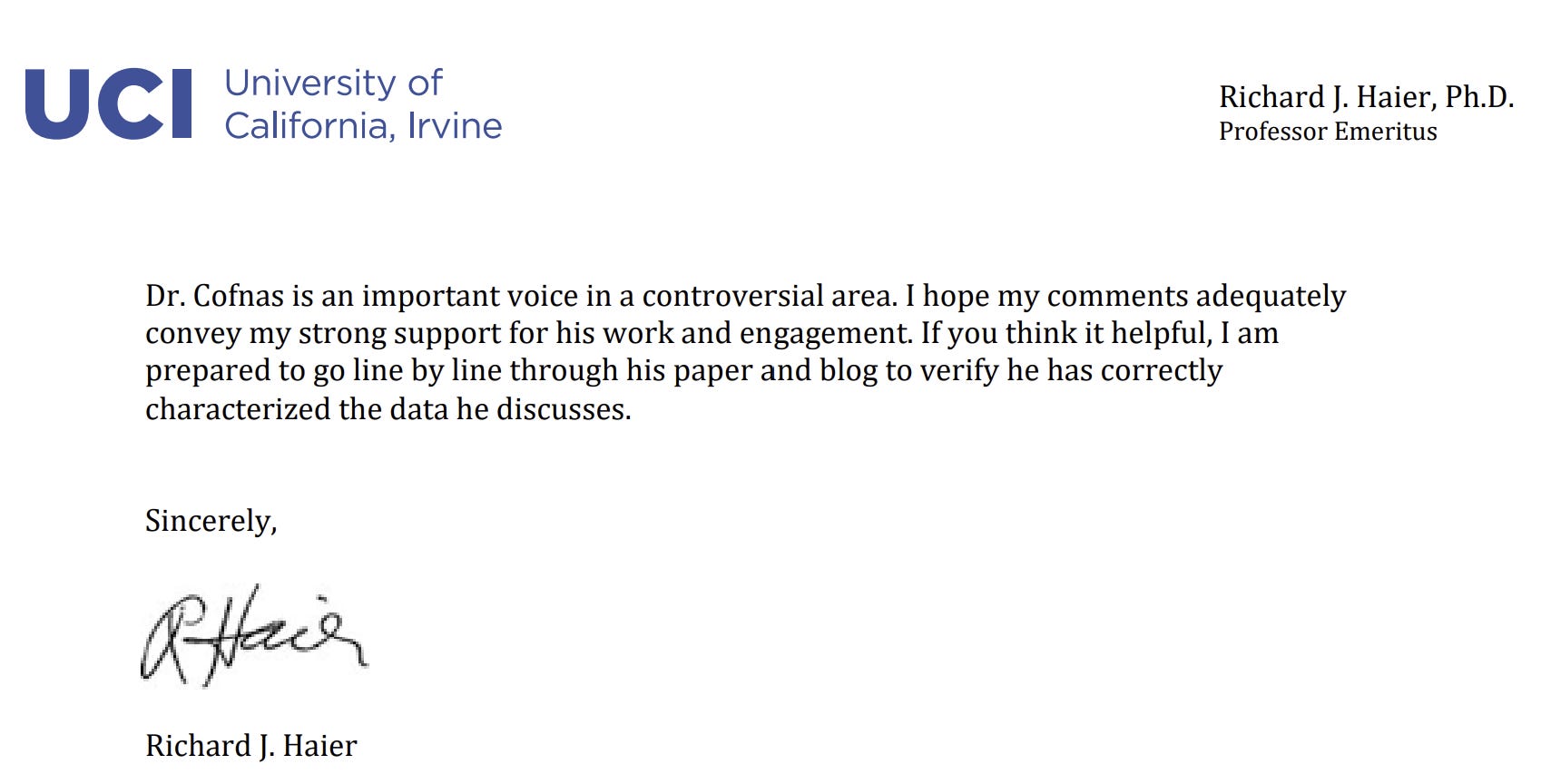
As most of the signatories, I do not endorse Nathan Cofnas’s claims and remain agnostic on the issue. Still, I have a letter recommending Cofnas’s work on IQ from Richard J. Haier, who served for eight years as editor-in-chief of the prestigious journal Intelligence. In it, he expresses his “strong support” of Cofnas and his work on IQ, calling him “competent” and an “important voice in a controversial domain.”
I was also shocked to discover that, in an anonymous survey, 43% of intelligence researchers admit they believe the black-white IQ gap in the U.S. is predominantly explained by genetic causes, as opposed to environmental ones (40% favored environmental causes, and 17% assumed an equal influence of genes and environment). Apparently, there is quite a bit of self-censorship in this field.
A more recent poll asked 470 psychology professors at leading universities to rate their confidence in the claim that genes explain a non-trivial portion (at least 10%) of the racial IQ gap, on a scale from zero to hundred. The answers ran the gamut, but the mean was 29.1 percent. That’s quite a distance from the zero, which would indicate absolute confidence that the hypothesis is false.
As a philosopher of biology, I feel qualified to add one point. The argument that racial differences in intelligence are a non-starter because human “races” are purely social constructs without any biological reality is disingenuous. You do not need crisply delineated racial categories to observe meaningful genetic differences between populations.
It is true that human populations are continuous and, compared with other species, show relatively little genetic variation. Still, you can find clusters and subclusters of phenotypic traits that broadly correspond to geographic regions. People’s self-identified racial classification aligns with these clusters with about 99.84 percent accuracy. As Coyne and Maroja write:
Human populations do show genetic differences from place to place, and those small differences, summed over thousands of genes, add up to substantial and often diagnostic differences between populations.
None of this is surprising. People can often tell in a split second, just by looking at someone’s face, roughly where that person’s ancestors come from. It is foolish for academics to pretend that such basic facts of everyday life are purely illusory.
Differences between populations in less visible traits are therefore entirely possible. Consider a familiar example. Everyone knows that people from Ethiopia and Kenya excel in long-distance running; they totally dominate Olympic medals in these events. Does that make them “superior”? Of course not. Does it mean every Ethiopian will beat every European in a marathon? Again, no. It simply means that, on average, East Africans perform better in endurance running, partly because of well-understood physiological advantages—such as limb proportions, high oxygen uptake, and elevated red blood cell counts—which are partly rooted in genetics. And it is a basic statistical fact that average differences between populations become more pronounced at the extreme end of the distribution. As a result, Olympic medalists overwhelmingly have East African ancestry.
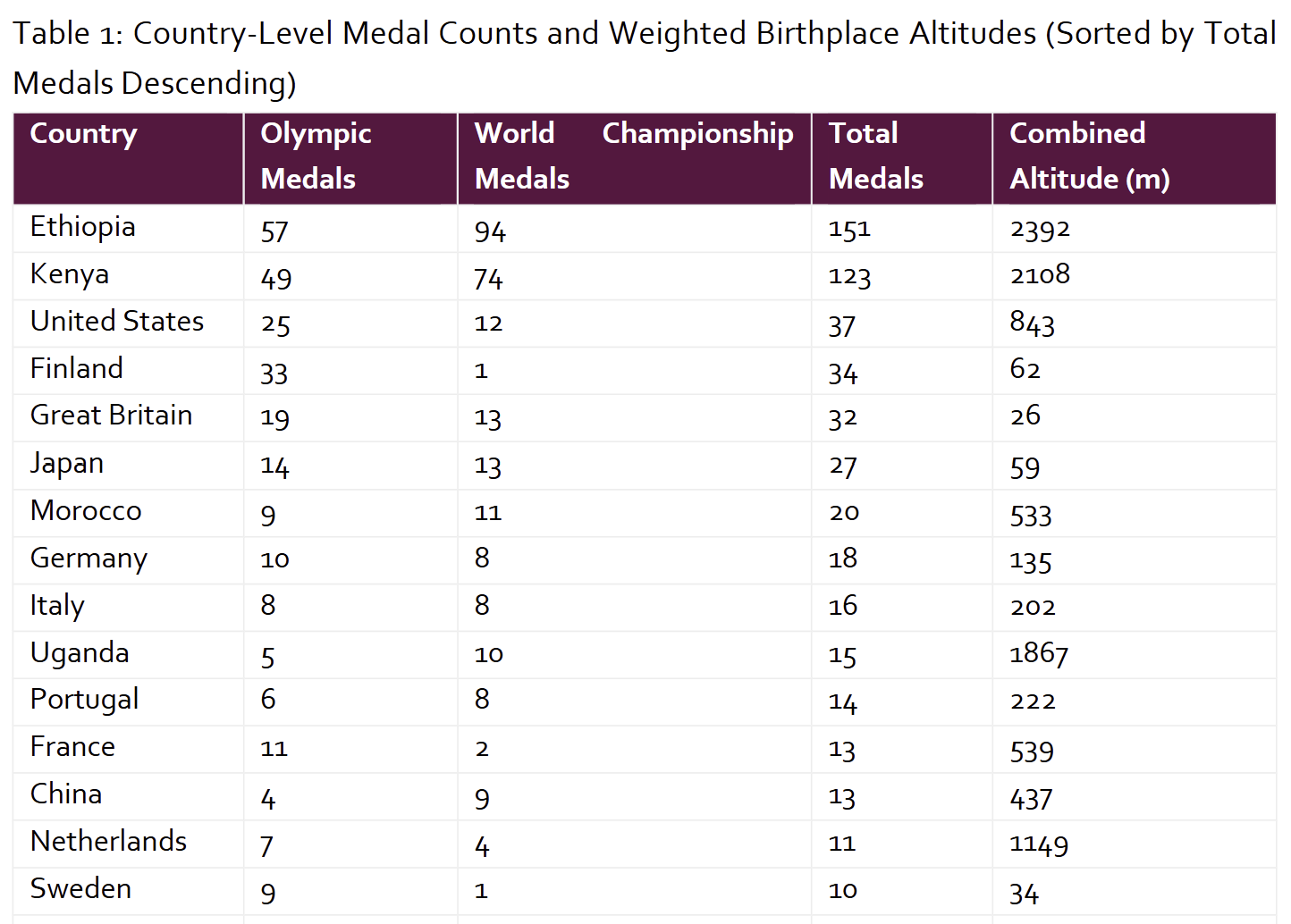
It cannot be ruled out that other differences exist between populations, including in mental traits, although robust evidence for this remains lacking. Moreover, measuring intelligence is far more complicated than crossing a finish line.
Finally, what about Nathan Cofnas’s vigorous activism alongside his academic work? It is true that Cofnas is far less measured in his Substack posts than in his academic publications on IQ. For instance, his flippant way of expressing a statistical point about the racial IQ gap in academic achievement (similar to the point above about long-distance running) seems almost deliberately incendiary:
Under a colorblind system that judged applicants only by academic qualifications, blacks would make up 0.7% of Harvard students. [...] In a meritocracy, Harvard faculty would be recruited from the best of the best students, which means the number of black professors would approach 0%.
Cofnas is also very combative in his attacks on “woke ideology”, and he genuinely believes only a “hereditarian revolution” can truly dismantle it—otherwise, we’ll be stuck fighting symptoms rather than root causes:
Until we defeat the taboo on hereditarianism, our victories will always be temporary. Every time we cut off a tentacle of the DEI monster, it will grow back.
I’m not convinced, but it’s a clever argument, and I’d encourage you to check it out with an open mind.
In any event, if such robust activism were a valid reason for dismissal, half of the humanities departments would be emptied out. I cannot count the number of academics who engage in relentless diatribes against capitalism and neoliberalism, against right-wing populism, against Western colonialism and Zionism, or even against white people. Why should anti-woke activism be out of bounds?
Some time ago, I drew attention to a researcher at Ghent University, Max Ajl, who glorified the Houthi terrorist group as the “most humane force in modern history”, during an official UGent lecture no less. The Houthis literally stone and crucify people for “homosexual crimes,” and their official battle cry is “God Is Great, Death to America, Curse on the Jews, Victory to Islam.” Yet I don’t recall hearing calls for his dismissal at the time. Could it be because Ajl is a left-wing activist, while Cofnas is seen as right-wing?

Maarten Boudry@mboudry
An astounding series of clips from a talk by Max Ajl, a researcher at @ugent, calling the Houthis, a group that stones & crucifies gays, "the most humane force in modern history." Their official battle cry is "God Is Great, Death to America, Curse on the Jews, Victory to Islam".

Stu Smith @thestustustudio
Ajl states, "Everyone in the world is drawing strength from what the Houthis, Ansar Allah." They are doing the greatest "humanitarian intervention in world history." The Houthi's Motto is: "God Is Great, Death to America, Death to Israel, Curse on the Jews, Victory to Islam"
1:23 PM · Jun 5, 2024 · 54.7K Views
26 Replies · 51 Reposts · 250 Likes
If Ghent University caves to this demand, it will be another blow to academic freedom at my alma mater—following illiberal statements by the new rector suggesting that researchers who question the safety of vaccines or the “genocide” narrative in Gaza are “crossing a line that must not be crossed.”
Calling for the dismissal of anyone who even touches the third rail of ethnic differences in IQ is also strategically unwise. Such attempts often fuel the phenomenon of “red-pilling.” When academics appear determined to suppress a dangerous idea at all costs, people naturally become suspicious: What are they trying to hide? The result is a further erosion of trust in academia.

No posts
Comments
Nothing yet. Say the first thing.
Sign in to join the conversation.