
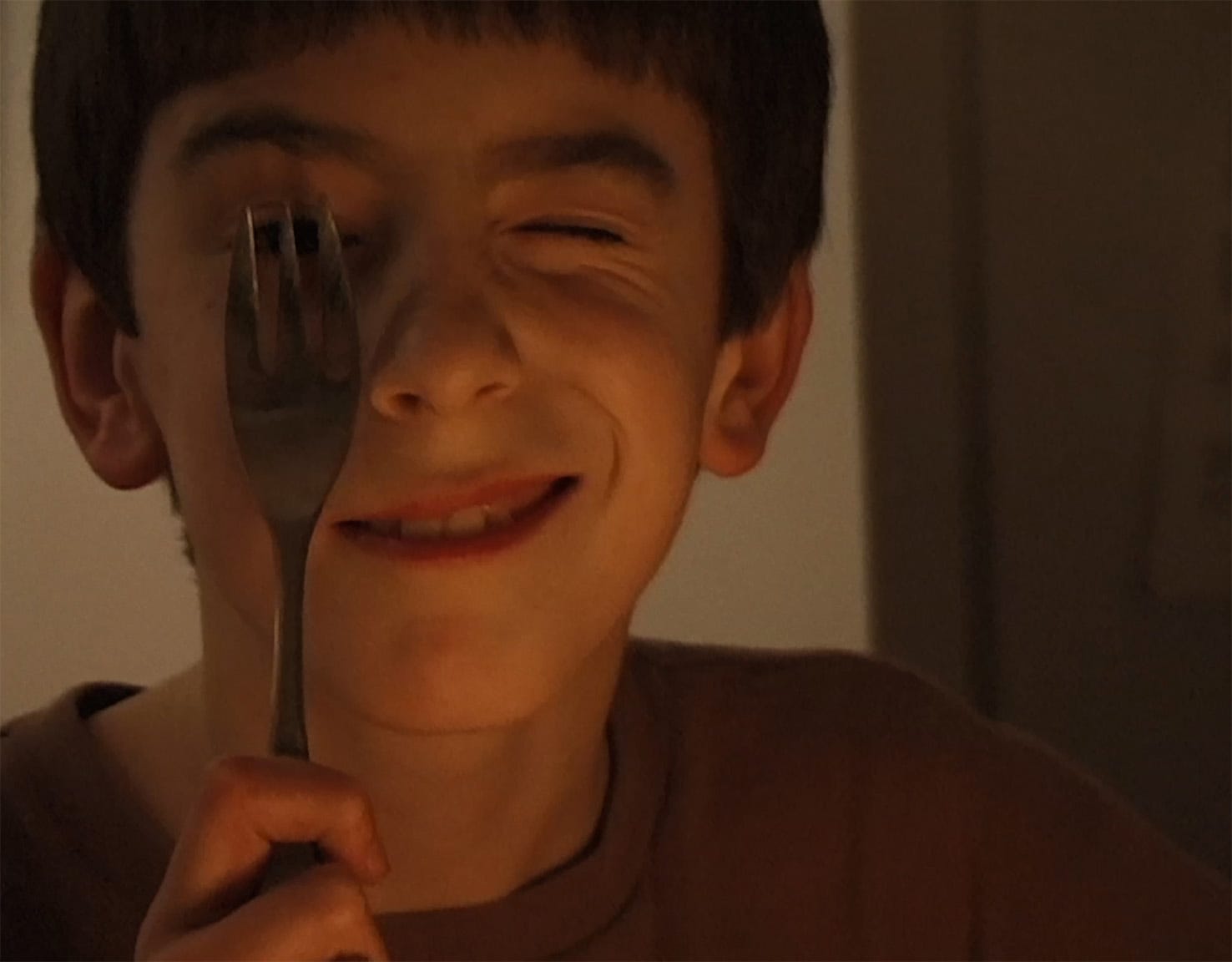
As I mentioned in the last LYT Linkage post, I’ve been writing film appreciations for Laemmle Theatres’ website, which are not “reviews” in any thumbs up/thumbs down mode, but rather appreciations, like essays I’d write for a Blu-ray booklet, if asked (and somebody should dang well ask me! Whom do I hit up?).
It’s a gig that has allowed me to come back around and take second looks at things I might have missed the boat on before, with a lot of Laemmle business these days being reissues and comebacks.
Ross McElwee is a guy I just didn’t get the first time around. As my wife put it, “Guys like this are the reason you exist.” Her meaning being that only in the ’70s and early ‘80s did academic, dweeby guys who look and sound like McElwee somehow manage to date the hottest liberated women around, as seen in his breakthrough film Sherman’s March, and contemporaneous grown-up comedies like Annie Hall.
Discovering McElwee in my dateless twenties, I had zero sympathy for his navel-gazing on the topic, and even felt a touch of condescending, North Carolina-exoticizing from the New York film critics who adored his stuff. Give a recent chance to look back on his work, however, I changed my mind. His work also has aged well, now reading like a forerunner to blogs and social media. For indie cinema, he’s arguably the original “influencer.” He’s putting everything abut himself out there to be judged, whether by 25 year-old me or 50 year-old me, and my judgment has evolved.
He also had to deal with the death of his son, which he processes by navel gazing on film again with the movie Remake, and it’s a potent evolution.
McElwee’s narration remains as steadily deadpan as always, like he can reason his way through anything, but in this case he only comes up with more questions that require answers from the heart rather than the head. He’s always been masterful at self-analysis, yet it’s clear that he now realizes its inadequacy in the face of such a blow. The best he can do is keep Adrian alive on film, and try to understand him by seeing the world through his camera. At a certain age, Adrian stopped wanting to be the subject of his father’s films – in death, his shared credit as cinematographer and editor offers a glimpse at the artist he might have become. It’s clear that he followed somewhat in his father’s footsteps, trying to understand his own life through the camera lens, but having his own addiction as a topic didn’t allow him enough distance. The elder McElwee, naturally, wonders how much of this is his fault as a father.
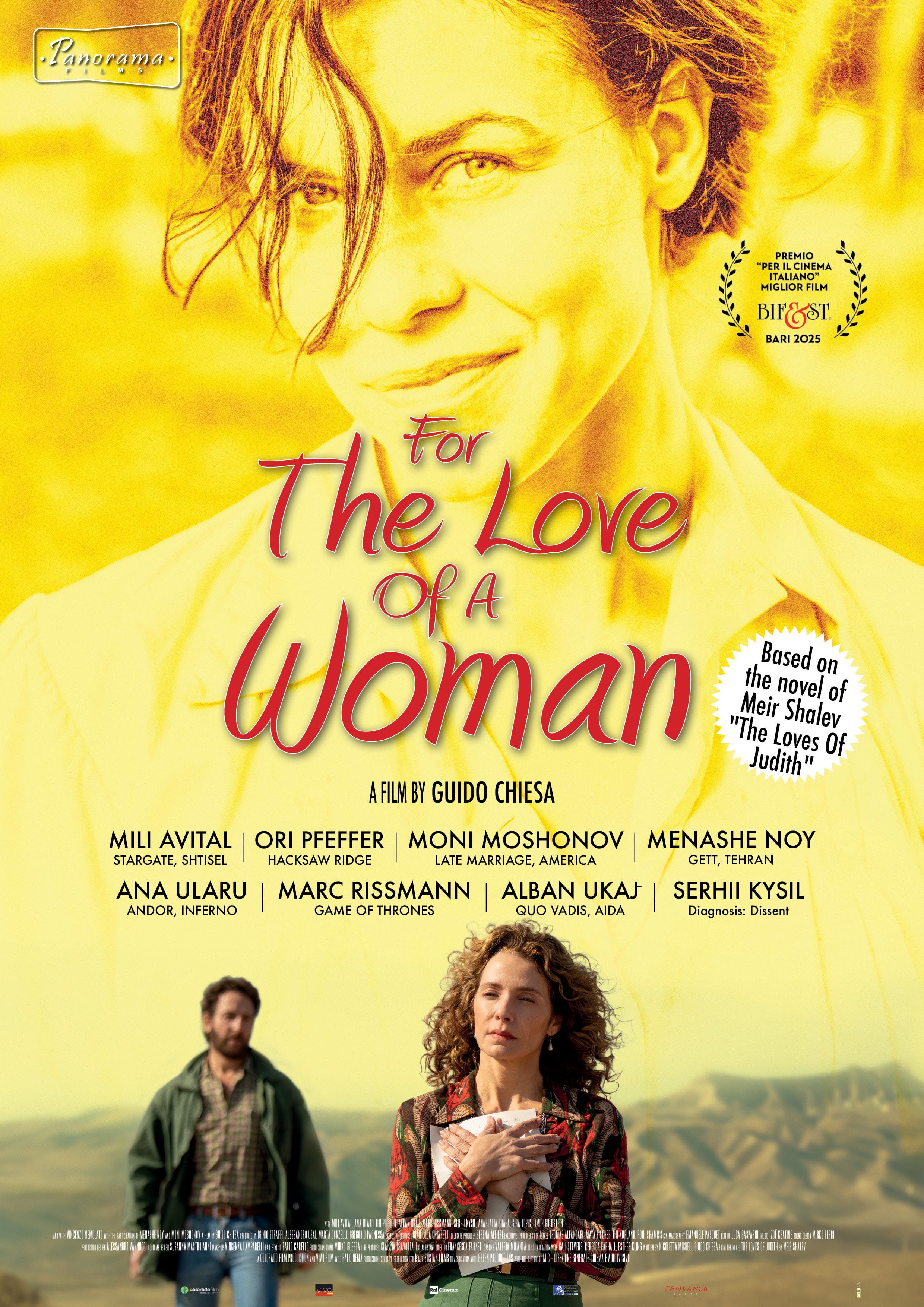
For the Love of a Woman is an interesting take on a book that actually sounds more interesting, but despite an insufferable trailer, turned out to be a quirky good time.
For the Love of a Woman is loosely based on Meir Shalev’s novel The Loves of Judith, also known as As a Few Days or The Four Meals, but it adds a lot in the adaptation. Only the scenes set in the ’30s are from the novel, though the format of nesting stories remains the same, turning the book’s wraparound narrative into the story being uncovered by the new framing device, set 40 years later and invented for the film. Director Chiesa, an Italian immigrant who worked with Michael Cimino and Jim Jarmusch, has turned the story from a riff on Jewish folktales to a meditation on the immigrant experience. What does a person lose when they leave the homeland…and how might they find it again?
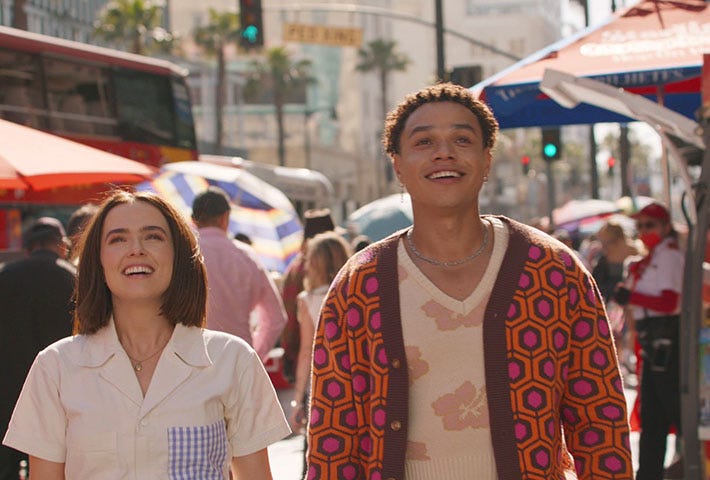
Gail Daughtry and the Celebrity Sex Pass has mostly left theaters, but what can you say about a movie that loosely remakes The Wizard of Oz into a story about a quest to have sex with Jon Hamm?
[Zoey] Deutch, who previously impressed as a sex-hungry comedic lead in Zombieland: Double Tap, continues to effortlessly balance sweetness and charm with determination. She’s the most ridiculously perfect, nice woman in her hometown, but absolutely, single-mindedly set on a revenge plan not because she really wants any enjoyment from it, but because it’ll even the score. It takes a lot to make sex with Jon Hamm feel like a relatable, realistic goal, but as the plot proceeds, audiences should feel like he might actually be the bigger beneficiary – any man should be so lucky as to have someone who can be simultaneously as naughty and as nice as Gail Daughtry.
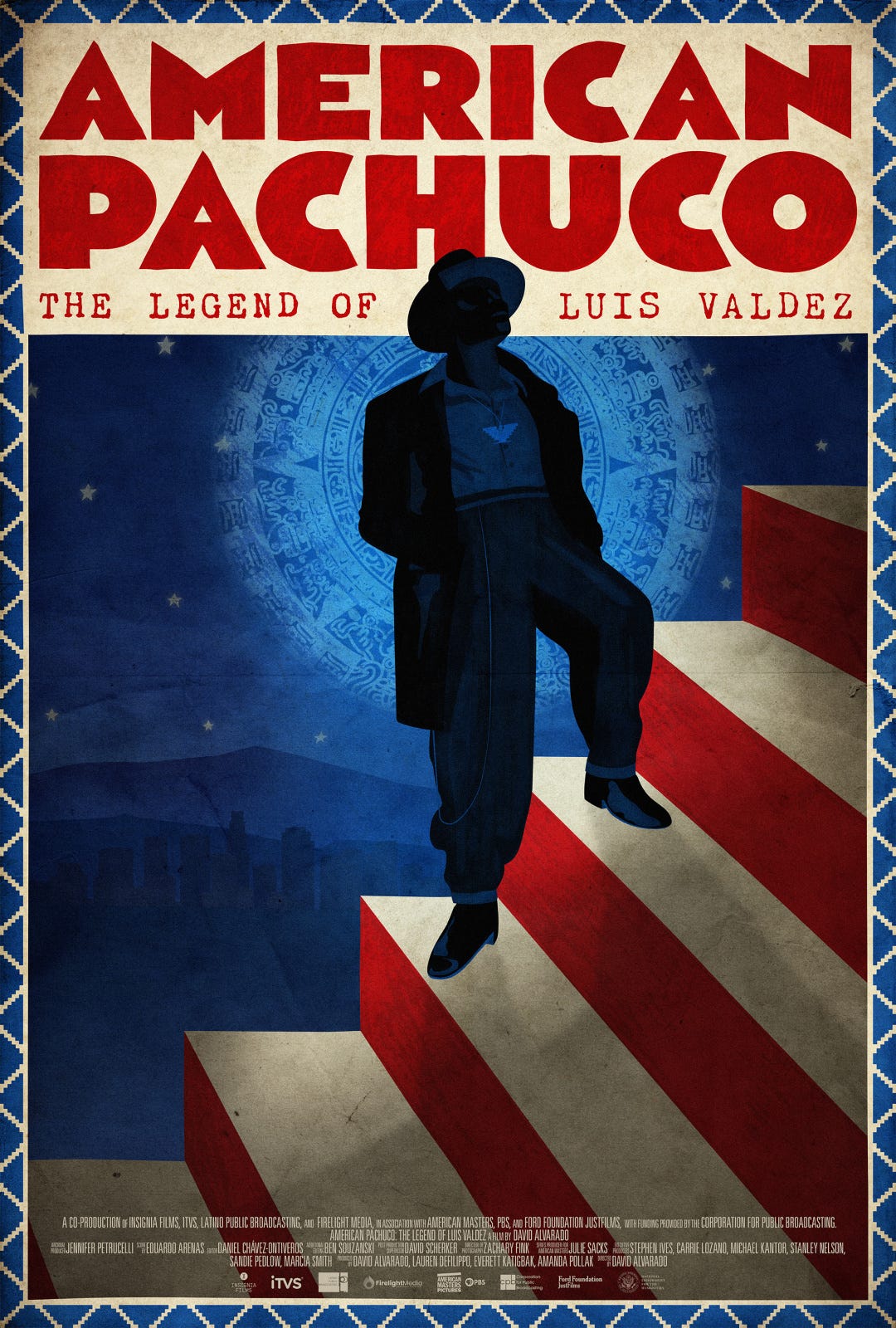
American Pachuco is a documentary about the director of La Bamba, the most successful Chicano movie ever, who has never had the chance to make another theatrical feature. Shocking how not shocking that is.
According to Merriam-Webster, “pachuco” means a young Mexican-American having a taste for flashy clothes and a special jargon and usually belonging to a neighborhood gang. The gang part is likely a stereotype; socially defiant attitudes were definitely involved, as with many youth cultures. Yet the film underscores that the Zoot Suit riots, and the Sleepy Lagoon murder that preceded them, were more about white racism than Chicano crime, though law enforcement at the time knew who was easier to blame.
Thanks for reading Mortal Cinema! This post is public so feel free to share it.
I never saw Jane Campion’s The Piano when it came out, as I was pretty sure I’d hate it based on what I heard. I was correct that I would have hated it then — but the time was right now. In an interesting twist, I got to reappraise it along with two other completely different films.
What do Luchino Visconti’s White Nights, Jane Campion’s The Piano, and Gregg Araki’s Mysterious Skin all have in common? Aside from critical acclaim, not much. Except this: they’re all returning to the big screen in new restorations over the next few weeks.
Not to be confused with the 1985 American film of the same name, White Nights (1957) marked a transition in Visconti’s style. Previously known as a master of neorealism, he shot the entirety of White Nights on a large set in a Roman soundstage, giving the production a dreamlike quality in line with the Dostoevsky short story it’s based on. Based on the Tuscan city of Livorno, the set used netting to give the street lights a nighttime haze, and included a functional mini-canal, for a key moment in a rowboat.
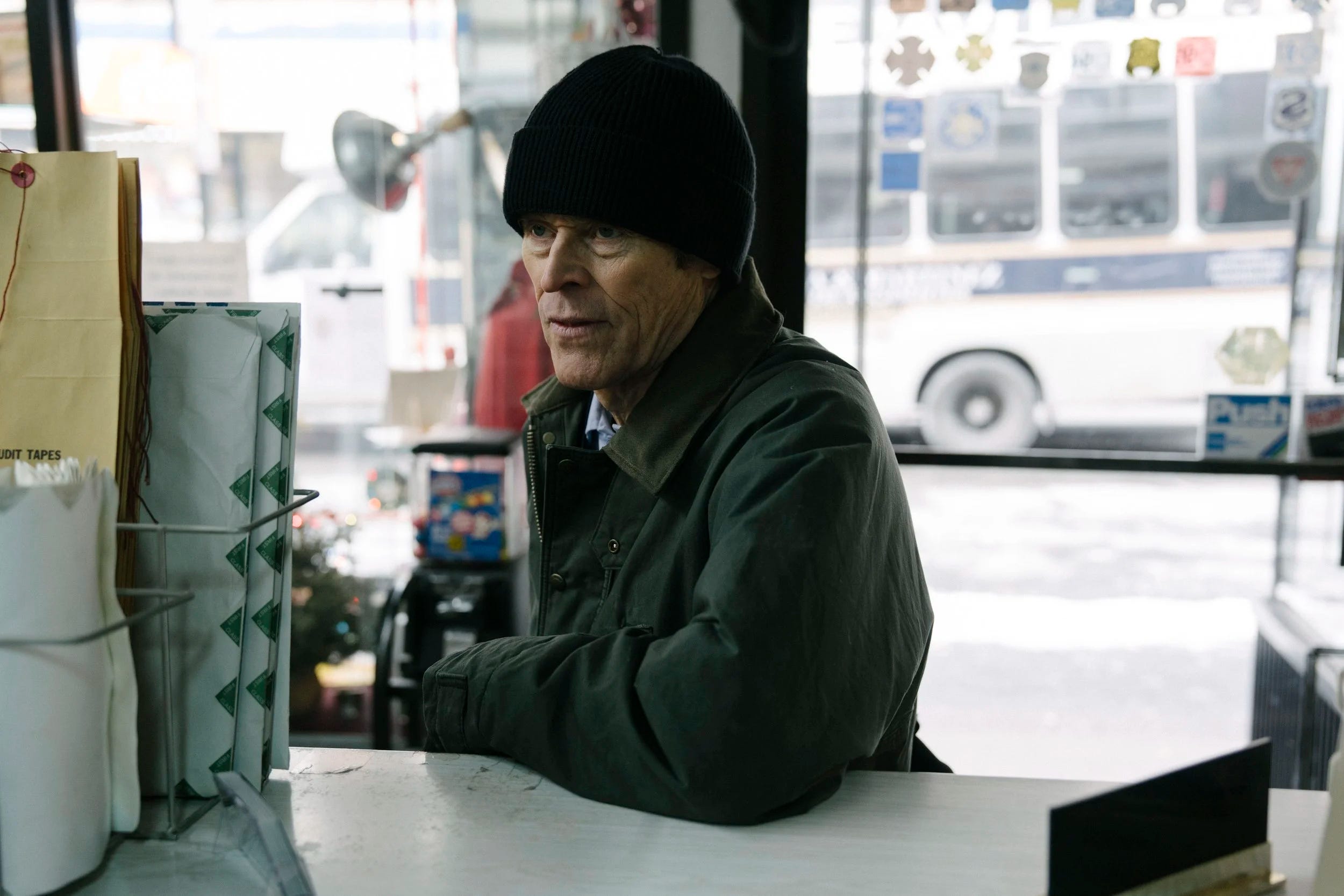
Willem Dafoe plays a poet who long ago gave up on his dreams in Late Fame, only to be reappraised by modern college kids. As much of an ego boost as that is, the film’s central joke is that the new “fame” is just as hollow as it ever would have been.
A former film critic, festival programmer and documentarian, the sixty-something [Kent] Jones knows a bit about late blooming himself. Late Fame is only his second dramatic feature as director, following 2018’s Diane, which scored star Mary Kay Place a Best Actress award from the Los Angeles Film Critics Association and the National Society of Film Critics. His newest, like Stanley Kubrick’s Eyes Wide Shut, is based on a novella by turn-of-the-20th century Austrian author Arthur Schnitzler.
Jones’ approach, however, is very different – where Kubrick created artificial New York City blocks in London, and put Tom Cruise on a treadmill in front of a rear projection screen, Jones goes street-level in the real thing. There’s a liveliness and sense of space to it, from two-story coffee shops maximizing their vertical space to a surprisingly large single apartment that indicates hidden wealth on the part of its owner.
That’s enough for now. I hope you’ve enjoyed my more serious side for a moment or two.
Prefer not to subscribe via Substack? You can leave a tip through Buy Me a Coffee instead.
You can also do PayPal.
No posts
Comments
Nothing yet. Say the first thing.
Sign in to join the conversation.